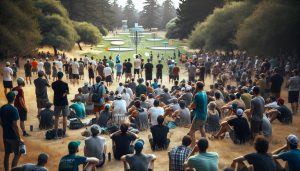
In the dynamic world of disc golf, tournament classification can profoundly influence your experience, whether you’re a beginner or a seasoned competitor. Understanding the nuances between B-Tier and C-Tier tournaments is essential for players seeking the right environment to hone their skills and gain recognition. These classifications affect factors like course difficulty, competition level, and even player eligibility, making it crucial for anyone involved to grasp these distinctions. As you navigate through the world of disc golf, you might wonder: can a tournament change its tier classification? This exploration of the rules surrounding B-Tier and C-Tier tournaments will help clarify your questions and shed light on the implications of these classifications for your game and growth. Join us on this journey to demystify the tournament structure and discover how it can impact every throw you make on the course.
Understanding Disc Golf Tournament Classifications

Understanding the structure of disc golf tournament classifications is crucial for both players and organizers alike. Each tier serves a purpose that reflects the level of competition, experience required, and the potential rewards associated with participation. These classifications are not merely bureaucratic distinctions; they significantly impact the experience of the players competing. One intriguing aspect of tournament classifications is the hierarchy between B-Tier and C-Tier events, often determining the level of prestige and competition that players can expect.
B-Tier tournaments typically feature higher stakes, better payout structures, and attract a more skilled demographic of players. This tier often acts as a gateway for those looking to improve their rankings and potentially qualify for even larger competitions, such as A-Tier events. Conversely, C-Tier tournaments are designed to be more accessible, welcoming newcomers and less experienced players to the fold. These events provide a fantastic opportunity for players to hone their skills without the pressure of facing elite competitors.
When considering changing a tournament’s classification-say from B-Tier to C-Tier-there are numerous factors at play, including expected attendance, course conditions, and the overall goals of the tournament director. Many players believe that tiers reflect not only the competitiveness of the event but also the type of experience they are seeking. Understanding these classifications can help players choose which tournaments to enter based on their personal goals-whether they are seeking to compete at a high level or simply trying to get involved in the sport.
Ultimately, navigating the disc golf classification system is an important skill for players aiming to strategize their tournament participation. By recognizing the implications of B-Tier versus C-Tier classifications and the experiences they offer, players can better align their participation with their aspirations within the sport.
The Importance of B-Tier and C-Tier Ratings

In the ever-growing world of disc golf, understanding tournament ratings such as B-Tier and C-Tier is not just beneficial; it’s essential for players aiming to enhance their game and expand their experience in competition. These classifications serve as a valuable compass, guiding both novice players and seasoned competitors through the landscape of disc golf tournaments. They are crucial in determining not only the skill level of participants but also the overall atmosphere of the event, influencing everything from competition intensity to payout quality.
B-Tier tournaments typically attract higher-caliber players, often featuring more competitive fields, enhanced payout structures, and opportunities for significant rankings advancement. Participating in these events allows players to challenge themselves against skilled opponents, providing a truly enriching experience. Moreover, success in B-Tier tournaments can pave the way to even larger A-Tier competitions, making their importance multifaceted. Conversely, C-Tier tournaments cater to a wider range of skill levels, providing an inviting entry point for beginners. These events are designed to foster skill development while still offering a competitive atmosphere, enabling emerging players to gain invaluable experience without the daunting pressure associated with higher-tier competitions.
Understanding the implications of these classifications can significantly impact a player’s choices when selecting tournaments. By aligning participation with personal ambitions-be it competing at a serious level or honing skills in a less intimidating environment-players can navigate their disc golf journey more strategically. As a result, new players can start their adventure with C-Tier events to build confidence before tackling the more formidable B-Tier challenges.
Ultimately, being aware of the distinctions between B-Tier and C-Tier events not only prepares players for what to expect but also enhances the sense of community and growth within the sport. As participants evolve and the sport continues to expand, recognizing the value of these classifications becomes crucial for both the individual player and the disc golf community as a whole. Whether you’re stepping up to the plate in your first tournament or vying for the next big win, understanding where you fit within the tier system fuels personal and communal growth in this vibrant sport.
Key Differences Between B-Tier and C-Tier Events
In the dynamic and rapidly expanding sport of disc golf, understanding the nuances between tournament classifications, specifically B-Tier and C-Tier events, is crucial for players aiming to elevate their game and enjoy their competitive experience. While both tiers provide valuable opportunities for growth and challenge, they cater to different skill levels and competitive environments, shaping the experiences of participants in distinct ways.
B-Tier tournaments are designed to attract a higher caliber of players, offering a more competitive atmosphere. Typically, these events feature larger payouts, more stringent entry requirements, and enhanced logistics that cater to seasoned competitors. The playing fields often include many skilled players, leading to a more intense experience that can test participants’ skills under pressure. Players seeking to improve their rankings or prepare for larger A-Tier competitions often gravitate towards these events, which not only provide a valuable experience but also foster a strong spirit of competition.
On the other hand, C-Tier tournaments serve as an inviting entry point for less experienced players. They are designed to promote skill development in a more relaxed environment, allowing newcomers to gain familiarity with competitive play without overwhelming pressure. C-Tier events typically feature smaller fields, lower stakes, and a wider range of skill levels, making them ideal for players looking to build confidence as they progress. These tournaments often emphasize enjoyment and community, allowing players to connect with others while honing their skills.
Understanding these key differences goes beyond simply choosing where to play; it can significantly impact a player’s overall trajectory in the sport. By aligning their goals with the appropriate tier, participants can strategically navigate their journey in disc golf, starting with C-Tier events to gain vital experience before challenging themselves in B-Tier tournaments. Ultimately, recognizing and respecting the unique offerings of each tournament classification encourages growth, community engagement, and a deeper appreciation for the sport.
How Tournament Classifications Impact Player Experience
Participating in disc golf tournaments isn’t just about competition; it’s an immersive experience that can significantly shape a player’s journey and personal growth within the sport. Depending on the classification of the event-whether B-Tier or C-Tier-the player experience can vary widely, influencing not only one’s skill development but also how they engage with the disc golf community.
B-Tier tournaments, being a step up in terms of competitiveness, often deliver a high-stress but rewarding environment. Players entering these events generally encounter stronger peers, which can push them to elevate their game. The competition is fierce, stakes are higher, and the atmosphere is charged with intensity. For instance, a player striving for a personal best or aiming to improve their standing in national rankings will find the challenging settings of a B-Tier event to be a compelling opportunity. Additionally, these tournaments often feature larger payouts and better-organized logistics, which can enhance the overall professionalism of the event, from the check-in process to the presentation of awards.
In contrast, C-Tier tournaments are designed to foster inclusivity and accessibility, particularly for newcomers. The environment is typically much more relaxed, allowing players to engage in healthy competition without the overwhelming pressure that can accompany higher-tier events. Here, players can focus on honing their skills, learning proper techniques, and battling nerves in a setting that emphasizes fun and community. Stories from players who have transitioned from C-Tier to B-Tier often highlight that initial exposure to competition helped build not only confidence but also camaraderie among fellow players. When local disc golf clubs organize C-Tier events, they often cultivate a spirit of mentorship, with experienced players supporting less skilled counterparts, which can greatly enhance the learning experience.
Moreover, the impact of classification extends beyond just the competition level. Players considering requesting a change from B-Tier to C-Tier should reflect on their motivations and the overall impact on their enjoyment and engagement with the sport. It’s essential to weigh the desire for lighter competition against personal goals and how those goals fit within their current capabilities. The decision can lead to growth, relaxation, or even a newfound appreciation for a different tier of play that aligns better with their current state of mind or skill level.
In summary, understanding how tournament classifications affect player experience is fundamental for those looking to progress in disc golf. The right choice can lead to fulfilling experiences, rich community interactions, and significant skill enhancement. Whether competing fiercely in a B-Tier event or enjoying a supportive C-Tier atmosphere, players are not just participating in a sport; they are part of a vibrant and evolving community.
Official Guidelines for Changing Tournament Classes
Changing the classification of a disc golf tournament from B-Tier to C-Tier can be an important decision for both tournament organizers and players alike. To ensure a smooth transition, it’s crucial to understand the official guidelines that govern this process. The recognition of different tiers maintains the integrity of competitive play, encouraging diverse participation levels and fostering community engagement.
Firstly, tournament directors should consult the official rules set forth by the Professional Disc Golf Association (PDGA). These guidelines outline the criteria for tournament classification and the procedures for requesting changes. Generally, tournament classifications are based on factors such as player experience, scoring, and the event’s competitive environment. To downgrade from B-Tier to C-Tier, a formal request must be submitted to the PDGA, and this request often requires substantial reasoning, particularly if the event has previously been recognized at a higher tier.
Here are some common steps that tournament organizers should follow when considering a classification change:
- Evaluate Current Event Metrics: Assess the number of participants, their skill levels, and how the event was rated in the past.
- Gather Community Feedback: Reach out to players for their insights and opinions on the potential change, ensuring that their preferences and needs are considered.
- Submit Documentation: Provide the PDGA with the required documentation, including past performance data and evidence of community support for the change.
- Await Approval: After submission, wait for feedback from the PDGA regarding the request. Be prepared to provide additional information if necessary.
Keep in mind that downgrading a tournament’s classification can also affect the perception and legacy of the event within the disc golf community. This change can lead to an influx of newer or less-experienced players, enhancing the overall atmosphere and encouraging engagement. However, it might also bring about concerns among participants who value competitive integrity. Thus, transparent communication and proactive outreach are essential to navigate potential challenges effectively.
In summary, adhering to established guidelines and engaging with the community during the classification change process will not only help maintain the quality of tournament operations but will also nurture the supportive environment crucial to the growth of disc golf as a sport.
Step-by-Step: Requesting a Classification Change
To navigate the process of changing a disc golf tournament’s classification from B-Tier to C-Tier, clarity and careful planning are essential. This change can significantly influence the competition level and player participation, so it’s important to approach it thoughtfully. Begin by gathering all necessary information, as the request details will dictate how smoothly the process unfolds.
Start by evaluating your current tournament metrics. This involves assessing factors such as the number of registered participants, their skill levels, and historical performance data from past events. This data forms the basis of your case to present to the PDGA. It’s beneficial to compile comprehensive statistics, including participation trends over recent years and any relevant feedback from players.
Community input should not be overlooked. Engage with participants through surveys or forums to gather their thoughts on the potential change. This feedback can be pivotal in demonstrating community support for the decision. Use the insights gathered to bolster your request, showcasing a clear understanding of players’ needs and preferences.
Once you have the necessary information and community support, you’ll need to prepare the formal request for classification change. This involves drafting a concise yet informative document that outlines your reasons for the downgrade, backed by the data and feedback you’ve collected. Submit this request to the PDGA according to the official instructions laid out in their guidelines.
Finally, be patient as you await the PDGA’s response. During this time, remain open to further questions or requests for additional documentation from the PDGA. Transparent communication is key throughout this process. If your request is approved, be prepared to celebrate this transition with the community, embracing the new competitive atmosphere that a C-Tier tournament might foster, while remaining attentive to any challenges it brings.
This methodical approach will not only facilitate a smooth transition but also reinforce the strength of your tournament within the disc golf community. Remember, fostering an inclusive environment is crucial, and this change could breathe new life into your event while maintaining its integrity.
Factors Influencing Tournament Classification Decisions
The decision to change a disc golf tournament’s classification from B-Tier to C-Tier is influenced by several key factors that take into account both player dynamics and organizational capabilities. Understanding these factors not only aids tournament directors in making informed choices but also helps participants appreciate the nuances of tournament classifications.
One significant element to consider is the level of competition among participants. B-Tier events generally attract a stronger field of skilled players, often including a larger number of professionals and higher-rated amateurs. By examining historical registration data, tournament organizers can gauge whether the competitive landscape aligns with the desired tier classification. A decrease in player skill level or participation rates could suggest that a C-Tier classification might be more suitable to foster a more inclusive environment for newer players.
Community sentiment plays an equally vital role. Engaging with participants through feedback forms or discussions can provide insights into how players view the current classification. If many regular attendees express the desire for less competitive play due to rising entry costs or intimidation factors, this input can substantiate a request for downgrading the event’s classification.
Additionally, logistical aspects such as budget constraints, organizational experience, and sponsor support also contribute to the classification decision. C-Tier events can often require fewer resources and potentially lower operating costs, which may appeal to tournament directors managing smaller events or those just starting in the disc golf scene. Understanding these dynamics enables tournament directors to create tailored experiences that keep the community’s needs at the forefront while ensuring that events remain sustainable.
In summary, when considering a classification change, it’s important to conduct a thorough analysis of participant demographics, community input, and logistical capabilities. Each of these factors interplays to shape the overall competitive experience, ultimately leading to a more enjoyable environment for all disc golf enthusiasts.
Consequences of Downgrading from B-Tier to C-Tier
Downgrading a disc golf tournament classification from B-Tier to C-Tier can prompt a variety of consequences that affect both the competitive landscape and player experiences. Perhaps one of the most immediate impacts is the change in the caliber of participants attracted to the event. B-Tier tournaments typically lure more skilled players, including professionals and highly-rated amateurs. Transitioning to a C-Tier classification may lead to a more varied skill level among competitors, which can make the tournament feel less intimidating for novices while simultaneously creating a less competitive atmosphere for seasoned players.
Participants may find that downgrading to C-Tier opens the door to a broader demographic, fostering inclusion and community spirit. Newer players can gain valuable experience without the pressure of competing against top-tier talent. However, for these experienced competitors, the downgrade may diminish the competitive edge they seek from participating in B-Tier events. In this way, tournament directors must balance the desires of serious competitors for challenging play with the needs of newer participants eager to improve their skills.
Additionally, there are logistical ramifications to consider. C-Tier events generally require fewer resources to organize, which can ease the operational burden on directors. This can lead to better accessibility for smaller venues or newer organizations aiming to build momentum within the local disc golf community. However, it also means that the prize pools and sponsorships may be less lucrative, potentially discouraging higher-level players from participating. Understanding these dynamics can help organizers create events that are both sustainable and appealing to a wide range of participants.
In essence, the decision to downgrade a tournament is not merely administrative; it interacts with the very fabric of the disc golf community. Embracing this change can foster growth and encourage more players to engage with the sport, but it’s crucial for tournament directors to communicate transparently with participants about the goals and expected outcomes of such a shift. By doing so, they can cultivate a vibrant atmosphere that celebrates both competition and camaraderie in disc golf.
Common Misconceptions about Disc Golf Classifications
While tournament classifications in disc golf might seem straightforward, there are several misconceptions that can cloud understanding, especially when it comes to changing from a B-Tier to a C-Tier event. One common myth is that all tournaments are created equal in terms of prestige and competitiveness. In reality, B-Tier tournaments generally attract a higher caliber of players, including seasoned professionals and highly-rated amateurs, due to more stringent qualification standards and better prize incentives. Conversely, C-Tier events often appeal to a broader range of newcomers and casual players, which can lead to a less intimidating atmosphere but might diminish the competitive edge that skilled players seek.
Another frequent misconception is that downgrading a tournament will automatically lead to fewer participants. On the contrary, C-Tier events can actually increase participation rates by making competitions more accessible to less experienced players. This inclusion fosters community growth and encourages player development, allowing newer competitors to gain critical experience without facing the overwhelming pressure that comes with a B-Tier setup. For many players, especially those just starting their disc golf journey, the opportunity to compete in a supportive environment can be more valuable than the prestige of a higher tier.
Moreover, some players believe that changing a tournament’s classification negatively impacts its legitimacy. This is a misinterpretation; classifications serve as a guideline for player expectations rather than a definitive measure of a tournament’s value. Regardless of the tier, every tournament has the potential to deliver a great experience, with opportunities for fun, camaraderie, and personal improvement.
Finally, there is a prevailing notion that tournament directors can change classifications at will without consideration of player impacts or organizational goals. In reality, altering a tournament’s classification entails careful thought and communication. It involves balancing the desires of seasoned competitors with the needs of emerging players, ensuring that everyone involved understands the reasoning behind such a decision. By addressing these misconceptions, both players and tournament organizers can cultivate a more vibrant and supportive disc golf community, where everyone-from novices to experts-feels welcome and valued.
Real Player Experiences with Tier Changes
Many players have encountered the transition from B-Tier to C-Tier events, each with its unique stories and experiences that highlight the nuances of these classifications. One player shared how participating in a B-Tier tournament felt overwhelmingly competitive. As someone relatively new to the sport, they found themselves surrounded by seasoned pros who consistently ranked higher. The pressure was immense, and while it was thrilling to compete, the stress took away from their enjoyment of the game. After the tournament, they realized that a switch to C-Tier events would create a more relaxed atmosphere, conducive to playing for fun and personal improvement rather than just for victory.
Conversely, another competitor who had previously dominated B-Tier events expressed concerns about downgrading to C-Tier tournaments. Initially, they feared that such a change would diminish their competitive edge and frustrate them by facing less experienced players. However, after participating in a C-Tier event, they discovered a refreshing sense of community. They enjoyed mentoring newer players, sharing strategies, and fostering camaraderie rather than merely focusing on mere competition. This experience not only reignited their passion for disc golf but also enriched their perspective on the sport’s community aspect.
Several players emphasize the importance of transitioning between tiers as a way to evolve their competitive strategies and skill sets. Many have come to view these changes not merely as downgrades but as opportunities to adapt their game. For instance, those moving to C-Tier events often focus on refining their fundamentals and enjoying the learning process in a less pressured environment. They report that this can lead to significant growth in their overall game performance, making their return to higher-tier events much smoother and more rewarding.
Overall, the stories of players navigating these tier changes underscore the idea that disc golf is as much about community and growth as it is about competition. Whether opting for the more challenging atmosphere of a B-Tier or the welcoming embrace of a C-Tier event, each experience contributes to their development as players and enriches the sport’s overall landscape.
Best Practices for Tournament Organizers
Tournament organizers play a crucial role in shaping the competitive landscape of disc golf, especially when it comes to navigating tier classifications like B-Tier and C-Tier events. By implementing best practices, they can ensure that their tournaments cater to the needs of diverse players, enhance the overall experience, and foster a sense of community.
One effective approach is to clearly define tournament goals from the outset. Whether the objective is to attract high-level competitors or to create a more relaxed atmosphere for recreational players, establishing these goals will guide decisions on everything from course layout to prize structures. To provide a balanced environment, organizers might consider offering separate divisions within the same tournament, allowing players of varying skill levels to compete against others of similar experience. This structure can maintain competitive integrity while ensuring that newer players aren’t overwhelmed.
Engaging with the local disc golf community is also essential. Hosting pre-tournament meetings or forums can provide valuable insights into player expectations and preferences. Organizers should actively seek feedback post-tournament as well, using surveys to gather information on what participants enjoyed and what could be improved in future events. This feedback loop establishes trust and can lead to higher attendance rates in subsequent tournaments.
Additionally, maintaining strict adherence to official classification guidelines is pivotal. Organizers should thoroughly understand the criteria that differentiate B-Tier from C-Tier events, such as player ratings, event size, and prizes. This knowledge ensures transparency when classifying tournaments and helps manage players’ expectations. Furthermore, having a clear process for players to request a classification change can prevent confusion and potential dissatisfaction among participants.
Ultimately, fostering a spirit of community and sportsmanship should be at the heart of every event. Simple gestures, such as hosting casual meet-and-greets or providing opportunities for experienced players to mentor newcomers, can transform competitive tournaments into enriching social experiences. By crafting a welcoming environment that respects both competitive aspirations and the joy of play, organizers help solidify the future of disc golf as a sport built on camaraderie and growth.
Future of Disc Golf Classifications: Trends and Predictions
As the sport of disc golf continues to grow, so do the complexities surrounding tournament classifications like B-Tier and C-Tier events. Understanding the future of these classifications is essential for players and organizers alike, as it directly impacts tournament structure, competitor experiences, and the sport’s overall evolution. With increased participation and diverse player skill levels, the necessity for clear, fair, and adaptable classification guidelines has never been more pronounced.
One emerging trend is the potential for more flexible classification systems. As the sport garners interest from a wider audience, the need for events that cater to various skill sets is paramount. This could lead to the introduction of hybrid classifications or temporary tier adjustments based on player feedback and participation levels, allowing tournaments to evolve with the community. Such adaptability ensures that players feel valued and appropriately challenged, fostering a healthy competitive environment.
Moreover, advancements in technology can contribute to more accurate classification assessments. Utilizing player statistics and performance metrics from past tournaments could streamline classification decisions, minimizing ambiguity. As tournament organizers begin implementing data-driven approaches, we may see a shift towards more dynamic classifications that reflect current player abilities rather than relying solely on historical data or rigid standards.
The essence of community is likely to shape the future of classification standards as well. With a focus on inclusivity and the joy of the game, tournament organizers are increasingly encouraging collaboration among players. This shift can lead to a more engaged disc golf community where players actively participate in efforts to refine the classification process, ensuring it appeals to both newcomers and seasoned competitors. Engaging with players to gather insights on their experiences will not only help in fine-tuning classifications but also strengthen community bonds, keeping the spirit of disc golf vibrant and welcoming.
Embracing these trends will be crucial for the sustainable growth of disc golf, allowing it to thrive amid the evolving landscape of competitive sports. By recognizing the significance of player experiences and integrating feedback into classification systems, the future of disc golf tournaments can provide a balanced, competitive, and enjoyable environment for all participants.
Frequently asked questions
Q: What are the benefits of changing a disc golf tournament from B-Tier to C-Tier?
A: Changing a tournament from B-Tier to C-Tier may attract a larger participation pool, as some players prefer lower-tier events due to less competitive pressure. This can enhance community engagement and provide newcomers an accessible starting point, promoting the growth of the sport.
Q: How does changing from B-Tier to C-Tier affect player ratings?
A: Downgrading a tournament to C-Tier may impact players’ ratings since C-Tier events usually yield fewer points compared to B-Tier. Players aiming for higher ratings should consider the implications before competing in a downgraded event.
Q: Can players request a classification change for a tournament they are registered in?
A: Yes, players can request a classification change by contacting the tournament organizers. It’s advisable to communicate the reasons for the request clearly and to check official guidelines for any specific procedures that need to be followed.
Q: What factors influence the decision to downgrade a tournament from B-Tier to C-Tier?
A: Decisions to downgrade often consider participant numbers, financial viability, and the overall competitive atmosphere. Tournament organizers assess current conditions and feedback from players to determine if a downgrade is necessary.
Q: Are there specific guidelines to follow when downgrading a tournament classification?
A: Yes, official guidelines typically dictate the process for downgrading a tournament. It’s important for organizers to review the rules from the governing body for disc golf in their region to ensure compliance with classification standards.
Q: Is there a specific timeframe for requesting a classification change before a tournament?
A: It’s best to request a classification change as early as possible-ideally several weeks before the event. This allows tournament organizers sufficient time to evaluate the request and make necessary adjustments.
Q: What are potential drawbacks of changing a B-Tier tournament to C-Tier?
A: Downgrading to C-Tier can result in decreased prestige for the event, possibly discouraging experienced players from participating. Additionally, this change might affect sponsorship opportunities and overall prize purse.
Q: How do participants react to a tournament being downgraded from B-Tier to C-Tier?
A: Reactions can vary. Some players appreciate the decreased competition level, while others might feel disappointed due to reduced status. Engagement with the player community is key to understanding their perspective and ensuring ongoing support.
To Wrap It Up
As we conclude our exploration of changing a disc golf tournament from B-Tier to C-Tier, remember that understanding the classification rules is essential for ensuring fair play and fostering a competitive community. If you’re still pondering fees or player impacts, check our detailed articles on tournament formats and player classifications.
Don’t miss out on optimizing your disc golf journey-sign up for our newsletter for more insights or explore our comprehensive guides on disc flight mechanics and throwing techniques. Your next breakthrough in disc golf is just a click away! Join our community discussions below; we’d love to hear your thoughts and experiences. Let’s keep elevating the sport together!