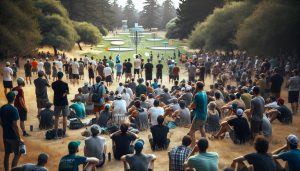
Did you know that disc golf holes can vary significantly in length, impacting gameplay and strategy? Understanding how these holes are measured is crucial for both newcomers and seasoned players alike. Accurate distance standards not only help set fair competitive environments but also allow players to gauge their skills effectively. As disc golf continues to grow in popularity, knowing the nuances of hole measurements can enhance your appreciation for the sport and improve your game. In this article, we will explore the standard methods of measuring disc golf holes and discuss how these measurements affect everything from course design to player performance. Join us as we delve into the exciting world of disc golf and discover how a simple measurement can elevate your experience on the course.
How Disc Golf Holes Are Measured: The Basics
Measuring disc golf holes accurately is crucial for maintaining the integrity and enjoyment of the game, whether you are designing a new course or playing on an established one. Most commonly, holes are measured from the tee pad to the basket, but this measurement can become complex due to various influencing factors. Official measurements typically use standardized practices to ensure fairness and consistency across courses, aligning with guidelines set by organizations like the Professional Disc Golf Association (PDGA).
To gauge the distance of a disc golf hole accurately, one must take into account the terrain, including any elevation changes, trees, or water hazards that might affect a player’s throwing lines. Distances are usually reported in feet or meters, and it’s important to measure the direct flight path rather than just a straight line on a map. Measure the distance along the most probable flight path, capturing any necessary curves or elevation adjustments. This can be done effectively using tools like measuring wheels or long tape measures, which ensure that the total length reflects the intended challenge of the hole.
An understanding of how distance is categorized (e.g., short, medium, and long holes) can also enhance a course’s appeal to a diverse range of players. Short holes often encourage beginner players to practice their skills, while longer holes can challenge more experienced competitors to maximize their throwing power and accuracy. The combination of both types helps create a well-rounded course that encourages skill development and accommodates players at every level. By ensuring that measurements are precise, course designers contribute to the overall quality of the game and enhance the player’s experience on the course.
Understanding Standard Disc Golf Distances
Understanding the distances of disc golf holes is essential for players and course designers alike. The sport traditionally categorizes holes into three standard distance groups: short, medium, and long. These classifications help players gauge their throwing abilities, understand their approach to each hole, and strategize their gameplay accordingly.
Typically, short holes range from 150 to 300 feet, ideal for beginners looking to improve their throwing accuracy. These holes encourage a focus on technique rather than distance, making them perfect for novice players and players striving to develop their skills. Medium holes, spanning 300 to 450 feet, challenge players to combine distance with skillful driving and finesse, appealing to a broad range of amateur players. Finally, long holes, measuring over 450 feet, require power and precision, often testing the capabilities of even the most seasoned competitors.
When it comes to measuring these distances, accuracy is paramount. Measurements usually extend from the back of the tee pad to the center of the basket, with considerations for variations in terrain and projections of the most probable flight paths. This approach ensures that the challenges players face reflect a true-to-life playing environment.
In addition to these standard distances, factors such as local course regulations, geographic location, and player demographics can influence the design and length of holes. Courses may adapt their layout to match the needs of their community, making understanding these standards crucial for maintaining fair and enjoyable conditions for all players. By grasping standard distances, players can build an appreciated understanding of the courses they play, equipping them with the knowledge to excel in their pursuit of improvement and enjoyment in the sport.
The Importance of Elevation in Hole Measurement
The role of elevation in disc golf is often underestimated, yet it can dramatically alter both the strategy and difficulty of a hole. When measuring a hole’s distance, it is not just a straightforward linear measurement from the tee pad to the basket; elevation changes must be taken into account. For instance, throwing downhill can create a feeling of extra distance, as discs travel faster and may glide further than expected. Conversely, uphill throws require more power and precision, significantly impacting how players approach their shots.
To accurately reflect the challenges presented by elevation, measurements should consider the vertical drop or rise along the flight path. This means if a hole measures 300 feet straight but features a 30-foot elevation drop, the effective distance might feel closer to a longer hole, requiring players to adjust their typical throwing strategy. It’s essential for players to practice on hilly courses to understand how elevation affects their disc flight and distance control.
Moreover, designing a course with varied elevations can enhance the experience for players of all skill levels. Beginners may find elevation changes intimidating, but strategically placed holes can encourage growth and skill development as they learn to navigate these challenges. Advanced players relish the added complexity, allowing them to showcase their throwing skills and strategic thinking.
In summary, when designing or measuring disc golf holes, it’s crucial to factor in elevation. Elevated terrains not only impact the physical distance of a hole but also challenge players to refine their mechanics and enhance their overall gameplay. Embracing the nuances of elevation cultivates a deeper appreciation for the sport and encourages a richer experience on the course.
Measuring Techniques: Tools of the Trade
Measuring the distance of a disc golf hole accurately is essential for establishing fair play and enhancing the course’s challenge. The tools you use can greatly impact how precisely and effectively you measure each hole. Whether you’re an aspiring course designer or a club member looking to improve your local layout, understanding the instruments at your disposal will help you create a better experience for players of all levels.
One of the most popular measuring tools is the measuring wheel. This handheld device allows you to traverse the course while counting off each revolution to provide an accurate distance. Measuring wheels are particularly useful for courses with uneven terrain, as they can handle bumps and dips more easily than a simple tape measure. For a quick measurement, a laser rangefinder is another excellent option, especially for those who value speed and convenience. These devices can measure distances up to several hundred feet with just the push of a button, making them ideal for measuring long or complex holes quickly.
In addition to these electronic and mechanical tools, a basic tape measure remains a reliable option, particularly for short distances or detailed work around the tee pad and basket area. If you’re using a tape measure, consider the length of the tape-typically, a 100-foot tape is sufficient for most holes. For longer holes, you might use a 200-foot tape, but be cautious of sagging that can lead to inaccuracies.
When measuring, it’s also critical to consider topography and angles. To record accurate hole lengths that reflect player experience, include methodical notes on elevation changes, slopes, and any unique geographical features that could influence gameplay. Using software or apps for disc golf course design can further enhance your measurements by providing mapping tools and maintaining accurate records of your measurements.
In summary, equipping yourself with the right tools-whether it be measuring wheels, laser rangefinders, or simply a good tape measure-coupled with a keen awareness of the course’s topography, will significantly improve your accuracy in measuring disc golf holes. Making these considerations will help ensure that your course challenges players appropriately while also providing a fair environment for competition.
Factors Affecting Disc Golf Hole Length
Measuring the length of a disc golf hole isn’t as straightforward as merely running a tape measure from the tee to the basket. Several critical factors influence how distances are determined, impacting both the overall enjoyment and challenge of the course. Understanding these factors can help players and designers alike tailor their approach to the sport.
One of the primary aspects affecting hole length is the design of the hole itself. Curved or dogleg holes require careful consideration of the path the disc must take rather than just the straight-line distance. Players need to navigate around obstacles, such as trees or natural terrain features, which can significantly alter how distance is perceived and how the hole plays. This variability emphasizes the necessity for accurate measurements that reflect not just linear distance, but also the intended flight path.
Environmental conditions also play a pivotal role. Features like wind patterns, elevation changes, and even types of foliage can affect how a disc behaves in flight. For example, a hole that plays downhill may feel shorter due to the advantage of gravity, while an uphill hole could seem much longer due to added difficulty. It’s essential to account for these elements when measuring and designing a course, as they influence both how players experience the challenge and their performance.
Lastly, the skill level of players must be considered when measuring hole lengths. Different groups may have varying levels of comfort with certain distances. For instance, what might be an appropriately challenging distance for a seasoned pro could be overwhelming for a novice. By taking into account the audience for whom the course is intended, designers can adjust lengths to enhance the course’s playability, ensuring it caters to a broader range of skills.
By keeping these factors in mind, disc golf enthusiasts can work towards creating a course that not only challenges experienced players but also welcomes newcomers, supporting a vibrant, engaged community.
Comparing Disc Golf Hole Standards Worldwide
Measuring disc golf holes isn’t just about adhering to local preferences; it’s a fascinating reflection of cultural approaches to the sport across the globe. While various countries embrace disc golf in unique ways, consistent standards are essential to ensure the game’s integrity and challenge level. In the United States, the PDGA (Professional Disc Golf Association) provides guidelines that many courses follow, but these can differ significantly from standards observed in Europe, Asia, and beyond.
In Europe, for example, the average lengths for par-3, par-4, and par-5 holes might align closely with PDGA standards, yet the design often incorporates more varied terrains and obstacles than many U.S. courses. A par-3 hole might average around 90-110 meters (about 295-360 feet), whereas a par-4 could stretch to about 150-180 meters (approximately 490-590 feet), taking advantage of natural features like hills and water hazards to increase challenge. This incorporation of terrain makes each throw feel like an adventure, rewarding players with both strategy and skill.
Conversely, in countries like Japan and South Korea, where disc golf has been surging in popularity, courses tend to focus heavily on precision and skillful shot placement. Here, players are challenged less by distance and more by the necessity to navigate tightly wooded areas and technical layouts. Holes may only reach 70-80 meters (230-260 feet) in length but can require multiple types of throws and finesse, reflecting a different set of priorities when measuring and designing courses.
Furthermore, emerging disc golf communities often have unique playability considerations. For instance, in places like South America or Australia, course designers may need to account for local climate conditions and variable terrain types, leading them to adapt standards to maintain both safety and enjoyment. Understanding these international variations in hole standards enriches the disc golf experience, illustrating how this sport evolves and adapts around the globe.
By recognizing these comparative standards, golfers not only learn about the game’s international flavor but also how thoughtful course design heavily influences gameplay, strategies, and player development across different regions. Enthusiasts and newcomers alike can appreciate the sport’s diversity while fostering a more inclusive community that invites everyone to experience the joy of disc golf, regardless of local standards.
Innovations in Disc Golf Course Design
Groundbreaking advancements in disc golf course design are transforming the way players experience the game, marrying traditional standards with innovative concepts. One of the most exciting developments is the integration of technology into course measurement and layout, allowing designers to create more dynamic and engaging play environments. For instance, GPS technology and specialized software can now provide precise measurements and visualizations, enabling designers to plot courses that challenge players’ skills while maximizing the use of natural terrain and landscape features.
Environmental Considerations
As environmental awareness grows, disc golf designers are also increasingly incorporating sustainable practices into course design. This includes using native plants to create natural obstacles and habitats that enhance the aesthetic appeal of the course while minimizing maintenance costs. Furthermore, some courses are set in parks or natural reserves, utilizing existing landscapes that offer unique challenges – from elevation changes to water hazards. These designs not only uplift the playing experience but also foster a greater connection to nature, encouraging players to appreciate the outdoors as they engage in their sport.
Flexible Standards for Diverse Skill Levels
Moreover, innovations in tee placement are making courses more accessible to players of all skill levels. Designers are recognizing the importance of having multiple tee options that adjust the distance and challenge level. For example, a single hole may feature blue tees for experienced players and shorter red tees for beginners, allowing everyone to enjoy the game while accommodating varying skill sets. This flexibility boosts community participation and encourages newcomers to embrace disc golf without feeling overwhelmed by advanced layouts.
Ultimately, these innovations reflect a vibrant and evolving sport that values inclusivity, environmental sustainability, and advanced technology. As disc golf continues to gain popularity worldwide, the focus on innovative course design ensures that both seasoned pros and newcomers can find joy and challenge in their game. By prioritizing thoughtful and strategic design that considers both player experience and ecological impact, the future of disc golf courses promises to be excitingly diverse and enriching for all.
The Role of Terrain and Environment in Measurements
The terrain and environment in which disc golf courses are established play a critical role in the measurement and design of each hole. Unlike traditional golf, where manicured lawns dominate, disc golf courses often integrate the natural landscape, enhancing both the challenge and the aesthetic appeal of the game. Factors such as elevation changes, vegetation, and natural obstacles all influence how course designers measure distances and layout holes, ultimately affecting gameplay.
In measuring standard lengths, it’s essential to consider the elevation of the land. A hole that requires a throw uphill is generally more challenging than one played on level ground, even if the measured distance is the same. For instance, a hole of 300 feet may play significantly longer if players are throwing up a slope. Similarly, throws from elevated tees down to a lower basket can feel dramatically easier, while also impacting the disc’s flight dynamics and landing zone. Adjusting measurements to account for these variations allows designers to create a course that tests players’ skills and decision-making.
Natural features also come into play; water hazards, trees, and other obstacles must be accounted for during measurement. Designers frequently utilize GPS technology and surveying equipment to accurately map the terrain, ensuring that the distances are appropriate while considering the overall flow of the course. This meticulous planning allows for better player experiences and strategically placed challenges that enhance the gameplay.
With the ever-evolving nature of disc golf, understanding the interplay between terrain, environmental considerations, and design standards not only helps in crafting visually appealing courses but also ensures that they are accessible and enjoyable for players of all skill levels. The rich diversity of settings-from parkland to forests-allows course designers to innovate continually, creating unique challenges that celebrate the game’s connection to nature and community engagement.
How to Calculate Your Course’s Total Distance
Calculating the total distance of your disc golf course is an essential step that not only aids in course design but also enhances the player experience. A well-measured course helps players understand what to expect and allows them to strategize their gameplay effectively. To begin, start by measuring each hole individually, from the tee pad to the basket. This straightforward process usually involves walking the distance on the fairway and throwing path or using tools like a measuring wheel or a GPS device for greater accuracy.
Step-by-Step Measurement Process
- Select Your Tools: Choose a reliable measuring tool. Options include:
– Measuring Wheel: Great for flat, even terrain.
– GPS Device: Useful for hilly or uneven courses, as it can account for elevation changes.
– Tape Measure: Handy for small distances or when precision is paramount.
- Measure Each Hole:
– Start at the tee pad and walk to the basket, following the most likely pathway a disc would travel, which often includes consideration for potential obstacles.
– Take note of any significant elevation changes along the path that may influence the difficulty of throws, marking these on your course layout.
- Document Distances: After measuring each hole, record the distances in feet or meters, as per your local disc golf standards. This data is crucial not only for understanding the total distance but also for players looking to assess their abilities.
- Calculate Total Distance: To find your course’s total distance, simply add together the distances of each individual hole:
– Total Distance = Hole 1 Distance + Hole 2 Distance + … + Hole N Distance
Example Calculation
Let’s say you have a course with three holes, measured as follows:
- Hole 1: 350 feet
- Hole 2: 450 feet
- Hole 3: 300 feet
So, the total distance calculation would be:
Total Distance = 350 + 450 + 300 = 1100 feet
By rigorously following this approach, you’re ensuring that your course provides an accurate portrayal of the challenges it presents to players. This clarity can foster a deeper enjoyment of the game and promote a sense of fair competition among players, whether they are novices or experienced professionals.
As a final note, remember to reassess distances occasionally, especially if changes are made to the course layout or if natural factors alter the terrain. Accurate measurements contribute immensely to the rich tapestry that is disc golf, as they help maintain the integrity and excitement of the game.
Tips for Accurate Hole Measurement at Your Course
Accurate hole measurement is the backbone of a well-designed disc golf course, crucial for both the enjoyment and competitiveness of the game. A common mistake is underestimating the impact of terrain, which can dramatically alter distances and difficulty. Engaging with your environment not only enhances your measurements but also informs your strategy as a designer or player. Whether you’re designing a new course or maintaining an existing one, follow these tips to ensure precision in your measurements.
First, invest in reliable measuring tools suited to your course’s unique landscape. While a measuring wheel works wonders on flat ground, a GPS device is invaluable for tracking elevation changes and navigating uneven surfaces. A simple tape measure can suffice for short distances, especially when marking specific points. Whichever tools you opt for, practice using them before you begin; familiarity will enhance your efficiency and confidence during measurement.
Pay particular attention to nature’s obstacles. Trees, bushes, and slopes don’t just add aesthetic value; they influence playability and throw mechanics. When measuring, walk the most logical path your disc would take, accounting for curves, drops, and hidden hazards. Mark significant elevation changes and consider how they may affect disc flight: a throw downhill may result in an unexpected distance, while uphill throws require more power and technique.
Lastly, consistently document and review your findings. Recording each hole’s distance in standard units-either feet or meters-facilitates accurate comparisons and course modifications in the future. It’s also crucial for assessing player performance. After you’ve measured a course, revisit distances periodically, particularly after natural events or course changes, to uphold the integrity of your measurements. By dedicating time to precise measurements, you contribute to the community’s enjoyment and challenge, embodying the spirit of this dynamic sport.
Real-World Examples of Disc Golf Course Layouts
In the realm of disc golf, the layout of a course can significantly enhance player experience and challenge while reflecting the unique characteristics of its environment. Take, for example, the Idlewild Disc Golf Course in Kentucky. This highly-rated course features a mix of open fields and wooded areas, with well-defined paths that showcase strategic design. The layout effectively utilizes elevation change, with several holes requiring uphill and downhill throws, making accurate distance measurements critical for both players and course designers.
Another noteworthy example is the Maple Hill Disc Golf Course in Massachusetts, home to the annual Maple Hill Open. This course is celebrated not only for its challenging terrain but also for its meticulous measurement standards. Each hole is clearly marked with distances that account for the natural obstacles, slopes, and varying elevations, resulting in a comprehensive challenge for players of all skill levels. The course designers have taken special care to document these measurements, ensuring that players are well-informed and can strategize accordingly.
Moreover, disc golf courses like the Fox Hills Disc Golf Course in Michigan implement innovative designs, including elevated tees and multiple pin placements, adapting distances based on weather conditions and player skill levels. This flexibility is crucial; measuring techniques are employed to ensure that each layout can accommodate seasonal changes, ultimately enhancing player satisfaction and course sustainability.
In creating your own course or redesigning an existing layout, it’s essential to study these real-world examples. Assess their strategies for measuring distances, and consider incorporating multiple tee pads or basket locations to create varied course experiences. Ensure that you document all measurements accurately and maintain a keen awareness of how environmental factors influence play. By doing so, you’ll contribute positively to the growth of disc golf as both a casual pastime and a competitive sport.
Practical Steps for Aspiring Disc Golf Course Designers
Designing a disc golf course is an exciting venture that combines creativity, strategy, and a keen understanding of how distance measurements impact player experience. For aspiring course designers, an awareness of standard measuring practices and a grasp of the tools necessary to ensure accuracy can significantly enhance the quality of the layout. One intriguing fact to consider is that professional courses often utilize GPS technology to aid in precise measurements, ensuring that players are always informed on distances, which can affect their throwing strategies and round outcomes.
To start, familiarize yourself with the typical lengths for various hole types: standard distances for par-3 holes are usually around 200-300 feet, while par-4 and par-5 holes can range from 300-600 feet or more. It’s important to vary these distances throughout the course to challenge players of all skill levels and to make use of the natural terrain. Here are practical steps to help you develop your course:
Measuring Techniques
- Utilize a measuring wheel or a high-quality tape measure to gauge distances accurately.
- Consider employing a laser rangefinder for quick distance checks, especially useful in wooded areas where traditional measuring tools may be cumbersome.
- Mark each tee pad and basket location clearly, ensuring that changes can be made easily if you adapt the layout.
Incorporating Elevation
Understanding elevation’s impact on disc flight is vital. Holes that ascend or descend naturally change how players approach their throws. Incorporate subtle elevation changes to create engaging challenges. For instance, a downhill hole may play shorter than its measured distance, affecting player strategies.
Respecting the Environment
Take your local environment into account when designing. Each course should reflect the unique features of its surroundings. This not only enhances playability but also fosters a deeper connection between players and the landscape. Always aim for sustainability in your design, considering factors like local wildlife and plant preservation.
By combining these strategies with a focus on player experience, you can craft a disc golf course that not only challenges but also delights players. Consider holding community workshops or feedback sessions as you progress; the input from local players can provide invaluable insights that refine your design. Ultimately, your goal is to create a space that celebrates the sport, allows for personal growth, and perhaps even cultivates future champions of the game.
Frequently asked questions
Q: What standardized measurements are used for disc golf holes?
A: Disc golf holes are typically standardized in distances of 100 to 500 feet for recreational play. Professional courses often have longer holes, with some exceeding 750 feet. Following guidelines from organizations like the PDGA ensures that measurements are consistent and competitive. For more detailed standards, refer to the “Understanding Standard Disc Golf Distances” section.
Q: How does terrain affect the measurement of disc golf holes?
A: Terrain significantly influences hole measurement as elevations, inclines, and obstacles directly change the effective distance of a hole. Courses in hilly areas might require adjustments to standard measurements. Understanding these effects can help in accurate course design and play strategy, as mentioned in the “The Role of Terrain and Environment in Measurements” section.
Q: Why is elevation considered in disc golf hole measurements?
A: Elevation is factored into measurements because throwing upwards or downwards affects the flight path and distance of the disc. Higher elevations may lessen the perceived distance, while downward slopes might increase the effective throwing distance. This topic is further explored in the “Importance of Elevation in Hole Measurement” section.
Q: What tools are best for measuring disc golf courses accurately?
A: Useful tools for measuring disc golf courses include measuring wheels, tape measures, and GPS devices. Each tool offers unique advantages for accuracy in different terrains. The right tool selection can enhance measurement precision, as discussed in the “Measuring Techniques: Tools of the Trade” section.
Q: Are there international differences in measuring disc golf holes?
A: Yes, measuring practices can vary internationally based on local regulations and course designs. Some countries may prioritize different distances, or even have unique course layouts. This difference is outlined in the “Comparing Disc Golf Hole Standards Worldwide” section.
Q: When should a disc golf hole be adjusted for difficulty?
A: Adjustments should be made when hole length, terrain, or obstacles do not provide an appropriate challenge for the intended skill level. Course designers should continually assess player feedback to maintain a balanced difficulty ratio. For more on this, see the “Practical Steps for Aspiring Disc Golf Course Designers” section.
Q: How can I ensure accurate hole measurement for my disc golf course?
A: To ensure accuracy, always use reliable measuring tools, consider the effects of terrain and elevation, and follow standardized guidelines for distances. Regularly revisiting measurements can help maintain course integrity, as covered in the “Tips for Accurate Hole Measurement at Your Course” section.
Q: What common mistakes should be avoided when measuring disc golf holes?
A: Avoid common mistakes such as neglecting elevation effects, miscalculating distances, or using inappropriate tools. Ensure thorough checks after initial measurements to counteract inaccuracies. More detailed guidelines can be found in the article’s “Measuring Techniques: Tools of the Trade” section.
To Conclude
As we’ve explored the key aspects of how disc golf holes are measured, it’s clear that understanding distance standards can elevate your game and enhance your experience on the course. Remember, knowing these measurements isn’t just about the numbers; it directly impacts your throwing strategy and overall performance. If you’re eager to refine your skills further, check out our guides on disc flight characteristics and throwing mechanics.
Don’t miss out on expanding your knowledge-subscribe to our newsletter for expert tips and the latest in disc golf news! Have any questions or insights to share about your experiences? We’d love to hear from you in the comments below. Engage with us, and let’s keep the conversation going! Your next step in mastering disc golf is just a click away-explore our resources and continue your journey to becoming a better player today!