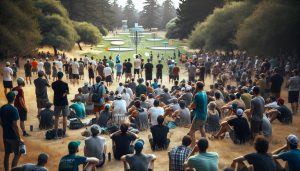
Did you know that disc golf is experiencing a global surge in popularity, transforming parks and backyards into vibrant courses for enthusiasts of all ages? As we explore “What Country Is Disc Golf Most Popular? Global Leaders,” we’ll uncover not only the countries leading this trend but also the community spirit and athleticism fueling its growth. Whether you’re a seasoned player or a curious newcomer, understanding the global landscape of this sport can inspire you to join local leagues or even plan your next adventure to a tournament. Join us as we delve into the significant impact of this engaging pastime, examining which nations are at the forefront of this fascinating sport and what it means for the future of disc golf worldwide.
What Makes Disc Golf Popular Worldwide?
The rise of disc golf as a favored pastime worldwide can be attributed to several key factors that resonate with both casual players and serious competitors. Unlike many traditional sports, disc golf is relatively low-cost and accessible, enabling people from various socioeconomic backgrounds to engage in the game without significant financial barriers. A single disc can cost as little as $10 to $20, making it easier for newcomers to join in and enjoy the sport without the expensive equipment often associated with other games.
Moreover, the emphasis on community within disc golf culture plays a vital role in its popularity. Local clubs offer camaraderie and support, organizing events that bring players together, from beginners to seasoned professionals. This sense of community fosters a welcoming environment where individuals can improve their skills, share tips, and participate in various tournaments. These tournaments are not only competitive but also serve as social events, reinforcing the communal aspect of the sport.
Social media and technology have further fueled disc golf’s growth, allowing enthusiasts to share their experiences and connect across the globe. Platforms like Instagram and YouTube feature tutorials, course reviews, and highlights from major tournaments, thereby increasing visibility and attracting new players. Organizations such as the Professional Disc Golf Association (PDGA) have also played a significant role by standardizing rules and promoting the sport at an international level, thus legitimizing it as a serious competitive pursuit.
In addition, the urbanization of disc golf courses makes the sport increasingly appealing. Cities are leveraging green spaces to establish accessible courses, drawing in urban populations who might not have considered disc golf otherwise. This shift not only promotes physical activity but also encourages environmental awareness, aligning with a growing trend toward outdoor recreational activities that foster an appreciation for nature.
Overall, the combination of affordability, community, social media influence, and urban accessibility creates an engaging and inclusive environment that continues to attract players globally.
Top Countries Embracing Disc Golf
Globally, disc golf has experienced a remarkable surge in popularity, capturing the hearts of players from diverse backgrounds and countries. The United States remains the epicenter of disc golf activity, with the Professional Disc Golf Association (PDGA) reporting over 50,000 active members and nearly 7,000 courses as of the early 2020s. However, other nations are rapidly embracing the sport, showcasing growth driven by enthusiastic communities and local organizations.
### Leading Countries in Disc Golf
United States
The U.S. boasts a vast network of disc golf courses, innovating both competitive and casual play. Major tournaments such as the PDGA Pro World Championships attract top talent and huge audiences, helping elevate disc golf’s profile across mainstream sports.
Canada
Following closely behind, Canada displays a passionate disc golf community with significant participation rates and an increasing number of courses. The Canadian championship events have garnered attention, leading to the sport’s spread in provinces like British Columbia and Ontario.
Europe
In Europe, countries such as Finland, Sweden, and Germany are at the forefront of disc golf culture. Finland has an impressive ratio of courses to population, and its players frequently dominate international competitions. The Nordic countries not only have numerous courses but also prioritize the sport’s adaptation to their recreational landscapes.
Finland’s Lead
Finland stands out with its exceptional disc golf infrastructure and dedicated players-over 200,000 individuals engage with the sport, making it a significant part of Finland’s outdoor activities. The European Open, hosted in this country, is a highlight on the professional circuit, showcasing top players from around the globe.
### Cultivating a Global Community
As disc golf expands its reach, countries are investing in courses and tournaments, fostering local clubs that promote inclusivity and competition. The sport’s low startup costs and communal nature appeal immensely to younger and urban players, enabling dynamic growth not only in established markets but also in emerging disc golf nations, such as Australia and New Zealand.
This trend indicates that disc golf is not just growing-it’s evolving into a global phenomenon, drawing players from various cultures and backgrounds into vibrant, supportive communities that celebrate both the sport and its participants. As these countries continue to embrace disc golf, they contribute uniquely to its development, ensuring a bright future for the sport worldwide.
Cultural Impact of Disc Golf Globally
The surge in disc golf’s popularity globally has transcended mere participation; it has fostered a vibrant cultural phenomenon that embraces community, inclusivity, and accessibility. As disc golf courses spring up across urban landscapes and rural areas alike, they become communal gathering spots where friendships are forged over friendly competition. For many, disc golf is not just a sport-it’s a lifestyle that encourages outdoor activity, environmental stewardship, and social engagement.
In countries like Finland and Sweden, disc golf has woven itself into the fabric of society, becoming a staple of everyday life. Finland, in particular, with its impressively high ratio of courses to population, showcases how the sport can unite diverse demographics. Local communities host leagues that bring together players of all ages and skill levels, emphasizing a shared passion that cuts across age and background. This inclusivity contributes to a stronger sense of community, as players rally to support each other, whether at casual meetups or competitive tournaments. Notably, the exceptional results of Finnish players on the international stage have also bolstered national pride and visibility for the sport.
Moreover, the rise of social media has played a pivotal role in promoting disc golf culture worldwide. Players can now share their experiences, tips, and highlight reels instantaneously, creating a rich tapestry of engagement that celebrates skill progression and community spirit. Video platforms and social networks have made it easier for newcomers to learn from experienced players, breaking down barriers to entry. This digital presence has propelled many tournaments into the social media spotlight, attracting larger audiences and sponsors, further legitimizing disc golf as a professional venture.
As disc golf continues its global expansion, the cultural impact remains profound. It reinforces the ideals of fitness, environmental responsibility, and public engagement. Disc golf courses often blend seamlessly with natural landscapes, encouraging players to appreciate the outdoors while being actively involved in their maintenance and preservation. With such a strong community-oriented foundation, the future of disc golf seems not only bright but also crucial in fostering a global appreciation for this dynamic sport, melding athletic pursuit with personal connection.
Disc Golf Participation Rates by Country
Disc golf is rapidly gaining traction around the globe, with countries like the United States, Finland, Sweden, and Canada leading the way in terms of participation rates. The U.S. holds a significant position, not only in terms of the number of courses available-over 8,000-but also because it houses the largest community of disc golfers, with millions hitting the courses each year. In fact, participation figures have seen substantial increases, particularly during the pandemic, as individuals sought outdoor activities that allowed for social distancing.
In Finland, the sport has become almost a national pastime, celebrated by an impressive ratio of courses relative to its population. There are approximately 800 courses in Finland, which translates to one course for every 6,000 people. This widespread availability fosters an environment where disc golf is accessible to all, from young children picking up their first discs to seasoned players competing at high levels. Moreover, the Finnish disc golf scene features a vibrant culture of local leagues and national championships that brings communities together.
Sweden, too, has a flourishing disc golf community, with participation rates that have surged in recent years. The country’s commitment to sustainability and green spaces dovetails nicely with the sport’s principles, making disc golf a preferred choice for recreational activities. Local tournaments and international competitions, such as the Swedish Disc Golf Championship, draw considerable attention and participation, illustrating the sport’s embeddedness in the cultural fabric of the nation.
On a broader scale, countries like Canada are also experiencing growth, with many new courses developed to meet the rising interest. Participation in disc golf in Canada is bolstered by scenic landscapes that make for beautiful and challenging courses, attracting both local players and international tourists.
While the U.S., Finland, and Sweden currently dominate in participation figures, the enthusiasm for disc golf is palpable in a variety of nations. Emerging markets for the sport-like the United Kingdom and Australia-are cultivating interest through community-building efforts and increasing access to courses. As more people discover the joy and camaraderie that disc golf offers, it’s likely that these participation rates will continue to grow, heralding an exciting future for the sport globally.
For anyone looking to get involved, now is a fantastic time to pick up a disc and join the community, whether in a local league or just enjoying a casual round with friends in a nearby park. The sport is welcoming for newcomers and competitive enough to engage serious athletes, making it an ideal blend of recreation and competition.
Exploring Disc Golf Courses Around the World
Across the globe, disc golf courses offer unique landscapes and varying challenges, providing players with an engaging experience unlike any other. From scenic vistas to urban parks, the diversity of disc golf courses reflects the passion and creativity invested in the sport by communities worldwide. In the United States, which boasts the largest number of courses-over 8,000-players encounter a range of options from wooded trails in the Pacific Northwest to open fields in the Midwest. Each course tells a story, often built by local clubs that foster a spirit of camaraderie among both recreational and competitive players.
Disc Golf Course Characteristics
The design of disc golf courses varies significantly based on local terrain, climate, and cultural preferences. In Finland, where disc golf has gained meteoric popularity, many courses are integrated into public parks and utilize the natural landscape to create challenging layouts. Many courses include natural elevations and denser woods, testing players’ accuracy and strategy. The typical Finnish course encourages social interaction, featuring picnic areas and community hubs that invite both players and spectators to connect.
In Sweden, renowned for its commitment to sustainability and green spaces, you will find courses that not only celebrate nature but also emphasize eco-friendliness. Many Swedish courses are designed to minimize environmental impact, with careful consideration given to tree conservation and wildlife. This commitment resonates with players, adding another layer to the sport’s appeal in the region.
Emerging Disc Golf Hotspots
As enthusiasm for the sport spreads, new markets are emerging, such as in the United Kingdom and Australia. The UK, with its picturesque landscapes and community-driven initiatives, is seeing a surge in new course installations. Many courses are popping up in urban settings, allowing city dwellers to enjoy the sport without having to travel far. In Australia, the love for outdoor activities combined with stunning backdrops makes for a perfect setting to launch new courses.
For those considering exploring disc golf courses globally, it’s vital to approach each location with a sense of adventure and respect the local culture. Many courses feature detailed online maps and player reviews, helping newcomers find their way and gauge the level of difficulty. Additionally, local clubs often host events, making these gatherings ideal opportunities for players to learn from one another and deepen their connection with the sport.
not only enhances one’s skills but also provides a unique way to experience different cultures and landscapes. With each round played, players contribute to a global community that values the sport’s accessibility and spirit, regardless of skill level. Whether you’re a seasoned veteran or a curious newcomer, the world of disc golf invites you to discover its myriad of courses, each offering its own set of challenges and rewards.
Key Tournaments Influencing Disc Golf Popularity
The competitive landscape of disc golf has significantly shaped its popularity, influencing a surge of new players and enthusiasts worldwide. Major tournaments not only showcase elite talent but also help raise awareness and elevate interest in the sport across different regions. Events such as the PDGA World Championships, US Disc Golf Championships, and European Open attract top players and media attention, creating excitement and engagement among current fans while drawing in newcomers eager to learn.
One of the most pivotal events is the PDGA World Championships, held annually and featuring the best players in the sport. This tournament illustrates the peak of competitive disc golf and attracts participants from various countries, enhancing international visibility. The prestige of such competitions often inspires local tournaments, further nurturing grassroots engagement and participation in different demographics. Local clubs often capitalize on excitement generated from larger tournaments to host their events, fostering community relationships and enthusiasm within their regions.
Key Tournaments Influencing Growth:
- PDGA World Championships: The premier event in disc golf, showcasing world-class talent and elevating the sport’s profile globally.
- US Disc Golf Championships: Another crucial tournament that highlights the competitive nature of the sport and encourages regional participation.
- European Open: A key event in the European disc golf scene, showcasing international talent and promoting tourism in host countries.
- National Tour Events: These events serve as qualifiers for larger tournaments, encouraging a competitive circuit that cultivates local engagement.
Additionally, the rise of media coverage and live streaming of these tournaments has allowed fans worldwide to connect with players and events in real-time. This visibility has proved vital in boosting participation rates and social marketing, as new players witness tournaments and often feel inspired to try the sport themselves. The strategic use of social media platforms by players and event organizers also plays an essential role in community building, facilitating discussions, sharing highlights, and encouraging participation at local levels.
In a rapidly evolving sport, the influence of competitive tournaments cannot be underestimated. They not only highlight athleticism and skill but also foster a greater appreciation for disc golf as an emerging global sport, appealing to a diverse audience ranging from casual players to serious competitors. Through these events, disc golf continues to attract new players while enriching the sense of community among those already in the game.
Professional Disc Golf Organizations to Know
The world of disc golf is supported by a robust network of professional organizations that play a crucial role in its growth and popularity across the globe. At the forefront of these is the Professional Disc Golf Association (PDGA), which establishes the rules of the game, organizes tournaments, and maintains player rankings. Founded in 1976, the PDGA is not only responsible for the oversight of competitive play but also acts as a community hub for players from all skill levels. With over 50,000 active members as of recent counts, the PDGA has significantly contributed to the sport’s modernization and expansion, offering educational resources and support for new clubs and courses around the world.
Additionally, regional organizations play a vital role in local disc golf development. For instance, in Europe, the European Disc Golf Federation (EDGF) works to promote the sport across countries such as Finland, Sweden, and Germany, which are leaders in disc golf participation. The EDGF coordinates tournaments and initiatives aimed at increasing exposure and accessibility to disc golf in these areas, inspiring more players to join the community. Meanwhile, individual countries often have their own governing bodies, like the Disc Golf Association of Canada and the Disc Golf Association of the United Kingdom, both of which mirror the efforts of the PDGA by running events and fostering grassroots movements.
Another noteworthy mention is the rise of professional disc golf sponsors and brands, such as Discraft, Innova, and Dynamic Discs, which have amplified the sport’s visibility by investing in player sponsorships and high-profile events. These companies not only produce gear and accessories essential for players but also help showcase the sport through media outreach, social media campaigns, and televised events. Their involvement has been crucial in elevating professional disc golf by providing athletes with platforms to promote their skills and attract new fans.
Lastly, local disc golf clubs are often the heartbeat of the sport in communities worldwide. These clubs host weekly leagues, casual play days, and introductory clinics, welcoming newcomers and seasoned players alike. They provide a friendly atmosphere that is fundamental to fostering player engagement, building friendships, and developing a vibrant disc golf culture. Through the combined efforts of international and regional organizations, corporate sponsors, and local clubs, disc golf continues to expand its reach, promote inclusivity, and solidify its status as a beloved sport globally.
The Rise of Disc Golf in Urban Areas
The urban landscape is no longer just the realm of high-rises and busy streets; it’s becoming a vibrant playground for disc golfers. As cities grow and populations increase, more people are seeking accessible and enjoyable recreational options. Disc golf fits perfectly into this dynamic, offering a low-cost, low-barrier way to engage in an athletic pursuit that anyone can enjoy. More municipalities are recognizing the sport’s potential for community building and tourism, leading to the installation of new courses in parks and other public spaces.
Accessibility and Community Engagement
One of the primary drivers of disc golf’s rise in urban areas is its accessibility. Unlike traditional golf, which often requires a specialized course and substantial fees, disc golf courses are frequently built in local parks and are typically free to use. This makes it easier for families, students, and casual players to participate. More urban environments are seeing local disc golf clubs hosting events that cater to all skill levels, which contributes to a welcoming atmosphere that encourages newcomers to try their hand at the sport.
Urban disc golf also fosters a sense of community. Weekly leagues, casual rounds, and social events bring people together from diverse backgrounds, creating friendships and networks that transcend demographics. For example, cities like Portland and Minneapolis have transformed into disc golf hubs, hosting vibrant scenes where enthusiasts meet and compete, further attracting even more players to the sport.
Course Innovation and Design
As disc golf gains popularity, course design within urban settings is evolving too. Many cities feature innovative layouts that integrate the natural landscape while posing unique challenges to players. Urban courses often incorporate existing park features such as trees, water hazards, and elevation changes, making them engaging and fun to play. Additionally, the close proximity of these courses encourages repeat visits, which helps build local disc golf communities.
Cities are not just passive hosts; local governments and organizations are actively investing in disc golf facilities to boost community recreational options. From planned tournaments to youth programs, urban areas like Chicago and San Francisco are leading the charge in promoting the sport. By collaborating with local clubs and the PDGA, they are ensuring that disc golf courses continue to flourish, providing opportunities for competitive play as well as casual enjoyment.
The ongoing growth of disc golf in urban areas reflects both a broader trend toward outdoor recreation and a commitment to building inclusive, community-focused sporting environments. As the sport continues to thrive in cities around the globe, it’s clear that disc golf is not just a pastime; it’s a cultural phenomenon that embraces diversity and fosters community spirit.
Influence of Social Media on Disc Golf Growth
The rapid rise in the popularity of disc golf can be largely attributed to the dynamic and engaging nature of social media. Platforms like Instagram, YouTube, and TikTok have become digital playgrounds for disc golf enthusiasts to share their experiences, showcase their skills, and connect with fellow players across the globe. With stunning visuals of impressive throws, scenic courses, and the camaraderie of tournament play, social media has transformed the way people perceive and engage with the sport.
One of the key aspects of this influence is the accessibility of content creation. Anyone with a smartphone can capture their actions on the course and share them with a vast audience. This democratization of content has led to an influx of tutorials, course reviews, and gameplay highlights, making it easier for newcomers to learn the sport and for seasoned players to refine their techniques. Moreover, by following popular disc golf personalities and professional players, fans gain insights into advanced throwing mechanics, equipment choices, and strategies that elevate their game.
Social media not only serves as a platform for sharing personal achievements but also fosters a sense of community and belonging within the disc golf world. Hashtags like #DiscGolf, #DiscGolfLife, and #DiscGolfCommunity create an online space where players can connect, find local clubs, and participate in events. This online engagement often translates into real-world connections, with players organizing meet-ups and local tournaments that further promote the sport.
Furthermore, the visibility of disc golf on social media has attracted the attention of sponsors and brands, leading to increased investment in the sport. This sponsorship offers greater opportunities for local players and professionals, which in turn helps elevate the profiles of events and tournaments, sparking a cycle of growth and enthusiasm. As the sport gains traction and recognition, it establishes itself as not just a pastime but a legitimate athletic venture, sparking interest in new demographics and countries around the world.
With the combination of engaging content, community-building, and player sponsorships, social media continues to play a crucial role in the global expansion of disc golf, making it one of the most exciting sports to watch and participate in today.
Demographics of Disc Golf Players
The world of disc golf is rapidly expanding, and understanding the demographics of its players is essential to grasping its popularity and future growth. As of 2023, there are over 136,000 members of the Professional Disc Golf Association (PDGA) in North America alone, a testament to the increasing appeal of the sport[2]. This community not only includes seasoned competitors but also a growing number of newcomers eager to participate in this accessible and enjoyable sport.
A closer look at player demographics reveals an intriguing mix of ages and backgrounds. Generally, disc golfers tend to be younger, with a significant portion of the player base under 30 years old. This engagement from younger demographics can be seen across various countries, particularly in the United States, which hosts the largest concentration of players. Notably, women represent about 15% of players, highlighting a crucial area for growth in a sport that encourages inclusivity and community[3].
Moreover, the rise of social media has created a platform that attracts diverse participants. As players share their journeys online, they contribute to a broader narrative that emphasizes the community aspect of disc golf. Hashtags like #WomenWhoDiscGolf and #DiscGolfDiversity are pivotal in promoting inclusiveness, helping to attract women and underrepresented groups into the sport. This engagement encourages newcomers to join local clubs and seek out courses in their vicinity, further enhancing the community spirit that defines disc golf.
In terms of geographic reach, disc golf is gaining traction worldwide, with countries like Finland and Sweden producing a high number of participants relative to their populations. In Finland, for instance, the number of disc golfers is almost one for every 400 people-an extraordinary statistic that underscores the sport’s integration into the culture. As the sport continues to embrace new players and demographics, it stands on the brink of further global popularity, characterized by a passionate community and a commitment to inclusivity.
Thus, the current demographic landscape not only reflects the sport’s popularity but also signals a bright future as it continues to evolve and expand across different cultures and communities.
Future Trends in Global Disc Golf Participation
As disc golf continues to gain momentum globally, emerging trends point to an exciting future filled with increased participation and geographical expansion. One significant trend is the growing interest in disc golf as a recreational activity among urban populations. Cities around the world are recognizing the sport’s accessibility, promoting healthier lifestyles while utilizing existing parks and green spaces. This shift towards urban engagement not only introduces new players to the sport but also fosters a sense of community among participants, further solidifying disc golf’s place in local cultures.
Moreover, the influence of technology and social media cannot be overstated. Platforms like Instagram and YouTube are vital in showcasing the sport, with players sharing tips, tricks, and their journey, thereby inspiring others to pick up a disc. Popular hashtags such as #DiscGolf and #DiscGolfLife help create a digital community, providing newcomers with resources and connections to local clubs and tournaments. This online presence is crucial for younger players, who often begin their journeys with digital content before transitioning to in-person play.
To support this burgeoning interest, more formal structures are being established within the disc golf community. Organizations like the Professional Disc Golf Association (PDGA) are expanding their roles by offering more resources for players, including instructional content and organized events. The PDGA, along with other local tournament organizers, is crucial in facilitating competitions that cater to a range of skill levels, from newcomers to seasoned pros, ensuring everyone has a place to participate and progress.
Lastly, the introduction of disc golf in schools and community programs is paving the way for future generations of players. Educational institutions are increasingly recognizing the sport as a viable and engaging physical activity, promoting teamwork and coordination among students. By embedding disc golf into curricular and extracurricular offerings, these programs are likely to cultivate a passionate new wave of players, ensuring the sport’s growth continues well into the future.
In summary, the future of disc golf participation worldwide looks promising, fueled by urbanization, technological influence, formal organizational support, and educational initiatives. As these trends continue to evolve, the sport’s rich community spirit and appeal will undeniably attract even more players, solidifying its status as a global pastime.
Faq
Q: Which countries have the highest participation rates in disc golf?
A: The United States, Canada, and Sweden are among the top countries leading in disc golf participation. The U.S. hosts the largest number of players and courses, while Sweden is notable for its high player density relative to its population. For detailed demographics, check the section on Disc Golf Participation Rates by Country.
Q: How has disc golf become popular globally?
A: Disc golf’s global popularity has surged due to increased accessibility, the rise of social media promoting the sport, and community-driven initiatives. These factors have made disc golf appealing to diverse age groups, fostering a sense of community and competitive spirit across many countries. For insights into the cultural impact, refer to What Makes Disc Golf Popular Worldwide?.
Q: What are the top disc golf tournaments worldwide?
A: Top disc golf tournaments include the PDGA World Championships, the European Open, and the USDGC. These prestigious events attract the best talent and significantly influence the sport’s worldwide popularity. Learn more in the Key Tournaments Influencing Disc Golf Popularity section.
Q: Why is Sweden considered a leader in disc golf?
A: Sweden is a leader in disc golf due to its extensive course network, high participation rates, and strong community support. The country boasts a vibrant scene with professional players and numerous local tournaments, contributing to its status as a hub for disc golf enthusiasm.
Q: What impact does social media have on the growth of disc golf?
A: Social media plays a crucial role in disc golf’s growth by facilitating engagement, sharing of tutorials, and showcasing professional events. Platforms like YouTube and Instagram help increase visibility and attract new players. Explore this phenomenon further in the Influence of Social Media on Disc Golf Growth section.
Q: When did disc golf become popular in urban areas?
A: Disc golf began seeing urban popularity rise in the early 2000s as cities sought cost-effective recreational options. Many urban parks now feature disc golf courses, making it an easily accessible activity for city dwellers. For more on this trend, check out The Rise of Disc Golf in Urban Areas.
Q: What equipment do I need to start playing disc golf?
A: To start playing disc golf, you’ll need a discgolf starter set, which usually includes a driver, a mid-range disc, and a putter. You can purchase these sets at local sporting goods stores or online. For more equipment insights, refer to Exploring Disc Golf Courses Around the World.
Q: How can I find disc golf courses near me?
A: To find disc golf courses nearby, utilize websites like UDisc or the PDGA course directory. These platforms provide updated information about local courses, including player reviews and course maps. Check the Exploring Disc Golf Courses Around the World section for tips on course selection.
Final Thoughts
As we’ve explored the global leaders in disc golf, it’s clear that the sport is thriving worldwide, fostering communities that celebrate both casual play and fierce competition. Whether you’re eager to dive deeper into the nuances of disc flight mechanics, or you’re looking for tips on how to improve your throw, our extensive guides are just a click away. Don’t forget to check out our articles on mastering your throwing techniques and discovering the best equipment for your game to elevate your skills!
We invite you to share your thoughts in the comments below-what do you think drives disc golf’s growing popularity in these countries? Your insights can help fellow enthusiasts. Additionally, for ongoing updates and tips, consider signing up for our newsletter to stay connected with the disc golf community. Remember, every day is a great day to play disc golf, so grab your discs and head to your local course. Let’s keep this momentum going and continue to celebrate this incredible sport together!