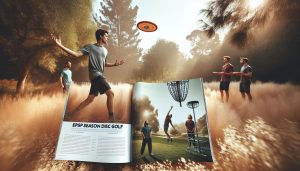
Did you know that disc golf has roots tracing back to the 1970s, when casual games using Frisbees transformed into a structured sport? Understanding the year disc golf was invented not only highlights its rich history but also connects you to a vibrant community that values skill, strategy, and outdoor enjoyment. As a sport that continues to grow in popularity, it’s essential for both seasoned players and newcomers to appreciate its origins and evolution. Discovering this timeline can deepen your appreciation for the game and inspire your own journey on the course. Join us as we explore the crucial milestones in disc golf’s history, helping you grasp the significance of this beloved sport and its ongoing impact on players around the world.
What Is Disc Golf and Its Origins?
Disc golf is a unique sport that combines the precision of golf with the dynamic nature of throwing frisbees. Originating in the early 1970s, it stems from a simple idea: throwing a flying disc into a target while following designated fairways. This innovative approach broke traditional barriers of golf, making the sport more accessible and appealing to a wider audience. The concept of disc golf was popularized when various innovative spirits began experimenting with disc throwing games, ultimately leading to the establishment of the first recognized disc golf course in 1975, designed by the legendary “father of disc golf,” Ed Headrick.
As the sport gained momentum, it attracted diverse groups of people. The classic appeal of nature combined with friendly competition lured many outdoor enthusiasts. The first official disc golf tournament was held in 1979, setting a precedent for competitive play. Today, disc golf is not just a pastime; it is a rapidly growing sport with over 8,000 courses worldwide, engaging backyard players to serious competitors.
The growth of disc golf can be attributed to its grassroots origins and the ongoing community efforts to introduce the sport to new players. Enthusiasts have embraced the camaraderie found within the disc golf community, helping to teach newcomers the basics, such as understanding the types of discs available and how to throw them effectively. A disc golfer typically uses various disc types, including drivers for long distances and putters for short throws, allowing players to develop strategies that suit their individual styles.
In essence, disc golf is about more than just a score: it’s a celebration of outdoor engagement, community bonding, and personal growth through sport. Whether you’re throwing your first disc or competing in a professional league, the spirit of disc golf invites everyone to join in and make their mark in this vibrant sport.
The Fascinating History of Disc Golf’s Inception
The birth of disc golf is a tale woven with creativity, outdoor enthusiasm, and the spirit of play that emerged in the early 1970s. Imagine a time when frisbees were mainly used for casual backyard games and beach fun, before they transcended into a structured sport. The invention of disc golf is credited to an inspiring mix of individuals, but it was Ed Headrick, often referred to as the “father of disc golf,” who played a pivotal role in formalizing the game. In 1975, he created the first official course at Oak Grove Park in Pasadena, California, where players would aim to throw a Frisbee-style disc into specially designed baskets.
This innovative idea took off thanks to the natural synergy of golf’s competitive format combined with the fun of disc throwing. The game was first promoted by a loose group of enthusiasts using homemade targets in existing parks. The concept was simple yet engaging: throw a disc from a designated area towards a target, similar to golf but with less formalities and greater inclusivity. This design resulted in the establishment of the first Disc Golf Association, setting foundational rules and promoting the sport.
Over the years, disc golf rapidly evolved into a popular pastime, fueled by grassroots movements and community initiatives. The first recognized tournament occurred in 1979, sparking competitive play and further legitimizing the sport. Disc golf appealed not only to competitive athletes but also to families and casual players, fostering a vibrant community that thrives on camaraderie and shared experiences in outdoor settings.
Today, disc golf courses number over 8,000 worldwide, attracting players of all ages. The simplicity of the game, along with the minimal equipment required-just a disc and a course-makes it incredibly accessible. As the sport continues to grow, it enriches communities by bringing people together, promoting physical activity, and instilling a sense of achievement whether one is aiming for a personal best or competing for a championship.
Key Milestones in the Evolution of Disc Golf
The journey of disc golf is marked by significant milestones that not only highlight the sport’s inception but also its growth and evolution over the years. One of the earliest key moments occurred in 1975, when Ed Headrick designed and installed the first standardized disc golf course at Oak Grove Park in Pasadena, California. This pivotal development provided the foundation for organized play and introduced the concept of throwing a frisbee-style disc into a basket, echoing traditional golf but with a uniquely accessible twist.
Following this initial setup, the establishment of the first Disc Golf Association in 1976 played a crucial role in formalizing the rules and promoting the sport. This was a significant advancement, as it unified players under a common framework and laid the groundwork for tournaments and competitive play. The introduction of the first recognized tournament in 1979 further legitimized disc golf, attracting competitors and encouraging a spirit of competition that contributed to its growing popularity.
Throughout the 1980s and 1990s, disc golf began to gain mainstream traction, partly fueled by the rise of specialized equipment and marketing efforts. Companies started producing discs tailored to different throwing styles and conditions, allowing players of all skill levels to find equipment suited to their needs. The sport also saw its first professional play, with organizations such as the Professional Disc Golf Association (PDGA) being formed in 1976 and paving the way for professional athletes and structured competitions.
By the early 2000s, disc golf saw a dramatic increase in the number of courses available, supported by the grassroots efforts of passionate communities and clubs. As of today, there are over 8,000 courses worldwide, making it a universally accessible sport that promotes outdoor activity and social interaction. Each milestone in this evolution has not only shaped competition and community engagement but also transformed disc golf from a casual backyard pastime into a respected athletic pursuit that continues to thrive and expand globally.
How Disc Golf Has Grown Over the Decades
The growth of disc golf over the decades is truly remarkable, evolving from a niche activity into a thriving global community sport. Initially, the sport gained traction in the late 1970s and 1980s, largely due to the vision of pioneers like Ed Headrick, who not only designed the first disc golf course but also created the innovative disc-catching basket that became synonymous with the game. As standardized courses began to spread across the United States, more players discovered the joy of the sport, leading to the establishment of the Professional Disc Golf Association (PDGA) in 1976, which helped formalize competitions and regulations.
In the 1990s, the combination of grassroots movements and advancements in disc technology played a crucial role in broadening the sport’s appeal. Companies began producing a variety of discs designed for different throwing styles and conditions, making it easier for newcomers to find equipment they could use effectively. This boom in disc innovation allowed players of all skill levels to enjoy the game, whether just out for fun or competing in local leagues. The introduction of more challenging and creatively designed courses also supported this growth, encouraging more players to engage with the sport in public parks and recreational areas.
As we moved into the 2000s and beyond, disc golf saw a surge in popularity fueled by a sense of community and the accessibility of the sport. Not only did the number of courses explode-surpassing 8,000 worldwide-but public figures and social media began to highlight disc golf, introducing it to wider audiences. The sport’s friendly and low-cost nature, coupled with opportunities for competition, attracted new players relentlessly. Moreover, events such as the Disc Golf Pro Tour began to garner more media attention, showcasing professional play and elevating the sport’s profile on the international stage.
Today, disc golf stands as a vibrant and inclusive sport, attracting players of all ages and backgrounds, from local parks to professional competitions. The enthusiasm of dedicated players and the continued innovation of equipment and course design ensure that disc golf not only remains relevant but continues to grow, fostering community connections and promoting healthy, outdoor lifestyles. As enthusiasts embrace the sport’s rich history while looking toward an exciting future, disc golf is poised for even greater achievements and innovations in the years to come.
Influential Figures Who Shaped Disc Golf
The evolution of disc golf is intricately intertwined with the remarkable individuals who have dedicated their lives to the sport. Ed Headrick, often referred to as the “father of disc golf,” played a pivotal role in the sport’s inception in the 1970s. His vision was not just to create a game but to establish a standardized course and develop the disc-catching basket that would become integral to every disc golf course worldwide. This innovation helped transition what began as casual games of tossing Frisbees into a more organized and formalized sport, leading to the establishment of the Professional Disc Golf Association (PDGA) in 1976.
Another key figure in disc golf history is Dave Dunipace, the co-founder of Innova Champion Discs. Dunipace’s contributions to disc design significantly shaped the way players experience the sport today. His innovative designs allowed for a variety of flight patterns and improved disc performance, making the game more accessible to beginners while also catering to the needs of experienced players. Under his direction, Innova introduced a wide range of specialized discs, each engineered for different throwing techniques and styles, which has been crucial in the sport’s popularity and growth.
Moreover, players like Ken Climo, often hailed as one of the greatest disc golfers of all time, brought unprecedented attention to the sport through competitive excellence. Climo’s dominance in the late 1990s and early 2000s, boasting a record 12 World Championship titles, inspired a new generation of players and showcased the competitive and athletic nature of disc golf. His success helped elevate the perception of the sport beyond mere recreation, illustrating that disc golf is a credible athletic pursuit that requires skill, strategy, and dedication.
As disc golf continues to grow, the community thrives on the contributions of influencers at all levels. From local promoters and course designers to youth program advocates and social media personalities, each individual plays a crucial role in expanding the sport’s reach. The synergy of their efforts not only enhances the experience for current players but also makes the sport inviting for newcomers, cementing disc golf’s position as a vibrant and evolving sporting community. The legacies of these influential figures provide a foundation upon which the future growth and innovation of disc golf will undoubtedly continue to build.
Comparing Disc Golf to Traditional Golf
Disc golf and traditional golf might share a common goal of getting a projectile into a target, but the manner in which they achieve this, along with the culture surrounding each sport, makes them distinctly different experiences. Traditional golf, with its vast green courses and meticulous parsing of strokes, is often associated with an elite atmosphere and lengthy rounds, sometimes lasting several hours. In contrast, disc golf is celebrated for its accessibility and community-oriented play. Many disc golf courses are located in public parks, making it easy for players of all skill levels to participate without the constraints of expensive memberships or tee times.
One of the most notable differences between the two sports lies in their equipment. In traditional golf, players must navigate a selection of clubs, each designed for specific shots, along with a golf ball that is generally standard across brands. Conversely, disc golf utilizes a variety of discs, each designed for different flight paths and throwing techniques. A beginner in disc golf can easily grasp the basics with just a couple of discs-typically a driver, a mid-range disc, and a putter. This simplicity allows newcomers to engage with the sport quickly and encourages repeated play while they learn about disc flight dynamics and improve their skills through practice.
Scoring and Gameplay
The scoring system in both sports, while fundamentally comparable, showcases how each has tailored itself to fit its unique philosophy. In traditional golf, the objective is to complete each hole in as few strokes as possible, with a broad emphasis on precision and strategy. Disc golf follows a similar scoring model, where players also aim to complete the course with the fewest throws. However, courses are typically shorter and play faster, enabling a round of disc golf to be completed in a fraction of the time it takes to finish an 18-hole round of golf. This rapid pace of play not only fosters a more vibrant community atmosphere but also allows for greater participation in tournaments and casual play alike.
Ultimately, whether you’re making your way through a wooded disc golf course or taking deliberate swings on a lush golf green, each sport offers a unique set of challenges and rewards. As disc golf continues to grow, it stands out for its inclusivity and vibrant community, making it not just a game, but a way to connect with friends and nature in a welcoming environment.
Understanding Disc Golf Equipment: A Beginner’s Guide
The joy of playing disc golf begins with understanding the equipment that makes the game possible. While the sport originated in the 1960s, its unique blend of fun and competition relies heavily on the varied and specialized discs used today. Whether you’re just starting or looking to improve your game, familiarizing yourself with the types of discs and their intended uses is essential.
A typical disc golf setup includes three main types of discs: drivers, mid-range discs, and putters. Drivers are designed for long-distance throws and typically have a sharper edge, allowing for greater speed and distance. Ideal for tee shots, they come in various weights and designs to cater to different throwing styles. Mid-range discs offer increased accuracy and control, making them ideal for shorter, more technical throws. Finally, putters, with their thicker edges and heavier weight, are optimized for short-range accuracy, especially during your final approach to the basket.
To further aid newcomers, here’s a comparison of key characteristics for each type of disc:
| Disc Type | Primary Use | Typical Weight | Examples |
|---|---|---|---|
| Driver | Long-distance throws | 160-175g | Innova Destroyer, Discraft Buzzz |
| Mid-range | Controlled, precision shots | 150-180g | Innova Roc, Discraft Hornet |
| Putter | Short, accurate throws | 160-175g | Innova Aviar, Discraft Focus |
Understanding disc flight dynamics is just as crucial as knowing which disc to use. Each disc has unique characteristics, including speed, glide, turn, and fade. Mastering these traits will enhance your throwing techniques, allowing you to navigate diverse course layouts effectively. For beginners, starting with just one or two discs can help streamline the learning process and deepen your understanding of how different discs behave in various conditions.
In addition to mastering the discs themselves, it’s beneficial to enhance your skills through practice. Seek out local courses, engage with the community, and participate in friendly rounds to develop your throwing mechanics and course strategy. Remember, each throw teaches you something new, whether it’s about wind conditions, obstacles, or the subtle nuances of your technique. Embrace the journey of refining your skills and enjoy the sense of community and competition that disc golf has to offer.
Disc Flight Dynamics: How Discs Are Designed to Fly
The intricate design of disc golf discs is a fascinating blend of physics and artistry, deeply influencing how players interact with the sport. Each disc is crafted to optimize its flight characteristics, allowing players to navigate a wide variety of courses with diverse challenges. To understand how discs are designed to fly, one must grasp the essential flight parameters: speed, glide, turn, and fade. Together, these elements dictate the path a disc will take through the air, impacting both casual plays and competitive rounds alike.
Speed measures how fast a disc can travel when thrown. Discs with higher speed ratings are typically drivers, designed for maximum distance. A disc that is too fast for a player’s throwing strength can result in inaccurate throws, which is why understanding personal capability is crucial. Glide refers to how long a disc remains airborne after release, with higher glide discs being beneficial for maintaining distance. Novice players may prefer discs with greater glide to aid in achieving longer throws without requiring excessive arm strength.
As we explore turn and fade, it’s vital to recognize their roles in stabilizing the disc’s flight. A disc’s turn indicates how much it will veer to the right (for a backhand throw) before beginning to fade left as it loses momentum. Discs with a high turn are excellent for achieving anhyzer shots, while low-turn discs maintain a straighter trajectory, favoring more controlled throws. Finally, fade is how much a disc hooks left at the end of its flight. Understanding the interplay between these characteristics allows players to make informed decisions when selecting the appropriate disc for specific throws or course conditions.
To illustrate this dynamic, consider how different players adopt various flight paths with their discs. Players skilled in controlling their throws can exploit the nuances of turn and fade for strategic advantages, such as navigating wooded courses or executing precise approaches to the basket. New players, however, should focus on a few reliable discs that match their throwing style, gradually experimenting with different flight characteristics to develop their understanding and proficiency.
Mastering disc flight dynamics is not just about the discs themselves; it’s about engaging with the disc golf community, practicing regularly, and learning from each session on the course. As players gain experience, they can better appreciate how each disc’s design influences their game, propelling both personal growth and the sport’s evolution. Engaging with fellow players, exchanging tips, and sharing experiences can dramatically enhance one’s skills and contribute to the vibrant community surrounding disc golf.
Mastering the Basics: Throwing Techniques for All Levels
In disc golf, the throw is the heartbeat of your game, a blend of technique and strategy that sets the tone for every hole you face. Mastering the basics of throwing techniques can drastically improve your performance on the course, whether you’re a novice trying to find your rhythm or a seasoned competitor looking to refine your skills. Throwing correctly is not just about power; it’s about precision, control, and understanding your disc.
To start, it’s essential to grasp the fundamentals of grip and stance. Ensure you have a secure grip on the disc, using your thumb on top and your fingers underneath, which allows for maximum control during your throw. The stance should feel comfortable: stand with your feet shoulder-width apart and your body angled slightly toward your target. This setup prepares you for a powerful throw while maintaining balance. Once positioned, initiate your throw with your non-throwing shoulder, pulling the disc back in a smooth motion while subtly pivoting your hips and leading with your dominant arm. This fluid motion is key to generating the torque needed for distance.
Types of Throws
Different situations on the course demand different types of throws. Here are basic techniques you can practice:
- Backhand Throw: This is the most common throw type. Position your body sideways to the target, and as you throw, snap your wrist at the release for better spin and distance.
- Forehand Throw: Ideal for quick approaches, this throw utilizes the flick of your wrist. Keep the disc flat and propel it forward with your dominant hand, allowing your fingers to guide the flight path.
- Overhand Throw: Perfect for clearing obstacles, the overhand, or “thumber,” throw involves throwing the disc from above your shoulder, resulting in a steep, arching flight.
Practicing these techniques consistently will help you understand the dynamics of disc flight. Experiment with different discs designed for each throw type, and pay attention to how disc speed, glide, turn, and fade affect your shots. This knowledge will not only enhance your throws but also inform your disc selection strategy for various courses and conditions.
Building Your Game
As you continue to refine your throwing technique, consider the impact on your overall game strategy. Each course presents unique challenges, and developing a reliable throw will give you the confidence to tackle those challenges head-on. Attend local leagues or casual meetups to gain experience, receive feedback from peers, and exchange tips. The disc golf community is supportive, and learning from others can significantly shortcut your learning curve.
By embracing these fundamentals and practicing regularly, you’ll cultivate both skill and confidence in your throwing abilities. This mastery not only elevates your performance but also deepens your appreciation of disc golf as a rewarding athletic pursuit. Whether you’re aiming for a personal best or just enjoying a fun day out, the right techniques can make all the difference.
The Role of Disc Golf in Community Building
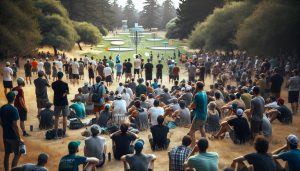
Disc golf not only acts as a thrilling sport but also serves as a powerful catalyst for community building. As players gather in local parks or specialized courses, they forge connections that often transcend age, background, and skill level. This welcoming environment encourages both newcomers and seasoned players to engage, fostering a sense of belonging and shared passion. Many disc golf courses host events like tournaments, league play, and casual meetups, which can transform a simple pastime into a vibrant community culture.
The communal aspect of disc golf is evident in its emphasis on inclusivity and camaraderie. New players are typically greeted with encouragement from more experienced competitors, creating a nurturing space for learning and growth. Local disc golf clubs and online forums provide resources and camaraderie, with players often sharing tips on technique, equipment, and course strategy. This exchange of knowledge not only enhances individual performance but also strengthens community ties. Friendly competition at tournaments helps players hone their skills while fostering an environment where everyone’s achievements-big or small-are celebrated.
Moreover, disc golf promotes environmental awareness and community involvement. Many courses are situated in public parks, where players engage in efforts to maintain and enhance the natural beauty of their surroundings. Clean-up events and partnerships with local conservation organizations are common, highlighting how the sport encourages participants to give back to their community. By participating in such initiatives, players contribute to a collective mission that not only enhances their local parks but also deepens their connection with one another.
Through these various avenues, disc golf has cemented itself as a sport that prioritizes community, connection, and environmental stewardship. Whether you are throwing your first disc or competing for a trophy, the relationships built on the course are likely to enhance your experience, ensuring that disc golf remains not just a sport but a lifestyle defined by shared experiences and mutual support.
Competitive Disc Golf: Tournaments and Professional Growth
From the vibrant amateur leagues to the high-stakes professional tournaments, competitive disc golf has experienced a remarkable surge in popularity since its inception in the 1970s. The first documented disc golf course was established in 1975, laying the groundwork for what would become a thriving competitive community. Today, disc golf tournaments not only test players’ skills but also showcase the sport’s rapid evolution and growing legitimacy as a professional endeavor.
One of the most compelling aspects of competitive disc golf is its inclusivity. Tournaments are organized at various levels-from local events to professional leagues governed by organizations like the Professional Disc Golf Association (PDGA). This structure allows players of all skill levels to participate, with divisions based on age, gender, and experience. Newcomers often find their footing in recreational divisions before transitioning to competitive play, encouraged by a supportive community that values skill development and sportsmanship.
Key Components of Competitive Play
Competition in disc golf typically features several core elements:
- Format: Most tournaments are played in a stroke play format, where players compete to achieve the lowest score over a set number of holes. Some events use variations like match play or doubles for added excitement.
- Rules: Disciplinary rules, established by the PDGA, ensure fairness and uniformity in competition. Participants are encouraged to familiarize themselves with these regulations, which cover everything from player conduct to disc specifications.
- Scoring: Players accumulate points based on their performance in each round, with the lowest cumulative score declaring the winner at the end of the tournament.
The competitive scene has also spurred advancements in technology and equipment design, with disc manufacturers innovating to produce discs that enhance performance and cater to varying throwing techniques. This is particularly beneficial for players seeking to improve their game and gain an edge in competitive settings. Understanding disc flight dynamics, which include factors such as speed, glide, turn, and fade, is crucial for players looking to refine their throwing techniques and achieve optimal results.
Moreover, the rise of professional disc golfers, like Paul McBeth and Paige Pierce, has indeed transformed the sport. Their participation in tournaments and strategic partnerships with sponsors have not only elevated individual careers but also contributed to the sport’s mainstream appeal. These athletes serve as role models within the community, inspiring new players and encouraging higher levels of play.
As disc golf continues to grow, so does the opportunity for professional advancement. With increasing sponsorships, media coverage, and the establishment of professional leagues, players now have more pathways to turn their passion into a career. Tournaments often incorporate cash prizes, which serve as further incentive for competitors. For those considering a more competitive edge, participating in local leagues and increasingly visible tournaments can be an exciting way to engage with the sport on a deeper level-which drives the growth and excitement that disc golf announces on the world stage.
Exploring Future Trends in Disc Golf Development
The rapid growth of disc golf has led to exciting new trends that are set to shape the future of the sport. As more people discover the joy of throwing discs through picturesque courses, the community is witnessing a surge in both participation and investment. Disc golf’s unique blend of accessibility and challenge continues to attract a diverse audience, from casual users to dedicated competitors, fostering a vibrant culture that thrives on inclusivity and mutual support.
One of the most promising trends is the rise of technological innovations that enhance both player experience and competitive play. Equipment manufacturers are increasingly focused on developing advanced materials and designs that improve disc performance, catering to various styles and skill levels. For instance, the introduction of range-finding technology allows players to make more informed decisions on the course, improving strategic gameplay. Moreover, smart discs equipped with tracking systems could soon become commonplace, helping players analyze their throwing mechanics and refine their techniques in real time.
Community Engagement and Global Expansion
Another important trend is the growing emphasis on community building within the sport. Local clubs and organizations are proactively organizing events that promote not just competitive spirit but also camaraderie among players of all ages. Initiatives such as community day tournaments and youth programs are cultivating future generations of disc golfers, ensuring that the sport remains vibrant and diverse. Furthermore, with international competitions gaining traction, disc golf is poised for global expansion, promoting cross-cultural exchanges and showcasing talent from all corners of the world.
Environmental Awareness and Sustainable Practices
With a significant portion of disc golf courses situated in natural settings, there’s a clear push towards sustainability and environmental stewardship. Courses are increasingly being designed with eco-friendly practices in mind, including minimizing land disturbance and using sustainable materials in course construction. Additionally, many disc golf communities are working to actively enhance their local environments, whether through organized clean-up events or partnerships with environmental organizations. This holistic approach not only preserves the beauty of the courses but also builds a stewardship ethic among players.
As disc golf evolves, it continues to blend sport, recreation, and community into a rich tapestry that appeals to newcomers and seasoned players alike. The combination of innovation, community engagement, and sustainability will be critical in defining the future trajectory of disc golf, ensuring it remains a beloved pastime for generations to come. The sport stands on the precipice of becoming a mainstream recreational activity, one that elevates not just individual skill but also community spirit and environmental consciousness.
FAQ
Q: When was disc golf first established as a sport?
A: Disc golf was officially established as a sport in 1975 when the first formal course was created in Walnut Creek, California, by Eugene “Steady Ed” Headrick. This marked the beginning of organized disc golf as we know it today.
Q: What was the first official disc golf tournament?
A: The first official disc golf tournament took place in 1975, known as the “Disc Golf Championships” in California. This event helped to solidify disc golf’s status as a competitive sport and attracted nationwide interest.
Q: Who invented the flying disc that led to the creation of disc golf?
A: The flying disc, which eventually led to disc golf, was popularized by Walter Morrison in the late 1940s, who invented the Frisbee. His design laid the groundwork for the discs used in the sport today.
Q: How has disc golf equipment evolved since its inception?
A: Since its inception, disc golf equipment has evolved significantly from simple plastic discs to a wide variety of specialized discs optimized for distance, accuracy, and control. Modern discs are built with advanced materials and aerodynamics for improved performance.
Q: What are some key milestones in the history of disc golf?
A: Key milestones in disc golf history include the establishment of the Professional Disc Golf Association (PDGA) in 1976, the first world championship in 1982, and the growth of professional tournaments which have increased the sport’s visibility and popularity.
Q: Where is the sport of disc golf most popular?
A: While disc golf is played worldwide, it is particularly popular in the United States, with some of the highest concentrations of courses and players found in states like Minnesota, California, and Oregon.
Q: What are the different types of discs used in disc golf?
A: Disc golf utilizes three primary types of discs: drivers, which are used for long-distance throws; mid-range discs for accuracy; and putters for short, precise shots. Each type has distinct characteristics tailored for specific throwing techniques.
Q: How can someone get started with playing disc golf?
A: To start playing disc golf, find a local course, get a few basic discs (a driver, mid-range, and putter), and familiarize yourself with the rules and throwing techniques. Many communities have beginner clinics and friendly leagues that welcome newcomers.
Closing Remarks
As we wrap up our exploration of when disc golf was invented, it’s clear this sport not only has historical roots but also a vibrant future. From its inception to becoming a beloved pastime for many, understanding the timeline of disc golf helps appreciate the journey and the community that has flourished around it. If you’re inspired to dive deeper into the mechanics of throwing or want to learn about the best disc types, check out our articles on disc flight characteristics and top equipment comparisons.
Don’t forget to share your thoughts in the comments below and let us know how you got into disc golf. Your stories and questions help us build a stronger community and enhance our content. For the latest updates and tips, consider subscribing to our newsletter. Stay engaged with us as you explore more about this incredible sport-your next disc golf adventure awaits!