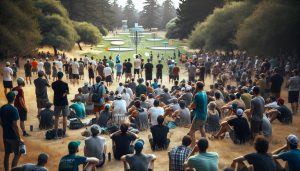
Disc golf, a sport that combines the precision of golf with the fun of throwing discs, has evolved significantly since its inception. Understanding when and how disc golf was formalized is key to appreciating its rapid growth and increasing popularity. In the early days, players improvised with whatever flying discs they could find, but today, the sport boasts professional organizations, structured tournaments, and specialized equipment. This timeline of disc golf’s formalization not only highlights pivotal moments but also underscores the community’s passion for advancing the game. Whether you’re a newcomer eager to learn or a seasoned competitor looking to deepen your knowledge, exploring the evolution of disc golf reveals the rich history behind this dynamic sport. Dive in to discover how disc golf transitioned from backyard fun to a respected athletic pursuit, and see where it might be headed in the future!
When Did Disc Golf Become a Sport?
Disc golf, a sport that marries the essence of golf with the playfulness of throwing a Frisbee, began to formalize as a recognized athletic pursuit in the early 1970s. It grew from casual backyard games and park outings into a structured sport, largely thanks to pioneering enthusiasts who saw the potential for competition and community. One of the pivotal moments came in 1975 when the first disc golf tournament took place in Riverside, California, setting the stage for organized play. This event not only showcased the sport’s competitive nature but also attracted a group of passionate individuals who wanted to create a framework for standardized rules and formats.
As disc golf began to flourish, it wasn’t until 1976 that the official sport designation truly gained traction with the formation of the Professional Disc Golf Association (PDGA). This organization played a crucial role in codifying the rules of play and establishing tournaments. The PDGA’s efforts helped legitimize disc golf, separating it from recreational tossing and elevating it to a sport that could be played at local, national, and even international levels.
Further solidification of disc golf’s status as a sport came with its growing recognition and acceptance within the broader sporting community. By the 1980s, it had its own set of established competitions, with hundreds of players participating in events throughout the United States. This period also saw the evolution of equipment and courses, which contributed to the growing interest and accessibility of the game. Through the collective efforts of players, clubs, and organizations, disc golf evolved into a sport that combines skill, strategy, and community, while fostering a welcoming environment for both casual throwers and serious competitors alike.
Key Milestones in Disc Golf History
The evolution of disc golf is marked by several key milestones that transformed it from a casual pastime into a recognized sport. One of the most significant events occurred in 1975 when the first official disc golf tournament was held in Riverside, California. This tournament was pivotal in shaping competitive play, drawing in enthusiasts who recognized the sport’s potential to bring together players in a structured environment.
The following year, 1976, saw the establishment of the Professional Disc Golf Association (PDGA), a landmark moment that led to the standardization of rules and regulations in the sport. The PDGA’s founding provided a much-needed framework that encouraged the growth of organized competitions, enabling disc golf to gain legitimacy and attract a wider audience. With the PDGA in place, local and national tournaments began to flourish, inviting players of all skill levels to participate.
Throughout the 1980s, disc golf experienced exponential growth, underscored by the increasing number of competitions and the formation of dedicated players’ clubs. This period not only saw more players engaging in tournaments, but it also led to enhancements in disc technology and course design. Innovators in the sport began to develop specialized discs, each with unique flight characteristics and purposes, accommodating various throwing techniques and strategic gameplay.
As interest in disc golf continued to escalate, notable events such as the first World Disc Golf Championship in 1982 helped to further cement its status as a competitive sport. The championship provided a platform for top players to showcase their abilities while inspiring newcomers to take up the game. Over the decades, disc golf has blossomed into a vibrant community, characterized by a welcoming spirit that celebrates both leisurely play and serious competition. This unique blend of camaraderie and athleticism continues to attract new players and grow the sport, nurturing a culture that values skill, strategy, and the joy of throwing a disc.
The Role of the PDGA in Standardization
The formation of the Professional Disc Golf Association (PDGA) in 1976 marked a turning point for disc golf, transforming it from a casual pastime into a structured and competitive sport. This establishment introduced a formalized set of rules and guidelines that were crucial for organizing events across the globe. Prior to the PDGA’s inception, disc golf lacked a unified framework, which sometimes led to inconsistencies in gameplay and tournament structure. The PDGA’s formation fostered legitimacy, enabling the sport to attract attention not just locally, but also internationally.
With the PDGA’s establishment, a standardized rulebook was created, which outlined guidelines for tournament play, player conduct, and the design of disc golf courses. This clarity allowed players and clubs to operate under a shared understanding, which is essential for promoting fair competition. Such standardization ensured that players competing in different regions could expect similar conditions and rules, making competitive play more accessible and engaging. Moreover, the PDGA began to sanction tournaments, granting a level of prestige to these events that encouraged participation from players seeking recognition and ranking.
Additionally, the PDGA has continually adapted its rules and regulations to keep pace with the evolving landscape of disc golf. The introduction of different divisions and categories within tournaments has allowed players of various skill levels to compete, fostering inclusivity. This adaptability has not only broadened the appeal of the sport but has also contributed to the growth of local disc golf communities. As a result, the PDGA plays a significant role in fostering player engagement, promoting best practices in course design, and encouraging the establishment of new clubs and events.
The influence of the PDGA extends beyond just the competitive realm; it nurtures a culture that values both skill and camaraderie. Through initiatives such as educational programs and community events, the PDGA has become a steward of the sport, advocating for its expansion and sustainability. As disc golf continues to grow and attract new players, the PDGA’s ongoing commitment to standardization and development will be crucial in shaping its future.
Notable Events that Shaped Disc Golf
The journey of disc golf is marked by a series of transformative events that not only shaped its rules and structure but also cemented its status as a legitimate sport. One pivotal moment came in 1974 when the first formal disc golf tournament, known as the “World Frisbee Championships,” took place in California. This event gathered enthusiasts and introduced a competitive edge to the casual game, attracting media attention and setting the stage for the sport’s evolution.
In 1982, the first official PDGA (Professional Disc Golf Association) National Tour took place, featuring a series of tournaments that helped standardize competitions and attract a wider player base. The PDGA’s actions during this period were critical for legitimacy, and their sanctioned events introduced a ranking system, which encouraged players to engage more seriously and strive for higher status within the sport.
Moreover, the 1990s witnessed significant advancements with the introduction of the first disc golf courses designed specifically for the sport, such as the one at Delaveaga Park in Santa Cruz, California, which became iconic for its challenging layout and beautiful scenery. This era highlighted the importance of course design in enhancing player experience and promoting the sport to newcomers.
The 2000s and beyond marked the rise of televised events and major sponsorship deals, elevating the profile of disc golf to new heights. Events like the USDGC (United States Disc Golf Championship) not only showcased elite athletes but also brought more spectators, directly impacting the popularity of disc golf as both a recreational pastime and a competitive sport. These notable events, combined with the unwavering passion of players and communities, continue to shape the landscape of disc golf, making it a dynamic and evolving sport.
Through its remarkable events and milestones, disc golf has developed a rich history that reflects the excitement and dedication of its players, illustrating its growth from a simple game to a structured sport that fosters camaraderie and competition alike.
Evolution of Disc Golf Courses Over Time
The transformation of disc golf courses reflects the sport’s growth from casual recreation to a respected competitive discipline. Initially, the early improvisations of the game saw players utilizing existing park spaces or any open areas to throw frisbees into designated targets, usually old trash cans or trees. However, as the game gained popularity through the 1970s and 1980s, the need for purpose-built courses became apparent, allowing the sport to develop its unique identity and appeal.
By the late 1980s, the first official disc golf courses started to emerge, designed to enhance the playing experience while addressing the specific skills required for disc golf. An important milestone was the establishment of the course at Delaveaga Park, which not only featured challenging layouts that tested players’ abilities but also served as a model for future course designs. It showcased how elevation changes, natural obstacles, and varied terrain could be used creatively to simulate strategic play and engagement.
Impact on Player Experience
This evolution in course design has had a profound impact on how players approach the game. Modern courses now emphasize:
- Variety in Challenge: Holes designed with varying lengths and complexities cater to different skill levels, encouraging growth among beginners while maintaining challenges for seasoned players.
- Natural Integration: The best courses blend seamlessly with the natural landscape, utilizing hills, trees, and water features to increase difficulty and aesthetic appeal.
- Community Involvement: Many newer courses are built through community efforts, inviting locals to become active participants in the sport, thus fostering a sense of ownership and pride.
The combination of these factors has contributed to an increase in user participation and interest in the sport, showcasing disc golf as not only an athletic endeavor but also a community-oriented pastime. With the rise of technology and the popularity of disc golf, the future of course design is likely to see even more innovative approaches. Courses featuring technical challenges combined with a focus on environmental sustainability and accessibility will shape the landscape of disc golf for years to come, ensuring that both new and experienced players can find joy and competition in the game.
Popular Disc Golf Formats and Variations
In the vibrant world of disc golf, there are various formats and variations that cater to a wide range of players, from casual enthusiasts to serious competitors. Each format brings its own dynamics and challenges, encouraging community engagement and player development. Traditional formats like “stroke play” are prevalent, where players aim to complete a course in the fewest number of throws possible. This conventional method is foundational, emphasizing strategic disc selection and course management.
Another popular format is “match play,” where two players or teams compete to win individual holes, similar to traditional golf. Match play cultivates a different mindset, focusing on head-to-head competition and tactical decisions to outplay an opponent on specific holes rather than overall score. This format often results in exciting matchups, highlighting skill in pressure situations, perfect for tournaments or friendly challenges.
Innovative variations such as “doubles” format add another layer of fun, allowing players to team up. In this format, one throws from the tee while the other plays from the best lie after each throw, balancing skill levels and fostering camaraderie. Furthermore, formats like “team events” and “best shot” competitions enhance community aspects, inviting players of all ages and skill levels to participate in a supportive environment.
For those interested in casual play, “C-Tier” events often offer a more relaxed approach, while “A-Tier” and “Majors” attract top talent and showcase the sport’s highest levels. This spectrum of formats not only enriches the competitive landscape but also reinforces the inclusive spirit of disc golf, where every throw fosters connection and joy among participants. Whether through competitive tournaments or leisurely rounds with friends, each format of disc golf provides unique experiences that contribute to the sport’s ongoing evolution and appeal.
The Growth of Professional Disc Golf Tournaments
The surge in professional disc golf tournaments over the past few decades reflects the sport’s rapid growth and increasing legitimacy as a competitive activity. What began as informal gatherings in parks during the late 1960s has now morphed into a vibrant, organized scene that draws thousands of players and spectators alike. Major tournaments, such as the PDGA World Championships and the Disc Golf Pro Tour, showcase the elite talent of the sport and have become pivotal events in the disc golf calendar, helping to attract sponsorships and media coverage that further elevate the game’s profile.
As the level of competition has intensified, so too have the standards for tournament organization and player performance. Today’s professional tournaments are meticulously planned, with significant emphasis on providing quality amenities for players and spectators. This includes professionally designed courses that challenge players’ skill sets while being accessible and enjoyable for different playing levels. Furthermore, many tournaments adopt innovative formats and structures, fostering an engaging atmosphere that captivates fans and encourages community involvement.
The PDGA’s Influence on Professional Events
The Professional Disc Golf Association (PDGA) plays a crucial role in shaping the landscape of competitive disc golf. Established in 1976, its mission is to promote and support the sport through organized tournaments, standardized rules, and player ratings. PDGA-sanctioned events are categorized into tiers, each with specific criteria, ensuring a consistent level of competition and organization across the board. As a result, players gain valuable experience and recognition that can propel their careers forward in what is quickly becoming a viable professional pathway.
Notable Tournaments and Their Impact
Some standout events have decisively impacted the growth of professional disc golf. For example, the USDGC (United States Disc Golf Championship) is widely regarded as one of the sport’s premier competitions, attracting top players from around the globe. The integration of live coverage and streaming has further amplified its reach, bringing disc golf to audiences that might be unfamiliar with the sport. Similarly, the Disc Golf Pro Tour has been a game-changer, offering a consistent schedule of high-caliber events that showcase professional disc golf year-round.
The increasing visibility of tournaments has fostered not only a competitive spirit among players but has also led to the blossoming of a passionate fan base, transforming the culture surrounding the sport. As the sport continues to evolve, it is apparent that professional disc golf tournaments are more than just competitions; they are celebrations of skill, community, and the joy of playing disc golf. This evolution underscores the game’s growing legitimacy and attractiveness to both players and fans, paving the way for an exciting future.
Influential Disc Golf Players Throughout History
The development of disc golf is intricately linked to the pioneering players who have shaped its trajectory, creating a foundation on which the sport stands today. Notable among these figures is Ken Climo, often referred to as the “Champ.” He dominated the sport throughout the 1990s and early 2000s, securing 12 PDGA World Championships and showcasing a remarkable level of skill and consistency that inspired countless players. Climo’s approach to the game emphasized precision and strategy, leading to a deeper appreciation of the technique involved, from choosing the right disc to executing a perfect throw. His influence remains evident as new players aspire to reach the heights he achieved.
Another key figure in the history of disc golf is Elaine King, recognized for her contributions to both competitive play and the promotion of women’s disc golf. With multiple world titles and a commitment to growing the sport for women, King has been instrumental in elevating the profile of female players within the competitive circuit. Her advocacy for inclusiveness and skill development has empowered many women to not only participate in but excel at disc golf, creating a more diverse community around the sport.
Historical Impact of Disc Golf Innovators
The evolution of disc golf can also be credited to innovators like Bob Gernert and Dan “Stork” Roddick. Gernert helped formalize the PDGA rules and contributed significantly to the sport’s infrastructure, while Roddick advocated for the sport’s acceptance in mainstream culture through various media appearances and organized events. Their efforts established a clear competitive standard and facilitated the administrative structure that would support amateur and professional players alike.
As disc golf continues to grow, it is essential to recognize how these influential players and leaders not only excelled in their craft but also fostered a sense of community and belonging among all players. Their stories illustrate the balance of competition and camaraderie that defines disc golf, making it a sport where everyone, from beginners to seasoned veterans, can find their place and thrive. The passion they brought to the game has inspired a whole generation, ensuring that the legacy of disc golf players will continue to flourish in the years to come.
Disc Golf Equipment: From Frisbees to High-Tech Discs
The transformation of disc golf equipment over the decades has been nothing short of revolutionary, changing the way players experience this engaging sport. Initially, disc golf was played with standard flying discs that resembled those used in recreational tossing. However, the introduction of specialized discs, designed for performance and precision, has elevated the game to a competitive level. Enthusiasts now choose from a range of disc types, each crafted to cater to different throwing styles, conditions, and course designs.
Understanding the intricacies of disc flight characteristics is crucial for both beginners and seasoned players. Discs are categorized primarily into three types: drivers, mid-range, and putters. Each has unique specifications that influence their flight path. For instance, drivers are typically aerodynamic with sharper edges for maximum distance, while putters are designed for control, making them ideal for short-range throws and precise placements. Here’s a quick comparison to consider:
| Type | Characteristics | Usage |
|---|---|---|
| Driver | Thin profile, high speed | Long distance throws |
| Mid-range | Balanced, versatile | Controlled distance and approach shots |
| Putter | Thicker, more stable | Short throws and putting |
The evolution of materials used in disc manufacturing has also played a pivotal role. Early discs were made from solid plastics, but modern innovations have introduced a variety of materials that enhance grip, durability, and weight distribution. Players often discuss and compare several manufacturers like Innova and Discmania, who are known for producing high-quality discs that can withstand the rigors of consistent play while offering different weight options for greater control.
As newcomers step into the world of disc golf, they can benefit from understanding the mechanics of throwing. Mastering basic techniques, such as the backhand throw or forehand flick, enables players to utilize their gear effectively. For instance, a solid backhand throw combines weight shifting, proper grip, and wrist snap to create a streamlined flight path. As players devise strategies for tackling various courses, they start to appreciate how specific discs can complement their style, adapting to wind conditions or course layouts.
Ultimately, as disc golf continues to evolve, the equipment reflects its growth from a simple recreational pastime into a legitimate competitive sport. From players discussing their latest gear on forums to innovative designs continuously emerging, the culture around disc golf equipment fosters a vibrant community that thrives on shared knowledge and passion. Whether you’re new to the game or a long-time competitor, understanding the right equipment is the first step in mastering the course.
The Rise of Disc Golf Communities and Culture
The vibrant culture surrounding disc golf has blossomed significantly since its formalization, transforming the sport from a backyard pastime to a thriving community filled with camaraderie and competition. One of the most remarkable aspects of this evolution is the way local clubs and organizations have formed, creating spaces not just for competition, but for collaboration and growth among players of all skill levels. Today, disc golf is no longer just about throwing a disc; it’s about fostering relationships, sharing knowledge, and participating in a passionate community.
A prime example of this community spirit can be seen in the rise of local disc golf clubs. These grassroots organizations often host events, tournaments, and casual play sessions that cater to everyone-from newcomers to seasoned pros. Social media platforms and dedicated forums allow players to connect, share strategies, and discuss gear, further solidifying the community’s bonds. Local tournaments often have a relaxed, friendly atmosphere, encouraging participation from players who might be intimidated by more competitive settings. This welcoming environment helps ease new players into the sport, providing an opportunity to learn about discs, throwing techniques, and course navigation alongside more experienced players.
Community Events and Tournaments
Throughout the year, various events serve as focal points for community engagement. From monthly tag leagues to annual tournaments, these gatherings celebrate the joy of flying discs and help foster a sense of belonging. Players often bring friends and families along, creating a festival-like atmosphere that highlights not just competition, but also fun and enjoyment. Community-driven events, such as charity tournaments, further showcase the goodwill inherent in disc golf culture, as participants come together to raise money for important causes while indulging in their favorite sport.
The Role of Online Communities
In addition to local clubs, online communities have become essential for sharing information about disc golf. Websites, social media pages, and forums like Reddit or Facebook groups provide platforms for players to exchange tips, products, and personal experiences. These resources are invaluable for beginners seeking advice on everything from choosing their first disc to mastering difficult throwing techniques.
These online platforms often serve as the birthplace of new disc golf trends, from unique throwing styles to innovative equipment modifications. Players frequently share videos and tutorials, making advanced techniques more accessible and encouraging others to push their skills further. As a result, the disc golf community is not only growing in numbers but also in the depth of knowledge shared among its members.
In essence, is a testament to the sport’s accessibility and appeal. Each local club and online forum contributes to a larger tapestry of shared passion, where players can come together to celebrate their love for disc golf, whether as a recreational activity or a serious athletic endeavor. The growth of these networks has helped establish disc golf as a legitimate sport while maintaining the fun and social aspects that drew so many players to it in the first place.
Future Trends in Disc Golf Development
As disc golf continues to gain popularity, the future holds exciting developments that promise to enhance both the sport and its community. One significant trend is the increasing integration of technology into gameplay and training. From advanced apps that track player performance to virtual reality training simulations, these innovations are making the sport more accessible to newcomers while providing seasoned players with tools to refine their skills. GPS tracking, for instance, allows players to analyze their throws and improve their accuracy, while online platforms enable live-streaming of tournaments, broadening their reach beyond local audiences.
Moreover, the emergence of eco-friendly initiatives is set to play a pivotal role in disc golf’s evolution. Many players and organizations are becoming more conscious of the environmental impact associated with course maintenance and equipment production. As a result, there’s a growing trend towards sustainable materials in disc manufacturing and the development of courses that minimize ecological disruption. Clubs that adopt sustainable practices not only reduce their carbon footprint but also attract environmentally-minded players who value conservation efforts.
Additionally, the increasing professionalism of disc golf tournaments is leading to enhanced competition levels and player support. More tournaments are adopting professional standards regarding organization, prizes, and even media coverage. This professionalization is vital for attracting sponsorships, raising the sport’s profile, and enhancing overall player experiences. Tournaments featuring live broadcasts and professional commentary are becoming more common, drawing in spectators and establishing disc golf as a thrilling spectator sport.
As the community works together to foster inclusivity and accessibility, there is a notable push toward creating more family-friendly environments. Events designed for all ages encourage participation from children and non-players, reinforcing that disc golf is not just a sport for elite competitors but a pastime for everyone. Such initiatives not only grow the player base but also enhance community spirit, vital for the sport’s thriving future.
In summary, the trends shaping the future of disc golf are as much about innovation as they are about community and sustainability. By embracing technology, environmental stewardship, professional integrity, and inclusivity, disc golf is poised to evolve into an even more dynamic and respected sport, appealing to a broader audience while maintaining the joy and camaraderie that define its roots.
Comparative Disc Golf: How It Differs from Traditional Golf
Disc golf and traditional golf might share a name, but they diverge drastically in gameplay, equipment, and overall experience. One significant aspect that sets disc golf apart is the equipment used. Instead of clubs and balls, players utilize specially designed flying discs, commonly referred to as Frisbees. These discs vary in weight, shape, and intended flight path, allowing players to select their tools based on the specific shots they need to make. Learning the characteristics of different discs is essential to mastering the game.
The mechanics of throwing a disc differ significantly from swinging a golf club. In traditional golf, the power relies on a smooth, swinging motion, whereas disc golf involves varying throwing techniques-such as backhand, forehand, and even overhead throws-to achieve distance and accuracy. Understanding the physics of disc flight, including lift, drag, and stability, plays a crucial role in a player’s performance. For newcomers, practicing basic throwing techniques can greatly enhance their game, starting with the backhand throw, which is often considered the foundational technique. Here’s a simplified step-by-step guide to perfecting the backhand throw:
- Grip the Disc: Hold the disc with your thumb on top and your index and middle fingers underneath, supporting the disc with your ring and pinky fingers.
- Stand with Your Feet: Position your feet shoulder-width apart with your non-dominant foot slightly forward.
- Wind Up: Rotate your shoulders backward while shifting your weight to your back foot.
- Throw: Unwind your body, shifting your weight forward, while releasing the disc with a flick of your wrist for spin.
When comparing courses, disc golf tends to have a more relaxed environment. While traditional golf often features meticulously landscaped fairways and greens, disc golf courses can be found in a variety of natural settings, including parks, forests, and even urban areas. This accessibility allows players to enjoy the sport in diverse environments without the extensive costs associated with maintaining a traditional golf course. Many disc golf courses are free to play, promoting a more inclusive atmosphere that welcomes casual players and competitive athletes alike.
The scoring system also highlights the differences. In traditional golf, players aim for the fewest strokes over a specified par on each hole, while in disc golf, the goal is to complete each hole in as few throws as possible. Courses consist of “holes” starting from a tee pad and ending at a target, typically an elevated basket. The unique structure of disc golf courses, often incorporating natural obstacles and varied terrain, adds an exciting layer of strategy unlike anything in traditional golf.
In summary, while both sports emphasize skill, patience, and strategy, disc golf’s casual nature, varied equipment, and unique gameplay mechanics create a distinct and welcoming experience for players of all levels. Whether you’re playing casually with friends or competing at a professional level, disc golf offers a vibrant community and a refreshing take on the traditional golf experience.
Frequently Asked Questions
Q: When was the first official disc golf tournament held?
A: The first official disc golf tournament took place in 1975 in California, marking a significant milestone in establishing disc golf as a competitive sport. This event laid the foundation for future tournaments and helped grow the sport’s popularity.
Q: How did the Professional Disc Golf Association (PDGA) influence disc golf?
A: Founded in 1976, the PDGA has played a crucial role in standardizing the rules and promoting organized play within disc golf. Their establishment of official ratings and the structure for tournaments has greatly contributed to the sport’s growth and professionalism.
Q: What are some key changes in disc golf equipment over the years?
A: Disc golf equipment has evolved from basic Frisbees to high-tech, specialized discs designed for different throwing styles and conditions. Innovations in materials and design have significantly enhanced disc performance, making the game more accessible and competitive.
Q: How has the number of disc golf courses changed over time?
A: The number of disc golf courses has rapidly increased since the sport’s formalization, from just a handful in the late 1970s to over 10,000 worldwide today. This growth reflects the sport’s rising popularity and the increasing demand for accessible places to play.
Q: What was the impact of the 1979 World Frisbee Championships on disc golf?
A: The 1979 World Frisbee Championships helped elevate disc golf’s profile by introducing more players to the competitive aspects of the sport. This event showcased disc golf alongside Frisbee sports, ultimately encouraging new players to take up disc golf as a distinct sport.
Q: When did disc golf gain recognition as a serious sport?
A: Disc golf began gaining recognition as a serious sport in the 1980s as more organized tournaments and professional players emerged. This recognition was further solidified with the formation of the PDGA and continued by the rising visibility of the sport in media.
Q: What role do disc golf ambassadors play?
A: Disc golf ambassadors promote the sport by hosting events, teaching new players, and fostering community engagement. They play a vital role in increasing the sport’s visibility and encouraging participation at all skill levels.
Q: What future trends do you see in the evolution of disc golf?
A: Future trends in disc golf may include increased use of technology in equipment design, more widespread course development, and a continued rise in professional tournaments. Additionally, the inclusion of disc golf in educational programs and fitness initiatives can further enhance its growth and accessibility.
The Way Forward
Thank you for exploring the fascinating evolution of disc golf with us! Understanding when disc golf was formalized is just the beginning of your journey into this dynamic sport. Dive deeper into our resources on disc flight mechanics and throwing techniques to elevate your game. We invite you to check out our guides on essential disc golf equipment and strategies to enhance your skills on the course.
Don’t miss out on being part of the vibrant disc golf community! Share your thoughts in the comments below-what excites you most about disc golf’s growth? And for more updates, consider signing up for our newsletter to stay informed about the latest tips and trends. Your next disc golf adventure awaits, and we’re here to support you every step of the way!