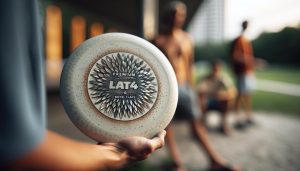
In the fast-evolving world of disc golf, understanding how the ESP Season Disc stands out in terms of speed and durability is essential for every player, from beginners to seasoned pros. Did you know that the right disc can significantly enhance your game by offering not just distance, but also consistency? As the sport grows, so does the demand for quality equipment that meets various playing styles and environmental conditions. This breakdown will guide you through the nuances of disc performance, offering insights into flight characteristics, wear and tear, and choosing the right disc for your needs. Whether you’re aiming for that perfect drive or looking for a disc that withstands the rigors of frequent play, this article will equip you with the knowledge to make informed decisions that elevate your game. Join us as we delve into the exciting world of ESP Season Discs, where speed meets durability, and take your disc golf journey to the next level!
Understanding ESP Disc Golf Discs: What Makes Them Unique?
Understanding ESP Disc Golf Discs requires an appreciation for their unique construction and flight characteristics that set them apart in the competitive world of disc golf. One of the standout features of ESP discs is their blend of performance and durability. Made from a premium blend of plastics, ESP discs are designed to withstand the rigors of play while maintaining their stability and grip. This is particularly appealing to players of all skill levels who seek reliability in various conditions, from sunny days to rainy ones.
The flight characteristics of ESP discs are also noteworthy. They offer a wide range of stability ratings, which means players can find discs tailored to their throwing style and course requirements. For instance, beginners may favor more stable discs that fly straighter with less risk of turning over, while advanced players might opt for those with a touch more glide or turn to achieve greater distance. Understanding these nuances can dramatically affect performance on the course, as the right selection can lead to more confident throws and better overall scores.
Moreover, ESP discs often feature vibrant colors and unique designs, enhancing not only their aesthetic appeal but also their visibility in various terrains. This aspect, combined with their reliable grip and specific profiles catering to distance and control, fosters a deep connection within the disc golf community. Players frequently share their personal experiences, debating the merits of various ESP models and the nuances they bring to individual throwing techniques. Engaging with these insights can prove invaluable for both newcomers and seasoned competitors looking to fine-tune their skills and equipment selection for optimal performance.
Ultimately, grasping what makes ESP discs unique is about recognizing their balance of performance, durability, and aesthetic appeal, which together help elevate the gameplay and enjoyment in this rapidly growing sport.
The Science of Disc Speed: How Fast Can ESP Discs Go?
The speed at which ESP discs can travel is a captivating aspect of disc golf that often intrigues players. These discs are engineered with precision to achieve impressive speed while maintaining the stability and control necessary for effective gameplay. The speed of a disc is influenced by several factors, including its material, aerodynamics, and the throwing technique used by the player. With ESP discs, players can expect them to perform optimally across a range of conditions, making them a popular choice among both casual and competitive players.
ESP discs utilize a unique blend of premium plastics, allowing them to cut through the air with less resistance. This results in faster flight speeds compared to many other brands. The aerodynamic design features a sharper edge and a streamlined profile, enabling these discs to exhibit greater velocity. When thrown with appropriate technique, an ESP disc can reach speeds exceeding 50 miles per hour, depending on the strength and mechanics of the thrower. Notably, advanced players often maximize these speeds by employing specific throwing techniques such as snap and follow-through to enhance their disc’s flight characteristics.
To harness the full potential of an ESP disc’s speed, a player should focus on the following elements:
- Grip and Release: A proper grip is essential for maintaining control and transferring maximum energy to the disc upon release.
- Angle of Release: Adjusting the angle at which the disc is released can significantly affect its flight path and speed-throwing with a slight hyzer or anhyzer can alter the dynamics of its speed.
- Follow-Through: A strong follow-through aids in generating additional speed and ensures that the disc travels in the desired direction.
By combining a thorough understanding of these mechanics with the advanced technology that ESP discs offer, players can achieve remarkable distances. Engaging with the disc golf community, whether through local clubs or online forums, can provide valuable insights into personal experiences and techniques, further enhancing your own gameplay. Whether you’re a newcomer eager to improve or a seasoned competitor looking to refine your strategy, understanding the science behind disc speed is vital for unlocking your disc’s full potential on the course.
Durability of ESP Discs: Longevity in Play
The longevity of ESP discs in gameplay is a significant factor that attracts both casual players and seasoned competitors. Known for their crafted durability, these discs are designed to withstand the rigors of frequent use while maintaining their performance characteristics. What sets ESP discs apart is their advanced plastic blend, which not only ensures high-speed performance but also enhances resistance to wear and tear over time. This means you can hit the courses day after day, and your ESP disc is likely to retain its integrity without the immediate need for replacement.
A well-maintained ESP disc can provide substantial longevity, especially when treated with care. To achieve this, players should implement some practical strategies that help prolong the life of their equipment. For example, storing discs in a protective bag away from extreme temperatures and direct sunlight can prevent warping or fading. Additionally, cleaning your discs regularly removes dirt and debris that could impact flight stability. Using a mild soap and a soft cloth is usually adequate for this purpose.
Another important aspect of durability comes from understanding the types of throws and impacts that can occur during play. The materials used in ESP discs are tough enough to handle typical obstacles found on disc golf courses, yet careful throwing techniques can mitigate excessive damage from tree hits or rocky landings. Players are encouraged to adopt a more controlled throwing style when navigating tighter courses to help their discs last longer while still achieving impressive distance and accuracy.
Ultimately, the commitment to maintaining ESP discs can lead to a rewarding experience on the course. Many players report that their well-cared-for discs continue to perform exceptionally well even after hundreds of throws, transforming them into reliable tools that accompany their disc golf journey for years. This durability not only enhances your game but also allows for a deeper connection with your equipment, creating lasting memories with each round played.
Speed Ratings Explained: What Do They Mean for Your Game?
Understanding disc speed ratings is crucial for any player wanting to enhance their game, particularly with ESP discs which are renowned for their performance. Each disc on the market comes with a speed rating that typically ranges from 1 to 14, with higher numbers indicating a faster disc. This essential information provides insight into how a disc will behave in flight, helping players make informed decisions based on their throwing technique and style.
When choosing a disc, consider your power level as a player. A beginner may benefit from using discs with lower speed ratings, as these are generally more forgiving and easier to control. For instance, a disc rated at 7 or 8 can still achieve impressive distances with less effort, making it ideal for developing technique without the frustration that comes with fast, unstable discs. Conversely, advanced players who can generate greater arm speed may find that they thrive with higher speed discs (10 and above) which can achieve maximum distance and penetrate headwinds more effectively.
Furthermore, it’s important to recognize that speed interacts with other flight characteristics such as glide, turn, and fade. While a disc’s speed largely determines how far and fast it can travel, the combination with glide can result in a longer overall distance. For example, an ESP disc rated with high speed and glide can carry further before descending, while one focused on speed with less glide might drop more quickly. This nuanced understanding allows players to fine-tune their choices based on course conditions and personal strengths.
To illustrate the impact of speed ratings on gameplay, consider two scenarios: during calm conditions on a wide-open field, a player using a high-speed ESP disc can unlock significant distance. However, on an uptight course with tighter lines and obstacles, a lower-speed disc provides the precision and control needed to navigate tricky shots. As you progress in your disc golf journey, experimenting with different speed ratings will not only enhance your understanding of how these discs perform but will ultimately contribute to a more strategic approach to each round.
Comparing ESP Discs to Other Brands: Which is Right for You?
When it comes to disc golf, choosing the right equipment can significantly impact your performance on the course. ESP discs are known for their speed and durability, but how do they stack up against other brands? Understanding the distinct advantages and characteristics of ESP discs compared to competitors can help players at all skill levels make informed decisions tailored to their gameplay and preferences.
One of the key strengths of ESP discs lies in their engineering, which promotes both distance and stability. Many players note that ESP discs consistently feature a robust feel with excellent grip, lending to more controlled throws, especially in varying weather conditions. In comparison, some other major brands, like Innova and Discraft, also offer discs designed for speed and distance; however, the feel and response can differ markedly. For instance, while Innova’s Thunderbirds are renowned for their precision, ESP’s Nuke can often deliver greater distance due to its unique design and plastic formulation, which tends to reduce drag.
Moreover, the durability of ESP discs is a significant talking point. Craftsmanship in ESP discs ensures they retain their flight characteristics longer than many competitors, making them a great investment for players looking to establish a reliable bag. While other brands may experience a more pronounced wear over time, leading to shifts in flight patterns, ESP discs tend to maintain their integrity, which is crucial for competitive play. The combination of speed, control, and longevity can make ESP discs particularly appealing, especially for players who frequently compete.
In practical terms, it’s essential to consider how specific models within the ESP lineup compare to other brands. For example, an ESP Buzzz is lauded for its versatility and reliability, making it a staple in many players’ bags. Comparatively, a similarly rated disc from another brand might not offer the same blend of precision and power, often sacrificing one for the other. When evaluating which brand and disc are right for you, it’s useful to look at factors such as flight ratings, preferred throwing styles, and personal comfort with each disc’s unique characteristics.
Ultimately, the best choice may come down to personal preference and playing style. Engaging with local disc golf communities, trying out different brands, and understanding the nuances of how each disc performs can lead you to the ideal disc for your game. Whether you are a novice just starting out or an advanced player pushing for new distances and techniques, keeping an open mind and experimenting with various options will enrich your disc golf experience.
Throwing Techniques for Maximum Distance with ESP Discs
Achieving maximum distance with ESP discs requires mastering specific throwing techniques designed to leverage the unique attributes of these high-performance discs. One crucial element is understanding the grip. A solid grip should be firm but relaxed, allowing flexibility and control during the throw. Position your fingers so that they rest comfortably in the grip of the disc’s underside, with the thumb pressed firmly on top for stability. This ensures that when you release the disc, it achieves a clean flight path with optimal spin.
Next, focus on your stance and body mechanics. A balanced starting position is essential, with your feet shoulder-width apart and your weight distributed evenly. As you prepare to throw, shift your weight back on your rear foot while pulling the disc across your body. This wind-up is critical for generating torque, adding to the power of your throw. As you transition into the throw, rotate your hips and shoulders towards the target while transferring your weight forward. This motion creates a whip-like effect that can greatly enhance the distance your disc travels.
Another key technique that many players overlook is the snap. This is where the magic happens-it’s the instantaneous release of energy that occurs as you let go of the disc. To maximize snap, focus on your wrist and fingers. As you complete your throw, snap your wrist at the point of release, which propels the disc with more spin and speed. Visualize the snap as a quick flick that sends your disc soaring into the sky. Pairing this technique with the right disc will allow you to harness the inherent speed and aerodynamics of ESP discs.
Lastly, practice makes perfect. Spend time on the course working on these techniques and pay attention to how different ESP models respond to your throws. Whether you’re launching a Nuke for maximum distance or using a Buzzz for controlled precision, the key is to adjust your throwing style to match the disc’s design. Engage with your local disc golf community to share tips and experiences; fellow players can provide valuable feedback that can help refine your techniques. Embracing these elements will not only improve your distance but also elevate your overall performance in the sport.
Choosing the Right ESP Disc for Your Skill Level
Selecting the right ESP disc for your skill level can drastically affect your game, enhancing your performance and overall enjoyment of disc golf. Since ESP discs are known for their aerodynamics and speed, they cater to a range of players, from enthusiastic newcomers to seasoned professionals. Understanding the unique characteristics of these discs and how they align with your ability will set you on a path to improvement and success.
For beginners, it is essential to start with discs that offer more stability and control. ESP offers discs like the Buzzz, which provides a straight flight path and minimal fade, making it ideal for players still honing their throwing mechanics. Opting for lightweight options can also facilitate easier throws and more manageable distances. As you develop more confidence and skill, you might consider adding mid-range or fairway drivers, such as the Crank, which balances speed with a touch of unpredictability, perfect for players ready to explore their distance potential.
Intermediate players often benefit from experimenting with a variety of disc speeds and types. At this stage, speed ratings become crucial in selecting discs that complement your evolving throwing style. You might gravitate towards the Nuke, known for its high speed and potential for great distance. However, it’s important to pair this advanced driver with proper technique and strength; mastering torque and snap can unlock its full potential. Consider crafting a diverse bag of discs that range in stability and speed to ensure that you are prepared for various course conditions.
Advanced players should focus on refining their game with high-speed discs while also maintaining versatility in their disc selections. Stable to overstable drivers like the Destroyer can handle powerful throws and wind conditions, offering exceptional distance and reliability. It’s also beneficial to keep specialized discs for specific shots – think about including a comeback disc for those tricky hyzer shots or a wind-friendly disc for blustery days.
Finally, take time to engage with the disc golf community, whether it be through forums, local clubs, or competitions. Sharing insights and experiences with fellow players not only accelerates learning but also strengthens your understanding of which ESP discs might enhance your game. By investing time in understanding your current skill level and how different discs can serve you, you help ensure that each round of disc golf is both enjoyable and productive.
Real Player Insights: Experiences with ESP Discs
Whether you’re just starting out or have been playing for years, hearing real experiences from fellow disc golfers can significantly enhance your understanding of how to maximize the benefits of ESP discs. Players often rave about the performance of ESP discs, particularly when it comes to speed and durability, which are critical factors in both casual play and competitive environments. Many enthusiasts report that once they switched to ESP discs, they noticed a tangible improvement in their throwing distances and overall game strategy.
Many players agree that the Nuke and Destroyer are standout discs that truly exemplify the power and distance potential of the ESP lineup. One intermediate player shared that utilizing the Nuke allowed them to consistently reach holes in one throw that previously required two. The high-speed ratings coupled with ESP’s renowned stability mean that these discs can handle a variety of throwing techniques, from backhand drives to forehand flex shots. As one seasoned competitor mentioned, “Once I learned to harness the torque needed for a Nuke throw, my distance game transformed overnight.”
Durability is another major factor that players frequently cite. Unlike some brands that show wear and tear relatively quickly, ESP discs tend to maintain their integrity after numerous rounds. A local club champion noted, “My ESP discs have weathered everything from sunny to rainy conditions, and they still perform as if they’re brand new.” This robust build not only contributes to their lifespan but also ensures consistency in disc flight patterns-a critical element when strategizing for courses with varying wind conditions.
Ultimately, the experiences of both casual players and competitive athletes emphasize the importance of finding the right fit within the ESP range. Trying out various speed ratings and types can lead to significant improvements in performance. One way to navigate this is by participating in local disc golf events or forums where players often share personal insights about which discs work best for different styles of play. By tapping into this vast reservoir of knowledge, you can make informed decisions that enhance your disc golf journey, regardless of your skill level.
The Impact of Weather on Disc Speed and Durability
Understanding how weather conditions affect the performance of ESP discs can drastically enhance your gameplay, whether you’re a casual player or a competitive athlete. Different weather elements such as temperature, wind, and moisture play significant roles in both the speed and durability of your discs. For instance, on cold days, discs may become stiffer, slightly affecting their grip and flight characteristics. Conversely, in warmer weather, the plastic can become more pliable, potentially allowing for longer and more flexible flight paths.
When it comes to wind, it’s important to recognize how it can drastically alter your disc’s behavior in the air. A strong headwind can slow a disc down, making it more challenging to achieve the same distance you’d expect in calm conditions. Players often adjust their throwing techniques accordingly, opting for more stable discs like the ESP Nuke or ESP Destroyer in windy situations to combat these forces. Similarly, a tailwind can provide additional distance, allowing for those powerful drives to soar further than usual.
Humidity and moisture also impact disc performance. Wet conditions can affect grip, making techniques like forehand throws trickier. It’s advisable to choose discs that you feel confident throwing in varying conditions; some players keep multiple discs in their bag for different weather scenarios. For example, certain players opt for higher-friction materials or textured surfaces on their discs that improve handling when conditions are less than ideal.
To summarize, being aware of how weather elements influence your ESP disc’s speed and durability can elevate your performance on the course. By selecting the right discs for the conditions and adjusting your throwing techniques accordingly, you can maintain consistency and achieve greater success in your disc golf game, regardless of Mother Nature’s whims.
ESP Discs in Competitive Play: Insights from the Pros
Competitive disc golf is rapidly evolving, with players increasingly relying on the unique characteristics of ESP discs to enhance their performance on the course. Players often emphasize the accurate flight patterns and consistent durability of these discs, which can be crucial during high-stress competitive play. Professionals frequently highlight how the initial speed of ESP discs can lead to greater distance and precision in their throws, fundamentally influencing their gameplay strategy.
Understanding the speed and stability of ESP discs allows seasoned players to capitalize on their strengths in various conditions and courses. For instance, discs like the ESP Nuke, known for its speed, can be a game-changer on longer holes. Pros recommend working on your mechanics to maximize the potential of these high-speed discs, focusing on a clean release and snap. A common technique among competitors is the use of a hyzer flip with faster discs, which can produce impressive distance while maintaining control.
In competitive play, the ability to adapt to different courses and weather conditions is essential. Veterans often share anecdotes about utilizing specific ESP models depending on the environment they encounter. For example, in tight wooded courses, a player may prefer a mid-range ESP disc, whereas on open fields, the same player might switch to a faster driver to take full advantage of the distance.
Performance at tournaments can also be influenced by how well competitors maintain their equipment. After heavy use, even the best discs can wear down, affecting their speed and stability. As such, many pros advocate for regular care and inspection of their discs to ensure they are in top condition. This attention to maintenance not only preserves performance during competition but also builds trust in their equipment, giving players one less factor to worry about during high-pressure situations.
Ultimately, the insights from those who compete at high levels reveal that the right ESP disc, combined with solid technique and strategic thinking, can significantly influence a player’s success. Whether you’re a budding enthusiast or a seasoned pro, understanding these nuances can enhance your competitive edge in the exhilarating world of disc golf.
Care and Maintenance Tips for Your ESP Discs
Keeping your ESP discs in top shape is essential for maximizing performance on the course, particularly when it comes to speed and durability. A well-maintained disc not only enhances your game but also ensures that you can rely on consistent performance in any situation. Many players overlook the importance of routine care, yet it’s a straightforward process that can greatly extend the life of your discs and improve your game.
To maintain your ESP discs, start with regular cleaning. Use a mixture of warm water and mild soap to remove dirt, grime, and any other residues. A soft cloth or a gentle brush is ideal for this task; avoid abrasive materials to prevent scratching the surface. After cleaning, make sure to rinse your discs thoroughly and let them air dry. Storing your discs properly is also crucial-keep them in a protective bag away from direct sunlight to prevent warping, which can affect their aerodynamics and speed.
Inspect for Damage
Regular inspections can help catch minor wear before it becomes a serious issue. Check for cracks, scuffs, or changes in the disc’s shape. If a disc starts to feel too flexible or shows significant wear on its edges, consider either retiring it from your main rotation or giving it a secondary role in your bag. Keeping a balance of newer and worn discs can give you more options based on the play style required for different courses.
Optimal Storage
When storing your discs, avoid stacking them on top of each other, as this could lead to flattening or misshaping. Instead, use vertical storage solutions like disc racks, or special bags with compartments that keep them from touching. This not only keeps your discs in good condition but also makes it easier to grab the right disc during a game.
Best practices for maintaining ESP discs not only contribute to their longevity but also cultivate your confidence as a player. A reliable disc translates faster to better performance, allowing you to focus on perfecting your technique and strategy on the course.
Future Innovations: What’s Next for ESP Disc Golf?
The world of ESP disc golf is on the verge of exciting advancements that promise to elevate the game and enhance player performance. With the continued growth of disc golf as a mainstream sport, manufacturers are investing in innovative technologies that combine speed, durability, and precision. These innovations aim not only to meet the demands of competitive players but also to enhance the overall experience for casual enthusiasts.
One of the most anticipated developments in ESP disc golf is the integration of advanced materials designed to maximize aerodynamics and resistance to wear. Manufacturers are experimenting with proprietary blends of plastics that offer lighter weight without sacrificing strength, allowing players to achieve greater distances with less effort. These materials not only enhance performance but also contribute to the longevity of the discs, making them a smart investment for players at all levels.
Additionally, we are seeing a rise in customizable disc options. Players can soon expect to see discs that allow for personalization in terms of grip patterns and weight distributions, tailored to individual throwing styles. This customization is crucial for fine-tuning performance, as a disc that feels good in hand will translate to better throws. Furthermore, future technological advancements may include smart discs equipped with sensors that provide real-time feedback on throwing mechanics and flight paths, helping players refine their skills in a more informed way.
As the sport continues to grow, community feedback plays a pivotal role in shaping these innovations. Brands are increasingly engaging with players of all skill levels to gather insights and to develop products that truly meet the needs of the disc golf community. This collaboration not only fosters a sense of community but also legitimizes the sport as an athletic pursuit, encouraging more individuals to embrace disc golf.
In conclusion, the future of ESP disc golf is bright, with innovations that promise to push the boundaries of performance and enjoyment. Whether you’re a seasoned competitor or a newcomer, these advancements will surely enhance your experience on the course, allowing you to focus more on your game and less on the gear. The journey of exploring these innovations is just beginning, and it will be exciting to see how they unfold in the coming seasons.
Faq
Q: What factors influence the speed of ESP discs?
A: The speed of ESP discs is influenced by several factors, including disc design, weight, and throwing technique. Discs with streamlined shapes and lighter weights tend to fly faster. Additionally, proper throwing mechanics can enhance speed, resulting in longer flight distances. For detailed throwing techniques, explore our section on throwing strategies.
Q: How does temperature affect the performance of ESP discs?
A: Temperature significantly affects ESP disc performance. Warmer weather may result in increased flexibility and distance, while colder conditions can make discs stiffer, reducing speed and flight efficiency. For tips on maintaining performance in various climates, visit our article on the impact of weather.
Q: Are there different speed ratings for various ESP discs?
A: Yes, ESP discs come with varying speed ratings, typically ranging from 1 to 14. Higher numbers indicate faster discs. Understanding these ratings can help you choose the right disc for your style of play. For more insights, refer to our section on speed ratings explained.
Q: What throwing techniques maximize speed with ESP discs?
A: To maximize speed with ESP discs, practice proper grip, body alignment, and follow-through. Techniques such as using a high release point and a strong flick of the wrist can significantly increase both speed and distance. Discover more in our throwing techniques section.
Q: How do beginner throwers achieve speed with ESP discs?
A: Beginners can achieve speed with ESP discs by focusing on proper technique and form rather than sheer strength. Starting with a lighter disc can also help in developing speed and control. For guidance tailored to beginners, check our choosing the right ESP disc section.
Q: What should I consider when selecting an ESP disc for speed?
A: When selecting an ESP disc for speed, consider the disc’s speed rating, weight, and your throwing style. Lighter discs with higher speed ratings will generally perform faster. Assess your skill level for the best fit, as discussed in our section on choosing the right ESP disc.
Q: Why is disc care important for maintaining speed and durability?
A: Maintaining your ESP disc is crucial for speed and durability. Regular cleaning and proper storage prevent wear and tear, ensuring consistent performance. For effective care tips, refer to our guide on care and maintenance for your ESP discs.
Q: How does the flight path of ESP discs change with speed?
A: The flight path of ESP discs varies with speed, as higher speeds create a longer glide and more stable flight. Understand how speed affects your disc’s behavior in the air by checking our section on the science of disc speed.
In Summary
As you dive into the world of ESP Season discs, remember that speed and durability are paramount for maximizing your performance on the course. Whether you’re a beginner refining your throwing mechanics or an experienced player seeking that competitive edge, understanding how these discs handle different conditions will elevate your game. Don’t miss out on exploring our detailed breakdown of disc flight characteristics and throwing techniques available on our site!
Join the conversation and share your experiences with ESP Season discs in the comments below – we love hearing from you! Also, check out our guides on disc selection strategies and course management that align perfectly with your skills. If you’re looking to deepen your knowledge further, consider signing up for our newsletter for exclusive insights and tips, or explore our product pages to find the perfect gear for your next round. Keep pushing your limits, and happy throwing!