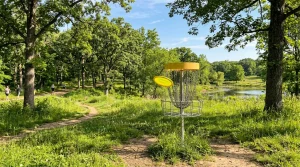
As every disc golf enthusiast knows, the quality of your targets significantly impacts gameplay. Did you know that worn-out baskets can diminish your accuracy and overall enjoyment on the course? Understanding when to replace these essential pieces of equipment is crucial for maintaining optimal performance, ensuring that your throws are met with the feedback they deserve. Whether you’re a casual player or a seasoned competitor, recognizing the signs of wear and knowing how to extend the lifespan of your baskets will not only enhance your game but also elevate your disc golf experience. Dive into this guide to learn practical tips for assessing your targets and making informed decisions about replacements, so you can keep hitting those sweet spots every time you play.
Basket Lifespan: Understanding Wear and Tear
Understanding the lifespan of a disc golf basket is crucial for maintaining a high-quality playing experience. Over time, targets endure substantial wear and tear due to weather exposure, frequent impacts from discs, and various environmental factors. Recognizing how this wear manifests can help players and course managers make informed decisions about maintenance and necessary replacements.
Discs striking the basket repeatedly can cause metal fatigue, leading to bent or broken components, which may affect the basket’s ability to catch and hold discs effectively. Additionally, the powder coating on many baskets can chip or fade, which may not impact functionality but could lead to rust over time if the underlying metal is exposed. Regular inspections are key; a quick visual check can help identify signs such as rust spots, loose chains, or destabilization of the basket’s base.
Moreover, environmental conditions play a significant role in the longevity of the basket. Baskets used in areas with high humidity may rust more rapidly, while those exposed to extreme heat can warp. Seasonal changes, like freezing and thawing, can also impact both the materials and the structural integrity of the baskets. It’s beneficial to use covers or store portable baskets indoors to shield them from harsh elements when they’re not in use.
By understanding these various factors contributing to wear and tear, disc golf enthusiasts can better maintain their targets and ensure a consistent, reliable playing field. Staying proactive about the health of your baskets fosters not just a better game experience but also contributes to the overall enjoyment and integrity of the sport.
Signs Your Target is Worn Out
Determining when a disc golf basket has reached the end of its lifespan can be challenging for players of all skill levels. A well-maintained target can greatly enhance your game, but when signs of wear begin to appear, it’s essential to act swiftly. Knowing the indicators that signal a target is worn out helps ensure that your play remains consistent and enjoyable.
One prominent sign of a fatigued basket is the condition of the chains. If you notice that the chains have become bent, rusted, or detached, the basket’s ability to catch discs will be compromised. Loose chains may not properly cradle the disc, leading to frustrating spit-outs and missed putts. Additionally, inspect the basket for any cracks in the metal framework or instability in its base. If a basket rocks or sways when you hit it, structural integrity may be compromised, marking a need for immediate replacement.
Another telltale sign is surface deterioration. Check for excessive rust or peeling paint, which not only affects aesthetics but can also indicate underlying metal fatigue. If the powder coating has chipped away significantly, it’s likely that moisture is getting in, leading to rust that could weaken the overall structure. You should also look for signs of corrosion around the ground or base areas, especially in high-humidity environments.
Sometimes, the mileage a target endures can be an indicator of its condition. If your basket has been in constant use for several years, even if it appears functional, it may be time to consider an upgrade. Regularly hosting tournaments or local play can accelerate wear, so be proactive in replacing older models to maintain a fair and competitive playing field for all participants.
Factors Affecting Basket Longevity
The durability of a disc golf basket is not just a matter of its build quality; various external and internal factors play significant roles in determining how long a target can last. One of the most impactful elements is the environmental conditions in which the basket is located. Baskets exposed to extreme weather-like heavy rain, snow, and intense UV radiation-can suffer from accelerated wear. Rain can promote rusting, while constant sunlight can lead to fading or chipping of protective paints and coatings. If your course is in a particularly humid area, you might notice increased corrosion around the base of your basket due to moisture accumulation.
Another critical factor is usage frequency. Baskets that see heavy daily play, especially in tournaments or busy local courses, experience more wear and tear compared to those that are used less frequently. Consider how many rounds your basket endures each week; a basket that regularly catches hundreds of discs a day will naturally wear out faster than one that is played on occasionally. Additionally, the skill level of the players can also affect the basket’s longevity-consistent hard throws from more experienced players can lead to quicker degradation of chains and the basket’s structure.
Maintenance practices also significantly influence basket longevity. Routine inspections for rust, chain integrity, and other structural issues can help identify problems before they escalate. Simple steps such as cleaning chains and checking for fittings or screws can make a substantial difference. Keeping the area around the basket clear of debris and avoiding excessive force on the basket itself during play can extend its lifespan.
Lastly, the quality and design of the basket are crucial determinants. Permanent baskets that are well-constructed with high-quality materials are generally more resilient than portable versions designed for temporary use. Even within permanent baskets, brands and models can vary greatly, with some offering superior rust resistance and durability than others. Understanding these nuances can help you make informed decisions about both maintenance and replacements, ensuring your game remains enjoyable for years to come.
When to Consider Replacement
Knowing when to replace a disc golf basket is crucial for maintaining the quality of your game and ensuring an enjoyable experience for players of all skill levels. Over time, wear and tear are inevitable, leading to performance issues that can affect gameplay. Identifying the right moment to retire your old target and invest in a new one can save you frustration and enhance the overall playing experience.
First and foremost, keep an eye out for visible signs of damage. If you notice significant rust, especially if it compromises the structural integrity of the basket, or if the chains are frayed and no longer catch discs effectively, it is time for a replacement. A solid target should have tight, reliable chains, and once they begin to sag or break, their ability to do what they’re designed for diminishes. Additionally, if the basket’s bottom is warped or damaged from repeated impacts from discs, it could affect the way discs land and stay in the basket, leading to missed putts and other gameplay issues.
Another crucial indicator is the frequency of repairs needed. If you find yourself making routine repairs-tightening bolts, replacing chains, or repainting rust spots-consider the cumulative time and expense of ongoing maintenance against the cost of a new basket. Often, investing in a new basket could provide better value over time and improve the overall experience for players at your course.
Furthermore, gather feedback from your playing community. If players regularly mention that a basket feels less reliable or frustrating to use, it might be time to upgrade. The communal aspect of disc golf is vital, and listening to your fellow players can provide insight into whether the target consistently impacts gameplay negatively. Remember that a well-maintained and functional basket not only contributes to fair play but also fosters a positive atmosphere at your course.
Lastly, consider the advancing technology and improvements in disc golf target designs. New baskets may come with better rust resistance, improved chain systems, and updated aesthetic designs that can enhance the course’s appeal. Staying current with these innovations can attract more players and elevate the overall quality of your disc golf experience.
How to Maintain Disc Golf Baskets
Maintaining disc golf baskets is key to ensuring a consistent and enjoyable playing experience for all levels of players. Over time, baskets endure a significant amount of wear and tear from weather, usage, and the impacts of discs. A well-maintained basket not only performs better, catching discs more reliably, but also contributes to the overall aesthetic and function of your course. Here are some essential tips to keep your baskets in top shape.
One of the simplest yet most effective practices is to regularly inspect your baskets for signs of damage. Look for rust, corrosion, or fraying chains. If you spot rust, treat it immediately with rust-inhibiting products or repaint the affected areas using outdoor-grade paint to prevent further deterioration. Additionally, check the chain tension; chains that are sagging can be adjusted or replaced. Keeping the chains tight and properly aligned ensures they catch discs effectively, which is crucial for maintaining fair play.
Another critical maintenance task is cleaning. Regularly wash the baskets with a hose to remove dirt, debris, and any organic matter such as leaves or mud that can accumulate. This not only helps in maintaining aesthetics but also can prevent rust and deterioration from settling materials. If your baskets have a powder-coated finish, it’s important to avoid abrasive cleaners that can scratch or otherwise damage the surface.
Lastly, consider the placement and environmental factors influencing your baskets. Ensure that baskets are not positioned in areas prone to flooding or excessive wear from foot traffic. Using protective bases or mats can help reduce ground impact and wear. During harsh weather conditions, such as storms with high winds or heavy snow, take the time to secure or cover the baskets to protect them from the elements.
By diligently maintaining your disc golf baskets, you can prolong their lifespan significantly, ensuring they remain reliable and functional for you and the players in your community. Remember, a well-maintained basket is crucial not just for your score, but for the enjoyment of the game!
Comparing Quality: Permanent vs. Portable Baskets
When it comes to enhancing your disc golf experience, the quality of the baskets you choose can have a significant impact on your game and maintenance efforts. Deciding between permanent and portable baskets involves understanding their unique characteristics, benefits, and drawbacks, especially concerning their lifespan and the necessity for replacement as wear and tear occur over time.
Permanent baskets are typically constructed with more durable materials and are designed for long-term use. They’re often made from heavy-duty steel and are anchored into the ground, making them less susceptible to theft and environmental damage. Their robust construction means they can withstand the rigors of frequent play and harsh weather conditions, resulting in a longer lifespan. Many players and course designers prefer permanent baskets for established courses because they provide consistent, reliable catching ability, which is crucial for competitive play. Moreover, they often have features that adhere to PDGA (Professional Disc Golf Association) standards, ensuring they perform optimally.
In contrast, portable baskets are designed for flexibility and convenience. They can be easily moved and set up for casual play, tournaments, or practice sessions at various locations. While they are generally less expensive and ideal for beginners or those without permanent spaces, their lighter construction can lead to a shorter lifespan. The material used in many portable baskets may not withstand weather extremes or heavy usage as well as permanent models. For instance, if a portable basket is often exposed to direct sunlight, rain, or snow, it may degrade more rapidly, necessitating earlier replacement.
Factors to Consider
When deciding which type of basket to invest in, consider the following factors:
- Usage Frequency: How often will the basket be used? High-frequency use favors permanent baskets.
- Location: Will the basket be exposed to the elements frequently, or is it for indoor use?
- Budget: Compare the initial costs of purchase against the long-term value you expect from the basket.
- Transport Needs: If you plan to take the basket to different locations, a portable option may be best.
Understanding these distinctions will help you choose a basket that not only fits your current needs but also emphasizes longevity and performance. The right choice can enhance both your play and the enjoyment of others in the disc golf community, ultimately elevating the game for everyone involved.
The Cost of Neglecting Your Targets
Neglecting to replace or properly maintain your disc golf baskets can have significant ramifications for both your game and the community. Imagine heading out for a casual round only to find that a worn-out basket is no longer catching discs effectively. This not only frustrates players but can also lead to disputes and discouragement among newcomers. Over time, neglect can result in baskets that fail to meet the catching standards set by the PDGA, compromising the quality of play and the overall experience.
When baskets are allowed to deteriorate, the costs of replacement or repair can quickly add up. A general rule of thumb is that if you’re spending more time adjusting or troubleshooting a malfunctioning basket than you are enjoying the game, it’s time to reassess your investment. For permanent baskets, this may include labor costs for installation of replacements, while portable baskets might require frequent purchases if they input wear significantly faster. Both scenarios can lead to diminished value from what should be an enjoyable and beneficial addition to your practice or course setup.
Moreover, poor-quality or worn-out baskets can deter new players from engaging with the sport. A negative first impression becomes a barrier, possibly leading to a lost generation of players who might have contributed to the vibrant disc golf community. Investing in quality, regularly assessing basket conditions, and making timely replacements can foster a welcoming atmosphere, promoting continuous growth in participation and engagement within disc golf.
Staying proactive about the condition of your targets supports not just personal improvement but also the legacy of the sport in your area. Establishing a routine for maintenance and replacement can enhance the lifespan of your baskets, ensuring they remain a reliable asset to your disc golf endeavors. This commitment can celebrate the sport as not just a hobby, but as a dynamic and thriving community activity, preserving its integrity and encouraging newcomers to join in on the fun.
Choosing the Right Replacement Target
When it’s time to replace your worn-out disc golf basket, the multitude of options available can raise questions about what constitutes the best choice for your specific needs. Not all targets are created equal, and understanding the nuances between different models can significantly influence your gameplay experience and course satisfaction. Consider themes such as durability, the type of play you engage in, installation requirements, and your budget as fundamental components in your decision-making process.
One essential factor to consider is the construction material of the basket. Typically, disc golf baskets are made from either galvanized steel or powder-coated finishes, offering varying levels of resistance to rust and wear over time. If your course is exposed to harsh weather conditions, investing in a heavier-duty, weather-resistant basket ensures longevity and reliability. Look for models featuring upgraded catching mechanisms designed to improve disc retention, as this can greatly enhance player experience.
Another crucial aspect is whether to go with a permanent or portable basket. Permanent baskets, while generally sturdier, can incur costly installation fees but provide unparalleled durability. Portable baskets are fantastic for casual play and flexibility, especially for those looking to practice in different locations, yet they tend to require more frequent replacement due to increased wear. Assess how often and in what settings you plan to utilize the basket-this will guide you towards the right choice.
When it comes to installation, ensure you review the specifics of each target option. Some may require concrete anchors or special tools, while others can be simply popped up in your backyard or at the park. Paying attention to these details can spare you from unnecessary headaches down the line. Finally, don’t shy away from engaging with the disc golf community-seek advice from local players or read online reviews to gauge the performance and satisfaction levels experienced by others using the baskets you’re considering. Each choice should align not only with your gameplay style but also with your commitment to fostering a respectful and enjoyable disc golf community. Always remember, a well-chosen basket can enhance not just your game, but the overall experience of those who share the course with you.
Best Practices for Installation and Setup
When installing a disc golf basket, taking the time to execute proper setup techniques can significantly prolong its life and enhance your playing experience. A well-installed basket not only stands up to wear and tear but also ensures that players of all skill levels can enjoy consistent gameplay. To achieve this, it is vital to follow a few fundamental principles that emphasize stability, accessibility, and weather resilience.
Start by choosing a location that is not only visible but also functional for gameplay. Ideally, your basket should be positioned on level ground to prevent wobbling. If you’re installing a permanent basket, consider using a concrete anchor for extra stability. This method minimizes movement due to wind or heavy use, making sure the target maintains its integrity over time. For portable baskets, ensure a solid base by using sandbags or stakes to secure it against the elements, particularly in windy conditions.
Important Installation Steps:
- Select a Suitable Site: Choose a spot that adheres to local regulations and offers at least 30 feet of clear space around the target for safe play.
- Use Quality Materials: If you’re concreting the basket, opt for a high-quality mix that cures well and protects against moisture.
- Follow Assembly Instructions: Always adhere to the manufacturer’s assembly guidelines for best results. Improper setup can lead to premature wear or damage.
- Regular Maintenance Checks: Once installed, periodically inspect your basket for signs of wear or damage. Early detection can prevent minor issues from escalating into major repairs.
Finally, embracing the input of the disc golf community can provide invaluable insights into unique local conditions that may affect your basket’s longevity. Engaging in discussions or reading tips from experienced players about installation nuances can turn a good setup into a great one. Remember, the better the installation, the greater the enjoyment you will experience – and the longer your investment will last.
Impact of Weather on Basket Durability
Weather can be a significant factor in the longevity of your disc golf basket, affecting both its physical integrity and gameplay experience. Extreme temperature fluctuations, high humidity, heavy snowfall, and intense sunlight can each take a toll on a basket’s materials over time. For instance, steel components may rust when exposed to moisture, while UV rays can degrade plastic parts, leading to brittle structures that are prone to breakage. Understanding these elements helps you proactively address potential issues, ensuring that your basket remains in top condition through various weather conditions.
Regular maintenance is essential. After storms or significant weather events, take the time to inspect your basket for any damage or wear. Remove any debris that may have collected in or around it, as this can lead to rust or bacterial growth, particularly in wetter climates. If you notice rust beginning to form, it’s often manageable with rust inhibitors or specialized paints designed for metal surfaces. For portable baskets, consider storing them indoors during extreme weather events to avoid unnecessary wear.
Additionally, embracing protective measures such as seasonal upkeep can prove beneficial. For instance, in areas prone to heavy snowfall, consider clearing the basket frequently to prevent ice buildup, which can distort its shape. In sunnier locales, applying UV-protective coatings can safeguard the metal and chain components, extending their usability. By anticipating weather impacts and reinforcing your basket’s defenses, you can enjoy many more rounds of play without the disruption of having to replace worn targets.
Real players often share their tips for ensuring durability against the elements. For example, one seasoned competitor recommends using a tarp or cover during off-seasons or in preparation for severe weather, providing an extra layer of protection against the elements. Engaging with the local disc golf community can surface practical advice suited to your geographic area, helping you maintain your investment effectively and enjoy uninterrupted play.
Real Players’ Experiences with Basket Lifespan
One of the most enlightening aspects of disc golfing is the wealth of experiences shared by players regarding the lifespan of their baskets. Many players have encountered the frustrating yet pivotal decision of when to replace their target, and their stories can offer invaluable insights. For example, in a local club, a player observed her basket beginning to warp and deteriorate after four years of exposure to harsh winters and blistering summers. Instead of waiting until it completely failed, she opted to upgrade to a more durable model that featured weather-resistant materials, significantly prolonging her investment.
Players often emphasize the importance of regular inspections and maintenance. A seasoned competitor shared that he developed a habit of checking his basket monthly, particularly after adverse weather events. He found that addressing small issues early, such as chain link rust or loose components, made a significant difference in extending the basket’s lifespan. According to him, “It’s about proactive care. The basket will wear out, but monitoring and maintenance can make it last years longer.”
Moreover, community engagement can also play a crucial role in understanding the longevity of baskets. Discussions in forums often reveal practical tips from other players tailored to specific conditions, like the humidity of the southern U.S. or the snow-covered landscapes of northern regions. Players recommend using protective tarps or covers to shield baskets during off-seasons or particularly harsh weather to prevent unnecessary wear and tear.
Additionally, the type of basket chosen affects longevity. Many players have shared their experiences transitioning from cheaper, portable baskets to premium, permanent ones, noting that the longer lifespan and quality of the heavier targets justify the initial investment. As one player remarked, “Investing in a good basket is like investing in your game; it pays off in the long run.” These shared experiences not only highlight the practical aspects of maintaining and replacing baskets but also foster a sense of community among players, where knowledge and tips are freely exchanged, enhancing the sport as a whole.
Future Innovations in Disc Golf Targets
As the sport of disc golf continues to grow, so does the innovation behind the targets that players rely on. Many brands are exploring new materials and designs aimed at enhancing durability and performance, ensuring that baskets can withstand the rigors of frequent play and varied weather conditions. For instance, the use of advanced polymers and corrosion-resistant metals is becoming increasingly common, promising longer lifespans for baskets that are exposed to the elements year-round.
Moreover, some manufacturers are developing targets equipped with smart technology that allows for tracking of disc hits and player statistics. This could not only add a new level of engagement for casual players but also provide competitive players with detailed insights into their performance over time. Imagine a basket that connects to a mobile app, recording data like throw distance, accuracy, and putt statistics. Such innovations could revolutionize how players interact with the game and their practice routines.
Ultimately, maintaining a basket should not just be about replacing worn-out components, but also about adapting to enhancements in technology and design. The potential for modular baskets-where players can replace or upgrade specific components as needed-could lead to a new standard in longevity and customization. For example, a basket could feature interchangeable chains or weatherproofing kits, allowing enthusiasts to adapt their equipment for changing conditions or personal preferences without having to invest in an entirely new unit.
As disc golf enthusiasts look towards the future, embracing these advancements will enhance their experience on the course. Engaging with manufacturers and sharing feedback can also drive further innovations, ensuring that the equipment keeps pace with the growth of the sport. Be open to experimenting with new options and consider how emerging technologies can improve not only basket longevity but also the overall enjoyment of the game.
Faq
Q: How often should disc golf baskets be replaced?
A: Disc golf baskets typically need replacement every 5 to 10 years, depending on wear and tear. Regular inspection can determine if replacement is necessary sooner, especially after harsh weather or heavy use. Keep an eye on any visible damage or distortion that affects playability.
Q: What are the signs that a disc golf basket needs replacing?
A: Key signs include rust, bent metal, loose components, and significant wear on the basket bottom. If the chains are worn or missing links, it’s time for a replacement. Regular maintenance checks can help identify these issues early and prevent further damage.
Q: What factors can impact the lifespan of a disc golf basket?
A: Several factors affect a basket’s lifespan, including material quality, weather conditions, frequency of use, and maintenance practices. Baskets exposed to extreme weather or heavy usage can wear faster than those in sheltered or less-frequented locations.
Q: Can I repair my old disc golf basket instead of replacing it?
A: Yes, many issues can be repaired, such as tightening loose chains or replacing rusted components. However, extensive damage may require full replacement. Regular maintenance can often extend the life of your basket significantly.
Q: What is the average cost of replacing a disc golf basket?
A: Replacement costs for disc golf baskets can range from $200 to $500, depending on brand and quality. Investing in a durable basket can save money in the long run, as it typically lasts longer with proper care and maintenance.
Q: How does weather affect the lifespan of disc golf baskets?
A: Extreme weather such as heavy rain, snow, or high humidity can accelerate rust and deterioration. Baskets in shaded areas may last longer due to reduced UV exposure. Protecting your basket with covers during severe weather can prolong its lifespan.
Q: What types of materials are best for durable disc golf baskets?
A: Stainless steel and galvanized metal are ideal for longevity due to their resistance to rust. Baskets made from high-quality materials might cost more initially but often provide better long-term value through durability and performance.
Q: What maintenance can I perform to extend my disc golf basket’s life?
A: Regularly inspect your basket for rust, tighten any loose parts, and clean the chains and poles. Using a cover during winter months can protect it from harsh conditions. Following these maintenance practices can significantly extend your basket’s lifespan.
For more tips on maintaining your basket, see our section on How to Maintain Disc Golf Baskets.
To Wrap It Up
As you consider the lifespan of your disc golf basket, remember that replacing worn targets not only enhances your game but also ensures a fair playing experience for everyone. If you’re noticing decreased performance, don’t wait-check out our guide to selecting the right replacement baskets to meet your needs. Engage with our other resources, such as tips on improving your throwing mechanics and a deep dive into disc flight characteristics, to elevate your skills further.
We encourage you to share your thoughts on basket maintenance in the comments below and explore our newsletter for the latest updates in the disc golf community! By addressing potential concerns about your equipment proactively, you can keep the game enjoyable and competitive. Join the movement and keep the spirit of disc golf thriving-check out our product recommendations and community stories today!
Get our latest guides, news, and insights highlighted in your Google Search & AI Overviews.