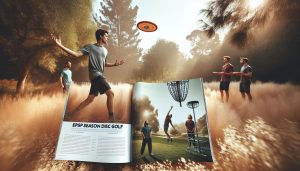
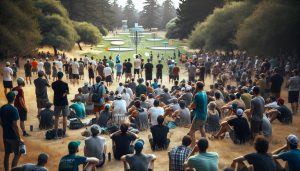
Did you know that over 7 million people play disc golf in the U.S. alone? Whether you’re a curious beginner or an experienced player looking to enhance your game, understanding how many disc golf baskets you need is crucial. Baskets not only serve as targets but also shape your practice area and influence your performance. From backyard setups to designing a full course, the number and type of baskets can significantly impact your skill development and enjoyment of the game. As disc golf continues to grow, knowing how to effectively use and acquire baskets can elevate your experience and foster a deeper connection with this vibrant community. Join us as we explore the essential factors in determining how many baskets you truly need, ensuring you make the most out of every throw!
Understanding Disc Golf Baskets: Types and Features
Understanding the variety of disc golf baskets available is crucial for players looking to enhance their game and practice effectively. Disc golf baskets serve not only as targets but also as tools that can cater to various skill levels and playing styles. When selecting a basket, players typically encounter two main types: portable and permanent baskets. Portable baskets are lightweight and often designed for easy transport, making them perfect for casual play at parks or on camping trips. Permanent baskets, on the other hand, are sturdier and designed to remain in place for long-term courses, offering a more durable option with additional stability against the elements.
Each type of basket also features distinct characteristics, such as target size, construction material, and quality of chains. For instance, professional courses often use baskets with a higher chain count and a more robust frame to withstand frequent use and erratic weather. While some players might prefer the added challenge of tight chains, others might gravitate towards wider targets to boost their confidence as they master their throw. Understanding these features enables players to choose baskets that align with their skill levels while making practice more effective and enjoyable.
Key Features to Consider:
- Chain Configuration: Baskets with more chains generally provide better catching capability.
- Material: Steel baskets offer durability, while composites might be more lightweight.
- Target Size: Professional baskets usually have 21-24 inch diameter catching areas.
- Portability: Look for collapsible options if you plan to move your basket frequently.
As disc golf continues to gain popularity worldwide, players from all backgrounds are encouraged to invest in a basket that suits their needs. Beginners may find significant benefits from practicing at home or in local parks, while seasoned players looking to perfect their technique for competitive play will appreciate the quality and features of higher-end models. Whether you’re looking to set up a mini-course in your backyard or aiming to enhance your skills in preparation for tournaments, choosing the right disc golf basket is your first step toward mastering the sport.
Assessing Your Playing Style: How Many Baskets You Need

Determining the number of disc golf baskets you need often hinges on your playing style, goals, and available space. Are you a competitive player seeking to fine-tune your skills, or are you a casual enthusiast wanting to enjoy the game with friends in a local park? Understanding your objectives can significantly influence your basket requirements. For instance, serious players might want to invest in multiple baskets to simulate different course layouts and conditions, enabling them to practice various shots and strategies.
For most beginners, starting with one good-quality basket is usually sufficient. This serves as a great introduction to the sport, allowing new players to practice their throwing mechanics without feeling overwhelmed. As skills improve, many find that adding a second basket provides the flexibility to create a mini-course in their backyard or to set up practice scenarios. Consider the following scenarios:
- Single-basket practice: Ideal for beginners or those just wanting to enjoy casual play.
- Two to three baskets: Best for players looking to practice specific skills and layouts, enabling basic course simulations.
- Four or more baskets: Suited for competitive players or clubs aiming to host informal tournaments and provide varying difficulty for practice.
Moreover, the local disc golf community can greatly enhance your practice through events and informal gatherings. If you’re looking to create a shared space for others to join you, consider how many baskets your friends or local players might enjoy. Establishing a mini-course with multiple targets can foster community and help everyone improve their game together.
Ultimately, the number of baskets you decide to acquire should align with your playing aspirations and your social environment. The flexibility to modify your practice setup as your skills evolve will pay dividends as you progress. Invest wisely, and make each basket a part of your journey in mastering the sport.
Beginner vs. Advanced Players: Basket Recommendations

Considering the varied levels of experience in disc golf, it’s essential to recognize that recommendations for baskets will differ for beginners and advanced players alike. For newcomers, one of the most enticing aspects of disc golf is its accessibility-grabbing a single, good-quality basket can be the perfect intro to the sport. A basket like the Dynamic Disc Rookie Basket provides an excellent balance of durability and affordability, allowing beginners to practice their throwing techniques without the pressure of competition. This singular basket can help new players develop fundamental skills, such as putting and distance control, in a relaxed environment.
As players advance and gain confidence, their needs begin to shift. This is where investing in more baskets can significantly enhance their training and play experience. Experienced players typically benefit from having two to four baskets, allowing them to set up different practice scenarios in their backyard or a local park. For instance, multiple baskets enable them to focus on various approaches-such as long-range putts or short, controlled throws-mimicking the variety found on actual courses. Baskets like the Innova Discatcher Sport or the Dynamic Discs Assembly Pro offer professional quality without breaking the bank, making them ideal for those who have committed to improving their game.
Beyond just the number of baskets, seasoned players also appreciate features that cater to advanced techniques and competitive scenarios. They often look for basket designs with better catching ability-such as deeper trays-and stability against wind, which are critical for honing skills under variable conditions. When guided by the pursuit of personal bests or tournament readiness, players will select baskets that provide feedback on their performance, enabling a tighter focus on improving shot precision and strategic play.
Ultimately, whether you are just starting or well on your way toward competitive play, choosing the appropriate number of disc golf baskets illustrates a commitment to growth within the sport. Establishing the right foundation with the right equipment allows players at every level to cultivate their skills and engage more deeply with the disc golf community.
Factors to Consider When Buying Disc Golf Baskets
When diving into the world of disc golf, selecting the right basket is a foundational step that can significantly enhance your playing experience. The choices available may seem overwhelming initially, but understanding a few key factors can help streamline your decision-making process. One essential consideration is the material of the basket. Most disc golf baskets are made from either metal or plastic, with metal baskets being the standard for permanence and durability. If you plan to set up a more permanent course, opt for galvanized steel construction, which offers weather resistance and longevity.
Another important aspect to consider is the basket’s design features. A well-crafted basket should include a deep catching tray to increase the likelihood of successful putts, regardless of wind conditions. Features like multiple chain configurations can improve catch rates; it’s often beneficial to look for chains that are spaced closely enough to catch discs reliably but not so densely that they disrupt the flight path. Additionally, consider the weight of the basket; heavier models typically withstand strong winds better, which is crucial if you live in an area prone to gusts.
Beyond material and design, it’s vital to consider the intended use and location of your basket. Are you looking for a portable solution for casual play in your backyard or at the park? In that case, lightweight, foldable baskets offer ease of transport and quick setup. Alternatively, if you’re establishing a home course or a more competitive environment, investing in a permanent model might be the way to go. These baskets tend to offer superior durability and stability in the long run.
Finally, don’t overlook the aesthetics and brand reputation. Many players find confidence in brands known for their quality and performance, such as Innova or Dynamic Discs. Reviews from other players can also provide insights into the basket’s performance and longevity. Balancing these factors allows you to make an informed decision that complements your playing style, budget, and commitment to the sport, ensuring you choose a basket that enhances both your skill development and enjoyment of disc golf.
Setting Up Your Course: Space and Layout Requirements
Establishing a disc golf course, whether in your backyard or a public area, requires careful planning to optimize the layout and ensure an enjoyable experience for players of all skill levels. Before laying down the first basket, take time to assess the available space, as the minimum area required for a dedicated hole is generally about 300 feet in length for a standard par 3. However, variations in design can cater to different holes, with an average of 30 feet in width being ideal for a clear throwing path and minimal obstructions.
When determining the placement and number of baskets, consider the surrounding environment carefully. Look for open areas free from heavy vegetation or underlying hazards, such as water bodies or steep slopes, which could compromise safety and enjoyment. Using a strategic layout will help enhance the challenge of each hole. Many growers of the sport suggest the following key elements when planning your disc golf course:
- Elevation Changes: Incorporating hills can add natural obstacles and variety, making the course more engaging.
- Natural Obstacles: Trees and bushes can serve as barriers to force players to plan their throws, improving strategy.
- Distance Variation: Mix short and long holes to cater to players with diverse skills, from beginners tossing putters to advanced players launching drivers.
It’s essential to visualize how each hole plays out from tee to basket. An ideal figure-eight layout is often suggested for smaller spaces, allowing players to complete a full course without excessive walking back and forth. To optimize flow, ensure each basket is visible from the preceding tee with clear pathways in between-ideally marked by signage to guide players smoothly through the course.
As you arrange your baskets, keep in mind the necessary spacing between each hole. A good rule of thumb is to maintain at least 150 feet distance horizontally between baskets, which reduces the likelihood of discs from multiple groups colliding and enhances the safety of all players. By thoughtfully considering these layout aspects, you’ll create a course that not only meets players’ expectations but also fosters a welcoming community atmosphere, enhancing everyone’s enjoyment of the game.
Cost Considerations: Budgeting for Disc Golf Baskets
Establishing a budget for acquiring disc golf baskets can greatly influence the quality of play and enjoyment in your course. The price of disc golf baskets typically ranges from $150 for basic, portable models to over $500 for high-end, permanent installations. Understanding your financial scope is essential for maximizing both your investment and your players’ experience.
When budgeting for baskets, it’s crucial to consider not just the initial expense but also the long-term value they’ll provide. For instance, purchasing a few high-quality permanent baskets might be more cost-effective than repeatedly replacing cheaper, less durable options. Consider factors like durability, performance in various weather conditions, and brand reputation. Established brands often provide warranties, which can be a safety net for your investment.
Additionally, assess how many baskets you need based on your playing style and space. For a casual backyard setup, a single high-quality basket may suffice for personal practice. However, if you’re aiming to create a small-scale course, investing in multiple baskets for a more diverse play experience will be paramount. Here’s a quick breakdown to help guide your budget:
- Backyard Practice: 1 Portable Basket – $150 to $300
- Small Course Setup: 3-6 Permanent Baskets – $1,500 to $3,000
- Full Course Development: 9+ Permanent Baskets – $5,000 and up
To save costs, explore options for buying used baskets or purchasing in bulk, which can yield attractive discounts from vendors. Some enthusiasts have reported successfully negotiating group buys or organizing community events to pool resources, allowing everyone access to quality baskets without breaking the bank. By carefully evaluating your budget, you can create a disc golf course that caters to various skill levels while fostering community engagement and player satisfaction.
Portable vs. Permanent: Which Basket is Right for You?
When considering your options for disc golf baskets, the choice between portable and permanent models can significantly impact your play experience, space utilization, and community involvement. Portable baskets are great for versatility; they allow you to set up a game wherever you go, whether that’s in your backyard, at a park, or during a weekend camping trip. They typically weigh less and can be stored neatly when not in use, making them an excellent option for players looking to practice or play casually without committing to a permanent course. If you’re a beginner or someone who enjoys impromptu games with friends, a portable basket might be just what you need to get started.
On the other hand, permanent baskets bring a level of commitment and professionalism to your disc golf experience. Installed at designated locations, these baskets are designed to withstand the elements, providing a consistent target for players of all skill levels. If you’re looking to create a full disc golf course or are a more serious competitor, investing in permanent baskets could enhance your gameplay and attract others to the sport in your local community. They also typically feature higher quality construction, ensuring they perform reliably over many seasons.
Making the right choice ultimately depends on your playing style, goals, and community vision. For dedicated players aiming to host competitions or cultivate a vibrant disc golf community, establishing a permanent setup may offer the most rewarding experience. Conversely, if you’re just starting or want flexibility, portable baskets can still provide a fulfilling and enjoyable way to practice and engage with the sport without the significant upfront investment required for permanent installations.
Maintenance Tips for Longer-Lasting Baskets
Proper maintenance of your disc golf baskets can significantly extend their lifespan and enhance your playing experience. Just as you would care for any piece of sporting equipment, investing a little time and effort in upkeep will pay off in performance and durability. Whether you own portable or permanent baskets, following some straightforward steps ensures that they remain in optimal condition and ready for play.
To start, regular cleaning is essential. Dust, dirt, and debris can accumulate on the baskets, especially if they are used outdoors. Wiping down the chains and target area with a damp cloth removes grime that might impede the disc’s ability to catch and stay. For deeper cleans, especially after wet conditions, use mild soap and water, then dry thoroughly to prevent rust or corrosion. Additionally, inspecting the chains for rust or wear and replacing any damaged links is crucial to maintaining functionality.
Another important aspect is addressing weather-related wear. For permanent baskets subjected to varied weather conditions, consider applying a rust-resistant coating or paint designed for outdoor use. This protective layer can shield against moisture, UV rays, and other environmental factors. If your basket is portable, store it indoors during extreme weather or when not in use, which helps maintain the integrity of both the metal and painted surfaces.
In terms of physical integrity, check the stability of the basket periodically. For permanent installations, ensure they remain securely anchored, as shifting due to soil movement or weather conditions can affect playability. Portable baskets should be set up on level ground and checked for any wobbling before each use, as stability is key for accurate play.
Finally, community involvement is a great way to keep your equipment in good shape. Engage with fellow players in your local disc golf scene to share tips, schedule basket maintenance days, and participate in community events that promote care for your local courses. Creating a culture of maintenance and respect for playing equipment not only extends the life of your baskets but also strengthens the community spirit vital to the growth and enjoyment of disc golf.
By following these maintenance tips, players can ensure that their disc golf baskets provide countless hours of enjoyable play, whether they’re setting up a casual game with friends or hosting a competitive tournament.
Maximizing Your Investment: Buying Used vs. New
When considering how to acquire disc golf baskets, the choice between buying new or used options can significantly impact your investment and overall experience in the sport. While new baskets often come with the latest designs and warranties, used baskets can offer excellent value, particularly for players looking to expand their practice space without breaking the bank. By evaluating the pros and cons of each, you can make an informed decision that aligns with your playing style and budget.
Purchasing new baskets allows you to enjoy the latest advancements in design and functionality. New models often feature enhanced durability, improved catching systems, and aesthetic options that reflect your personal style. Furthermore, buying new typically includes warranties, protecting your investment against manufacturing defects and ensuring support if issues arise. For beginners eager to familiarize themselves with disc golf mechanics, having a reliable, top-quality basket can enhance their practice and minimize frustrations.
On the other hand, the second-hand market for disc golf baskets has gained traction among players for good reason. Used baskets can be significantly cheaper, allowing you to acquire multiple units without stretching your budget-ideal for creating your own practice course. However, it’s crucial to inspect any used basket closely for signs of wear or damage. Check for rust, stability, and the condition of the chains, as these factors can affect game performance. Buying local or from trusted online marketplaces where you can see ratings and reviews can minimize potential risk.
Weighing Your Options
To illustrate the decision-making process, consider the following checklist when deciding between new and used baskets:
- Condition: Verify the physical integrity of used baskets.
- Price Comparison: Compare the cost of several new baskets with those of used options.
- Usage Needs: Determine how many baskets you need based on your style and frequency of play.
- Brand Reputation: Research brands for quality-even in used purchases, brand loyalty can matter.
Ultimately, both new and used baskets have their merits depending on your immediate goals for the sport. Whether you choose to invest in a state-of-the-art new basket or a well-loved used one, the focus should always be on enhancing your game and enjoying the camaraderie of the disc golf community.
Creating a Community: How Baskets Enhance Play
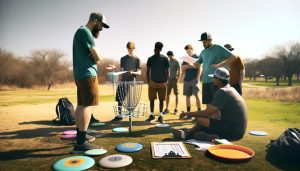
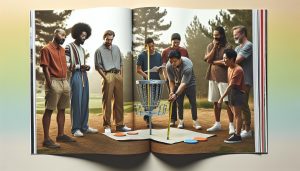
In the world of disc golf, the presence of baskets goes beyond mere functionality; they serve as community hubs that foster connection and camaraderie among players. Whether you’re at a local park or a dedicated disc golf course, the shared experience of aiming for the same target – the basket – brings individuals together, creating a sense of belonging and shared passion.
When players set up baskets for a casual throw or a more structured practice session, they spark interactions that transcend skill levels. A beginner might find themselves receiving guidance from a more experienced player on how to improve their throw, while the seasoned player can gain fresh insights from newer techniques or strategies. This two-way mentoring not only improves individual skills but cultivates a welcoming environment that encourages newcomers to engage and feel part of the sport.
As you consider how many baskets you need, think about the opportunities they create for social play-a single basket can serve as the central point for various games or challenges that bring people together. For instance, players can take turns trying to make consecutive putts from different distances, encouraging laughter and friendly competition. Additionally, organizing mini-tournaments or local leagues becomes feasible when you have multiple baskets, attracting more players and strengthening the community fabric.
Investing in a few baskets for personal or community use can dramatically enhance local disc golf culture, turning a solitary activity into a more vibrant social event. The more opportunities you create for play, the stronger the connections you foster-making each throw not only a pursuit of personal bests but also a chance to build friendships that could last a lifetime. In this way, disc golf becomes more than just a sport; it’s about nurturing community and shared experiences, rooted in the joy of play.
Legal and Safety Considerations for Course Setup
Setting up a disc golf course is an exciting venture, but it’s essential to consider legal and safety issues to ensure everyone has fun while minimizing risks. Whether you’re establishing a course in your backyard or a local park, understanding local regulations and safety protocols is key.
Before you begin, check with local authorities to see if permits are needed for course installation or modifications, especially in public spaces. Different areas have varying rules regarding land use and recreational setups, which may dictate where you can place baskets, how many you can install, and the types of materials you can use. It’s also wise to consult with the local disc golf community or clubs, as they may have insight into the best practices and existing agreements with land managers.
Safety is paramount when setting up a course. Consider the placement of baskets in relation to pedestrians, property boundaries, and potential hazards. Here are a few safety tips to follow:
- Distance from Walkways: Ensure that baskets are set well away from trails and frequently used pathways to prevent collisions.
- Visibility: Maintain clear sight lines for players throwing discs, as well as for nearby spectators.
- Environmental Concerns: Avoid placing baskets near fragile ecosystems or areas that could be harmful to wildlife.
- Signage: Use clear signs to indicate the course layout and any potential hazards, as well as rules for play to enhance overall safety.
In addition to these considerations, integrating safety measures into gameplay, such as designated ‘throwing zones’ and ‘waiting areas,’ can further reduce risk. Community-oriented initiatives, like clean-up days and safety training sessions, not only promote a healthy disc golf environment but also strengthen bonds among players. By prioritizing legal compliance and safety, you create a welcoming, enjoyable atmosphere where both new and seasoned players can thrive.
Real Players’ Experiences: Choosing the Right Baskets
Choosing the right disc golf baskets can feel overwhelming, especially with the various types available and the personal preferences of players at different skill levels. Real players often share their experiences in navigating this process, highlighting factors like durability, portability, and course setup that impact their choices significantly.
For many, the decision begins with understanding their playing environment and style. Avid player Jessica notes, “I initially purchased a portable basket for my backyard, thinking it would be a great way to practice. What I didn’t realize was how quickly I’d want to upgrade to a more permanent fixture when my friends started coming over for games.” This mirrors a common sentiment among beginners. They often start with a budget-friendly option, such as those from Amazon or Disc Store, before discovering the value of investing in a high-quality permanent basket that can withstand the wear of frequent use, especially when hosting larger groups.
Skill level also plays a major role in this decision-making process. Advanced players typically favor baskets with a more substantial target size and better catching mechanism, as they seek to simulate tournament conditions in casual play. For instance, Mike, a competitive player, shared his experience: “Moving to a more professional setup with a high-quality basket helped improve my accuracy and feel during tournaments. It made all the difference in practicing effectively.” He points out that the consistency of basket performance mirrors the reliability needed in competitive gameplay.
When considering how many baskets to purchase, community feedback is invaluable. Many players recommend starting small-perhaps with one to four baskets-especially if you’re establishing a new course. This allows players to test various setups and gather input before expanding. As Dave, a club organizer, suggests, “Start with a couple of good baskets, see how frequently they get used, and then expand based on community interest. You’ll save money and ensure that you’re meeting players’ needs.” Having real players’ experiences to guide your choice can not only enhance your setup but also foster a vibrant disc golf community around your course.
Q&A
Q: How many disc golf baskets do I need to start a course?
A: To start a basic disc golf course, you typically need at least 9 to 18 baskets. This allows for a standard layout where players can complete a full round. Always consider the course layout and available space before purchasing.
Q: What factors influence the number of baskets I need?
A: The number of baskets needed depends on course design, desired difficulty, and the number of players. Larger courses generally require more baskets to accommodate varying skill levels and to create interesting play dynamics.
Q: Is it better to have more permanent or portable disc golf baskets?
A: The choice between permanent or portable baskets depends on your course vision. Permanent baskets are ideal for established courses, while portable baskets allow for flexibility and temporary setups for events or casual play.
Q: How do skill levels affect basket selection?
A: Beginner players may benefit from simpler, easier-to-reach baskets, while advanced players often prefer challenging hole layouts. Consider player demographics when deciding on basket types and quantities for your course.
Q: Can I buy used disc golf baskets, and are they worth it?
A: Yes, buying used baskets can be a cost-effective option, especially for budget-conscious players or course designers. Check for quality and condition, and ensure they meet your standards before purchase. Refer to our section on buying used baskets for more insights.
Q: What size should I consider for my course?
A: The size of your course will dictate the number of baskets and their placement. Ideally, each basket should be positioned to maximize available space and minimize overlap between holes, enhancing player experience.
Q: How often should I replace my disc golf baskets?
A: It’s generally recommended to inspect your baskets every few years for wear and tear. If they show significant damage or affect gameplay quality, it’s time for replacement. Regular maintenance can extend their life substantially.
Q: What are the benefits of having a disc golf community?
A: A strong disc golf community fosters better engagement, encourages new players, and enhances the overall enjoyment of the sport. Sharing resources, organizing events, and collaborating on course maintenance can elevate the disc golf experience for everyone.
Final Thoughts
As you consider how many disc golf baskets you need, remember that investing in quality equipment enhances your game and the experience of fellow players. Whether you’re setting up your own course or looking to improve your backyard setup, each basket adds value. Ready to take the next step? Explore our in-depth guides on disc golf strategies and basket comparisons to fine-tune your purchases.
We’d love to hear your thoughts! Did this guide help you? Drop a comment below, share your experiences, or check out our articles on disc flight characteristics and throwing mechanics to deepen your knowledge. Don’t miss our community page-it’s the perfect place to connect with fellow enthusiasts. Keep pushing your limits and enjoy the sport that is truly on the rise!