Did you know that the height of a disc golf basket can significantly impact your game? Understanding the official measurements of disc golf baskets is essential for players at every level, from beginners to seasoned pros. A standard disc golf basket stands 5 feet (or 152.4 cm) high, with a diameter of 21 inches (53.3 cm) at the top. This uniformity ensures fairness and consistency in tournaments and casual play alike. Whether you’re perfecting your putt technique or strategizing for your next round, knowing the height of the basket helps you adapt your throws and improve your accuracy. As you read on, you’ll discover why this seemingly simple detail can influence your performance and how it relates to the broader mechanics and nuances of the sport. Get ready to elevate your game!
How High Is a Disc Golf Basket? The Official Standard
In disc golf, the height of the basket is a crucial element that influences gameplay, strategy, and performance. An official disc golf basket stands at a height of 4.5 feet (or 1.37 meters) from the ground to the top of the basket’s rim. This standardization is essential, not just for ensuring a level playing field across courses and competitions, but also for defining the challenge that players face when putting during a round.
Understanding the significance of this height helps both newcomers and seasoned players appreciate the nuances of basket design and its impact on gameplay. The elevated position requires players to develop precise throwing mechanics and putting techniques, as the trajectory and force of a disc can significantly affect whether a putt lands safely in the basket or bounces off. Moreover, the standard height contributes to a uniform understanding of scoring for players, as each success or failure is measured against the same expectations.
Over the years, advancements in disc golf design have also led to variations in basket aesthetics and functionality, with some models featuring deeper baskets or enhanced catching mechanisms. However, regardless of the style or brand, adherence to the official height makes each basket a reliable target during play. This consistency allows players to focus on improving their skill set rather than being distracted by varied basket measurements across different courses.
As the sport continues to grow, maintaining standard heights for baskets ensures that players of all skill levels can compete fairly, fostering both community and competition in this exciting athletic pursuit.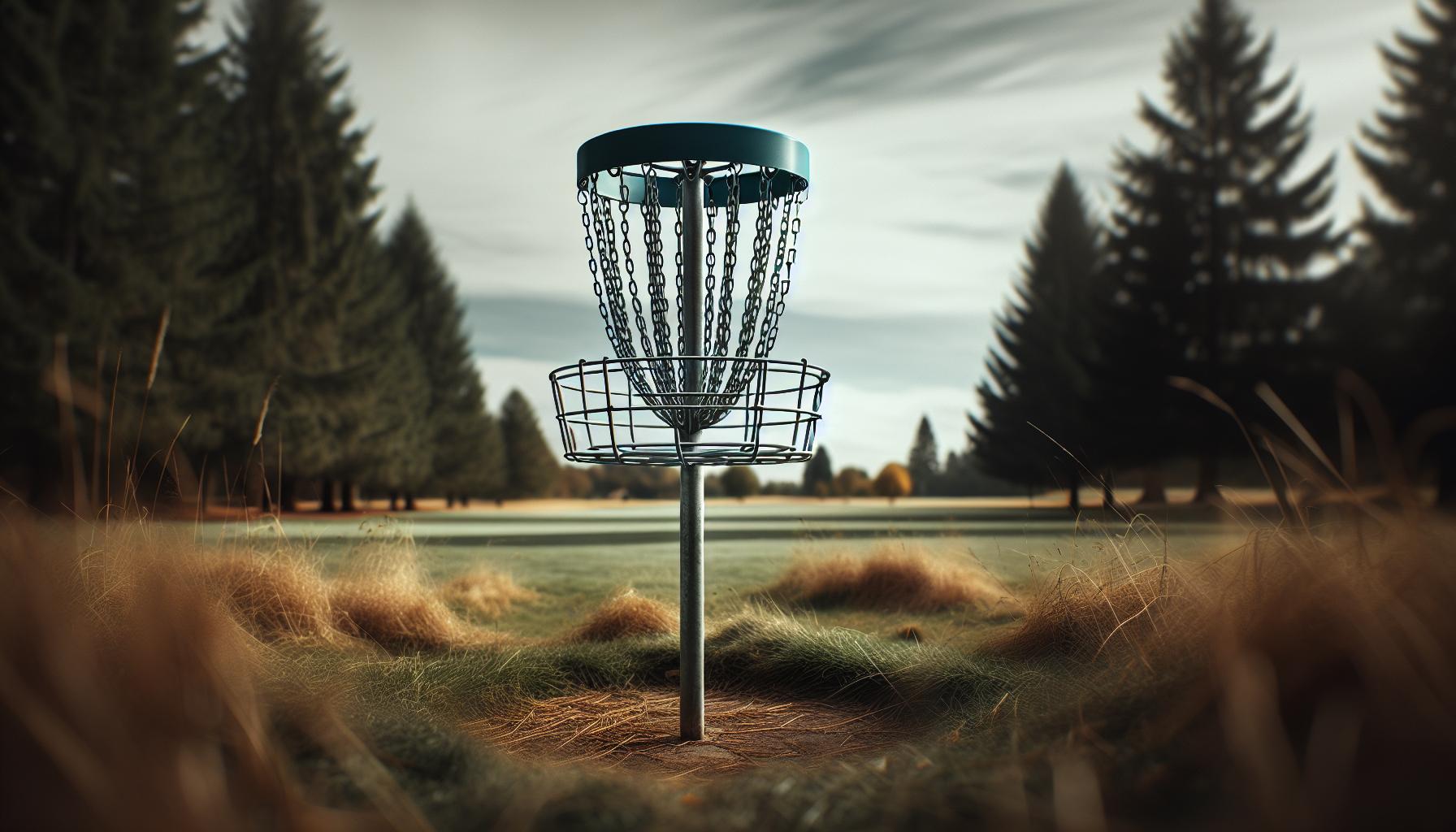
Understanding Disc Golf Basket Dimensions
The structure of a disc golf basket is more than just a functional component of the game; it’s the culmination of various dimensions and design elements that dictate the flow of play. At its core, an official disc golf basket is standardized to enhance gameplay consistency across courses worldwide. This standardized height of 4.5 feet (1.37 meters) from the ground to the rim ensures that each player’s putting experience remains uniform, allowing skill and strategy to take precedence over equipment differences.
When diving into the specifics of disc golf basket dimensions, it’s essential to consider other markings of the basket’s structure that influence both aesthetics and functionality. A typical disc golf basket consists of a catching area made up of chains that effectively retain the disc upon successful putts. The diameter of a disc golf basket’s top rim is typically around 21.5 inches (54.5 cm), critical for determining how well various discs interact with the basket during a successful putt. With an internal depth that usually exceeds 12 inches (30 cm), players are assured that their discs have a better chance of staying in the basket, thanks to the gravity that aids in catching.
To illustrate the importance of dimensions in disc golf, some players share their experiences with basket variations they have encountered. For instance, certain baskets feature an innovative design with added chains or a wider catching area, which can transform a player’s experience on the course. These differences can lead to varied putt success rates, contributing to ongoing discussions within the disc golf community about preferences for certain basket styles in practice versus competitive play.
In summary, understanding the exact measurements and structural nuances of disc golf baskets not only enlightens newcomers to the sport but also informs seasoned players seeking to refine their technique. Whether you’re just starting or looking to elevate your performance, a firm grasp of these dimensions lays the groundwork for skill development and strategic gameplay.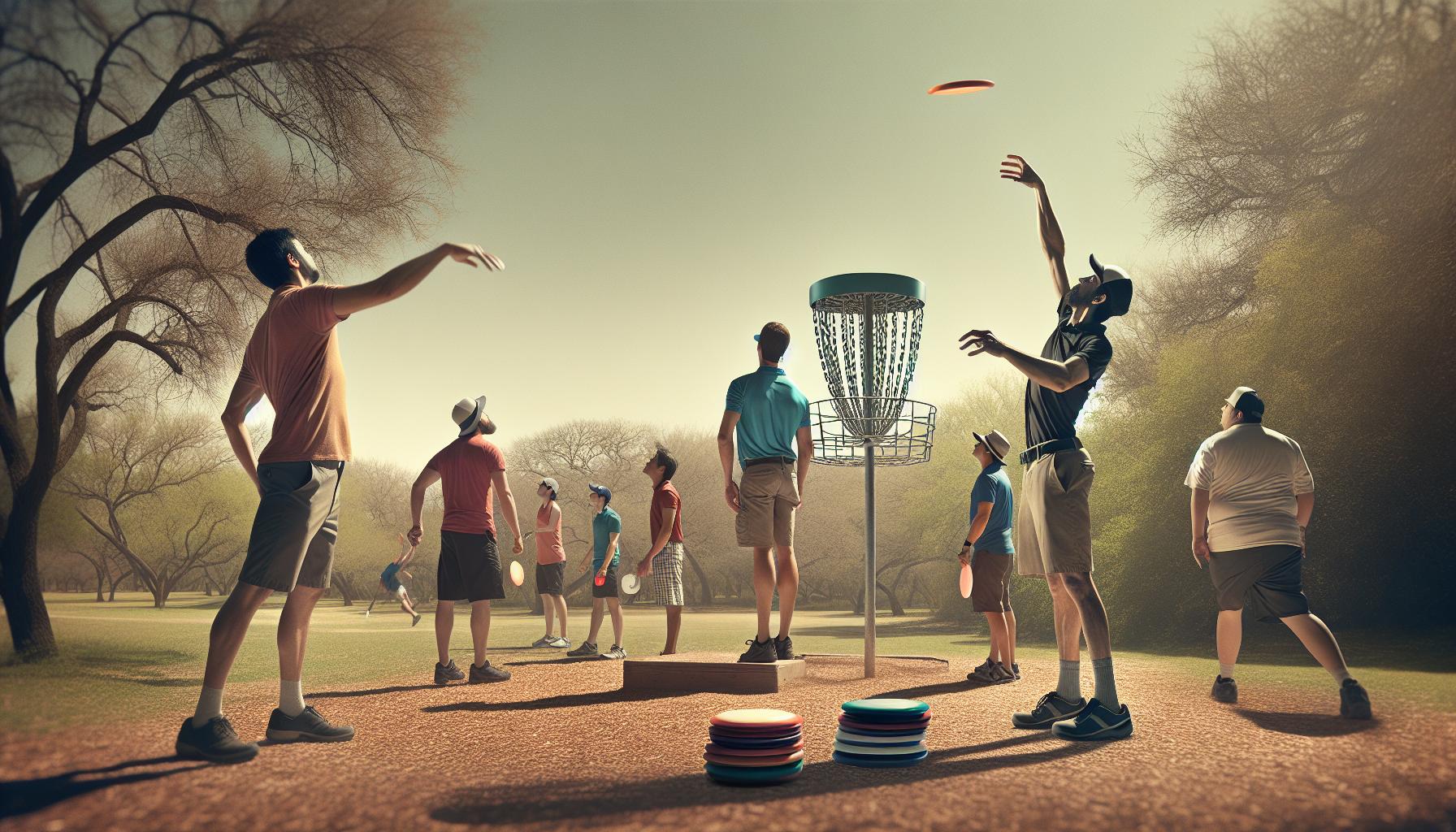
Importance of Height in Disc Golf
The height of a disc golf basket is not just a number but a fundamental aspect of the game that influences everything from technique to overall player experience. Standardized to 4.5 feet (1.37 meters) from the ground to the bottom of the basket’s rim, this height creates a uniform target for players across different courses, which is essential for maintaining fairness in competitive play. Understanding why this height matters can enhance gameplay and ensure that players are utilizing their skills to the fullest.
At this height, a player’s putting technique is put to the test. It encourages a precise release and trajectory, challenging players to develop an acute understanding of their disc’s flight characteristics. When aiming at a standardized target, players must refine their skills to account for variables like wind and distance from the basket. A lower or higher basket could alter the dynamics of putting, as it would fundamentally change the necessary angle of approach and follow-through. Thus, the consistency in basket height aids in the development of a player’s accuracy and confidence, particularly in high-stress, competitive environments where every putt counts.
Moreover, the height of the basket affects disc selection and throwing mechanics. Players often have to adjust their throwing style based on the distance and approach angles dictated by the height of the target. A proficient disc golfer knows how to adjust their hyzer or anhyzer angles to ensure their disc stays in the range where it can catch in the basket effectively. This element adds layers of strategy, making height a crucial factor for both novices and seasoned players alike.
In community discussions and player forums, the impact of height is a common topic. Many players share anecdotes about how their putting precision improved as they adapted to different basket heights during practice or local tournaments. By learning to navigate these variations, players not only enhance their skill level but also contribute to a more robust and engaging sporting environment. Ultimately, the height of a disc golf basket symbolizes the sport’s balance between challenge and reward-inviting players to harness their skills while fostering a sense of community and competition.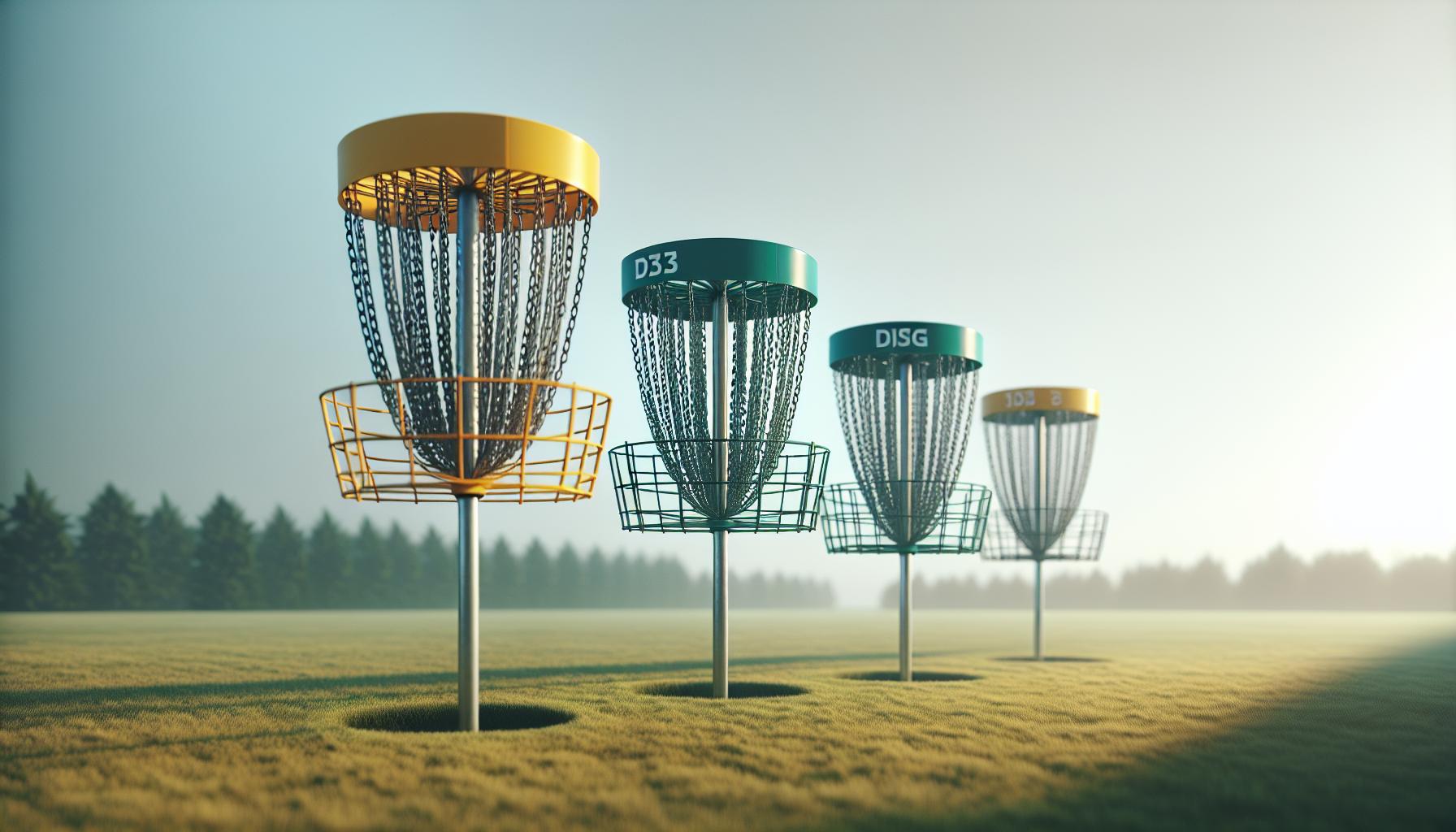
Comparing Disc Golf Baskets: Height Variations
While standard disc golf baskets are set at a height of 4.5 feet (1.37 meters) from the ground to the bottom of the basket’s rim, variations exist that can significantly impact the game. This diversity in height can arise from a multitude of factors, including local preferences, environmental adaptations, and specific tournament regulations. By understanding how these variations affect gameplay, players can adapt their strategies and improve their skills more effectively.
One notable variation is in amateur or community courses where baskets may be installed at non-standard heights due to design choices or construction limitations. Some courses might feature baskets at heights of 5 to 6 feet, which could inadvertently favor certain player styles over others. Taller baskets can challenge players to throw with more elevation, potentially causing adjustments in throwing mechanics. Conversely, lower baskets may assist players who struggle with reach but can devalue the skill of accurate putting, as they reward those with power over precision.
In comparing disc golf baskets across various courses, consider how height influences throwing angles and putting techniques. A taller basket, for example, may require a player to perfect their hyzer angles to ensure their disc has the proper lift and trajectory to catch in the basket. Adapting to such changes fosters versatility and ingenuity in players, as they learn to manipulate their throws in real-time conditions.
Moreover, understanding height variations can assist in selecting the right equipment. For instance, a player might prefer a firmer putter for a standard height basket, while opting for a disc with more glide or a softer approach for taller baskets. Courses that feature these unique setups can encourage players to explore different styles of throwing and disc selection, enriching the overall experience of the sport. By acknowledging and adapting to these factors, players not only improve their individual gameplay but also contribute to a vibrant and dynamic disc golf community.
Disc Golf Basket Installation Guidelines
Installing a disc golf basket correctly is crucial for fair play and consistent gameplay on the course. The choice of height can greatly influence a player’s approach to the game, making installation guidelines essential for course designers and local clubs. Standard baskets are typically set at a height of 4.5 feet (1.37 meters) to the bottom of the basket’s rim, aligning with regulatory standards for most professional courses. However, various factors such as site-specific conditions, aesthetic choices, and player demographics can necessitate deviations from this standard.
When installing baskets, it’s vital to follow a series of steps to ensure they are safely and correctly positioned. Begin by identifying the course layout and the intended flow of play. Consider visibility from various tees and ensure baskets are not obstructed by trees or other obstacles. Here are some key installation guidelines to keep in mind:
- Site selection: Choose stable ground that can support the basket’s weight over time, minimizing the risk of shifting or tipping.
- Height consistency: While the standard height is 4.5 feet, consider the skill level of the players. Amateur courses might benefit from adjustable or slightly varying heights to challenge or assist players.
- Safety measures: Ensure there’s adequate space around the basket for players to throw and retrieve their discs without interference.
- Wind considerations: If installing outdoors, assess prevailing wind directions that may affect putts and adjust basket placements accordingly.
Throughout the installation process, it’s essential to involve the local disc golf community. Engaging players in discussions about height and placement can lead to a better understanding of preferences and ultimately, a more enjoyable course. Moreover, as courses evolve, feedback from players can inform future adjustments and improvements, ensuring that the course remains challenging yet accessible for all skill levels.
Incorporating these guidelines not only helps in creating a functional disc golf course but also fosters a sense of community and respect for the growing sport. As you embark on your disc golf basket installation journey, remember: the goal is to enhance the player experience, making every round filled with excitement and challenge, no matter the skill level.
How Height Affects Gameplay and Scoring
The height of a disc golf basket plays a pivotal role in the dynamics of gameplay and can significantly influence scoring outcomes. Baskets are typically set at 4.5 feet (1.37 meters) from the ground to the bottom of the rim. This standard height has been established to create a uniform target for players of all skill levels, but the effects of height can vary based on factors such as player technique, disc selection, and even environmental conditions.
For beginners, the standard height may seem daunting at first; however, it offers a consistent challenge that helps develop essential putting skills. A basket set at this height encourages players to focus on their throwing mechanics and control, as discs thrown at varying angles will behave differently when approaching the target. Issues like putting “high” or “low” can often be traced back to a lack of feel or understanding of height, where adjusting the throw’s angle can improve accuracy and confidence.
Conversely, for advanced players, the height of a disc golf basket can affect their strategies significantly. Skilled players are keenly aware of how height impacts wind resistance and disc flight characteristics. Higher baskets might necessitate more powerful putts or strategic approaches, especially in windy conditions. Course designers might consider varying basket heights to add complexity to established courses, presenting new challenges even to seasoned competitors.
Understanding how height can affect both gameplay and scoring is essential for both players and course designers. It allows players to refine their skills while engaging in thoughtful tactics that can lead to better performance and enjoyment of the game. Engaging with the local disc golf community for feedback on height and design choices can help create courses that are not only fair but also exciting and enriching for players across all skill levels.
Regulatory Standards for Professional Tournaments
In professional disc golf tournaments, regulatory standards for baskets ensure that all players compete under consistent conditions, fostering fairness and promoting skill development across various playing fields. According to the official guidelines set by organizations such as the Professional Disc Golf Association (PDGA), the standard height for a disc golf basket’s rim is 4.5 feet (1.37 meters) above the ground. This measurement is critical as it provides a uniform target for players to aim for, reinforcing the balance necessary between challenge and skill.
Importance of Compliance with Standards
Adhering to these height regulations is vital for tournament integrity. Not only does it level the playing field, but it also allows players to hone their skills in a controlled environment. This uniformity is particularly important in professional settings, where players are competing for rankings, prizes, and recognition. Variances in basket height can lead to discrepancies in scoring that don’t reflect a player’s true ability, thereby undermining the competitive essence of the sport.
Implementation in Tournaments
Tournament directors are responsible for ensuring that all baskets used during an event meet the official height and construction standards. This includes checking for the correct measurements and verifying that the baskets are of an approved design, which typically includes features like a minimum of 18 chains to capture discs effectively and a sturdy base to withstand wind and environmental conditions. Compliance with these regulations is monitored not only by tournament staff but also by participants who are keenly aware of the standards, further promoting accountability within the sport.
Evolution of Standards
As disc golf grows in popularity and evolves as a sport, regulatory standards continue to adapt. New tournaments may introduce innovations in basket design, but the core dimensions have remained relatively stable to maintain fairness. The PDGA periodically reviews these regulations to consider feedback from players and course designers, ensuring that the standards not only support existing players but also attract new enthusiasts to the game.
Through these established standards, disc golf not only emphasizes competitive excellence but also builds a community that encourages growth and inclusivity, paving the way for a vibrant future in the sport.
Common Misconceptions About Basket Height
In the world of disc golf, the height of the basket often stirs up various misconceptions that can confuse both newcomers and seasoned players alike. One common myth is that changing the standard height of a basket can significantly affect a player’s performance. In reality, the official height of 4.5 feet (1.37 meters) serves as a uniform reference point across courses, ensuring that all players are aiming for the same target. Modifying this standard height for individual courses could lead to inconsistencies that may unfairly influence scores and overall gameplay.
Another prevalent misunderstanding is the belief that basket height affects disc flight dynamics. While it’s true that a higher or lower target can influence a player’s approach and strategy, the rim height itself does not change how discs behave during flight. Factors such as disc type, throw technique, and environmental conditions have far greater impacts on performance than the height of the basket. For instance, a well-executed throw with the right disc can navigate any height challenge that a standard basket presents.
Additionally, many casual players think that all baskets are created equal in terms of height. However, while most competitive tournaments adhere to the PDGA’s regulations, recreational courses may use baskets of varying heights and designs, often deviating from the official standards. This inconsistency highlights the importance of familiarity with local course conditions and the need for players to adapt their skills based on the equipment available.
Finally, there is a myth that any height discrepancy is negligible and won’t affect tournament outcomes. This is far from the truth, as even slight variations in basket height can lead to a different scoring experience, particularly in high-stakes tournaments where precision is critical. Therefore, it’s essential for tournament organizers to ensure compliance with established standards to maintain the integrity and fairness of the competition.
By dispelling these misconceptions, players can cultivate a deeper understanding of how standardized basket measurements contribute to the sport’s integrity and gameplay dynamics. Embracing these truths fosters a culture of knowledge that benefits everyone, whether you’re just starting or competing at the highest levels.
Disc Golf Basket Height: Player Perspectives
In the world of disc golf, player experiences and perspectives on basket height can vary widely, often influenced by skill level, throwing style, and local course conditions. Interestingly, while the standard basket height set at 4.5 feet (1.37 meters) creates a uniform target for competition, individual player preferences and backgrounds shape their views on how this measurement impacts their game. Many experienced players emphasize the importance of consistent target height, noting that deviations can lead to complications in scoring and performance evaluation.
Newcomers to the sport, however, may find themselves curious about how they can adapt their technique for the best results. For example, players who are accustomed to different types of recreational baskets-these may be taller or shorter than the standard-can develop unique approaches based on their experiences. Taking the time to practice putting with the official height can help build confidence, as many experienced players recommend familiarizing oneself with various basket heights. This practice can greatly enhance a player’s adaptability during tournaments, where precision is key.
Moreover, individual stories reveal how basket height can affect strategic gameplay. For instance, advanced players often illustrate how the visibility and reach of putts can change with the height of the basket. Subtle nuances, such as adjusting throwing power or the angle of release, become crucial when aiming for a standardized height; this fine-tuning of technique can even be the difference between sinking a putt or missing the target entirely. It is these insights from the community that foster a deeper appreciation for why maintaining regulatory standards is central not only to fairness but also to the personal development of players across all skill levels.
As players share their experiences about encountering various basket heights across different courses, these anecdotes highlight the importance of understanding one’s environment. By learning how to measure and approach diverse setups, players can embrace the challenge, utilizing their connection with the sport to refine their skills and improve their game. This shared commitment to mastering the nuances of disc golf ultimately elevates the entire community, making it more inclusive and vibrant as a sport.
How to Measure Disc Golf Basket Height
To accurately gauge the height of a disc golf basket, players should utilize a few straightforward yet effective methods. Establishing this measurement not only reinforces adherence to official standards but also aids in optimizing individual gameplay strategies. Here’s a hands-on approach to measuring basket height correctly.
First, grab a reliable measuring tape that extends to at least six feet. This tool is essential for achieving precise measurements without the need for additional equipment. Measure from a flat, level surface directly to the center of the basket’s top. The standard height for disc golf baskets is set at 4.5 feet (1.37 meters) from this point. Make sure that the measuring tape is perpendicular to the ground for accurate results, as an angled tape can lead to erroneous readings.
Factors to Keep in Mind
When measuring, consider the ground conditions where the basket is located. Uneven terrain can create discrepancies in height measurements, so always check for a flat area around the basket before taking your reading. If the basket is installed on a slope, take multiple measurements at various points to ensure consistency.
In addition to measuring height, some players may find it useful to evaluate the distance from the basket to the tee pad or landing zone, as this can influence throwing mechanics and putting strategies. By integrating basket height and distance into practice sessions, players can adapt their throwing techniques to match the unique aspects of each course.
Incorporating consistent measurement practices promotes fairness across all players and helps everyone, from beginners to seasoned competitors, adapt to the challenges presented by different basket heights. Emphasizing observance of these standards not only strengthens individual skills but also cultivates a deeper respect for the sport as it continues to grow.
The Evolution of Disc Golf Basket Design
As disc golf has surged in popularity over recent decades, so too has the evolution of its most fundamental piece of equipment: the basket. Originally designed as a simple target for players to throw towards, modern disc golf baskets have undergone significant changes to enhance their effectiveness and maintain standardization across courses. These advancements not only reflect technological improvements but also a deeper understanding of player needs and gameplay dynamics.
Early disc golf baskets were often improvised using materials available at hand, such as metal cans or wooden frames. However, as the sport grew, the demand for a consistent and robust target led to the development of specialized baskets. The introduction of the “standard” basket, which adheres to regulations set by organizations like the Professional Disc Golf Association (PDGA), established height and design specifications that ensure uniformity. The PDGA’s criteria specify that baskets should have a height of 4.5 feet from the ground to the top, a feature designed to create a reliable target for players of all skill levels.
The materials and designs have also evolved significantly. Early models were often made from heavy metals that could rust or become damaged over time. Today’s baskets are typically constructed with durable, rust-resistant materials such as galvanized steel and high-quality plastics. Additionally, many modern baskets feature improved catching mechanisms, such as wider mouth openings and deeper pockets, which help ensure that discs stay in the basket more effectively. This design evolution not only enhances gameplay but also maximizes player satisfaction.
Moreover, different basket styles cater to varied courses and player preferences, offering a range of heights, weights, and aesthetic designs. Some manufacturers even incorporate colorful elements or branding to make baskets visually appealing on the course. As disc golf continues to expand globally, the evolution of the basket plays a crucial role in shaping the sport, making it accessible and enjoyable for newcomers while also meeting the rigorous demands of serious competitors. Through continued innovation and design improvements, the humble disc golf basket remains a central piece of a game that brings together recreation, competition, and community in unique ways.
Choosing the Right Basket for Your Course
When it comes to setting up a disc golf course, choosing the right basket can make all the difference in player experience and gameplay. While the standard height of 4.5 feet provides a universal target, the specific characteristics of your course should guide your basket selection. Factors such as local terrain, the skill levels of players, and even the aesthetic you want your course to embody can help refine your choices.
A critical aspect to consider is the varied skill sets of players who will be using the course. For instance, if your course caters primarily to beginners, selecting baskets with wider openings can accommodate players still mastering their throws. If you’re targeting competitive players or hosting local tournaments, opt for baskets that align with PDGA specifications and are equipped with advanced catching mechanisms. These baskets often feature deeper pockets and reinforced chains that can handle the torque of powerful throws.
In addition to technical specifications, there’s also the matter of durability and maintenance. Weather-resistant materials, such as galvanized steel, are essential for ensuring longevity, especially in areas with heavy rainfall or snow. It’s also wise to think about the placement of your baskets. When installing them, ensure they are visible from the tee pad but located in a way that challenges seasoned players while still being approachable for newcomers. Consider the natural landscape; leveraging trees and terrain can create unique challenges without sacrificing player enjoyment.
Lastly, the visual appeal of your baskets should not be underestimated. Brightly colored baskets can enhance player engagement and help with course navigation. If you’re looking to create a cohesive theme for your course, choose baskets that reflect that aesthetic. With thoughtful selection, you can ensure that your disc golf course is not only a place of competition but also a community hub where players of all skill levels come together to enjoy the game. By focusing on these elements when choosing your baskets, you set the stage for an inviting and effectively challenging disc golf experience.
Faq
Q: What is the official height of a disc golf basket?
A: The official height of a disc golf basket is about 5 feet (1.5 meters) from the ground to the top of the basket’s rim. This standard is crucial for maintaining consistency across courses and ensuring fair play in competitions.
Q: How do disc golf basket heights affect gameplay?
A: The height of a disc golf basket can significantly influence gameplay by affecting how players approach their throws. Baskets that are lower may encourage easier putts, while higher baskets may challenge players’ accuracy and skill levels, especially in windy conditions.
Q: Are there different heights for beginner and advanced disc golf courses?
A: Generally, disc golf baskets adhere to the same height regulations, regardless of skill level. However, some courses may have adjustable height baskets to accommodate different players, particularly in training scenarios. Standardization helps develop consistent skills for all levels.
Q: How is a disc golf basket measured?
A: A disc golf basket is measured from the ground to the top of the basket’s rim. Use a measuring tape for accuracy, ensuring the basket is installed level and secure. This measurement ensures compliance with official disc golf regulations.
Q: What are the regulations for professional disc golf tournaments regarding basket height?
A: Professional disc golf tournaments mandate that baskets adhere to the official height of 5 feet. This standard ensures uniformity across courses, allowing players to compete under consistent conditions, which is vital for fair play.
Q: Why is basket height important in disc golf?
A: Basket height is crucial because it affects putting strategies and the overall difficulty of the course. Understanding and adapting to basket height can improve a player’s approach and increase their chances of scoring better.
Q: Can disc golf baskets vary in height by manufacturer?
A: While most disc golf baskets adhere to the standard height of 5 feet, there can be slight variations among manufacturers. It’s essential to check specifications before purchasing to ensure you comply with tournament standards or personal preferences.
Q: What should I consider when choosing a disc golf basket for my course?
A: When selecting a disc golf basket, consider factors like height, visibility, durability, and stability. Ensure that the basket meets official height standards and fits the skill level of the players frequenting your course.
Wrapping Up
Now that you know the official height of a disc golf basket at 5 feet above the ground, it’s time to bring your skills to the next level! Understanding this key measurement helps improve your approach to the game, enhancing your throwing mechanics and strategy. Ready to dive deeper? Check out our articles on mastering disc flight dynamics and perfecting your putting technique. Don’t forget to sign up for our newsletter for the latest tips and exclusive insights from disc golf pros!
Have any questions or thoughts? We’d love to hear from you in the comments below. Engaging with the community not only enriches your knowledge but also connects you with fellow enthusiasts. Remember, whether you’re a newcomer or a seasoned player, every round is an opportunity to improve your game and enjoy the growing sport of disc golf. Let’s keep pushing those boundaries together!