Did you know that playing disc golf can burn as many calories as jogging? As a rapidly growing sport, disc golf not only offers a fun way to spend time outdoors but also provides significant fitness benefits. In this article, we’ll explore how this engaging activity can boost your physical health while improving your skills on the course. Whether you’re a novice discovering the joy of throwing discs or a seasoned competitor aiming to enhance your game, understanding the fitness advantages of disc golf can help you achieve your wellness goals. Join us as we delve into the exciting intersection of fitness and disc golf, and unlock the potential for a healthier, happier you through this unique sport.
Calorie Burn in Disc Golf: Understanding the Basics
Engaging in disc golf not only offers a fun recreational activity but also serves as a formidable workout that can significantly contribute to calorie burning. When you hit the course, you’re not just tossing a frisbee; you’re embarking on a calorie-torching journey that can make a real difference in your fitness levels. On average, players can burn anywhere from 300 to 1,000 calories per round, depending on multiple factors such as weight, intensity, and the length of the course. This makes disc golf an excellent choice for those looking to stay active while enjoying a leisurely outdoor sport.
The act of playing disc golf involves various physical movements that engage different muscle groups, all while maintaining an aerobic pace. Walking the course, bending to pick up discs, and executing multiple throwing techniques work your legs, core, and arms throughout the game. To further enhance the calorie-burning potential, consider incorporating brisk walking or jogging between throws, which not only adds intensity but can boost cardiovascular conditioning.
Beyond just the physical exertion, disc golf encourages interaction with a community of like-minded individuals. This social aspect can increase your motivation to play regularly, thereby enhancing your overall fitness journey. As players focus on improving their skills and mastering the intricate techniques of disc flight and throwing, they inadvertently keep their bodies active, making fitness an integral part of their weekly routine.
To maximize the benefits, it’s beneficial to track your playtime and understand how different throwing styles and course designs can affect your workout. With so many ways to keep it engaging, disc golf proves to be a multifaceted approach to fitness that nurtures both the body and the spirit. Embrace every round as an opportunity to challenge yourself, forge connections, and burn calories while having fun!
How Disc Golf Enhances Cardiovascular Fitness
Playing disc golf is not just about enjoying the outdoors; it’s a fantastic way to enhance your cardiovascular fitness while having fun. As you move through the course, each step contributes to an aerobic workout that can significantly improve your heart health. Research indicates that engaging in activities that elevate your heart rate, like disc golf, can reduce the risk of heart disease, lower blood pressure, and improve overall circulation, making this sport an excellent choice for boosting cardiovascular endurance.
Every round of disc golf involves a variety of movements that elevate your heart rate. The act of walking-often briskly-between holes, combined with the dynamic motions of throwing, sets a rhythmic pace that promotes cardiovascular conditioning. Most players can expect to cover considerable distance over a standard 18-hole course, leading to a workout comparable to traditional running or hiking. The continuous movement keeps your heart pumping, ensuring you burn calories while enhancing your stamina.
To get the most out of your time on the course, consider implementing intervals of increased intensity. For example, after each throw, engage in a quick jog to your next disc, followed by a cool-down walk. This method not only amps up your heart rate but also fosters a playful spirit that keeps the game engaging. Additionally, playing regularly with friends or in organized groups can instill a sense of accountability and community, further encouraging you to maintain a consistent active lifestyle.
Combining cardio-specific drills into your practice can help improve your performance as well. For instance, alternating between long throws and shorter, more precise tosses enhances your throwing technique while maintaining a high level of physical exertion. This strategy ensures that your cardiovascular benefits are maximized with each session, providing a comprehensive approach to fitness that champions both health and skill development. Embrace disc golf as a lively workout, and you’ll find your cardiovascular fitness will flourish alongside your throwing abilities.
Boosting Strength: The Physical Demands of Throwing
To excel in disc golf, one must master the physical demands of throwing, which not only enhances performance but also contributes significantly to overall strength and fitness. Throwing a disc isn’t merely a simple act; it requires a blend of upper body strength, core stability, and lower body power. Each throw engages multiple muscle groups, enabling players to develop their physical capabilities in surprising ways.
During a typical throw, players engage their legs through a quick burst of power initiated from the ground up. The lower body stabilizes the stance while providing a forceful push, which is essential for generating distance and accuracy. As you shift your weight from your back foot to the front, your legs, glutes, and hips work in concert to unleash maximum energy. This kinetic chain is vital, as it transforms potential energy into kinetic energy, resulting in a more forceful throw.
The upper body plays a significant role as well. The shoulders, arms, and wrists work tirelessly to execute the fine motor skills needed for precision. A strong upper body not only helps with the strength of the throw but also aids in maintaining control during a release. Exercises that focus on shoulder stability, such as resistance band workouts or medicine ball throws, can greatly enhance your disc throwing power. Additionally, incorporating planks and rotational exercises into your training can build the core strength necessary for a consistent and powerful release.
For those looking to improve their throwing technique while boosting strength, it’s beneficial to focus on specific drills that simulate the motion of throwing while engaging different muscle groups.
- Weighted Throws: Using a heavier disc can help develop the muscles involved in your throwing motion.
- Dynamic Warm-Ups: Engaging in movements such as lunges with twist can prepare your body for the explosive actions of throwing.
- Form Drills: Practicing your form without focusing on power can help engrain effective mechanics which will aid in strength building.
As with any sport, patience and consistent practice are key. Novice players may find it challenging at first, but over time, the developing muscle memory and strength will lead to impressive distance and control. For those committed to taking their disc golf game seriously, investing time in strength training off the course can lead to remarkable improvements in performance, stamina, and overall enjoyment of the game. Embrace the challenge, and you’ll witness your skills-and your strength-grow significantly on the course.
The Mental Game: Cognitive Benefits of Disc Golf
Engaging in disc golf offers more than just physical benefits; it also serves as a powerful tool for enhancing cognitive function and mental well-being. The sport requires strategic thinking, focus, and adaptability-all critical aspects that stimulate mental agility. As players navigate various courses, they develop problem-solving skills by assessing distances, understanding disc flight paths, and contemplating wind conditions. This mental engagement ensures that the game is not just a test of physical ability, but a workout for the brain as well.
Moving through a course demands a level of mindfulness that can be quite meditative. When players concentrate on their throws, they can experience a reduction in stress and anxiety, aligning with the principles of mindfulness meditation. Each throw becomes an opportunity to clear the mind and focus on the moment, promoting a sense of calm and presence. Studies have shown that regular physical activity, like disc golf, can stimulate the release of endorphins, further contributing to improved mood and cognitive function.
Furthermore, participating in disc golf fosters social connections, which are essential for mental health. Whether playing casually with friends or competing in tournaments, the interactions that occur on the course can build a sense of community and camaraderie. This social aspect not only enhances motivation and enjoyment but also provides emotional support, which is crucial for maintaining mental stability.
To maximize the cognitive benefits, players can incorporate specific strategies during their practice sessions. Setting personal goals, such as improving accuracy or mastering new throwing techniques, encourages mental engagement and fosters a growth mindset. Additionally, choosing different courses with varied terrains and challenges promotes adaptability and strategic thinking, making each outing uniquely beneficial for both body and mind. Through a blend of physical exertion and cognitive challenge, disc golf can become a holistic approach to fitness that nurtures both physical health and mental wellness.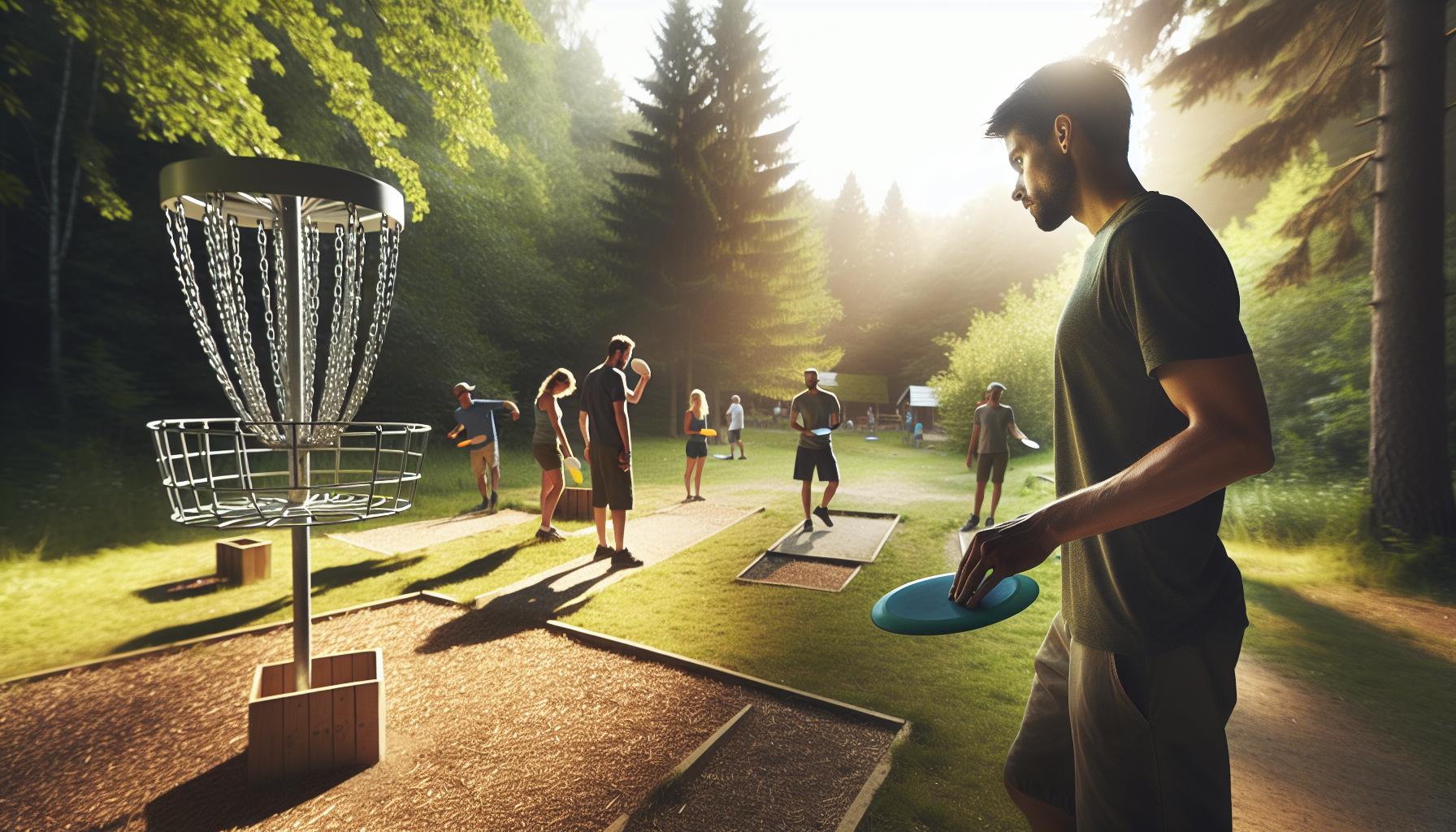
Comparing Disc Golf to Traditional Fitness Activities
Engaging in disc golf offers an experience that blends fitness, strategy, and the beauty of the outdoors, distinguishing it sharply from traditional fitness activities like running or gym workouts. While heading out for a jog or hitting the weights might rigidly focus on endurance or muscle strength, disc golf promotes a holistic fitness routine that incorporates cardiovascular, strength, and mental acuity components all in one. On average, players can burn between 300-900 calories per round, depending on factors such as course length, walking speed, and level of play. This calorie burn can rival more conventional forms of exercise, all while providing a distinctly social and enriching environment.
One of the unique aspects of disc golf is the diversity of physical demands it places on practitioners. Each throw requires not only a utilization of arm strength but also core and leg strength for proper stability and balance during execution. Traditional fitness activities often focus on repetitive motions, potentially leading to boredom or injury. In contrast, disc golf involves varied physical movements – from the explosive motion of launching a disc to the strategic walking and navigating of diverse terrains. Players often walk several miles during a game while navigating hills, trees, and other natural obstacles, enhancing overall cardiovascular fitness more dynamically than a treadmill run.
In comparison to gym workouts, disc golf fosters a more engaging environment through its social interactions. Players can engage with a community that celebrates skill development and personal achievements, whether they’re novice players learning to grip a disc or experienced competitors refining their techniques. The sport allows for organic connections and friendships, offering a supportive atmosphere that can enhance motivation and mental resilience-elements often less prevalent in solitary gym sessions. The community aspect also contributes to long-term commitment to fitness, as players look forward to regular outings with friends or local leagues, increasing accountability and enjoyment.
To transition smoothly into disc golf, consider setting personal goals such as improving disc accuracy or completing a course under a specific time. This not only enhances gameplay but also serves as motivation to practice regularly. With its unique blend of physical, cognitive, and social benefits, disc golf stands out as an appealing choice for individuals seeking a rewarding, engaging, and multifaceted approach to fitness.
Top Disc Golf Drills for Burning Calories
Engaging in targeted disc golf drills not only hones your throwing skills but can significantly ramp up calorie burn, positioning disc golf as an effective fitness activity. One of the most compelling aspects of these drills is their multifaceted approach; they combine skill training with physical exertion, leading to a rewarding workout without the monotony often associated with traditional exercise routines.
To kick off your practice, consider incorporating the following drills which will help improve your game while moving your body:
Calorie-Burning Drills
- Field Work: Spend time at a local field practicing various types of throws-hyzer, anhyzer, and forehand. Aim to cover a significant distance by walking to the disc after each throw. This not only burns calories through walking but also allows you to perfect your technique.
- Weight Training Throws: Use a weighted disc (or a coach’s disc) for both distance and accuracy throws. This requires more effort and engages core and arm muscles intensely, making it a strength-building exercise as well.
- Distance Challenge: Create a challenge that involves throwing to varying distances. Set markers at different yardages and try to throw your disc as far as possible while walking between each throw. This can elevate your heart rate significantly, mimicking interval training.
- Putting Circuit: Designate a putting area and create a circuit where you’ll alternate between putting and quick sprints to a specified point, like a basket or tree, over several repetitions. This mix of exercise promotes both skill and cardiovascular fitness.
- Team Games: Engage in team games like “Capture the Flag” on the course, where you can combine playing with friends with bursts of physical activity as you navigate the course’s terrain.
Each of these drills not only increases your proficiency in disc golf but also creates a dynamic fitness routine that helps you burn calories efficiently. By mixing strategic gameplay with physical activity, you cultivate a well-rounded approach to health and fitness that aligns perfectly with the essence of the sport.
Incorporating structured drills into your disc golf practice can gradually increase your stamina, enhance your throwing mechanics, and burn calories effectively. This not only fosters athletic growth but also keeps the process engaging and enjoyable-essential components of developing a lasting love for disc golf. Whether you are a novice or a seasoned player, these activities are designed to make the sport not just a leisure activity but a genuine fitness endeavor.
Incorporating Cardio: Smart Strategies for Disc Golf Players
Finding ways to enhance cardiovascular fitness through disc golf can greatly elevate your experience on the course, while also leading to improved overall health. One of the most effective methods to incorporate cardio is by actively adjusting your approach to gameplay and practice. This means not only focusing on skill but also integrating movement-based strategies that maintain a high heart rate during your sessions.
One important strategy is to maximize your walking distance on the course. Instead of just strolling between holes, try to incorporate dynamic movements such as lunges or high knees while you walk. This not only keeps your heart rate up but also engages your muscles differently. Additionally, challenge yourself by running or jogging to your disc after each throw, particularly if you’re practicing with purpose. Aiming for speed adds a layer of cardiovascular challenge, transforming a leisurely round into an invigorating workout.
Incorporating interval training into your practice sessions can also yield significant fitness benefits. For example, set specific distances for your throws, and after each throw, perform an exercise such as a set of jumping jacks or a short sprint before returning to your throwing position. This not only breaks the monotony but effectively combines strength-building with aerobic activity. Moreover, consider organizing informal competitions with friends that require you to race against time or each other, making fitness a fun, community-driven activity.
Furthermore, adopting a routine that includes variety-like alternating between putting drills and longer throws while implementing active rest periods-can enhance both your skills and cardio levels. This approach allows you to keep fitness engaging while honing your throwing technique. By being intentional with your movements and incorporating bursts of high-intensity activity, you can turn disc golf into a comprehensive workout that solidifies your commitment to both the sport and your physical health.
Nutrition Tips for Optimal Performance on the Course
Proper nutrition is a cornerstone of optimal performance on the disc golf course, fueling your body for the bursts of energy required during play and recovery. Did you know that the right pre-game meal can enhance not just your energy levels but also your concentration? When you engage in a sport that combines aerobic and anaerobic demands, like disc golf, understanding your nutritional needs can provide a significant advantage.
For pre-game nutrition, aim for a balance of complex carbohydrates, lean proteins, and healthy fats. Foods like oatmeal topped with nuts or a whole grain sandwich with turkey and avocado can deliver sustained energy. It’s essential to consume these meals about 2-3 hours before heading out to ensure proper digestion and absorption. Avoid heavy or greasy foods that might leave you feeling sluggish. If you’re pressed for time, a smoothie made with fruits, spinach, and a scoop of protein powder can be an effective alternative that’s both convenient and nutritious.
During a round, keep your body energized and hydrated to maintain performance. Bringing along snacks such as energy bars, banana slices, or trail mix can help keep your energy levels stable throughout your game. These snacks are not only packed with nutrients but are also portable and easy to eat between holes. Additionally, make sure to drink plenty of water – staying hydrated is crucial, especially on warmer days, to prevent fatigue and enhance focus.
Post-game nutrition is equally important. After an intense round, your muscles will have depleted their glycogen stores, necessitating a solid recovery plan. Consuming a combination of protein and carbohydrates within 30 minutes of finishing can help repair muscle and restore energy levels. Consider a protein shake with a banana, or Greek yogurt with berries for a quick, effective replenishment.
By being mindful of what and when you eat, you can significantly enhance your performance on the disc golf course, making every game more enjoyable and effective, while supporting your fitness goals. The combination of proper nutrition and an active lifestyle not only promotes better health but also fosters a deeper appreciation for the game and the community surrounding it.
The Role of Flexibility in Disc Golf Fitness
The ability to bend and stretch might seem secondary in the competitive world of disc golf, but flexibility is a key component of athletic performance on the course. Increased flexibility not only enhances your throwing technique but also contributes significantly to your overall calorie burn and fitness levels. Did you know that a well-structured flexibility regimen can lead to improved throwing distance and accuracy? This means that incorporating stretching into your routine could lift your game while also helping you stay fit.
Flexibility directly impacts your range of motion, allowing for more efficient throwing mechanics. Many players fall into the trap of focusing solely on strength but eventually discover that without flexibility, their throws become less powerful and more prone to injury. By enhancing your flexibility, you can adopt a more effective hip hinge during your throw, maximize the reach of your arm, and reduce the strain on your muscles. Simple dynamic stretches before a round, like arm circles and torso twists, can prepare your body to perform at its best and may even help prevent muscle fatigue that can come from extended play.
Benefits of Flexibility for Disc Golf
- Improved Throwing Mechanics: Enhanced flexibility allows golfers to generate torque, resulting in longer and straighter throws.
- Injury Prevention: Flexibility reduces the risk of injuries by preparing muscles and joints for the demands of the game.
- Enhanced Recovery: Flexible muscles recover faster post-exercise, meaning you can bounce back more quickly after a competitive round.
Incorporating flexibility training into your weekly exercise routine doesn’t have to be a monumental task. Simple yoga poses, static stretching sessions, and mobility drills focusing on the shoulders, hips, and back can work wonders. Consider dedicating 10-15 minutes after your regular workouts or during rest days to focus solely on stretching. Activities such as yoga not only promote flexibility but also improve balance and mental focus, creating a holistic approach to your disc golf training regimen.
For newcomers to the sport, remember: flexibility is not just about elasticity; it’s about enhancing your performance and enjoyment on the course. Embrace it as a critical component of your fitness journey. With practice, not only will you notice improvements in your gameplay, but you might also find it easier to navigate courses that demand agility and quick movements, ultimately celebrating the spirit of community and competition that disc golf offers.
Success Stories: Transformative Fitness Journeys in Disc Golf
The transformative power of disc golf extends far beyond mere enjoyment of the game; it has the potential to significantly enhance physical fitness and foster a sense of community among players. Take the story of Sarah, for instance. After struggling with weight loss and feeling unmotivated in her traditional workout routines, she discovered disc golf through a friend. With its unique combination of walking, throwing, and strategic play, Sarah found herself not only shedding pounds but also gaining newfound energy. Within a few months, she reported a remarkable 20-pound weight loss and improved cardiovascular health, all while enjoying the outdoors and engaging with fellow players.
What sets disc golf apart is how it engages both the body and mind. Consider the journey of Mark, a fitness enthusiast who was already active but sought a new challenge. He took up disc golf to complement his training regimen and soon realized its additional benefits. Mark’s throwing mechanics improved as he incorporated strength training specific to his throws, enhancing his game while also boosting his fitness levels. He shared that combining cardio from walking the course with strength training has made his overall fitness routine more enjoyable and effective.
Community support plays a crucial role in these journeys. The welcoming environment of local disc golf clubs often encourages newcomers to participate, fostering an inviting space for players of all skill levels. Many players, like Jessica, have found life-long friendships through disc golf that not only kept them accountable but also motivated them to improve their fitness together. Group outings and casual tournaments provide opportunities for socialization and light-hearted competition, which are essential for maintaining a consistent fitness routine.
As you embark on your own disc golf journey, remember that every round played is a step towards better fitness. Whether you’re inspired by stories like Sarah’s and Mark’s or simply looking to enjoy the game, disc golf offers a unique blend of physical activity and community connection that can transform your approach to fitness. So grab a disc and head out to your local course-you might just discover your own success story waiting to unfold.
Community and Support: Joining the Disc Golf Movement
Engaging with a vibrant community can greatly enhance your disc golf experience, making each round more enjoyable and fulfilling. From casual players to competitive athletes, the disc golf movement encompasses a diverse range of individuals united by their love for the sport. Did you know that participating in disc golf can lead to lasting friendships and a supportive network that encourages fitness and well-being? Many enthusiasts find themselves not just playing the game but also becoming part of a thriving community that shares their journey towards better health.
Joining a local disc golf club or community group can significantly enrich your experience. These organizations often host events, leagues, and tournaments that cater to all skill levels, providing ample opportunities for newcomers to learn and more experienced players to showcase their abilities. Whether you’re looking to improve your skills, meet like-minded individuals, or simply enjoy a day outdoors, community events can offer a welcoming space. Group outings not only enhance motivation but also inject elements of fun and camaraderie into your fitness routine, ensuring you remain active and engaged.
Participating in disc golf also opens doors to learning from seasoned players who are eager to share their knowledge. Clinics and workshops organized by clubs can teach you about effective throwing techniques, disc selection, and course strategy. Moreover, these gatherings serve as excellent platforms to discuss fitness tips and nutrition advice tailored specifically for disc golfers. Connecting with others who understand the nuances of the game helps solidify your knowledge while keeping you accountable for your fitness goals.
The stories of individuals within this movement are inspiring. Many players have transformed their lives, shedding excess weight and increasing their fitness levels through active participation in the sport. Community support plays a crucial role in these journeys, as friends and fellow players motivate each other to reach new heights. As you step onto the course, remember that you are not just playing a game; you are joining a thriving community dedicated to promoting health, happiness, and shared passion for disc golf. So, pick up your disc, connect with others, and discover the joy of being part of this dynamic movement.
Frequently asked questions
Q: How many calories do you burn playing disc golf?
A: Playing disc golf can burn between 300 to 600 calories per round, depending on various factors like your weight, walking pace, and course difficulty. This makes it a great way to stay active while enjoying the outdoors. For detailed calorie burn insights, see our section on Calorie Burn in Disc Golf.
Q: What are the fitness benefits of playing disc golf?
A: Playing disc golf improves cardiovascular fitness, strength, and flexibility. The combination of walking, throwing, and strategic play engages multiple muscle groups, contributing to overall physical health. Discover more on how disc golf enhances fitness in our article sections.
Q: Does disc golf improve mental health?
A: Yes, disc golf can significantly enhance mental health through stress reduction and increased focus. The outdoor setting and physical activity promote well-being. Read about the mental benefits in the Mental Game: Cognitive Benefits of Disc Golf section for more insights.
Q: Can disc golf compete with traditional exercise forms for fitness?
A: Absolutely! Disc golf offers a unique blend of cardio, strength training, and mental agility that can rival more traditional workouts. It’s an engaging way to stay fit without the monotony of standard gym exercises. For a comparison, check the Comparing Disc Golf to Traditional Fitness Activities segment.
Q: How can I maximize calorie burn during disc golf?
A: To boost calorie burn while playing disc golf, incorporate walking fast between holes, carrying your bag, and practicing throwing drills. Consider scheduling frequent rounds and varied terrains for added intensity. For effective drills, visit our Top Disc Golf Drills for Burning Calories section.
Q: What should I eat before playing disc golf for optimal performance?
A: For optimal performance, consume a balanced meal with carbohydrates, protein, and healthy fats about 1-2 hours before your game. Foods like bananas, nuts, or energy bars can provide sustained energy. Explore more nutrition tips in the Nutrition Tips for Optimal Performance on the Course section.
Q: How does disc golf help with flexibility?
A: Disc golf promotes flexibility through the various throwing techniques and movements involved. Regular practice enhances range of motion and prevents injuries. To learn more about flexibility training, refer to The Role of Flexibility in Disc Golf Fitness.
Q: Is disc golf suitable for all fitness levels?
A: Yes, disc golf is accessible to players of all fitness levels. Whether you’re a beginner or an advanced athlete, you can adjust the intensity of your game. For motivation and community support, check out Community and Support: Joining the Disc Golf Movement.
Wrapping Up
As you can see, the fitness benefits of disc golf go beyond just enjoying the game – they offer a fantastic way to burn calories while having fun outdoors. Now is the perfect time to grab your discs and hit the course! If you’re eager to learn more, check out our guides on improving your throwing mechanics and the best equipment for every skill level. Have questions? Join our community discussion below and share your thoughts or experiences!
Don’t forget to subscribe to our newsletter for tips, tricks, and the latest disc golf news, and dive deeper into our resources on course strategies to enhance your gameplay. Remember, every round you play is a step towards better health! Keep exploring, stay active, and let’s keep the disc golf spirit thriving together!
Get our latest guides, news, and insights highlighted in your Google Search & AI Overviews.