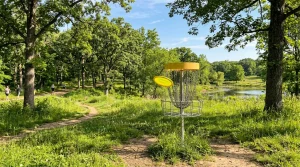
Did you know that over 10 million people play disc golf in the United States alone? As this growing sport captures the hearts of enthusiasts, understanding the cost implications of accessing disc golf courses is crucial. In this article, we’ll explore whether disc golf courses are free or if there are any associated fees, helping you to budget for your next round. Whether you’re a casual player looking for a new course to enjoy, or a seasoned competitor seeking to optimize your spending on tournaments and practice facilities, knowing the financial landscape of disc golf can enhance your experience and make you a savvier player. Join us as we break down the costs and uncover the factors that influence course pricing, ensuring you’re well-informed for your next outing in the great outdoors.
Understanding Disc Golf Course Costs: A Comprehensive Overview
Discovering the costs associated with disc golf courses can be both enlightening and beneficial for players at any level. As the sport gains popularity, understanding how fees are structured can enhance your experience, whether you’re a casual player or a serious competitor. While many players are drawn to the sport for its accessibility and affordability, diving deeper into the nuances of course costs reveals a range of factors that can affect your wallet.
Firstly, it’s important to note that not all disc golf courses require payment. Public courses, often located in parks, may be free to play, with costs covered by local taxes. However, private courses or well-maintained public facilities may charge a fee for usage. These fees can vary widely, typically ranging from $3 to $10 for a single round, while more comprehensive memberships might offer unlimited access for a flat annual fee. Additionally, some courses host tournaments or leagues that may require an entry fee, which could include amenities such as refreshments and prizes.
In understanding course costs, potential players should also be aware of hidden fees, such as parking charges or rental equipment costs if they do not own their discs. For those interested in elevating their game, investing in quality gear can significantly contribute to their overall experience and performance, where essential items like discs, bags, and accessories will be the primary expenses outside of course fees. To truly grasp the financial landscape, new players should consider visiting local courses, engaging with the community, and seeking advice from more experienced players to enhance their understanding and enjoyment while managing costs effectively.
Ultimately, the goal is to promote a welcoming atmosphere for all skill levels, recognizing that disc golf is not only a sport but also a community-driven activity. By understanding course costs and their intricacies, players can make informed decisions and continue to enjoy the camaraderie that disc golf offers.
Are All Disc Golf Courses Free? A Closer Look
While the allure of free disc golf courses is enticing, the reality varies significantly depending on location and course type. Many public courses, especially those set in local parks, offer free access to players, funded through community resources and local taxes. This accessibility is one of the sport’s greatest strengths, inviting newcomers to participate without the burden of fees. For example, a casual game at a park course can be as simple as showing up with a disc and enjoying a day outdoors, making it a fantastic option for families and friends looking for an affordable recreational activity.
However, not all courses operate on a no-cost basis. Well-maintained public courses and private disc golf facilities often charge a fee for the use of their grounds. These fees might range from a modest $3 to $10 for a single round, allowing course owners to maintain high standards and ensure a positive playing experience. Additionally, many of these courses host organized events and tournaments that may require entry fees; this extra charge typically contributes to overall facility upkeep and can include perks like refreshments, prizes, or professional artwork on the course.
It’s also essential for players to consider the full scope of potential costs. Free courses might not come without strings attached; there could be hidden fees such as parking, mandatory rentals, or even an increased demand for popular times like weekends when crowding might necessitate reservations. To better navigate these costs, players are encouraged to connect with local disc golf communities or online forums where they can gain insights on lesser-known free options or discuss local deals. This exploration not only enhances their personal game but also fosters a sense of community that is at the heart of disc golf culture.
In summary, while many disc golf courses can be enjoyed at no cost, numerous factors influence whether a fee will apply. Understanding these nuances helps players choose the right course that fits their budget while still enjoying the vibrant, welcoming community that disc golf offers.
Hidden Fees: What You Need to Know
While many disc golf enthusiasts are drawn to the idea of free courses, it’s crucial to look beyond the surface and understand the potential hidden fees that can add unexpected costs to your game. For instance, some public parks may not charge for course access but still impose fees for parking, especially in busy areas. If you’re planning a weekend outing at a popular course, remember that the parking lot could require a pay station or an annual pass, which adds to your overall expenses.
Additionally, if you’re visiting a private or well-maintained public course, you might encounter mandatory fees beyond the entry price-such as equipment rentals, which can cost anywhere from $5 to $15 for a disc. If you’re a newcomer without your own gear, those rental costs accumulate quickly, making what appeared to be an affordable day of disc golf significantly pricier.
Organized events and tournaments are another area where hidden costs can lurk. While these competitions often enhance the playing experience, they may involve registration fees that can range from $10 to $50 or more, depending on the event’s prestige and location. Participants should also be aware of potential additional costs like refreshments or exclusive merchandise that might be offered on-site.
Finally, keep an eye out for special fees associated with premium services such as reservations during peak times or extra amenities like guided tours or lessons. These services can greatly enhance your experience but will also contribute to the final tab. Budget-conscious players should engage with local disc golf communities or forums to stay informed about the actual costs associated with different courses, ensuring they can play without encountering unwelcome financial surprises.
Average Costs of Disc Golf Course Memberships
For those dedicated to the sport of disc golf, course memberships provide a compelling opportunity to enhance both your game and your overall experience. Rather than relying solely on day passes, many players opt for memberships as a way to save money while gaining access to a plethora of benefits. On average, memberships at public disc golf courses typically range from $50 to $150 per season, depending on the facilities, location, and amenities provided.
Comparing Membership Costs
When considering a membership, it’s important to evaluate what each course offers. Some courses include perks like unlimited play, access to members-only tournaments, and discounted rates on merchandise. Here’s a breakdown of what to look for:
- Basic Memberships: Ranging from $50 to $75, these might offer unlimited access but limited additional benefits.
- Standard Memberships: Costing between $75 and $100, these often come with member-only events and discounts on pro shop items.
- Premium Memberships: Typically $100 to $150, these memberships may include personalized items, exclusive invites, and greater engagement opportunities within the community.
In addition to the various membership levels, many clubs offer family or group memberships which can significantly lower costs when shared among players, all while fostering a communal spirit that is at the heart of disc golf culture.
Community and Value
Another key aspect of membership is community. Strong local disc golf communities often organize leagues and playdays, providing members more than just access to a course. These connections can lead to friendly competition, skill development, and socializing, which enriches the overall experience of the sport. Ultimately, investing in a membership not only helps save on non-member fees but builds a sense of belonging among fellow players.
In conclusion, for serious players and casual enthusiasts alike, evaluating the reveals not only a potential cost-saving measure but also a pathway to deeper engagement with the sport and its community.
Public vs. Private Disc Golf Courses: Cost Comparisons
In the world of disc golf, the distinction between public and private courses is significant both in terms of access and cost. Public courses often offer a more accessible entry point for newcomers, typically charging minimal fees or even being free to play, which makes them appealing for casual players and those looking to try the sport without a significant financial commitment. However, the quality and amenities can vary widely. For example, public courses maintained by local parks may not have the same level of care or facilities as their private counterparts, but they can provide a welcoming environment to grow your skills.
On the other hand, private disc golf courses are usually associated with higher fees and require a membership for access. These memberships can range from $50 to $150 or more annually, depending on the location and facilities. What you get in return often includes well-maintained courses, exclusive events, and a stronger sense of community. Many private clubs also offer perks such as tournaments, clinics with professionals, and discounts on equipment. This investment can provide a richer disc golf experience, facilitating regular play and camaraderie among dedicated players.
When considering where to play, think about your personal goals and budget. If you’re just starting out or looking to play casually, exploring local public courses can be very rewarding. However, if you’re committed to improving your game and building connections within the disc golf community, investing in a private membership may be worth the cost. Ultimately, the choice between public and private courses comes down to the type of experience you’re seeking in your disc golf journey.
Exploring Free Disc Golf Course Options
Many players are surprised to discover that a significant number of disc golf courses across the country are completely free to play. This affordability not only makes the sport accessible to newcomers but also fosters a welcoming community environment where players of all skill levels can practice, compete, and grow together. Free courses can often be found in parks, recreation areas, and even as part of community initiatives aimed at promoting outdoor activities.
One of the most appealing aspects of free disc golf courses is the opportunity for casual play without financial constraints. For beginners, these courses provide an excellent introduction to the sport without the pressure of membership fees or green charges. Many local parks departments invest in these courses to enhance community engagement and promote health and wellness. Players can also enjoy the benefit of multiple rounds throughout the day, giving them the chance to refine their skills and enjoy the great outdoors.
When exploring options, it’s worth noting that while free courses can be hit or miss in terms of quality and amenities, many are maintained to high standards by local volunteers or disc golf clubs. To find the best free courses, consider utilizing resources like the Professional Disc Golf Association’s (PDGA) course directory or community discussion boards where local players share their experiences. Additionally, players often report that gem courses, although free, may feature challenging layouts, scenic views, and unique terrains that enhance the playing experience.
Participating in these community-oriented disc golf courses is about more than just playing a round; it’s also an opportunity to connect with fellow enthusiasts. Many free courses host informal meet-ups, tournaments, or leagues, allowing you to build friendships and learn from more experienced players. So, whether you’re just starting out or looking to enjoy a relaxed day on the course, free disc golf options provide an incredible way to engage with the sport, all while keeping your budget in check.
Equipment Costs for Disc Golf Courses
Engaging in disc golf is not only about enjoying the outdoors but also about embracing the right equipment, which can significantly impact your experience on the course. Whether you are a beginner or a seasoned pro, understanding the costs associated with disc golf equipment can help you effectively budget your time and money. Most players find themselves investing in a few essential disc types, which typically include distance drivers, fairway drivers, mid-range discs, and putters. On average, a quality disc can range from $10 to $20 each, meaning a solid starter set might cost between $40 and $80.
The range of disc prices reflects variations based on materials, brand reputation, and design features tailored for different player preferences. For newcomers, buying a starter pack or a few versatile discs could be a sensible way to begin, as these typically provide a balanced selection that covers essential throws. An entry-level set often includes one of each type of disc, which facilitates learning the fundamental throwing techniques while keeping costs manageable.
Additional Equipment Considerations
Aside from discs, players may also want to invest in other gear that enhances their gameplay. Here is a quick list of optional yet beneficial equipment:
- Disc Golf Bag: Ranging from $20 to $100, bags keep your discs organized and protect them from damage.
- Shoulder Straps: For convenience, especially if you’re carrying multiple discs-prices range from $10 to $30.
- Apparel: Breathable clothing designed for outdoor activity, generally costing $20 and up.
- Water Bottle: Hydration is crucial, with insulated options typically priced between $15 and $30.
For serious competitors, the investment can extend beyond basic equipment. Custom disc designs, purchasing advanced discs specifically engineered for different flight patterns, and investing in practice baskets can quickly elevate your costs. However, these purchases correlate with performance, and many players find that investing wisely in their equipment can lead to significant quality improvements in their game.
Understanding these equipment costs not only prepares you financially but also guides you to make informed choices that align with your playing style, whether you just want to enjoy a weekend round casually or compete in tournaments. Ultimately, the right equipment can enhance both your enjoyment of the game and your overall performance on the course.
The Economic Impact of Disc Golf on Local Communities
The rising popularity of disc golf is not just about the joy of the game; it also plays a significant role in enhancing local economies and fostering community engagement. As more players flock to disc golf courses, especially those that require fees for maintenance and development, they’re contributing to a spectrum of economic benefits that permeate their surroundings. For instance, pay-to-play courses help sustain the facilities, allowing for better maintenance, increased safety, and improved amenities that can attract even larger crowds.
Local businesses, such as cafes, restaurants, and retail shops, often experience boosts in patronage from disc golfers. Tournaments and casual play encourage groups of players to visit nearby establishments before or after their games, creating a ripple effect that supports job growth and local revenue. A well-regarded disc golf course can become a regional attraction, drawing visitors from outside the area who seek to experience the sport in diverse settings. This influx can lead to significant increases in tourism, where lodging establishments and service providers also gain significantly from those seeking to play.
Moreover, the establishment of disc golf courses can elevate community spirit, promoting interaction among residents and encouraging physical activity. As interest in the sport grows, communities may host events that bring together players of all skill levels, creating inclusive environments for families and friends. These gatherings often foster a sense of camaraderie and shared responsibility for the course, which can lead to volunteer days for maintenance and even fundraising activities to support further development.
In essence, while the costs associated with playing disc golf, such as course fees and equipment purchases, are essential considerations for players, the broader economic impact of the sport on local communities is profound. Disc golf not only encourages health and wellness through outdoor activity but also cultivates an economically vibrant and socially engaged community. By recognizing and nurturing these dynamics, both players and local leaders can work towards making disc golf a cornerstone of community interaction and economic development.
Tips to Play Disc Golf on a Budget
Playing disc golf can be a fulfilling activity without breaking the bank. The good news is that there are numerous ways to enjoy the sport while keeping costs down. First, consider exploring local parks that have free courses. Many communities have embraced disc golf, offering various layouts at no charge, providing ample opportunities for practice and play without any fees. Utilize resources like online maps or community boards to locate these courses.
Another effective approach is to prioritize second-hand equipment. High-quality discs and gear are often available at discounted prices through local thrift stores, online marketplaces, or community group exchanges. Many avid players frequently upgrade their collections, meaning you can find slightly used discs at a fraction of the retail price. Remember, while it’s essential to have a selection of discs – such as drivers, midranges, and putters – you don’t need to invest in the most expensive brands to perform well. Start with a few versatile, budget-friendly options and expand your collection as you progress.
Joining local clubs or leagues can also significantly reduce playing costs. Memberships often offer perks such as discounts on tournament entry fees, access to exclusive events, and even group purchasing options for gear. Engaging with a community fosters friendships and provides invaluable knowledge about low-cost playing strategies and course maintenance tips. Plus, participating in organized events can help you develop your skills while meeting fellow enthusiasts.
Lastly, don’t overlook the potential for free promotional events hosted by disc golf manufacturers and local retailers. These often include trials of new discs, skill clinics, and tournaments with prizes that entice newcomer participation without a financial commitment. Keeping an eye on social media and community bulletin boards for these events can provide plenty of opportunities to enjoy the sport affordably while actively engaging with the vibrant disc golf community. By leveraging these tips, you can immerse yourself in disc golf, sharing in the experience and camaraderie of the sport while keeping it budget-friendly.
Accessing Pay-to-Play Disc Golf Courses: Worth It?
Playing on a pay-to-play disc golf course can be a unique and rewarding experience that enriches your gameplay while fostering a sense of community among players. One significant benefit of these courses is often the quality of the facilities and the maintenance offered. Many pay-to-play courses invest in professional upkeep, ensuring well-kept fairways, pristine baskets, and an overall pleasant atmosphere that enhances your enjoyment on the course. This level of investment not only caters to leisure players but also attracts more serious competitors, creating a vibrant environment for all skill levels.
When considering whether to access pay-to-play courses, it’s essential to weigh the costs against the potential benefits. Typically, fees can range from a few dollars for a single round to more substantial amounts for annual memberships. These costs often come with added perks such as organized tournaments, access to amenities like restrooms and refreshments, and sometimes even complimentary lessons or clinics. For instance, a membership might offer unlimited play throughout the year, allowing frequent players to save money over time while also developing their skills through regular practice.
Beyond just the facilities, the community aspect of pay-to-play courses shouldn’t be overlooked. These venues often serve as gathering spots for local players, fostering friendships and supporting a more competitive scene. Engaging with fellow enthusiasts can lead to opportunities to participate in leagues, tournaments, and special events that can enhance your game and even provide benchmarks for your progress. Additionally, supporting these courses helps promote and sustain the growth of disc golf in your area, ensuring a thriving environment for both current and future players.
In conclusion, while free courses provide an excellent opportunity to get started in disc golf, pay-to-play courses can offer enhanced experiences worth the investment. Whether through quality facilities, vibrant community interactions, or organized events and competitions, the benefits of investing in these courses can significantly enhance both your enjoyment of the game and your skills on the course. Factors like location, community offerings, and personal engagement should guide your decision, allowing you to weigh the costs in light of your playing style and goals.
The Future of Disc Golf Course Fees: Trends and Predictions
As disc golf continues to surge in popularity, the landscape of course fees and funding models is evolving dramatically. Current trends indicate a rising acceptance and necessity for pay-to-play models, primarily driven by the increasing demand for high-quality facilities and well-maintained courses. Many emerging disc golf courses are recognizing that a fee structure not only supports operational costs but also enhances the overall experience for players, creating environments that are both welcoming and competitive.
One significant trend is the growing emphasis on community involvement in the funding and maintenance of courses. Many facilities are now incorporating annual membership programs or sponsorship opportunities that allow frequent players to contribute directly to course upkeep while enjoying reduced fees. This reciprocal relationship fosters a strong community spirit, making players feel invested in their local disc golf scene. Moreover, courses are leveraging digital platforms to streamline payments and memberships, increasing accessibility and convenience.
Looking ahead, we may see an expansion of diverse fee structures tailored to different player demographics. For example, family passes or discount programs for youth players can promote inclusivity and encourage newcomers to take up the sport. Additionally, courses could implement tiered pricing for amenities-where basic access remains affordable while premium features (like reserve tee times or special events) provide additional revenue streams. Adjustments in charging models are also likely as disc golf sees more integration into local tourism, potentially capturing a share of recreational tourism revenue.
In summary, aligning the fee structures with the growing professionalization of disc golf will be crucial. As the sport matures, the challenges of balancing affordability with sustainability will be key to fostering an enriching playing environment that appeals to both casual players and serious competitors alike. The strategic evolution of these costs will ultimately play a vital role in enhancing player experience and supporting the longevity of disc golf as a major recreational pursuit.
Maximizing Your Value: Benefits of Paid Courses
Investing in a paid disc golf course can genuinely enhance your experience on the course, offering benefits that free options may not provide. One of the most notable advantages is the quality of the facilities. Paid courses often feature well-maintained fairways, regularly mowed grass, and cleared paths that make your game more enjoyable. The environmental upkeep allows players to focus on their throws without navigating through overgrown areas, thus improving the overall flow of the game. Additionally, many paid courses are designed by professionals who understand the sport’s intricacies, ensuring that each hole poses unique challenges suitable for varying skill levels.
Moreover, when you pay for a course, you’re typically contributing to a community-focused model that helps maintain and improve the facility over time. Funds from course fees can be directly reinvested into the course, such as upgrading tee pads, installing proper signage, or enhancing amenities like restrooms and picnic areas. This investment not only enriches your personal playing experience but also fosters a stronger community among disc golfers. Regular tournaments, leagues, and social events become more feasible, adding a layer of camaraderie and competition that is often missing in free courses.
For those looking to refine their skills, paid courses often come equipped with additional resources such as practice areas, training equipment, or clinics led by seasoned players. These perks can significantly elevate a player’s game by providing targeted practice in a controlled environment. Furthermore, many paid courses offer discounts for members on gear and equipment, creating a supportive ecosystem for both newcomers and seasoned competitors.
In summary, while the allure of free courses is undeniable, choosing to play at a paid course can lead to a more rewarding disc golf experience. From enhanced course conditions to supportive community engagement and better skill development opportunities, investing in a quality disc golf course pays off both on and off the field.
Frequently Asked Questions
Q: Are there any costs associated with playing free disc golf courses?
A: Yes, while some disc golf courses are free, players may still incur costs such as transportation to the site, possible parking fees, and any equipment they need to purchase. Consider checking the course website for any posted guidelines on donations or maintenance fees.
Q: How do I find free disc golf courses near me?
A: To find free disc golf courses in your area, use resources like the Professional Disc Golf Association’s course directory or apps that list local courses. Community boards and social media groups for disc golf enthusiasts can also be great sources of information.
Q: Can I bring my own discs to paid disc golf courses?
A: Yes, most paid disc golf courses allow players to bring their own discs. However, it’s recommended to check each course’s specific policies. Using your own equipment can enhance your experience and allow you to play at your skill level.
Q: What amenities do paid disc golf courses usually offer?
A: Paid disc golf courses often provide amenities like well-maintained fairways, scorecards, benches, restrooms, and sometimes even pro shops or concession stands. These features can significantly enhance your overall playing experience compared to free courses.
Q: Are there benefits to paying for a disc golf course membership?
A: Yes, memberships often provide unlimited access to a course, discounts on tournaments, and early registration opportunities. Many courses also offer exclusive amenities such as members-only events and access to premium tournaments.
Q: What can I expect from the maintenance of free disc golf courses?
A: Free disc golf courses may have less consistent maintenance compared to paid courses. Expect basic upkeep but be prepared for occasional overgrowth or wear. Community efforts often contribute significantly to maintaining these courses.
Q: How do disc golf course fees impact the sport’s growth?
A: Disc golf course fees can affect accessibility and participation. While fees can fund better facilities and maintenance, high costs may deter newcomers. Finding a balance between affordability and quality is essential for the sport’s continued growth.
Q: Are there hidden costs when playing at free disc golf courses?
A: While there are no entry fees at free courses, hidden costs can include the need for transportation, equipment, and occasional donations or maintenance fees that some courses may request. Be mindful of your overall spending while enjoying the sport.
Future Outlook
We hope this breakdown of costs associated with disc golf courses has clarified your questions and sparked your interest in exploring the sport further! Remember, while many courses are free to use, understanding potential fees can enhance your experience and help you plan better for your next outing. If you’re looking to dive deeper, check out our articles on the best disc golf equipment for every budget and a guide to mastering your throwing technique.
Don’t let uncertainty hold you back! Take the leap into the vibrant disc golf community by searching for local courses near you or joining a league. Sign up for our newsletter for tips on improving your game and stay updated on the latest disc golf trends. We’d love to hear your thoughts-share your experiences in the comments and join the conversation. Happy disc golfing!
Get our latest guides, news, and insights highlighted in your Google Search & AI Overviews.