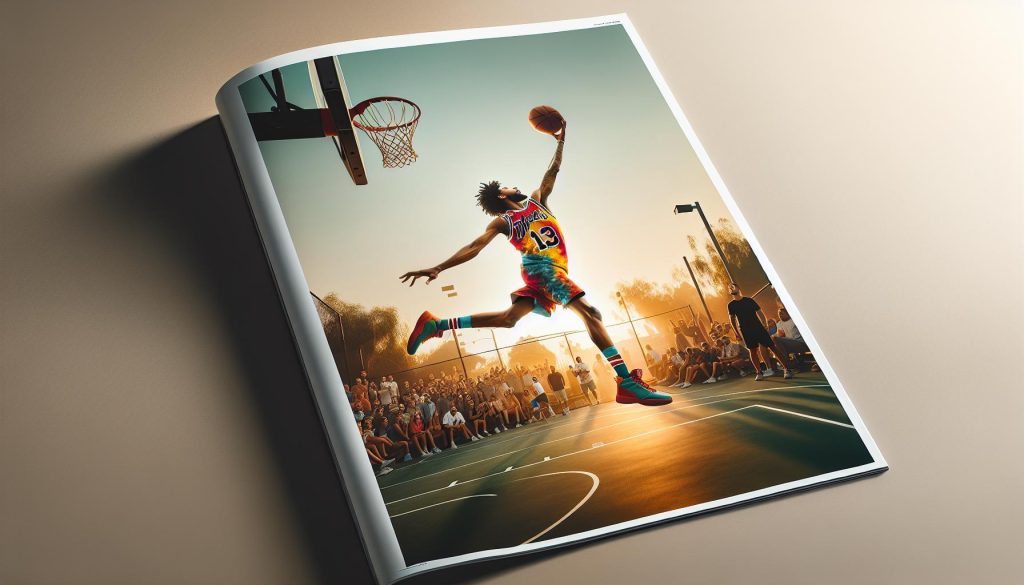
In the world of disc golf, understanding scoring nuances can greatly influence your strategy and performance. One question often arises: “Does the top of the basket count toward goals?” This question is not just about rules; it’s about maximizing your scoring potential and improving your game. If you’ve ever found yourself confused at a tournament or during a casual round with friends, you’re not alone. Many players grapple with how every inch of the basket affects their score. Delving into this topic will reveal not only the rules but also the practical implications for your gameplay. By the end of this article, you’ll have a clearer understanding of how basket scoring works, enabling you to make smarter decisions on the course and elevate your disc golf experience. Whether you’re a newcomer or a seasoned competitor, this discussion will enhance your appreciation of the sport and refine your approach in future rounds.
Basket Scoring Mechanics: Understanding the Basics
Understanding the basic mechanics of basket scoring is crucial not only for beginners looking to improve their game but also for seasoned players striving to optimize their performance. At its core, scoring in disc golf is influenced by the way players execute throws, manage their discs, and engage with the course layout. Every element-from the type of throw used to the way discs interact with the basket-plugs into the greater system of scoring.
When focusing on where the disc lands in relation to the basket, players must understand that not all throws are equal. For instance, a direct approach to the basket often proves more effective than an indirect line that relies on luck. The angle of the throw, speed, and spin all play significant roles in how the disc behaves mid-flight and upon landing. The top of the basket, traditionally where players aim to score, becomes the focal point. An essential aspect to remember is that while the top of the basket is paramount for a definitive “in,” an understanding of how to approach that area skillfully can drastically change scoring success.
A common misconception involves the notion that all types of throws yield the same scoring opportunity. However, it’s the precision and strategy behind each throw that ultimately influences scoring metrics. Players should experiment with various disc types to see how they affect flight paths and basket interactions. For instance, heavier discs may provide more stability in windy conditions, while lighter ones could offer enhanced distance but require greater finesse. Every player should embrace their unique style and preferred discs, as individual technique can lead to success and higher scores.
The mechanics of scoring are also profoundly impacted by course design. Tailoring strategies to specific course layouts-like understanding where the most effective landing zones are and how they relate to basket placement-can elevate overall performance. As players hone their skills, they must continually adapt their approach to maximize scoring opportunities, all while appreciating the fundamentals that underlie their favorite sport. Embracing both the technical aspects of scoring mechanics and the unique strategies required by varying environments will empower players to enhance their game significantly.
The Role of the Top in Scoring Metrics
Understanding the dynamics of scoring in disc golf hinges significantly on where players aim their discs, notably the top of the basket. The basket’s design, especially its upper portion, serves not just as a target but as a critical factor influencing scoring success. When players understand the nuances of how their throw interacts with this area, they can enhance their chances of achieving a successful “in.”
The top of the basket is designed to catch discs effectively, but it’s essential to recognize that the approach angle and speed of the disc are pivotal. Aiming for the top can lead to higher success rates, particularly when the player understands the need to control the disc’s trajectory. Discs thrown at the right angle can create a soft landing, allowing them to settle into the basket rather than bouncing off. To maximize this, players should practice various throwing techniques, such as hyzer or anhyzer angles, to see how each affects their ability to land on that critical area of the basket.
Moreover, successful scoring is not solely about landing on the basket itself but involves a deep understanding of wind conditions, course layout, and disc behavior. Players should consider how different disc weights and shapes might enhance stability and precision in relation to the basket’s height. By experimenting with various discs and throws, players can develop a personalized strategy that aligns with their unique throwing style, leading to significantly improved outcomes.
In summary, the top of the basket plays a vital role in scoring metrics, influencing not just where to aim but how to approach every throw. Emphasizing skill refinement, players can transition from merely aiming for the basket to strategically landing their discs in positions that maximize scoring potential, turning every throw into a calculated decision that further cements their performance on the course.
Common Myths About Basket Scoring Explained
The world of disc golf is full of intriguing insights, particularly surrounding scoring mechanics and how certain myths can cloud players’ understanding of the game. One prevalent myth is that hitting the top of the basket guarantees success. While it’s true that the upper portion is designed to catch discs effectively, the angle, velocity, and technique of the throw are all critical to taking full advantage of this feature. Players often believe that simply aiming high will automatically enhance their scoring potential; however, this overlooks the complexity of disc flight dynamics.
Understanding Approaches and Outcomes
Many new players mistakenly assume that any throw landing near or on the top of the basket counts as a successful score. However, it is essential to recognize that disc golf scoring relies on specific rules and objectives. A disc must fully enter the basket and be supported by its inner structure to count as a goal. Therefore, merely touching the top doesn’t equate to a score; rather, it opens the door for a potential miss if not executed correctly. Consistency in hitting the top requires keen attention to the throw’s speed and release angle to ensure the disc lands safely inside.
Another common misconception is regarding the impact of disc type on basket scoring. Some players believe that heavier discs will always provide better results because of their stability. While heavier discs indeed have their advantages, such as wind resistance, they may not always be ideal for every situation. Lighter discs can achieve increased accuracy and softer landings, which are crucial when aiming for the top of the basket. Understanding how different disc weights affect flight patterns can significantly enhance scoring probabilities.
In summary, dismantling these myths can empower players to fine-tune their techniques and adapt their strategies on the course. By fostering a deeper understanding of how factors like disc weight, throwing mechanics, and precise aiming strategies interplay, players can elevate their performance. Emphasizing skill development over superstition enhances not just individual capabilities but also reinforces community engagement in the exciting and evolving world of disc golf.
How Different Disc Types Affect Scoring
The choice of disc type can significantly influence how effectively players score in disc golf, particularly when it comes to understanding the dynamics of basket interaction. Different discs are designed with varying weights, shapes, and materials, all of which affect their flight characteristics and, ultimately, how they perform upon reaching the basket. For instance, heavier discs generally provide better stability and resistance against the wind; however, they may not always be the best choice for scoring on certain holes or in specific conditions.
Lighter discs, on the other hand, excel in achieving greater distance and accuracy, which can be crucial on longer throws that require precision aiming at the basket. When approaching a basket, especially one with a higher elevation, a lighter disc can result in a softer landing, allowing it to nestle into the basket more securely instead of bouncing off or sliding out. Moreover, understanding the flight ratings of each disc-such as speed, glide, turnover, and fade-can help players make more informed decisions about their disc selection based on the course layout.
To illustrate this point further, many players notice that the profile and rim width of a disc play a pivotal role in its interaction with the basket. Discs with a more pronounced edge tend to catch better on the upper part of the basket, while those with a more rounded profile may slide down or bounce off more easily. This difference can be the deciding factor in a player’s success during high-stakes competitions or casual rounds alike.
Ultimately, mastering the art of choosing the right disc involves empirical observation and practice. Players should evaluate their past performances to identify which disc types yield the best results in terms of scoring. Experimenting with various discs during practice rounds can help refine a player’s understanding of how each type responds under different throwing techniques and conditions, leading to a more strategic approach on the course. Keeping an open mind and being willing to adapt is key; successful scoring not only requires skilled throwing but also a solid grasp of the unique properties each disc brings to the game.
Analyzing Scoring Patterns in Competitive Play
In competitive disc golf, understanding scoring patterns is crucial for players hoping to refine their game and improve their outcomes on the course. Observing how top players score can reveal much about the strategic decisions that lead to success. For instance, analyzing the success rate of various shot types from specific distances or angles can provide valuable insights into effective techniques and preferred disc selections. By examining these patterns, players can make informed adjustments to their own game strategy.
One critical aspect of scoring patterns involves shot selection based on player positioning and course layout. Players often find that certain throwing techniques yield better results under particular circumstances. For example, while a backhand throw might be favored for open fairways, those facing tighter, wooded sections may benefit more from a forehand or a flick. Tracking the percentage of successful shots taken with each technique from different locations can illuminate which skills to prioritize in practice sessions.
A player’s ability to adapt and make real-time decisions during a competitive round is equally essential. The top competitors are adept at reading the course conditions-such as wind direction, elevation changes, and basket layout-and strategically planning their throws accordingly. Developing a strong mental game enables players to capitalize on their strengths while navigating challenges, often resulting in better scoring averages.
Moreover, data analysis tools have become increasingly popular in the disc golf community, allowing players to quantify their performance over time. By recording high-stakes competition results alongside disc choices, driving distances, and putting accuracy, players can identify personal trends and scoring potential. This information can streamline training efforts by focusing on the areas needing improvement and crafting personalized strategies that lead to more consistent scoring.
In conclusion, the ongoing analysis of scoring patterns within competitive play helps players of all levels enhance their game. By observing the shot selections of successful competitors, adapting techniques based on individual positioning and course dynamics, and leveraging tools for performance tracking, players can significantly increase their scoring proficiency, ultimately enjoying greater success in tournaments and casual play alike.
Basket Scoring: Rules and Regulations Breakdown
In any competitive sport, the rules and regulations not only define gameplay but also the strategies players adopt to maximize their scoring potential. In the context of disc golf scoring, understanding whether specific elements-like the position of the disc relative to the basket or the involvement of course features-affect a player’s overall score is crucial for both amateur and seasoned players alike.
One pertinent question that often arises is whether the top of the basket counts toward goals. According to the official rules of disc golf, a successful goal involves the disc entering the basket’s defined target area-typically the bottom section. This means that simply having the disc touch or land on top of the basket does not contribute to scoring and is often treated as an uncompleted putt. Therefore, players must focus on their throwing mechanics to ensure that when they aim for the basket, they are trying to achieve a clean entry from above rather than making contact with the top.
Understanding Scoring Rules
When navigating course layouts, players should also acknowledge specific rules governing scoring that might affect their play. Some of these include:
- Out of Bounds (OB): Any disc landing in designated out-of-bounds areas typically results in an added penalty stroke and can significantly affect the overall score.
- Foot Faults: Players must ensure they establish their throwing stance behind the designated markers to avoid unnecessary penalties against their score.
- Mandatory Throws: Specific course designs may include mandatory routes requiring players to throw their disc around obstacles. Failure to comply can result in additional strokes, impacting competitive standings.
By grasping these aspects of the rules and their implications, players can make informed decisions during play. They can adjust their strategies and approaches to maximize their chances of successful throws while minimizing strokes lost to penalties or misplays.
Understanding the nuanced regulations surrounding basket scoring fosters not only improved performance but also encourages a deeper appreciation of the sport. Players who familiarize themselves with these rules will find themselves better equipped to tackle both casual rounds and competitive tournaments effectively.
Top Players’ Strategies for Maximizing Scores
To consistently score well in disc golf, elite players employ a mix of technical skill, strategic insight, and mental fortitude. One fundamental strategy is understanding the mechanics of throwing, which directly impacts the likelihood of landing the disc in the basket. Players often emphasize the importance of aiming for the entry point of the basket, ensuring that their discs approach from above rather than making contact with the top, which won’t count as a successful goal.
Strong players practice a variety of throwing techniques, including backhands, forehands, and even specialty throws like hyzers and anhyzers. Each type of throw can create different flight paths, allowing players to navigate course obstacles effectively. For example, a well-executed hyzer can help land the disc softly into the basket target area, reducing the chance of bouncing out. Practice drills that focus on accuracy and distance control are vital for refining these techniques, as hitting the right launch angle can make all the difference during play.
Course management also plays a crucial role. Top players often survey the course layout meticulously, identifying potential hazards and strategizing their throws to minimize risks. This might involve playing conservatively on complex holes where the penalty for an out-of-bounds throw could severely impact their score.
In addition to throwing strategies, mental preparation cannot be overstated. Great players often use visualization techniques before throwing, imagining their shot path and the successful landing in the basket. This mental rehearsal helps improve focus and composure under pressure, especially during competitive rounds where stakes are high.
In summary, by mastering throwing mechanics, utilizing effective course management, and maintaining mental clarity, top players maximize their scoring potential-essential components to enhance performance and enjoyment in the sport. This combination not only helps them secure victories but also elevates the standards for aspiring players looking to improve their game.
Impact of Course Design on Scoring Potential
The design of a disc golf course significantly impacts scoring potential and can be the difference between a great round and a frustrating one. Each element of course design, from the placement of trees and obstacles to the shape and length of the holes, plays a vital role in challenging players and shaping their strategies. Understanding how these elements interconnect with scoring can not only enhance a player’s performance but also enrich their overall experience in the sport.
One crucial aspect is the layout of the holes. Longer holes can require powerful drives and accurate approaches, while shorter, more technical holes often test precision over distance. Top courses often incorporate a mix of both, allowing players to showcase a variety of throwing techniques and strategic choices. For instance, a well-placed basket near a cluster of trees might encourage players to develop a more controlled, finesse approach, emphasizing accuracy rather than brute force. The variety keeps the game exciting and unpredictable, making each throw count even more.
Moreover, understanding the natural terrain of the course can provide a significant edge in scoring. Features like elevation changes can alter disc flight paths, meaning players need to adjust their throwing mechanics to suit uphill or downhill throws. Strategic planning becomes essential; for example, a downhill throw might require less power but more precision to ensure the disc doesn’t overshoot the basket. Being aware of these nuances encourages players to adapt their strategies accordingly, potentially leading to lower scores.
Finally, the condition of the course itself is paramount. Proper maintenance of tees, fairways, and greens can drastically affect disc flight and scoring opportunities. Well-manicured grass and clean tee pads lead to consistent throwing conditions and favorable rolls, while muddy or overgrown areas can disrupt a perfect shot. Players should not only focus on their throwing technique but also advocate for course upkeep by participating in or supporting community efforts to maintain local courses.
In conclusion, a disc golf course’s design intricately intertwines with scoring potential, influencing player strategy and performance. By focusing on course elements-hole layout, natural terrain features, and maintenance-players can enhance their game and enjoy the sport even more. An understanding of these components allows competitors to navigate challenges with confidence, ultimately boosting their chances of a successful round.
Advanced Techniques for Scoring Success
Mastering advanced scoring techniques can significantly elevate your performance in disc golf, helping you consistently achieve lower scores regardless of the course’s challenges. One effective approach to improving your scoring lays in the nuanced understanding of disc flight characteristics. Every disc behaves differently based on factors such as weight, rim design, and plastic type. Knowledge of these characteristics allows players to choose the right disc for specific situations and manage their throws with precision. For instance, a stable disc may handle headwinds better, while an overstable disc can be advantageous for certain hyzer shots in gusty conditions.
Another critical aspect is the execution of your throwing mechanics. Many players focus heavily on power, often at the expense of accuracy. Instead, consider integrating controlled, consistent technique into your game. Regular practice on your grip and stance can lead to better form, reducing unwanted turnovers and improving your overall accuracy. A common method is the “Step-Back” drill, where players practice their putts by stepping back from the target, focusing solely on maintaining their stance and follow-through rather than on how far they can throw.
Course familiarity can greatly impact your scoring strategies as well. Before a round, take the time to walk the course and identify key features such as elevation changes, wind patterns, and potential obstructions. This visual reconnaissance will allow you to plan your shots more effectively, including selecting specific throwing angles and disc choices for each hole. For example, if you know a basket is placed on an elevated green, you may opt for a disc with more stability or use a flex shot that will glide towards the target while preventing overshoot.
Lastly, consider keeping a detailed scoring journal. Tracking your performance through various courses can reveal patterns in your game that you might not notice otherwise. Include notes on which discs worked well in specific situations, the conditions on the day, and any missteps you made during your throws. Over time, this documentation will provide invaluable insights into your strengths and weaknesses, enabling targeted improvement in areas that will have the greatest impact on your scoring success.
Incorporating these advanced techniques into your practice will not only enhance your skills but also contribute to a deeper appreciation for the sport and its strategic facets, encouraging both personal growth and community engagement among players.
Data-Driven Insights: Scoring Trends Over Time
Understanding scoring trends in the realm of basket sports not only enhances player performance but also brings a data-driven approach to a game traditionally dominated by experience and intuition. With the advent of technology, collecting and analyzing data related to scoring has become more accessible and reliable, allowing players of all levels to refine their strategies and improve their game.
The evolution of scoring metrics has illuminated various aspects of player performance over time. For instance, analyses of professional games reveal that average scores have been gradually decreasing as the competitive landscape intensifies. Players are now utilizing advanced statistics such as stroke gain metrics, which provide insights into areas where they excel and where improvement is needed. This meticulous breakdown facilitates targeted practice and strategic planning, particularly in competitive scenarios where every point counts.
Moreover, understanding how course design influences scoring has proven invaluable. Players who study course layouts and historical scoring averages can identify trends related to specific holes. For example, courses with a significant number of birdie opportunities often see a drop in overall scores, while holes that introduce challenging obstacles can skew averages upwards. Mapping these trends enables players to approach each round with a tailored strategy, focusing on maximizing opportunities while mitigating risks.
As a community, sharing insights and performance data has fostered a culture of learning and improvement. Players are encouraged to keep detailed records of their performance, embracing technology such as apps that track throws and provide analysis. By comparing notes within the community, players not only gain empirical knowledge but also fuel a passion for the game that transcends personal goals, contributing to the growth and legitimacy of disc golf as an athletic pursuit.
In short, utilizing a data-driven approach to scoring not only enhances individual performance but also enriches the overall experience within the disc golf community, celebrating progress and strategic learning.
Community Perspectives: Scoring Experiences Shared
Engaging with fellow players about the nuances of scoring in basket sports not only enriches our understanding but also fosters camaraderie within the community. Players often share stories that highlight the subjective nature of scoring experiences and the myriad factors that influence outcomes on the course. For instance, many have discovered that personalization in equipment-like choosing the right disc weight or type-can dramatically impact their performance. Beginners might benefit from trying out different discs during practice rounds to identify which suits their throwing mechanics best, as different discs can behave differently depending on the thrower’s style.
Additionally, understanding how community feedback shapes scoring experiences can be invaluable. Many players participate in local tournaments and use these platforms to exchange tips on course strategies, share anecdotes about close finishes, and discuss the role of mental preparation in competitive play. For example, a player might recount a particular tournament where they strategically approached a notoriously difficult hole, and how leveraging their community’s advice on prior scoring patterns led them to a successful outcome. Such stories not only inspire newcomers but also provide seasoned players with insights into adapting their strategies for various conditions.
While technology plays a crucial role in tracking scores and analyzing performance data, the heart of the game remains within personal interactions and shared knowledge among players. Engaging in discussions about different scoring methods-whether it be underlining penalties for out-of-bounds throws or the importance of staying calm under pressure-enhances collective intelligence and overall enjoyment of the sport. To this end, community forums or local clubs often serve as platforms for players to dive deeper into strategies that optimize scoring potential, exploring topics ranging from grip techniques to approaches for handling challenging weather conditions.
Ultimately, the tapestry of experiences shared within the basket sports community not only elevates individual play but also strengthens the bonds among players, legitimizing and celebrating disc golf as a vibrant and growing athletic pursuit. This welcoming yet competitive spirit encourages all-whether novice or expert-to learn continuously, ensuring that everyone contributes to the evolving narrative of the sport.
Q&A
Q: How is scoring calculated in basketball?
A: Scoring in basketball is based on the area from which a shot is taken. A field goal counts as two points if made inside the three-point line and three points if made beyond it. Free throws, awarded after certain fouls, count as one point each.
Q: Can a basket count if it hits the rim and goes in?
A: Yes, a basket will count regardless of whether it hits the rim before going in. As long as the ball completely passes through the basket without interference, it counts towards the team’s score.
Q: Does the top of the backboard affect scoring?
A: The top of the backboard does not directly affect scoring; however, a shot that hits the top and lands in the basket still counts, as long as the ball enters. Shots should aim for the net area for better accuracy.
Q: Are there different scoring methods for different basketball leagues?
A: Generally, scoring methods remain consistent across basketball leagues, but variations may exist in point structure during special tournaments. Always refer to specific league guidelines to confirm rules related to scoring.
Q: What types of shots yield the highest points in basketball?
A: The highest points are achieved through three-point shots made beyond the arc. Developing this skill can significantly increase a player’s scoring potential and contribute to team success.
Q: How do fouls impact scoring opportunities?
A: Fouls can result in free throw opportunities, allowing players to score without opposition. If fouls occur during shooting attempts, players get one or more free throws depending on the foul type, impacting the overall game score.
Q: What is the impact of shot selection on scoring success?
A: Effective shot selection is crucial, as taking high-quality shots-those that have a higher likelihood of scoring-improves a team’s overall scoring efficiency. Analyzing scoring patterns can lead to better decision-making during games.
Q: How does improper scoring technique affect performance?
A: Using improper scoring techniques can lead to missed shots and poor scoring outcomes. Players should focus on solid fundamentals and mechanics to enhance their scoring effectiveness and overall game performance.
For further insights into scoring techniques and strategies, explore our article sections on Basket Scoring Mechanics and Top Players’ Strategies for Maximizing Scores.
Wrapping Up
Thanks for watching “Basket Scoring: Does the Top Count Toward Goals?” We hope you gained valuable insights into the intricacies of basket scoring and how every shot contributes to your game. If you’re curious about improving your technique or understanding more about specific rules, check out our guides on Throwing Mechanics and Basketball Scoring Strategies to elevate your skills further!
Don’t miss out on your chance to stay updated! Subscribe to our newsletter for the latest tips, tricks, and exclusive content tailored to help you excel in your basketball journey. Still have questions or thoughts? We encourage you to drop a comment below and join the conversation-your insights might help fellow players too!
Explore our site for more engaging articles as you continue your basketball journey. Together, let’s push the boundaries of your game and celebrate the athleticism that basketball brings to our lives. Until next time, keep shooting for those goals!
Get our latest guides, news, and insights highlighted in your Google Search & AI Overviews.