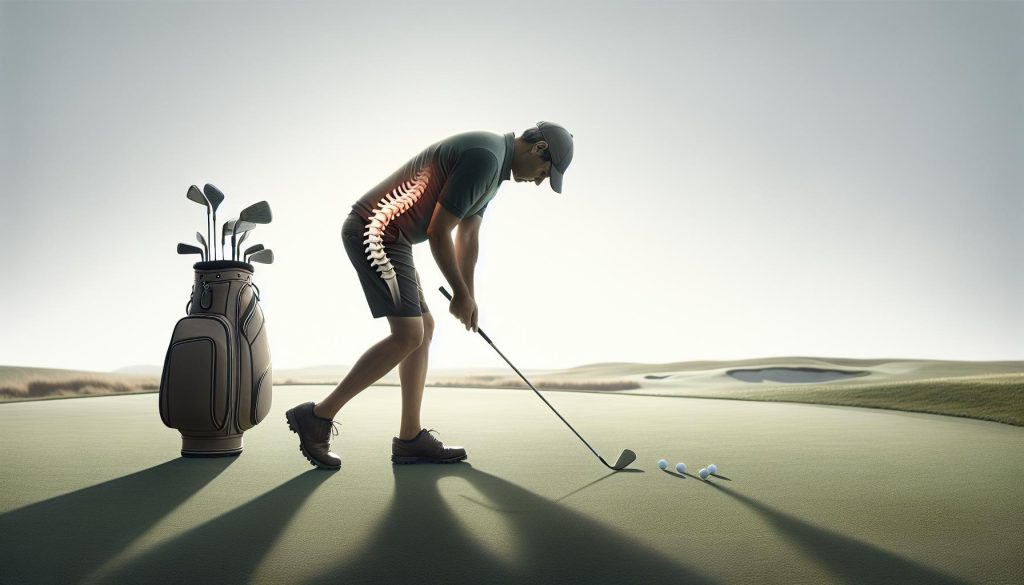
Living with a prolapsed disc can raise concerns about participating in sports like golf, which often involve twisting and lifting that may strain the lower back. However, many golfers wonder if it’s possible to continue enjoying the game while managing their condition. Understanding how to adapt your play, focusing on proper techniques, and incorporating recommended exercises can help alleviate discomfort and maintain your passion for the sport. This article explores strategies for golfing with a prolapsed disc, offering valuable insights to empower you in your pursuit of health and enjoyment on the course. Get ready to learn how you can stay active in golf without compromising your well-being.
Understanding Prolapsed Discs: What You Need to Know
Understanding the intricacies of a prolapsed disc is essential for anyone considering playing golf while managing this condition. A prolapsed disc occurs when the soft material within the discs of your spine pushes out, potentially pressing against nearby nerves and leading to pain, discomfort, and mobility issues. The key takeaway is that while many individuals with a prolapsed disc continue to enjoy sports, including golf, it requires a mindful approach to avoid exacerbating the injury.
One significant factor to consider is the intensity and type of golf play you engage in. Golf involves repetitive twisting motions and can put strain on your back, especially during the swing. Understanding your pain levels and physical limitations is crucial. If you experience worsening pain or discomfort after certain swings or movements, it may be a sign to pause and reassess your technique or equipment.
Equally important is the role of proper warm-up and stretching exercises specifically tailored for back issues. Engaging in these can prepare your body for the physical demands of the game and help prevent future injuries. When approaching golf with a prolapsed disc, always listen to your body, and don’t hesitate to adjust your play style-whether that means taking practice swings at a slower pace or limiting your time on the course.
Consulting with health professionals, such as physical therapists or sports medicine specialists, can also provide personalized strategies that enhance your golfing experience while minimizing risks. They can recommend specific exercises to strengthen your back and improve your overall fitness for the sport. Remember, the goal is not to eliminate your passion for golf but to pursue it in a way that safeguards your health while still allowing you to enjoy the game.
How Prolapsed Discs Affect Your Golf Game

Playing golf can be a gratifying experience, but for those dealing with a prolapsed disc, it comes with its unique challenges. A prolapsed disc can lead to varying levels of pain and discomfort, particularly when engaging in activities that involve twisting motions, such as making a swing. The nature of golf, which requires repetitive movement and proper rotational mechanics, can potentially worsen symptoms if precautions are not taken. It’s essential for golfers to understand how their condition could influence their game and make adjustments accordingly.
One of the most significant impacts a prolapsed disc can have on your golf game is the alteration of your swing mechanics. Players may instinctively adjust their swing to avoid discomfort, which can lead to inefficient movements and further strain on the back. Instead of using their entire body in the swing, they might compensate by overusing their arms and shoulders, increasing the risk of additional injuries. Understanding these mechanics is crucial; golfers should work on maintaining a balanced stance and a fluid motion to minimize the risk of aggravating their condition.
In addition, managing fatigue is another critical aspect that relates to how a prolapsed disc affects golf performance. Fatigue can influence a player’s posture and swing stability, increasing the risk of pain. To combat this, players should incorporate ample rest into their rounds and consider breaking longer games into shorter sessions. Staying mindful of how fatigue impacts performance can help maintain a consistent swing and reduce the likelihood of injury.
Moreover, it is advisable for golfers to seek guidance from professionals familiar with sports injuries. A physical therapist or a golf instructor can provide tailored strategies that not only enhance game performance but also prioritize spinal health. They can recommend specific stretches and exercises that strengthen the core and back muscles, aiding in support and stability. Remember, adapting how you play does not mean sacrificing your passion; it’s about enhancing your experience and ensuring you can continue enjoying golf for years to come while maintaining your health.
Safe Golf Practices for Players with Back Issues
Playing golf can be a passion that drives individuals to the greens, but for those with a prolapsed disc, safety and health must come first. Practicing safe techniques on the golf course can help players enjoy the game without exacerbating their back conditions. The ability to play effectively largely depends on understanding personal limits and making smart choices about posture, movement, and equipment.
One of the most effective practices for golfers with back issues is to maintain proper posture throughout the game. This means standing tall with a straight back during both practice swings and actual shots, avoiding any forward bending that could strain the lower back. Additionally, when addressing the ball, it is essential to bend from the hips rather than the waist, which helps to keep the spine aligned and reduces the risk of aggravation. Golfers should also take care to shift their weight smoothly during the swing, emphasizing a hip-driven rotation over twisting the spine, which can lead to further injury.
Rest and recovery play crucial roles in maintaining performance and preventing injury. Take breaks regularly, especially during practice rounds. Allowing time for muscle recovery can prevent fatigue, which commonly leads to poor form and increased discomfort. Hydration is equally vital, as staying well-hydrated can enhance overall muscle function. Furthermore, consider practicing shorter rounds instead of extended play to manage endurance levels effectively.
Choosing the right golf clubs and using appropriate golf shoes can also alleviate back stress. Lighter clubs can reduce the strain of swinging, while shoes with cushioning can improve stability and comfort during movement. Lastly, it may prove beneficial to incorporate stretching into your warm-up routine. Light stretches targeting the back, hips, and legs can enhance flexibility and prepare the body for the physical demands of the game.
By embracing these safe golf practices, players dealing with a prolapsed disc can navigate the fairways confidently and enjoy the game they love while protecting their health. Remember that awareness of your body’s signals is critical-recognizing when to rest and adjusting your approach can empower you to maintain both your passion for golf and your well-being.
Exercises to Strengthen Your Back for Golf
Incorporating targeted exercises into your routine can greatly enhance your back strength, paving the way for a safer and more enjoyable golf experience, especially for those managing a prolapsed disc. Building core stability and back strength not only protects your spine but also improves your overall swing mechanics and power on the course. Here are some effective exercises tailored for golfers that focus on strengthening the back while being mindful of potential discomfort.
Core Strengthening Exercises
- Planks: Begin by lying face down on the floor, and lift your body off the ground using your forearms and toes, keeping a straight line from your head to your heels. Hold this position for 20-30 seconds, making sure not to sink your hips or raise your buttocks. This exercise activates the core and back muscles crucial for stability during your golf swing.
- Bird-Dog: Start on your hands and knees in a tabletop position. Extend your right arm forward and your left leg back simultaneously, keeping your pelvis stable. Hold for a few seconds before switching sides. This exercise helps enhance balance and coordination while strengthening the lower back and glutes.
Flexibility and Mobility Workouts
- Cat-Cow Stretch: This gentle yoga pose helps promote spinal flexibility. Start on your hands and knees. Inhale as you arch your back and look up (Cow), then exhale as you round your back and tuck your chin (Cat). Repeat this sequence several times to loosen up the back muscles, preparing you for a more fluid golf swing.
- Hip Flexor Stretch: Tight hips can lead to additional stress on the lower back. To perform this stretch, kneel on your right knee and place your left foot in front, bent at 90 degrees. Shift your weight forward slightly while keeping your torso upright, ensuring you feel a stretch in the right hip. Hold for 20-30 seconds and switch sides.
Strength Training
- Weighted Deadlifts (with caution): If you’re comfortable with weight training and have consulted your doctor or a physical therapist, deadlifts can help build overall back strength. Use lighter weights and focus on your form: keep your back straight, bend at the hips, and lift through your heels. Gradually increase weights as you become more confident and stronger.
- Seated Rows: This can be done with resistance bands or a rowing machine. Sit with your legs extended and pull the band/handle towards you while keeping your back straight and your elbows close to your body. This exercise strengthens the mid-back, which is essential for supporting your golf posture.
Each of these exercises contributes not just to greater strength, but also aids in enhancing flexibility and stability necessary for golfers. Remember to listen to your body throughout your routines; if something causes pain or discomfort, it’s important to stop and consult with a healthcare professional. With proper training and care, many golfers with a prolapsed disc can successfully navigate the greens, enjoying the sport while prioritizing their health and well-being.
Choosing the Right Golf Equipment for Back Pain

Selecting the right equipment can significantly impact your comfort and performance on the golf course, especially for those managing the challenges of a prolapsed disc. A thoughtful approach to your golf gear not only helps in reducing physical strain but also enhances your overall game experience. Starting with your choice of golf clubs, consider using lightweight options. Clubs that are easier to swing can minimize stress on your back during your swing, allowing for a more fluid and natural motion. Look for specific lightweight models or adjust the shafts to reduce overall weight without compromising your game.
Another key component to focus on is the grip of your clubs. Ergonomically designed grips can provide better hold and reduce the strain on your hands and wrists during your swing, which indirectly benefits your back by promoting a more stable and controlled motion. Additionally, consider investing in a golf bag equipped with a cart or a stand. Carrying a bag can exacerbate back pain, so using a cart allows you to save your energy for your swings and minimizes the impact on your spine.
Footwear also plays a crucial role in maintaining stability and comfort. Opt for shoes with good arch support and cushioning to alleviate pressure from your lower back while walking the course. Proper footwear minimizes the risk of slipping, which can lead to awkward movements that strain your back. If you often play on hilly courses, shoes with a firmer grip and more tread can provide better traction and stability as you navigate different terrains.
- Lightweight clubs: Reduces physical strain during swings.
- Ergonomic grips: Enhances comfort and control.
- Golf carts or stands: Saves energy and minimizes back strain.
- Cushioned footwear: Provides necessary support and prevents slipping.
Each of these strategies not only provides immediate relief but also promotes long-term health benefits as you enjoy the game. Remember to regularly assess your equipment to ensure that it continues to meet your needs, and don’t hesitate to make adjustments as necessary. By taking a proactive role in choosing your golf equipment, you can create a more enjoyable and less painful golfing experience, allowing you to focus on improving your skill and enjoying your time on the course.
Signs You Should Avoid Golf with a Prolapsed Disc
It can be tempting to hit the golf course even when dealing with a prolapsed disc, especially if the love for the game runs deep. However, recognizing when to take a step back is crucial for your long-term health. Engaging in golfing activities despite a condition such as a prolapsed disc can exacerbate pain and lead to further injury. Listening to your body is incredibly important. Here are some signs that may indicate it’s best to skip the round for now:
If you’re experiencing persistent pain that radiates down your leg, it’s often a clear indication that your disc condition is affecting your nerves. This kind of pain, known as sciatica, can severely limit your mobility and swing, making it counterproductive to play. Additionally, any weakness or numbness in your legs or feet should serve as a warning signal; these symptoms can indicate compression of the spinal nerves, putting you at greater risk for injury on the course.
Another critical factor is if you find yourself unable to maintain proper form during your swing or set up. Compensating for pain may lead to altered biomechanics, which not only increases the risk of aggravating your existing condition but can also cause new injuries in different areas, such as your hips or knees. If you’re struggling to control your posture or experience difficulty in rotating your torso, it may be prudent to avoid golfing until you can safely maintain your form.
Finally, consider your overall energy and endurance levels. If you’re feeling fatigued or have symptoms of dizziness or blurred vision, it’s a sign that your body needs rest. Golf requires mental focus and physical engagement, and playing while experiencing these symptoms can be dangerous. Prioritizing recovery will serve you much better in the long run, allowing you to return to the game stronger and more capable.
Assessing your physical condition honestly can make a significant difference in your recovery journey. Golf will always be there for you, and taking the time to heal properly will ensure that when you do return, you’re back at your best.
Consulting Professionals: When to Seek Help
Engaging in golf can be an exhilarating experience, but managing a prolapsed disc requires careful consideration of your health first and foremost. Knowing when to seek professional guidance can make all the difference in your recovery and overall well-being. If you’re experiencing persistent pain, significant discomfort, or inability to perform daily activities, it’s crucial to consult a healthcare professional. They can conduct a thorough examination, possibly including imaging tests such as MRIs, to assess the severity of your condition.
Understanding that not all back pain is the same is key. A professional can help distinguish whether your discomfort is due to a prolapsed disc or an issue that could be resolved with rest and simple adjustments. Furthermore, if your symptoms include weakness or numbness, especially in your legs or feet, these signs suggest that nerve compression may be involved, indicating the need for specialized care. Professionals such as physical therapists, chiropractors, or orthopedic specialists can provide tailored advice and specific rehabilitation strategies.
Working with professionals can also empower you with knowledge about your body’s mechanics, enhancing your understanding of safe golfing practices. They may introduce strengthening exercises aimed at your core and back, which are vital for maintaining proper posture and swing mechanics. This guidance not only helps mitigate the risk of aggravating your prolapse but also promotes a return to fitness and enjoyment of the game.
In summary, taking proactive steps to consult with experienced healthcare providers ensures you navigate your recovery journey safely. With their expertise, you can develop a personalized plan that aligns with your passion for golf while protecting your health. Always remember that your enthusiasm for the sport doesn’t have to wane; instead, it can evolve as you learn what your body needs to sustain long-term enjoyment and performance on the course.
Real Stories: Golfers Overcoming Back Challenges
Many golfers have faced the daunting challenge of playing with a prolapsed disc but found creative ways to overcome this condition. One such inspiring story comes from Alex, an avid golfer who was diagnosed with a lumbar prolapse two years ago. Initially devastated, Alex thought his golfing days were over, but after consulting with a physical therapist and modifying his routines, he discovered that playing golf could still be possible with the right strategies in place. Here’s how he did it:
Embracing Adaptation
Alex worked closely with his healthcare team to develop a tailored exercise program focusing on strengthening his core and back. By incorporating mobility work and resistance training, he improved his overall flexibility, which significantly reduced his pain during swings. With the guidance of a golf coach, he adjusted his swing mechanics to minimize strain on his lower back, opting for a more upright stance that provided better support without compromising his power or accuracy on the course.
Choosing the Right Gear
Not only did Alex change his approach to technique, but he also assessed his golf equipment. He switched to a lighter driver and softer golf ball to ease impact on his back during swings. Alex highlights that investing in proper footwear with adequate arch support has been a game-changer, reducing overall fatigue and instability on the course.
Mindset and Community Support
Mental resilience has played a significant role in Alex’s journey. He joined online forums and local golf clubs where he connected with fellow golfers who shared similar challenges. The community support empowered him to stay motivated and inspired, proving that facing obstacles together can strengthen the passion for the game.
Alex’s story is just one of many showcasing that with perseverance, education, and community support, golfers can still enjoy their favorite sport despite setbacks like a prolapsed disc. Through informed choices and adjustments, the passion for golf doesn’t just survive; it can thrive.
Golf may require adaptability for some, but the stories of resilience and determination from players like Alex exemplify the joy of this sport, making it possible to swing on with passion even in the face of adversity.
Alternative Sports for Prolapsed Disc Sufferers
For those dealing with a prolapsed disc, engaging in physical activity is essential for maintaining health and well-being, but certain sports may be better suited to your condition than golf. Disc golf, a growing sport that offers a gentler approach, allows players to enjoy the game without the high-impact stresses associated with traditional golf. With its focus on precision over power, disc golf can provide a more accessible and lower-risk alternative, particularly for individuals mindful of their back health.
In disc golf, players throw discs at a target, usually a metal basket, rather than hitting a ball on a course. This change in mechanics can significantly reduce the strain on the back. The throwing technique can be adapted to minimize twisting and bending, which are particularly taxing on the spine. Here’s a quick look at what makes disc golf a viable alternative:
- Lower-impact movements: Unlike swinging a golf club, which involves considerable torque and strain, throwing a disc can be performed more gently, especially when focusing on stand-still throws or adopting a less intense stance.
- Variety of throws: Players can choose from backhand, forehand, or even overhead throws, allowing injuries to heal while still enjoying the game.
- Community and accessibility: Disc golf courses are often free to play and can be found in parks and recreational areas, fostering a welcoming atmosphere for players of all ages and abilities.
For those looking to stay active without exacerbating their condition, swimming is another excellent alternative. It provides a low-impact environment perfect for strengthening core and back muscles without putting pressure on the spine. Activities like yoga and tai chi can also promote flexibility and help maintain balance, which is crucial for overall stability and injury prevention.
Engaging in these alternatives not only keeps players active but can also foster a sense of community. Many disc golf players find camaraderie among fellow enthusiasts, sharing tips and techniques that cater to their physical limitations. As players discover new sports, they often find that adapting their routines can lead to enjoyable experiences and lasting friendships, keeping the spirit of competition alive in a supportive environment.
Long-Term Management: Living with a Prolapsed Disc
Living with a prolapsed disc can be a challenging journey, but with the right management strategies, it’s possible to maintain a fulfilling and active lifestyle. One key to long-term management is understanding and adapting your physical activities, particularly sports like golf. Golf often requires twisting movements and bending, which can put additional strain on an already weakened spine. Therefore, incorporating low-impact alternatives can significantly benefit those with a prolapsed disc. Options such as disc golf, which emphasizes throwing rather than swinging, can provide a viable solution without exacerbating your condition.
To effectively manage your condition, it’s crucial to cultivate a supportive community. Engaging with fellow golfers or disc golf players who understand the challenges of a prolapsed disc can lead to shared experiences and coping strategies. Many find that exchanging tips on techniques that minimize strain can help in both performance and enjoyment of the game. Furthermore, utilizing technology, such as fitness trackers, can help you monitor your activity levels and ensure you’re not overexerting yourself. Keeping a consistent routine of light exercises designed to strengthen your core and back will not only enhance your golf performance but also improve your overall spinal health.
In addition to community and exercise, educating yourself about proper equipment can play a significant role in long-term management. For golfers with back issues, it might be beneficial to explore lighter golf clubs or custom grips that require less twisting during play. Understanding the mechanics of throwing in disc golf can also help prevent injury-consider experimenting with various disc weights and designs that reduce strain, allowing you to remain active and competitive.
Lastly, regular consultations with healthcare professionals such as physical therapists can provide valuable guidance tailored to your unique situation. They can help develop a personalized plan that includes exercises to maintain strength, ergonomics for safe play, and strategies for daily activities that respect your limitations. Long-term management of a prolapsed disc is about finding balance-between activity and rest, individual play and community support, and passion for the sport and body awareness.
Preventing Injury: Tips for Golfers with Back Problems
Maintaining an active lifestyle while managing back problems, such as a prolapsed disc, is not solely about staying off the course but learning how to play golf safely and effectively. Did you know that even minor adjustments in your game can significantly reduce the risk of exacerbating your condition? By adopting a few smart strategies, you can enjoy your rounds on the green without putting your back at risk.
One essential tip is to focus on your stance and swing mechanics. A stable, balanced stance reduces stress on the spine and creates a solid foundation for your swing. For instance, position your feet shoulder-width apart with slightly bent knees. As you prepare for your shot, practice using your hips for power rather than your lower back, pivoting at the hips while keeping your back straight. This method not only preserves your spinal alignment but also increases swing efficiency.
Also, consider incorporating a warm-up routine specifically designed for golfers with back issues. Simple stretches can improve flexibility and reduce tension in your back muscles. Try these gentle exercises before hitting the range:
- Cobra Stretch: Lying on your stomach, place your hands under your shoulders and gently push up, lifting your torso while keeping your hips on the ground.
- Child’s Pose: Kneel on the ground, sit back on your heels, and stretch your arms forward while lowering your torso to the ground.
- Torso Rotation: Stand tall and twist your torso gently from side to side to loosen the spine.
These stretches can help enhance your flexibility and prepare your body for the day’s play.
Another factor to consider is your equipment. Selecting the right clubs can lead to a more comfortable experience on the course. Look for lightweight options and grips that allow for a natural wrist position to minimize unnecessary strain during your swings. Custom fitting can also provide valuable support in ensuring your clubs match your body mechanics.
Finally, staying hydrated and taking breaks between rounds can enhance your endurance and prevent undue strain during longer days on the course. By listening to your body and making mindful adjustments, you can enjoy golf without compromising your health. Embrace a supportive community of players who share similar challenges and learn from each other’s experiences to foster a safe and enjoyable golfing environment.
The Role of Physical Therapy in Golf Recovery
Incorporating physical therapy into your recovery plan can be a game-changer when you’re dealing with a prolapsed disc and still want to enjoy golf. Physical therapists play a vital role in helping you understand your body mechanics and tailor a rehabilitation program that not only alleviates pain but enhances your strength and flexibility. Many golfers find that working with a qualified physical therapist allows them to regain confidence in their swing while learning to modify their technique to prevent further injury.
During your sessions, expect to engage in a variety of exercises specifically designed to strengthen key muscle groups that support your spine. These exercises may include core strengthening drills, stability training, and stretches to improve flexibility. For example, the plank can be a beneficial exercise, as it engages your core without straining your back. A physical therapist can help you perform this exercise correctly and suggest modifications that suit your capabilities.
Additionally, therapists can provide manual therapy techniques that address the soft tissue surrounding the spine, which can reduce tension and improve circulation. This hands-on approach is particularly important for golfers, as it helps alleviate pain and stiffness, allowing for improved comfort during play. Alongside these treatments, your therapist will educate you about the best practices for maintaining proper posture and alignment, crucial for a successful golf swing.
Moreover, a key benefit of physical therapy is personalized education on how to assess your body’s signals while on the course. For instance, understanding the proper mechanics of your swing and identifying how different golf techniques impact your back can empower you to make necessary adjustments. By integrating these practices, you can not only play golf more effectively but also ensure a safer and more enjoyable experience on the fairway.
Frequently asked questions
Q: Can playing golf aggravate a prolapsed disc?
A: Yes, playing golf can potentially aggravate a prolapsed disc. Activities that involve twisting and bending can strain your back further. It’s essential to assess your pain levels and limitations before playing and consult a healthcare professional for personalized advice.
Q: What modifications can I make to play golf with a prolapsed disc?
A: To play golf with a prolapsed disc, consider modifications such as using a lightweight golf club, opting for a cart instead of walking, and practicing proper swing mechanics. Additionally, warm up thoroughly and focus on maintaining good posture during your game.
Q: Are there specific stretches that help with golf and prolapsed discs?
A: Yes, stretching can help alleviate discomfort. Focus on gentle back stretches such as the child’s pose, knee-to-chest stretch, and seated forward bends. Incorporating core-strengthening exercises can also support your back, making it easier to play golf.
Q: How does a prolapsed disc affect swing mechanics in golf?
A: A prolapsed disc can alter your swing mechanics due to pain and limited mobility. Players may unintentionally compensate for their discomfort, which can lead to poor form. Working with a professional coach or physical therapist can help adjust your mechanics safely.
Q: When should I stop playing golf with a prolapsed disc?
A: You should stop playing golf if you experience significant pain, numbness, or weakness in your legs. If symptoms worsen after playing, it’s crucial to listen to your body and consult a healthcare provider for further evaluation and guidance.
Q: What types of golf exercises can help strengthen my back?
A: Exercises like bird dogs, bridges, and planks can help strengthen your back and core muscles. Incorporating these into your routine may improve stability and support your spine while allowing you to enjoy golf more safely.
Q: Is physical therapy beneficial for golfers with a prolapsed disc?
A: Yes, physical therapy can be incredibly beneficial for golfers with a prolapsed disc. A tailored program can improve flexibility, strength, and functionality, helping you return to golf safely and effectively. Consult a therapist who specializes in sports injuries for the best results.
Q: What gear can help minimize back strain while golfing?
A: Using ergonomic golf clubs and a push cart can minimize strain on your back. Cushioned grips and lighter-weight clubs are also advisable. Additionally, wearing supportive footwear can help enhance your stability and reduce discomfort while playing.
In Summary
If you’re dealing with a prolapsed disc, remember that playing golf is still possible, but it requires careful consideration and expert advice. Consult with a healthcare professional to tailor an approach that suits your needs without compromising your health. Don’t miss our in-depth articles on managing pain while staying active and strategies to enhance your swing technique safely.
Take the next step today by signing up for our newsletter for ongoing tips and support, or explore our resources on rehabilitation exercises designed specifically for golfers. Engaging with our community can also provide valuable insights from others who share your experiences. Keep the momentum going on your journey towards an active golf life-it’s within reach!
Get our latest guides, news, and insights highlighted in your Google Search & AI Overviews.