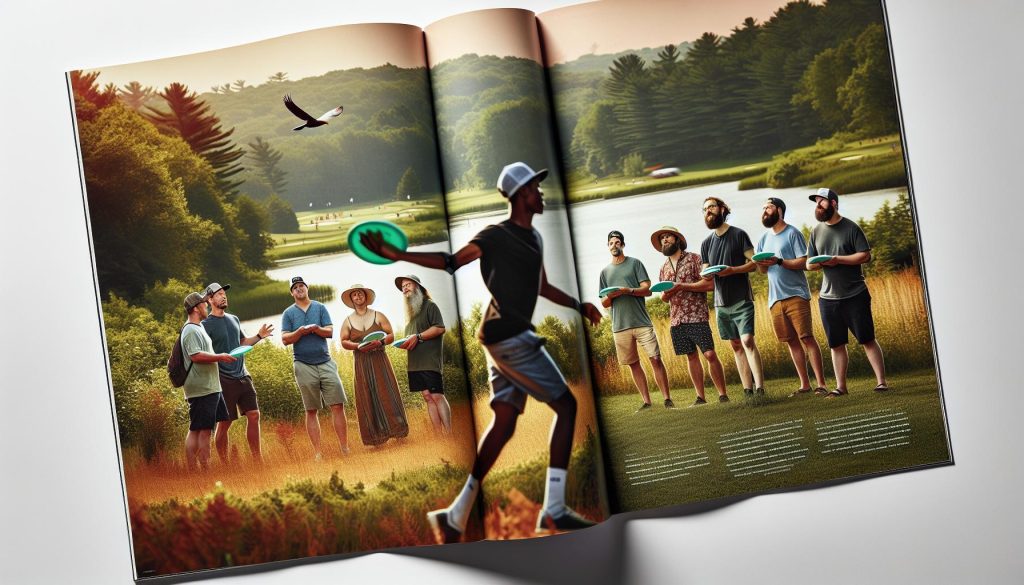
Disc golf is rapidly becoming one of the fastest-growing recreational sports, with participation increasing by a staggering 76% over the past five years and over 16,000 courses now available around the globe. This expansion offers exciting opportunities for players of all skill levels, whether you’re a seasoned pro or a curious newcomer exploring the sport. Understanding the growth of disc golf is essential, as it highlights not only the surge in popularity but also the potential for community building and economic benefits associated with its rise. With more players hitting the courses, the demand for quality equipment, training resources, and competitive events has never been higher. Join us as we delve into the statistics that reveal the dynamic changes in the disc golf landscape and explore how you can engage with this vibrant community as it continues to flourish.
Disc Golf Growth: Understanding the Current Landscape
The last few years have marked an unprecedented surge in the popularity of disc golf, catapulting the sport into mainstream recognition. Recent statistics reveal an astounding growth rate of 76% in participation over the past five years, signaling a vibrant expansion of the community across the globe. Currently, there are more than 16,000 disc golf courses worldwide, reflecting an increase of approximately 4.3 new courses per day, a trend that showcases the sport’s accessibility and appeal to newcomers and seasoned players alike [[1]](https://www.facebook.com/DiscGolfFanatic/posts/udisc-has-released-their-disc-golf-growth-report-2025heres-the-tldr-disc-golf-pa/1174658961336077).
The growth can be attributed to several key factors. First, the COVID-19 pandemic played a critical role by promoting outdoor recreational activities where social distancing was achievable. Disc golf’s low-cost entry point, minimal equipment requirements, and the ability to play in a natural environment have made it a favorite choice for families and individuals seeking an engaging outdoor hobby [[1]](https://www.facebook.com/DiscGolfFanatic/posts/udisc-has-released-their-disc-golf-growth-report-2025heres-the-tldr-disc-golf-pa/1174658961336077). Moreover, local communities are increasingly recognizing the benefits of disc golf courses, leveraging them not only for recreation but also as community assets that can stimulate local economies.
The emergence of mobile applications like UDisc is contributing significantly to this growth. By providing tools for score tracking, course finding, and connecting players, UDisc enhances the playing experience and encourages more rounds being played. While some debate exists as to whether the increase in rounds played is a direct reflection of new players or merely of existing players using the app more frequently, the undeniable trend shows a burgeoning interest and participation in the sport [[2]](https://www.dgcoursereview.com/threads/2025-udisc-growth-report-growth-in-disc-golf-participation-or-just-udisc-usage.180927/).
As we look towards the future, it’s clear that the growth of disc golf is not just a fleeting trend but a robust shift in recreational preferences. Combining community engagement, physical activity, and technical skill, disc golf is here to stay, attracting a diverse demographic ready to embrace this exciting sport.
Statistics on Disc Golf Participation Trends
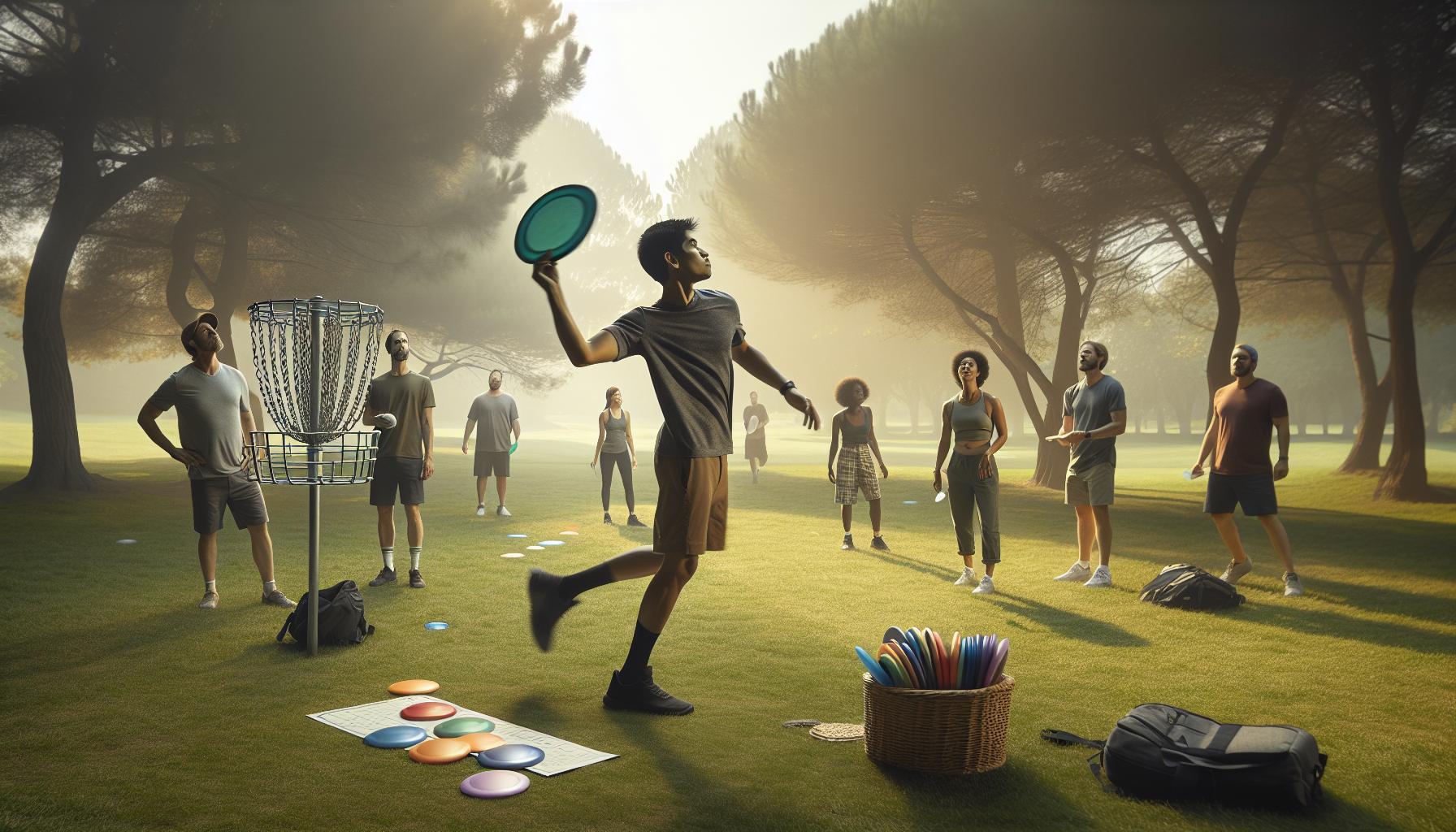
The meteoric rise of disc golf over recent years is underscored by impressive statistics that highlight a robust participation trend. In fact, participation has surged by an astonishing 76% in just five years, emphasizing disc golf’s transition from a niche pastime to a mainstream sport enjoyed by diverse demographics. As of now, the sport boasts more than 16,000 courses worldwide, indicating that new disc golf venues are being established at an impressive rate of approximately 4.3 courses per day. This expansion is more than just numbers; it’s a reflection of the growing accessibility and appeal of disc golf to both romantic newcomers and experienced players alike.
A key finding from the latest surveys, particularly those conducted via UDisc, reveals that a significant 86% of players reported introducing at least one new player to the sport in the last year. This suggests a strong community dynamic that thrives on player engagement and mentorship, fostering a welcoming environment for beginners. The increase in participation can also be linked to the overall visibility of the sport, largely driven by social media platforms, community events, and disc golf clubs that promote local courses and tournaments.
Emerging from the shadow of traditional sports, disc golf’s growth is largely fueled by factors such as its low cost, minimal equipment requirements, and the ability to play in spacious, outdoor environments. These advantages have made it a popular choice, especially during the COVID-19 pandemic when individuals and families sought safe outdoor activities. The influx of technology, including applications like UDisc, has further contributed to the trend by enhancing the way players track scores, discover courses, and share their experiences, ensuring that interest continues to flourish.
As the numbers suggest, disc golf isn’t just a hobby; it’s evolving into a sport with a legitimate following and a promising future. With continued investment in community courses and grassroots initiatives, the trajectory of participation trends hints at an even brighter horizon for disc golf as it continues to captivate players around the globe.
Key Factors Driving the Industry’s Expansion

The rapid growth of disc golf can be attributed to several synergistic factors that make it an increasingly popular choice for recreational activities and competitive play. One standout aspect is the sport’s accessibility; with minimal equipment needed-just a few discs and a desire to play-disc golf is incredibly welcoming to newcomers. This low barrier to entry not only attracts new players but also allows established participants to share their enthusiasm, fostering a strong community. Many players recount their experiences of introducing friends and family to the sport, perpetuating a cycle of growth that is bolstered by personal recommendation and social interaction.
Another essential driver of this expansion is the sport’s flexibility in terms of location. Disc golf can be played in various outdoor settings, from public parks to dedicated courses, enabling families and communities to enjoy the game in an environment that’s both safe and spacious. During the COVID-19 pandemic, this advantage was particularly pronounced, as families sought outdoor activities that allowed for physical distancing. Disc golf’s ability to provide a fun, engaging sport without the constraints of traditional physical venues contributed significantly to its surging popularity during this period.
Technological advancement also plays a pivotal role in energizing the disc golf scene. Innovative applications like UDisc have transformed how players engage with the sport by enabling them to track scores, locate courses, and record statistics, creating a more interactive experience. These technologies not only enhance individual enjoyment but also promote competitiveness, allowing players to compare their performance across a global community. Social media platforms serve as essential vehicles for sharing experiences, building local clubs, and promoting tournaments, further interconnectedness in the disc golf community.
Moreover, the sport’s rapid professionalization has drawn attention from sponsors and investors, raising the profile of disc golf as a legitimate athletic pursuit. As professional tournaments gain traction and attract larger audiences, more players are inspired to take their skills to the next level, which benefits businesses involved in disc golf, from equipment manufacturers to local course owners. The collective investment in grassroots initiatives and course development is paving the way for sustainable growth and ensuring that disc golf not only maintains its current momentum but continues to flourish well into the future.
In summary, the confluence of accessibility, community engagement, technological integration, and professional development constitutes the key factors driving the impressive growth of the disc golf industry, positioning it as a beloved sport for players of all backgrounds and skill levels.
Profile of the Average Disc Golfer: Demographics & Behavior
The rise of disc golf has not only transformed recreational pursuits but also fostered a diverse and vibrant community of players. Recent statistics highlight that over 20 million rounds of disc golf were played in 2024 alone, showcasing a significant increase in participation and a growing passion for the sport. Understanding who the average disc golfer is can illuminate trends and behaviors that contribute to this expansion.
Most participants in disc golf are aged between 18 and 35, often reflecting a younger demographic that embraces outdoor activities and physical challenges. This age group feels a strong connection to the sport’s accessibility and the joyful atmosphere it promotes. Interestingly, the demographic landscape includes a noteworthy representation of women-while historically underrepresented, their participation is steadily increasing, driven by inclusive community initiatives and youth programs. The average player tends to be relatively active, with many coming from backgrounds in other sports such as ultimate frisbee, basketball, or trail running, highlighting their desire for both physical fitness and a social environment.
Engagement within the disc golf community includes a variety of activities beyond just playing rounds. Players frequently participate in organized tournaments, local leagues, and club events, sharing a sense of camaraderie that strengthens the sport’s appeal. Online platforms like UDisc help players track their progress, connect with others, and discover new courses to explore, further enriching their experience. Additionally, social media plays a crucial role in shaping player behavior, allowing disc golfers to share tips, showcase their skills, and organize events with ease.
The average disc golfer is also characterized by a distinct attitude towards equipment and skill development. Many players value high-quality gear and often experiment with different disc types to enhance their gameplay. From distance drivers to putters, understanding disc flight characteristics becomes an integral part of their journey. Enthusiasts often invest time in learning throwing mechanics, with resources ranging from instructional videos to community workshops available for all skill levels. This investment in personal improvement reflects a broader trend of players transitioning from casual participants to serious competitors, as the sport garners more recognition and legitimacy in athletic circles.
In this dynamic landscape, newcomers are met with a warm welcome from the existing community, which thrives on sharing knowledge and encouraging participation. The public perception of disc golf is evolving, and as the sport continues to grow, the profile of the average disc golfer will likely evolve as well, becoming more inclusive and representative of a broader audience. The journey of a disc golfer is one of personal growth and connection, encapsulating the spirit of fun and competition that defines this explosive community.
Regional Growth: Where Are the Most Players?
Disc golf has been making significant strides in popularity across various regions, reflecting a broader trend of growth fueled by community engagement and accessibility. With over 14,000 disc golf courses worldwide, the sport is experiencing substantial participation across different demographics, particularly in North America where the passion for the game seems most concentrated. In 2022 alone, disc golf courses were being added at an astonishing rate, approximately four new courses per day, indicating robust demand and interest in this engaging outdoor activity [[1]].
Regions such as the Midwest and West Coast of the United States have been at the forefront of this phenomenon. States like California, Minnesota, and Michigan host some of the highest numbers of courses and players, thanks to supportive climates and vibrant local communities that prioritize outdoor activities. For instance, in Minnesota, players benefit from a proliferation of well-designed courses and a culture that embraces disc golf as not just a sport but also a social activity. Additionally, urban areas are increasingly incorporating disc golf courses into public parks, making the sport more accessible to a wider audience.
A notable illustration of regional growth can be seen in the increasing participation of women and youth. Local initiatives and school programs have been fundamental in attracting young players to the sport, thereby laying the groundwork for future growth. Many disc golf clubs are actively cultivating youth leagues, which not only foster skill development but also enhance community bonds. As these younger players grow, they often bring their enthusiasm to the sport, leading to vibrant local scenes and increased turnout at regional events.
In addition to established markets, the sport is also making inroads into new areas globally. Disc golf is beginning to gain traction in countries outside of North America, particularly in Europe and parts of Asia. These emerging markets show interest in adopting the sport due to its low entry cost, minimal space requirements, and community-oriented nature. Disc golf courses are being built in various countries, providing a fresh opportunity for players worldwide to engage in the game. Overall, the regional growth of disc golf illustrates a promising future as more players discover and embrace the sport across the globe.
Emerging Markets: Global Expansion of Disc Golf
As disc golf continues to gain momentum worldwide, its expansion into emerging markets is imperative for the sport’s growth trajectory. In regions like Europe and parts of Asia, disc golf is not just a niche sport but quickly becoming a popular recreational activity. For many of these countries, the appeal lies in the game’s accessibility-requiring minimal equipment and space, making it easy to adopt in both urban and rural settings. The establishment of new courses and local clubs is fostering a sense of community among players, further driving interest and participation.
Global Adoption and Local Initiatives
Countries such as Finland and Sweden have embraced disc golf with open arms, boasting a burgeoning number of courses and tournaments. In Finland, disc golf is often considered a national pastime, with thousands of players participating in leagues and competitions. This success is largely attributed to local initiatives that promote youth involvement and community engagement. Schools are integrating disc golf into their physical education programs, introducing the sport to younger generations and ensuring a steady influx of new players.
Similarly, in Asia, nations like Japan and South Korea are witnessing a rise in disc golf popularity, thanks in part to grassroots movements that emphasize the sport’s fun and social aspects. Local organizations are striving to build courses in public parks, providing a welcoming environment for newcomers while inviting seasoned players to compete in regional tournaments. This blend of accessibility and competition creates a vibrant disc golf ecosystem that lures enthusiasts from diverse backgrounds.
Challenges and Opportunities
While the potential for growth in these emerging markets is significant, challenges remain. Awareness is a substantial barrier; many people are not yet familiar with disc golf, and effective educational campaigns are essential to highlight its benefits. Moreover, securing funding for course construction and maintenance can be difficult in regions where outdoor sports have not yet gained traction.
However, the appetite for new recreational activities, especially those that promote health and wellness, presents a golden opportunity. As local governments prioritize initiatives that encourage outdoor sports and community activities, disc golf can position itself as an ideal candidate. Engaging promotional events and collaborations with established sporting organizations can further elevate its profile.
In summary, the global expansion of disc golf into emerging markets reflects a promising trend that combines community spirit with competitive dynamics. As more players around the world discover the unique blend of fun, fitness, and camaraderie that disc golf offers, the sport is poised for a remarkable future, enriching lives and fostering connections across diverse cultures. As the community grows, so too does the potential for the sport to be recognized as a legitimate athletic pursuit, bridging gaps and creating lasting memories on the course.
Impact of COVID-19 on Disc Golf Popularity
The COVID-19 pandemic has undeniably transformed the landscape of many recreational sports, and disc golf is no exception. As people sought safe outdoor activities during lockdowns, participation in disc golf surged, bringing an influx of both new and returning players to the sport. With its minimal equipment requirements and outdoor nature, disc golf provided an ideal outlet for those looking to get some exercise while maintaining social distance. Reports indicate that participation in disc golf has increased dramatically, with UDisc noting a staggering 76% growth over five years, aligning closely with the pandemic’s duration and subsequent lifting of restrictions【2】.
The appeal of disc golf during this time was further enhanced by its accessibility. Players could easily find courses in local parks, often free of charge, allowing for spontaneous rounds without the need for extensive planning or large group gatherings. This ease of access was particularly attractive to newcomers, many of whom might not have participated in more traditional sports due to high fees or the requirement of extensive gear. The casual nature of disc golf aligned perfectly with the public’s desire for safe, outdoor activities, sparking a newfound appreciation for the sport across various demographics.
While the immediate impact of the pandemic was significant, the lasting effects on the popularity of disc golf are also worth exploring. As many players discovered the joys of the game during quarantine, community engagement initiatives-such as local leagues and virtual tournaments-provided a way to stay connected. This dynamic not only nurtured a spirit of camaraderie among players but also created a welcoming environment for beginners, further solidifying disc golf’s growing presence. With the establishment of online platforms for scoring and virtual competitions, old and new players alike were encouraged to continue their involvement in the sport long after restrictions eased.
As disc golf continues to gain momentum, it’s crucial to maintain this enthusiasm by promoting engagement through youth programs, leagues, and competitive events. By investing in community outreach and educational campaigns, the sport can capitalize on the wave of interest spurred by the pandemic, ensuring that disc golf remains a beloved pastime for years to come. Now is an exciting time for enthusiasts and newcomers alike to embrace the sport’s growth and foster its development as a legitimate athletic pursuit, building connections and memories both on and off the course.
Youth and School Programs Fueling Future Growth
The future of disc golf is not only bright but also heavily influenced by the enthusiastic participation of youth and school programs across the globe. Engaging young players in the sport early fosters a strong foundation for long-term growth. According to recent reports, as disc golf continues to flourish, schools and community organizations are increasingly offering programs that introduce students to the game. This enhances not just the popularity of disc golf but also builds a pipeline for future players, ensuring that the sport remains vibrant and competitive.
To effectively engage young players, schools can implement structured disc golf curricula that incorporate both physical education and after-school activities. These programs can include fundamental skills training, tournaments, and casual play days. For instance, a typical school program might invite professional players to conduct clinics, allowing students to learn directly from the best while also keeping the sessions interactive and fun. Additionally, creating partnerships with local disc golf clubs can provide schools with access to equipment and course time, making it easier to integrate disc golf into existing athletic offerings.
Schools that adopt disc golf often report improvements in student engagement and physical activity. Disc golf can be easily modified to suit varying skill levels, making it an inclusive sport. This adaptability helps develop essential life skills such as teamwork, discipline, and sportsmanship. Moreover, introducing youth to disc golf fosters a sense of community, encouraging students to connect not only with peers in their own schools but also with disc golf enthusiasts from across the region through local tournaments and events.
The rise of youth disc golf programs is also supported by organizations like the Professional Disc Golf Association (PDGA), which actively promotes initiatives to cultivate interest in the sport among young people. By providing resources, organizing competitions, and launching awareness campaigns, the PDGA plays a pivotal role in expanding disc golf’s reach in schools. Not only do these efforts boost participation, but they also legitimize disc golf as a recognized athletic pursuit-a crucial factor in securing its place within educational institutions and the broader sports community.
As we look toward the future, it’s clear that youth and school programs will play a pivotal role in sustaining the momentum of disc golf’s growth. By nurturing the next generation of players, we can ensure that this entertaining and accessible sport continues to thrive for years to come. Encouraging young athletes to embrace disc golf opens up exciting opportunities for both personal development and community building, affirming its status as a cherished recreational activity packed with athletic potential.
Technological Innovations in Disc Golf Equipment
In the world of disc golf, technological advancements are rapidly shaping the game, enhancing both player performance and the overall experience. As disc golf continues to attract new enthusiasts and competitive players alike, innovations in equipment have emerged as key contributors to the sport’s growth. From disc designs to scoring systems, these advancements not only improve gameplay but also draw in a wider audience by making the sport more accessible and engaging.
One of the most significant advancements is in disc material and aerodynamics. Manufacturers now use specialized polymers that optimize disc flight characteristics, leading to greater distance and control. For example, discs designed with advanced rim profiles reduce drag and increase stability, allowing players to achieve longer throws with less effort. This is particularly beneficial for newcomers, who might find traditional discs challenging. With this technology, even less experienced players can enjoy improved distance and accuracy, fostering a sense of accomplishment and encouraging continued participation.
Smart Discs and Scoring Technologies
Another exciting innovation is the development of smart discs and scoring technologies that integrate with mobile applications. These “smart” discs feature sensors that track flight patterns and distances, providing players with real-time data and feedback. Coupled with apps like UDisc, which allows players to record scores and share stats with friends, these technologies create a more interactive and competitive atmosphere. This tech-savvy approach also appeals to younger generations, making the sport attractive to a demographic that values technology and connectivity.
Impact on Tournaments and Competitive Play
In competitive settings, advancements in equipment have led to changes in tournament play. Players now have access to an array of specialized discs, each crafted with specific flight ranges and stability ratings, allowing for more strategic gameplay. Tournament directors also benefit from technological innovations, such as automated scoring systems and live-streaming capabilities, which enhance viewer engagement and increase the sport’s visibility. As a result, these tournaments not only draw competitive talent but also attract fans who are keen to watch their favorite players in action, further solidifying disc golf’s place in the sporting landscape.
Ultimately, as disc golf equipment continues to evolve, it underscores the sport’s adaptability and growth potential. Through embracing technology, disc golf has not only improved the playing experience but has also opened doors for broader participation and competitive engagement, setting the stage for an exciting future in the sport.
Competitive Scene: Tournaments and Professional Growth
The competitive landscape of disc golf has undergone a transformative evolution, shaped by an influx of players seeking both leisure and professional avenues. As more individuals embrace the sport, the number of tournaments and professional opportunities has increased dramatically. In the past few years alone, disc golf has seen a surge in participation, with more than 14,000 courses worldwide and a thriving community dedicated to local and regional competitions[[1]](https://fluentdisc.com/Media/Fluent-Disc-Sport-Blog/Article/The-growth-of-Frisbee-Golf/).
Embracing the community aspect of the sport, local tournaments serve as an essential gateway for beginners to gain experience and familiarize themselves with competitive play. These events foster camaraderie among players and help establish a supportive environment where new participants can learn from seasoned players. To ease the transition into competition, newcomers are often encouraged to participate in “C” tier tournaments, which feature more relaxed rules and an inclusive atmosphere. This allows players to compete without the overwhelming pressure often associated with higher-tier events.
The professional side is equally compelling, with a growing number of players turning their passion into viable careers. Notable tournaments like the PDGA Major Championships attract vast audiences and offer substantial cash prizes, contributing to the professionalization of the sport. Additionally, sponsorships from equipment manufacturers are becoming increasingly common, providing top players with resources to elevate their game. The recent rise of streaming services and social media coverage has further fueled interest, allowing fans to follow their favorite players and engage with the disc golf community virtually.
As technological advancements enhance gameplay and viewer experience, tournaments have also benefited from innovations such as real-time scoring apps and live coverage, drawing more spectators and potential sponsors. These developments are not merely beneficial but vital to maintaining player interest and sustaining the sport’s growth. As players invest in specialized discs and training tools, their performance on the course improves, translating into more competitive tournaments and elevated standards across the board.
The fusion of enthusiasm, innovation, and community support promises an exciting future for the sport as it continues to draw in players of all ages and skill levels. By prioritizing accessibility for newcomers while simultaneously pushing the limits of competitive excellence, disc golf is carving out an important niche in the larger sporting world. This dual focus not only enriches the player experience but also nurtures a passionate community dedicated to the sport’s ongoing evolution.
Sustainability and Environmental Impact in Disc Golf
As the popularity of disc golf surges, players and manufacturers are increasingly recognizing the importance of sustainability within the sport. In an era where environmental awareness is paramount, disc golf’s ability to embrace eco-friendly practices could significantly enhance its appeal and expansion. Many players are now prioritizing sustainability in their equipment choices, shifting towards discs and accessories made from recycled or biodegradable materials. For instance, some manufacturers have started producing discs crafted from 100% recycled plastic, while others are exploring innovative options such as biodegradable creations and even those made from tree pulp [[1]](https://trashpandadiscgolf.com/blogs/the-trash-panda-blog/the-ultimate-guide-to-sustainable-disc-golf-discs?srsltid=AfmBOopME-C9y0se66hYED_jZ7d2WmGqFaYEa13OqZm3yM4XrIccAX_T).
The environmental impact of disc golf extends beyond the materials used; it also includes how courses are developed and maintained. Many courses are integrated into natural landscapes, promoting a respectful relationship with nature. This integration often requires minimal alteration of the environment compared to traditional sports fields, thereby preserving local ecosystems. Furthermore, tournaments held in conservation parks contribute not only to the visibility of the sport but also to the improvement of habitats, fostering a community that values eco-friendliness [[3]](https://udisc.com/blog/stories/sustainable-disc-golf).
To encourage a stronger commitment to sustainability, disc golfers can take several practical steps. Committing to leave no trace by cleaning up after themselves, using reusable water bottles, and opting for environmentally friendly gear enhances the overall integrity of the sport. Participating in local restoration projects, such as planting trees or cleaning up nearby natural areas, can also foster a sense of community and stewardship among players. As more disc golfers champion these eco-conscious practices, they not only showcase their personal commitment but also set an example that can inspire newcomers and seasoned players alike.
With a growing focus on sustainability, the disc golf community stands at a unique crossroads, where environmental responsibility and passion for the sport intertwine. By embracing sustainable practices, disc golf can expand its influence and appeal, ensuring a vibrant future for both the sport and the environment.
Business Opportunities: Retail and Course Development Trends
As the disc golf landscape evolves, significant business opportunities are emerging for retailers and course developers alike. The sport has seen a remarkable increase in popularity, evidenced by the growing number of players and the expansion of course layouts worldwide. A recent study indicated that over 5 million people play disc golf, with participation numbers doubling in recent years. This surge presents a compelling case for aspiring entrepreneurs and seasoned professionals to enter the market, capitalize on this growth, and contribute to the sport’s sustainability.
Retail Opportunities
The rise in disc golf’s popularity has accelerated demand for quality equipment, apparel, and accessories. Starting a retail business in this space can be as simple as an online store or as multifaceted as opening a brick-and-mortar shop. Entrepreneurs should consider the following strategies to thrive in this competitive market:
- Specialized Product Lines: Focus on providing a diverse selection of discs tailored to players of all skill levels, including beginner-friendly options and high-performance discs for seasoned athletes. Curate products that cater to niche markets, such as eco-friendly gear made from sustainable materials.
- Community Engagement: Building a community around your business can foster loyalty and drive sales. Organize local tournaments or leagues that not only promote your brand but also enhance players’ experience within the sport. Use social media platforms to engage with customers, share tips, and highlight local players’ stories to create an inclusive environment.
Course Development Trends
The development of new disc golf courses is equally critical as the sport continues to attract a diverse demographic. With parks, schools, and private properties recognizing the benefits of incorporating disc golf into their recreational offerings, course development can be both profitable and community-enhancing. Here are key considerations for this area:
- Designing for All Skill Levels: When developing a course, aim for a layout that accommodates players from beginners to advanced competitors. Varied hole distances and engaging obstacles can make the game enjoyable for everyone. Incorporating signage with tips on throwing mechanics and disc flight characteristics can also enhance the learning experience.
- Environmental Stewardship: Sustainable course design is becoming increasingly pertinent as awareness of environmental impact grows. Courses should aim to minimize disruption to natural landscapes and use eco-conscious materials for tees and signage. Partnerships with local conservation groups can help ensure that course development aids in habitat preservation, further attracting eco-minded players.
Conclusion
By tapping into the booming trend of disc golf, retailers and course developers can play a crucial role in the industry’s expansion. The blend of community engagement, sustainable practices, and a focus on inclusivity not only enhances the overall appeal of the sport but also provides a solid foundation for business growth. As more individuals discover disc golf’s unique combination of athleticism and camaraderie, the opportunities ahead are vast and ripe for exploration.
Q&A
Q: What are the key statistics indicating disc golf’s growth in recent years?
A: Recent studies indicate that disc golf has experienced significant growth, with participation rates skyrocketing by over 25% annually and the number of courses increasing by 15%. These statistics show a burgeoning interest and a bright future for the sport as more players and venues emerge.
Q: How has COVID-19 influenced the popularity of disc golf?
A: COVID-19 has dramatically boosted disc golf’s popularity, as many turned to outdoor activities. The sport’s accessible and socially distanced nature allowed players to engage safely, contributing to a 40% increase in new players in 2020 alone.
Q: What demographics are driving the growth of disc golf?
A: The growth of disc golf is mainly driven by younger players aged 18-34, with notable participation from women and families. This demographic shift indicates the sport’s increasing appeal across various age groups and backgrounds, fostering a more inclusive community.
Q: Why are youth programs important for the growth of disc golf?
A: Youth programs play a crucial role in fostering early interest and skills in disc golf. By integrating disc golf into schools and community programs, young players develop lasting habits and contribute to a sustainable growth pipeline for the sport.
Q: What technological innovations are currently impacting the disc golf industry?
A: Recent innovations include advanced disc designs that enhance aerodynamics and durability, and smart technology in discs for performance analytics. These advancements not only improve gameplay but also engage tech-savvy audiences growing the sport’s visibility.
Q: What is the economic impact of disc golf’s growth on local communities?
A: Disc golf’s expansion positively impacts local economies through increased tourism and business for local retailers. The establishment of new courses often leads to enhanced community engagement and job creation in related sectors like hospitality.
Q: Where are the emerging markets for disc golf globally?
A: Emerging markets for disc golf are increasingly found in countries such as Europe, Australia, and South Korea. These regions are developing interest and infrastructure, indicating a global trend toward the sport’s expansion beyond traditional strongholds.
Q: How do competitive events contribute to the growth of disc golf?
A: Competitive events elevate disc golf’s profile and attract new fans. Tournaments serve not only as competition hotspots but also as promotional platforms that showcase the sport’s talent, community spirit, and potential for professional careers.
Closing Remarks
As we explore the exciting growth of the disc golf industry, it’s clear that now is the perfect time to dive deeper into this vibrant community. Whether you’re considering introducing new players to the sport or enhancing your knowledge about optimal throwing mechanics and equipment specifications, the journey is just beginning. Don’t miss out on the opportunity to drive more traffic to your disc golf course or brand-implementing effective SEO strategies can unlock your full potential and connect you with passionate players ready to discover what you offer.
For further insights, check out our guide on SEO for Disc Golf Courses and discover how to elevate your online presence. Remember, the disc golf landscape is evolving rapidly; staying informed is crucial. Join the conversation in the comments below or share your growth stories with us! Together, we can celebrate this incredible sport and foster its continued expansion. Embrace the challenge and watch your engagement thrive!
Get our latest guides, news, and insights highlighted in your Google Search & AI Overviews.