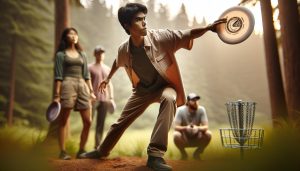
In disc golf, navigating the course often means dealing with the natural obstacles that trees present. But are you allowed to move them? This question resonates with many players, whether you’re a beginner looking to enhance your game or an experienced competitor strategizing for your next round. Understanding the rules surrounding course play, including what you can and cannot alter, is crucial for maintaining the integrity of the sport and ensuring fair play. As you explore this topic, you’ll discover not only the official regulations but also the unwritten guidelines that define etiquette in the disc golf community. Join us as we delve into the nuances of moving trees on the course, helping you to make informed decisions that respect both the game and your fellow players.
Are Trees Considered Part of the Course?
In the world of disc golf, trees are more than just eye-catching elements of the landscape; they are integral components of the course that impact strategy, gameplay, and even player skill development. Under the official rules of disc golf established by organizations like the Professional Disc Golf Association (PDGA), trees are indeed considered part of the course. This means that they can influence your throws, serve as obstacles, and shape the overall experience of navigating through each hole. The ability to understand and utilize trees effectively can be the difference between a good round and a great one.
When playing a course, players must recognize that hitting a tree can alter the trajectory of a disc, leading to unpredictable outcomes. As such, strategizing around tree placement-whether to aim for a gap or to use them as backdrops for more powerful throws-can dramatically affect performance. Notably, many courses are designed with varying tree arrangements that encourage strategic thinking. For example, a placement designed to force players to navigate through a narrow corridor of trees fosters skills such as precision throwing and angle control, making players adapt their techniques based on the environment.
Despite trees being a natural part of the course, managing their presence is a frequent topic of discussion among disc golfers. The removal or alteration of trees is often governed by local course rules and community standards. Some players may wonder if they can prune or move trees to create more favorable playing conditions. Typically, any modifications to the course’s natural features should be approached with caution and may require permission from course management or local governing bodies. Respect for the course and its surrounding environment is paramount, not only for maintaining the integrity of sport but also for preserving the natural beauty that many players cherish.
In summary, trees are fundamental to the challenge and enjoyment of disc golf, influencing not only how a course is played, but how players develop their skills over time. Understanding their role as part of the course will enhance both strategy and gameplay while fostering a respect for the natural obstacles that define this dynamic sport.
Understanding Local Course Rules for Tree Management
The presence of trees on a disc golf course is often a topic of lively discussion among players. Understanding how local course rules apply to tree management is crucial for maintaining both the integrity of the game and the natural landscape that surrounds it. While many enthusiasts are eager to modify their environment to create a more favorable playing experience, it’s essential to navigate these actions within the framework of established guidelines.
When it comes to moving or altering trees, the first step is to consult the specific rules and regulations set forth by your local disc golf course or governing body, such as the Professional Disc Golf Association (PDGA). Each course may have unique stipulations about tree management, reflecting the values and standards of the community it serves. For instance, some courses may allow for minor pruning of overhanging branches to enhance playability, while others may prohibit any modifications to preserve the natural habitat. Always check with course management or relevant committees before taking action.
Being proactive about tree management can also involve community engagement-discussing potential improvements at player meetings can foster a collaborative atmosphere. If there’s consensus on the need for certain trees to be pruned or removed, it’s more likely that course management will support these initiatives. However, it’s critical to recognize that any changes should prioritize environmental health, ensuring that altering the course doesn’t negatively impact local wildlife or the integrity of the ecosystem.
In conclusion, while the temptation to move trees might stem from a desire to improve the course experience, players must abide by local rules. This practice not only respects the gameplay environment but also encourages a community spirit focused on sustainability and mutual respect among players. By understanding and adhering to these guidelines, disc golfers can ensure that their courses remain challenging, enjoyable, and beautifully integrated within nature.
Permitted Tree Movements: Guidelines and Best Practices
The idea of moving trees on a disc golf course may be tempting to enhance playability, but it’s essential to approach this with caution and an understanding of community guidelines. Trees are not merely obstacles; they form an integral part of the playing landscape, and any alterations can have lasting impacts on gameplay and environmental health. Always remember: before making any changes, it’s critical to consult the specific rules of your local course.
Typically, minor actions like pruning overhanging branches or removing low-hanging limbs can be allowed, especially if they clearly disrupt gameplay. Here are some best practices for permitted tree movements:
- Consult Local Regulations: Each disc golf course may have unique bylaws regarding tree management. Contact course management or check the governing documents provided by organizations like the PDGA.
- Community Collaboration: Engage with fellow players and the course management during player meetings. Reach a consensus on what changes might enhance play without compromising the integrity of the environment.
- Prioritize Sustainability: Any work done should consider the ecological impact. For instance, ensuring that tree removals do not disrupt local wildlife habitats is essential.
- Document Alterations: Keep a record of any changes made to ensure accountability and allow for ongoing assessment of how these changes affect gameplay.
By adhering to these guidelines, disc golfers can maintain the delicate balance between enhancing their playing experience and preserving the natural beauty of the course. When managed properly, trees enhance the challenges presented in disc golf, offering not just obstacles but strategic elements that can influence disc flight dynamics and gameplay strategies. Always respect the course’s natural layout and ecological balance to foster a healthy, enjoyable disc golf community.
How Tree Placement Affects Gameplay Strategies
The placement of trees on a disc golf course is a critical aspect that contributes to both the challenge and strategy of the game. Trees not only serve as obstacles but also significantly affect a player’s approach to each hole. Understanding how to navigate these natural elements can elevate a player’s strategy and overall performance.
When trees are strategically positioned along a fairway or near the basket, they create natural lanes that can favor specific throwing techniques. For example, a low-hanging branch might encourage players to use a roller throw or a low, controlled drive to avoid hitting the obstacle. Similarly, the placement of trees can force players to consider their throwing angles more carefully, opting for hyzer or anhyzer shots depending on the location of these wooden barriers. Such decisions become part of a player’s tactical repertoire, contributing to the complexity of course navigation.
Moreover, trees can influence disc flight dynamics. For players looking to enhance their skillset, it’s essential to engage with the flight characteristics of different discs, particularly how they react when navigating around trees. For instance, using a more overstable disc might help achieve a reliable fade around a tight corner, while a stable disc can offer a straighter throw that requires precision to avoid tree trunks. Knowing which disc to deploy and when is vital in a player’s strategy, especially in competitive play.
Beyond mere avoidance, trees can be used both defensively and offensively in gameplay. Players familiar with their local courses can exploit tree placements to create advantageous throwing lanes that could lead to birdies or even aces. By understanding how trees affect wind patterns and how their leaves may alter disc flight at certain times of the year, players can adapt their strategies to take these variables into account. As the sport of disc golf continues to grow, embracing the strategic element that tree placements offer not only enhances individual skill but also contributes to the community’s appreciation for the natural landscapes in which they play.
The Role of Trees in Disc Golf Course Design
In the intricate design of a disc golf course, trees play a pivotal role that goes beyond simple decoration; they are dynamic challenges that shape the experience for players of all skill levels. The placement of trees isn’t just a matter of aesthetics; it’s a crucial strategic element that can make a round of disc golf both memorable and formidable. Properly designed courses use trees to introduce a variety of shot scenarios, pushing players to develop their skills in navigating obstacles while enhancing the complexity and enjoyment of the game.
Trees can serve as defining features of a hole, guiding players along predetermined pathways or creating risk-reward scenarios. For example, a strategically placed cluster of trees can either provide a safe landing zone for an errant throw or serve as a natural barrier to a direct line to the basket. Skilled course designers consider factors such as tree density, species, and location when creating layouts, ensuring that each hole offers distinct challenges. This thoughtful placement cultivates a sense of adventure and invites players to experiment with different throwing techniques, like hyzers, anhyzers, or even the occasional roller throw to navigate the foliage.
An added dimension to this design philosophy is the environmental aspect. Trees contribute to the overall ecosystem of the course, offering shade, regulating temperatures, and providing habitats for local wildlife. A well-maintained course integrates these natural elements, promoting sustainability and encouraging players to respect the environment. Understanding this interconnectedness can inspire players to appreciate their surroundings and foster a sense of community among disc golf enthusiasts.
Navigating the complexities of tree-laden fairways also introduces an educational opportunity for players. Beginners can learn to analyze and adapt their shot selection based on the specific challenges presented by tree placements. More advanced players refine their skills by experimenting with various discs and understanding how different throwing angles can manipulate disc flight patterns around obstacles. This ongoing learning process is part of what makes playing disc golf both rewarding and engaging, turning mere gameplay into a pathway for personal growth and community connection.
Common Misconceptions About Moving Trees
The belief that players can freely move trees during a round of disc golf is a common misconception that can lead to confusion and conflict on the course. Players often assume that, since trees are just obstacles, they can be relocated to create a clearer path to the basket. However, most disc golf courses have specific local rules that govern the treatment of natural features, including trees. Removing or moving any tree, even a small one, can significantly change the integrity of a hole and alter the gameplay experience for everyone.
Firstly, it’s crucial to recognize that trees contribute significantly to the design and strategy of the course. A well-placed tree can serve as a challenge that encourages players to develop their skills and strategize their shots. For instance, a low-hanging branch might force players to execute an upshot with a specific angle, which enhances both their skill set and the enjoyment of the game. Removing or changing the placement of trees not only impacts one player but can also disrupt the intended design that provides fairness and diversity across the course.
Moreover, many courses have guidelines in place that specifically address tree management. Players often overlook the importance of understanding these local course rules. Typically, the guidelines may state that moving trees is prohibited unless permission has been granted by course management. This ensures that any changes to the course are made thoughtfully and with consideration of the overall ecological balance and gameplay dynamics. Players interested in enhancing the course are encouraged to engage with local clubs or course directors to discuss any potential modifications, rather than taking matters into their own hands.
In exploring variations in disc golf course rules, it’s also beneficial to consider how different communities approach tree management. Some areas might emphasize environmental preservation, leading to more restrictive regulations, while others might be more lenient, allowing for small adjustments during community cleanup events. Thus, understanding your local environment and the specific course etiquette will not only prevent misunderstandings but will also foster a sense of respect and community among players.
In summary, while the urge to manipulate course obstacles may seem like a quick fix, it’s vital to respect the rules that govern tree movement on disc golf courses. By doing so, players not only uphold the integrity of the game but also contribute positively to the disc golf community. Engaging with fellow players and course management to find collaborative solutions ensures that the challenges presented by trees remain a stimulating aspect of the sport.
Tree Relocation: Procedures and Permissions
Moving trees on a disc golf course may seem like an obvious solution to improve playability, but doing so without following proper procedures can lead to significant issues for both the course and its players. To maintain the integrity of the course and foster a collaborative community atmosphere, it’s essential to understand the guidelines surrounding tree relocation.
Before taking any action, consult with the local disc golf course management. Most courses will have specific regulations that restrict tree movement and outline the necessary permissions needed for any modifications. Engaging with course directors or community clubs can provide clarity on what is acceptable. Often, these organizations appreciate input from players who are invested in the course’s quality and may welcome suggestions or volunteer help during scheduled maintenance days. This collaborative spirit can lead to meaningful improvements without unilateral decisions that could harm the course’s design.
In many cases, the procedures for relocating trees involve detailed considerations regarding the ecological impact and gameplay dynamics. Here are practical steps to follow if you’re considering advocating for tree relocation:
- Contact Course Management: Initiate a discussion with the course director about any specific concerns or ideas you have. This ensures that your suggestions are aligned with the course’s vision.
- Propose Evidence-Based Changes: Provide reasons and advantages for relocating a specific tree. This could include enhancing safety, improving sight lines for players, or restoring natural aesthetics.
- Volunteer for Maintenance Days: Many courses host cleanup or maintenance days. Participating in these events can showcase your commitment to preserving the course while building camaraderie with fellow players.
It’s worth noting that while trees can be adjusted for visibility or safety concerns, the natural landscape is a crucial part of what makes each disc golf course unique. Relocation should always be approached with caution, considering how the changes might affect overall course playability and player experience. Rushing into it could unintentionally diminish the challenge, which is a vital element of the sport’s enjoyment and community ethos. By following proper channels and respecting course management, players can contribute positively to the disc golf environment and combat the prevalent myths surrounding tree relocation.
Impact of Trees on Disc Flight and Throwing Mechanics
Navigating the is crucial for both novice and seasoned players. Trees can dramatically alter how discs behave in flight, affecting everything from the trajectory to the landing of your throw. Understanding these dynamics can significantly enhance your strategy and performance on the course.
When you throw a disc near trees, their presence can serve as both an obstacle and a strategic element. For instance, a well-placed tree can catch a wayward throw and prevent a disc from landing in a difficult area, while simultaneously penalizing an errant shot by deflecting it into a less favorable position. This dual nature of trees requires players to adjust their throwing techniques, depending on their distance from these natural barriers. Here are some considerations for how trees influence your throws:
- Flight Path Alteration: Trees can cause your disc to ricochet or change its flight path unexpectedly. Understanding the typical behavior of your disc when it collides with various surfaces, such as bark versus leaves, can help you make smarter throws.
- Throwing Techniques: If you’re facing a direct line with a tree, employing a technique like a hyzer or an anhyzer throw can help you curve around obstacles, allowing for a more strategic approach to the basket.
- Wind Factors: Trees can also affect how wind interacts with your disc. A dense canopy might shield throws from wind gusts, while gaps between trees can create unpredictable drafts that alter your flight path. Being mindful of these environmental factors can enhance your decision-making on windier days.
Moreover, careful consideration of how your equipment behaves around trees can yield better outcomes. Different discs have distinct characteristics-some can handle obstacles better due to their stability. A stable or overstable disc may have a better chance of fighting through tree limbs without losing too much distance, while an understable disc might be best for navigating narrow alleys between trees. An effective way to practice your throws in the presence of trees is to simulate high-pressure situations on the course by creating drills that involve navigating through tree gaps or around obstacles, ensuring you’re ready for whatever the course presents.
Ultimately, mastering the interplay between your throws and the trees on the course can turn potential liabilities into opportunities for impressive shots, enhancing both your strategy and your enjoyment of the game. Whether you seek to learn from a sit and watch approach or dive right into practicing, recognizing the unique contribution that trees provide will deepen your connection with disc golf as both a competitive sport and a communal experience.
Navigating Conflicts: Players and Course Management
In the world of disc golf, the presence of trees can evoke a wide array of opinions, often leading to potential conflicts between players and course management. While trees enhance the natural aesthetic of a disc golf course, they also introduce complexities that can affect gameplay, strategic planning, and course maintenance. Understanding how to navigate the relationships between these elements is crucial for fostering a positive experience for everyone involved.
Conflict often arises when players feel that certain trees obstruct fair play or hinder enjoyment of the course. Sometimes, players might propose moving or removing trees to improve line-of-sight or accessibility. However, such actions must be approached with caution and respect for the course management’s regulations and ecological considerations. Each course will have its own policies regarding tree management, often dictated by local environmental laws or the designs established by those who created the course. Communication is key here; players should engage in open discussions with course management to express concerns while understanding the vision and rules established by those who oversee the land.
Moreover, it’s essential to recognize that trees add a strategic layer to gameplay. They serve as natural obstacles that require players to develop creative throwing techniques and enhance their skills. Instead of viewing trees solely as hindrances, players can learn to leverage their presence to gain advantages in certain situations, like using them to create curves in their throws. Recognizing the value that trees bring to the game can help bridge the gap between differing opinions among players and management, encouraging a community-oriented approach to course usage and maintenance.
Lastly, players should stay informed about the local standards and regulations regarding course modifications. Joining community forums or associations can be beneficial, as these platforms often discuss trees’ roles on the course, share ideas for improvement, and foster a collaborative spirit among enthusiasts and maintainers alike. Emphasizing respect for both the course’s integrity and the community’s input will lead to healthier resolutions and a more enjoyable environment, cultivating a culture of understanding and cooperation in the sport.
Exploring Community Standards for Course Modifications
Engaging with the community standards surrounding course modifications is crucial for fostering a positive and respectful disc golf environment. Each course is a unique blend of natural features, including trees that contribute to gameplay dynamics. Understanding how these standards work not only enhances your own experience but also shows respect for fellow players and course management. It’s important to note that while trees can sometimes obstruct a desired line of play or present challenges, they also create opportunities for strategic play that many enthusiasts appreciate.
When contemplating any changes to a disc golf course, including moving trees, players should familiarize themselves with local guidelines. Different courses may have distinct rules regarding course modifications that stem from environmental regulations, safety concerns, and the original design intent. Engaging with community forums or the course management can provide clarity on these standards and help you navigate the intricacies of course policies. Sharing and discussing modification proposals within these platforms ensures that all voices are heard, fostering a collaborative spirit among players, designers, and maintainers.
Moreover, having a clear understanding of the role trees play in the context of the course can drive respectful dialogue around modifications. Trees don’t just serve as obstacles; they also challenge players to develop skills such as shaping throws and mastering different disc flights. Rather than viewing them as impediments, consider how their presence can enhance your game. If trees are hindering play, proposing targeted modifications that respect their ecological significance and align with community standards can lead to productive discussions. Always seek to balance personal playability concerns with a broader respect for the course’s integrity.
Ultimately, every community has its unique etiquette and standards, so investing time in learning about them can significantly enrich your disc golf experience. Participating in local associations or initiatives not only keeps you informed but also builds connections with others who share your passion for the sport. By contributing positively and proactively to these discussions, you help ensure that disc golf remains a welcoming and dynamic community for players of all levels.
Enhancing Course Play: Creative Use of Natural Obstacles
Engaging with the natural challenges of a disc golf course isn’t just about overcoming obstacles; it’s an opportunity to enhance your skills and deepen your appreciation for the game. Trees, as formidable natural features, can be used creatively to shape both gameplay and strategy. Instead of viewing a tree in your throwing line as merely an obstruction, think of it as a chance to showcase your technique. Learning to navigate these obstacles can not only improve your accuracy but also infuse your round with a sense of adventure and creativity.
Utilizing trees effectively can transform how players approach a hole. For instance, you can create a strategic game plan that involves incorporating a low skip around a tree or executing a high hyzer throw over branches. Players may choose different discs not just for distance but specifically to suit the maneuver required around or between trees. This ability to adapt is what fosters growth in both beginner and advanced players and enhances the overall enjoyment of the sport. Engaging with these obstacles elevates the challenge, demanding skillful shot selection based on tree placement, wind conditions, and your personal strengths.
Moreover, trees contribute to the visual beauty of a disc golf course and help define the unique character of each challenge. Some courses creatively integrate trees to add flair, such as using a cluster of trees as a visual target for a tee shot or the edge of a fairway. By respecting their role in gameplay while learning to sidestep or utilize them, players naturally become more strategic thinkers, considering not just their next shot but how those shots blend into the entirety of a course’s layout.
To take advantage of trees in your gameplay, consider actively visualizing different shot paths while you practice. Here are some tips:
- Mapping Your Route: Before throwing, take time to visualize your ideal shot and potential tree interactions. Sketching a mental map can help in execution.
- Experimenting with Discs: Use a range of discs to find how different ones react to tree coverage. Understand the flight characteristics of your favorites.
- Practice Making Precision Shots: Set up specific drills aimed at hitting narrow gaps between trees or making precise throws that avoid branches.
Embracing the creative use of natural obstacles like trees not only enhances individual skills but also deepens community ties through shared strategies and experiences. As players share tips and techniques, everyone benefits from a richer, more engaging disc golf environment. Whether you’re just starting out or honing competitive skills, harnessing the presence of trees can turn every round into a new learning experience, fostering a more dynamic and enjoyable approach to the game.
Resources for Learning About Course Etiquette and Rules
Understanding the etiquette and rules surrounding tree management on disc golf courses is crucial for maintaining the integrity and enjoyment of the game. Trees are not only natural obstacles; they play a significant role in course design and strategy. Most importantly, players must respect local regulations and course-specific guidelines when it comes to moving or altering trees. This not only ensures fairness among players but also preserves the aesthetics and biodiversity of the course.
To become well-versed in course etiquette, players should start by familiarizing themselves with the Disc Golf Professional’s Association (PDGA) guidelines, which offer a wealth of information on ethical play and course maintenance. Many courses have unique rules regarding tree management, so it’s advised to consult local course listings or the management team to understand what is permissible. Engaging with the disc golf community through forums and local clubs can also provide insights into best practices and shared experiences regarding tree interactions during gameplay.
Practically speaking, players should focus on enhancing their throwing techniques around natural obstacles instead of considering tree movement. For example, developing skills such as throwing under branches or utilizing anhyzer throws to navigate around tree trunks can be immensely beneficial. Players can hone their skills by dedicating practice sessions to developing shot shapes that work well with the tree configurations on their home course.
Furthermore, utilizing online resources and instructional videos can be incredibly helpful for visual learners. Platforms like YouTube feature numerous tutorials on tree navigation and strategic gameplay adaptations, including compilations of players dealing with trees in unique ways. Additionally, community engagement through social media channels can provide a platform for exchanging tips and tricks, discussing local quirks, and advocating for responsible course stewardship.
In essence, respecting trees as integral components of the course not only enriches the player’s experience but also fosters a deeper appreciation for nature and sportsmanship within the disc golf community.
FAQ
Q: Can I move a tree during a disc golf game?
A: Generally, moving trees during a game is not allowed unless you have permission from the course management. Trees are considered part of the course and affect gameplay strategies. Always check local course rules for any specific guidelines regarding tree management.
Q: What are the penalties for moving trees in disc golf?
A: If a player moves a tree without permission, it may lead to a penalty as it violates course rules. The consequences can include stroke penalties, disqualification from the game, or damage to player reputation.
Q: Are fallen branches or loose obstacles allowed to be moved?
A: Yes, loose branches or obstacles that are not rooted in the ground can typically be removed. However, always confirm with local rules for any restrictions regarding the removal of loose objects during play.
Q: How can I find out about tree management rules at a specific disc golf course?
A: To learn about tree management rules, contact the course operator or review signage at the course. Many establishments provide rule updates and guidelines in their course brochures or online resources.
Q: Why are trees important in disc golf courses?
A: Trees enhance the challenge of disc golf by adding natural obstacles that affect throw trajectories and strategies. They are integral to course design, influencing player skills and decision-making.
Q: Can I plant or remove trees to improve play at a disc golf course?
A: Planting or removing trees should only be done after obtaining explicit permission from course management. Unauthorized alterations can disrupt the course ecosystem and violate local rules.
Q: How should I report tree hazards or issues on the course?
A: If you notice tree hazards, such as dead or dangerous trees, please contact course management directly. Providing detailed information will help them address safety concerns effectively.
Q: What is a “mando” and how do trees relate to it?
A: A “mando” (mandatory) is a designated path that players must follow. Trees may serve as mandatories, meaning a player must throw around them in a specific direction according to the course rules, adding strategic complexity to gameplay.
In Conclusion
As you navigate the nuanced rules of disc golf, remember that understanding whether you can move trees is just the beginning of mastering the game. With this knowledge, you can enhance your play while respecting course regulations. Don’t hesitate to share your thoughts and experiences in the comments below-your input helps the community grow!
For deeper insights, check out our guides on optimal disc flight patterns and backhand throwing techniques to elevate your game further. Ready for your next challenge? Explore our resources on course strategies and equipment choices to refine your skills.
Stay connected by signing up for our newsletter, and be the first to access exclusive tips and expert advice. Let’s continue this journey together and make every throw count!