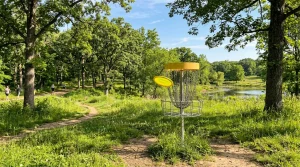
Disc golf is more than just a recreational pastime; it’s a rapidly growing sport that captivates enthusiasts across the globe. Did you know that cities like Portland and countries such as Finland are leading the charge in disc golf participation? Understanding where this sport thrives not only highlights its popularity but also reveals local communities passionate about fostering the game. Whether you’re a seasoned player looking to travel for tournaments or a newcomer eager to find the best courses nearby, exploring the top cities and countries for disc golf can guide you on your journey. This article delves into the vibrant landscapes of disc golf, showcasing the hotspots where players of all levels can connect, compete, and grow their love for this dynamic sport. Join us as we uncover the places that best celebrate the art of the throw and the joy of community in disc golf!
Where Is Disc Golf Most Popular? Top Cities & Countries

Disc golf has rapidly evolved from a niche pastime to a mainstream sport, with vibrant communities cropping up in cities across the globe. In the United States, cities like Portland, Oregon, and Minneapolis, Minnesota, stand out as epicenters of disc golf culture. These urban hubs are not only home to multiple professional-quality courses but also boast thriving scenes of players ranging from enthusiastic beginners to seasoned pros. For instance, Portland’s Liberty Park is renowned for its challenging layout and picturesque scenery, attracting players year-round, while Minneapolis frequently hosts major tournaments, showcasing its commitment to the sport.
Internationally, disc golf is gaining traction in countries such as Canada, Sweden, and Finland, where dedicated players have witnessed a surge in participation and course development. Sweden, in particular, has made its mark by producing several top-ranked players and hosting international competitions, reflecting its status as a leading disc golfing nation.
As disc golf continues to gain popularity, certain cities are emerging as hotspots, offering a combination of accessible courses, active clubs, and vibrant community involvement. These elements create an inviting environment for players of all skill levels, fostering not just competition but camaraderie. Whether you’re a local looking to improve your game or a traveler eager to explore the sport’s landscapes, understanding where disc golf thrives can significantly enhance your experience and community engagement.
Top Cities for Disc Golf Enthusiasts

Disc golf has exploded in popularity over recent years, transforming urban landscapes into meccas for avid players. Among U.S. cities, Portland, Oregon, continues to captivate disc golf enthusiasts with its plethora of well-maintained courses and vibrant community. The city’s famed Hayden Island Disc Golf Course boasts stunning views and a challenging layout, making it a favorite among both casual players and professionals. Additionally, Minneapolis, Minnesota, is revered for its commitment to the sport, hosting major tournaments like the Minnesota Majestic and featuring courses that integrate beautifully into the city’s parks, fostering a passionate local scene.
Across the globe, cities such as Toronto, Canada, and Gothenburg, Sweden, have also embraced disc golf as part of their recreational offerings. Toronto’s Cherry Beach Disc Golf Course is an urban oasis where players enjoy scenic waterfront views alongside well-designed holes. Meanwhile, in Sweden, Gothenburg stands out not only for its impressive number of courses but also for cultivating elite-level talent, producing world-ranked players and hosting international competitions that draw global attention.
The growth of disc golf in these urban areas can be attributed to a combination of accessible public courses and a network of clubs that offer new players support and opportunities to compete. As community involvement deepens, the sport becomes more than just a game; it cultivates friendships and promotes wellness. Whether you’re starting out or seeking competitive play, exploring these vibrant disc golf hotspots can enrich your experience and connect you with fellow enthusiasts. Engage with local clubs and facilities to discover group events and tournaments, enhancing your skills while immersing yourself in this burgeoning community.
Emerging Disc Golf Nations Around the Globe
The global landscape of disc golf is rapidly expanding, with emerging nations embracing the sport at an unprecedented pace. Enthusiasts worldwide are discovering disc golf’s accessibility and affordability, making it an appealing choice for recreational and competitive play. Countries like Finland, Japan, and Canada are not only increasing the number of courses but are also fostering a community that supports new players and seasoned athletes alike.
In Finland, disc golf has become a cultural phenomenon, with the country boasting more per capita disc golf courses than any other nation. The sport is intertwined with the Finnish lifestyle, as locals often gather at courses, which range from picturesque park settings to rugged, natural terrains. The annual Finnish Open draws international competitors, showcasing a level of play that inspires newcomers.
Meanwhile, Japan’s disc golf scene is blossoming thanks to the efforts of dedicated players and clubs promoting the sport at grassroots levels. Cities like Tokyo and Yokohama are adding more courses each year, and the increasing popularity is reflected in local tournaments and events. Japanese players are starting to make their mark internationally, contributing to a vibrant disc golf culture that melds traditional values with modern sporting spirit.
Canada is also witnessing significant growth in disc golf. Cities such as Vancouver and Calgary are leading the charge, with municipal governments recognizing the benefits of disc golf as a sustainable recreational option. The Canadian Disc Golf Championships draws participants from across the country, emphasizing the competitive nature of the sport while fostering friendships and community ties among players.
As disc golf continues to proliferate globally, a notable trend is the increased involvement of local businesses and sponsors, enhancing course facilities and player experiences. Community-driven efforts, such as charity tournaments and educational workshops, further solidify disc golf’s role as not just a pastime but a vehicle for social interaction and healthy living, making it an essential part of the cultural fabric in these emerging disc golf nations.
The Most Popular Disc Golf Courses Worldwide

Disc golf courses around the world offer unique and exhilarating experiences for players of all skill levels. From breathtaking natural landscapes to expertly designed layouts, the most popular courses not only challenge competitors but also entice newcomers to embrace the game. Among these, a few standout locations have gained international recognition for their exceptional quality and vibrant disc golf communities.
One iconic destination is Maple Hill Disc Golf Course in Leicester, Massachusetts, USA. Renowned for its stunning views and meticulously maintained greens, Maple Hill boasts a challenging 18-hole layout that features a mix of wooded areas, open fields, and elevation changes. The Maple Hill Open, part of the Disc Golf Pro Tour, draws top players and disc golf enthusiasts from around the globe, emphasizing the community’s warm, welcoming spirit.
Another remarkable venue is Dale McNamara Course in the heart of Oulu, Finland. This course exemplifies Finnish disc golf culture with its beautiful, wooded terrain and a course design that promotes both strategy and skill. Given Finland’s status as a leading nation in disc golf, sharing the experience at Dale McNamara offers players a taste of the sport’s passionate following in this Nordic country. With more than 700 courses across Finland, visitors are never far from a game amidst stunning natural landscapes.
Moving across the globe, JAPAN’s Gobo Disc Golf Course in Wakayama Prefecture is gaining popularity as well. With a serene environment and a well-laid-out course that caters to varying skill levels, it reflects Japan’s growing commitment to nurturing disc golf. The growing number of tournaments in cities like Tokyo and Yokohama demonstrates how venues like Gobo are pivotal for regional competition and community building.
In terms of accessibility, Highland Park Disc Golf Course in St. Paul, Minnesota, USA, is a favorite among locals and tourists alike. This course combines historical significance with a committed community. It serves as a host to various state and national tournaments, solidifying its place in the competitive scene while welcoming families and newcomers for casual play.
Ultimately, whether it’s the heart-pounding competition of the Maple Hill Open or the tranquil settings of a local course in Japan, players around the world can find immense joy and camaraderie in disc golf. The variety of environments and community engagement across these popular courses underscore the sport’s growth and its ability to unite people through shared passions.
Fan-Favorite Disc Golf Tournaments and Events

Disc golf tournaments are electrifying events that attract players and fans from around the globe, celebrating the sport’s camaraderie and competitive spirit. Among the most beloved tournaments is the Maple Hill Open, held annually in Leicester, Massachusetts. This prestigious event is part of the Disc Golf Pro Tour and offers players an unmatched experience on one of the country’s finest courses. With its breathtaking scenery and challenging 18-hole layout, the Maple Hill Open showcases top talent while cultivating a friendly and inclusive atmosphere for spectators and participants alike.
In Europe, events like the European Open in Finland have become staples on the world tour, drawing elite players to compete in the lush Finnish landscapes. This tournament not only highlights the competitive edge of European disc golf but also reinforces Finland’s reputation as a disc golf powerhouse, boasting over 700 courses. The atmosphere at the European Open is remarkable; public interest and attendance create a festival-like vibe, making it a must-see for disc golf enthusiasts.
Across the Pacific, Japan’s Goko Open exemplifies the rapid growth of disc golf in Asia. Set in Wakayama, this tournament draws participants from across the country, showcasing the strategic and diverse designs of Japanese courses. As more players engage with the sport, events like the Goko Open play a crucial role in fostering community and introducing newcomers to the thrilling world of competitive disc golf.
Moreover, local leagues and smaller tournaments around the globe are nurturing communities and providing pathways for aspiring players. Events organized by local disc golf clubs often feature divisions for every skill level, promoting inclusivity and ensuring that both casual players and seasoned pros can enjoy the competition. As the sport continues to expand, these events help to solidify disc golf’s place in the hearts of players everywhere, fostering a sense of belonging and shared passion among participants.
Whether it’s the high stakes of a professional tour event or the friendly vibes of a local competition, fan-favorite disc golf tournaments are pivotal in connecting players, fans, and communities, celebrating this dynamic sport that grows with each passing year.
Exploring Disc Golf Culture in Different Regions
In the world of disc golf, culture varies significantly from one region to another, shaping the experience for local players and fans. In the United States, particularly in states like California and Michigan, disc golf is more than just a sport; it’s a vibrant community. Players often gather at local parks and courses, fostering camaraderie and competition. In areas like the disc golf-rich landscapes of the Pacific Northwest, dubbed the “Seattle Disc Golf Scene,” players frequently discuss techniques, equipment, and course strategies at local breweries and community events. This blending of sporting life with social gatherings creates a robust culture where everyone feels welcome, from novices to experts.
In Europe, disc golf is spawning a unique culture that intertwines with nature. Many courses are set in picturesque landscapes, promoting a strong connection to the outdoors. For instance, Finland-boasting over 700 courses-celebrates its love for the sport with festivals that draw participants from diverse backgrounds. These festivals often showcase not just competitive play but also workshops and discussions about sustainability in disc golf, bringing environmental awareness to the forefront. The community in Finland expresses a shared passion for the sport that is celebrated through informal meetups and organized league play, emphasizing participation over competition.
Across Asia, countries like Japan are rapidly embracing disc golf, enriching the culture with local customs and philosophies. The Goko Open exemplifies this blend, where traditional Japanese hospitality meets the competitive spirit of disc golf. Here, players not only compete but also partake in cultural exchanges, sharing meals and experiences that honor both the sport and Japanese traditions. Such events foster community ties and nurture a growing appreciation for the sport among newcomers.
Understanding the cultural dynamics of disc golf across different regions can enhance player engagement and nurture a shared global community. Whether it’s the BBQs and buzz around tournaments in the U.S., the eco-conscious gatherings in Finland, or the cultural exchanges in Japan, each region enriches the sport’s tapestry, reminding us that disc golf is more than just a game; it’s about connection, community, and celebration of skill across the globe.
Impact of Weather on Disc Golf Popularity
Weather can significantly shape the landscape of disc golf, influencing both when enthusiasts hit the courses and how they play. Many regions known for their thriving disc golf communities enjoy mild climates that lend themselves to year-round play. However, the seasonal variations seen in many popular disc golf cities can create both challenges and unique opportunities for players. Understanding these impacts can help players adapt and enhance their games, regardless of the forecast.
Seasonal Changes and Player Participation
In temperate climates, disc golf emerges as a favorite outdoor activity during the spring and summer months, when longer days and warmer temperatures draw players out to explore their local courses. For example, in cities like Austin, Texas, and Portland, Oregon, the pleasant weather allows for bustling tournaments and casual rounds alike, creating a vibrant scene. However, during fall and winter, some players may retreat indoors or even switch to winter sports as colder temperatures and precipitation make courses less playable. This shift often leads to a decrease in local competitions but can also spark interest in indoor practice and leagues, allowing players to maintain skills and camaraderie.
Weather Challenges and Gameplay Adjustments
Weather does not just influence participation rates; it can also affect gameplay itself. Wind is a critical factor to account for when playing disc golf, as it can drastically alter the trajectory of throws. Regions known for gusty conditions, like the Great Plains or coastal areas, require players to master wind-resistant throwing techniques. Understanding how different winds interact with disc flight can enhance performance, turning potentially frustrating rounds into opportunities for skill enhancement. Additionally, rain can affect course conditions, leading to slippery terrain or muddy fairways. Preparing for these scenarios-using appropriate footwear and disc choices-can keep players safe and more focused on their game.
Community and Weather
Local communities often come together in response to the seasons, organizing events that celebrate the unique aspects of playing in different weather conditions. Many courses see themed tournaments during specific times of the year, such as fall harvest events or winter warm-ups, which engage players and help to foster a sense of belonging. In cities like Minneapolis, where snow can dominate winter, special tournaments may be held with different rules or disc types adapted for icy conditions. These communal gatherings not only promote play but also enhance the social aspect of disc golf, allowing players to connect, share techniques, and celebrate their mutual love for the game, regardless of the weather outside.
In conclusion, weather conditions can significantly influence the popularity and culture of disc golf across various regions, shaping both player participation and community dynamics. By staying adaptable and elevating their skills in response to the elements, avid disc golfers contribute to a sport that thrives in both sunny and stormy conditions alike.
How Local Communities Foster Disc Golf Growth
The passionate growth of disc golf within local communities has been a driving force in establishing the sport as a mainstream leisure activity. Across the globe, cities bustling with disc golf enthusiasts are creating environments that foster participation, skill development, and camaraderie among players, turning newcomers into lifelong fans. Community engagement is vital; local clubs and organizations work diligently to introduce the sport to beginners, often hosting “learn to play” clinics and weekly league nights that invite all skill levels to join.
In cities like Charlotte, North Carolina, and Pittsburgh, Pennsylvania, vibrant disc golf communities have sprung from grassroots efforts. Local tournaments and casual meet-ups aren’t just about competition; they serve as social hubs where players share experiences, tips, and resources. Many courses host regular cleanup days, strengthening community bonds while ensuring the playing fields are well-maintained and welcoming. These efforts not only enhance the aesthetic of the courses but instill a sense of pride and ownership among players.
Moreover, local businesses often thrive alongside disc golf’s popularity, with pro shops, cafes, and food trucks springing up near frequently played courses. These establishments build a supportive ecosystem, offering players the gear they need while creating communal spaces to discuss strategies, showcase skills, and celebrate victories. Events like charity tournaments or themed leagues can also draw in spectators, further blurring the lines between recreational players and competitive athletes, creating a rich tapestry of disc golf culture.
Through active participation and support from local leaders, disc golf is gaining recognition as a legitimate athletic pursuit, with attention from sponsors and media. Community-driven initiatives, such as setting up youth programs in schools and organizing skill challenges, not only nurture the talent of tomorrow but also enhance the overall visibility of the sport. With each tournament, event, and new player, communities across the globe are breathing new life into disc golf, ensuring a bright future for this exciting and inclusive sport.
The Role of Disc Golf Associations and Clubs
The growth of disc golf has been significantly propelled by the involvement and support of local associations and clubs, which serve as cornerstones for community building and sport development. These organizations not only promote the game but also provide essential resources for players at every skill level. From hosting tournaments to conducting educational clinics, disc golf associations are integral in fostering a welcoming environment for newcomers while encouraging seasoned players to elevate their skills.
Local disc golf clubs often serve as the nucleus for activities and initiatives that enhance visibility and participation in the sport. By organizing regular events such as league nights, charity tournaments, and family-friendly gatherings, these clubs create opportunities for social interaction and skill sharing among players. This communal approach not only strengthens local disc golf circles but also acts as a vital resource hub for equipment guidance and instructional support. Clubs frequently collaborate with manufacturers and retailers to host demo days, where players can test the latest discs and gear, further promoting informed purchasing decisions.
In addition to organizing events, disc golf associations play a critical role in advancing the sport’s recognition as a legitimate athletic pursuit. By engaging with schools and community organizations, they help introduce disc golf to a younger audience, laying the groundwork for future growth. Initiatives such as youth programs and school leagues not only cultivate young talent but also foster lifelong engagement with the sport. Moreover, associations often advocate for the establishment and maintenance of public courses, aiming to ensure accessibility for players of all skill levels.
Through robust networks and communication, these clubs and associations work tirelessly to support their members and promote the sport. They are vital in ensuring that disc golf remains not just a casual pastime but a thriving, organized community of passionate athletes. By continuously engaging new players, providing educational resources, and promoting competitive opportunities, disc golf associations and clubs are pivotal in shaping the future of the sport across various regions.
Comparative Equipment Trends by Country
The evolution of disc golf equipment reflects broader trends within the sport itself, showcasing differences in preferences and advancements based on geographic location. As disc golf gains traction globally, understanding the comparative equipment trends across countries can provide valuable insights into player dynamics and the sport’s growth.
In the United States, often considered the epicenter of disc golf, a high demand for innovative and specialized discs continues to drive the market. Disc manufacturers such as Innova, Dynamic Discs, and Discraft dominate, offering a wide range of options that cater to varying skill levels and throwing styles. U.S. players frequently invest in a diverse collection of discs, including distance drivers, fairway drivers, midranges, and putters, each designed with unique flight characteristics. This focus on personal disc collections reflects a culture of customization and personal preference, where players experiment with different brands and models to optimize performance based on their throwing mechanics.
By contrast, in emerging disc golf nations such as Finland and Sweden, there is a notable trend towards simplicity in equipment selection. Many players in these countries prioritize all-in-one disc sets that include a select few staples for versatile play. Brands like Discmania and Latitude 64 are quite popular, offering packages that focus on beginner-friendly options. In Finland, where disc golf has seen significant growth, players often share these discs among friends and family, emphasizing community play and collective learning experiences over individual collections. This trend highlights a nurturing approach to the sport, where accessibility and enjoyment take precedence.
Additionally, trends in equipment usage can also vary significantly depending on the regional climate. For instance, in countries with harsher winters, players may gravitate towards more rugged, durable discs designed to withstand colder temperatures and windy conditions. Conversely, in tropical regions, moisture-resistant discs that maintain their grip in humid conditions are favored. This adaptability showcases not only the local climate’s influence on player preferences but also the equipment manufacturers’ responsiveness to the needs of their customers.
Overall, the landscape of disc golf equipment is a tapestry woven with cultural nuances, regional preferences, and advancing technologies. As the sport continues to expand, closely monitoring these comparative trends will reveal how equipment choices shape player experiences, influence competitive play, and enhance the global disc golf community. Engaging with these differences can enrich a player’s journey, providing insights into what gear can best complement their individual style and promote their development within the sport.
Disc Golf: A Growing Sport in Urban Areas
In recent years, disc golf has emerged as a vibrant pastime in urban areas, attracting a diverse crowd of enthusiasts ranging from casual players to serious competitors. Major cities around the world are recognizing the sport’s appeal, with parks and public spaces increasingly being transformed into disc golf courses. This surge in popularity can be attributed to several factors, including accessibility, community-building, and the sport’s appeal as a low-cost recreational activity.
One of the most significant advantages of disc golf in urban settings is its affordability and accessibility. Unlike traditional golf, which often requires expensive memberships and equipment, disc golf can be enjoyed casually with just a few discs and without the need for a dedicated course. Many parks feature free-to-play disc golf courses, making it easy for newcomers to pick up the sport without a hefty investment. Even more encouraging, the lightweight and portable nature of disc golf equipment means players can easily carry their discs in a backpack and improvise courses anywhere-an invigorating option for urban dwellers looking to break away from the concrete jungle.
Furthermore, the growth of disc golf in cities fosters strong community ties. Clubs and local organizations often host weekly leagues, casual meetups, and tournament events that not only enhance players’ skills but also cultivate a sense of belonging among participants. This communal aspect is particularly appealing to younger generations seeking social interactions in local parks. Cities like Minneapolis, Portland, and Austin have seen substantial investments in disc golf infrastructure, further solidifying their status as disc golf hubs. Events like the Portland Open attract thousands of spectators and participants, showcasing the sport’s competitive edge while simultaneously celebrating the community spirit that defines its culture.
Urban disc golf also presents exciting opportunities for promoting environmental stewardship. Courses are often designed to integrate seamlessly within existing parkland, encouraging players to appreciate their natural surroundings. Many city planners are recognizing the dual benefit of disc golf courses: they provide recreational space for residents while enhancing the landscape of urban parks.
In summary, as disc golf continues its rise in popularity within urban areas, its impact on community-building, accessibility, and environmental awareness is clear. With every new course established, more individuals are discovering the joys of this engaging sport, making disc golf a significant part of city life worldwide.
Success Stories from Top Disc Golf Cities
Cities around the globe have risen to prominence in the disc golf scene, demonstrating a remarkable blend of community enthusiasm, investment in infrastructure, and a passion for the sport. Minneapolis, often hailed as the “disc golf capital” of the United States, showcases this phenomenon perfectly. The city boasts over 20 disc golf courses, including the highlighted East Bethel and Lakeview courses, which have hosted numerous professional tournaments. The Minneapolis Disc Golf Association plays a pivotal role in organizing events and fostering local talent, further solidifying the city’s status as a hub for both casual players and serious competitors.
Similarly, Portland, Oregon, has emerged as another significant player in the disc golf world. With courses nestled in lush parks, such as Blue Lake and Pier Park, players enjoy not only the sport but also the stunning natural scenery. The Portland Open, an annual tournament, has gained traction, attracting professional players from around the nation and becoming a must-see event for fans. Local clubs in Portland emphasize sustainability by promoting courses that harmonize with nature, illustrating the sport’s commitment to environmental stewardship.
Austin, Texas, offers another compelling success story. Known for its vibrant culture and outdoor lifestyle, the city boasts a rapidly growing disc golf community that thrives in its warm climate. Courses like Circle C and Roy G. Guerrero attract both locals and tourists. The city has invested in new course development to keep pace with the sport’s popularity, ensuring that newcomers and seasoned players find venues that cater to their needs. Additionally, businesses around these courses often hold community events that blend disc golf with music and food, celebrating the sport as part of the Austin experience.
Through these stories, we see just how impactful disc golf can be in urban environments. From enhancing communal ties to encouraging an active lifestyle, cities that embrace disc golf are not only supporting a sport but are also enriching their local culture. The excitement around these cities highlights that disc golf is more than a game; it’s a community movement that continues to grow, bringing people together and fostering a shared love for the great outdoors.
Future Trends: Where is Disc Golf Headed?
As disc golf continues to capture the hearts of many around the globe, its future looks bright and full of potential. The sport is experiencing a surge in popularity, marked by the emergence of new players, courses, and competitive events. With engaging communities fostering deeper connections and a growing cultural appreciation, the next few years are set to redefine disc golf’s landscape in remarkable ways.
One key trend is the increased focus on inclusivity and accessibility within the sport. Many local disc golf clubs are working towards making courses more welcoming for players of all skill levels and backgrounds. Initiatives include offering free clinics, hosting beginner-friendly tournaments, and encouraging diverse participation. As accessibility improves, we can expect to see a broader range of demographics engaging with disc golf, further enriching its community.
Moreover, the integration of technology is poised to revolutionize how players experience disc golf. Smart applications that track player statistics, offer course layouts, and provide training tips are becoming more prevalent. This technology not only enhances individual performance but also increases engagement with competitive play. For instance, virtual tournaments and online leagues have begun to emerge, allowing players from different regions to compete and connect, regardless of geographical boundaries.
Environmental Stewardship
The sport’s intrinsic connection to nature is also driving a trend toward sustainability. Many disc golf courses are designed with environmental considerations in mind, promoting wildlife preservation and using eco-friendly materials. As awareness of climate change continues to grow, players and associations are becoming increasingly committed to maintaining the natural landscapes on which the sport depends. Expect more disc golf events to incorporate themes of environmental education and sustainability, resonating with the values of the modern player.
In urban areas, we are likely to see a rise in multi-use spaces where disc golf integrates with other recreational activities. Cities like San Francisco and Seattle are already experimenting with incorporating courses in parks that serve multiple purposes, increasing community engagement and maximizing the use of public spaces.
As disc golf heads into the future, the combination of these evolving trends will not only enhance player experiences but also solidify the sport’s position as a vital part of the global sports community. With an emphasis on inclusivity, technological advancement, and environmental responsibility, disc golf is prepared to thrive and inspire new generations of players.
Frequently asked questions
Q: What are the top countries for disc golf popularity?
A: The top countries for disc golf popularity include the United States, Sweden, and Finland. The sport has seen significant growth in these regions due to the development of professional associations and an increasing number of courses. Exploring local communities can provide insights into specific hotspots for disc golf.
Q: Why is disc golf growing in urban areas?
A: Disc golf is growing in urban areas because it is a cost-effective sport that requires minimal space and infrastructure. Urban parks often allow for easy installation of courses, making the game accessible to a broader audience. This trend is supported by increasing community interest and local disc golf clubs.
Q: How does weather impact disc golf participation?
A: Weather significantly impacts disc golf participation; mild, sunny conditions encourage more players to participate. Conversely, extreme temperatures or heavy rain can deter outings. Local clubs may schedule events seasonally, considering weather patterns to enhance participation.
Q: What are some popular disc golf tournaments worldwide?
A: Popular disc golf tournaments around the world include the PDGA World Championships and the Discraft Great Lakes Open. These events attract competitors from various countries, showcasing the sport’s growth and fostering a sense of global community.
Q: How do local communities support disc golf growth?
A: Local communities support disc golf growth through the establishment of clubs, organization of events, and advocacy for new courses. Engaging residents and schools in programs promotes inclusion and further interest in the sport, enriching community interactions.
Q: What are the benefits of joining a disc golf association?
A: Joining a disc golf association provides numerous benefits, including access to exclusive tournaments, networking opportunities, and resources for improving skills. Members often enjoy discounts on equipment and insights into the latest trends and developments in the sport.
Q: How can I find the best disc golf courses near me?
A: To find the best disc golf courses near you, use online tools like UDisc or Disc Golf Course Review. These platforms provide user-generated reviews, course ratings, and detailed maps, helping you locate top-rated courses and hidden gems in your area.
Q: What trends are influencing the future of disc golf?
A: Emerging trends influencing the future of disc golf include technological advancements in equipment, increased media coverage, and a growing emphasis on sustainability within course development. These factors contribute to expanding the sport’s reach and enhancing player experience.
In Retrospect
As we’ve explored the vibrant world of disc golf and its most popular cities and countries, it’s clear that this dynamic sport is expanding rapidly across the globe. Whether you’re a seasoned player or just starting your journey, understanding where to find the best courses can elevate your game and connect you with fellow enthusiasts. Ready to dive deeper? Check out our guides on improving your throwing techniques and discover the best equipment on the market that can enhance your disc flight experience.
Don’t miss out on any updates or insights! Subscribe to our newsletter for the latest disc golf news and tips straight to your inbox. Have questions or want to share your own experiences? Join the conversation in our community forum, where players of all skill levels exchange stories and advice. Remember, the disc golf community is growing, and every throw brings an opportunity to connect, learn, and excel. Embrace the journey and keep exploring!
Get our latest guides, news, and insights highlighted in your Google Search & AI Overviews.