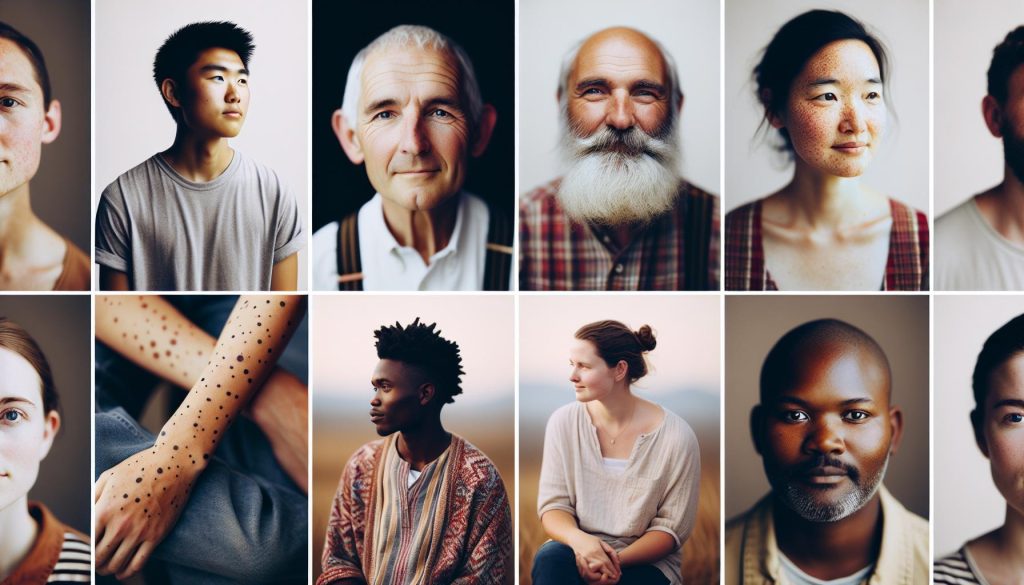
Have you ever wondered how many moles you carry and what that means for your health? Understanding your body’s moles isn’t just about aesthetics; it’s a crucial part of monitoring skin health and understanding potential risks. Our skin is home to various types of moles, and while most are harmless, some can indicate underlying issues that shouldn’t be ignored. In this essential guide, we’ll explore the significance of mole count and characteristics, how to perform regular checks, and when to consult a healthcare professional. By staying informed and proactive, you can take charge of your skin health, ensuring it remains vibrant and safe. Join us as we delve deeper into the fascinating world of moles, empowering you to recognize what’s normal and what might need attention.
Understanding Moles: What You Need to Know
Understanding the nature of moles on your skin is essential for both aesthetic and health reasons. Moles, or nevi, are common skin growths that can vary widely in appearance, including color, shape, and size. Most people have between 10 to 40 moles on their bodies, but some may have more, while others may have very few. These benign clusters of melanocytes, the cells that produce pigment, often appear during childhood or adolescence and can change over time due to sun exposure or hormonal shifts.
The formation of moles is primarily influenced by genetic factors and environmental exposures, particularly ultraviolet (UV) light. Those with lighter skin tend to develop more moles, as they have less melanin, which offers some protection against UV damage. Understanding this can help inform your skincare routine and sun protection habits, which are crucial for maintaining healthy skin. While most moles are harmless, it’s important to keep an eye on them-changes in color, size, or shape could indicate a need for further evaluation.
Regular self-examinations can aid in monitoring your moles effectively. It’s advisable to use the ABCDE rule, which stands for Asymmetry, Border, Color, Diameter, and Evolving, to examine your moles. If you notice any characteristics that fall outside the usual parameters, such as irregular borders or multiple colors, it’s a sign that you should consult a dermatologist. This proactive approach not only helps in early detection of potential issues but also allows you to embrace and celebrate your skin’s uniqueness while being vigilant about your health.
What Causes Moles to Appear?
Moles, also known as nevi, often appear throughout a person’s life, typically beginning in childhood or adolescence. While the exact reason for their formation is complex, it primarily revolves around the interaction between genetics and environmental factors, particularly exposure to sunlight. When ultraviolet (UV) light penetrates the skin, it triggers the melanocytes-cells responsible for producing melanin-to proliferate and form clusters. This process can lead to the development of moles, which can vary in color from light tan to deep brown, and even black.
Several factors contribute to the occurrence of moles. Genetics plays a significant role; if your parents have numerous moles, it’s likely that you will too. Additionally, skin type influences mole development. Individuals with lighter skin tones often produce more moles because their skin has less inherent protection against UV radiation due to lower melanin levels. For instance, a person with fair skin may find that they develop worrisome clusters, particularly with a history of sunburns.
Hormonal changes also impact mole formation, especially during puberty and pregnancy when hormonal fluctuations can stimulate melanocyte activity. As a result, moles can emerge or change in color and size during these life stages. Furthermore, certain conditions, such as skin disorders, can cause increased mole growth or the appearance of atypical moles.
Understanding the causes behind mole development allows for better self-care and monitoring practices. Regular skin checks can empower individuals to recognize the normal changes moles undergo due to aging or sun exposure. By being proactive about observing their skin, individuals can maintain both their aesthetic appearance and their overall skin health.
Are All Moles Dangerous? Signs to Watch For
Not all moles are created equal, and distinguishing between benign and potentially dangerous moles is essential for maintaining skin health. While the majority of moles you encounter are harmless, certain changes in their appearance can be warning signs of skin cancer, particularly melanoma. It’s crucial to familiarize yourself with both the typical characteristics of benign moles and the warning signs that may indicate a need for further evaluation.
When assessing moles, look for several key features that can signal a problem. One widely used method is the ABCDE rule, which stands for:
- A for Asymmetry: If you were to draw a line through the mole, the two halves do not match in shape.
- B for Border: Benign moles have smooth, even borders, while cancerous moles often have irregular, jagged, or blurred edges.
- C for Color: A mole with a uniform color (tan, brown, or black) is less concerning. Multi-colored moles with shades of brown, black, and even red, white, or blue should be examined.
- D for Diameter: Moles larger than 6mm (about the size of a pencil eraser) are more likely to be problematic, although smaller moles can also be cancerous.
- E for Evolving: Any mole that changes in size, shape, color, or elevation, or newly appears after the age of 25, warrants further investigation.
While these guidelines are valuable, remember that not all changes are immediately cause for alarm. For instance, moles can change due to hormonal fluctuations, sun exposure, or even skin irritation. Therefore, it’s important to keep a close eye on your skin throughout the seasons. Consider taking photographs of your moles to track any changes over time, which can be incredibly helpful during dermatologist visits.
In addition to vigilant monitoring, maintaining regular dermatological check-ups is key, especially for those with a history of skin cancer or numerous moles. Early detection can significantly increase treatment success rates. Whether you’re embracing your unique skin or managing concerns about moles, knowledge and routine self-examinations empower you to take active control of your skin health.
The Different Types of Moles Explained
Moles are a common skin feature that can vary widely in appearance and type. Understanding the different types of moles can help individuals navigate their skin health more effectively and recognize when to seek medical advice. Moles can be classified broadly into two categories: congenital nevi and acquired moles.
Congenital nevi are moles present at birth and can range in size from small to large. These moles may require monitoring, especially if they are large or appear atypical, as they have a slightly increased risk of developing into melanoma later in life. These moles often have a more uniform texture and color, which can vary from light to dark brown.
Acquired moles, on the other hand, develop over time and are influenced by factors such as sun exposure and hormonal changes. These moles can appear during childhood, adolescence, or even into adulthood. Acquired moles are typically most numerous in fair-skinned individuals, and they may vary significantly in color and shape. For instance, they can be flat or raised, smooth or bumpy, and their colors can range from shades of brown to black.
While most moles are benign, some specific types warrant closer attention. Dysplastic nevi, for example, are atypical moles that differ from ordinary moles in shape, color, and size. They often have irregular borders and mottled coloring, which can indicate an increased risk of skin cancer, particularly if there are multiple dysplastic nevi present.
Being proactive in monitoring your moles involves familiarizing yourself with these types and performing regular self-examinations. Consider using a skin chart to track your moles and look for any changes in size, shape, or color. If you notice a mole that meets the ABCDE criteria outlined previously-Asymmetry, Border irregularity, Color variations, Diameter larger than 6mm, or Evolving characteristics-consult a dermatologist promptly. Early detection is key in managing potential skin health issues effectively.
Mole Removal: Options and Considerations
In the journey of understanding and managing your skin, the question of mole removal often arises. Whether for cosmetic reasons or health concerns, knowing your options and the considerations involved can empower you to make informed decisions. Moles can be removed safely and effectively through various methods, and understanding these can help demystify the process.
One common approach to mole removal is excision, where the mole, along with a small margin of surrounding tissue, is surgically cut out. This method is typically recommended for moles that require histological examination to rule out skin cancer or when a mole appears suspicious. The procedure is performed under local anesthesia, and while it may leave a scar, the results can be aesthetically pleasing if performed by a skilled dermatologist.
Another option is laser removal, which uses focused light to target and destroy the cells of the mole. This method can be less invasive and may result in minimal scarring, making it a popular choice for cosmetic mole removal. However, not all moles are suitable for this treatment, particularly those that are raised or pigmented, so a thorough consultation with a dermatologist is essential to determine the best course of action.
- Shaving: This technique involves trimming the mole flush with the surrounding skin. It’s typically used for raised moles and is less invasive, but it may not remove the mole entirely, potentially leading to regrowth.
- Cryotherapy: This method utilizes liquid nitrogen to freeze the mole, causing it to gradually fall off. While this can be effective for some types of moles, it is less common for deeper or larger moles.
It’s also crucial to consider the implications of mole removal, including potential risks such as infection, scarring, and the emotional impact of changes to your skin. Before proceeding, discussing your medical history, especially any family history of skin cancer, with your healthcare provider can help assess your individual risk and ensure that mole removal is done safely.
Ultimately, the decision to remove a mole should be guided by a combination of personal preference and medical advice. Regular monitoring and open communication with a dermatologist can help you maintain healthy skin while embracing your individuality. Each mole tells a part of your story; understanding the options for their management empowers you to make choices that best reflect your health and aesthetic desires.
How to Monitor Your Moles Effectively
Regular monitoring of moles is essential for maintaining skin health and catching any potential problems early. Research indicates that many skin cancers, particularly melanoma, can be effectively treated when detected in their initial stages, underscoring the importance of routine checks. By creating a simple yet effective monitoring system, you can easily keep track of your moles and alert your healthcare provider to any changes.
Start by performing a self-examination every month, ideally after a warm shower when your skin is clean and dry. Make it a habit to document your moles clearly. You can use a notebook or a digital app designed for this purpose. Here are some key points to include in your observations:
- Size: Measure the diameter of your moles and note any that exceed 6mm (about the size of a pencil eraser).
- Shape: Look for irregular edges or asymmetry when the mole is divided in half.
- Color: Document any variation in color, such as multiple shades or dark spots within a single mole.
- Changes: Keep an eye on changes in elevation, texture, or behavior (such as bleeding, itching, or crusting).
A useful tool you can employ is the ABCDE method developed for skin cancer detection:
ABCDE Method
- A – Asymmetry: One half of the mole doesn’t match the other.
- B – Border: Edges are irregular, ragged, or blurred.
- C – Color: Color is not uniform and may include shades of brown, black, or other colors.
- D – Diameter: The mole is larger than 6mm.
- E – Evolving: The mole is changing in size, shape, or color over time.
If you notice any concerning changes, it’s crucial to consult a dermatologist. They can perform a thorough examination and, if necessary, a biopsy to determine if there are any health concerns. Ultimately, empowering yourself with knowledge about your skin and staying vigilant about changes is a proactive approach to maintaining your health.
Sunscreen and Skin Care: Protecting Your Moles
Protecting your skin and the moles you have is crucial in maintaining overall skin health and preventing potential skin issues, including melanoma. Did you know that regular use of sunscreen can significantly reduce the risk of developing skin cancer? The right sunscreen acts as a barrier, minimizing your skin’s exposure to harmful UV rays that can damage your moles and lead to skin cancer.
To effectively shield your moles, choose a broad-spectrum sunscreen with an SPF of 30 or higher. Apply it generously to all exposed skin every two hours, or more frequently if you are swimming or sweating. Don’t overlook hard-to-reach areas such as the back of your neck, ears, and feet. Here are some tips to ensure your sunscreen is providing the protection you need:
- Reapply Often: Apply sunscreen 15 to 30 minutes before heading outside, and remember to reapply at least every two hours.
- Don’t Skip the Clouds: UV rays can penetrate through clouds, so wearing sunscreen on overcast days is just as important.
- Be Aware of Reflective Surfaces: Water, sand, and snow can reflect UV rays, increasing your risk even when you think you’re safe in the shade.
In addition to sunscreen, incorporating skin care products that contain antioxidants can help reduce UV damage. Consider serums or moisturizers with vitamins C and E, which not only protect your skin from oxidative stress but also promote healing and regeneration.
Regular skin checks are equally vital. If you notice any changes in your moles, such as increased size, irregularity in shape or color, or any bleeding or itching, seek advice from a dermatologist. Early detection is the best way to ensure the health of your skin and the moles you have. By combining effective sun protection with diligent skin care and monitoring, you can enjoy your skin’s uniqueness while minimizing health risks associated with moles.
When to See a Dermatologist About Moles
While many moles are benign and harmless, there are crucial signs that should prompt you to consult a dermatologist. Early detection is key to effectively managing any potential issues, especially concerning skin cancer such as melanoma, which can develop from moles. A common guideline to remember is the ABCDE rule: pay attention to Moles that show Asymmetry, have an irregular Border, exhibit multiple Colors, are large in Diameter, and those that evolve over time. If you notice any of these characteristics in your moles, it’s time to seek a professional evaluation.
Additionally, if you have more than 50 ordinary moles, research suggests that you may be at an increased risk of developing melanoma [3]. Regular skin checks are essential; a dermatologist can provide a thorough examination and suggest a monitoring plan tailored to your skin type and history. Remember that changes such as itching, bleeding, or the appearance of a new mole should also prompt immediate consultation.
Understanding your body and being proactive can make a significant difference. If you ever feel uncertain about a mole, err on the side of caution and seek the expertise of a dermatologist. They can help alleviate concerns and provide not only peace of mind but also essential strategies for monitoring your skin health effectively. Your skin deserves attention, and being vigilant about its changes can contribute to your overall wellness.
Moles in Children: What Parents Should Know
Understanding how moles develop in children is crucial for parents who want to ensure their child’s skin health. Contrary to what some might think, moles-also known as nevi-are quite common in childhood. By the time children reach adolescence, many will have several moles, most of which are benign. However, being proactive and knowledgeable about these skin features can help parents identify potential issues early on.
One of the primary factors influencing the appearance of moles in children is genetic predisposition. If parents have many moles or a family history of skin cancer, their children might also be more prone to developing moles. Environmental factors, such as sun exposure, also play a significant role. Children with fair skin are typically at higher risk for developing moles and, therefore, should be especially cautious about sun protection from an early age. Regular application of sunscreen, wearing protective clothing, and encouraging shade during peak sun hours can significantly reduce the risk of abnormal mole development.
Monitoring moles in children is essential, especially since they can change over time. Parents should familiarize themselves with their children’s moles using the ABCDE rule, watching for signs like asymmetry, irregular borders, varied colors, large diameters, or changes in size or shape. If any of these characteristics appear or if new moles develop rapidly after age 2, it’s advisable to consult a dermatologist for further evaluation. Regular skin checks, ideally every few months, are a great way to keep track of moles as the child grows.
Educating children about the importance of sun safety and skin health is equally vital. Encouraging them to watch for changes in their skin and educating them about moles can foster a sense of responsibility for their health. By cultivating awareness and implementing protective measures early in life, parents can ensure that their children embrace their skin’s uniqueness while safeguarding their long-term skin health.
The Connection Between Moles and Skin Cancer
Many people may not realize that the number and appearance of moles on your skin can significantly influence your risk of developing skin cancer, particularly melanoma. Understanding this connection is crucial for early detection and prevention. Melanoma, the most serious form of skin cancer, has been linked to the presence of multiple moles, especially when they exhibit certain characteristics. Research indicates that individuals with more than 50 ordinary moles are at an increased risk for melanoma, highlighting the importance of monitoring your skin regularly.
The ABCDE rule serves as a useful guideline to evaluate moles and identify potential warning signs of skin cancer:
- A for Asymmetry: One half of the mole does not match the other half.
- B for Border: The edges are irregular, scalloped, or blurred.
- C for Color: The color is not uniform and may include shades of brown, black, or even red, white, or blue.
- D for Diameter: The mole is larger than 6mm (about the size of a pencil eraser) or is increasing in size.
- E for Evolving: The mole is changing in size, shape, or color over time.
Regular skin checks are essential, especially for those with many moles or those who have experienced significant sun exposure. If a mole meets any of these criteria, or if new moles develop after age 30, it is recommended to consult a dermatologist. This proactive approach can lead to early diagnosis and treatment, significantly improving outcomes.
In addition to self-monitoring, a comprehensive understanding of factors that increase the risk for skin cancer is vital. Fair skin, freckles, light hair, and a history of sunburns are common risk factors. Sufficient sun protection and awareness of any family history of skin cancer can also play crucial roles in skin health management. By embracing these practices, individuals can take significant steps to protect their skin and enjoy the outdoors safely. Understanding the intricate relationship between moles and skin cancer empowers everyone to take charge of their health, leading to informed decisions and healthy skin for years to come.
Diet and Lifestyle: Impact on Your Skin Health
Maintaining skin health goes far beyond just the products you apply; your diet and lifestyle play critical roles as well. A well-balanced diet rich in antioxidants, vitamins, and healthy fats can bolster your skin’s repair mechanisms and overall appearance. For example, foods high in vitamins A, C, and E, such as carrots, citrus fruits, and almonds, are known to promote skin health by combating oxidative stress and supporting collagen production. Additionally, incorporating omega-3 fatty acids-found in fatty fish like salmon and walnuts-can help maintain skin hydration and elasticity, which are vital for preventing skin conditions, including moles that could evolve into something more serious.
Furthermore, staying adequately hydrated is paramount. Water aids in flushing out toxins from your body, keeping your skin moisturized from the inside out. Aim for at least eight glasses a day, adjusting for factors such as activity level and climate. Avoiding excessive alcohol and high-sugar foods is equally essential, as these can lead to inflammation and breakouts, potentially increasing the likelihood of developing problematic moles.
Impact of Lifestyle Choices
Your lifestyle choices directly influence not only the health of your skin but also the number and appearance of your moles. Regular physical activity enhances blood circulation, promoting a healthy complexion and allowing nutrients to reach your skin more effectively. Additionally, managing stress through mindfulness practices such as yoga or meditation can significantly reduce the risk of skin flare-ups.
Sun exposure is another crucial factor; adopting sun safety measures is non-negotiable for preserving skin health. This includes wearing protective clothing, seeking shade during peak hours, and applying a broad-spectrum sunscreen with an SPF of at least 30. Not only do these practices help prevent skin cancer, but they also minimize the risk of new moles forming and existing moles changing.
In summary, embracing a holistic approach that incorporates a nutritious diet, hydration, regular exercise, and sun safety will not only promote healthy skin but also empower you to manage your moles more effectively. Establishing these healthy habits can lead to better skin health, enhancing your confidence and peace of mind regarding moles and overall skin integrity.
Living with Moles: Embracing Your Skin’s Uniqueness
Living with moles can be a journey of self-acceptance, as they are often seen as marks of individuality or beauty. Did you know that most people have between 10 to 40 moles on their skin by the time they reach adulthood? These unique skin features are not just random spots; they tell your personal skin story. While some may feel self-conscious about their moles, it’s crucial to acknowledge that they are a natural part of our skin’s diversity.
Embracing your moles begins with understanding them. Each mole has its own character-ranging in shape, color, and size-and can become a cherished part of your appearance. Many people find beauty in their moles, associating them with unique traits. For instance, moles can evoke memories of sun-soaked summers or signify family heritage, as certain mole patterns can run in families. Instead of viewing moles solely as cosmetic blemishes, consider them as points of interest on your skin that showcase your individuality.
Moreover, cultivating a positive mindset about your moles can impact your overall self-esteem. Participating in supportive communities that celebrate diversity, including skin diversity, can help reinforce the beauty of your natural look. Remember to engage in open conversations about skin health with friends and family. Sharing experiences and insights can demystify the conversations around moles and encourage acceptance both personally and socially.
Regular skin checks are an integral part of living with moles, allowing you to keep track of any changes. This proactive approach enhances your confidence and peace of mind. If you notice any alterations-such as changes in color, size, or shape-consider consulting a dermatologist. They can provide expert guidance and reassurance, helping you understand which moles require monitoring and which are benign.
Incorporating skin-safe practices into your daily routine can also help you embrace your skin’s uniqueness. Use sunscreen diligently to protect your moles from sun damage, which can alter their appearance or lead to health concerns. By adopting a skincare regimen that respects and nurtures your skin, you’re not just caring for moles; you’re celebrating your entire skin’s story.
Ultimately, living with moles is about embracing the skin you’re in-recognizing the unique beauty of your own features while staying vigilant about skin health. Focus on nurturing your skin, celebrating your individuality, and fostering a positive dialogue around moles to enhance your confidence and self-appreciation.
Frequently asked questions
Q: How can I track changes in my moles over time?
A: To effectively track changes in your moles, document their size, shape, and color regularly. Use a mole diary or smartphone app designed for monitoring skin changes. This practice can help you spot any significant alterations that may require a dermatologist’s evaluation. For more on monitoring moles, refer to the section on How to Monitor Your Moles Effectively.
Q: What does it mean if a mole develops irregular borders?
A: Irregular borders in a mole can indicate a potential risk for skin cancer, particularly melanoma. Healthy moles should have smooth, even edges. If you notice such changes, seek a dermatologist’s opinion for thorough evaluation and potential biopsy. See our section on Are All Moles Dangerous? Signs to Watch For for more detailed signs.
Q: How often should I have my moles examined by a dermatologist?
A: It’s advisable to have your moles examined by a dermatologist at least once a year. If you have many moles or a family history of skin cancer, more frequent check-ups may be necessary. This can help in early detection of any worrying changes. For guidelines, please check When to See a Dermatologist About Moles.
Q: Can diet impact the health of my skin and moles?
A: Yes, diet can significantly influence skin health. A diet rich in antioxidants, vitamins A, C, and E can promote healthy skin and potentially minimize the appearance of moles. Refer to the section on Diet and Lifestyle: Impact on Your Skin Health for more tips.
Q: What steps can I take to protect my moles from sun damage?
A: To protect your moles, apply a broad-spectrum sunscreen with at least SPF 30 daily, even on cloudy days. Reapply every two hours and wear protective clothing when outdoors. For detailed preventive measures, explore our section on Sunscreen and Skin Care: Protecting Your Moles.
Q: Are moles hereditary?
A: Yes, moles can be hereditary. If you have family members with numerous moles or a history of melanoma, you might be at a higher risk for developing moles yourself. For more information, consider exploring Understanding Moles: What You Need to Know.
Q: What alternative therapies exist for mole removal?
A: Besides medical procedures, some people explore natural remedies or alternative therapies for mole removal, like tea tree oil or apple cider vinegar. However, always consult with a dermatologist first to ensure safety. For a more comprehensive understanding, see the section on Mole Removal: Options and Considerations.
Q: What are the potential risks of at-home mole removal?
A: At-home mole removal can pose serious risks, including infection, scarring, and misdiagnosing skin issues. It’s crucial to have moles evaluated and removed by a qualified healthcare professional. For further insights, refer to our section on Mole Removal: Options and Considerations.
To Conclude
Thank you for diving into “How Many Moles Do You Carry? Essential Guide.” We hope you now feel empowered to assess your skin health and take proactive measures! Remember, the key takeaways include recognizing the importance of monitoring moles and what changes to look out for. Don’t wait to act-schedule that skin check today and safeguard your health!
Explore our related articles on skin cancer awareness and tips for healthy skin maintenance to deepen your understanding. For more resources, consider downloading our free guide on skin care routines that can complement your findings. If you have any questions or want to share your thoughts, drop a comment below! We’d love to hear from you. Your journey to better skin health starts now-stay informed and take action!
Get our latest guides, news, and insights highlighted in your Google Search & AI Overviews.