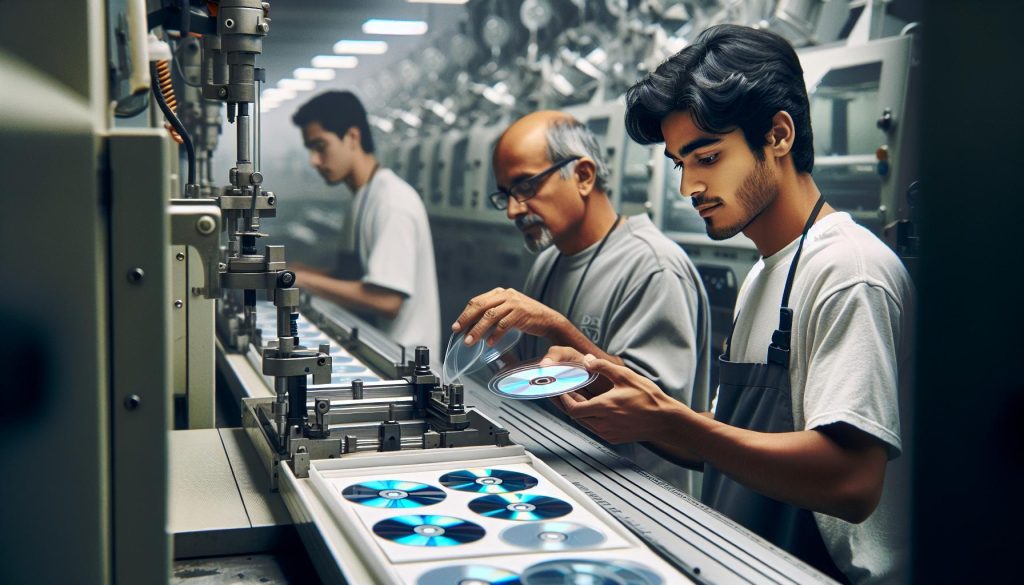
In a world where sustainability and efficiency are paramount, understanding the disc manufacturing process is more relevant than ever. This guide takes you through each stage of production, from raw materials to the final product, highlighting the intricate craftsmanship involved in creating high-quality discs. Whether you’re a recreational player or an aspiring professional, grasping these concepts can enhance your appreciation of the game and inform your choices as a consumer. As disc sports continue to grow, knowing how your favorite discs are made not only satisfies curiosity but also equips you with the knowledge to select the equipment that best suits your playing style. Let’s dive into the fascinating world of disc manufacturing and uncover the secrets behind those vibrant discs flying through the air.
Understanding the Disc Manufacturing Process
is essential for anyone interested in the intricacies of disc production, whether for disc golf or other applications. At its core, the process begins with careful design and engineering to create a disc that not only flies well but also meets the standards of durability and performance expected by consumers. Each phase of manufacturing contributes to the final product, merging art with science.
One of the first crucial steps involves selecting the right materials. Manufacturers typically use high-grade plastics that can withstand a variety of weather conditions, ensuring longevity in outdoor use. The selection of materials significantly influences the disc’s weight, flight characteristics, and feel. Following material selection, the shaping of the disc through molding is essential. In this phase, heated plastic is injected into a mold that defines the disc’s profile, which greatly affects how it handles in the air.
Quality control is another pivotal aspect of the manufacturing process. After the discs are molded, they undergo rigorous testing to ensure that they adhere to the specified weight and structural integrity. This is coupled with performance assessments through dynamic flight tests, where the disc is evaluated on how well it glides, its stability, and its overall maneuverability. The feedback from these tests is crucial, leading to potential adjustments in design or material choices in future runs.
Finally, the application of ink and artwork transforms these functional items into personalized equipment that resonates with players. Printing techniques vary, but modern methods ensure vibrant and durable designs that can withstand the rigors of play. Manufacturers continually innovate in this space, trying to balance aesthetic appeal with functionality.
By understanding these manufacturing intricacies, enthusiasts and players can appreciate the thought and effort that go into crafting the perfect disc, enriching their connection to the sport. This process not only showcases the technical prowess of manufacturers but also aligns with the vibrant community of disc golf, continually pushing the boundaries of what’s possible in disc design and performance.
Essential Steps in Disc Production
Producing a high-quality disc involves a series of meticulously coordinated steps that prioritize functionality, performance, and aesthetics. From initial design to final inspection, each phase of production is crucial in crafting a disc that not only meets recreational needs but also stands up to competitive standards. Understanding this process empowers both players and manufacturers to appreciate the craftsmanship behind each disc.
The journey begins with design, where engineers and artists collaborate to define the disc’s specifications. Factors such as diameter, weight, and rim shape are critical, as they dictate the disc’s aerodynamics and how it will behave during flight. For example, a disc with a wider rim generally offers more stability and distance but can be harder for beginners to throw accurately. Once the design is finalized, it is transferred into production, where material selection plays a foundational role.
High-grade plastics, often chosen for their durability and performance characteristics, are pivotal in ensuring the disc can withstand various weather conditions. The choice of material directly impacts flight attributes; for instance, a softer plastic allows for better grip and comfort but may sacrifice durability over time. Therefore, manufacturers often balance different types of plastic to blend the right feel with long-lasting performance.
Next comes the molding process, where precise engineering meets fiery temperatures. Heated plastic is injected into molds designed to replicate the intended disc profile closely. This stage is where the magic of flight begins; the mold’s contours can enhance lift and reduce drag. After molding, each disc must pass rigorous quality control measures, including weight checks and dynamic flight tests. These assessments are thoughtful evaluations of how well the disc glides, its stability in the air, and its overall maneuverability. Feedback from these tests informs future production runs, allowing manufacturers to refine their designs continually.
With function secured, the focus shifts to aesthetics. Incorporating ink and artwork creates a personal touch for players who value visual appeal. Innovative printing methods ensure that designs are bold and resistant to wear, allowing players to express their individuality without compromising on disc integrity. By understanding these essential steps in production, disc golf enthusiasts can better appreciate the intricacies involved in crafting their favorite discs and connect more intimately with the sport.
In this vibrant community of disc golf, everyone-from casual players to serious competitors-can celebrate the advancements in disc manufacturing that have made the game not just a pastime, but a growing athletic pursuit.
Materials Used in Disc Manufacturing
The materials selected for disc manufacturing significantly influence both the performance and longevity of the discs players use in their games. High-quality plastics are essential, as they must withstand the rigors of outdoor conditions while maintaining a balance between grip, durability, and flight characteristics. Understanding this aspect of disc production not only enriches players’ appreciation for their equipment but also helps them make informed choices when selecting their discs.
One of the most commonly used materials in disc manufacturing is polyethylene (PE), known for its flexibility and shock resistance. This makes it an excellent choice for beginner-friendly discs, which often need to be more forgiving on throws. Another popular plastic type is polypropylene (PP), which is generally harder and offers greater durability. It is frequently used in discs designed for advanced players who demand performance and resilience in various conditions.
Alongside these, many manufacturers have developed proprietary blends that combine different plastics to achieve specific flight paths and handling characteristics. For example, a softer, grippier version of a plastic might be used for putters to enhance control on short throws, while a rigid version is better suited for distance drivers, where speed and stability are vital. Additionally, some discs incorporate rubberized additives to improve grip during throws, particularly in wet conditions.
When it comes to color, the choice of material extends beyond functionality; it also affects the aesthetics of the discs. Brightly colored plastics not only look appealing but can also enhance visibility in various environments, a crucial factor during play. The interplay between material properties, disc design, and intended use highlights the careful thought that goes into producing every disc, allowing players to select equipment that perfectly matches their skill level and playing style.
As you delve deeper into the world of disc golf, consider how the choice of material impacts not just your game’s performance, but also your overall enjoyment of the sport. Selecting the right disc material can significantly influence your throwing mechanics and strategies, whether you’re just starting or are a seasoned competitor. Understanding these materials empowers players to enhance their game while enjoying the community that surrounds disc golf.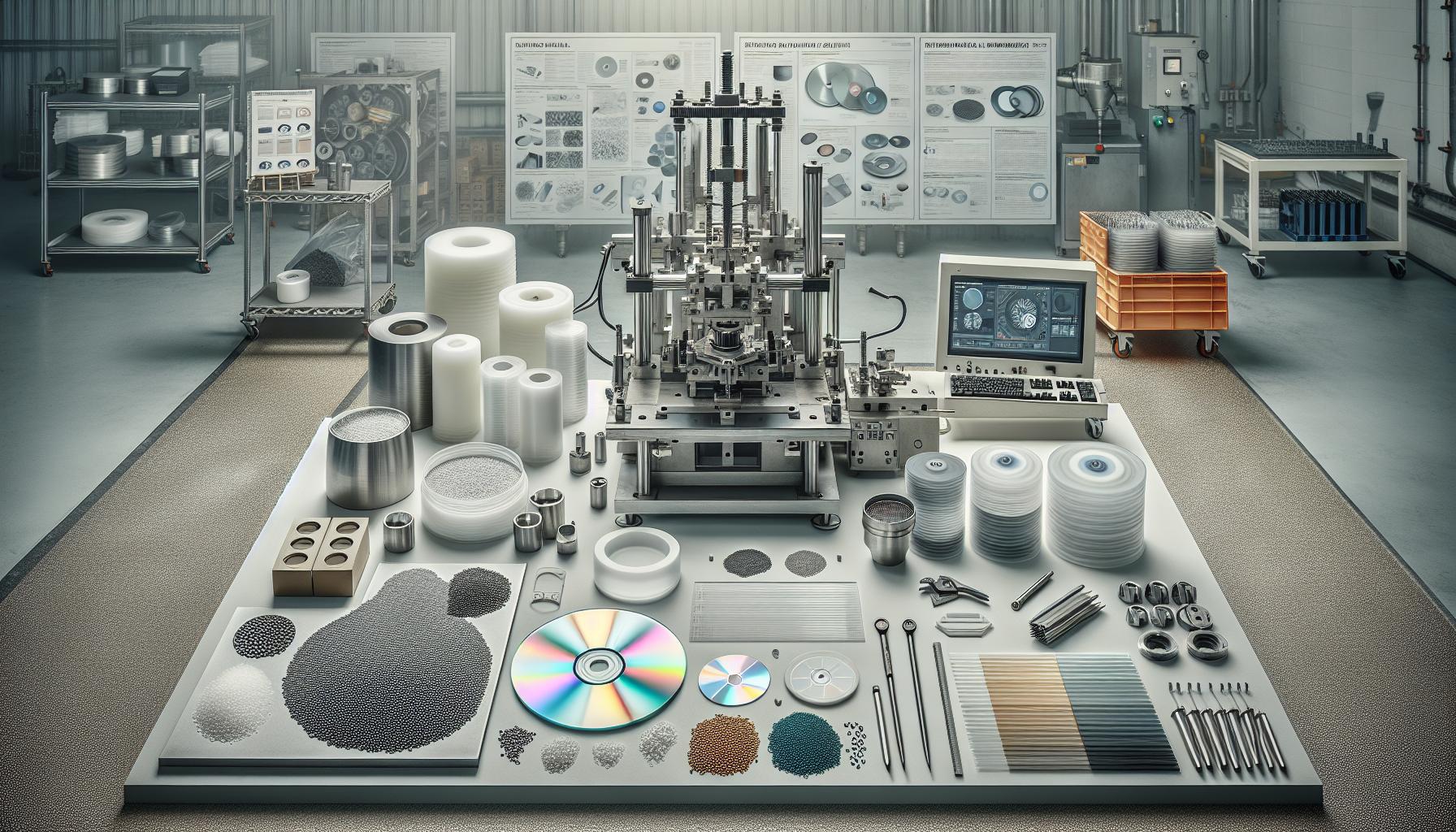
The Role of Molding in Disc Creation
The precision and creativity of molding processes play a pivotal role in crafting high-quality discs that players can rely on. Molding is not just a manufacturing technique; it is the gateway that converts raw materials into finely tuned instruments of play. The efficiency of this process determines the disc’s consistency in performance, flight characteristics, and overall durability.
In disc manufacturing, the most common method of molding is injection molding, where heated plastics are injected into a meticulously designed mold that shapes the disc. This method allows for complex designs and ensures that each disc maintains uniform thickness and balance, which are critical for achieving predictable flight patterns. For instance, the subtle differences in disc shape can drastically affect how it behaves in flight, influencing factors like glide, speed, and stability. A well-molded disc will have a symmetrical design that promotes stability and control, appealing to both beginner players and seasoned competitors alike.
Another innovative molding technique gaining traction is rotational molding, often used for producing larger or more flexible discs. This method allows manufacturers to create discs with a larger size while maintaining ease of handling. It provides greater design versatility, enabling the incorporation of unique flight characteristics by adjusting the disc’s weight and balance through the manufacturing process. Such advancements illustrate the industry’s commitment to fine-tuning equipment that enhances player experiences.
Quality control during the molding process is essential, as it ensures that defects are minimized and each disc meets the high standards expected by players. Regular checks for mold alignment, material consistency, and cooling times help prevent inconsistencies that could adversely affect play. By paying careful attention to these details, manufacturers not only facilitate better performance on the course but also contribute to the growing reputation of disc golf as a serious athletic pursuit.
For both newcomers and seasoned players, understanding the intricacies of the molding process reinforces the appreciation for the equipment used. The knowledge that your disc is the result of a meticulous manufacturing process can elevate your connection to the sport, inspiring confidence in each throw you make. As the community continues to embrace disc golf, advancements in molding technology will likely lead to even greater innovations that enhance gameplay and support the aspirations of every player on the course.
Quality Control Measures for Discs
In the competitive world of disc golf, the quality of a disc can significantly impact a player’s performance. High-quality discs are not merely the result of advanced manufacturing techniques; they also undergo rigorous quality control measures to ensure they meet the exacting standards of players at all levels. Ensuring consistency and performance in every disc produced is paramount, as even minor flaws can affect how a disc flies, rolls, or behaves in various conditions.
One of the fundamental aspects of quality control is the inspection of raw materials. Manufacturers typically conduct tests to verify the consistency and purity of the plastic resin used in production. This material forms the backbone of the disc, influencing both its durability and flight characteristics. Once the molding process begins, meticulous checks for mold alignment and temperature settings are critical. Accurate temperature control during molding helps prevent warping, while precise mold alignment ensures that each disc has uniform thickness across its diameter-both essential factors for predictable flight patterns.
Testing and Evaluation
After the discs are molded, they undergo a series of performance tests. This includes assessing their flexibility, weight distribution, and overall shape. Many manufacturers use advanced testing equipment that simulates real-world conditions, allowing them to measure flight stability, glide, and speed. This data helps engineers make adjustments to the design and materials if needed, fostering a continuous improvement loop. Furthermore, feedback is often gathered from professional players during beta testing phases to validate performance and gather user insights, which serve to enhance future designs.
Lastly, visual inspection plays a crucial role in ensuring aesthetic quality-features such as printing, color application, and overall finish are scrutinized. Any flaws or irregularities are flagged for corrective action. This attention to detail not only enhances the disc’s overall appeal but also builds trust in consumers who expect reliability and performance from their equipment. By emphasizing these quality control measures, manufacturers support the integrity of disc golf as a sport, ensuring that players can rely on their gear in competitive settings, thereby elevating the sport’s reputation as a serious athletic pursuit.
Ink and Artwork Application Techniques
The art of applying ink and artwork to discs is as crucial as the engineering behind the disc’s flight characteristics. In the competitive landscape of disc golf, vibrant graphics not only enhance the aesthetic appeal but also convey a sense of individuality and brand identity. Manufacturers employ various techniques to ensure that the artwork adheres well and withstands the rigors of play, such as the impact from trees, ground contact, and the wear from being carried along in a bag.
One prominent method for applying artwork is screen printing. This traditional technique involves pushing ink through a mesh stencil onto the disc’s surface, allowing for bold colors and intricate designs. The process is favored for its durability, giving players confidence that their discs will look good even after extensive use. Additionally, digital printing has gained ground, leveraging advanced technology to produce high-resolution images. This method offers greater design flexibility, enabling manufacturers to create highly detailed visuals that can include gradients and complex patterns without the limitations of traditional methods.
Moreover, the quality of the ink used is paramount. Manufacturers typically select inks that are UV-resistant and designed to endure the elements, ensuring that designs do not fade when exposed to sunlight or harsh weather. Some players even engage in customizing their discs with decals or stamps, further reflecting their personal style while maintaining performance. This practice not only adds a unique touch but can also personalize the gamer’s connection to their equipment.
The application techniques also extend to finishing processes, which may involve a clear coat or other protective layers. These not only enhance the visual appeal but also provide added durability by protecting the artwork from scuffs and scratches during play. A well-made disc with thoughtful artwork application can boost a player’s confidence, evoking a sense of pride every time they throw it.
In summary, the combination of innovative printing techniques, high-quality materials, and protective finishes plays a vital role in disc production. This dedication to aesthetics and durability reflects the growing respect for disc golf as a legitimate sport, where players not only care about performance but also the personality their equipment conveys on the course.
Testing Disc Flight Characteristics
is a critical phase in the manufacturing process that ensures each disc meets the performance expectations of players, from novices to seasoned professionals. Understanding how a disc will behave when thrown involves an intricate balance of design, materials, and mechanics. This testing process allows manufacturers to refine their products and ensure they deliver on quality and performance every time a player steps onto the course.
To effectively test disc flight characteristics, manufacturers typically follow a methodical approach. This involves evaluating key performance aspects such as speed, glide, turn, and fade-often referred to as the disc’s stability rating. These attributes define how the disc will perform during flight and are integral to a player’s success on the course. For instance:
- Speed: Refers to how fast the disc can travel through the air. Discs designed for greater speed often feature sharper rims and are intended for advanced players.
- Glide: Indicates how well the disc can stay in the air. A disc with high glide is excellent for achieving long-distance throws.
- Turn: Measures the disc’s tendency to veer to the right (for right-handed backhand throws) during its initial flight. This affects the types of shots a player can execute.
- Fade: Describes the sharp left movement the disc makes at the end of its flight, making it essential for crafting reliable finishes on approaches and putts.
The testing scenario usually simulates real-world conditions as closely as possible. Discs are thrown using a controlled throwing machine to eliminate variability from human strength or technique. This automated system allows for consistent measurement of distance, trajectory, and landing patterns. Moreover, conditions such as wind speed and temperature may be modified to gauge the disc’s performance in a variety of environments.
Real-world testing also plays a vital role in refining these flight characteristics, as feedback from amateur and professional players provides invaluable insights. Players often share their experiences with specific molds and plastics, helping manufacturers understand how a disc performs under different throwing styles and conditions. This community engagement fosters a robust feedback loop that enhances product development, ensuring that each disc is tailored to meet the nuanced demands of the disc golf demographic.
Ultimately, the process of epitomizes the commitment to quality that drives the disc golf industry forward. By combining state-of-the-art technology with the wisdom of seasoned players, manufacturers can produce discs that not only perform optimally but also inspire confidence and enjoyment among all players, celebrating the sport in its various forms.
Environmental Considerations in Disc Production
In today’s world, the production of consumer goods is increasingly scrutinized for its environmental impact, and disc manufacturing is no exception. As the popularity of disc sports continues to grow, manufacturers are faced with the essential task of balancing performance with sustainability. From the materials chosen to the energy used in production processes, every step in creating a disc impacts our planet.
A significant consideration in the manufacturing process is the choice of materials. Many companies are now opting for eco-friendly plastics and biodegradable options, which reduce environmental harm while maintaining the performance that players expect. For instance, using recycled plastics not only diverts waste from landfills but can also lower the carbon footprint associated with new material extraction and processing. Further, advancements in material science have paved the way for high-quality discs that are both lightweight and durable, minimizing waste during production.
Energy Consumption and Waste Management
Manufacturers are also examining their energy consumption and waste management practices. Innovative production techniques such as injection molding have been enhanced to be more energy-efficient, reducing the overall impact on the environment. Additionally, many manufacturers are adopting cleaner energy sources, such as solar or wind power, to further lessen their carbon footprint. This proactive approach demonstrates a commitment to sustainability that resonates with environmentally conscious consumers.
To ensure that the entire production cycle is environmentally responsible, many disc manufacturers are implementing recycling programs that encourage users to return old or damaged discs. These programs not only promote a circular economy but also help raise awareness within the disc golf community about the importance of sustainability. Engaging players and fans in these initiatives fosters a shared responsibility for the environment, making each member of the disc golf community an advocate for eco-friendliness.
As the disc industry evolves, the integration of environmental considerations into all aspects of production is becoming a hallmark of responsible manufacturing. By focusing on sustainable practices, disc manufacturers not only protect the sporting environment but also contribute to the well-being of the planet, ensuring that future generations can enjoy the sport as much as we do today.
Innovations in Disc Manufacturing Technology
In the rapidly evolving world of disc manufacturing, technological advancements are driving performance and sustainability to unprecedented levels. One of the most exciting innovations is the development of high-performance plastics that not only enhance durability but also allow for better flight characteristics tailored to various player skills and throwing styles. For instance, certain manufacturers are experimenting with blends of materials that provide an optimal balance of rigidity and flexibility, leading to discs that retain their shape over time while being capable of executing various throws with precision.
- 3D Printing: One groundbreaking technology making waves in the disc manufacturing process is 3D printing. This technique allows for rapid prototyping and testing of disc designs without the extensive resource commitments traditionally associated with manufacturing. Creators can quickly iterate on designs, testing unique shapes and weights that cater to the diverse preferences of players from casual enthusiasts to competitive athletes.
- Advanced Molding Techniques: Innovations in molding processes, including precision injection molding and overmolding, enable manufacturers to create discs that maintain consistent quality and performance. These methods allow for the integration of different materials within a single disc, providing distinct flight paths and stability characteristics that can be fine-tuned to meet specific player demands.
- Smart Technologies: The advent of smart technology in disc golf is also on the horizon. Some companies are developing discs equipped with sensors that track flight patterns, speed, and distance. This data can be invaluable for players aiming to improve their game, offering insights that were previously available only through extensive personal tracking.
As the industry embraces these cutting-edge technologies, the possibilities for customization become nearly limitless. Players can soon expect a new era of discs that are not only tailored to their playing style but also designed with a focus on environmental sustainability. With many manufacturers now using energy-efficient techniques and recyclable materials, the future of disc manufacturing looks bright-both for the sport and the planet. In this way, the fusion of innovation and responsibility is helping to legitimize disc golf as a serious athletic pursuit while celebrating the vibrant community that has emerged around it.
Comparing Different Types of Discs
When stepping into the vibrant world of disc golf, players quickly realize the importance of understanding the different types of discs available. Each disc is engineered with specific flight characteristics, making it crucial for players to choose wisely based on their skill level, playing style, and the courses they frequent. From distance drivers to putters, discs come in various shapes and materials, which influence how they perform in the air, respond to throws, and ultimately aid in achieving that elusive birdie.
Distance drivers are designed for long throws, boasting a streamlined shape and a stiffer rim that allows for maximum speed and glide. These discs typically have a low profile, enabling them to cut through the wind effectively. Conversely, fairway drivers offer a balance between distance and control, making them suitable for more technical shots that require accuracy. Their moderate stability helps beginner and intermediate players navigate through wooded courses or tricky doglegs.
Midrange discs serve as versatile tools in a player’s arsenal. They are designed with a heavier weight distribution and a thicker profile, offering more stability and control during medium-range throws. Players often rely on these discs for approaches to the basket or when navigating tricky obstacles. Finally, putters are ideal for short-range accuracy, featuring a deeper profile and softer plastic, allowing for a smooth release and reliable landing. Understanding which type of disc to use in various scenarios can greatly enhance performance on the course.
Key Comparisons to Consider
- Flight Characteristics: Each type of disc has unique flight patterns. For example, a stable driver will fly straight, while an overstable driver will consistently fade to the left (for right-handed backhand throws) at the end of its flight.
- Material Composition: Discs are made from various plastics, from soft blends that enhance grip to durable options that withstand rigorous play. The choice of material affects the feel and performance of the disc.
- Weight Options: Discs come in different weights, usually ranging from 150 to 175 grams. Lighter discs are easier to throw but can be more affected by wind; heavier discs provide more stability and wind resistance.
By familiarizing themselves with these fundamental differences, players can better equip themselves for success on the course. Whether a newcomer to the sport or a seasoned competitor, selecting the right disc type can make all the difference in mastering throwing techniques and embracing the competitive spirit that makes disc golf both challenging and enjoyable.
The Economics of Disc Manufacturing
The disc manufacturing industry is a fascinating microcosm of economics that reflects broader trends in production, consumer behavior, and market competition. To put it into perspective, the disc golf market has seen explosive growth over recent years, mirroring the rise in recreational activities. This surge has prompted manufacturers to innovate while simultaneously managing costs to remain competitive. In this landscape, understanding the economics behind disc manufacturing can be crucial for players, manufacturers, and retailers alike.
At its core, revolves around a few essential factors: material costs, production efficiency, and market demand. Initially, manufacturers must select appropriate plastics that balance quality with affordability. Different types of plastics, like durable polymers for longevity versus softer blends for grip, significantly impact overall costs. Economies of scale play a crucial role here; larger manufacturers can produce discs more cost-effectively, allowing them to offer competitive pricing while maintaining profitability.
Furthermore, innovation has allowed manufacturers to streamline production processes, reducing waste and increasing speed. Automation in molding and quality control not only enhances precision but also optimizes labor costs. This shift toward efficient practices can lead to lower retail prices, making sport more accessible to a broader audience and fostering the growth of the disc golf community. As the player base expands, so too does the incentive for manufacturers to invest in research and development, tapping into the latest technologies to create better-performing discs.
The economics doesn’t just end at production; market dynamics also dictate pricing strategies. Seasonal trends, promotions, and the emergence of new players in the game can influence supply and demand. Manufacturers must remain agile, adjusting to the competitive landscape while also considering environmental factors, such as sustainable sourcing of materials and eco-friendly manufacturing processes.
By grasping the underlying economic principles of disc manufacturing, enthusiasts can appreciate the complexities of the industry that fuels their passion. Whether you’re a player analyzing the cost-performance ratio of your discs or a manufacturer striving for market leadership, understanding these economic factors is essential for navigating the vibrant world of disc golf.
Future Trends in the Disc Industry
The disc golf industry is on the cusp of transformation as it responds to technological advancements and evolving player preferences. As a sport that thrives on community and competition, the future of disc manufacturing is not just about creating better discs; it’s about enhancing the entire disc golf experience. Innovative material science and sustainable practices are emerging trends that promise to redefine how discs are produced and utilized, making them more accessible and environmentally friendly.
Among the most exciting developments is the introduction of biodegradable plastics in disc manufacturing. These materials aim to reduce landfill contributions while maintaining performance standards. Many manufacturers are experimenting with these eco-friendly alternatives, which could appeal to environmentally conscious consumers. The shift towards sustainability is not solely about materials; companies are also re-evaluating their entire supply chain, focusing on reducing energy consumption and waste during the production process. This commitment to sustainability could become a crucial selling point, attracting a new generation of players who prioritize eco-responsibility.
Another game-changing trend is the integration of smart technology in disc design. As digital technology permeates more aspects of our lives, smart discs equipped with tracking sensors and performance analytics are becoming a reality. These discs can provide players with real-time feedback on their throws, helping them improve their techniques and understand their game better. Imagine being able to analyze your throw distance, spin rate, and even flight path through a companion app. This data-driven approach could not only enhance skill development but also foster a deeper connection among players through shared experiences and challenges.
In addition to technological and environmental innovations, the market is also witnessing an increase in collaborative designs and customizable options. Players are now seeking unique experiences and personal connections to their equipment. Manufacturers are responding by allowing for more customization, including personalized designs and weight adjustments tailored to individual throwing styles. This trend not only empowers players but also encourages deeper engagement with the sport, making it feel more personal and significant.
As these trends continue to evolve, the future of disc manufacturing holds promising potential that could redefine not only the products but the very nature of disc golf as a sport. By embracing innovation and sustainability, manufacturers can strengthen their market positions while fostering a more inclusive and exciting disc golf community. Whether you’re a player, a manufacturer, or simply an enthusiast, keeping an eye on these developments will be crucial as the sport continues to grow and transform.
Frequently Asked Questions
Q: What materials are commonly used in disc manufacturing?
A: Discs are typically made from *plastic resins*, such as polyethylene and polypropylene. These materials provide durability and flexibility, essential for performance. Understanding the *properties of these materials* can help in selecting the right disc for specific uses, enhancing the overall manufacturing process.
Q: How does the molding process affect disc quality?
A: The molding process is crucial; it defines the *shape and weight distribution* of the disc. Variations in temperature and pressure during molding can lead to defects. Maintaining strict control over these parameters ensures a *consistent and high-quality product*, vital for user satisfaction.
Q: What role does quality control play in disc production?
A: Quality control is essential at every disc manufacturing stage. It involves testing for *defects, weight conformity*, and flight characteristics. By implementing rigorous quality checks, manufacturers can ensure the discs meet performance standards and customer expectations.
Q: How do ink and artwork application techniques impact the disc’s durability?
A: The techniques used for ink and artwork application can influence the *longevity and wear resistance* of a disc. Utilizing high-quality inks and advanced printing methods, such as *UV printing*, can enhance durability and maintain vibrant colors through extensive use.
Q: What are the environmental considerations in disc production?
A: Environmental considerations include minimizing waste and using *eco-friendly materials*. Manufacturers are increasingly adopting sustainable practices, such as recycling plastic waste and using biodegradable resins, to reduce *their environmental footprint* and appeal to environmentally conscious consumers.
Q: What testing is performed on discs to evaluate flight characteristics?
A: Testing involves analyzing *spin, glide, and stability* under various conditions. Discs undergo rigorous *simulated flights* to measure performance metrics crucial for ensuring that they meet both manufacturer specifications and user needs.
Q: What innovations are changing the disc manufacturing industry?
A: Innovations like *3D printing and advanced polymers* are reshaping disc production. These technologies allow for more intricate designs and customizations, enhancing performance. Staying updated on these innovations can position manufacturers ahead in a constantly evolving market.
Q: How do different types of discs compare in terms of performance?
A: The performance of various disc types-such as *drivers, midranges, and putters*-varies based on design and intended use. Understanding these differences is crucial for manufacturers aiming to meet specific player preferences and optimize their disc offerings tailored to different styles of play.
Key Takeaways
Thank you for diving into our guide on “Disc Manufacturing: Complete Production Process.” We’ve covered essential insights that set the foundation for understanding how quality discs are crafted. As you explore your next steps in the world of disc golf, consider checking out our detailed articles on throwing mechanics and disc flight characteristics to enhance your skills on the course.
Don’t miss out on the latest trends in equipment specifications-sign up for our newsletter to stay updated and access exclusive resources that empower your game. Whether you’re just starting or looking to sharpen your competitive edge, there’s always more to learn. Share your thoughts below and let us know how your disc golf journey is progressing; we value your input and love to hear from fellow enthusiasts! Your adventure in disc golf starts now-explore our related content to keep the momentum going!
Get our latest guides, news, and insights highlighted in your Google Search & AI Overviews.