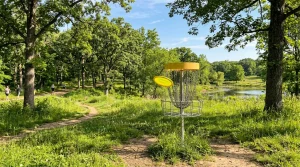
Did you know that the right disc can make or break a young player’s enjoyment of disc golf? Choosing age-appropriate discs tailored to their developing skills is crucial for fostering confidence and success on the course. Understanding flight distances and disc characteristics empowers parents and guardians to select the perfect equipment for their children, ensuring they experience the thrill of throwing effectively while developing their technique. In this article, we explore how to match youth discs with appropriate flight distances, considering factors like age, skill level, and physical ability. By guiding young players through their early disc golf experiences, we not only enhance their enjoyment of the sport but also lay a strong foundation for future growth and improvement. Join us as we delve into the vibrant world of youth discs and discover how the right choices can ignite a lifelong passion for disc golf!
Youth Disc Golf Basics: Understanding Flight Distances

Understanding how flight distances vary for youth discs is crucial for developing young players’ skills and enjoyment of the game. The design of discs for younger players often involves lighter weights and smaller rim sizes, allowing them to achieve optimal distances with less physical strength. By choosing age-appropriate discs, young players can gain confidence as they learn to control their throws and improve their technique without the frustration of using adult-sized equipment that may be too challenging.
When it comes to disc flight characteristics, several key factors influence how a disc will behave once thrown. These include the disc’s weight, rim width, and stability. Generally, lighter discs-those typically weighing between 150-170 grams-provide better distance for younger players, as they can throw them with less effort. It’s also beneficial to focus on discs that have a lower speed rating, as these can help with accuracy and are more forgiving for developing arm mechanics.
A compelling way to illustrate flight distances is to categorize common youth discs based on their flight ratings. For example, Innova’s Leopard (maximum distance of around 250-300 feet for beginners) may be an excellent choice for players just starting, whereas something like the Discraft Buzzz, known for its versatility, appeals to young players progressing to intermediate skills. Understanding these specifications helps coaches and parents identify which discs will promote not only enjoyment but also advancement in skills.
Ultimately, as young players gain experience, they can gradually transition to heavier and more stable discs, fine-tuning their technique and expanding their capabilities. Regular practice with the correct equipment will ensure that their learning curve remains steep, keeping them engaged and eager to develop further in this emerging sport.
Choosing the Right Discs for Young Players

Choosing the right disc is critical for young players not only to enhance their skills but also to cultivate a love for the sport. Youth discs are typically lighter and designed with specific flight characteristics that make them ideal for players who are still developing their strength and techniques. For instance, a disc weighing between 150 to 170 grams can be perfect for younger players, offering them the opportunity to throw further with relative ease, as they can achieve optimal distances without needing excessive physical power.
When selecting discs, it’s essential to consider the disc’s flight ratings, which are categorized into speed, glide, turn, and fade. Lower speed discs, with ratings typically under 7, are often more manageable for kids and provide an excellent platform for learning proper throwing mechanics. Discs like the Innova Leopard and Discraft Buzzz are outstanding examples. The Leopard’s user-friendly design, reaching maximum distances of around 250-300 feet for beginners, encourages consistent practice and skill reinforcement. In contrast, the Buzzz adds versatility and is suitable for advancing players wanting to develop more complex throwing techniques.
As young players progress, transitioning to heavier and more stable discs can further refine their abilities, enabling them to explore a broader range of throws and strategies. For example, introducing a mid-range disc, such as a Dynamic Discs Truth, can help players understand how different weights and stability ratings affect flight paths. Recognizing these key features not only aids in improving their game but also enhances their enjoyment and engagement with disc golf.
Ultimately, choosing the right disc does more than just support youth players’ technical skills; it empowers them to feel confident on the course. Regular exposure to appropriate equipment fosters a positive learning environment where players can thrive, build camaraderie, and develop a lifelong passion for disc golf. By ensuring that the discs align with the players’ abilities, coaches and parents can help them navigate their journey in this exciting and growing sport.
Mastering Throwing Techniques for All Ages
Young athletes in disc golf often find that mastering throwing techniques is the key to unlocking their potential on the course. Much like any other sport, effective throwing mechanics can significantly impact performance, allowing players to achieve longer distances and more accurate throws. Early introduction to the fundamentals of proper throwing techniques not only enhances skill but also instills a love for the game that can last a lifetime.
To begin, it’s essential to focus on the grip. Young players should hold the disc firmly without overexerting, using the thumb on top and the index finger inserted in the inner rim to provide stability. The placement of the other fingers can vary based on comfort, but ensuring that they provide support without cramping the throw is crucial. Practice drills that emphasize grip, such as stationary throws that focus solely on wrist snaps and follow-throughs, can markedly improve technique.
Once grip is mastered, attention should shift to stance and weight transfer. Encourage athletes to adopt a balanced stance, with feet shoulder-width apart and knees slightly bent. As they prepare to throw, players should practice shifting their weight from the back foot to the front foot, which adds power to their throws. Teaching a smooth, rotational motion through the hips and shoulders helps young players generate more force without straining their arms, promoting longevity in their playing careers.
For more advanced players, incorporating the concept of “snap” can dramatically increase distance. This refers to the last moment of the throw when wrist flicks propel the disc faster off their fingertips. Practicing with lighter discs allows for a more forgiving approach as they hone this technique. Here’s a simple breakdown of throwing mechanics:
- Setup: Position feet and body for a solid base.
- Grip: Firm yet relaxed grip for control without tension.
- Weight Transfer: Shift weight smoothly during the throw.
- Release: Focus on timing, ensuring the flick occurs at the optimal moment.
Encouraging young players to practice these techniques consistently can lead to significant improvements in their throw distances. It’s beneficial to record practice sessions occasionally to visualize progress, allowing players to adjust their form effectively over time. With patience and persistence, young disc golfers can master their throwing skills, enhancing both their competition readiness and enjoyment of the sport.
Analyzing Flight Characteristics: Speed, Glide, and Turn
When discussing the dynamics of disc flight, understanding the key characteristics of speed, glide, and turn is fundamental to optimizing performance, especially for young players whose skills are still developing. Speed measures how fast a disc travels when released; glide indicates how long a disc stays in the air after being thrown, and turn describes the disc’s tendency to veer to the right (or left for left-hand backhand throwers) when thrown with power. These factors significantly affect how far a disc can travel and how it navigates the course’s challenges.
Discs designed for youth often feature varying levels of these attributes to match their ability to generate power. For beginners, discs with lower speed ratings (around 8-10) can enhance control and accuracy. As they become more experienced and their throwing power increases, players can transition to discs with higher speed (11-14). It’s essential to match the disc’s speed to the player’s throw; too fast a disc can lead to poor flight paths and a frustrated experience.
Glide is equally crucial for young players. Discs with a higher glide rating (typically 5 or higher) allow younger athletes to achieve maximum distance without requiring significant power. This aspect is particularly beneficial for children, as it allows them to enjoy greater success during throws while focusing on mastering their technique rather than exhausting themselves with heavy throws. A well-balanced glide helps maintain steady flight, making it easier for young players to gain confidence.
Turn ratings also play a vital role. Discs that are overstable (with a negative turn rating) will hold their line and resist turning to the right, making them favorable for players with less arm strength. In contrast, stable or understable discs (with a more neutral or positive turn rating) can be beneficial for developing throw shape and technique, particularly for achieving anhyzers or turnovers. Young players should be encouraged to experiment with discs that have different turn ratings to discover how it influences their throwing mechanics and distance.
Incorporating these elements into a young player’s training can enhance their understanding of disc flight dynamics. Consider providing a simple chart that illustrates the flight characteristics of different discs to help players choose the right ones based on their current skill level. As players practice, they will gain an appreciation for how subtly adjusting their throw can manipulate these flight characteristics, leading to improved results on the course. Ultimately, fostering this understanding not only boosts performance but also deepens their engagement with the sport, ensuring a solid foundation for lifelong enjoyment in disc golf.
Tailoring Training Programs for Youth Disc Golf
Creating effective training programs for young disc golfers involves understanding their unique needs and abilities. The goal is to foster a fun, engaging environment that enhances their skills while promoting a love for the game. With the proper guidance, young athletes can develop not only their throwing techniques but also their strategic thinking on the course.
Start by laying the groundwork with fundamental throwing techniques. Focus on the grip, stance, and follow-through, as these elements are critical for maximizing distance and accuracy. Use drills that break down the mechanics into manageable parts. For instance, a simple progression could involve:
- Grip Exercises: Teach the correct grip by practicing with weights or small frisbees.
- Stance Training: Use markers on the ground to ensure proper foot placement and balance.
- Follow-through Drills: Have players practice their follow-through without throwing to build muscle memory.
Encourage consistency by incorporating these practices into regular sessions. Young players thrive in structured routines, so consider setting aside time each week for focus on specific skills.
In addition to skill development, it’s important to tailor course strategies to youthful competitors. Young players often benefit from learning how to read a course effectively. This can include identifying obstacles, understanding wind conditions, and calculating shot distances. Challenge them to create scorecards with yardages to different baskets, or to visualize different flight paths for their discs. This not only deepens their understanding but also builds critical thinking skills.
Finally, foster a sense of community and competition. Organize friendly tournaments and team challenges where players can put their skills to the test in a supportive environment. This exposure helps them learn valuable lessons about sportsmanship and resilience while establishing bonds with fellow players.
In summary, effective training programs for youth disc golf should combine skill-building with strategic course play and community engagement. This balanced approach ensures that young players not only enhance their technique but also develop a lifelong passion for the sport.
Creating Age-Suitable Course Strategies
Creating course strategies that resonate with young players can shape their love for disc golf while enhancing their skills. Understanding the unique needs of younger athletes allows for tailored approaches that not only drive engagement but also promote effective learning. By focusing on shorter distances and manageable challenges, you can help these budding disc golfers build confidence as they navigate the course.
To start, consider placing baskets at shorter distances that align with the throwing capabilities of young players. For instance, if a player can throw a putter between 50 to 100 feet, positioning baskets within this range allows for more successful attempts and immediate gratification. Using course maps and simple scorecards can also encourage kids to track their progress, promoting a sense of accomplishment with each throw. Involve them in assessing which holes they find easier or harder and guide them on how to adjust their throws based on the course layout.
Weather conditions can significantly affect disc performance, so it’s helpful for young players to learn how to adapt to these factors. Create exercises that emphasize understanding wind directions and how they impact disc flight. For instance, practice throwing under various conditions, discussing how to adjust their grip and stance for better control. These lessons not only improve their strategic thinking but also enhance their resilience on the course, nurturing a strong mental game.
Ultimately, fostering an environment where young players can creatively strategize their approach to the course promotes critical thinking and decision-making skills. Encourage group discussions about potential strategies after a round, allowing kids to voice their thoughts on what worked and what didn’t. This collaborative experience can transform their understanding of the game and build lasting friendships within the sport. The joy of discovering personal strengths while overcoming obstacles on the course is what makes youth disc golf a truly rewarding experience.
Safety Considerations for Young Disc Golfers
When introducing young players to disc golf, prioritizing safety is paramount. This inclusive sport, while fun and engaging, presents certain risks that instructors and caregivers must actively mitigate to create a safe, enjoyable environment. Proper education and awareness can significantly reduce accidents on the course, allowing youth athletes to focus on improving their skills and enjoying the game.
One of the first steps in ensuring safety is selecting the right equipment. Lightweight discs specifically designed for young players can dramatically improve their throwing techniques without causing strain or injury. Using discs that are appropriately sized and weighted for their age and ability not only enhances their performance but also minimizes the risk of fatigue-related mishaps. For example, discs made with softer materials can also help prevent injuries during play. It’s essential to educate young players about the importance of using the right discs, especially during practice sessions or tournaments.
Supervision and group dynamics play a crucial role in promoting safety on the course. Young players should always have adult supervision when out on the course, particularly while practicing throws or navigating busy areas. Teaching kids to be aware of their surroundings, especially when preparing to throw, can help prevent accidents. Coaches can implement strategies such as designated throwing areas or specific times for throwing to maintain a safe practice environment, reducing the chances of hitting other players or passersby.
Finally, instilling good safety habits from the onset can shape a culture of responsibility among young players. Encouraging them to check that the area is clear before they throw, and to verbally communicate their intent to other players, fosters teamwork and awareness. Incorporating games and drills that emphasize safety can also make learning about these practices engaging and fun. By making safety a shared priority, children can develop a strong sense of camaraderie while learning essential life skills that extend beyond the disc golf course.
Ultimately, fostering a safety-first mindset not only protects young athletes but also enriches their overall disc golf experience, ensuring that they can focus on growth, camaraderie, and the joy of the game.
Inspiring Stories: Youth Athletes in Disc Golf
In the world of disc golf, stories of young athletes pushing the boundaries of their abilities are both inspiring and motivating. Take, for instance, the story of a ten-year-old prodigy named Mia, who began her journey with a lightweight disc designed specifically for kids-an essential factor in ensuring age-appropriate flight distances. Mia’s first experience on the course was filled with trials and triumphs, where she learned how crucial it was to select discs that matched her strength and skill level. Using a disc that floated with ease, she quickly grasped the fundamentals of throwing techniques, allowing her to develop confidence and, ultimately, a passion for the game.
Building a Foundation for Success
The journey of young players isn’t just about competition; it’s also about community and support. Mia, like many youth athletes, joined a local disc golf club where she found friends who shared her interests and goals. Through regular practice sessions and coaching, she learned how to analyze flight characteristics such as speed, glide, and turn. These sessions proved invaluable when she participated in her first tournament-a supportive environment filled with experienced players who encouraged her every step of the way. Understanding the importance of age-appropriate flight distances allowed her to select the right discs for varying conditions, which was critical for her performance on the course.
The Impact of Supportive Networks
Stories like Mia’s highlight the transformative power of youth disc golf programs and parental involvement. Her parents, understanding the importance of nurturing her talent, supported her by attending practices, cheering her on during tournaments, and even organizing neighborhood leagues. They believed in the potential of disc golf not just as a sport, but as a means to teach her resilience, sportsmanship, and strategic thinking. Mia’s dedication paid off when she clinched first place in her age group-a moment that solidified her love for the sport and provided a launching pad for future competitions.
As more youth athletes embrace disc golf, it’s essential to share such inspiring narratives to foster a sense of belonging and community. Each story serves as a reminder that youth sports like disc golf can create profound, lasting impacts-not only on individual players but on their families and communities as well.
| Attribute | Mia’s Experience | Tips for Young Players |
|---|---|---|
| Disc Selection | Used lightweight discs for better control | Choose age-appropriate, lightweight discs |
| Community Involvement | Joined a local disc golf club | Engage with local players and clubs |
| Coaching | Received mentorship from experienced players | Seek guidance from coaches or seasoned players |
| Parental Support | Parents actively participated in her journey | Encourage family involvement in practices and tournaments |
Celebrating the achievements and hard work of young athletes like Mia helps to legitimize disc golf as an athletic pursuit while inspiring the next generation to embrace the sport. As more youth discover the joy of disc golf, the community grows stronger, ensuring a bright future for this vibrant sport.
Navigating Competitive Tournaments for Kids
Participating in competitive disc golf tournaments can be an exhilarating experience for young players, fostering skills, sportsmanship, and a sense of community. Understanding the nuances of these events-from preparation to performance-can make all the difference in a child’s tournament experience, ensuring it’s not just about winning but also about growth and enjoyment. Parents and coaches play a crucial role in guiding young athletes through this journey.
Preparing for a tournament begins well before the event itself. Players should familiarize themselves with the course layout, allowing them to devise strategies based on flight characteristics of the discs they will use. Course maps are often available online, and practicing at the venue, if possible, gives young players a competitive edge. Additionally, focusing on age-appropriate flight distances is essential. This means selecting discs that correspond to their strength and skill level, promoting not just better performance but also instilling confidence in their abilities.
During the tournament, maintaining a positive mindset is key. Young players can benefit from strategies such as visualizing their shots positively or setting small, achievable goals for each hole. Parents and coaches should emphasize the importance of sportsmanship, highlighting that supporting fellow competitors fosters a friendly atmosphere while reinforcing resilience. Young athletes should be reminded to manage their expectations; learning from each round-whether they win or lose-contributes significantly to their development.
Tips for Navigating Tournaments
- Disc Preparation: Choose lighter, age-appropriate discs that allow for maximum control. Practice with these discs regularly to become familiar with their flight behaviors.
- Course Strategy: Understand the terrain of the course. Recognize which holes are best suited for certain types of shots and practice these scenarios in advance.
- Routine and Warm-Up: Establish a consistent pre-tournament routine that includes physical warm-ups and mental focus exercises to enhance performance.
- Support System: Encourage family and friends to attend, creating a supportive environment that boosts morale during the competition.
- Post-Tournament Reflection: After the event, engage in a discussion about what went well and areas for improvement. This reflection helps in recognizing growth and setting future goals.
Emphasizing these aspects of tournament preparation helps not only in personal development but also in strengthening the bonds within the disc golf community as kids support each other through shared experiences and learning opportunities. As more youth engage with disc golf through competitive play, a culture of respect, encouragement, and skill development is fostered, paving the way for the sport’s bright future.
Evaluating Equipment: Budget-Friendly Options
When exploring disc golf as a youth athlete, understanding the variety of available equipment while keeping a budget in mind is essential. Many parents find the quest for suitable discs both exciting and overwhelming, especially with the vast array of choices designed for young players. However, quality does not always equate to high prices. In fact, several manufacturers offer excellent options tailored specifically for kids, focusing on lighter weights and optimized flight characteristics. These discs not only empower young players but also make the learning process enjoyable and encouraging.
Firstly, when selecting affordable discs, consider starting with a complete beginner set. Many brands offer value packs that include multiple discs-typically a driver, mid-range, and putter-all designed with age-appropriate weights, generally ranging from 130 to 160 grams. This weight range is easier for younger players to throw effectively, allowing them to practice their form without feeling overwhelmed by heavier options. Companies like Innova and Dynamic Discs produce entry-level products that can be found at reasonable prices, often under $30 for a set, providing a cost-effective way to expand a child’s disc collection.
Additionally, exploring second-hand markets can unveil surprising treasures. Online platforms and local disc golf communities often sell gently used discs at a fraction of the retail price. This option not only promotes sustainability but also provides young players with the opportunity to try out different styles and brands without a hefty investment. However, when purchasing used equipment, it’s crucial for parents to check the condition of the discs-look for any significant wear or damage that could impact performance.
Ultimately, it’s important to educate young players about disc characteristics, such as speed and glide, ensuring they understand how these factors affect their throws. By investing in budget-friendly, age-appropriate discs, parents can foster an engaging and supportive introduction to disc golf, helping their children develop both skill and confidence on the course. This approach not only makes the sport accessible but also strengthens the sense of community, allowing families to participate in the vibrant culture surrounding youth disc golf.
Building a Disc Golf Community for Youth
Creating a vibrant community around youth disc golf is not only beneficial for developing skills and athleticism in young players but also enhances the overall enjoyment of the sport. Kids engaging in disc golf develop friendships, learn sportsmanship, and discover teamwork, all while enjoying the competitive and recreational aspects of the game. To foster a flourishing community, it’s essential to encourage inclusivity and provide welcoming environments where every young player feels valued and motivated to participate.
One effective strategy to build a community is to host regular local events such as clinics, leagues, or casual play days specifically designed for youth players. These events can include skill-building sessions focused on age-appropriate flight distances, such as how to select discs that match their abilities and learning proper throwing techniques. In partnership with local disc golf clubs and schools, coordinators can introduce fun competitions that emphasize enjoyment over rigorous competition, helping kids to build confidence and friendships with peers. Highlighting stories of young athletes who’ve excelled in these environments can inspire others to join and engage in the sport.
Additionally, leveraging social media and online forums can extend the reach of community-building efforts. Parents and coaches can create groups where experiences, tips, and resources are shared. By providing educational content such as videos demonstrating throwing mechanics and disc flight characteristics, families can deepen their understanding and appreciation of the game. Organizing group outings to local courses or nearby tournaments not only bolsters skills through practice but also entices youth players to experience the excitement of broader disc golf culture.
Creating age-appropriate environments and fostering a sense of belonging lays the groundwork for a healthy and enthusiastic youth disc golf community. As young players learn to navigate the sport together, they become empowered, confident, and lifelong enthusiasts who can appreciate its challenges and triumphs, shaping the future of disc golf for years to come.
Resources for Parents: Supporting Young Players
Engaging young players in disc golf can be both exciting and rewarding, and parents play a crucial role in fostering their children’s interest in the sport. Understanding the right equipment and techniques can significantly enhance the experience for both kids and their guardians. A key element to encourage their growth and enjoyment is to provide resources and support tailored to their age and skill level.
To assist in this journey, here are a few straightforward strategies to empower young players:
- Choose the Right Disc: Lightweight discs specifically designed for youth or beginners can make a significant difference. These discs typically have smaller rims and less weight, which helps young players achieve better throws with less effort. Brands such as Innova offer excellent options in this category, catering to various ages and abilities.
- Focus on Fundamentals: Teaching the basic mechanics of throwing and emphasizing proper form can set a strong foundation for skill development. Breaking down the throwing motion into simple steps can help kids grasp the mechanics without feeling overwhelmed.
- Practice in a Fun Environment: Creating a relaxed and enjoyable atmosphere encourages consistent practice. Setting up mini-challenges or fun games during practice sessions can keep young players engaged and motivated.
- Encourage Participation: Involvement in local disc golf events or leagues can enhance their sense of community and competition. Parents can facilitate this by connecting with local disc golf clubs that offer youth programs or clinics.
Parents can also seek out online resources that provide educational material about disc flight characteristics and age-appropriate playing strategies. Websites and forums dedicated to disc golf often have sections specifically for youth players, where parents can access tips on everything from selecting the right equipment to understanding flight patterns. For example, understanding how speed, glide, and turn affect a disc’s trajectory can help both parents and kids make informed choices when selecting discs.
In supporting young players, it’s important to recognize their progress and celebrate small victories. Encouragement and affirmation not only boost their confidence but also deepen their commitment to the sport. Whether it’s through sharing stories of local youth athletes who have found joy and success in disc golf or providing consistent support during practice and competitions, parents play an indispensable role in nurturing the next generation of disc golfers.
FAQ
Q: At what age can children start using youth discs for disc golf?
A: Children can typically start using youth discs as young as five years old. These lightweight discs are designed for easier handling and provide a better introduction to the sport. For optimal learning, consider structuring practices around fun and engaging activities to maintain interest.
Q: What are the benefits of using age-appropriate discs for kids?
A: Using age-appropriate discs helps improve a child’s throwing technique and confidence. Lighter discs facilitate better distance and accuracy, enabling young players to enjoy the game more. Additionally, using discs specifically designed for youth reduces frustration and promotes longer, more enjoyable play sessions.
Q: How far should kids throw with youth discs based on their age?
A: Flight distances vary by age and skill level, but generally, younger players (5-7 years) can throw 15-50 feet, while older kids (8-12 years) may reach 50-100 feet. It’s essential to focus on technique and not just distance to encourage a positive learning experience.
Q: Can youth discs help with developing proper throwing mechanics?
A: Yes, youth discs are designed to support the development of proper throwing mechanics. Their lighter weight enables young players to practice form and technique without overexerting themselves. Regular practice with these discs can lead to significant improvements in their skills over time.
Q: What type of disc should I choose for my child’s first disc golf experience?
A: For a child’s first disc golf experience, choose a lightweight and easy-to-throw disc, ideally around 150 grams. Discs like those from Innova’s beginner line are perfect due to their smaller rims and manageable weight, allowing for effective and enjoyable learning sessions [1].
Q: How can parents support their kids in learning disc golf?
A: Parents can support their kids by practicing together, encouraging participation in youth disc golf programs or local clubs, and providing equipment that suits their child’s skill level. Learning through play and creating a fun environment can nurture a lifelong interest in the sport [2].
Q: Are there specific safety tips for young disc golfers regarding equipment?
A: Yes, ensure that kids use age-appropriate discs to minimize the risk of injury and promote safe play. Additionally, supervise young players, especially in busy areas, and teach them to play in zones where they won’t disturb others. This creates a safer and more enjoyable experience for everyone involved.
Q: How do flight characteristics of youth discs impact their performance?
A: The flight characteristics of youth discs, such as speed, glide, and turn, directly impact performance. Lighter discs usually feature greater glide and controlled turn, enabling younger players to achieve better distance and accuracy without straining. Understanding these attributes helps improve their overall game performance.
In Retrospect
As you explore the exciting world of youth discs and age-appropriate flight distances, remember that choosing the right equipment can significantly enhance young players’ skills and confidence. Equip your aspiring athletes with discs designed for their age and strength, which in turn will ensure a more enjoyable and successful experience on the field. Don’t wait-check out our exclusive selection of youth discs and unlock discounts for bulk purchases today!
Looking for more tips? Dive into our guides on throwing techniques and disc flight characteristics, or explore competitive strategies to elevate your game. Join our community by signing up for our newsletter, where you’ll find ongoing support and updates on the latest in youth ultimate training. Your journey into the thrilling sport of disc golf is just beginning-let’s grow together! Share your thoughts or questions in the comments below; we’d love to hear your experiences!
Get our latest guides, news, and insights highlighted in your Google Search & AI Overviews.