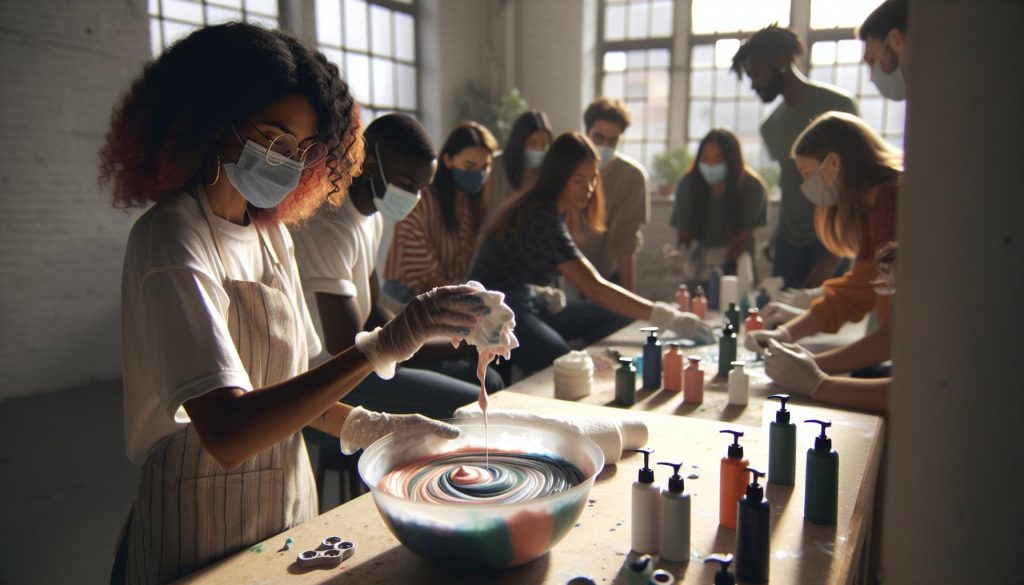
Did you know that personalizing your disc golf disc can enhance not only its aesthetic appeal but also give you a unique edge on the course? Dyeing your discs with shaving cream is a fun and creative method that allows you to express your style while potentially improving grip and visibility. If you’re looking to stand out and have fun while doing it, this project offers you the chance to dive into a colorful realm of expression. Whether you’re a seasoned pro or a newcomer to disc golf, mastering this technique can also serve as a great conversation starter and a testament to your artistic flair. Join us as we explore this easy-to-follow guide on dyeing discs with shaving cream, transforming them from standard flights into personalized pieces of art that reflect your individuality and enhance your game. Let’s get started on this vibrant journey!
Understanding the Basics of Dyeing Discs
To dive into the art of dyeing discs, it’s essential to grasp the fundamental principles that guide this creative process. Dyeing discs isn’t just about adding color; it’s an opportunity to personalize your gear, showcasing your style on the course while also exploring your artistic side. The materials of the discs, the types of dye used, and the methods applied can all significantly affect the final result. Understanding these elements is key to achieving vibrant, lasting colors.
One important factor to consider is the disc material. Most discs are made from durable plastics, which can accept dye differently based on their composition. For instance, softer plastics often absorb dye more readily than stiffer variants. This understanding helps in selecting the right disc for your dyeing project. Additionally, exploring the various types of dyes is crucial-Rit dye, for example, is a popular choice as it’s easy to find and can create stunning results when paired with the shaving cream method.
Moreover, familiarizing yourself with the different techniques will further enhance your results. The shaving cream method, for instance, leverages contrasting colors and creates unique swirls and patterns that make each disc one-of-a-kind. For those looking to achieve specific designs or color gradients, knowing the basic principles of color theory can also be advantageous. By grasping how colors interact-such as complementary versus analogous hues-you can design discs that not only stand out aesthetically but also reflect your personality.
In essence, approaching the dyeing of discs with a well-rounded understanding of these foundational aspects empowers not only creativity but also ensures that you can confidently experiment with your disc dyeing projects. Whether you’re a seasoned disc golfer or a newcomer excited to add flair to your collection, embracing the basics will elevate your experience and satisfaction in the hobby.
Essential Supplies for Dyeing Discs
To transform your plain discs into vibrant, eye-catching designs, having the right supplies is crucial. Whether you are a seasoned crafter or new to the art of dyeing, assembling a comprehensive toolkit will not only streamline your process but also enhance the overall quality of your finished products. The shaving cream method, in particular, offers an exciting approach to creating stunning patterns and swirls with relative ease when equipped with the proper materials.
Start with the basics, including discs made of suitable plastic-ideally ones that are soft enough to absorb dye well, such as those manufactured by Dynamic Discs or Innova. You will also need shaving cream, which acts as a medium for dye application and pattern creation. Any generic brand will work, but opt for those that are thick and creamy to hold the dye in place effectively. Next, gather your fabric dyes; popular choices like RIT or Tulip fabric dye are widely available and provide excellent color saturation.
You’ll also require a few additional items to ensure a smooth dyeing experience. A squeegee or spatula will help you spread the shaving cream evenly and manipulate the dye patterns. Consider keeping some plastic gloves on hand to keep your hands clean and prevent dye staining. Plastic wrap or bags are essential for wrapping your discs during the dye setting process to maintain moisture. Lastly, having paper towels or an old newspaper will prove useful for cleaning up spills and excess dye.
For optimal dyeing results, having a designated workspace is also beneficial. Choose a well-ventilated area and protect your surfaces with newspapers or plastic sheets. This preparation not only keeps your space tidy but also allows you to focus on your creative process without the distraction of potential messes. With these essential supplies in hand, you’ll be well-equipped to embark on your disc dyeing adventure, crafting unique designs that showcase your personal style on the course. Happy dyeing!
The Step-by-Step Shaving Cream Method
Transforming your discs into vibrant works of art with the shaving cream method is not only fun but also allows for a vast range of creativity. This technique stands out because it combines simple materials with an easily manageable process, making it perfect for both beginners and experienced dyers looking to explore new patterns.
To start, prepare a clean, well-ventilated workspace. Lay down some newspapers or plastic sheets to protect your surfaces from dye spills, ensuring that cleaning up will be hassle-free. Once your area is set, squeeze a generous layer of shaving cream onto a flat surface, like a baking tray or an old cookie sheet. The thickness of the cream is crucial-it should be hefty enough to hold and swirl the fabric dye without sinking.
Next, use a spatula or squeegee to smooth out the shaving cream, creating an even surface. It’s time to add your fabric dye! Drop small amounts of your chosen colors onto the shaving cream, allowing them to spread somewhat without mixing too much. This is where your creativity can shine; consider using a wide array of colors or sticking to a cohesive palette depending on the design you want. Once the dye is applied, take a toothpick or a skewer to swirl the colors together. Keep in mind that the more intricate the swirl, the unique your design will turn out.
Now, it’s time to dye your disc. Gently press the disc into the surface of the shaving cream, ensuring that it gets good contact with the dye. Wiggle it slightly for an even coating, then lift it off and scrape off the excess cream. You’ll want to wrap your disc in plastic wrap to allow the dye to set for at least 30 minutes. Afterward, rinse it under cold water until the water runs clear, removing any excess dye and revealing your stunning patterns.
This method not only produces gorgeous results but also invites you to experiment with texture and layering techniques, turning your disc golf equipment into a personal statement on the course. So gather your supplies, let your creativity flow, and make your discs as unique as your throwing style!
Creating Unique Patterns with Shaving Cream
Creating unique patterns with the shaving cream method can transform your discs into stunning works of art that reflect your personal style. This technique relies on the interplay of colors and textures, allowing you to explore a world of creativity. Whether you want to achieve a marbled effect or more defined designs, the possibilities are virtually limitless with a little practice and experimentation.
To start, consider the choice of colors. Using contrasting colors can create a vibrant, eye-catching look, while a monochromatic palette offers a subtler, sophisticated finish. When applying the dye to the shaving cream, you can drop the colors randomly or in a specific order to achieve different effects. For instance, using a toothpick or skewer, gently swirl through the colors to create beautiful marbling, or if you prefer more defined patterns, be precise and methodical in your swirling movements. Remember, the more you experiment, the more unique your designs will become.
Another fun method to create patterns involves layering. Start with a base color and allow it to partially set before adding a new color on top. This technique can produce fascinating effects, especially when you use colors that blend or contrast dramatically. When you apply the disc to the shaving cream, experiment with different levels of pressure and movement; pressing harder can create deeper, richer designs, while a light touch might yield softer, more delicate patterns.
Don’t hesitate to incorporate tools like stencils or stamps to achieve specific designs or intricate shapes. Place your stencil on top of the shaving cream before applying the dye, allowing the dye to fill in the exposed areas. Once dyed, you can take off the stencil to reveal a crisp, defined pattern that showcases both artistry and finesse.
In essence, is as much about personal expression as it is about technique. Celebrate your creativity and enjoy the process as you transform your discs into personalized statements that not only look great but also enhance your experience on the course. So, embrace your artistic side, take some risks, and soon you’ll have a collection of discs that not only perform well but also tell your story.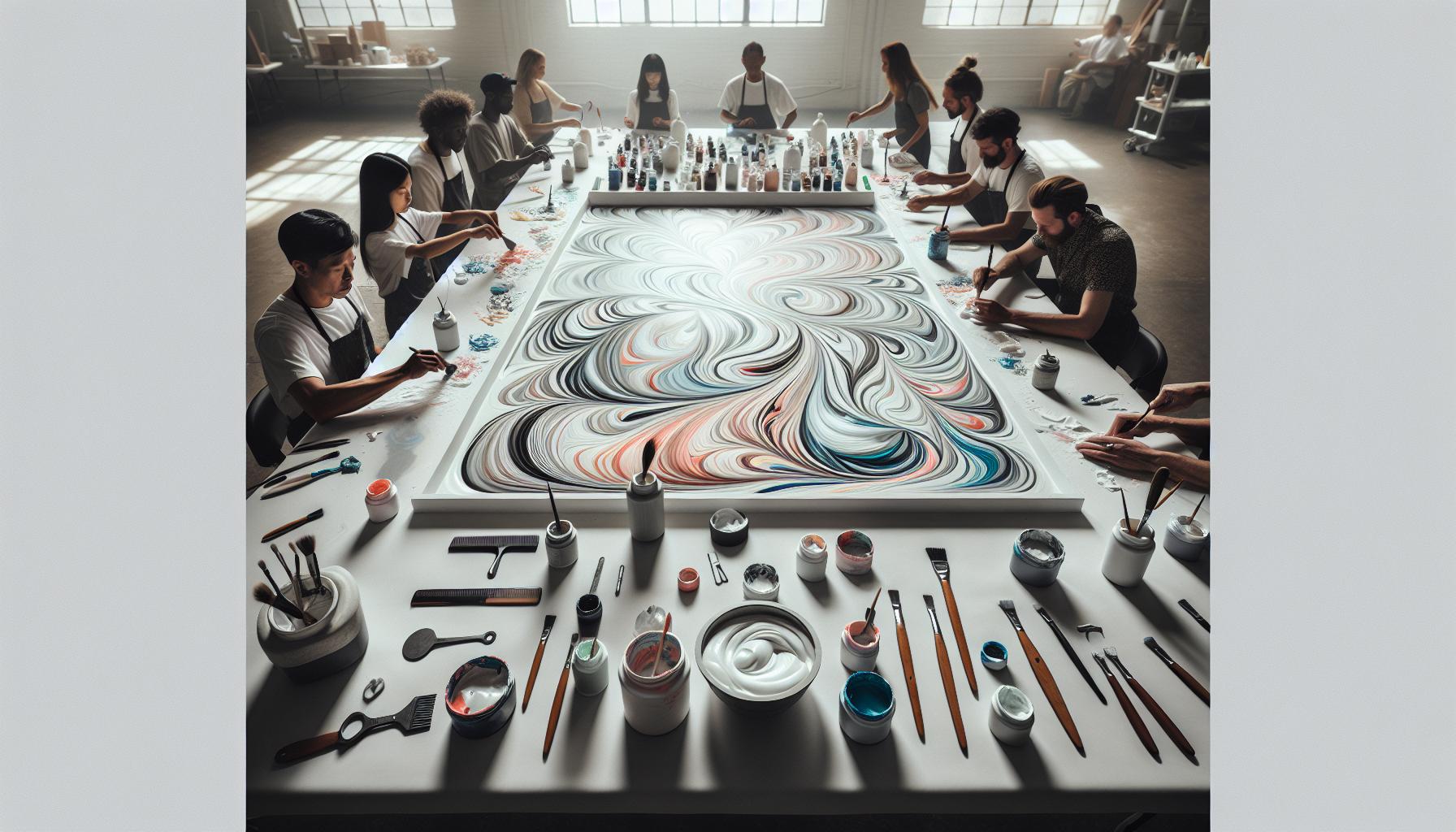
Choosing the Right Disc Material for Dyeing
Selecting the right material for dyeing discs is crucial, as it directly affects the vibrancy of the colors, the texture of the design, and ultimately, your enjoyment of the creative process. Most commonly, discs are made from various types of plastic, each having unique properties that interact differently with dyeing techniques. Understanding these variations will help you choose the best disc material for achieving stunning results with the shaving cream method.
When considering materials, look for discs made from high-quality plastics, such as Champion, Lucid, or Z plastic. These types are not only popular among players for their durability and flight characteristics but also tend to absorb dye more effectively. The thickness of the plastic can also impact your results; thinner plastics may require more care during the dyeing process to avoid discoloration or warping, while thicker ones can provide a more consistent and saturated color.
It’s helpful to test a small area or an old disc before committing to a design. For adventurous souls, using discs that offer a translucent look can create mesmerizing effects when layered with colors, as the light interacts with the dye. For example, a disc with semi-transparent attributes can yield a beautiful marbled appearance when combined with bold, contrasting colors.
Lastly, keep in mind that not all dyeing techniques work on every material. For instance, a hybrid plastic disc may take dye differently compared to more homogeneous plastics, leading to varied results. Equip yourself with a few different types of discs to experiment with. This not only enhances your artistic repertoire but also allows you to find your personal favorites in terms of both aesthetics and playability. Dive into the colorful world of disc dyeing, and let your creativity shine while enhancing your game!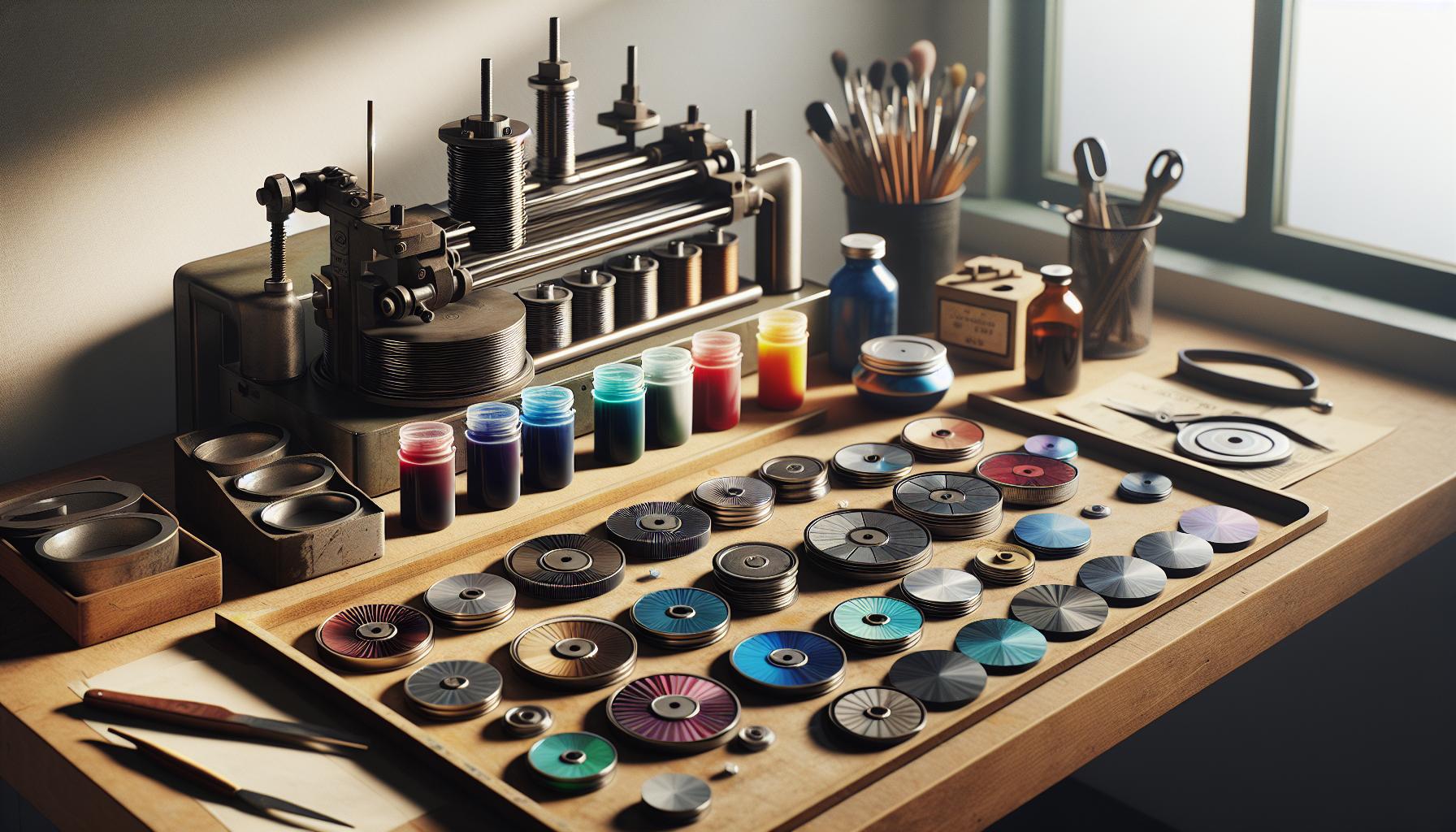
Safety Tips for Dyeing Discs at Home
To transform your discs into vibrant works of art, it’s important to prioritize safety during the dyeing process, particularly when using the shaving cream method. Working with dyes and other chemical substances can pose various health risks if proper precautions aren’t taken. Here are some essential tips to ensure a safe and enjoyable dyeing experience at home.
First and foremost, always work in a well-ventilated area. Adequate airflow helps dissipate any fumes generated by the dyes or other materials you might use. If possible, take your dyeing project outdoors or open windows to allow fresh air circulation. Additionally, wearing protective gear is crucial. Equip yourself with gloves to shield your skin from dyes, which can cause irritation or allergic reactions. Depending on the dyeing materials and your sensitivity levels, you might also consider wearing a mask to avoid inhaling any particles or fumes.
When dyeing, protecting your work surface is equally important. Use newspapers, plastic sheets, or old towels to cover the area where you’ll be working. This not only prevents stains but also minimizes the risk of slipping, as spilled dye can create hazardous conditions. Ensure you have access to clean water for rinsing the discs after dyeing. Keeping a bucket or sink nearby will make the rinsing process quick and efficient, reducing the chance of dyes leaching onto unintended surfaces.
Finally, familiarize yourself with the specific safety information related to the dyes you choose. Many fabric dyes contain chemicals that can be harmful if ingested or improperly handled. Always read labels for safety warnings and follow the manufacturer’s instructions carefully. If you have pets or small children, it’s wise to keep them away from your dyeing area during the process to avoid accidental exposure. By taking these precautions, you’ll set a positive tone for your dyeing adventure, allowing you to fully enjoy the creative process without unnecessary risks. Happy dyeing!
Common Mistakes to Avoid When Dyeing
When diving into the art of dyeing discs with the shaving cream method, avoiding common pitfalls can make the difference between a stunning masterpiece and a disappointing outcome. One prevalent mistake is insufficient preparation. Many enthusiasts neglect to gather all necessary supplies before starting. This can lead to rushed decisions and a chaotic workspace. To mitigate this, take the time to plan your dyeing session. An organized setup includes all materials-shaving cream, fabric dye, gloves, a spatula or stick for swirling, and protective coverings for your workspace.
Another frequent error is misunderstanding color interactions. When mixing dyes, colors can react unpredictably, and failing to test these combinations can result in muddy or dull hues. To avoid this, prepare a small test sample before committing to larger pieces. This allows you to see how colors blend and alter once applied to the disc’s surface. Remember, the shaving cream acts as a canvas that can enhance or suppress colors, so experimentation is key.
Timing is critical in the dyeing process, and many players underestimate the impact of duration on effectiveness. Over-soaking your discs in shaving cream can lead to overly saturated colors that lose their vibrancy or damage the disc material. Conversely, rushing the dyeing time might result in uneven patterns or pale colors. Stick to a recommended time guide based on the type of dye and disc material, but feel free to adjust according to how the colors are developing.
Lastly, don’t overlook the importance of rinsing. After the dye has set, some beginners may simply dry the discs without properly rinsing them first. This step is essential, as it removes excess dye, prevents bleeding during use, and helps to lock in the final color. Ensure you rinse under cool water until it runs clear, taking care to preserve your beautiful patterns.
By steering clear of these common mistakes, you’ll enhance your chances of creating vibrant and unique dyed discs. Each mistake is merely a stepping stone toward mastery, and with each dyeing adventure, you’ll better understand the interplay of color and technique, further solidifying your place in the thriving disc golf community. Happy dyeing!
Caring for Dyed Discs: Maintenance Tips
The vibrant colors and unique designs achieved through the shaving cream dyeing method can transform ordinary discs into eye-catching pieces of art. However, maintaining those stunning visuals and ensuring your dyed discs stay in top condition requires a bit of care and attention. Proper maintenance not only preserves the aesthetic appeal of your discs but also extends their performance and lifespan.
To start, always handle your dyed discs with clean hands to avoid transferring oil or dirt onto the surface. After each use, gently wipe the discs with a soft, damp cloth to remove dust and debris. It’s advisable to avoid abrasive materials or harsh chemicals, as these can strip the dye or damage the disc’s finish. If the disc gets particularly dirty, use mild soap and water, followed by a thorough rinse. Allow the discs to air dry completely, as moisture can lead to unwanted fading over time.
When storing your dyed discs, keep them in a cool, dry place away from direct sunlight. Prolonged exposure to UV rays can cause colors to fade, diminishing the vibrant patterns you worked so hard to create. Consider using fabric sleeves or padded cases to protect your discs from scratches and other potential damage during transport. If you’re storing multiple discs, stack them carefully to prevent any scuffing or pressure marks.
Another important aspect is to monitor the dye’s integrity. Over time, even with proper care, dyes may begin to fade or wear. If you notice excessive fading or if the colors appear less vibrant, don’t hesitate to refresh the design. Lightly re-dyeing with the shaving cream method can breathe new life into your discs while maintaining their unique character.
Lastly, stay informed about community best practices. Engaging with fellow disc golf enthusiasts-be it through forums or local clubs-can reveal insights and maintenance strategies that you might not have considered. Many players are eager to share their experiences and tips, which can enhance your care routine and inspire new dyeing projects.
By fostering a regular maintenance routine and connecting with the community, you ensure that your dyed discs remain vibrant, functional, and a source of pride on the course. Happy throwing!
Exploring Other Dyeing Techniques
can significantly expand your creative potential and allow you to personalize your discs beyond the popular shaving cream method. By experimenting with various dyeing styles, you can achieve distinct aesthetics and colors, making your discs truly one-of-a-kind while also highlighting your personal style on the course.
One popular alternative to shaving cream dyeing is the spray dye method. This technique utilizes spray bottles filled with dye, allowing for a more controlled application and the opportunity to blend colors seamlessly. Players often start by applying a base color to the disc, allowing it to dry, and then layering additional colors on top. The key to mastering this method is practicing the distance from the disc and adjusting the nozzle for fine misting versus heavy spraying, which can create different textural effects.
Another fascinating approach is low-water immersion dyeing. This method involves placing the disc in a small amount of liquid dye and letting the disc absorb the color gradually. This technique works particularly well with lighter-colored plastics, resulting in a softer, more blended look. Adjusting the time the disc spends in the dye bath can lead to various shades, giving you the power to control the intensity of the color.
For those looking to really push the envelope, consider the tie-dye technique. Just like on fabric, this method involves folding or twisting the disc and securing it with rubber bands before applying dye. This creates unique patterns and swirls, making each disc a vibrant piece of art. The flexibility of this method allows players to experiment with different folding techniques, discovering new designs with every attempt.
Whether you choose to stick with the shaving cream method or venture into these other dyeing techniques, the key is to embrace the process of creativity. Every disc you dye is not just gear for your game; it’s a canvas waiting for your touch. Don’t hesitate to mix and match techniques or come up with your own combinations-after all, the disc golf community thrives on innovation and inspiration. Happy dyeing!
Showcase: Stunning Disc Dyeing Examples
The creativity that emerges in the world of disc dyeing can often leave onlookers in awe, showcasing a beautiful spectrum of designs that not only enhance the aesthetics of the disc but also reflect the personality of the player. The shaving cream method-while beloved for its simplicity-can be a gateway to some truly spectacular designs when coupled with a bit of imagination and experimentation.
One stellar example often shared in the disc golf community is the “Galaxy Swirl,” which perfectly combines vibrant colors into a cosmic-inspired look. By layering multiple hues of dye into the shaving cream, players can manipulate the top layers to create swirling effects that resemble a starry night sky. Color choices can vary significantly from deep purples and blues to bright pinks and greens, allowing for endless customization.
Another popular example is the “Marbled Effect.” Players inject dye into the shaving cream in a playful, random pattern, allowing the dye to disperse unpredictably once the disc is immersed. The outcome offers a delightful surprise, as each disc will have its own unique marbling. This method not only creates stunning visuals but also allows for a personal touch; what could be better than having a one-of-a-kind disc that stands out on the course?
Furthermore, many enthusiasts enjoy experimenting with layering techniques. After applying a primary color using shaving cream, players can return once dry to add extra splashes or touches of additional colors, creating a multi-dimensional look. Often, the process involves back-and-forth layering, providing depth and allowing the player to craft a truly dynamic design that shifts with light.
Inspiration can abound from social media platforms like Instagram and dedicated forums, where players frequently showcase their dyed discs. Engaging with the community not only provides new ideas but can also spark collaboration and shared techniques. The artistry behind each dyed disc represents a blend of skill, creativity, and personal flair, embodying the spirit of the disc golf community.
The journey of dyeing is as rewarding as it is artistic, so don’t hold back-dive in, let your creativity take flight, and maybe your next disc dyeing attempt will lead you to create a stunning masterpiece!
Frequently Asked Questions About Dyeing Discs
The vibrant world of disc dyeing with the shaving cream method has sparked curiosity among enthusiasts, leading to numerous questions about techniques, materials, and best practices. Understanding the nuances of this creative process can significantly enhance your results, whether you’re just starting or looking to refine your skills.
One common question revolves around the type of dye to use. It’s recommended to choose fabric dyes as they penetrate the plastic effectively and offer a broad spectrum of color choices. RIT and Tulip dyes are popular among players for their accessibility and vibrant colors. When it comes to the shaving cream itself, opt for a brand that holds its shape well, allowing for better manipulation of colors.
Another frequent inquiry pertains to the materials of the discs being dyed. Most players use plastic discs made from materials such as Proline or Star plastic, which retain dye better than more flexible or rubbery options. It’s essential to test a small area before diving in completely, as some plastics may react differently to dye.
Many players also wonder about the time required for successful dyeing. It’s generally best to let the discs sit in the dye-soaked shaving cream for at least 10-15 minutes, but experimenting with longer times can yield deeper saturation. A key tip is to change the design by periodically mixing the cream or adjusting the dye placement to achieve unique effects.
Safety comes into play too, particularly regarding ventilation. Always dye discs in a well-ventilated area, and consider wearing gloves to protect your skin from dye stains. While this might seem like a fun and creative hobby, treating the process with respect and safety in mind ensures a positive experience.
By addressing these frequently asked questions, you’ll not only improve your dyeing skills but also enhance the enjoyment of customizing your discs. The community is rich with ideas, so don’t hesitate to share your experiments and learn from the experiences of others. Dive in, and let your creativity shine on the course!
Community Insights: Dyeing Tips from Players
The community of disc dyers thrives on creativity and shared experiences, making it a fantastic resource for anyone looking to experiment with their disc designs. One of the most enlightening tips from seasoned players is to embrace the unpredictability that comes with using the shaving cream method. Many have found that allowing the dyed discs to sit in the shaving cream for longer-not just the standard 10-15 minutes-can yield richer colors and more vibrant patterns. However, timing is subjective, and players often have their unique sweet spots based on their favorite colors and desired saturation.
To truly master the shaving cream technique, embracing experimentation is key. A fun suggestion from the community is to use multiple colors of dye for a marbled effect. Players recommend layering colors in the shaving cream, then gently swirling with a stick or toothbrush to create a blended appearance-this technique not only enhances visual appeal but allows for the perfect blend of colors that represent individual styles. Additionally, some players swear by using smaller discs for practice, allowing newcomers to hone their skills without the pressure that comes with dyeing a prized disc.
Community members also emphasize the importance of proper ventilation while dyeing. Since the dyes and some shaving creams can produce strong odors, many experienced dyers recommend working outside or in a well-ventilated area to keep the experience enjoyable. Furthermore, using gloves is highly advised to avoid skin contact with dyes, which can be vibrant but stubborn to remove from skin. These practical insights not only enhance safety but help in maintaining a clean working environment.
Finally, showcasing results is a great way to build community among dyers. Players often share their dyed discs on social media or disc golf forums, inspiring others and starting new trends. One effective approach that’s been encouraged is hosting local dye sessions where players can gather, share tips, and create unique designs together. This not only strengthens community bonds but fosters a culture of creativity and improvement in the art of disc dyeing. Whether you’re new to dyeing or an experienced artists, engaging with others and sharing your experiences can lead to new ideas and techniques that elevate everyone’s game.
Q&A
Q: What type of shaving cream is best for dyeing discs?
A: Use non-foaming, white shaving cream for dyeing discs. This type allows for better control over the color spread and ensures clear patterns. Avoid colored or gel varieties, as they may interfere with the dyeing process.
Q: How long should I let the dye sit on the disc?
A: It’s recommended to let the dye sit for 10 to 30 minutes on the disc before rinsing. This timing helps achieve vibrant colors without overwhelming the disc material. Check the color intensity periodically to achieve your desired result.
Q: Can I use food coloring instead of fabric dye when dyeing discs?
A: Yes, food coloring can be used as a dyeing agent, but it may not produce colors as vivid or long-lasting as traditional fabric dyes. If you choose to use food coloring, expect more pastel-like results and experiment with concentrations for different shades.
Q: What is the best way to rinse dyed discs after using shaving cream?
A: Rinse dyed discs under cold running water to remove excess dye and shaving cream. Use your fingers to gently scrub the surface while rinsing. Avoid hot water, as it could alter the dye’s adherence and color saturation.
Q: Will dyeing affect the flight characteristics of my disc?
A: Generally, dyeing a disc with shaving cream does not significantly affect its flight characteristics if done correctly. However, excess dye or improper application can lead to weight changes, so make sure to evenly distribute the dye and rinse thoroughly.
Q: How can I seal the dye on my disc after dyeing?
A: To seal the dye, apply a clear acrylic spray after the disc has dried completely. This step protects the design from wear and tear, ensuring that the vibrant colors last longer. Be sure to follow the manufacturer’s instructions for the best results.
Q: Can special patterns be created while dyeing discs with shaving cream?
A: Yes, special patterns can be created by manipulating the shaving cream before applying the dye. Try swirling, marbling, or using tools like combs or forks to design unique patterns in the cream for stunning visual effects on your discs.
Q: What should I do if the dye doesn’t take to the disc material?
A: If dye isn’t adhering well, check that the disc is clean and free of oils or residues. You can lightly sand the surface to create a better grip for the dye. Additionally, ensure you’re using the right type of dye suitable for the disc’s plastic material.
The Way Forward
Now that you’ve mastered the art of dyeing discs with shaving cream, it’s time to unleash your creativity! Experimenting with different colors and patterns can elevate your game and make your discs stand out on the course. Don’t forget to share your results in the comments below-we’d love to see your vibrant creations! For more tips on enhancing your disc golf experience, check out our guides on disc flight characteristics and throwing mechanics.
Ready for your next step? Consider signing up for our newsletter for exclusive insights, tutorials, and product recommendations that will elevate your skills! Dive deeper into the world of disc golf with our comprehensive content, and remember, creating your unique designs isn’t just fun-it’s part of what makes the sport so exciting. Let’s keep the conversation going, and happy dyeing!
Get our latest guides, news, and insights highlighted in your Google Search & AI Overviews.