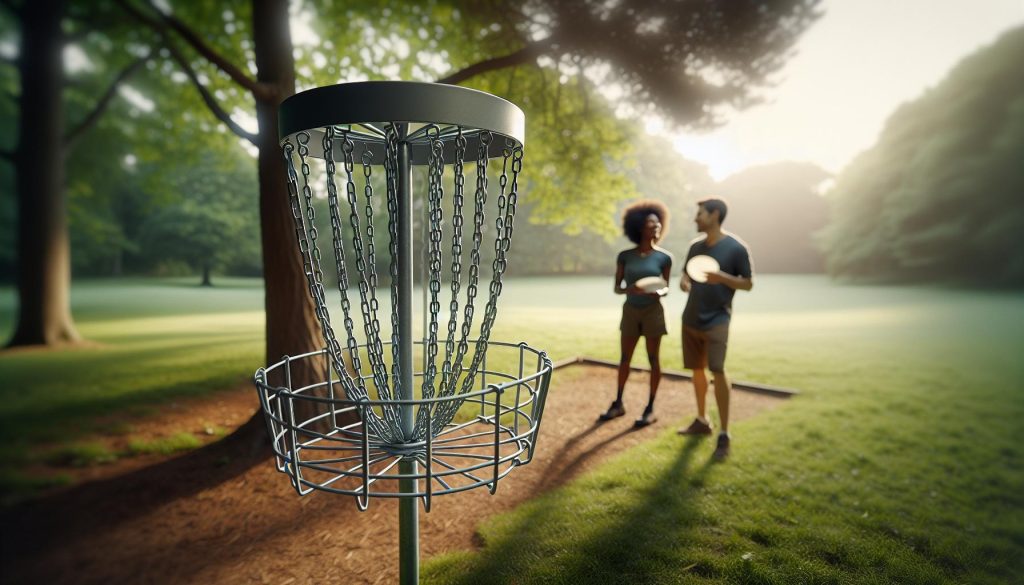
Did you know that the size and configuration of chains on a disc golf basket can significantly affect your putting game? As players from beginners to seasoned pros seek to perfect their skills, understanding the importance of chain size is crucial for improving accuracy and consistency on the course. In this comprehensive guide, we’ll delve into what sizes are optimal for various types of baskets, how these choices impact gameplay, and tips for making informed decisions during your setup. Whether you’re just getting into disc golf or aiming to enhance your competitive edge, knowing how chain size affects your experience can elevate your game and help you feel confident in every putt. Let’s explore this essential aspect of disc golf equipment together!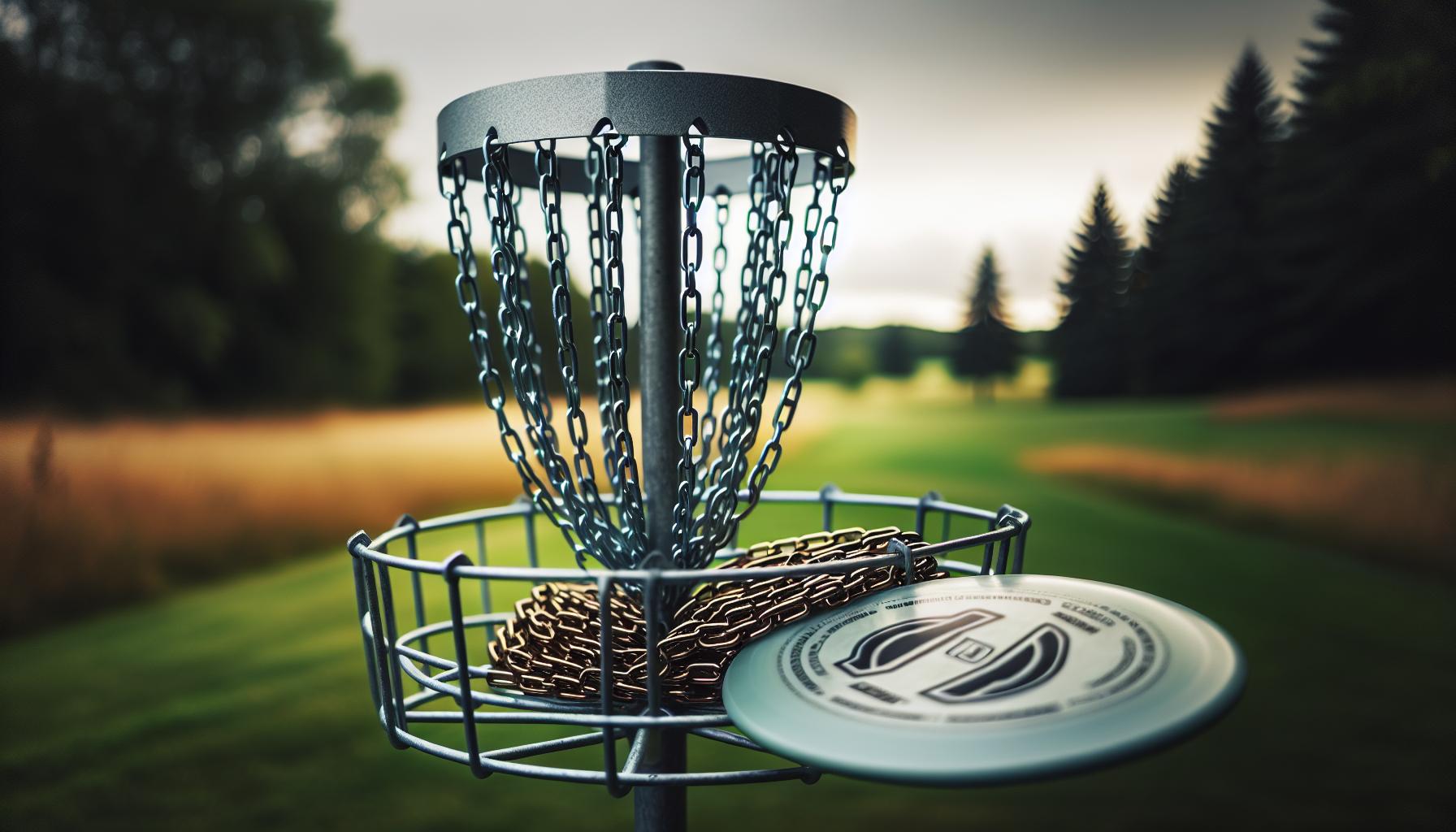
Choosing the Right Chain Size for Your Disc Golf Basket
can significantly impact your game, affecting everything from how well your disc catches to the overall aesthetics of your course setup. While many players may not realize it, the chain configuration can vary widely, and understanding these differences can help elevate your disc golf experience. A well-designed basket with appropriately sized chains ensures that discs enter the basket smoothly and provides a satisfying “ping” when it does.
When selecting chain size, consider the thickness and length of the chains, as both can alter how a disc interacts with the basket. Thicker chains tend to be more durable and can withstand heavy wear, making them ideal for busy courses or tournament settings. However, they may also create a stiffer catching zone, which could lead to more bounce-outs-a frustration for many players. In contrast, thinner chains can enhance catching ability, but they might be less resilient over time.
In practice, most disc golf baskets feature standard chain sizes, typically ranging from 3/8 inch to 1/2 inch in diameter. The choice of chain should also align with your playing style and skill level. Beginners might benefit from a basket with thicker chains that forgive slight misthrows, while experienced players may prefer baskets with thinner chains that provide a truer indication of their throwing accuracy.
Ultimately, choosing the right chain size is about striking a balance between performance and personal preference. Take the time to test out different baskets and consider how each chain configuration feels during your practice rounds. This hands-on approach can greatly enhance your understanding of how chain size affects gameplay and scoring. Whether you’re setting up a course in your backyard or aiming for a competitive level, selecting the right chain size contributes to your overall enjoyment and success in the game.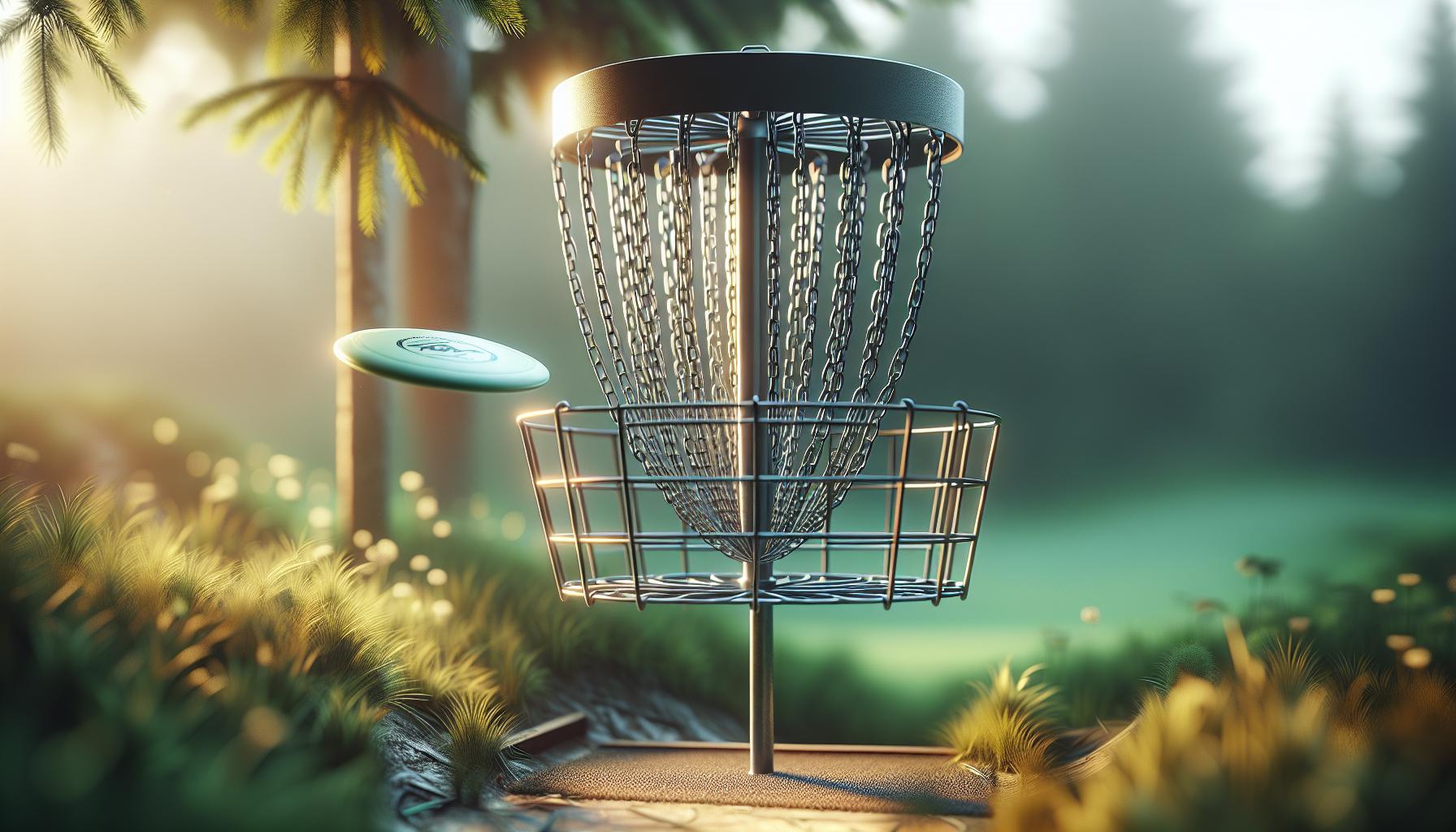
Understanding Disc Golf Basket Design and Functionality
The design and functionality of disc golf baskets are crucial elements that significantly influence gameplay and the overall experience. At first glance, a disc golf basket may seem straightforward, but its construction-including chain type and arrangement-plays a vital role in how discs are captured and retained. A well-designed basket not only enhances catching performance but also contributes to the aesthetic appeal of the course.
One of the primary aspects of a disc golf basket is its chain configuration. Chains are typically arranged in two or more tiers to create a reliable and forgiving catching zone. Each chain’s height, length, and thickness can impact how effectively discs stick in the basket. For example, a basket with a wider spread of chains can increase the chances of catching a disc that approaches from various angles. The way these chains move and vibrate upon contact is also essential; ideally, they should provide a satisfying “ping” to celebrate a successful putt.
Another important factor is the material and thickness of the chains. While thicker chains offer durability, particularly at heavily trafficked courses, they can create a stiffer catching area that might lead to more bounce-outs, frustrating players hoping for a solid catch. Conversely, thinner chains may enhance catching ability but at the cost of longevity. Thus, players should consider their skill level when choosing a basket-beginners might prefer more forgiving options, while advanced players could opt for designs that provide a more accurate challenge.
Ultimately, understanding the design and functionality of disc golf baskets allows players to make informed decisions that can enhance their game. By considering how different features affect gameplay-from the chain size and configuration to the overall sturdiness of the basket-players can find the perfect fit for their needs, paving the way for improved performance on the course.
Essential Components of a Complete Disc Golf Setup
Creating a successful disc golf setup involves more than just choosing the right basket-it’s about assembling the perfect ensemble of equipment that complements your style of play and supports your growth in the sport. The foundation begins with your disc selection. Players typically need a variety of discs for different situations: drivers for distance, mid-range discs for control and accuracy, and putters for those crucial shots around the basket. Each disc is designed with particular flight characteristics that cater to specific throws, so understanding how they glide, fade, and turn can drastically enhance your capabilities on the course.
Another essential element of your disc golf setup is the appropriate attire. As outdoor conditions can vary greatly, wearing breathable and flexible clothing is advisable, allowing for a full range of motion during your throws while keeping you comfortable throughout the day. Don’t forget to invest in a sturdy pair of shoes that provide good traction, as many courses can be rugged and uneven.
Furthermore, you may want to consider accessories that enhance your gameplay. A reliable disc golf bag is crucial for transporting your discs efficiently, providing easy access to your equipment during a round. Additional gear, like towels for disc cleaning, a portable seat for resting between holes, and a hydration system to keep you refreshed, can elevate your experience and performance on the course.
Lastly, integrating a good understanding of course strategy rounds out your setup. Knowing how to navigate the various types of holes, whether they are wooded, open, or elevated, can significantly influence your choice of discs and the types of throws you’ll employ. Engaging with local players and participating in community events or tournaments can not only provide personal insights into gameplay strategies but also foster a deeper connection to the growing disc golf community. By focusing on these components, players, both novice and experienced, can look forward to a more fulfilling and enjoyable disc golf experience.
How Chain Size Affects Gameplay and Scoring
The size and design of the chains on a disc golf basket play a crucial role in gameplay and scoring, significantly impacting how successful a player can be during their round. Larger chains, often spaced further apart, tend to capture and absorb more impact from incoming discs, making it easier for players to sink their putts, especially those taken from close range. On the other hand, smaller or tightly packed chains can create a “catch” effect that may lead to more frustrative situations where well-aimed shots are spit out or bounce off the basket.
When evaluating how chain size affects gameplay, consider how it can influence your approach to putting. Players often tend to alter their throw mechanics based on the basket chain size. For instance, with a basket that features wider chains, players might adopt a more assertive putting style, knowing that their disc is more likely to stick upon impact. Conversely, on narrower chains, a softer or more controlled throw may be encouraged, which can require a bit more finesse and accuracy under pressure.
Scoring Implications
The impact of chain size extends beyond just individual gameplay; it can ripple out to affect overall scoring and competition dynamics. In tournaments, players may find themselves adjusting their strategies not only based on their instincts but also based on the characteristics of the baskets they encounter. For beginners, understanding these nuances can help in developing consistency and confidence in their putting game, fostering a healthier relationship with the sport.
Experienced players often emphasize the importance of practicing on different baskets, as this exposure helps to fine-tune their skills and adapt to varying conditions they may face during tournaments. In addition, evaluating basket setups can lead to discussions about best practices within the disc golf community, encouraging players to share insights about their preferred basket types based on chain size, which can ultimately lead to a stronger, more informed player base.
In summary, the chain size on your disc golf basket is more than just a physical attribute; it’s a pivotal element that shapes gameplay and influences scoring. Whether you’re a novice player finding your rhythm or a seasoned competitor strategizing your next tournament, being aware of chain dynamics can enhance all aspects of your disc golf experience.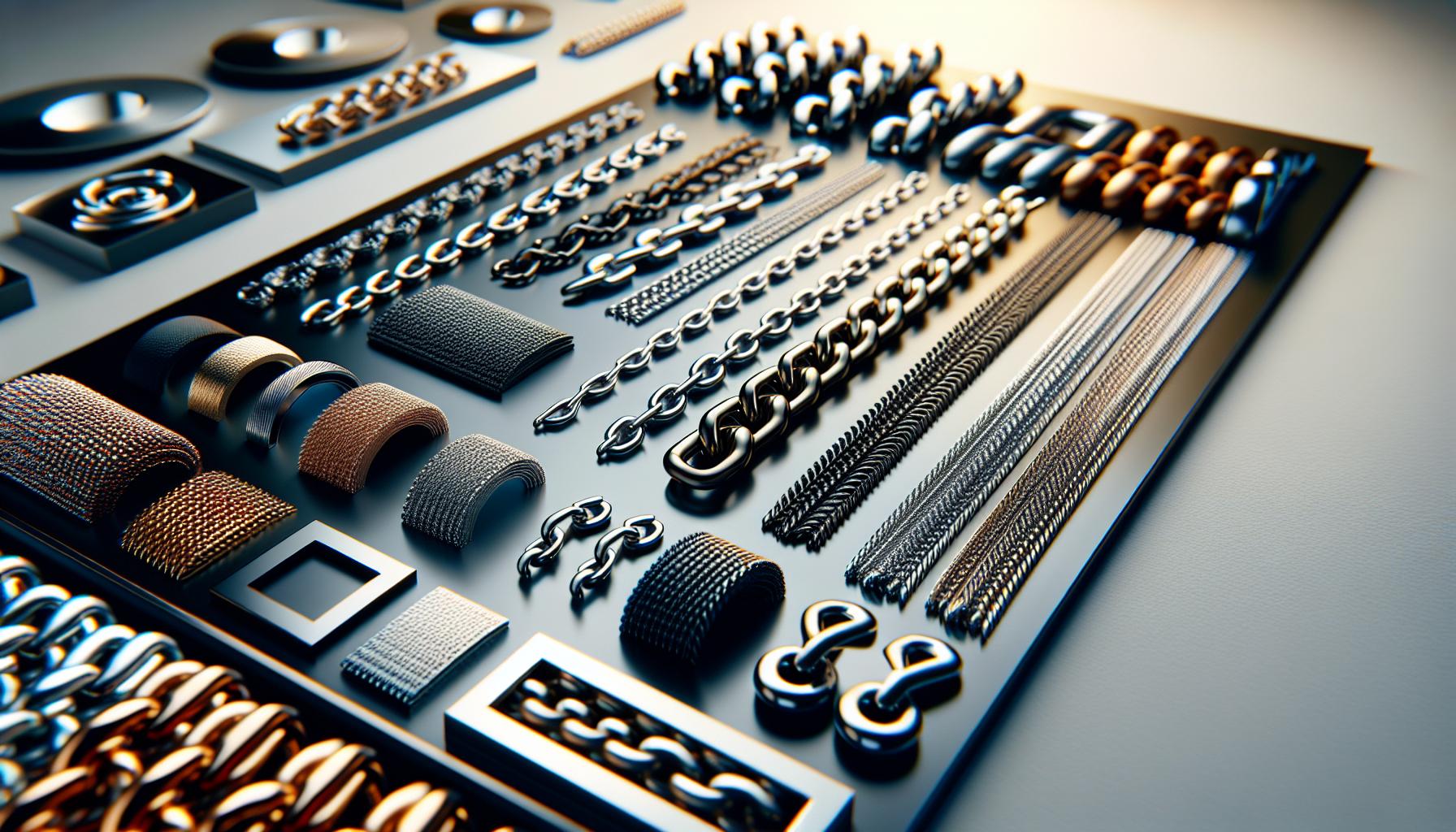
Comparing Different Chain Brands and Models
When selecting the appropriate chain for your disc golf basket, the multitude of brands and models available can be overwhelming. Each brand offers unique features that can significantly affect the gameplay experience. Understanding these differences not only helps in choosing the right basket but also contributes to improving your performance on the course.
Leading brands like Innova, Discraft, and Dynamic Discs offer various chain configurations, each designed with specific characteristics in mind. For instance, Innova’s Disc Catcher baskets often come equipped with heavier chains that enhance durability and catching ability. The Discraft Chainstar is known for its innovative design that features a more tightly packed configuration, which improves disc retention but may require players to adjust their throwing style. Meanwhile, Dynamic Discs offers baskets like the Marksman, which combines lightweight materials with a unique chain setup, promoting easier transport without sacrificing catchability.
Ultimately, the choice of chain brand and model should align with your playing style and preferences. Consider testing multiple baskets during practice sessions to understand how each chain configuration interacts with your putting technique. You might find that a certain chain style feels more forgiving, giving you the confidence you need when stepping up for that crucial putt. Don’t hesitate to consult with local disc golf communities; many players enjoy discussing their experiences with different brands and can offer valuable insights based on their personal journeys and tournament experiences.
For new players, starting with a mid-range model that balances durability and price can be a sound strategy. As your skills progress, exploring premium options with more specialized chaining systems could enhance your gameplay further. Embracing the variations across different models not only aids in personal growth but also contributes to a richer disc golf community experience, as sharing these insights fosters camaraderie among players.
Tips for Installing and Maintaining Your Disc Golf Basket
Setting up your disc golf basket correctly is crucial for enhancing your playing experience and ensuring the longevity of your equipment. A well-installed basket not only stands firm during play but also endures various weather conditions. Here are some essential tips to guide you through the installation and ongoing maintenance of your basket.
One of the first steps to consider is selecting the right location for your basket. Aim for a flat, stable surface that is away from trees and other obstructions. This setup will help prevent interference from wind and falling branches, allowing your disc catcher to perform optimally. Additionally, placing the basket on ground that can absorb moisture, such as grass rather than gravel, helps reduce wear and tear. Once you’ve chosen the site, ensure your basket is anchored securely. Most baskets come with ground sleeves or stakes that should be firmly fixed to prevent tipping.
Regular Maintenance Checks
Maintaining your disc golf basket doesn’t require extensive effort, but regular checks can extend its life considerably. Inspect the chains periodically for wear and tear, such as rust or fraying. If you notice any abnormalities, consider replacing them to maintain optimal catching ability. Additionally, check the basket’s stability and re-tighten any loose bolts or screws that could compromise its structure. Cleaning the basket of debris and dirt will not only keep it looking good but also ensure that it grabs disc better, which is essential during gameplay.
It’s also wise to be mindful of the local environment. Protecting your basket from extreme weather conditions is crucial. Using covers during inclement weather can prevent rust on the chains and wear on the paint and metal parts. In regions with snow or heavy rain, timely adjustments, like relocating the basket to a more sheltered area, can help prolong its usability.
Finally, don’t hesitate to engage with your local disc golf community for tips and shared experiences regarding specific maintenance routine tailored to different weather challenges. By taking these proactive steps, you can enhance your disc golf experience and ensure that your basket remains a vital part of your disc golf setup for years to come.
Chain Size Recommendations for Beginners vs. Pros
Choosing the right chain size for your disc golf basket can significantly influence your playing experience, especially as you progress from beginner to more advanced levels. Beginners often benefit from baskets with a wider chain diameter, typically around 1/4 inch to 3/8 inch. This size maximizes the chances of catching discs, as the broader links provide a larger target area. For newcomers, this means less stress over missed putts, allowing them to focus on developing their throwing techniques and confidence in their game.
As players advance, many find that transitioning to a set of chains with a more standard size, roughly 3/8 inch, can offer a better balance between catching ability and game challenge. Professional and experienced players often prefer chains that create a more responsive catch, reflecting their higher skill levels and the precision with which they throw. These players might also experience enhanced scoring opportunities by using specialized chains designed to handle various disc types, from slow putters to fast drivers.
For those serious about upgrading their equipment, experimenting with different chain sizes on their baskets can yield insights into how they affect gameplay. In general, as players grow in skill and confidence, they may gravitate toward tighter chain configurations that offer a more ambitious playing experience. Ultimately, the choice of chain size might also come down to personal preference, the type of courses played, and the specific requirements of a player’s style-whether they lean toward a more forgiving setup or a challenging one that sharpens their abilities.
In summary, while beginners might find comfort and ease of play with wider chains, experienced players can benefit from exploring different sizes to enhance their game. The adaptability in chain choice not only caters to varying skill levels but also celebrates the diversity of play styles in the vibrant disc golf community. By understanding these dynamics, players can make informed decisions that align with their personal goals and enjoyment of the sport.
Popular Disc Golf Baskets and Their Features
When it comes to selecting a disc golf basket, players often find themselves enthralled by the variety of options available, each with unique features designed to cater to different playing styles and skill levels. Popular disc golf baskets are not just essential tools for the game; they also play a crucial role in enhancing players’ skills and enjoyment on the course. In this section, we’ll explore some of the most sought-after baskets in the disc golf community, breaking down the key features that make them stand out.
Many players gravitate toward baskets with a standard chain configuration, typically featuring a two-tier chain system. This design includes two layers of heavy-duty chains, often made from galvanized steel, which provides a robust catching area. For instance, the Dynamic Discs Veteran Basket is a favorite among many players for its durability and ability to catch a wide range of putts, thanks in part to its 28 chain links that do an excellent job of deflecting discs toward the basket. Conversely, the Innova DISCatcher Pro is renowned for its single-chain design that minimizes “kick-outs,” allowing for fewer missed putts, making it a great option for those serious about competitive play.
In terms of portability and ease of use, the MVP Black Hole Pro has revolutionized the market. This basket is lightweight and can be easily set up and taken down, making it ideal for players who want to practice in different locations or set up casual games. Its innovative design features a unique chain assembly that ensures maximum catchability, making it a fantastic choice for players at all skill levels.
When discussing popular options, it’s also essential to consider factors like weather resistance and maintenance. Baskets like the Discraft Mach Lite provide a stellar option for those who often play in varying weather conditions. Its UV-resistant paint protects against fading, and its metal construction withstands the elements, ensuring it remains a reliable target for years. Moreover, many baskets come with adjustable chain tension, which allows players to customize the catch dynamics based on their preferences, further refining their game.
Ultimately, selecting the right disc golf basket involves understanding the interplay between features such as chain size, construction materials, and portability. Whether you’re a beginner looking for forgiveness in your game or an experienced player eager for a challenge, the right basket can not only improve your skills but also enhance the overall enjoyment of disc golf as a vibrant and growing sport.
Adjusting Chain Tension for Optimal Performance
Adjusting the tension of the chains on your disc golf basket is a critical yet often overlooked aspect of optimizing your gameplay experience. The tension level directly affects how well the basket captures discs, influencing everything from missed putts to the overall bounce-out rate. Just like tuning a musical instrument, establishing the right chain tension ensures that your basket performs at its best, making your practice sessions and rounds more productive and enjoyable.
A properly adjusted chain tension allows for various styles of play and ensures that the basket is forgiving for newer players while still providing the challenge that seasoned disc golfers seek. If your chains are too loose, you may experience excessive bounce-outs, causing frustration during those crucial putting moments. On the other hand, overly tight chains can create a clanging sound and might not catch discs effectively, leading to missed opportunities. Finding that sweet spot can not only improve your game but also enhance your confidence when sinking those important putts.
To adjust the chain tension, start by examining the chain assembly on your basket. Most disc golf baskets feature adjustable chain links or hardware that can be tightened or loosened with a wrench or pliers. Begin by loosening the tension and testing the catchability of the basket; this can be done by tossing various discs from different distances to see how they react. Once you find a comfortable tension level that balances catchability and performance, document this setting for future adjustments as you play in different conditions or styles.
Regular maintenance of your chains is just as important as adjustment. Keeping your basket clean and free from debris, alongside routinely checking tension, will ensure longevity and optimal performance. Players often notice variations in performance due to environmental factors such as wind or rain, making periodic adjustments even more imperative. By taking the time to fine-tune your basket, you’ll not only elevate your own performance but also contribute to the overall experience of everyone on the course, fostering a more enjoyable community atmosphere.
The Impact of Weather on Chain Performance
Playing disc golf can be an exhilarating experience, but weather conditions can dramatically influence the performance of your disc golf basket’s chains. Whether you’re putting under a blazing sun, through a light drizzle, or in the biting cold, understanding how these elements affect your game can enhance both your strategy and enjoyment on the course.
One of the primary factors in weather’s impact on chain performance is humidity. In humid conditions, chains can become more prone to rust, especially if they’re made from lower-quality materials. Rust not only affects the visual aesthetics of the chains but can also significantly alter their performance. A rusty chain may not respond effectively to the impact of a disc, leading to increased bounce-outs. To combat this, consider opting for stainless steel chains that provide higher corrosion resistance and durability. Regularly inspecting and cleaning your chains can help mitigate these effects and prolong their lifespan.
Wind is another critical element that can influence how well your chains catch and hold discs. On a windy day, a throw can be affected not just by your technique but also by how the wind interacts with the disc in flight. The trajectory can be altered mid-flight, potentially causing discs to miss the basket or hit the chains at an unexpected angle. Knowing the wind conditions can allow players to adjust their throwing strategies accordingly. For example, aiming more confidently at the center of the basket during windy conditions can improve your odds of a successful putt.
Cold temperatures can also influence chain performance. When temperatures drop, the materials can contract, potentially affecting how chains interact with discs. Players may find that discs don’t penetrate the chains as deeply in frigid weather, resulting in less reliable catches. Dress appropriately for the conditions, and know that adjustments to your throwing technique might be necessary to accommodate for these changes.
In summary, adapting your game to weather conditions is crucial for optimizing chain performance. Utilizing high-quality materials, maintaining your chains, and strategizing your throws based on wind and temperature can lead to a more enjoyable and successful disc golf experience. Embrace the elements, and use them to your advantage as you progress in this engaging sport!
Common Misconceptions About Chain Size and Playability
When it comes to disc golf baskets, one often discussed but misunderstood aspect is the size of the chains used. Many players believe that larger chains automatically mean better performance, equating size with effectiveness in catching discs. However, this view oversimplifies the relationship between chain size and playability, and can lead to misconceptions that impact both new players and seasoned competitors alike.
A common belief is that thicker chains offer a greater chance of securing a disc upon impact, but this isn’t necessarily true. While larger chains may provide a more robust appearance, the effectiveness of a basket’s chains is more about their design and placement than their size alone. In fact, many high-quality baskets utilize a combination of chain sizes and arrangements to optimize disc catchability. For example, baskets with a mix of both large and smaller chains tend to distribute impact forces more evenly, enhancing catch efficiency and reducing bounce-outs, which is a crucial variable for competitive play.
Moreover, some players think that opting for lighter chain materials could hinder performance. In reality, it’s not the weight that matters but how the chains interact with the disc. High-quality, robust stainless steel chains can provide the right balance of weight and durability without sacrificing performance. Weight should be considered in conjunction with chain tension; too tight, and discs may not enter the basket as effectively; too loose, and they could bounce out unexpectedly.
It’s also worth noting that personal preference plays a significant role in how players perceive chain performance. What works well for one player may not suit another, emphasizing the importance of trying different setups to find what feels right. Ultimately, understanding that chain size is just one piece of a larger puzzle can help players make informed decisions. Taking the time to research, experiment, and even seek advice from more experienced players can lead to a more enjoyable and successful game, making the often-overlooked aspect of chain dynamics a conversation starter in the disc golf community.
Enhancing Your Disc Golf Experience with Customization
Enhancing your disc golf experience involves more than just choosing the right disc and mastering your throw; customization can take your game to the next level. Many players overlook the subtle adjustments that can significantly improve performance and comfort on the course. From adjusting the chain tension on your basket to customizing the grip of your discs, small touches can lead to big transformations.
One popular customization option is modifying the chain arrangement of your disc golf basket. For example, if you’re frequently experiencing issues with bounce-outs, experimenting with different chain sizes or even layering extra chains can help improve catchability. Baskets with a mix of larger and smaller chains not only look unique but can be engineered to reduce the likelihood of missed putts. Before making changes, consider the dynamics of how discs interact with various chain setups to find what best suits your throwing style.
In addition to basket modifications, customizing your disc equipment-such as choosing the right materials and weights for your discs-can dramatically affect your throwing accuracy and distance. For newcomers, starting with mid-range discs that offer versatility is key. As you develop your skill, seek advice from seasoned players to understand how different disc profiles and weights impact flight patterns. This understanding allows you to synchronize your equipment with your personal throwing mechanics for a tailored experience.
Finally, crafting a personalized practice routine can enhance your overall development. Incorporating drills that focus on different aspects of your game-like accuracy, distance, and chain interaction-can transition seamlessly into actual gameplay. Remember, every player is unique, so what works for your friend might not fit your style. Embrace experimentation within your gear and practice regimens, and consider sharing your journey with your local disc golf community. After all, disc golf is not just about the game; it’s about building connections and enjoying the camaraderie that comes with it.
Q&A
Q: What length of chain is standard for disc golf baskets?
A: The standard length for chains on disc golf baskets is typically 18 inches. This length helps to optimize catching discs while providing enough overlap without compromising the integrity of the basket’s design. For specific basket models, refer to the manufacturer’s specifications for any variations.
Q: How many chains are needed for a disc golf basket?
A: Most disc golf baskets feature at least 12 chains arranged in two tiers of 6. This configuration maximizes the chances of a successful catch while allowing for an effective deflection of the disc when it strikes the basket.
Q: Why does chain size impact gameplay in disc golf?
A: Chain size affects gameplay by influencing how discs interact with the chains during catches. Larger chains can provide a better catching surface, reducing bounce-outs, while smaller chains might allow for tighter catches but can increase the risk of discs slipping through.
Q: Can I customize the chain size on my disc golf basket?
A: Yes, customizing your chain size is possible if the basket design allows it. However, ensure that the new chain size matches or enhances the intended performance of your basket. Consult your basket’s manufacturer for compatibility and installation guidance.
Q: What materials are commonly used for disc golf chains?
A: Disc golf chains are typically made from galvanized steel or stainless steel. Galvanized steel is durable and resistant to rust, while stainless steel offers excellent longevity and aesthetic appeal but may come at a higher cost.
Q: How does weather affect the performance of disc golf chains?
A: Weather can significantly impact chain performance, particularly in wet or icy conditions. Chains may rust or freeze, affecting their catching ability. It is advisable to regularly maintain your basket and chains and to consider weather-resistant options for outdoor courses.
Q: What are the best brands of chains for disc golf baskets?
A: Some of the most highly regarded brands for chains include Dynamic Discs, Innova, and MVP Disc Sports. Each of these brands offers robust chains that enhance catch efficiency and stand up to varying weather conditions.
Q: Is there a way to improve my disc golf catching skills with chain techniques?
A: Yes, practice drills that focus on throws targeting the lower or upper sections of the chains can improve catch rates. Adjusting your throwing angle and speed can also influence how the disc behaves upon contact with the chains. Consider revisiting sections like “How Chain Size Affects Gameplay and Scoring” in your complete setup guide for tips.
Wrapping Up
Now that you have a comprehensive understanding of selecting the right chain for your disc golf basket, you’re well on your way to optimizing your game. Remember, the size and weight of chains directly impact how well they catch and retain discs, enhancing your playing experience. If you have any lingering questions or want more insight into disc flight characteristics and throwing mechanics, be sure to check out our guides on Choosing the Best Discs for Your Game and Top Course Strategies for Beginners.
Don’t miss out on the latest tips and updates-join our newsletter for expert advice straight to your inbox! Plus, feel free to share your thoughts or experiences in the comments below; we love hearing from our community. As you continue your disc golf journey, explore further resources in our Disc Golf Toolkit to elevate your skills. Let’s keep growing this amazing sport together!
Get our latest guides, news, and insights highlighted in your Google Search & AI Overviews.