Did you know that playing disc golf can burn up to 1,000 calories in a single session? As more people embrace fitness through fun activities, disc golf stands out not just as a casual pastime but as a legitimate way to shed pounds and improve health. This engaging sport combines the thrill of throwing with the benefits of walking and social interaction, making it a fantastic option for those looking to get in shape while enjoying the great outdoors. Whether you’re a newcomer eager to stay active or a seasoned player aiming to refine your fitness journey, understanding how disc golf can contribute to weight loss and overall well-being is crucial. Join us as we explore the myriad fitness benefits that come with every throw, from increased cardiovascular health to enhanced coordination, compelling you to discover how this accessible sport can transform not only your body but also your enjoyment of outdoor activities.
The Health Benefits of Disc Golf: More Than Just Fun
Playing disc golf is not just about throwing plastic discs; it’s a holistic workout that offers numerous health benefits. Did you know that a round of disc golf can burn between 400 to 600 calories, depending on your body weight and intensity? This engaging sport combines elements of walking, stretching, and throwing, contributing to both cardiovascular health and overall fitness. As such, it is becoming increasingly recognized not only for its recreational appeal but also for its potential as a serious athletic pursuit.
The game’s unique blend of physical activity and mental focus makes it an excellent choice for improving physical health while having fun. Walking the course boosts cardiovascular fitness, while the repetitive throwing motion helps enhance muscle strength, particularly in the shoulders, arms, and core. Additionally, disc golf requires flexibility and balance, especially when navigating uneven terrain and executing various throwing techniques, which can further augment one’s physical capabilities.
Moreover, the psychological benefits are equally significant. Engaging in regular physical activity like disc golf helps reduce stress and anxiety while fostering social connections with fellow players. Each round of play presents an opportunity to step away from daily pressures, providing a refreshing mental break and a chance to connect with nature. As players progress in skill, the game also encourages goal-setting and persistence, essential aspects in both life and fitness journeys.
To maximize these health benefits, players are encouraged to incorporate disc golf into a balanced fitness routine, complementing it with exercises that enhance strength, flexibility, and endurance. For those new to the sport, joining a local league or community can also offer motivation and support, transforming what might start as a casual outing into a comprehensive approach to health and wellness. Overall, disc golf is more than just fun; it’s a path to better health that invites everyone, from beginners to seasoned athletes, to participate and thrive.
Understanding Caloric Burn: How Much Weight Can You Lose?

Playing disc golf can be a surprisingly effective way to shed pounds while enjoying the outdoors. With each round burning between 400 to 600 calories, depending on your body weight and the intensity of your play, it’s clear that this sport can complement any fitness regimen. Engaging in both walking the course and the physical act of throwing discs comes together as a unique workout, offering benefits that go beyond just calorie burning. For those looking to lose weight, understanding how to maximize energy expenditure during play is key.
One effective strategy is to increase the pace of your game. Instead of casually walking between holes, try to maintain a brisk pace by choosing specific routes that minimize backtracking. Such small adjustments can significantly enhance your cardiovascular engagement. Additionally, incorporating exercises like lunges, squats, or arm stretches during casual play can amplify your workout while refining your throwing technique. This not only improves your fitness level but also contributes to better game performance as you work on strength and flexibility.
It’s also valuable to consider how frequently you can play. Regular participation-ideally a few times a week-will compound the benefits, leading to noticeable weight loss over time. For example, if a player burns an average of 500 calories per round and consistently plays three times a week, they could potentially burn 6,000 calories a month purely through disc golf. Coupled with a balanced diet, this can lead to significant weight loss, especially when combined with strength training exercises on off days.
Overall, the combination of natural movement, endurance building, and muscle engagement inherent in disc golf not only makes it a fun activity but also an effective tool for those on weight loss journeys. By making thoughtful choices about how you engage with the game-whether it’s the speed of your walks, the frequency of your play, or additional exercises you incorporate-you can turn a simple outing into a robust fitness strategy.
Disc Golf vs. Traditional Workouts: A Comparative Analysis
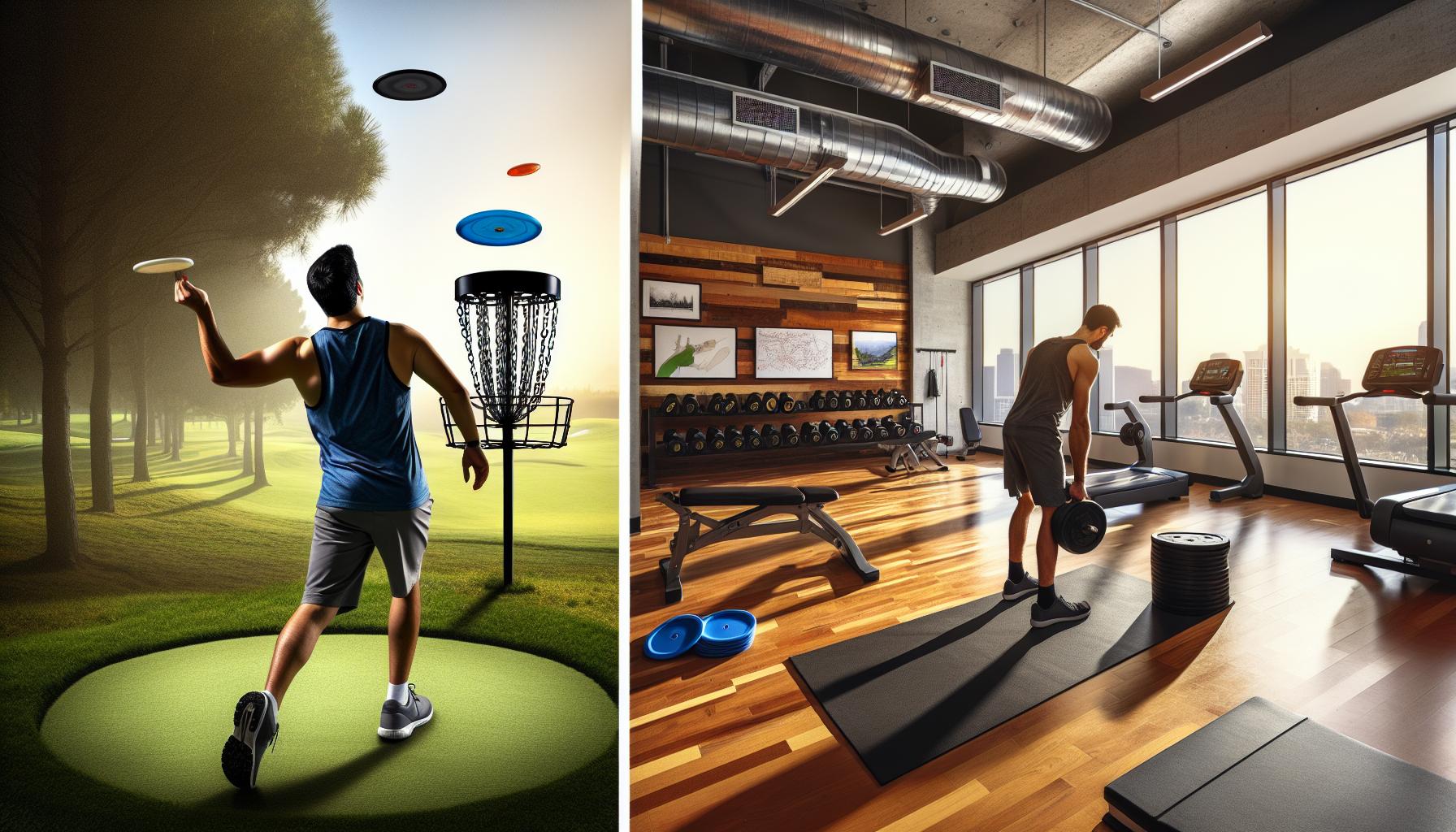
Playing disc golf isn’t just a recreational pastime; it can also serve as a formidable alternative to traditional workouts. Unlike the structured environment of a gym, disc golf incorporates natural outdoor elements, providing an enjoyable way to engage in physical activity. With the combination of walking the course, throwing, and strategizing how to navigate each hole, players can enjoy a full-body workout with social interaction, all while enjoying the beauty of nature.
When comparing disc golf to traditional forms of exercise, such as running or weight lifting, it’s essential to recognize the unique benefits that disc golf offers. For instance, a typical session can burn between 400 to 600 calories, depending on the player’s weight and intensity of play. This calorie burn is not just from walking; each throw requires core stability, arm strength, and balance, allowing for a diverse range of muscle groups to engage at once. Contrast this with a treadmill workout, where the focus is primarily on cardiovascular endurance without engaging the many muscles required for effective throwing.
Additionally, disc golf encourages a more holistic approach to fitness. The sport’s dynamic nature means players are constantly adjusting their techniques, improving their throw mechanics, and incorporating exercises that enhance flexibility and strength. Traditional workouts often lack this variety, particularly in terms of skill development. For example, practicing different throwing styles not only improves one’s game but also builds upper body strength and enhances coordination, making it particularly engaging for those looking to develop athletic skills alongside their fitness.
Lastly, the social component of disc golf sets it apart from typical workout routines. Forming connections with fellow players fosters a sense of community, which can be a significant motivational factor. Engaging in exercise with friends or joining a disc golf club can provide support and encouragement, often leading to increased workout frequency and a more profound commitment to fitness goals. With its mix of cardio, strength training, and social interaction, disc golf provides a comprehensive alternative to monotonous gym workouts, making it an appealing choice for those seeking both fitness and fun.
Building Endurance Through Disc Golf: A Beginner’s Guide
Building endurance is crucial for enjoying disc golf over the long haul, whether you’re playing casually with friends or competing in tournaments. Did you know that a typical round of disc golf can involve walking over two miles while navigating a course with varying elevations? This combination of distance and the physical demands of throwing can significantly enhance your stamina. By understanding the unique structure of disc golf and incorporating a few specific strategies, beginners can effectively boost their endurance and overall fitness levels.
To maximize your endurance through disc golf, consider integrating a few key practices into your routine. Start by focusing on consistent practice to build your throwing muscles and improve your throwing technique. Engage in a variety of throws-backhand, forehand, and overhead-to develop different muscle groups. Aim for sessions that last 90 minutes to 2 hours, allowing rest periods to mimic actual play conditions while not overexerting. As you become comfortable, you can gradually increase the intensity and duration of your practice rounds.
Additionally, add a warm-up routine before each game. Simple stretches and mobility exercises can prepare your muscles and prevent injuries. Consider exercises that focus on your core, legs, and shoulders, as these areas are predominantly engaged when playing. For instance, dynamic stretches like leg swings and torso twists can enhance your flexibility and readiness for play.
Furthermore, tracking your progress can be a motivational tool. Consider keeping a journal or using a fitness app to log your rounds, noting the distance walked and the number of throws made. This log can help you see improvements over time and set personal goals, like fewer strokes per round or increased distance on your throws. Engaging with the community through local clubs or competitions can also enhance your endurance, as you’ll regularly challenge yourself while enjoying camaraderie with fellow players.
By establishing a solid foundation in these practices, not only will you enhance your endurance for disc golf, but you’ll also set the stage for a healthier lifestyle overall. Embrace the joy of being outdoors and connecting with others in this growing sport, and watch as your stamina and health improve each time you step onto the course.
Improving Your Fitness: Strength and Flexibility Benefits
Playing disc golf not only provides a fun and social way to spend time outdoors, but it also offers significant benefits in terms of fitness, particularly in building strength and flexibility. As players navigate the diverse terrains of disc golf courses, they are engaging multiple muscle groups and promoting flexibility without the monotonous nature of traditional workouts. The dynamic movements involved in throwing, walking, and bending translate into effective strength training and improved range of motion.
To harness these benefits, focus on incorporating specific exercises that target the core, legs, and upper body, which are essential for a powerful throw. For instance, the rotational motion of a backhand throw activates the core muscles. Consider adding exercises such as planks and Russian twists to your routine to enhance core stability and strength. Furthermore, exercises like lunges and squats build lower body strength, which is crucial for walking long distances on the course and generating power in your throws.
In addition to strength training, flexibility plays a vital role in optimizing performance and preventing injuries. Engaging in regular flexibility routines, including dynamic stretches before play and static stretches afterward, can significantly improve your overall performance. For example, incorporating stretches for the shoulders, hips, and hamstrings will enhance your throwing mechanics and reduce the risk of injury.
One effective way to integrate these practices into your disc golf routine is by dedicating a few minutes before and after each round to warm-up and cool down. This not only prepares your body for the physical demands of the game but also contributes to recovery and muscle relaxation. As you participate in disc golf regularly, you may notice an increase in your strength and flexibility, allowing you to throw more effectively and enjoy longer, more active days on the course.
Ultimately, by embracing these fitness components, you’ll not only enhance your disc golf game but will also foster a healthier lifestyle that elevates both your play and your overall well-being. Whether you’re a seasoned competitor or a weekend warrior, acknowledging the physical demands of the game is essential for longevity and success in this vibrant sport.
Mental Health Boosts: The Mind-Body Connection of Disc Golf
Engaging in disc golf goes beyond the mere joy of throwing discs; it encompasses a range of mental health benefits that can significantly enhance your overall well-being. One captivating fact is that spending just a few hours in nature, which is an integral part of the disc golf experience, is known to reduce stress and anxiety levels. With every throw, putt, and walk between holes, players can find themselves in a meditative state that promotes mindfulness-an essential component in today’s fast-paced world.
The immersive experience of playing disc golf allows individuals to disconnect from daily stresses and immerse themselves in a positive and welcoming community. This social aspect of the sport cannot be overstated; connecting with fellow players fosters friendships and support networks, which are crucial for mental health. Regularly participating in group outings can provide a sense of belonging and reduce feelings of isolation. Whether playing a casual round with friends or participating in a local tournament, these interactions can lift your spirits and improve your self-esteem.
In addition to social connection, the physical activity involved in disc golf boosts the release of endorphins-our body’s natural mood lifters. The combination of walking the course, concentrating on throws, and enjoying the beautiful surroundings can make for a potent remedy against feelings of depression and anxiety. The athletic challenge presented by the game can also encourage personal goals and achievements, further reinforcing a positive self-image and motivation.
To fully maximize the mental health benefits of disc golf, consider setting personal challenges, whether that means improving your throw distance, mastering a new technique, or simply playing consistently each week. Such goals can enhance your focus and create a fulfilling sense of purpose, while the natural exercise you gain contributes to a healthier lifestyle overall. Embracing both the physical and mental aspects of disc golf can lead to a harmonious balance that invigorates your life, making it not just a game, but a pathway to holistic wellness.
Choosing the Right Equipment for Optimal Performance
Choosing the right equipment can significantly enhance your performance on the disc golf course, making it not just a sport but a full-fledged fitness activity that can aid in weight loss and improve overall health. A common misconception is that any disc will do, but understanding the nuances of disc selection can lead to a more enjoyable and effective playing experience.
When considering discs, it’s important to know that they come in various types-drivers, midranges, and putters-each designed for specific throwing needs. Drivers are optimized for distance, often used for the initial throw from the tee pad. Midranges provide greater control for approach shots, while putters are designed for shorter, more accurate throws into the basket. Selecting a disc suited to your skill level and throwing style will help you achieve better results, making each game not only an opportunity for exercise but also for improvement.
One essential aspect of disc selection is weight. Most players opt for lighter discs (around 150-170 grams) for easier throws and increased control, but as you gain strength, you may benefit from slightly heavier discs. These can provide a more stable flight path, particularly in windy conditions. Don’t hesitate to experiment with different weights to find what feels best for your throwing mechanics; this personalized selection can lead to a more satisfying performance and greater calorie burn as you throw more efficiently.
Understanding Disc Flight Characteristics
Each disc has specific flight characteristics defined by four main parameters: speed, glide, turn, and fade. By learning these terms, you can make informed choices about which disc to select for different situations on the course. For instance:
- Speed: How quickly the disc can cut through the air. Higher speed discs are better for experienced players.
- Glide: How long the disc stays in the air before descending. More glide means more distance.
- Turn: The disc’s tendency to curve right (for a right-handed backhand throw) during the initial flight. A more negative number indicates a stronger turn.
- Fade: The degree to which the disc hooks to the left at the end of its flight. A disc with a strong fade is great for finishing the throw accurately.
Finding the right balance among these characteristics is key to optimizing your throwing technique and ensuring you’re getting the physical benefits of the sport.
Investing in Additional Gear
Beyond discs, consider investing in quality footwear that provides comfort and support during your rounds. A pair of proper disc golf shoes can improve traction as you traverse hilly or uneven terrain, adding to your endurance and overall playing enjoyment. Additionally, a lightweight disc golf bag that comfortably holds your discs will encourage you to bring more options to the course, enhancing your experience and promoting a more frequent play schedule-crucial for weight loss and fitness progress.
In conclusion, taking the time to understand and select the right equipment can transform your disc golf experience into a more effective workout. By aligning your gear with your personal strengths and weaknesses, you can harness the full potential of this unique sport, paving the way for both enjoyment and health benefits.
Technique Tips: Improve Your Throw for Better Exercise
To truly harness the fitness potential of disc golf, mastering your throwing technique is essential. Did you know that a well-executed throw can engage your entire body, providing both cardiovascular and strength-training benefits? Whether you’re a novice or a seasoned player, improving your technique not only enhances your performance but also maximizes your workout, helping you to burn more calories as you play.
Begin by focusing on your grip, stance, and follow-through. A proper grip involves holding the disc firmly yet comfortably, allowing for the right amount of wrist snap during your release. Position your feet shoulder-width apart to maintain balance, and align your shoulders with your target for a more effective throw. As you engage your core and rotate your hips, aim to push off your back foot, transferring your weight forward. This technique utilizes major muscle groups, boosting caloric burn while propelling your disc further down the fairway.
Understanding Your Throwing Mechanics
The mechanics of your throw are crucial for achieving distance and accuracy. There are several key components to integrate into your practice sessions:
- Backswing: Use a smooth motion, bringing the disc back and keeping it close to your body. This builds tension and prepares you for a powerful forward motion.
- Snap: As you transition to the forward throw, focus on snapping your wrist at the point of release. This imparts spin, essential for distance and stability in flight.
- Follow-through: Your follow-through should be as important as your throw. Allow your arm to naturally extend and finish across your body, ensuring fluidity and helping prevent injury.
Incorporating Drills to Enhance Technique
To further refine your skills, consider incorporating specific drills into your routine. One effective exercise is the “X-step,” which helps to develop a more dynamic approach to your throw. Start from a standstill, then step back diagonally, bringing your weight onto your back foot before pivoting into your throw. Practicing with different types of discs (drivers, midranges, and putters) can also help you better understand how each disc behaves during different throwing techniques.
As you progress, pay attention to how your body feels. Disc golf is a physical activity, and maintaining proper mechanics can help minimize fatigue and reduce the risk of injury, allowing for longer, more enjoyable rounds that contribute to your fitness goals.
In summary, improving your throw not only enhances your disc golf performance but also amplifies its fitness benefits. By honing your technique and understanding the fundamentals of throwing mechanics, you can maximize your workout, enjoy the game, and work towards your weight loss and fitness goals seamlessly. Embrace the challenge, celebrate the progress, and enjoy every throw on the course.
Social Aspects: How Community Enhances Your Playing Experience
There’s something remarkably uplifting about stepping onto a disc golf course surrounded by fellow enthusiasts, whether you are an experienced player or a curious newcomer. The sense of community within disc golf is vibrant, providing not just companionship, but a unique encouragement that enhances the overall experience. When players come together, they share not only tips on technique but also motivation and camaraderie that can enrich the journey toward fitness and health through this engaging sport.
Participating in leagues or casual groups fosters a friendly competitive atmosphere that can push each player to improve. When you witness your peers mastering a challenging throw, it inspires you to refine your own skills. This collective growth often translates to sharper throws and better endurance on the course, all while engaging in a social setting that promotes mental well-being. Friends often encourage each other in achieving personal bests-be it a longer drive or a more accurate putt-which can amplify the health benefits associated with regular physical activity.
Moreover, disc golf gatherings can be excellent outlets for social interaction that contribute to mental health. Spending time outdoors while engaging in a sport that requires physical activity is a powerful combination against stress and anxiety. Many players find that discussions about techniques or strategies evolve into friendships, making regular outings a highlight of their week. Sharing in the triumphs and trials of scoring a round together fosters bonds that can motivate you to stay active and involved in the sport.
Finally, many disc golf communities organize local tournaments and events that not only enhance one’s skills but also add an element of excitement to the regular training schedule. These events often include participants of various skill levels, making them welcoming and perfect for newcomers looking to immerse themselves in the sport culture. The sense of achievement that comes from participating in a tournament-regardless of the outcome-can be a significant boost to self-esteem, motivating players to continue their fitness journey while enjoying the spirited community of disc golf.
Strategies for Long-Distance Play: Maximizing Your Workout
Incorporating strategies for long-distance play in disc golf can significantly enhance your workout and contribute to effective weight loss. One of the best aspects of disc golf is that it allows for substantial cardio exercise; walking an entire course can burn a considerable number of calories, especially if you strategically increase your distance and pace.
To maximize your workout during a round of disc golf, consider the following practical tips:
1. Choose Courses Wisely
Look for courses that challenge your endurance. Opt for layouts with longer holes or varied terrain that require walking uphill or through rugged areas. This not only helps elevate your heart rate but also provides a full-body workout as you navigate through different environments.
2. Maintain a Brisk Pace
When taking on long-distance play, keep a brisk pace between throws. Instead of waiting idly for others to throw, use this time to do quick stretches or light jogging to maintain your heart rate. Setting a challenge to finish the course faster than your last round can also serve as motivation.
3. Utilize Interval Training Techniques
Incorporating interval training into your rounds can be highly beneficial. Try alternating between walking fast and the occasional jog during the course. For instance, jog to your disc after each throw, and then walk briskly to the next tee. This variation stimulates cardiovascular benefits and can enhance your overall performance.
4. Carry Your Gear
While it’s common to use a cart or bag with wheels, consider carrying your gear in a backpack. This adds resistance and increases calorie burn. The act of carrying discs and water increases the workout intensity, making your time on the course doubly beneficial.
The social elements of disc golf amplify these workouts even more; playing with a group encourages a supportive environment that can motivate each participant to push their own limits. Not only is this an excellent way to enjoy the outdoors and meet like-minded individuals, but it also establishes a consistent fitness routine that integrates seamlessly into your lifestyle. By sharing your fitness goals with others in your disc golf community, you foster accountability and encouragement that can lead to long-term success.
With these strategies in place, you can turn each outing into a fun and effective workout as you develop your skills, improve your fitness, and enjoy the camaraderie of the disc golf community.
Incorporating Disc Golf into Your Fitness Routine
Engaging in disc golf not only enhances your enjoyment of the game but also provides remarkable fitness opportunities that can be seamlessly incorporated into your weekly routine. Each round of disc golf contributes to your physical health as you walk the course, throw discs, and engage in various movements that enhance strength, flexibility, and endurance. In fact, a typical round can involve walking between 2 to 5 miles, significantly contributing to your aerobic fitness and caloric burn, making it an enjoyable alternative to traditional workouts.
To effectively incorporate disc golf into your fitness regimen, start by setting goals that are both challenging and realistic. For beginners, aim to play at least once a week, gradually increasing the duration and intensity of your sessions. You can enhance your workout by alternating your techniques-occasionally mixing in jogging or brisk walking between holes, which not only burns more calories but also improves cardiovascular fitness. Consider using the course layout to your advantage; select longer, more challenging courses with variable terrain that require more effort to traverse.
Another impactful strategy is to establish a warm-up and cool-down routine. Prior to your round, engage in dynamic stretches to prepare your muscles for the physical activity ahead. After playing, conclude with static stretching to enhance flexibility and prevent soreness. Additionally, tracking your progress through various fitness apps can be beneficial in maintaining motivation and accountability.
Social interaction is another vital aspect of integrating disc golf into your lifestyle. Joining a local disc golf club or participating in community events fosters camaraderie while offering encouragement and support. Engaging with a community of players can introduce friendly competition, spurring you on to improve your skills and achieve your personal fitness goals. Through these strategies, disc golf can transform from a leisurely activity into a core component of your health and wellness plan, illustrating that fun and fitness can indeed go hand in hand.
Success Stories: Real Players Share Their Weight Loss Journeys
Many disc golfers have transformed their lives through the sport, using it as a vehicle not just for fun but for significant health improvements and weight loss. Players like Sarah Thompson and Mark Jensen have inspiring stories that illustrate the profound impact that a regular disc golf routine can have on one’s physical and mental well-being.
Sarah started playing disc golf as a casual weekend activity. Struggling with a sedentary lifestyle and a lack of physical exercise, she took her first steps onto the course as a way to socialize but soon discovered the unexpected workout that each round offered. Over the course of a year, Sarah committed to playing at least twice a week and incorporated brisk walking between holes. Her dedication paid off-she lost over 30 pounds and found that her increased cardiovascular fitness allowed her to enjoy longer days on the course without fatigue. Sarah’s experience demonstrates that engaging actively in disc golf can lead to meaningful changes in one’s weight and overall health.
Mark’s journey is also compelling. A self-proclaimed couch potato, he picked up disc golf at the urging of friends who wanted to get out and play. Initially skeptical about its fitness benefits, he was pleasantly surprised by how physically demanding it could be. Mark began tracking his rounds using a fitness app, noting that an average outing could burn around 600 calories, depending on the course and terrain. Through a combination of consistent play and mindful eating, Mark shed 40 pounds within six months. His newfound energy not only made rounds more enjoyable but sparked an interest in competing, allowing him to integrate a community aspect that further motivated his journey.
These stories highlight not only the potential for weight loss but also the community aspect of disc golf, which fosters a supportive environment that encourages healthy habits and a balanced lifestyle. The camaraderie built on the course can make the pursuit of fitness feel less like a chore and more like a collective adventure. As Sarah and Mark can attest, disc golf offers an accessible way to blend exercise with enjoyment, making weight loss achievable for players of all levels.
Faq
Q: How can playing disc golf help with weight loss?
A: Playing disc golf can aid in weight loss by providing a moderate cardiovascular workout that burns calories. Walking the course, throwing discs, and engaging in physical activity can result in a significant caloric deficit over time, contributing to weight loss. Incorporate disc golf into your weekly fitness routine for optimal results.
Q: What is the average calorie burn from playing disc golf?
A: The average person burns approximately 300 to 600 calories per hour while playing disc golf, depending on factors like intensity, body weight, and terrain. A consistent playing schedule can enhance weight loss efforts and overall fitness. For a personalized estimate, consider tracking your activity levels.
Q: Is disc golf a good workout for beginners?
A: Yes, disc golf is an excellent workout for beginners. It combines walking and throwing, promoting cardiovascular health and muscle engagement without the pressure of high-impact sports. Start by choosing beginner-friendly courses and progressively increase the difficulty as your fitness level improves.
Q: How does disc golf compare to other sports in terms of fitness benefits?
A: Disc golf offers a unique blend of aerobic and anaerobic exercise, similar to hiking or rucking. While it may not provide the same intensity as running or cycling, it is low-impact and great for social interaction, making it a sustainable option for fitness and weight management.
Q: Can I improve my fitness through casual disc golf play?
A: Absolutely! Casual disc golf play still promotes fitness through walking, throwing, and engaging with friends. To maximize benefits, combine disc golf with other forms of exercise, such as strength training and flexibility routines, as mentioned in the article.
Q: What equipment do I need to start playing disc golf for fitness?
A: To start playing disc golf, you’ll need just a few discs (driver, mid-range, and putter), comfortable athletic wear, and durable shoes. As you progress, consider investing in equipment like a bag, gloves, and performance-enhancing discs for more serious play.
Q: How often should I play disc golf to see weight loss results?
A: Aim to play disc golf at least 2-3 times per week for effective weight loss results. Combine your playing schedule with other exercises for a balanced fitness routine. As you gain consistency, you’ll likely notice improvements in endurance and overall health.
Q: Can disc golf also benefit my mental health?
A: Yes, playing disc golf contributes positively to mental health. The sport encourages being outdoors, socializing, and focusing on the game, all of which can reduce stress and improve overall mood. Engage in regular play not only for fitness but also for its mental well-being benefits.
Explore more benefits of disc golf in our article sections, and consider how you might incorporate it into your lifestyle for enjoyable fitness and community engagement!
Key Takeaways
Ready to take your disc golf game to the next level and shed those extra pounds? Remember, playing disc golf not only enhances your fitness through enjoyable movement, but it also boosts your social connections and mental well-being. Don’t wait-grab a disc and hit the closest course today!
For more tips on improving your skills, check out our guides on disc flight mechanics and throwing techniques. Curious about the best equipment to enhance your performance? Explore our comprehensive equipment comparisons. Also, don’t forget to join our newsletter for exclusive insights from seasoned players and upcoming events in the disc golf community!
If you have questions, comments, or personal experiences to share, feel free to drop them below. We’d love to hear from you! Keep discovering how disc golf can transform your health and lifestyle-it’s time to play and get fit!
Get our latest guides, news, and insights highlighted in your Google Search & AI Overviews.