Did you know that playing disc golf can burn as many calories as a brisk walk or even a game of casual basketball? As this vibrant sport continues to grow, many players are discovering its dual benefits: an exhilarating way to enjoy the outdoors while staying fit. Whether you’re a seasoned competitor or just starting out, understanding the calories burned during a round of disc golf can motivate you to hit the course more often.
In this article, we’ll explore the factors that influence calorie burn in disc golf, from your weight and skill level to the intensity of your game. Not only will you learn how to optimize your time on the course for maximum fitness, but you’ll also find tips and techniques to enhance your overall performance. So grab your discs and get ready to discover how this fun sport can contribute to your fitness goals, making each round enjoyable and rewarding.
Understanding Caloric Burn in Disc Golf
Understanding how many calories you burn while playing disc golf can be surprisingly complex, yet exhilarating. On average, individuals can burn anywhere from 300 to 600 calories per hour, influenced by factors such as a player’s weight, intensity of play, course difficulty, and individual style. Exploring the combination of walking, throwing, and retrieving discs creates a unique physical engagement that not only enhances fitness but promotes wellbeing.
The calorie expenditure in disc golf primarily arises from the combination of cardio and muscle activity involved in traversing the course. Players traverse diverse terrains, which can include hilly landscapes or densely wooded areas, making each step feel like a mini workout. The act of throwing involves dynamic physical movements, engaging core, arms, and stabilizing muscles that contribute to overall caloric burn. Even the simple act of putting requires a surprising amount of focus and physical energy.
Here are several factors that influence the caloric burn while playing:
- Course Difficulty: The more challenging the course, including elevation changes and technical shots, the greater the exertion required.
- Player Weight: Heavier individuals typically burn more calories over the same duration compared to lighter players.
- Intensity of Play: Engaging in competitive rounds or fast-paced games increases heart rate and energy expenditure.
- Walking vs. Riding: Walking the course rather than using a golf cart significantly boosts calorie burn.
Leveraging this knowledge can help players of all skill levels understand the fitness potential of the game. Whether you’re a weekend warrior or a competitive player, recognizing the relationship between your physical activity and caloric burn can motivate you to hit the course more often-not just for fun, but for fitness too!
Factors That Influence Caloric Burn

The calorie burn potential in disc golf is influenced by a variety of factors that can significantly alter the overall exertion level during play. Understanding these elements can help players strategize their fitness goals and maximize their workout while enjoying the game.
To start, the course difficulty plays a pivotal role in caloric expenditure. A challenging course with steep hills, dense trees, and uneven terrain demands more energy as players engage their bodies more intensely to traverse tricky pathways and execute technical shots. For instance, players might find themselves climbing elevation changes that not only require strength but also cardiovascular endurance.
Another major factor is player weight. Generally, heavier players tend to burn more calories compared to their lighter counterparts over the same amount of time. This is due to the increased energy required to move a larger mass, especially when combined with the physical demands of throwing and walking between holes.
Next is the intensity of play. Players who approach their rounds with a competitive mindset-such as playing rapidly or aiming for personal bests-will experience a higher heart rate and greater caloric burn. The excitement of chasing a score can boost the pace of a round, further enhancing fitness gains.
Lastly, the choice between walking and riding is significant. Opting to walk the course instead of using a golf cart can escalate calorie burn considerably. The act of walking, combined with navigating the varied landscapes of a disc golf course, promotes cardiovascular fitness while also contributing to muscle engagement.
By considering these factors, players can tailor their approach to disc golf, whether for casual exercise or competitive training, maximizing both enjoyment and physical fitness.
Comparing Disc Golf to Other Sports
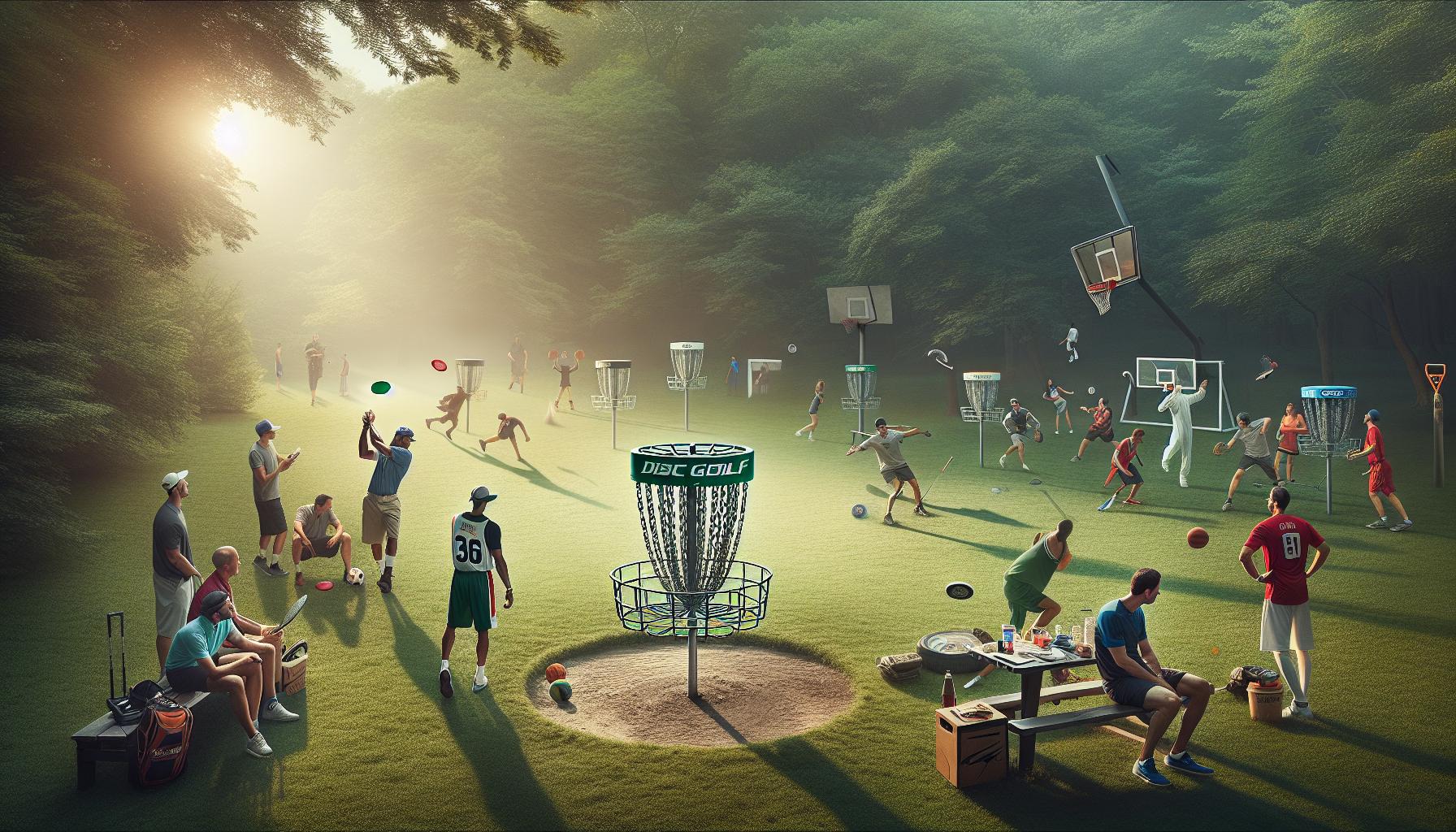
The allure of disc golf as a fitness activity is often compared to traditional sports, and it’s fascinating to see how it stacks up against more conventional athletic pursuits. For instance, on average, playing a round of disc golf can burn between 300 to 600 calories per hour, depending on factors such as course difficulty, player’s weight, and intensity of play. This caloric burn is comparable to moderately intense activities like hiking or casual jogging, making disc golf an underrated option for fitness enthusiasts.
When placing disc golf side by side with other popular recreational sports, it’s clear that each has unique physical demands. For example, a leisurely game of basketball may burn similar calories, but the high-impact nature of sprinting and jumping can lead to faster fatigue and a higher injury risk. On the other hand, disc golf’s walking and throwing mechanics build endurance and strength without the same level of impact stress, appealing to a broader audience.
In terms of social engagement, disc golf fosters a community spirit reminiscent of recreational soccer or ultimate frisbee. Groups can easily gather for a round, promoting camaraderie, competition, and fun while engaging in light to moderate cardiovascular activity. This social aspect often enhances motivation-players are more likely to push themselves when paired with friends, leading to incremental gains in fitness over time.
Moreover, disc golf allows players to connect with nature, serving as a natural stress reliever. Unlike confined gym settings or indoor sports, many courses are set in beautiful landscapes, offering the additional benefit of mental well-being alongside physical exercise. Whether you’re throwing a drive down the fairway or putting by a serene pond, the environment can invigorate the spirit while offering substantial fitness benefits.
Ultimately, disc golf stands out not only as a form of enjoyable recreation but also as an effective way to incorporate fitness into a casual lifestyle. With minimal equipment and a welcoming community, new players can easily dive in while seasoned competitors can hone their skills and improve their physical conditioning.
How to Accurately Estimate Calories Burned
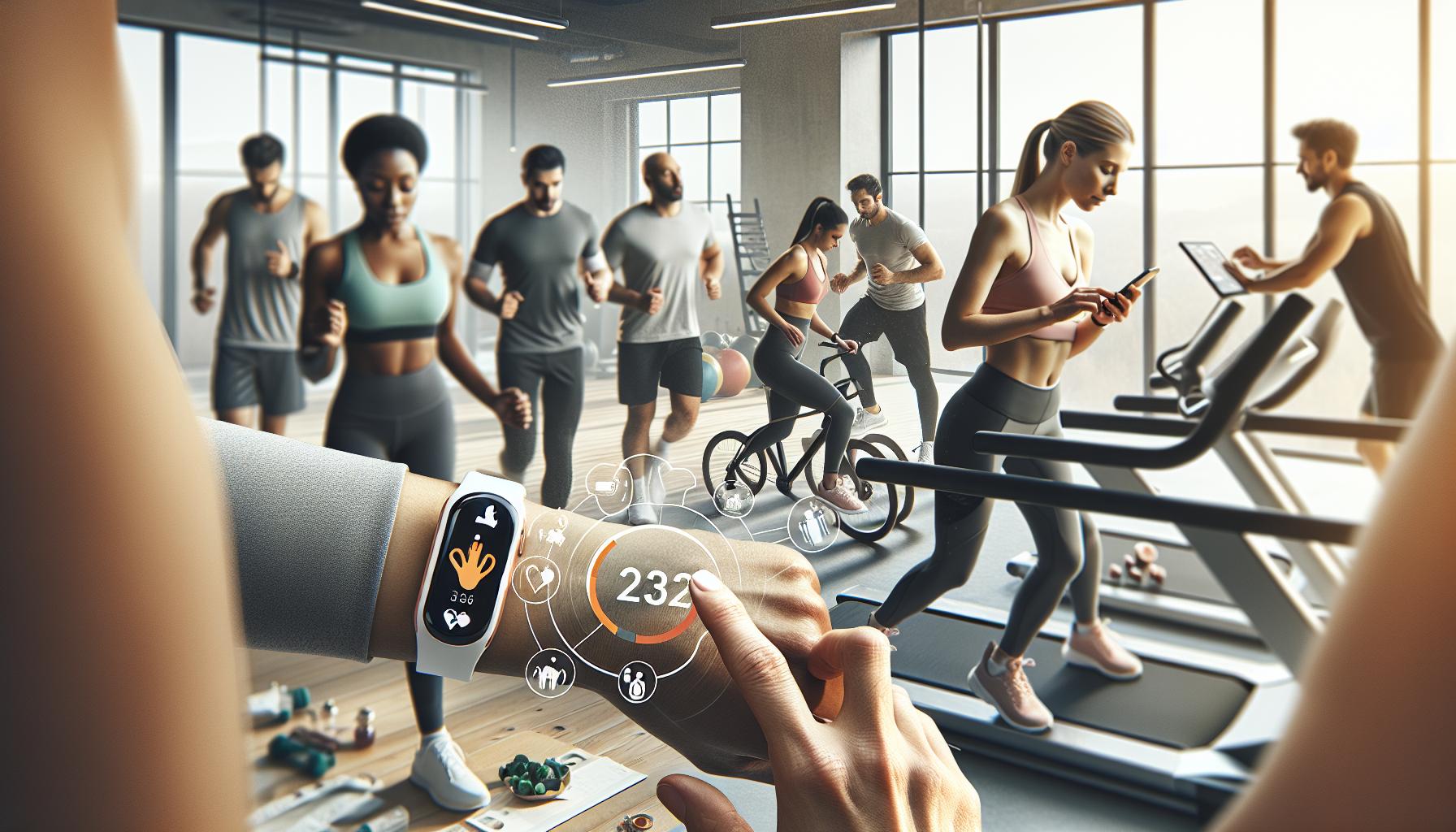
Estimating calories burned during a round of disc golf can transform your casual outing into a more purposeful fitness activity. On average, players can burn between 300 to 600 calories per hour, depending on several factors such as body weight, course difficulty, and playing intensity. To determine your caloric expenditure more accurately, consider the following key elements:
Body Weight
Your weight significantly influences calorie burn. Larger individuals typically burn more calories because moving their body requires more energy. Here’s a simple estimate:
- A person weighing 150 pounds may burn approximately 300-400 calories per hour.
- A person weighing 200 pounds might burn about 400-500 calories per hour.
- A player at 250 pounds could potentially burn around 500-600 calories in the same duration.
Course Difficulty and Conditions
The type of disc golf course also plays a vital role in caloric burn. A more challenging course with hills, dense woods, or longer holes requires additional energy as players navigate terrain and throw from various distances. Playing in adverse weather, such as high heat or humidity, can further elevate calorie expenditure due to increased heart rate and metabolic demand.
Playing Intensity
The way you engage with the game matters. A casual pace-taking your time to enjoy the scenery and socializing-will burn significantly fewer calories compared to playing competitively or rushing through a round. Walking briskly between holes and incorporating dynamic throws will elevate your heart rate and optimize the workout benefits.
Using Technology
For detailed tracking, consider using fitness trackers or mobile apps designed to monitor physical activity. Many devices can estimate calories burned based on duration, intensity, and personal statistics like weight and heart rate. This approach provides you with precise feedback on your disc golf workouts and can help you set fitness goals.
By assessing these factors, you can estimate your caloric burn more accurately, ensuring that your disc golf outing is not only fun but also an effective means of physical activity. Whether you’re playing casually or working towards higher levels of competition, understanding how many calories you burn allows you to make informed choices about your fitness journey.
Fitness Benefits of Playing Disc Golf

Engaging in disc golf is not just a fun way to spend time outdoors; it’s also a fantastic way to achieve fitness goals. Many players may not realize it, but disc golf combines cardiovascular exercise, strength training, and skill development all in one dynamic package. Not only does playing a round help burn calories-ranging from 300 to 600 per hour depending on various factors-but it also promotes physical and mental well-being in a variety of ways.
The game naturally promotes aerobic fitness as players traverse courses that often include varied terrain. Walking between holes, particularly on courses with elevation changes or rough patches, ensures participants are getting a solid workout while enjoying nature. Furthermore, the actions involved in throwing-like twisting and loading power into drives and putts-engage core muscles and strengthen overall body stability. Over time, these physical engagements can lead to improved muscle tone, especially in the arms, shoulders, and legs.
Aside from the physical benefits, disc golf also plays a significant role in enhancing mental health. The focus required to navigate each hole and execute throws can help alleviate stress and improve concentration, making it an excellent outlet for those seeking relief from daily pressures. The social aspect of the game cannot be overlooked either; playing with friends or joining local leagues fosters a sense of community and belonging, often motivating players to stick with their fitness routines.
Overall, whether you’re a novice trying to stay active or an experienced competitive player looking to refine your skills, disc golf offers a unique blend of fitness benefits. With practice and regular play, you can cultivate not only your physical health but also create lasting social connections that enhance your enjoyment of the sport. From casual meet-ups to competitive matches, disc golf truly embodies the spirit of athletic fun and community.
Tips for Maximizing Caloric Expenditure
Maximizing caloric expenditure while playing disc golf can elevate your fitness journey, transforming leisurely rounds into invigorating workouts. Did you know that playing a game of disc golf can burn between 300 to 600 calories per hour? Various strategies can help boost that calorie count even further, allowing you to reap greater health benefits while enjoying the sport.
One effective way to increase caloric burn is to maintain a brisk pace throughout your game. Instead of casually walking between holes, try to keep a steady, energizing pace that elevates your heart rate. Aiming to jog or speed walk can turn your round into more of an aerobic workout. Additionally, challenge yourself by incorporating extra exercises during your game; for example, perform squats or lunges while waiting for your turn or add in some light stretching to keep your muscles engaged.
Another critical aspect is to focus on your throwing mechanics. To maximize your workout, practice various throwing techniques repeatedly. For instance, work on developing your backhand, forehand, and overhand throws, engaging different muscle groups with each throw. This not only increases your skill level but also adds to your overall physical output and calorie burn. You can also benefit from warming up and cooling down properly to prevent injuries and promote recovery, allowing you to play longer and more energetically.
Lastly, consider the terrain of the disc golf course itself. Opt for courses that feature elevation changes or rougher terrains to increase your workout intensity. Carry a backpack or bag with extra water, snacks, or even light weights to boost your physical demands while navigating the course. Emphasizing these practical strategies not only enhance your caloric expenditure but also contribute to a more dynamic and fulfilling disc golf experience, making every round an opportunity to improve your fitness while enjoying the great outdoors.
Essential Gear for Disc Golf Fitness
With the growing popularity of disc golf, the equipment players choose can significantly impact their fitness and performance on the course. Proper gear not only enhances your gameplay but can also ensure that you’re maximizing your caloric burn during those rounds. Here’s a look at essential gear that can elevate both your fitness journey and your enjoyment of the game.
When it comes to discs, selecting the right types for various throws is crucial. A diverse set should include a driver for long distances, a midrange disc for controlled shots, and a putter for accuracy. Popular brands like Innova and Discraft offer a wide range of discs tailored for different skill levels and throwing techniques. Discs generally come in various weights, with heavier ones providing more stability but requiring more strength to throw effectively. This can contribute to your workout, as using heavier discs engages more muscle groups.
Carrying a comfortable and functional bag is essential for any disc golfer. Look for a backpack designed specifically for disc golf, which offers adequate storage without excess bulk, ensuring you maintain a good pace throughout the course. Many bags include compartments for water bottles, snacks, and even a first-aid kit, allowing you to stay hydrated and fueled while you play. An ergonomic design can also prevent strain, particularly if you’re traversing a hilly course.
Footwear is another crucial consideration. Investing in a pair of supportive shoes with good grip can enhance your performance and reduce the risk of injury, especially in uneven terrain. Whether you prefer hiking shoes, running shoes, or even cleats, make sure they are comfortable and suitable for walking long distances. Proper footwear also adds to your overall caloric expenditure, as you’ll be able to move more efficiently and confidently on the course.
Lastly, consider gear that aids in your warm-up and recovery, such as resistance bands or foam rollers. These tools can enhance your flexibility and strength, further contributing to your fitness as you prepare to play. Incorporating a routine with them before and after your game can improve your performance and help prevent injuries, ensuring you can enjoy the sport longer and with more enthusiasm.
By equipping yourself with the right tools, you not only enhance your disc golf experience but also turn it into a powerful and enjoyable fitness routine.
Injury Prevention and Fitness Guidelines
Injuries can sideline even the most dedicated disc golfers, so understanding how to prevent them is crucial to enjoying the sport and maximizing its fitness benefits. Playing disc golf involves a range of movements, from twisting and throwing to walking varying distances across diverse terrains. This combination can put stress on your muscles, joints, and tendons, making injury prevention essential for both casual and competitive players.
To reduce the risk of injury, start by implementing a thorough warm-up routine before you hit the course. Warming up increases blood flow to the muscles, enhances flexibility, and prepares your body for the physical demands of the game. Dynamic stretches focusing on your shoulders, back, legs, and hips are particularly important since these areas are heavily engaged while throwing and walking. Consider exercises like arm circles, hip swings, and walking lunges to get your body ready for action.
Another key aspect of prevention involves leveraging proper throwing mechanics. Utilize a stable base during your throw by distributing your weight evenly. Focus on engaging your core and using your legs to drive the motion, allowing for a smoother and more powerful throw, which can minimize undue strain on your shoulders and back. It’s also beneficial to practice different throwing techniques and angles-such as backhand and forehand-to build a well-rounded skill set, reducing the risk of overuse injuries from repetitive motions.
Moreover, attention to recovery is just as critical as prevention. After your game, dedicate time to cool down and stretch, which can aid in recovery and flexibility. Incorporating strength and conditioning exercises focusing on your core, lower back, and legs into your training regimen will bolster your overall fitness, further lowering injury risk and enhancing your performance on the course.
Lastly, never underestimate the value of listening to your body. If you start to feel pain or discomfort, it’s essential to take a break or consult a professional before continuing to play. Engaging with the disc golf community can also provide insights into common injuries and recovery strategies-sharing experiences can lead to better understanding and preventative measures that can keep you on the course for the long haul. By prioritizing injury prevention and fitness, you open the door to a more enjoyable and rewarding disc golf experience, benefiting both your physical health and the joy of the game.
Nutritional Strategies for Disc Golf Players
Nutrition plays a vital role in optimizing performance and recovery in disc golf. As players traverse the course and engage in physical activity, the right dietary strategies not only support energy levels but also enhance overall gameplay. Ensuring that you’re fueling your body correctly can significantly affect your stamina, focus, and ability to perform at your best, particularly during those long rounds that can last several hours.
To start, focus on a balanced diet rich in whole foods, which include a mix of carbohydrates, proteins, and healthy fats. Carbohydrates are crucial as they are the primary source of energy for physical activity. Opt for complex carbs like whole grains, fruits, and vegetables that provide sustained energy over time. For example, a pre-round meal could consist of oatmeal topped with banana slices and a sprinkle of nuts-this combination not only fuels your game but also keeps you feeling satiated throughout your round.
Hydration is equally important. Maintaining adequate fluid levels helps with concentration and reduces the risk of fatigue. Aim to drink water before, during, and after your rounds, especially on hot days. Electrolyte drinks can be beneficial as well, particularly during prolonged play or if you’re sweating heavily.
To keep your energy levels steady during a game, consider incorporating snacks that are easy to digest and carry, like energy bars, trail mix, or fruit. These snacks can be consumed between holes to maintain energy without feeling weighed down. Packable options, such as nut butter packs paired with whole-grain crackers, provide a good balance of protein and carbs, while being convenient to eat on the go.
After a round, prioritize recovery by focusing on protein intake, which aids muscle repair. A protein smoothie with fruit or a simple chicken wrap can replenish energy stores and set you up for your next game. Regularly evaluating your nutrition plan not only promotes good energy and performance but also helps in achieving your overall fitness goals. Engaging with fellow players about their nutritional habits can further enrich your understanding and practice, creating a supportive community that values both the sport and a healthy lifestyle.
Real-Life Stories: Disc Golf and Fitness Journeys
Stories of personal transformation and community engagement abound within the world of disc golf, highlighting how this sport can play a pivotal role in fitness journeys. One particularly inspiring story comes from a player named Sarah, who took up disc golf during her weight loss journey. Initially, Sarah struggled with traditional exercise regimes, often feeling overwhelmed at the gym. However, upon discovering disc golf, she found not only a way to engage in physical activity but also a social outlet. By regularly playing rounds, she reported burning between 300 to 500 calories per session and began shedding pounds while enjoying the outdoors. The camaraderie she experienced on the course motivated her further, transforming her fitness journey from a solitary pursuit into a community-driven adventure.
Another notable experience is that of James, a competitive player who transformed his lifestyle after his health took a downturn. After a doctor’s warning about cardiovascular risks, James was determined to make a change. He began incorporating disc golf into his weekly routine, aiming to hit the course at least three times a week. Not only did he notice improvements in his stamina, but he also found that the act of walking the course while concentrating on his throws diverted his attention from the physical exertion. As he became more active, he shed weight and improved his overall well-being. James attributes much of his success to the engaging nature of disc golf, stating that the sport felt less like exercise and more like fun.
These experiences underline a broader theme in the disc golf community: fitness can take many forms, often emerging alongside social interactions. Players frequently share tips on how to maximize calorie burn-from power walking between holes to incorporating stretches that enhance flexibility and overall performance. The act of playing together not only cultivates friendships but also fosters a supportive environment where players encourage one another towards fitness goals.
In reflecting on these journeys, it becomes clear that disc golf is not just a game; it’s a pathway to better health and well-being. Whether through informal rounds or competitive play, disc golf creates opportunities for players to improve their physical fitness while celebrating achievements, big or small, within a vibrant and welcoming community.
Training Regimens for Competitive Disc Golf
Training for competitive disc golf requires a unique blend of physical conditioning, skill development, and mental focus. As a sport that combines walking, throwing, and strategic planning, it’s essential to develop a regimen that targets various aspects of fitness while also honing your disc golf skills. A well-rounded training program can significantly impact not only your performance but also your ability to engage effectively in the sport and maximize caloric expenditure during play.
To begin, incorporate a mix of cardiovascular and strength training exercises into your weekly schedule. A common approach among competitive players is to dedicate 3-4 days a week to cardiovascular workouts, such as running or cycling, which enhance stamina for long rounds on the course. Pair these sessions with strength training focused on core, legs, and upper body to improve throwing distance and accuracy. Exercises like squats, lunges, and core rotations will not only build muscle but also promote better balance and stability during your throws. Furthermore, using resistance bands for shoulder and arm exercises can help prevent injuries common in disc golf.
Skill Development and Technique Refinement
Skill and technique are paramount in disc golf, especially for advancing through competitive ranks. Regular practice sessions should include both driving and putting drills. Spend time on various types of throws-backhand, forehand, and overhand-to build versatility and adapt to different course challenges. Focus on your putting game by dedicating time to practice from various distances. Consider setting up a “putting ladder” where you gradually increase the distance to challenge yourself. Document your progress and set specific goals, such as improving your putting accuracy by 10% over a month.
Participating in local tournaments is another great way to simulate the competitive environment and develop mental toughness. These experiences allow you to practice under pressure, refine your course strategy, and learn from fellow players. Reflecting on these rounds-what worked well and what didn’t-can provide insights for future improvement and help build a more strategic approach to your gameplay.
Flexibility and Injury Prevention
Incorporating flexibility and mobility exercises into your routine is crucial, as the repetitive motions involved in disc golf can lead to tight muscles and injuries. Yoga and stretching routines should be integral to your schedule, ideally targeting the shoulders, back, hips, and hamstrings. Not only does this enhance flexibility, but it also aids recovery after intense training sessions or competitive play, helping you stay limber and focused.
Moreover, consider cross-training activities such as swimming or cycling that provide aerobic benefits while reducing the strain on your throwing muscles. This variety keeps your training fresh and engaging while also supporting overall fitness.
Through a committed and well-rounded approach to training, not only will you improve your game, but you’ll also find that your caloric burn increases substantially, turning the enjoyment of disc golf into a fulfilling fitness pursuit. Ultimately, the combination of physical fitness, skill honing, and community involvement makes training for competitive disc golf both challenging and rewarding.
Community and Social Aspects of Disc Golf Fitness
The vibrant community surrounding disc golf is one of its most appealing aspects, offering a sense of belonging while promoting fitness and joy in the outdoors. As players traverse courses, they not only burn calories-up to 1,000 in a single round-but also engage in a communal experience that fosters friendships and camaraderie. Whether you are a newcomer or a seasoned competitor, the social elements of this sport can enhance your fitness journey, making it not just about physical exertion but also about building lasting relationships.
Participating in leagues, clubs, and local tournaments provides numerous opportunities for social interaction and motivation. Engaging with fellow players allows for the exchange of techniques and strategies, which can significantly improve your game while also keeping you enthusiastic about getting out on the course. For instance, joining a weekly disc golf league can turn exercise into a rewarding routine, where the accountability of others encourages regular play. These organized events cater to all skill levels, making it easy for beginners to feel welcomed and for experienced players to connect with like-minded individuals striving to improve.
The community aspect extends to shared events such as charity tournaments or community clean-up days at local parks, blending fitness with fun and purpose. These gatherings promote not just the sport but also environmental stewardship and community health. For example, a club might organize a “play and clean” day, where players enjoy rounds while collecting litter around the course, effectively turning leisure into an opportunity to give back. This synergy between fitness and community engagement adds depth to the overall experience of disc golf, reinforcing the notion that this sport is as much about personal fitness as it is about community building.
In addition to formal groups and events, the rise of online forums and social media allows players to connect, share scores, discuss equipment, and strategize course navigation. These platforms can serve as vital resources for tips on maximizing caloric expenditure through specific workouts, nutrition advice suited for disc golfers on the go, and insights into local courses. The shared enthusiasm for disc golf not only inspires personal improvement but also creates a rich tapestry of experiences and stories that contribute to the sport’s growing popularity.
Ultimately, the community and social elements of disc golf enrich the fitness experience, making it an engaging and holistic pursuit. Whether competing or simply exploring new courses with friends, players often find that their passion for disc golf translates into both improved fitness and cherished friendships. Embracing this community spirit not only enhances personal health but also solidifies the sport’s reputation as a welcoming, dynamic, and worthwhile athletic pursuit.
FAQ
markdown
Q: How many calories can you burn playing disc golf for an hour?
A: On average, you can burn between 400 to 600 calories in an hour of playing disc golf. This can vary based on intensity, terrain, and individual factors such as weight and fitness level. For more insights, check our section on Understanding Caloric Burn in Disc Golf.

Q: What factors influence the number of calories burned in disc golf?
A: Several factors influence caloric burn while playing disc golf, including weight, playing intensity, terrain, and course length. Engaging in a more vigorous game or playing on hilly terrain can significantly increase calorie expenditure.

Q: Is disc golf a good workout compared to other sports?
A: Yes, disc golf provides a full-body workout involving walking, throwing, and bending. While it may burn fewer calories than high-intensity sports, it offers unique fitness benefits, as discussed in our Comparing Disc Golf to Other Sports section.

Q: How can I maximize calories burned while playing disc golf?
A: To maximize caloric burn in disc golf, try to maintain a brisk walking pace, take challenging routes, and incorporate intervals of increased intensity during gameplay. For more tips, refer to our section on Tips for Maximizing Caloric Expenditure.

Q: Do different disc golf activities burn different amounts of calories?
A: Absolutely! Activities such as putting, driving, and walking between holes can all burn varying calories. For instance, throwing techniques engaging different muscle groups may increase caloric burn. Explore more in our article on Fitness Benefits of Playing Disc Golf.

Q: Can playing disc golf help with weight loss?
A: Yes, regularly playing disc golf can contribute to weight loss by burning calories and boosting overall fitness levels. Combining it with a balanced diet can enhance results. Check our Nutritional Strategies for Disc Golf Players for guidance.

Q: How does my weight affect calorie burn in disc golf?
A: Your weight significantly impacts how many calories you burn. Generally, the more you weigh, the more calories you will burn during activities like disc golf. Explore details in our section on Factors That Influence Caloric Burn for deeper insights.

Q: Are there specific nutrition tips for disc golf players?
A: Yes! Staying hydrated and consuming a mix of carbohydrates and proteins can fuel your performance. For tailored advice, see our section on Nutritional Strategies for Disc Golf Players.
Closing Remarks
Now that you know how many calories disc golf can burn, it’s time to grab your discs and hit the course! This fun and engaging sport not only delivers a solid workout but also enhances your skills, whether you’re a beginner or an experienced player. If you’re curious about improving your throwing mechanics or understanding disc flight characteristics better, check out our guides on Throwing Techniques and Disc Golf Equipment Essentials.
Don’t let the learning stop here! Subscribe to our newsletter for expert tips and exclusive content that will elevate your game. Plus, join the conversation in the comments below-share your experiences or ask questions. Remember, disc golf is growing rapidly; be a part of this vibrant community, and let’s celebrate the athleticism and technique this sport demands. Keep exploring, keep playing, and see you on the course!
Get our latest guides, news, and insights highlighted in your Google Search & AI Overviews.