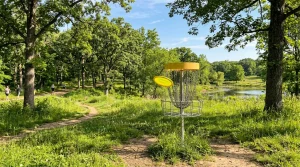
Did you know that disc golf is one of the fastest-growing sports in the world? Beyond its engaging gameplay and communal spirit, playing disc golf offers a myriad of health benefits and lifestyle rewards that are hard to ignore. Whether you’re seeking a fun way to stay active, meet new friends, or escape into nature, disc golf checks all the boxes. As we dive into the health benefits, from improved cardiovascular fitness to enhanced mental well-being, you’ll discover how this sport not only challenges you physically but also enriches your life off the course. Ready to learn why picking up a disc could be one of the best decisions you make? Let’s explore the incredible journey that awaits you in the world of disc golf!
Health Benefits of Playing Disc Golf

Playing disc golf is not only a fantastic way to enjoy the outdoors, but it also brings numerous health benefits that cater to both the body and mind. If you’re looking for a sport that promotes fitness while also providing an opportunity for leisure, disc golf might just be the perfect match. Research shows that engaging in recreational sports like disc golf can significantly enhance physical fitness, boost mental well-being, and foster meaningful social connections.
Boost Your Mental Well-Being
One of the standout benefits of disc golf is its ability to reduce stress and promote mindfulness. The act of being in nature, coupled with the rhythmic movements involved in throwing and walking, creates a meditative experience that helps players clear their minds. Regular participation can lead to lower levels of anxiety, improved mood, and an overall sense of well-being. Many players report feeling a deep sense of enjoyment and relaxation during and after their rounds, making it a perfect antidote to the stresses of daily life.
Physical Fitness
Disc golf is an excellent way to maintain physical fitness without the intensity that some other sports require. As you traverse varied terrains, throw with precision, and walk several miles per course, your body benefits from cardiovascular exercise, strength building, and improved coordination. The sport engages different muscle groups, helps improve balance, and can even enhance flexibility. Playing just a few rounds a week can contribute positively to your overall health, potentially lowering the risk of chronic diseases and improving your quality of life.
The Social Side
Disc golf also excels in fostering community. As a welcoming sport for all ages and skill levels, it encourages social interaction and the formation of friendships. Whether you are playing casually with friends or competitively in local leagues, the collaborative nature of the game helps build a supportive network. Many players find that they not only engage in a shared passion but also foster connections that extend beyond the course, making it a great way to meet like-minded individuals and create lasting bonds.
With so many health benefits, from mental wellness to physical fitness and social engagement, disc golf is an enticing choice for anyone looking to enrich their lifestyle. Whether you are a casual player or aspiring to compete, embracing disc golf can help you achieve a balanced and fulfilling way of life.
Boost Your Mental Well-Being: Stress Relief and Mindfulness
Playing disc golf can be a transformative experience for your mental health, providing a unique blend of stress relief and mindfulness that many urban lifestyles often lack. Imagine stepping onto a beautifully manicured course, surrounded by the sounds of nature, where the gentle rustle of leaves and the chirping of birds set the perfect backdrop for a peaceful outing. This setting, combined with the rhythmic movements of throwing and walking, is not just a recreational pastime; it’s a pathway to enhancing your mental well-being.
The beauty of disc golf lies in its accessibility and the simplicity with which it can serve as a form of meditation. Engaging with the elements-feeling the cool breeze, observing the changing seasons, and tracking the flight of your disc-allows players to immerse themselves fully in the present moment. This mindfulness practice fosters relaxation, significantly lowering stress levels and promoting a sense of calm. Players often report that focusing on their throw helps quiet their inner thoughts, creating a meditative state that can lead to reduced anxiety and improved mood.
Moreover, the social aspect of disc golf cannot be overstated. Rounds played with friends or family can serve as a much-needed escape from life’s pressures, providing not only fun but also emotional support and connection. Sharing laughs, strategies, and even the occasional friendly competition can enhance your overall satisfaction and contribute to a sense of community. This camaraderie often extends beyond the course, helping to build lasting relationships that further enrich social well-being and cultivate a positive mindset.
In a world where stressors abound, integrating disc golf into your routine can lead to substantial benefits for your mental health. By embracing this sport, you’re not only improving your physical fitness but also nurturing your mind, finding joy in the present moment, and connecting with a vibrant community of players who share your passion.
Physical Fitness: How Disc Golf Keeps You Active

Playing disc golf is not only a delightful recreational activity but also an excellent way to enhance your physical fitness. A round of disc golf typically involves walking several miles on diverse terrains, which provides a calorie-burning experience comparable to a light hike. Each course presents its own set of challenges, whether navigating through wooded areas, climbing uphill, or traversing open fields, ensuring that players engage various muscle groups throughout the entire game. This blend of walking and throwing can improve cardiovascular health while also building muscle strength, particularly in the arms, shoulders, and core.
Improving Strength and Flexibility
The throwing mechanics in disc golf require a combination of strength, flexibility, and precision. Players benefit significantly from repetitive throwing practice, which can help enhance upper body strength and improve flexibility in the shoulders and torso. As you develop your skills, you’ll also notice improved hand-eye coordination and balance, crucial for executing successful throws across different types of shots-be it the backhand, forehand, or overhand throw. Incorporating specific warm-ups and stretches into your routine can further enhance your performance and help prevent injuries.
Building Endurance and Stamina
Engaging in disc golf regularly will boost your endurance and stamina over time. Walking 18 holes during a game can take between 45 minutes to a couple of hours, depending on the pace and course difficulty. The combination of walking and the periodic intensity of throwing discs keeps your heart rate elevated, providing a cardiovascular workout that can strengthen your heart and improve circulation. This low-impact activity is suitable for players of all ages and fitness levels, making it an inclusive option for those looking to become more active.
Staying Active: Year-Round Opportunities
One of the great aspects of disc golf is its year-round accessibility. While winter months may bring some challenges, many players enjoy the sport in diverse conditions, enhancing agility and adaptability. This ability to remain active throughout different seasons fosters a commitment to a healthy lifestyle, as players are encouraged to maintain their physical fitness regardless of weather. Furthermore, as disc golf courses are increasingly becoming integrated into parks and urban spaces, the opportunity to play consistently is expanding, making it easier for enthusiasts to stay engaged and active within their communities.
In summary, embracing disc golf as a regular activity offers substantial rewards for physical fitness, making it a fantastic pursuit for anyone seeking to enhance their health while enjoying the outdoors. Through consistent play, you’ll not only improve your game but also cultivate a lifestyle centered around health, wellness, and community.
The Social Side of Disc Golf: Building Community Connections
While many sports foster competition, few promote camaraderie as effectively as disc golf. The sport’s inherently social nature encourages players to connect, share experiences, and build friendships, all while enjoying the great outdoors. Whether you’re a seasoned veteran or a newcomer picking up a disc for the first time, you’ll quickly discover that disc golf is as much about the company you keep as it is about the sport itself.
Playing a round of disc golf is often a communal outing, where friends gather to enjoy fresh air and good conversation amidst the challenge of the course. This aspect is particularly inviting for newcomers, as there are numerous informal groups and clubs welcoming players of all skill levels. Many courses host weekly meet-ups, tournaments, and leagues, allowing individuals to participate in a vibrant community while improving their game. Players often share tips and strategies, creating an environment rich in mentorship and encouragement, making it an ideal platform for both learning and bonding.
Moreover, disc golf events, from casual local meets to more structured tournaments, showcase the collective enthusiasm of the community. These gatherings not only provide a competitive outlet but also serve as opportunities for players to meet others who share their passion. The spirit of friendly competition, combined with the welcoming atmosphere of these events, promotes long-lasting friendships and networks among players. As many courses are situated in parks, families and friends can easily make a day of it, facilitating interactions beyond just the competition itself.
In addition to local connections, the sport is beginning to gain traction at the competitive level, with more tournaments being held regionally and nationally. This burgeoning scene offers players the chance to expand their horizons and meet fellow enthusiasts from different areas, further enriching the community aspect of disc golf. Whether through casual rounds, primarily social gatherings, or competitive tournaments, disc golf continually creates opportunities for its players to engage, learn, and grow together, instilling a sense of belonging that enhances the overall experience.
By embracing the social opportunities disc golf presents, players not only enhance their enjoyment of the game but also contribute to a vibrant community that celebrates inclusivity, friendship, and shared passion for an ever-growing sport.
Disc Golf for All Ages: A Family-Friendly Sport
Drawing in players of all skill levels, disc golf is a remarkably inclusive sport suitable for families and players of all ages. This accessibility not only makes it easy for individuals to pick up a disc and start playing, but it also fosters a unique environment where children, parents, and grandparents can participate together in an enjoyable and healthy activity.
One of the standout features of disc golf is its simplicity and minimal costs associated with entry. Players need just a few basic items-primarily a disc or two and perhaps some comfortable shoes. This low barrier to entry means that parents can introduce their children to the game without the need for expensive gear or intensive training. As kids throw discs in a local park, they improve their motor skills, coordination, and physical fitness in a fun way. Unlike traditional golfing, where the intricacies of the sport can intimidate newcomers, disc golf allows everyone to join in and learn at their own pace.
Building Family Bonds
Spending time on the course strengthens family bonds as players cheer each other on, share tips, and engage in light-hearted competition. Whether it’s a casual Sunday outing or a more structured league event, families can create lasting memories together. Disc golf courses are often set in picturesque locations, adding an element of adventure and exploration. Players might discover new trails or enjoy a picnic after a round, making the day about more than just the game.
Moreover, many disc golf communities prioritize inclusivity, welcoming players of all backgrounds and abilities. Family-oriented events, youth leagues, and beginner clinics create spaces where newcomers can learn and feel comfortable. In these environments, children learn not just about the sport but also about sportsmanship, teamwork, and respect for nature.
In summary, disc golf’s appeal across age groups makes it an outstanding family-friendly activity. By encouraging outdoor play and fostering healthy competition, the sport not only promotes individual growth and fitness but also cultivates a sense of community and togetherness among family members. Whether throwing with a child or playing side by side with grandparents, the shared experience of hitting the course opens doors to enriching interactions and lifelong connections.
Skill Development: Techniques to Master Your Game
Mastering the art of disc golf requires a blend of skill, strategy, and practice. A compelling way to enhance your game is by understanding and refining your throwing techniques, which directly impact disc flight characteristics and overall performance. Whether you’re just starting out or looking to sharpen your competitive edge, developing a solid throwing foundation is crucial.
To begin, focus on the three primary throw types: the backhand, forehand, and overhead (tomahawk). Each type serves a different purpose and mastering them will provide versatility on the course:
- Backhand Throw: The most common throw, ideal for distance and accuracy. Start with a proper grip – hold the disc with your thumb on top and your index and middle fingers underneath. Initiate the throw by pivoting your hips and shoulders toward your target while keeping your elbow bent. Release the disc at shoulder height for optimal spin and distance.
- Forehand Throw: Also known as a sidearm throw, this technique is useful for sharp turns and getting around obstacles. Grip the disc with your thumb on top and your index and middle fingers on the inside rim. Rotate your shoulders and snap the wrist at release to generate speed and stability.
- Overhead Throw: This throw can help you clear arboreal obstacles. Grip the disc with your fingers on the bottom and your thumb on top, similar to a backhand grip. Lift the disc high over your head and release it with a flick of your wrist while stepping forward.
Understanding disc flight characteristics is another vital part of skill development. Discs are classified by their stability ratings: understable, stable, and overstable, affecting how they behave in different throwing conditions. New players should experiment with various discs to find which ones complement their throwing style. You might consider creating a simple chart detailing the discs you own, including their speeds, glide, turn, and fade ratings, to help choose the right disc for different situations:
| Disc Name | Speed | Glide | Turn | Fade |
|---|---|---|---|---|
| Innova Destroyer | 13 | 5 | -1 | 3 |
| Discraft Buzzz | 5 | 4 | -1 | 1 |
| MVP Axiom Clash | 9 | 5 | 0 | 3 |
Practice is key to improving, so make consistent time to work on your throws. Additionally, consider participating in local leagues or finding a mentor to provide feedback on your form and technique. Engaging with the disc golf community not only motivates you to improve but also helps you absorb different techniques and strategies from experienced players. Embrace the journey of skill development, and you’ll find that every throw becomes an opportunity to refine your game and enhance your overall disc golf experience.
Equipment Essentials: Choosing the Right Discs and Gear
Selecting the right discs and gear is crucial for maximizing your experience and performance in disc golf. With countless options available, it can be daunting for newcomers, yet understanding the essentials transforms confusion into confidence on the course. A key to your success is choosing discs that fit your playing style and conditions, which not only enhances gameplay but also makes your rounds more enjoyable.
When it comes to discs, they fall into several categories: drivers, midranges, and putters. Drivers are designed for long-distance throws, midranges offer versatility for various shots and distances, while putters are specialized for those precise short-range throws. Understanding disc flight characteristics greatly aids in your selection. Discs are rated based on speed, glide, turn, and fade:
- Speed: The higher the speed rating, the faster the disc travels, making it suitable for distance throws.
- Glide: Glide affects how long a disc stays in the air; discs with higher glide generate more lift.
- Turn: A negative turn rating means the disc will turn right (for a right-handed backhand throw) before fading left, ideal for hyzer flips or long turnovers.
- Fade: A fade rating indicates how much the disc will hook to the left before landing, which is crucial for controlling the end of your shot.
Beginners should start with stable discs that forgive minor throwing errors, whereas advanced players may want to explore understable and overstable options for added precision in their specific throwing techniques. Here’s a simple comparison chart to help understand some popular discs across different categories:
| Disc Type | Disc Name | Speed | Glide | Turn | Fade |
|---|---|---|---|---|---|
| Driver | Innova Wraith | 13 | 5 | -2 | 3 |
| Midrange | Discraft Buzzz | 5 | 4 | -1 | 1 |
| Putter | Dynamic Discs Judge | 4 | 3 | 0 | 2 |
Apart from discs, gear and accessories also play an important role in enhancing your performance on the course. A comfortable bag is essential for carrying your discs, while a good pair of shoes can improve stability and grip, especially on uneven terrain. Some players invest in additional equipment like disc retrievers or scorecard holders for convenience. Ultimately, as you delve deeper into the sport, you’ll discover a vast array of brands and models catering to various skill levels, preferences, and budgets.
Engaging with the disc golf community through local leagues or online forums can provide invaluable insights on gear that suits your individual play style. Remember, the right equipment can make a significant difference, not just in performance but also in the overall enjoyment of the game. Embrace this learning journey; it’s part of what makes disc golf such a rewarding sport!
Course Strategies: Tips to Elevate Your Play
One of the many joys of disc golf is that it not only challenges your physical capabilities but also your strategic thinking. Whether you’re a beginner looking to improve or a seasoned player aiming for precision, understanding course strategies can significantly elevate your play. It’s all about making thoughtful choices on the course that align with your skills and the environmental conditions.
To start, always assess the layout of each hole before you throw. Look for potential obstacles such as trees, water hazards, or elevation changes. Knowing what lies ahead can help you pick the right disc for each shot. For example, if you’re facing a narrow opening between trees, a stable midrange disc may offer the accuracy you need. Recognizing the flight paths of your discs-how they bend or fade after being thrown-will also give you greater control over your game. Use this knowledge to practice different throws, like hyzers and anhyzers, which can be essential when navigating tight courses.
Another key strategy is managing your throw strength and angle. It’s tempting to use maximum power for every throw, but that can lead to mistakes. Instead, focus on controlled throws that prioritize accuracy, particularly on challenging holes. A well-placed putt may earn you just as many points as a long drive. Incorporate different techniques, such as a backhand or forehand grip, to find what feels most comfortable and effective for your throwing style.
As you develop your strategy, don’t forget the importance of mental focus. Disc golf is as much a mental game as it is physical. Take deep breaths between throws, visualize successful shots, and maintain a positive mindset, especially after a misthrow. You’ll quickly learn that patience and a calm demeanor can enhance your overall performance.
In addition to these strategies, participate in local leagues or groups where you can share experiences and learn from others. Engaging with fellow players not only builds community but also introduces you to different perspectives and techniques that can refine your own game. Ultimately, combining thoughtful course management with continuous skill development is your pathway to elevating your disc golf performance significantly.
Competitive Disc Golf: From Local Tournaments to Pro Leagues
Participating in competitive disc golf opens a door to an exhilarating realm where athleticism meets strategy, creating opportunities for players of all skill levels to test their mettle and improve their game. From local tournaments to professional leagues, engaging in competition can bring a multitude of health benefits, while simultaneously strengthening your connections within the disc golf community. For many, the journey through competitive play becomes a highly rewarding part of their disc golf experience, enhancing both physical fitness and mental acuity.
In local tournaments, players often find a welcoming atmosphere that encourages camaraderie and friendly rivalry. These events are typically organized in parks and recreational areas, allowing participants of all ages to compete without the pressure of a high-stakes environment. Emerging players can gain invaluable experience by entering these competitions, as they not only hone their skills but also learn to cope with the competitive stress that accompanies tournament play. For instance, adapting to varying course layouts and conditions can significantly improve your strategic thinking and technical throwing capabilities.
As players progress to higher levels of competition, such as state championships or pro leagues, the nature of the game shifts fundamentally. Competitors here focus on perfecting their technique and consistency, often analyzing advanced metrics related to disc flight and player performance. Understanding the nuances of your equipment becomes essential; for example, knowing which discs to choose based on factors like stability and wind resistance can directly impact your performance. However, it’s not just about physical skill-mental preparation plays a crucial role. Successful competitors develop routines that involve visualization techniques and relaxation exercises to maintain focus under pressure.
Engaging in competitive disc golf also fosters a vibrant community of like-minded individuals, where players are motivated to share strategies, tips, and experiences. Many tournaments include social events or gatherings that encourage networking and building friendships with fellow enthusiasts. This sense of community is infectious; players often leave events inspired not just to compete better, but to support one another in their individual journeys. The stories shared, from triumphant comebacks to hard-fought losses, not only resonate on a personal level but elevate the entire sport in the eyes of newcomers and seasoned pros alike.
By immersing yourself in the competitive scene, you’re not just honing your disc golf skills; you’re also becoming part of a growing lifestyle that values health, strategy, and community. Whether aiming for the local title or eyeing pro status, the journey through competitive disc golf is enriching-and the friendships formed along the way can last a lifetime.
Personal Stories: Inspiring Disc Golf Journeys
The journey through disc golf is filled with personal stories that inspire, motivate, and showcase the power of community within this growing sport. Take for instance the tale of Sarah, a mother of two who found solace in disc golf after battling with postpartum depression. Initially, she joined a local league hoping to engage in a physical activity that would clear her mind and connect her with others. What she didn’t expect was to discover a supportive network that fostered not just her love for the game, but also lasting friendships. Sarah’s story echoes a common theme: how the sport can serve as a therapeutic outlet, promoting mental well-being and a sense of belonging.
Similarly, James, a retired veteran, turned to disc golf following his service to combat feelings of isolation. He began attending casual weekend games at his local park, where he found not only a way to stay active but also a safe space to express his experiences. Through disc golf, James cultivated a new community of friends who understood his journey, helping him to heal and reintegrate into civilian life. His participation in tournaments gradually transformed from a simple hobby to a passionate pursuit, illustrating the sport’s potential to bring about personal growth and resilience in the face of adversity.
While individual stories highlight personal triumphs, they also emphasize the collective strength of the disc golf community. Events like the Disc Golf World Championships showcase not just the skills of professional players but also do not forget the narratives of newcomers inspired to put their skills to the test. For many, stepping onto the course represents overcoming fears and pushing boundaries, allowing players to share their journeys through blogs, social media, or local clubs. The vibrant exchange of stories fosters greater inclusivity, encouraging players of all ages and backgrounds to take part.
Ultimately, the myriad of journeys within the disc golf realm demonstrates that this sport is more than just a game; it’s a pathway to forging connections, enhancing mental health, and embracing an active lifestyle. Whether it’s through the thrill of competition, the beauty of nature, or the simple pleasure of a casual round with friends, the inspiration drawn from these personal narratives is palpable, inviting newcomers to join the fun and showcasing how deeply intertwined disc golf is with personal growth and community spirit.
Disc Golf: A Growing Lifestyle and Sport Culture
Playing disc golf has emerged as a dynamic lifestyle choice that transcends mere recreation, weaving together physical fitness, mental wellness, and community engagement. Fast becoming one of the most popular outdoor activities, disc golf offers a unique blend of exercise and social interaction while completely immersing players in nature. With courses sprouting up in parks and recreational areas worldwide, more individuals are discovering the joy of tossing a flying disc, whether as a casual pastime or a competitive sport.
Engagement with the disc golf community is a cornerstone of its culture. Players often form bonds through shared experiences on the course, celebrating not just wins but also personal bests and learning moments, which fosters a sense of belonging. Local leagues regularly organize tournaments and casual meet-ups, providing opportunities for newcomers to connect with seasoned players. This open and welcoming environment encourages players of all skill levels to participate, contributing to the sport’s rapid growth. Social media platforms have also amplified this sense of community, as players share tips, techniques, and encouraging stories that motivate others to pick up a disc.
In terms of lifestyle integration, participating in disc golf means embracing outdoor experiences that encourage physical activity and mindfulness. The sport’s low barrier to entry makes it accessible to everyone, regardless of age or fitness level. Beginners can have fun while learning the basics of disc flight, throwing mechanics, and equipment selection without feeling intimidated. For instance, players often start with a simple putter and driver, developing their skills over time as they explore different disc types-each with unique flight paths and characteristics. Advanced players may subsequently dive into technique refinement, focusing on their form and strategy to improve performance on the course.
Disc golf’s appeal also lies in its sustainability ethos. Many courses are designed within natural landscapes, promoting eco-conscious recreation. Enthusiasts often participate in community cleaning events, ensuring the environments where they play are preserved for future generations. This commitment to both personal health and environmental responsibility solidifies disc golf’s place not just as a sport, but as a holistic lifestyle choice. Whether you are looking to connect with others, improve your physical fitness, or simply enjoy the great outdoors, disc golf offers something enriching for everyone-making it a rewarding pursuit that continues to grow in popularity and depth.
Environmental Impact: How Disc Golf Promotes Nature and Sustainability
Playing disc golf doesn’t just benefit players; it also plays a crucial role in promoting environmental stewardship and sustainability. One of the intrinsic values of this sport is its deep connection to nature. Many disc golf courses are carefully designed to integrate into their natural surroundings, often utilizing existing landscapes, forests, and parks without the need for extensive construction. This thoughtful placement not only preserves the natural ecosystem but also allows players to appreciate and engage with their environment actively.
Moreover, disc golf enthusiasts are frequently involved in community efforts that emphasize care for public spaces. Local disc golf clubs often organize clean-up events to remove litter from courses, which helps maintain the beauty of the landscape and ensures that these areas remain enjoyable for everyone. Players become advocates for environmental responsibility, emphasizing sustainable practices such as proper waste disposal and conservation of resources. This commitment not only enhances the experience of playing disc golf but also educates participants about the importance of looking after our planet.
The sustainable ethos of disc golf is also reflected in the materials used for equipment. Many manufacturers are increasingly producing discs made from recycled or eco-friendly materials. Players are becoming more conscientious about their choices, opting for gear that minimizes environmental impact. This mindfulness extends to the organizations that sponsor events and competitions, with many actively promoting sustainability initiatives and practices within the sport.
In essence, disc golf fosters a culture that values and preserves nature while providing a platform for individuals to actively participate in environmental stewardship. Whether it’s through engaging with the natural landscape, participating in clean-up efforts, or selecting sustainable products, players contribute to a community dedicated to both personal health and the health of the planet. Embracing disc golf means embracing a lifestyle that honors our environment, making it a rewarding and responsible pursuit for all who play.
FAQ
Q: What are the mental health benefits of playing disc golf?
A: Playing disc golf significantly boosts mental health by promoting stress relief and mindfulness. The outdoor environment allows players to engage with nature, which can enhance mood and decrease anxiety. Consider incorporating breath control and visualization techniques during your game to further enhance your mental well-being.
Q: How does disc golf improve physical fitness?
A: Disc golf enhances physical fitness through cardiovascular exercise as players walk varied terrain while throwing discs. Regular play can improve strength, flexibility, and coordination. Aim for a weekly routine of playing several rounds to gain optimal fitness benefits.
Q: Why is disc golf a family-friendly activity?
A: Disc golf is family-friendly because it accommodates all ages and skill levels. The game’s simple rules allow everyone to participate. Consider bringing the whole family to a local course for a fun day of outdoor exercise that promotes togetherness and friendly competition.
Q: What equipment do I need to start playing disc golf?
A: To start playing disc golf, you need a basic set of discs (driver, mid-range, and putter) and a comfortable outfit for outdoor play. Look into affordable beginner sets, and visit your local pro shop or retail website for recommendations tailored to your skill level.
Q: How can playing disc golf enhance social connections?
A: Disc golf fosters community connections by encouraging players to engage with both friends and new acquaintances. Joining local leagues or participating in tournaments can help expand your social circle and lead to lasting friendships through a shared love of the sport.
Q: When is the best time to play disc golf?
A: The best time to play disc golf is typically during mild weather conditions in spring or fall. Early mornings or late afternoons are ideal for avoiding heat and crowds. Check local course schedules for events or leagues that can offer structured play.
Q: Where can I find disc golf courses near me?
A: You can find disc golf courses near you by searching on local disc golf directories or using apps like UDisc. Websites such as the Professional Disc Golf Association (PDGA) also provide comprehensive course listings and reviews.
Q: How does disc golf promote environmental awareness?
A: Disc golf promotes environmental awareness by encouraging players to respect natural spaces. Many courses are designed to enhance the landscape and can foster a deeper appreciation for nature. Participate in course clean-up events to give back to the environment and promote sustainability in the sport.
Key Takeaways
Playing disc golf not only promotes physical health by enhancing your cardiovascular fitness and improving hand-eye coordination, but it also enriches your lifestyle through social interactions and community engagement. Ready to dive deeper into the world of disc golf? Check out our detailed guides on throwing techniques and equipment comparisons to elevate your game further. Don’t miss our articles on the latest courses and competitive strategies to keep your skills sharp!
Are you passionate about disc golf? Join our community and share your experiences in the comments below! Sign up for our newsletter to stay updated on events, tips, and disc golf resources tailored just for you. The benefits are clear, and now is the perfect time to grab a disc, head out to your local course, and experience the joy of this growing sport firsthand. Your journey in disc golf awaits-let’s play and explore together!
Get our latest guides, news, and insights highlighted in your Google Search & AI Overviews.