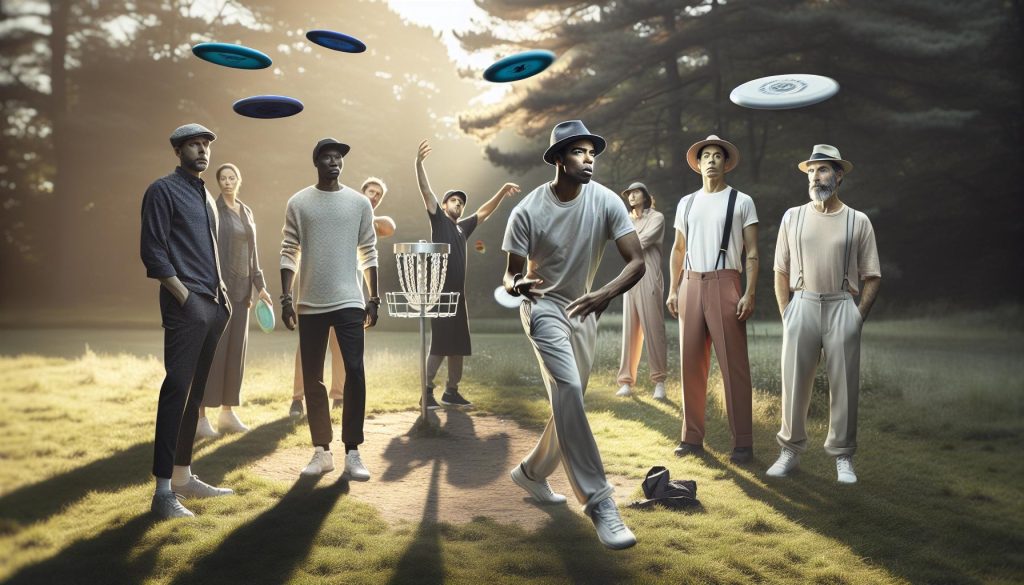
Did you know that the number of disc golf players worldwide has surged, reaching millions and transforming the sport into a global phenomenon? Understanding how many enthusiasts share this passion is vital not only for sports organizations but also for players and fans alike. As disc golf continues to grow, with more courses opening and tournaments attracting players from diverse backgrounds, it becomes crucial to explore these numbers. This discussion not only highlights the popularity of disc golf but also underscores its importance as a healthy, community-driven activity that anyone can enjoy, whether you’re a seasoned competitor or just starting out. Discover the current statistics and what they mean for the future of disc golf, as we delve into the vibrant world of this captivating sport.
Global Disc Golf Participation Statistics
The global landscape of disc golf is expanding rapidly, with participation numbers skyrocketing as more enthusiasts take to the fairways. Recent estimates suggest that there are over 5 million active disc golfers worldwide, with significant contributions from regions such as North America, Europe, and Asia. This surge in popularity can be attributed to various factors, including the sport’s accessibility, low cost of entry, and the growing number of courses being established. In fact, the Professional Disc Golf Association (PDGA) reported that the number of registered players has nearly doubled in the past decade, reflecting a vital and thriving community.
As the sport grows, the demographics of its players become increasingly diverse. Traditional players, often male in their late twenties to early thirties, are now joined by a rising number of women and youth in the sport. Notably, initiatives aimed at inclusivity, such as women’s clinics and youth programs, are actively encouraging participation across different demographics. Clubs and local communities play a pivotal role in nurturing these new players, fostering a welcoming environment for novices to learn alongside seasoned competitors.
The increase in institutional support for the sport is also noteworthy. Numerous colleges and schools are now integrating disc golf into their physical education programs, acknowledging its benefits for physical fitness and social interaction. With an influx of sponsorships and media coverage, disc golf is receiving the recognition it deserves as a legitimate athletic pursuit.
As participation continues to rise, technological innovations are enhancing player engagement. Mobile apps and online platforms not only facilitate scorekeeping and tournament management but also enable players to connect with each other, share tips, and track their progress. This interconnectedness is vital in sustaining the enthusiasm among both new and seasoned players, ensuring that disc golf remains a dynamic and evolving sport.
Breakdown of Disc Golf Players by Region
The global disc golf community is vibrant and diverse, with significant variations in participation across different regions. As of recent estimates, North America stands as the epicenter of disc golf activity, boasting over 3 million registered players, largely driven by the sport’s roots in the United States where it has been deeply entrenched in the culture since the late 1970s. States like California, Minnesota, and Washington are particularly influential, with numerous established courses and a strong local club presence that fosters player engagement and community building.
In contrast, Europe is experiencing an exciting surge in participation, with approximately 1 million active players. Countries such as Sweden, Finland, and Germany are at the forefront, benefitting from expansive course networks and enthusiastic local competitions. Scandinavian countries, in particular, celebrate disc golf as a national pastime, with many cities incorporating the sport into public parks, making it accessible to a wider audience. The collaboration between national organizations and the PDGA has also boosted the profile of disc golf, encouraging both casual play and serious competition.
Asia is another region showing promising growth, albeit from a smaller base. Nations like Japan, South Korea, and China are gradually embracing the sport, with initiatives aimed at introducing disc golf in schools and community programs. The introduction of major events and international tournaments helps to showcase the sport’s potential and attract new players, especially among the youth. As more courses are developed and local clubs form, the future looks bright for disc golf in the Asian market.
The accessibility of discs and courses, coupled with a low cost of entry, positions disc golf as an appealing choice for recreational and competitive athletes alike. Importantly, the sport encourages inclusivity and caters to various skill levels, making it an ideal activity for families and friends. As the global community continues to grow, the shared passion for disc golf fosters connections that transcend borders, celebrating a truly global sport.
Demographics of Disc Golf Participants
In recent years, disc golf has seen remarkable growth worldwide, drawing an increasingly diverse array of participants. As an accessible sport with a low cost of entry, it appeals to various demographics, spanning age, gender, and skill level. Notably, research indicates that around 75% of players are male; however, there is a growing number of women joining the sport, fueled by targeted initiatives and community support. Events specifically designed for female players and the promotion of women in competitive disc golf help to create an inclusive environment that encourages participation from all genders.
As for age demographics, the sport shows a substantial presence among younger participants. Approximately 60% of disc golfers fall between the ages of 18 and 34, a trend that reflects the sport’s appeal among millennials and Generation Z. Families also play a crucial role in shaping the disc golf community, with many courses designed with accessibility in mind, inviting players of all ages to enjoy the game. This family-friendly aspect is further enhanced by community events and local clubs that cater to players of every skill level, creating a welcoming atmosphere for newcomers while respecting the competitive nature of the sport.
The educational impact of disc golf is also significant, particularly in schools and youth organizations. Programs that introduce students to the sport not only nurture young talent but also promote physical activity and social interaction, fostering a healthier lifestyle. Countries such as Finland integrate disc golf into their physical education curriculum, showcasing its potential as a lifelong sport.
Understanding the is crucial for clubs, manufacturers, and local organizations aiming to enhance player engagement and promote growth. By recognizing these trends, stakeholders can tailor their approaches to develop targeted marketing strategies, organize events that resonate with different groups, and ultimately cultivate a vibrant, diverse community that celebrates the shared passion for disc golf.
Growth Trends in Disc Golf Popularity
In recent years, the popularity of disc golf has soared, transforming from a niche recreational activity into a mainstream sport. With the number of participants on the rise, the sport is drawing a diverse crowd that spans various age groups, backgrounds, and skill levels. According to estimates, there are over 10 million disc golfers worldwide, a number that continues to grow as more accessible courses spring up and local clubs foster community engagement. This growth is particularly evident in regions such as North America and Europe, where disc golf is quickly becoming a staple of outdoor recreation.
One of the key factors contributing to this surge is the sport’s low-cost entry point. Unlike many traditional sports, disc golf requires minimal equipment-a few discs and perhaps a portable basket for practice. This accessibility allows newcomers to easily get involved, while established players can invest in specialized gear tailored to enhance their game. In addition, the informal nature of the sport means players of all skill levels can enjoy a casual round without the pressures found in more competitive settings. Local clubs and community events further enhance engagement, helping to create a welcoming atmosphere that encourages individuals to participate.
Another significant trend is the growing emphasis on inclusivity within the sport. Organizations dedicated to promoting women‘s participation and youth programs are gaining traction, leading to an increase in female and younger players. Initiatives such as women-only tournaments and youth clinics not only elevate the visibility of underrepresented groups but also foster a sense of belonging, showing that disc golf is a sport for everyone. The cumulative effect of these efforts has resulted in a more vibrant, diverse community, driving even greater interest and participation.
As disc golf continues to grow, leveraging technology plays an increasingly vital role. Mobile apps that track scores, locate nearby courses, and connect players are revolutionizing how enthusiasts interact with the sport. Social media platforms further enhance this connectivity, allowing players to share experiences, tips, and their personal journeys, creating a rich tapestry of community engagement. With strategic initiatives and the right tools, the future of disc golf looks promising, poised to capture the interest of even more players around the globe.
Factors Influencing Player Engagement
Engagement in disc golf is propelled by a combination of accessibility, community, and the sport’s inherent enjoyment. The entry-level requirements for disc golf are minimal-typically, all one needs is a few discs and access to a local course. This low barrier to entry encourages newcomers of all ages and backgrounds to join in, making it an attractive option for families and casual players alike. Many players discover the thrill of the sport by simply picking up a disc for the first time and enjoying a laid-back round with friends, which exemplifies the welcoming spirit of disc golf.
Community plays a pivotal role in fostering player engagement. Local disc golf clubs and organizations often host tournaments, casual play days, and clinics, cultivating an environment where players can connect, learn, and grow. These gatherings not only promote skill development but also create friendships and a sense of belonging among participants. For instance, women-focused tournaments have gained traction in recent years, significantly increasing female representation and creating a supportive network within the sport. Such initiatives underline the notion that disc golf is not just a game; it’s a community where individuals can thrive together.
Moreover, the evolution of technology has transformed how players engage with disc golf. Mobile applications designed for tracking scores, locating courses, and creating round-robin events make it easier than ever for players to stay connected and engaged. Social media platforms allow players to share their experiences, creating online communities that inspire new players and unite seasoned veterans. This technological integration amplifies the communal aspect of the sport, encouraging discussions, skill exchanges, and event planning.
Ultimately, player engagement in disc golf is influenced by a blend of accessibility, community involvement, and technological advancements. As more people recognize the joys and benefits of disc golf, from the physical activity it offers to the friendships it fosters, the sport continues to grow and evolve, drawing in millions of players worldwide.
Comparison of Disc Golf and Traditional Sports
The rise of disc golf has sparked an intriguing comparison between it and traditional sports, revealing both unique appeals and shared challenges. While traditional sports like basketball or soccer often draw on extensive facilities, structured teams, and strict rules, disc golf offers a refreshing alternative that focuses on individual skill and nature. Many players find the act of throwing a disc invigorating, as it combines physical effort with the thrill of precision, much like archery or golf. However, unlike golf, where club memberships can be prohibitively expensive, disc golf courses are typically free or have low fees, enhancing accessibility for everyone.
In terms of community engagement, disc golf nurtures a welcoming atmosphere akin to recreational leagues in traditional sports. It fosters camaraderie among players, as they often share courses and enjoy friendly competition without the pressures that can come from highly competitive environments in sports like football or basketball. Tournaments in disc golf, ranging from local events to professional championships, often celebrate not just skill but also the fun and social aspects of play, creating bonds that extend beyond the course. This communal spirit mirrors what many find in traditional team sports, where the social experience is just as important as the competition itself.
Another significant factor to consider is the physical and mental impact of participating in disc golf compared to traditional sports. While both types of activities promote fitness, disc golf encourages players to spend considerable time outdoors, navigating varied terrain and connecting with nature, which can reduce stress and elevate mood. Many traditional sports are confined to structured environments, which can feel isolating compared to the vast landscapes provided by disc golf courses. This blend of physical activity, social interaction, and outdoor enjoyment positions disc golf as not just a sport, but a holistic experience that appeals to diverse demographics-making it a robust competitor to more established sports avenues.
Overall, the distinct attributes of disc golf not only set it apart from traditional sports but also highlight its potential as a flourishing community-focused activity. Enthusiasts are drawn not just by competition but by a sense of belonging and the joyous nature of the game, allowing disc golf to carve its niche within the broader athletic landscape.
Impact of COVID-19 on Disc Golf Participation
The pandemic has had a notable impact on disc golf participation, driving an unprecedented surge in interest for the sport. As people sought outdoor activities that allowed for social distancing, disc golf emerged as an ideal option. Many individuals turned to this accessible pastime not only as a way to enjoy fresh air but also to connect with friends in a safe environment. Statistics show a remarkable increase in the number of players and courses across the globe, reflecting the sport’s newfound popularity during lockdowns.
One key factor contributing to the rise in disc golf enthusiasts during COVID-19 was the ability for players to maintain open-air, individual play. Unlike many traditional sports that require team participation or close contact, disc golf can be played solo or in small groups while adhering to health guidelines. This unique quality made it increasingly attractive to those looking for recreational outlets amidst stringent social restrictions. According to recent industry reports, course installations rose sharply, and retail sales of discs and related equipment spiked, illustrating the sport’s impressive growth trajectory.
As players flocked to the courses, many existing clubs and new communities began fostering environments that welcomed both seasoned competitors and newcomers. Local clubs often hosted informal tournaments and events designed to engage players of all skill levels, further enhancing the sport’s appeal. With engaging social media campaigns and online leagues, the sense of community surrounding disc golf flourished, creating a supportive network that encouraged participation. The welcoming atmosphere meant that more people felt comfortable trying out the sport, leading to a diverse array of players from various backgrounds joining the fray.
Looking ahead, the momentum established during the pandemic is likely to shape the future of disc golf in positive ways. Many experts believe that this growth is sustainable, as players continue to identify the sport as not just a fleeting hobby but a lasting passion. Ongoing investments in course development, as well as a strategic focus on youth engagement and education, will be essential in maintaining this increased involvement. With its compelling combination of community, competition, and connection to nature, disc golf is poised to solidify its place in the global sports landscape, drawing in even more diverse players and maintaining a vibrant, enthusiastic community.
Key Events and Tournaments Boosting Interest
The vibrant world of disc golf is not only about casual play; it thrives on a calendar filled with exciting tournaments and events that rally communities and spark interest across regions. Major competitions, such as the PDGA Professional and Amateur World Championships, showcase the pinnacle of skill and strategy, drawing elite players and enthusiastic spectators alike. These tournaments serve as critical milestones in the disc golf calendar, often setting the stage for national and international attention. The electrifying atmosphere of live competition encourages new players to participate, showcasing disc golf as not just a hobby but a sport where dedication and talent can shine.
In addition to the world championships, local and regional events play a pivotal role in building interest. Tournaments such as the Glass Blown Open and the Discraft Great Lakes Open attract significant participation and viewership, while also providing a platform for emerging talent. These events inspire friendly competition, and their festive environments foster camaraderie among players of all skill levels. Each tournament offers opportunities for community engagement, from volunteer participation to sponsorship, enhancing local investment in the sport.
Key Factors Driving Event Participation:
- Accessibility: Many tournaments cater to varying skill levels, making participation approachable for beginners while also challenging for seasoned players.
- Community Focus: Local tournaments often have a welcoming atmosphere, encouraging newcomers to try their hand at competition without the pressures often associated with larger events.
- Prizes and Recognition: Competitive players are motivated by prizes and rankings, driving interest in both participation and spectator attendance.
The growth of clinics and amateur leagues around these events is invaluable. These initiatives provide essential learning experiences, allowing newcomers to gain skills from experienced players while fostering a supportive community environment. Event organizers are increasingly leveraging social media and streaming platforms to showcase tournaments, making it easier for fans to follow their favorite players and stay updated on local happenings. Such efforts significantly enhance visibility and engagement, leading to a broader interest in disc golf.
By capitalizing on the excitement generated by these events, the disc golf community can sustain and amplify its growth. As more players experience the thrill of competition and community, the sport is likely to see an increase in participation rates, confirming that while disc golf is fun for all, it can also provide a serious athletic outlet for those seeking challenge and recognition.
Role of Disc Golf Communities and Clubs
The burgeoning world of disc golf is a testament to the power of community and connection, with numerous local clubs playing a critical role in fostering engagement among players of all skill levels. From casual weekend rounds to heated competitions, these clubs serve as the heartbeat of the sport, nurturing both enthusiasts and competitors alike. In fact, many players discover their passion for disc golf through local events organized by their clubs, highlighting the importance of grassroots initiatives in expanding the player base.
Disc golf communities not only promote participation through organized leagues and tournaments, but they also create a welcoming atmosphere for newcomers. Clubs often offer beginner clinics and informal meet-ups, allowing new players to learn the fundamentals of the game in a supportive environment. For instance, many clubs will pair experienced players with newcomers during friendly rounds, helping them to develop their skills while making new friends in the process. This mentorship aspect is crucial as it bridges the gap between various skill levels, encouraging growth and confidence among aspiring players.
Moreover, the sense of belonging that comes from joining a club can significantly enhance player retention and satisfaction. Members often band together for course maintenance, community outreach, and even social events, fostering a sense of camaraderie that extends beyond the course. Clubs frequently engage with local businesses to sponsor events, creating a mutually beneficial relationship that can drive interest and investment into the sport. This community-driven approach not only bolsters participation but also legitimizes disc golf as a serious athletic pursuit, positioning it alongside more traditional sports.
As technology continues to evolve, disc golf clubs are leveraging social media and other platforms to connect with members and promote upcoming events. Many clubs maintain active online communities where players can share tips, discuss gear, and plan outings. These digital interactions complement the real-world connections formed on the course, ensuring that the spirit of collaboration and support remains vibrant, regardless of geographic distance. Looking forward, the role of these communities will be paramount in shaping the future of disc golf, as they continue to inspire new players and cultivate a rich culture around the sport.
Future Projections for Disc Golf Growth
As interest in disc golf continues to soar, projections for its future growth look exceptionally promising. The sport has transformed from a niche hobby into a mainstream pastime, drawing in players of all ages and backgrounds across the globe. Many industry experts estimate that the number of disc golf players worldwide could double over the next decade, reflecting not only increased accessibility but also the sport’s appeal to newcomers seeking social and recreational activities in the outdoors.
Several key factors contribute to this optimistic outlook. First, the expansion of disc golf courses-many of which are built in public parks and schools-provides greater access to the sport for urban and rural communities alike. In recent years, municipalities have recognized the potential of disc golf to boost local tourism and community engagement, leading to increased investment in course development. This trend aligns with the global push for fitness and health, with disc golf offering a fun way to exercise while enjoying nature.
Moreover, digital engagement plays a significant role in the sport’s future. As social media platforms showcase highlight reels, tutorials, and tournament coverage, they engage a broader audience, turning casual viewers into enthusiastic participants. Apps that track player statistics and local events further streamline the experience, making it easier for players to connect within their communities. These tools cater to varying skill levels, encouraging both new players and seasoned pros to share their journeys and insights, which ultimately fosters a robust culture around the sport.
Finally, the role of competitive play cannot be overlooked. As professional disc golf tournaments gain traction and media coverage, they inspire aspiring players to pursue the sport seriously. The presence of sponsorships and endorsements associated with top players elevates the sport’s visibility, attracting further investment and interest. In conclusion, the future of disc golf looks bright, with a community-driven approach, technological advancements, and a focus on growth ensuring that players of all ages can enjoy and contribute to this dynamic sport for years to come.
Technology and Disc Golf: The Role of Apps and Online Platforms
The rise of technology has dramatically transformed how players engage with disc golf, making it more accessible and enjoyable for both newcomers and seasoned enthusiasts. With an estimated surge in the number of disc golf players worldwide, apps and online platforms have become vital in enhancing the overall experience. These digital tools not only track player statistics and performance but also foster connections within the community, creating an environment that encourages learning and growth in this beloved sport.
One of the most impactful elements of this technological revolution is the proliferation of apps designed to streamline various aspects of disc golf. For instance, apps like UDisc allow players to track scores, find nearby courses, and even analyze their throwing techniques. These features are invaluable for players of all skill levels, offering feedback that can help refine their game. Newcomers can become familiar with disc flight characteristics and mechanics, while advanced players can use data analytics to optimize their strategies and improve their consistency on the course.
Moreover, social media platforms play a pivotal role in promoting disc golf and enhancing player engagement. Frequent updates on tournament results, player highlights, and instructional content not only keep fans informed but also spark interest among casual observers. This vibrant online presence can inspire new players to pick up a disc and join in on the fun, thus contributing to the overall growth of the sport. Furthermore, communities formed around these platforms provide essential support, sharing experiences, tips, and motivational stories that encourage involvement and skill development.
In addition, the integration of virtual competitions and online tournaments has opened new avenues for participation, especially post-pandemic. Players can compete against each other from various locations, expanding the competitive landscape beyond local clubs. This kind of engagement allows individuals to participate in a global disc golf community, fostering a sense of belonging that is crucial in promoting the sport’s continued growth. As technology continues to evolve, so too will the opportunities for players to connect, learn, and thrive in the dynamic world of disc golf.
Challenges Faced by Disc Golf Players Globally
Disc golf, while growing in popularity, poses numerous challenges for players at all levels. One substantial hurdle is the availability and accessibility of courses. In many parts of the world, particularly in rural or underserved urban areas, there may be a lack of dedicated disc golf courses. This can discourage new players from trying the sport and limit the opportunities for existing players to practice. Many players often resort to using non-designated spaces, which may not be safe or suitable for playing, potentially leading to injuries or a negative experience.
Another significant challenge is the inconsistency of local support and infrastructure. Disc golf relies heavily on local clubs or organizations to foster community, organize events, and maintain courses. However, in areas where such support is minimal, players may feel isolated and less inclined to engage with the sport. This lack of community can impact player confidence, diminish competition levels, and hinder the overall growth of the sport in that region. Furthermore, differences in course quality can vary greatly, with some courses offering professional-level conditions while others function with inadequate resources.
Financial barriers also play a crucial role. While disc golf generally has lower costs than many traditional sports, expenses related to membership fees, equipment, and travel for tournaments can accumulate. This can especially affect younger or aspiring players who may lack the financial means to compete at higher levels or travel for events. Additionally, the disparity in sponsorship and funding in the disc golf community compared to more established sports means that players often have to juggle financial responsibilities with promoting their athletic pursuits.
Competition among a growing number of players can also be intimidating for newcomers. As more people take up the sport, established players may find themselves competing against a larger pool of talent, making it more challenging to secure a place in tournaments and events. This competitive landscape can be overwhelming, especially for younger players who are just starting and trying to find their footing in the sport.
In addressing these challenges, players and organizations should focus on fostering inclusivity, building supportive networks, and advocating for improved facilities. By coming together as a community, players can enhance their experiences and work towards removing these barriers, ultimately contributing to the sport’s growth and popularity around the globe.
Frequently asked questions
Q: How many disc golf players are there worldwide?
A: As of 2023, there are an estimated 10 million disc golf players around the world. This number has grown significantly, reflecting the sport’s increasing popularity across different regions.
Q: What countries have the highest number of disc golf players?
A: The United States has the largest disc golf community, with approximately 6 million players. Other countries like Canada, Sweden, and Finland also contribute significantly to global participation numbers.
Q: What factors are driving the growth of disc golf participation?
A: The growth of disc golf is driven by accessible courses, affordable equipment, the rise of social media for community engagement, and an increase in organized events and tournaments that attract new players.
Q: How is disc golf popularity different by region?
A: Regions like North America show the highest participation rates, while Europe and parts of Asia are rapidly developing strong disc golf communities. Local outdoor activities’ accessibility and cultural interests heavily influence these trends.
Q: What demographics make up the majority of disc golf players?
A: Disc golf attracts a diverse demographic. However, the majority are typically ages 18-34, predominantly male, with a growing number of female participants and youth involvement, reflecting the sport’s broadening appeal.
Q: How has COVID-19 impacted disc golf participation rates?
A: The COVID-19 pandemic led to a surge in disc golf participation, as people sought outdoor activities. Many courses remained open while traditional team sports faced restrictions, contributing to a boom in interest.
Q: Are there trends in disc golf participation over the years?
A: Yes, participation has seen a steady upward trend, especially in the last decade, largely due to increased grassroots initiatives, challenging courses, and enhanced visibility through professional tournaments.
Q: What role do disc golf communities play in player engagement?
A: Local disc golf communities are vital for player engagement. They facilitate events, offer support to beginners, and create a welcoming environment that fosters passion and connection among players, enhancing overall participation.
Concluding Remarks
As we wrap up this exploration of the impressive growth of disc golf worldwide, it’s clear that the sport is more than just a pastime-it’s a thriving community. Whether you’re a seasoned player or just starting, knowing the expanding numbers of participants can inspire you to join in the fun or get more involved. Don’t let the opportunity to enhance your game slip away! For tips on improving your throwing mechanics or comparisons of the best discs on the market, dive into our guides on disc flight characteristics and competitive strategies.
We invite you to explore more about the vibrant disc golf scene on our site. Check out our latest articles on tournament highlights and equipment recommendations. Join our newsletter for updates, or share your journey with us in the comments below. Your story might just inspire others to pick up a disc and hit the course! Let’s keep the momentum going-remember, every round played is a step towards growing this incredible sport together!
Get our latest guides, news, and insights highlighted in your Google Search & AI Overviews.