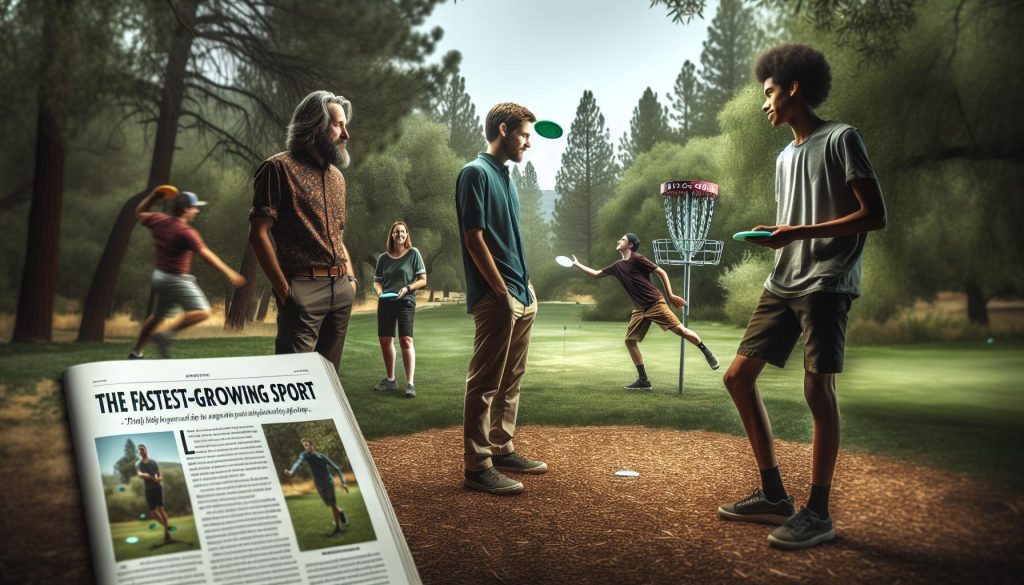
Did you know that disc golf participation has surged by an extraordinary 76% over the past five years? With more than 16,000 dedicated courses globally, this sport is rapidly carving out its place in the athletic landscape. Whether you’re a seasoned pro or a curious newcomer, understanding the growth and appeal of disc golf is crucial. This article will delve into compelling statistics and insights that highlight why disc golf is not just a pastime but also a thriving community-inviting you to explore new friendships, improve your skills, and perhaps uncover your next favorite sport. Join us as we explore the dynamics of this vibrant sport and discover what makes it the fastest-growing recreational activity today!
Is Disc Golf Really the Fastest Growing Sport?
The explosion of disc golf’s popularity over recent years has sparked a heated debate regarding its status as the fastest-growing sport in the world. Recent data underscores this phenomenon: a survey conducted in October 2024 revealed that 86% of players on UDisc, a leading disc golf app, have introduced one or more new players to the sport within the past year. This statistic highlights the contagious nature of disc golf, where existing players actively recruit newcomers, fostering robust growth at the grassroots level.
Moreover, the sport has seen significant infrastructure expansion, with over a thousand new courses added in 2024 alone, marking the fifth consecutive year of such growth. This trend not only increases accessibility for new players but also enhances the overall sporting landscape as communities embrace disc golf as a recreational activity. The combination of low barriers to entry, minimal equipment requirements, and the ability to enjoy the game in a casual, social setting has made disc golf appealing to a diverse audience, further solidifying its reputation as a rapidly growing sport.
When comparing the growth of disc golf to other sports, it’s crucial to recognize its trajectory amidst a backdrop of increased recreational activities across the globe. As many traditional sports face challenges in engagement, disc golf thrives on its community-oriented approach and the joy of being outdoors, perfectly aligning with current trends toward health, wellness, and social interaction. With these compelling indicators, it’s clear that disc golf isn’t just a passing fad-it’s a movement, paving the way for a sport that continues to grow and evolve, attracting participants of all ages and skill levels.
Eye-Opening Stats on Disc Golf Popularity
The statistics surrounding disc golf’s burgeoning popularity are nothing short of staggering. In just five years, disc golf participation has surged by a remarkable 76%, highlighting a growing movement that is attracting players from various backgrounds and lifestyles. This increase is not merely a reflection of more enthusiasts picking up the sport; it’s also indicative of disc golf’s unique appeal and community-driven nature. Beyond mere participation numbers, the global landscape for disc golf has expanded, with over 16,000 disc golf courses now available worldwide, providing ample opportunities for players to engage and compete.
The accessibility of disc golf is a key factor contributing to its rapid growth. Unlike many sports that require expensive equipment and extensive facilities, disc golf primarily needs just a few discs and a course, making it an affordable pastime for individuals and families. Furthermore, a recent survey revealed that an astonishing 86% of disc golfers have brought at least one newcomer to the game in the past year, demonstrating how existing players are enthusiastic ambassadors for the sport. This grassroots recruitment strategy is fostering a sense of community, making the sport more inviting and less intimidating for potential new players.
Social media and digital platforms have played a crucial role in elevating disc golf into the spotlight. Platforms like UDisc not only facilitate scorekeeping but also create interactive spaces for players to share experiences, strategies, and course reviews, thus expanding the sport’s reach. This digital engagement is complemented by a robust infrastructure growth, with more than 1,000 new courses added in just the past year, which further encourages casual play and competitive interest alike. Collectively, these highlights paint a clear picture of a sport that is not just growing; it’s thriving, showing no signs of slowing down in its ascent to mainstream popularity.
The Rise of Disc Golf: A Historical Perspective
In the landscape of sports, few have witnessed such a meteoric rise as disc golf, which traces its origins back to the 1960s. Initially popularized as a fun backyard activity, it quickly transformed into a formalized sport with the establishment of the Professional Disc Golf Association (PDGA) in 1976. This pivotal moment marked the beginning of organized play, enabling players to compete in tournaments while fostering a sense of community around the sport.
Fast forward to the 1980s and 1990s, when disc golf began gaining traction beyond the United States. Europe and Asia saw an influx of interest, driven largely by increased visibility and the establishment of international tournaments. The introduction of improved disc technology allowed for greater range and precision, further compelling players to engage in the sport. During this period, notable disc manufacturers also emerged, solidifying the sport’s legitimacy and appeal. The growing number of players and developments in disc design laid the groundwork for what would become a worldwide phenomenon.
Today’s statistics vividly illustrate the ongoing ascent of disc golf. The fact that over 16,000 disc golf courses exist globally, coupled with a staggering 76% increase in participation in just five years, underscores the sport’s prolific growth. The grassroots nature of the sport plays a significant role in its expansion; an impressive 86% of disc golfers have introduced at least one new player to the sport in the past year, highlighting how enthusiasts are not just participants but also ambassadors for the game. The community-driven aspect, coupled with affordability and accessibility, makes it an inviting prospect for players of all ages and backgrounds.
As social media continues to amplify the visibility of disc golf, sharing achievements and promoting local courses, the sport is evolving into a mainstream recreation. The rise of professional leagues and media coverage is beginning to attract more serious competitors, pushing the boundaries of what was once considered a casual pastime. Today, disc golf is not only a sport but a vibrant community that encapsulates athleticism, strategy, and the joy of shared experiences in nature. With its foothold firmly established, disc golf shows no signs of slowing down, paving the way for an exciting future.
Understanding Disc Golf Demographics and Participation Rates
The rapid growth of disc golf is underscored by a dynamic and diverse demographic that reflects the sport’s broad appeal. With participation rates soaring 76% over the past five years, the sport has attracted players from all walks of life. Whether you’re a child picking up a disc for the first time or a seasoned athlete looking to compete at higher levels, disc golf accommodates a wide range of skill levels and backgrounds.
According to recent statistics, over 16,000 disc golf courses can be found globally, signifying not just the sport’s expansion but also its accessibility. The grassroots nature of disc golf fosters a welcoming community atmosphere, where more than 86% of players reported introducing new participants to the game. This communal aspect not only grows participation but also builds camaraderie among players, enhancing the social experience of the sport.
One might wonder who is engaging with disc golf today. The demographic landscape includes a balanced mix of genders, with a growing number of female players entering the scene, thanks in part to initiatives aimed at promoting inclusivity. Moreover, the age range is diverse, from school-age children to retirees, making disc golf a family-friendly activity. Many players are drawn to the sport’s affordability and the minimal equipment required, removing barriers that might prevent others from participating.
In terms of competition, formal leagues and tournaments are becoming more prevalent, attracting serious competitors and elevating the sport’s status within the broader athletic community. However, casual play remains the backbone of disc golf, with many players simply enjoying relaxed rounds on weekends. The variety of play styles and competition formats, whether it’s casual league nights or professionally organized tournaments, caters to differing preferences, ensuring that everyone can find their niche within this burgeoning sport.
This harmonious blend of demographics-coupled with strong community involvement and increasing competition-paints a promising picture for the future of disc golf, suggesting that its rapid growth is not just a trend, but a movement that is likely to continue expanding in the years to come.
Comparing Disc Golf Growth to Other Sports
With participation in disc golf surging by an impressive 76% over the last five years, it’s crucial to contextualize this growth within the broader landscape of sports. Unlike many traditional sports, which often rely heavily on organized leagues and professional circuits, disc golf has flourished primarily through grassroots engagement and social play. This phenomenon sets it apart from other sports like basketball and soccer, which tend to focus on competitive structures at all levels, from youth to professional leagues.
The rapid expansion of disc golf participants, reflected in the emergence of over 16,000 courses worldwide, underscores a unique trend where accessibility and community matter more than the presence of high-stakes competition. The relatively low cost of entry-needing just a few discs and a public park-makes it an appealing option for individuals of all ages and backgrounds. In contrast, sports such as rugby or American football often require expensive gear and club memberships, creating barriers for new players. This accessibility is mirrored in disc golf communities, where over 86% of players reported introducing newcomers to the game, emphasizing social camaraderie over mere competition.
Community and Inclusivity
A significant factor driving the growth of disc golf is its inclusive nature. While sports like golf and tennis have historically seen slower rates of demographic diversification, disc golf boasts a rapidly growing female player base and participation from a wide age range. By promoting inclusivity through initiatives and community events, disc golf is laying the groundwork for a diverse player demographic that other sports can strive to emulate. In addition, the casual nature of play-where a round of golf can often feel like a serious event-encourages players to invite friends, fostering a communal experience that is less about performance and more about enjoyment.
As disc golf continues to carve out its niche in the sporting world, it not only stands as one of the fastest-growing sports but also as an exemplar of how community-driven efforts can lead to widespread participation. With its unique combination of accessibility, inclusivity, and social fun, disc golf offers a refreshing counterpoint to the competitive nature often associated with traditional sports. Looking forward, such characteristics position disc golf favorably as it competes for the attention of new sports enthusiasts who value experience as much as competition, ensuring its growth trajectory remains robust for years to come.
Key Factors Driving Disc Golf’s Popularity
Disc golf’s remarkable surge in popularity can be attributed to several compelling factors that resonate deeply with modern recreational values. With more than 16,000 courses globally and a doubling of players in recent years, the sport is not merely a passing trend but a phenomenon shaped by accessibility, community, and its inherent enjoyment. The beauty of disc golf lies in its simplicity; all one truly needs is a few discs and a nearby park. This minimal barrier to entry invites individuals of all ages and backgrounds to partake, allowing families and friends to engage in casual yet competitive rounds without the intimidation often associated with traditional sports.
A crucial aspect driving this growth is the robust sense of community fostered within the disc golf scene. Unlike many sports that often require expensive memberships or elaborate gear, disc golf thrives on social interaction. Reports show that 86% of players actively introduce newcomers to the game, creating an inviting atmosphere characterized by encouragement and camaraderie. The sport’s grassroots nature, with local leagues and events promoting inclusivity, has led to a diverse player demographic that includes a rapidly increasing number of women and younger participants. This inclusiveness facilitates a welcoming environment for both novices and serious competitors, encouraging new players to explore the sport at their own pace.
Another significant contributor to the sport’s upward trajectory is the role of social media and technology. Platforms like Instagram and YouTube play a pivotal role in showcasing stunning courses, innovative disc technologies, and personal stories of players. These mediums have helped cultivate a vibrant online community that shares tips, highlights competitive play, and promotes local events, making disc golf more accessible and attractive. Moreover, engaging content-ranging from technique videos to live tournament broadcasts-stimulates interest and educates potential players on everything from disc flight characteristics to tournament strategy.
In conclusion, disc golf’s growth is not incidental but rather the result of a confluence of factors designed to resonate with the modern sports enthusiast. Its accessibility, strong community support, and innovative outreach through social media have collectively created a thriving environment for new players and seasoned veterans alike. As this unique blend of elements continues to foster a love for the sport, disc golf is not only carving out its space as one of the fastest-growing sports but is also exemplifying how community-driven initiatives can revolutionize recreational play.
The Role of Social Media in Disc Golf Expansion
The rise of social media has transformed how sports are marketed and enjoyed, and disc golf is no exception. With platforms like Instagram, Facebook, and YouTube, disc golf is reaching new players and fans in a way that traditional advertising could never achieve. For instance, stunning visuals of picturesque courses, dynamic throws, and vibrant community events can be easily shared, inspiring interest and participation among potential players who might not have encountered the sport otherwise.
Social media acts as a robust platform for education and community building. Users can find everything from beginner tutorials on disc flight characteristics to complex strategies for tackling challenging courses. For example, YouTube channels dedicated to disc golf offer a wealth of content, including step-by-step guides to improve technique, analyses of equipment options, and live streams of tournaments. This rich array of online resources empowers newcomers to learn at their own pace, while also enabling seasoned players to refine their skills and stay current with the latest trends in disc golf technology.
Moreover, the sense of community fostered by social media enhances the sport’s appeal. Local clubs and leagues utilize these platforms to promote events, share news about upcoming tournaments, and cultivate a welcoming environment for newcomers. A survey indicated that 86% of players introduce others to the game, and social media serves as an indispensable tool for these organic recruitment efforts. Players can easily share their experiences, highlight local courses, and create events that draw in participants of all skill levels, reinforcing a cycle of engagement that is crucial for the sport’s continued growth.
Ultimately, the impactful role of social media in disc golf expansion reflects a broader trend toward digital engagement in recreational activities. Through social sharing, discourse, and educational content, platforms are not only enhancing visibility but also creating a rich tapestry of community engagement that fuels the next generation of disc golfers. The accessibility provided by these platforms underscores a vital truth: as more people discover the joys of throwing a disc, disc golf undeniably positions itself as one of the fastest-growing sports today.
Emerging Trends in Disc Golf Participation
The surge in disc golf participation can be attributed to several compelling trends. Notably, the growth of local disc golf communities has seen an increase in casual play. A significant 86% of players reported introducing one or more new players to the sport, demonstrating a grassroots approach to recruitment that is both organic and impactful [1]. Community engagement through local tournaments and casual meet-ups creates an inviting atmosphere conducive to welcoming newcomers.
The influx of younger players is also an emerging trend that cannot be overlooked. Many clubs are now focusing on youth programs to teach children the fundamentals of the game. This intentional outreach not only fosters skill development but also builds a foundation for the future of the sport. Collaborations between schools and disc golf organizations have led to increased visibility in educational environments, further promoting the sport as an extracurricular activity. As youth discover the joy of disc golfing early on, they are likely to continue playing into adulthood, fueling future growth.
Moreover, accessibility is a key factor. Courses are increasingly being designed with varying levels of difficulty, catering to both beginners and seasoned players. This inclusivity attracts a wider demographic, as more recreational players feel they can enjoy the game without the intimidation often associated with competitive sports. As local parks and public areas adopt disc golf as a user-friendly recreational option, participants benefit from lower entry barriers and the opportunity to enjoy the sport in a relaxed setting.
The rise of technology, including apps like UDisc, also plays a crucial role. They provide players with tools for tracking scores, finding courses, and connecting with other players, all of which helps enhance engagement. As technology evolves, the sport not only becomes easier to access but also more enjoyable and interactive, making it appealing for those looking to incorporate an engaging outdoor activity into their lives.
In summary, as disc golf continues to capture more hearts and minds, the combination of community-driven growth, youth engagement, accessibility, and technological advancements will undoubtedly shape its trajectory in the coming years. With these trends, disc golf is well-poised not just to maintain its current growth but to expand its reach to even broader audiences.
Impact of Professional Leagues on Growth
The recent surge in disc golf’s popularity can be significantly attributed to the rise of professional leagues. Events organized by these leagues have not only legitimized the sport but also attracted mainstream attention, thereby boosting participation rates across various demographics. For instance, tournaments featuring top players garner substantial viewership, captivating audiences both on-site and through live streaming platforms. This increase in visibility transforms disc golf into an exciting spectacle, inspiring newcomers to pick up a disc and give the game a try.
Professional leagues such as the Disc Golf Pro Tour (DGPT) and the Professional Disc Golf Association (PDGA) play a crucial role in cultivating a competitive spirit while promoting inclusivity. Their efforts to host events at a variety of skill levels-from grassroots tournaments to elite competitions-provide players of all backgrounds the opportunity to engage with the sport. This progression from recreational play to professional levels showcases a clear pathway for aspiring players, encouraging them to invest in their skills and participate at higher tiers. Statistics reveal that a significant portion of the current player base has been influenced by the activities and outreach of these professional organizations, further entrenching their importance in the ecosystem of disc golf growth [3].
Moreover, the support from sponsors and media amplifies the reach of these leagues, resulting in increased funding for local courses and youth programs. This investment not only enhances the infrastructure available for players but also nurtures talent from a young age; programming in schools and community centers encourages children to explore disc golf as an athletic pursuit. As a result, children experience firsthand the benefits of physical activity, teamwork, and strategic thinking, which are foundational to the game.
The future of disc golf seems bright, with the potential for professional leagues to introduce more innovative formats and attract larger audiences. As they continue to grow in popularity, these leagues will undoubtedly play a pivotal role in shaping disc golf’s trajectory as one of the fastest-growing sports in the world, drawing in diverse new players and fostering a vibrant community.
Youth Engagement: Cultivating Tomorrow’s Disc Golf Stars
Engaging youth in disc golf not only cultivates the next generation of players but also enriches the community as a whole. As disc golf continues to grow-boasting over 1.4 million active players in 2024 and 20.1 million rounds logged-many professionals and organizations recognize the importance of youth outreach programs to secure the sport’s future. Local clubs and schools are increasingly embracing disc golf, often introducing it as a fun and accessible way to promote physical activity among children and teenagers.
To effectively engage young people, it’s crucial to create inclusive and supportive environments that make entry into the sport exciting. Here are some strategies successfully implemented in various communities:
- School Programs: Schools are incorporating disc golf into their physical education curricula. This not only teaches fundamental throwing techniques but also instills teamwork and sportsmanship. Simple courses can be set up in schoolyards, providing an immediate space for students to practice.
- Youth Tournaments: Hosting age-appropriate tournaments encourages friendly competition and allows young players to experience the thrill of participating in an organized event. Many established tournaments offer divisions specifically for youth, helping to legitimize their efforts.
- Mentorship Opportunities: Connecting young players with seasoned professionals is invaluable. Clubs and leagues can facilitate mentorship programs where kids can learn directly from experienced disc golfers, gaining insights on technique, strategy, and the mental aspects of the game.
- Accessible Equipment: Providing affordable equipment options is key to retaining interest. Many manufacturers have developed lightweight and durable discs specifically for younger players. Leagues can also organize disc donation drives to ensure every child has access to the necessary gear.
- Community Events: Organizing family-friendly events such as “Disc Golf Days” encourages community involvement. These events can include workshops, demonstrations, and play sessions, fostering a love for the sport among youth and their families.
The potential impact of youth engagement is significant. Not only does it introduce the sport to younger demographics, but it also promotes healthy lifestyles and active living. With structured programs in place, disc golf can play a pivotal role in youth development, creating opportunities for physical fitness, social interaction, and personal growth. As today’s young players become tomorrow‘s stars-potentially following in the footsteps of professional athletes-the sport’s community will undoubtedly flourish, paving the way for future innovations and greater inclusivity.
The Economic Benefits of Disc Golf on Local Communities
The emergence of disc golf as a sport has profound economic implications for local communities, turning previously underused spaces into thriving hubs of activity and engagement. With increasing participation-over 1.4 million active players in 2024-disc golf is not only a recreational pursuit but also a key driver of economic growth. Communities across the country are feeling the impact, as disc golf courses become destinations for locals and tourists alike, leading to more robust local economies.
Investing in disc golf courses has demonstrated tangible economic benefits. For instance, studies have shown that hosting major disc golf tournaments can generate millions in local economic activity. One notable example reported over $4.5 million in economic impact from just two events in York County, highlighting how these tournaments create a surge in hotel bookings, restaurant visits, and retail sales as participants and spectators flock to the area [3]. This influx not only supports existing businesses but can also lead to new job creation, providing growth opportunities in hospitality, retail, and services.
Community engagement through disc golf also fosters partnerships among local businesses. As courses attract more players, businesses see the potential to cater specifically to this audience. From pro shops selling discs and gear to cafes offering refreshments on-site, the ripple effect of disc golf’s popularity encourages entrepreneurship and innovation within the community. Local governments can further enhance these economic benefits by promoting disc golf through marketing efforts, which not only celebrates local parks and recreational spaces but also draws attention to the economic opportunities they provide.
Moreover, the sport’s accessibility makes it particularly appealing as a community-building activity. Disc golf can be enjoyed by people of all ages and skill levels, and its relatively low cost of entry means that almost anyone can participate. This inclusivity not only strengthens community ties but also enhances the overall quality of life, making neighborhoods more attractive places to live and work. As local interest in the sport grows, so too does the opportunity for economic development, creating a win-win scenario for communities willing to invest in this dynamic sport.
Future Predictions: Where Is Disc Golf Headed?
The future of disc golf looks incredibly promising, as the sport continues to capture the hearts of players across various demographics. With over 1.4 million active players in 2024, it’s clear that interest is not just growing; it’s escalating at an unprecedented rate. This trend is supported by substantial additions to the number of courses-over a thousand new courses were installed in 2024 alone, exemplifying the sport’s expansion [[1]](https://forum.udisc.com/t/this-years-disc-golf-growth-report-is-here/522116). As participation swells, so do opportunities for brand partnerships, sponsorship deals, and massive tournaments, further embedding disc golf into the mainstream sporting landscape.
It’s essential to recognize that trends such as the popularity of social media platforms are playing a crucial role in democratizing the sport, making it accessible and attractive to newcomers. Video tutorials, online tips, and professional player insights are proliferating, fueling learning and engagement. As more players share their experiences online, the sport is becoming enshrined in local culture, leading to increased community events and leagues. These grassroots movements not only elevate competition but also create spaces for social interaction, enhancing the experience for spectators and players alike.
Moreover, youth engagement is critical for the future of disc golf. Schools and community organizations are increasingly introducing disc golf in physical education programs, helping to cultivate a new generation of players [[2]](https://udisc.com/disc-golf-growth-report). With the sport being affordable and relatively easy to learn, many young enthusiasts are likely to become lifelong players. As leagues invest in youth programs and camps, it sets a foundation for sustained interest and involvement in the sport.
Finally, as professional leagues gain traction, the landscape for disc golf is maturing rapidly. The rise of professional tournaments generates significant media coverage and fan engagement, creating role models for budding players. With financial investments increasing in professional circuits, the sport is on the path to establishing itself alongside traditional sports, attracting viewers and participants in remarkable numbers. As disc golf continues to evolve, its trajectory suggests not just survival, but a vibrant and prosperous future within the realm of sports.
Faq
Q: What are the current statistics supporting disc golf’s rapid growth?
A: As of 2024, over 20.1 million rounds of disc golf were played, marking a significant increase of 1.5 million rounds from the previous year. This growth highlights disc golf’s rising popularity in the U.S. and its appeal across diverse demographics[1].
Q: How does disc golf participation compare to traditional sports?
A: Disc golf has experienced accelerated growth, particularly among younger players. Its accessibility and lower cost attract many individuals compared to traditional sports like golf, which often require expensive equipment and memberships[3].
Q: What factors contribute to the rising popularity of disc golf?
A: Key factors include the sport’s affordability, the social aspect of playing with friends, the ease of learning, and the availability of public courses. Additionally, social media marketing and professional leagues have significantly enhanced visibility and participation[3].
Q: What demographic trends are observed in disc golf participation?
A: Disc golf attracts a wide age range, but notable growth is seen in younger players aged 18-34. Inclusive environments and community-focused events enhance its appeal, fostering a diverse player base across socio-economic backgrounds[2].
Q: Are there any health benefits associated with playing disc golf?
A: Yes, disc golf offers numerous health benefits, including improved cardiovascular fitness, enhanced hand-eye coordination, and mental well-being from spending time outdoors. Regular play can also encourage physical activity and social interaction, both vital for a healthy lifestyle[2].
Q: How has the rise of professional leagues impacted disc golf?
A: The establishment of professional leagues has dramatically increased visibility, drawing more sponsorships and attracting new players. Events broadcast on platforms like YouTube and ESPN showcase top talent, further popularizing the sport and inspiring community engagement[3].
Q: When and where is disc golf most popular in the United States?
A: Disc golf is most popular during spring and summer months when outdoor activities peak. States like California and Florida have a high concentration of courses, reflecting the sport’s growth in areas with favorable weather and supportive communities[3].
Q: What future trends can be anticipated in disc golf participation?
A: Future trends may include increased youth engagement, expansion of female players, and the development of more advanced courses. Additionally, technological advancements, like app integrations for scoring and course mapping, will likely enhance the playing experience[3].
Feel free to explore more about disc golf’s growth and discover how you can get involved!
The Way Forward
As we’ve seen, disc golf is rapidly becoming one of the fastest-growing sports, drawing in both enthusiastic newcomers and seasoned players alike. The community’s passion, coupled with the sport’s accessibility, makes it an exciting time to get involved. If you’re inspired to dive deeper into this thrilling sport, consider exploring our in-depth guide on mastering disc flight mechanics and throwing techniques, or check out our disc golf course directory to find local courses to play.
Don’t hesitate to leave your thoughts or questions in the comments below-your feedback helps us enrich our content and connect with fellow disc golf enthusiasts. For more insights and updates, sign up for our newsletter to stay informed about the latest disc golf trends and gear recommendations. Embrace the journey and discover why disc golf is earning its place as a beloved athletic pursuit. Happy throwing, and see you on the course!
Get our latest guides, news, and insights highlighted in your Google Search & AI Overviews.