
The choice of tee pad materials and layout on the UW Baraboo disc golf course plays a crucial role in player experience and performance. Whether you’re a newcomer discovering the joys of disc golf or an experienced player aiming to improve your game, understanding these aspects can enhance your performance and enjoyment on the course. Did you know that the right tee pad surface can significantly influence your footing and throw? By exploring the unique features of UW Baraboo’s design-from concrete to natural materials-we’ll address how each option affects grip, stability, and overall gameplay. This deep dive not only informs your choice of gear and technique but also connects you with the evolving landscape of disc golf as a sport. Join us as we unravel the significance of tee pad materials and layout, ensuring you’re well-prepared for your next round. Your next great game could hinge on this knowledge!
Understanding Tee Pad Materials for Disc Golf
Understanding the materials used for tee pads in disc golf is crucial for course designers and players alike. The choice of material impacts not only player experience but also the overall aesthetics and functionality of a course. With a variety of options available, from natural grass to advanced synthetic surfaces, understanding each material’s characteristics helps ensure that the selected tee pad meets the diverse needs of players across skill levels.
Common Tee Pad Materials: The two most popular materials for tee pads are concrete and turf. Concrete, often viewed as the gold standard, provides a solid and reliable surface that withstands the elements and heavy use. Its durability makes it a favorite, particularly for courses that see significant traffic. However, it’s essential to ensure a textured finish on concrete pads to enhance traction and prevent slips, which can occur on smooth surfaces [[2](https://www.innovadiscs.com/course-development/17/)].
On the other hand, turf has gained popularity in recent years for its natural look and feel. Many players appreciate how artificial grass mimics a true playing environment without the issues of mud or grass wear [[1](https://www.discgolfpark.com/discgolfpark/products/teepad/)]. Notably, Paul McBeth, a 4-time World Champion, endorses turf for its ability to provide a more authentic experience at the tee area. Each material comes with its own considerations regarding installation, maintenance, and costs, making it essential for course designers to weigh these factors against the intended user experience.
In addition to concrete and turf, other materials like rubber, brick, and paver pads exist, each offering unique benefits. Rubber pads are beneficial for their shock absorption and comfort, while paver and brick options can allow for more creative design but require careful consideration to ensure stability and consistency. Ultimately, the right choice of tee pad material should reflect the course’s environment, target players, and the overall design vision.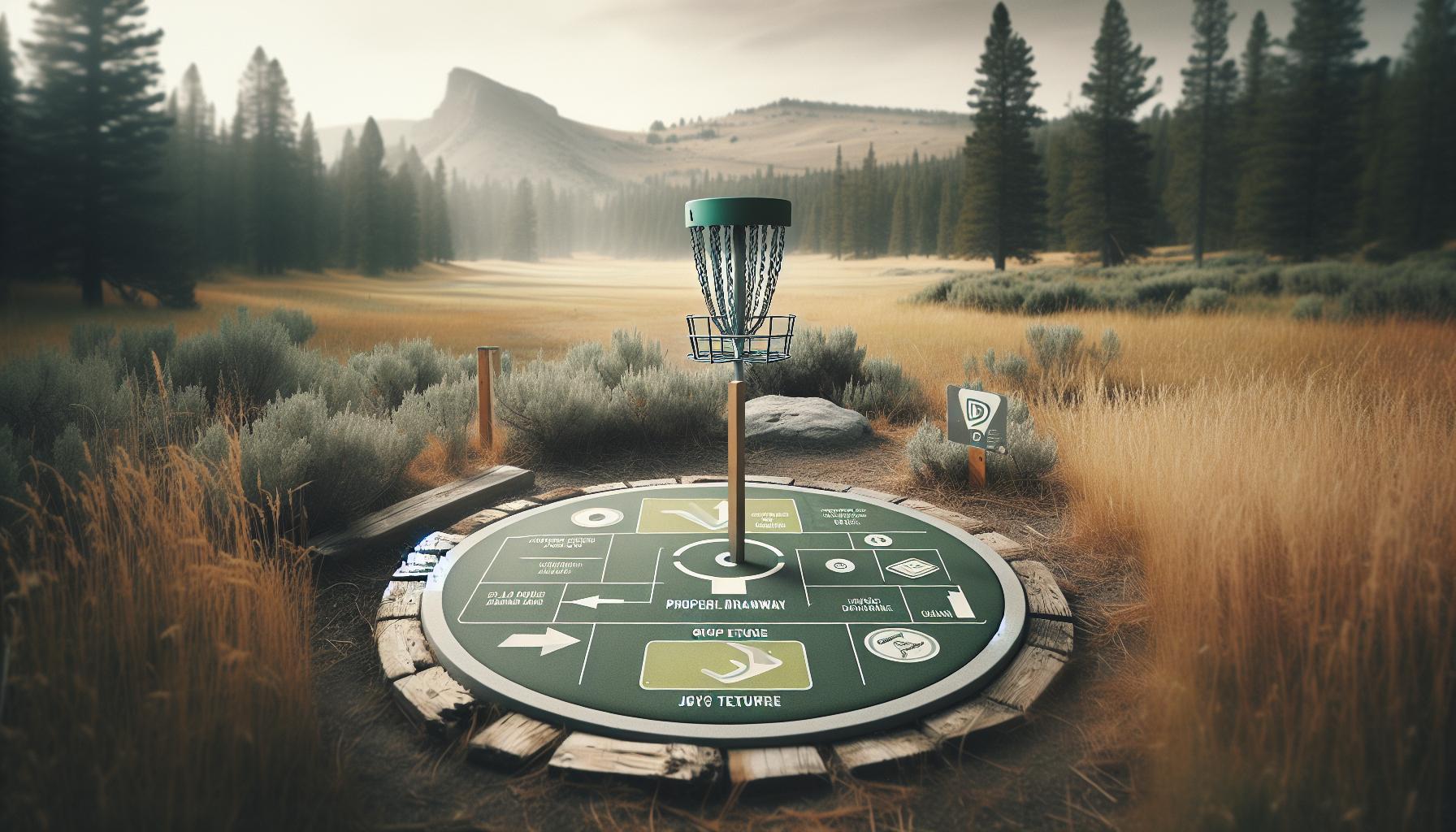
Essential Factors in Tee Pad Layout Design
When designing tee pad layouts for disc golf courses, especially one as beloved as the UW Baraboo Course, there are several essential factors to consider that can significantly enhance the player experience and optimize course functionality. An effective tee pad layout not only contributes to the aesthetic appeal of the course but also influences gameplay strategies, safety, and accessibility for players of all skill levels.
To begin with, placement and orientation of the tee pads are critical. Designers should evaluate the natural topography of the course, paying attention to both wind patterns and sunlight exposure at different times of day. Aligning a tee pad to take advantage of favorable wind can enhance a player’s throw, making it a crucial tactical consideration. Moreover, ensuring that tee pads are oriented away from high-traffic areas can help maintain player safety and minimize distractions.
Another significant factor is the size and shape of the tee pads. Standard dimensions typically range from 4×8 feet to 5×10 feet, allowing ample space for players to execute various throwing techniques while accommodating different stances. When designing pads, it’s wise to consider the common throwing styles used by players. For instance, larger pads can benefit players who may require a longer stance or prefer to utilize a run-up during their throw. Additionally, utilizing a variety of shapes for different holes can introduce unique challenges and keep the course interesting.
Surface material is equally paramount when designing the tee pad layout. While concrete remains a reliable choice due to its durability, some players may prefer the softer feel of turf, especially for long-term comfort and aesthetics [1[1]. It’s essential to strike a balance between function and player preference. Incorporating different materials for specific pads can enhance the overall experience, but designers should ensure that transitions between materials are seamless to minimize hazards.
Lastly, incorporating accessible designs is vital for fostering inclusion within the sport. Ensuring that some tee pads are wheelchair-friendly and accessible for players with different abilities can expand the appeal of the course and encourage community participation. This not only fosters a welcoming environment but also underscores the growing recognition of disc golf as an inclusive recreational activity.
In conclusion, tee pad layout design is a multifaceted endeavor that requires careful consideration of various factors including placement, size, material, and accessibility. By thoughtfully addressing these elements at the UW Baraboo Course, designers can create an inviting and engaging experience for every player, enhancing the joy of disc golf for both newcomers and seasoned competitors alike.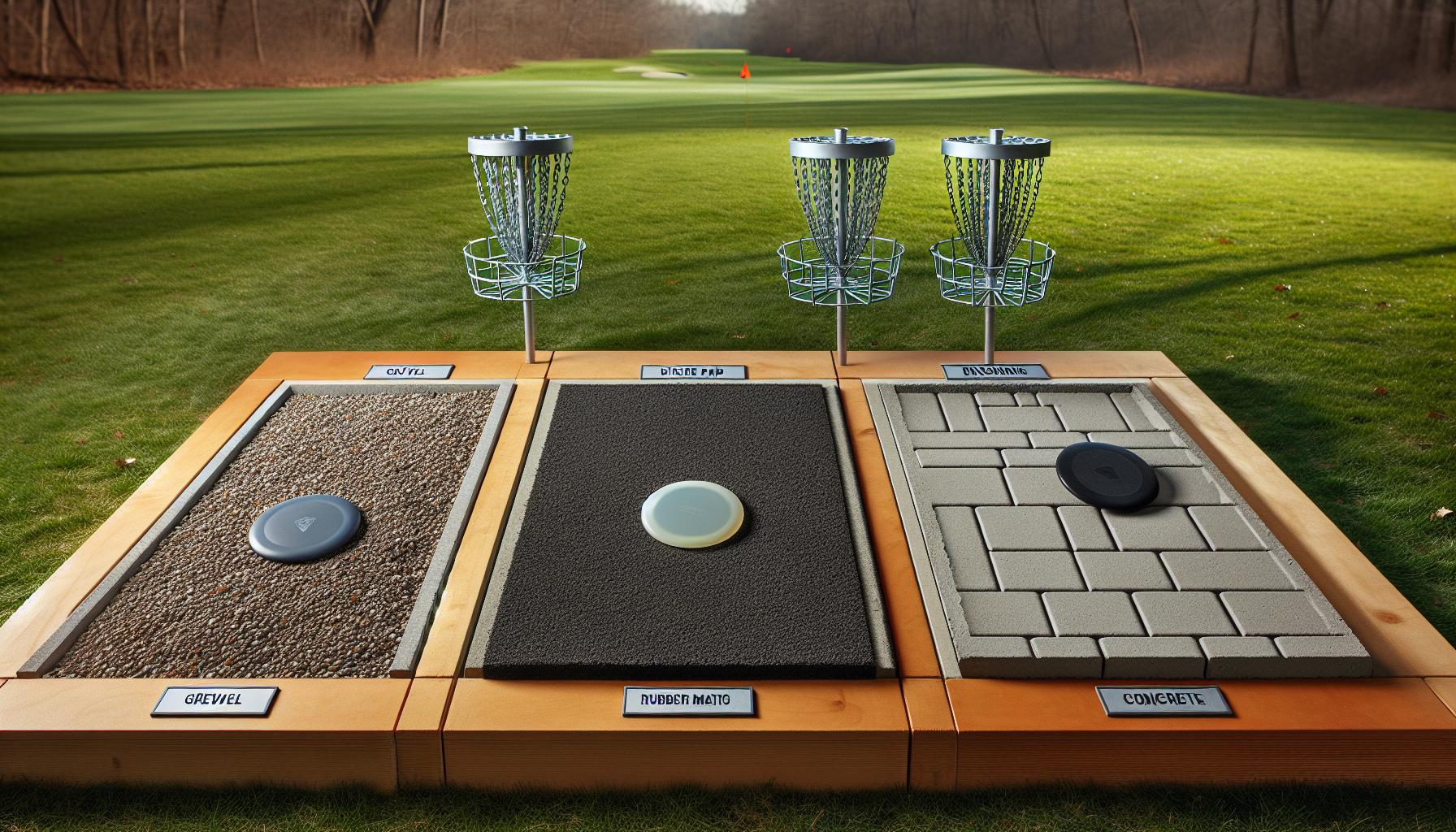
Comparing Common Tee Pad Materials
When considering the ideal tee pad materials for a disc golf course like UW Baraboo, it’s essential to evaluate how each option impacts playability, maintenance, and the overall player experience. Each material offers unique advantages and challenges, influencing not just safety but also the enjoyment of both recreational players and serious competitors.
Concrete stands out as the gold standard for tee pad surfaces. Renowned for its durability, concrete can withstand harsh weather conditions without deteriorating. Its slip-resistant textured surface provides reliable grip, allowing players to execute their throwing techniques confidently, whether in dry or wet conditions. Moreover, once installed, concrete requires minimal maintenance, making it a cost-effective long-term investment for course designers. However, while concrete is excellent for grip and durability, it can also lead to player fatigue over time, especially on long courses where multiple rounds are played.
On the other end of the spectrum, artificial turf and rubber materials are gaining popularity, particularly for their comfort and aesthetic appeal. Turf pads provide a softer, more forgiving surface that many players appreciate, especially for run-up shots. They can also blend seamlessly into the natural landscape, creating an appealing visual for your course. Yet, turf and rubber do require some maintenance to prevent wear and potential slipping issues during wet conditions and may need to be replaced more frequently compared to concrete.
Other materials, such as pavers and natural turf, have their place too. Paver pads, while offering a rugged aesthetic, can be more expensive and labor-intensive to install. Natural grass, while environmentally friendly, can become muddy and uneven after heavy rain, posing challenges for player safety. Each material contributes distinctly to the overall course dynamics, and their respective advantages should be weighed against player preferences and course structure.
Understanding these materials enables designers at UW Baraboo to make informed decisions that cater to the diverse skill levels and preferences of players. Whether opting for a mix to keep the course dynamic or standardizing with concrete for consistency, the choice of tee pad material significantly shapes the golfing experience, ensuring each round is enjoyable and engaging for everyone involved.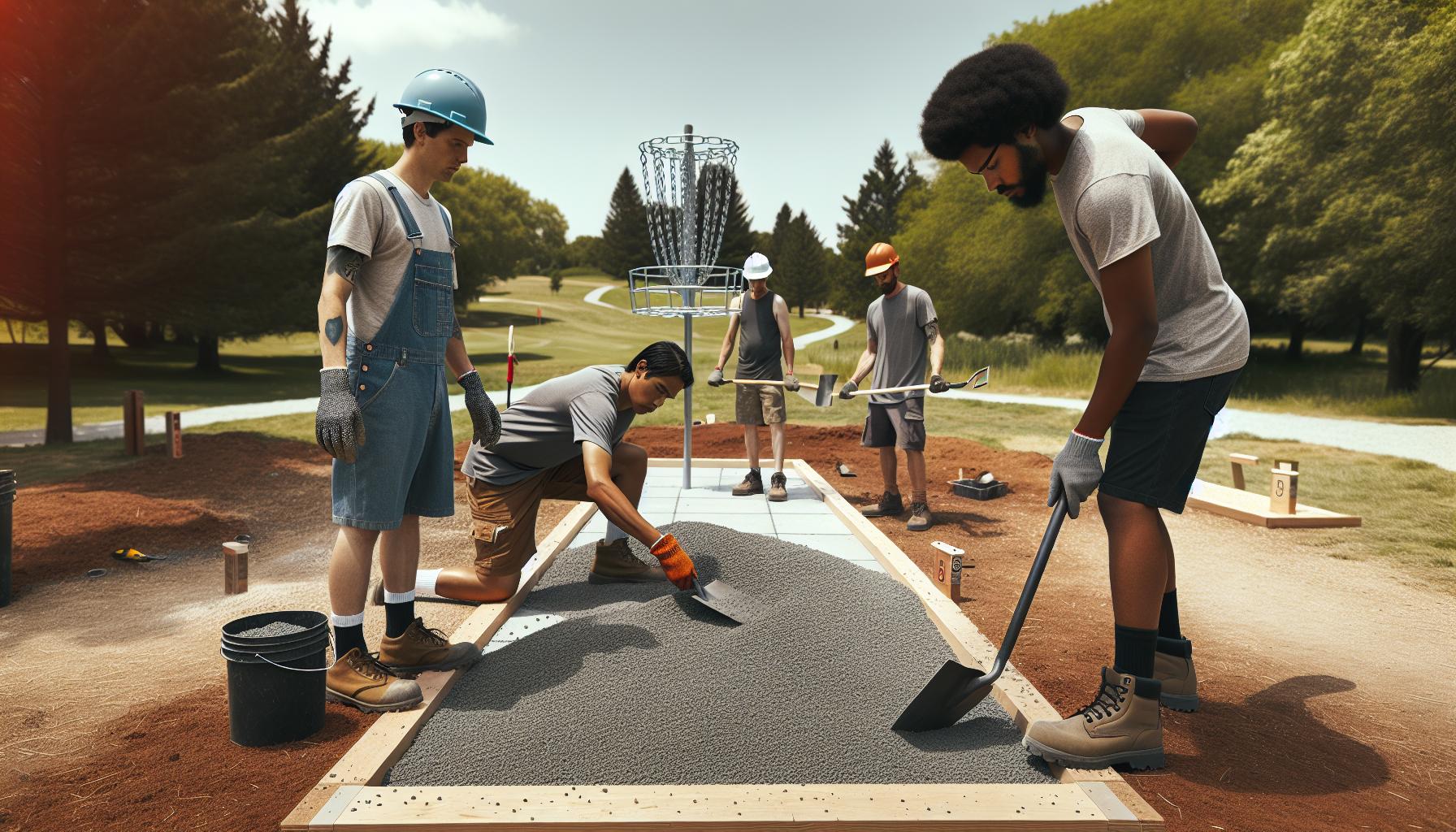
Step-by-Step Guide to Installing Tee Pads
Installing tee pads at the UW Baraboo disc golf course is a crucial step that can significantly enhance the player experience. Whether you’re considering durable concrete pads or the softer touch of turf, following a structured installation process is key to ensuring a consistent and enjoyable playing surface. Here’s a step-by-step guide designed to ease you through the installation process.
Preparation and Planning
Before beginning the installation, it’s essential to gather all the necessary materials and tools. This preparation phase includes:
- Materials Required: Concrete mix (if using concrete), turf or rubber pads, sand (if using turf), and gravel
- Tools Needed: Shovels, wheelbarrow, level, trowel, screed board (a 2×4 works well), and stakes
You’ll also need to determine the dimensions of the tee pads-standard sizes often range from 5 feet by 10 feet to 6 feet by 12 feet, depending on course design and player preferences.
Site Preparation
Next, select the optimal location for your tee pads. Ensure the area is flat and free from debris, rocks, and vegetation. Follow these steps:
- Mark the Area: Use stakes and string to outline the dimensions of the tee pad.
- Excavate the Site: Dig out the marked area to a depth of 4 to 6 inches for concrete pads, or a few inches for turf or rubber pads, ensuring it is level and appropriately sized.
- Create a Base: For concrete, lay a few inches of gravel at the base to promote drainage and stability. For turf, you may need to add sand to help fill the turf mat properly once installed.
Installation Process
With the site prepared, you can proceed to install your chosen tee pad material:
- For Concrete:
1. Build Forms: Construct wooden frames around the excavated area to hold the concrete.
2. Pour Concrete: Mix the concrete according to instructions and pour it into the forms. Use a trowel to spread it evenly and a screed board to ensure a smooth surface.
3. Texture the Surface: While the concrete is still wet, you can use a texturing tool or a broom to give the surface some grip, which helps with traction during play.
- For Turf/Rubber:
1. Lay the Base Material: Spread sand evenly across the excavated area to a depth of about 1 inch.
2. Install the Turf: Roll out the turf or rubber pad over the sand base, ensuring it fits snugly within the marked area.
3. Secure Edges: Use stakes or adhesive to secure the edges to the ground to prevent lifting or shifting during use.
Final Touches and Maintenance
After installing the tee pads, it’s essential to let concrete cure properly-often recommended for at least 24-48 hours-before allowing use. For turf, inspect the surface and remove any debris to maintain a clean playing area. Regular maintenance, such as re-leveling sand in turf or sealing cracks in concrete, ensures your tee pads remain safe and functional.
Transforming the UW Baraboo disc golf course with well-installed tee pads will not only enhance the aesthetics of the course but also provide a better experience for players of all skill levels. Whether embracing the rugged durability of concrete or the comfort of turf, each option contributes to the overall enjoyment and professional feel of the course. Happy golfing!
Optimizing Tee Pad Placement for Course Variety
Strategically placing tee pads is essential for creating a dynamic and engaging disc golf course that challenges players at various skill levels while keeping the game fresh and enjoyable. At UW Baraboo, considering the diverse throwing abilities of players means optimizing tee pad locations to enhance course variety and promote different types of shots. By thoughtfully arranging the tee pads, you not only encourage skill development but also keep the course experience interesting.
When evaluating tee pad placement, consider incorporating varying distances and angles to accommodate players of all levels. For instance, placing shorter tees on more technical holes allows beginners to practice accuracy without being overpowered by distance. Conversely, longer tees on wide-open holes can provide advanced players with an opportunity to showcase their distance throwing skills while requiring precision and strategy on approach shots. This diversity in placement not only enriches gameplay but also encourages players to explore their throwing mechanics, improving their skills across different scenarios.
Another effective strategy is to incorporate elevated or sloped tee pads to introduce risk and reward into the gameplay. Elevating a tee pad can add complexity, as players must adjust their throws to account for changes in elevation and wind conditions. For example, a tee pad that sits atop a hill could create a unique challenge for all skill levels, offering breathtaking views while also testing players’ abilities to gauge distances accurately and adapt to adjustments in their release angles.
Additionally, consider how the natural landscape can influence your tee pad design. Utilizing trees, water hazards, and varied terrain can enhance the aesthetic and strategic elements of the course. For instance, placing a tee pad near dense foliage may require players to shape their throws with more precision to navigate obstacles, while a pad positioned near a body of water can heighten the stakes for a risky throw. By leveraging the unique features of the UW Baraboo environment, you can create a course that feels alive and interacts dynamically with the players, fostering a sense of adventure.
Ultimately, optimized tee pad placement at UW Baraboo isn’t just about distance; it’s about creating an immersive experience that challenges players while celebrating the sport of disc golf. By thoughtfully designing tee pad locations, you’ll cultivate a versatile course that stands the test of time, drawing in both newcomers eager to learn and seasoned competitors seeking to hone their skills. As you aim to enhance the player experience, remember that every throw begins with the tee pad, and its placement is fundamental to the game’s artistry and strategy.
Exploring the Impact of Weather on Tee Pad Materials
When it comes to disc golf, the conditions on the course can dramatically affect not just player performance but also the integrity and usability of the tee pads themselves. Understanding the influence of weather on tee pad materials is essential for course designers and maintenance crews aiming to provide the best experience for players at UW Baraboo. Rain, snow, and extreme temperatures can challenge even the highest-quality tee pads, impacting grip, surface durability, and overall player safety.
For instance, concrete and asphalt tees are notoriously slick when wet, introducing a higher risk of slipping during throws. In contrast, rubber tee pads offer better grip under humid conditions, making them a safer choice for rainy climates. Additionally, extreme heat can lead to thermal expansion in certain materials, potentially causing warping or cracking in more rigid surfaces like concrete. In colder regions, the freeze-thaw cycle can break down natural and porous surfaces, necessitating careful selection of materials that can withstand the local climate.
- Rainy Conditions: Choosing rubber or artificial turf pads can help maintain traction and ensure that players feel secure in their footing.
- Snow and Ice: Concrete pads require regular maintenance and may need to be treated with non-slip materials or mats to prevent accidents during winter courses.
- Heat and Sun Exposure: Consider reflective or UV-resistant materials for areas prone to high temperatures to prolong the life of your tee pads.
To address these weather-related challenges effectively, course designers should conduct regular assessments of tee pad conditions influenced by seasonal changes. By integrating robust materials and strategic layouts that consider weather patterns, the UW Baraboo course can ensure enduring performance and an enjoyable experience for its players, whether they are newcomers eager to learn the intricacies of the game or seasoned competitors honing their craft.
Innovative Layout Ideas for Discs Golf Courses
Creating innovative layouts for disc golf courses can significantly enhance the playing experience, enticing both newcomers and seasoned professionals. One effective approach is the integration of varied tee pad designs, which can transform a standard course into a multi-dimensional landscape that challenges players and keeps them engaged. For instance, consider implementing alternate tee positions that allow for different levels of difficulty on the same hole, accommodating varying skills while promoting gameplay variety.
Utilizing natural terrain is another innovative strategy. Sculpting tee pads to blend with the landscape, whether atop a hill, beside a water hazard, or in the shade of mature trees, can amplify the aesthetic appeal and present unique gameplay challenges. Courses like those at UW Baraboo can benefit from strategically placed Sloped Tees or Elevated Tees, encouraging players to adjust their throwing mechanics and strategy based on the terrain. Such placements not only highlight the course’s natural beauty but also provide tactical depth.
Furthermore, introducing thematic or artistic elements to tee pad designs can enhance visual appeal and community involvement. For instance, collaborating with local artists to create custom artwork on tee pads can celebrate regional culture and history while fostering community pride. This creative aspect can transform a simple disc golf course into a cultural landmark, making it a destination for players who appreciate both art and sport.
Lastly, integrating technology into your course design can provide an additional level of engagement. Consider installing QR codes at each tee pad, linking players to instructional videos that demonstrate techniques tailored to the specific challenges of that hole. This dual-purpose approach not only delivers clear guidance to beginners but also allows advanced players to refine their skills through expert insights.
By exploring these innovative layout ideas, the UW Baraboo course can set itself apart, offering a rich and dynamic experience that embraces both the spirit of competition and the joy of community engagement.
User Experience: Feedback on Different Tee Pads
Understanding the preferences and experiences of players regarding different tee pad materials is crucial for enhancing the overall enjoyment and performance on the UW Baraboo disc golf course. Players often emphasize the importance of grip and stability when selecting a tee pad material, as these factors can significantly influence their throwing mechanics and confidence. Feedback collected from various players highlights that while concrete and asphalt pads provide robust footing, some prefer the softer feel of artificial turf or rubber mats, which can reduce strain on the joints, especially for long rounds.
Many disc golf enthusiasts express their preferences based on environmental conditions. For instance, during wet weather, natural grass or dirt pads may become muddy and slippery, leading to frustration. In contrast, players frequently report a more positive experience when using durable materials like concrete, as they perform consistently across various weather conditions. Moreover, feedback reveals that elevated tees are particularly exciting, offering players a different perspective and challenging them to adapt their throwing techniques.
When it comes to aesthetics and course engagement, players often point out that custom-designed tee pads featuring local artwork not only enhance the visual appeal but also foster a deeper connection to the surrounding community. This creative touch can turn a simple disc golf outing into an enriching experience, as players appreciate the blend of sport and local culture. To further enhance user experience, many suggest the inclusion of detailed signage on or near tee pads, providing players with information on distance, flight paths, and perhaps even tips tailored to specific holes.
Ultimately, the user experience on the UW Baraboo course can be greatly improved by considering player feedback on tee pad materials and layouts. Implementing changes based on this input not only helps attract new players but also retains existing ones, contributing to the growth of a vibrant disc golf community. Solidifying player preferences in the design and placement of tee pads can lead to a more enjoyable and competitive atmosphere, establishing UW Baraboo as a top destination for disc golf enthusiasts.
Maintaining and Repairing Your Tee Pads
Maintaining the quality of your tee pads is vital for ensuring an enjoyable experience for all players at the UW Baraboo disc golf course. Over time, wear and tear can diminish the effectiveness of tee pads, impacting grip and player safety. However, with regular maintenance and timely repairs, you can keep these essential features in prime condition, enhancing both performance and enjoyment.
A comprehensive maintenance routine may include regular inspections for cracks, uneven surfaces, and debris accumulation. For concrete and asphalt pads, fill any cracks with appropriate sealant to prevent further deterioration. It’s advisable to clean the pads periodically using a mixture of water and mild detergent to eliminate dirt and moisture that can create slippery conditions. Additionally, the installation of drainage systems near tee pads can help mitigate water pooling, particularly in areas prone to heavy rainfall, ensuring that the pads remain functional and safe.
When it comes to artificial turf or rubber mats, keep an eye out for fraying edges or punctures. Small repairs can often be made using specialized adhesive designed for these materials. If deeper damage occurs, consider replacing sections of the turf or rubber to maintain an even playing surface. Furthermore, incorporating a community volunteer day can be a fun way to engage players in maintaining the course. This way, not only do you revitalize the tee pads, but you also foster a sense of community ownership over the course.
Lastly, it’s beneficial to gather ongoing feedback from players regarding the condition of the tee pads. By creating a platform for players to voice their concerns and suggestions, you can prioritize repairs and enhancements that directly impact user experience. This collaborative approach not only improves the physical conditions of the course but also builds a strong community around disc golf, affirming its place as both a competitive sport and a leisurely pastime.
Case Studies: Successful Tee Pad Designs
Crafting successful tee pad designs requires an understanding of both player needs and environmental conditions. At the UW Baraboo disc golf course, innovative tee pad layouts have transformed the playing experience for casual players and serious competitors alike. One standout case is the utilization of hybrid tee pad surfaces, combining elements of both turf and rubber mats. This blend not only provides a stable footing but also mimics the feel of natural grass, enhancing players’ grip and comfort during gameplay. Combining these materials allows for a softer landing in cold weather while maintaining resilience against wear and tear.
In addition to material choice, the strategic placement of tee pads has proven crucial to the course’s success. For example, several tee pads are designed to incorporate natural elevation changes, which challenge players’ throwing mechanics and strategy. By positioning the pads on slight inclines or declines, players must adjust their angles and power, making each hole a unique experience. This thoughtful design encourages different throwing techniques, allowing players of varying skill levels to hone their abilities while enjoying the course’s diverse landscape.
Moreover, engaging the community in the design process has played a vital role in the course’s popularity. Feedback has been actively solicited from local disc golfers, informing decisions about pad dimensions and materials through surveys and community meetings. This collaborative effort has not only built a sense of ownership among players but has also led to the installation of amenities like shade structures near tee pads, enhancing comfort during hot summer months. The success of these designs can be reflected in the jump in participation rates and overall player satisfaction, showcasing how thoughtful design can significantly impact the disc golf experience.
By focusing on the interplay of materials, strategic placement, and community engagement, the UW Baraboo course not only provides a well-equipped space for play but also sets a standard for future disc golf course developments.
Engaging the Community in Tee Pad Selection
Engaging the community in the selection of tee pads is a pivotal factor in the success of the UW Baraboo disc golf course. By involving players and local enthusiasts early in the design process, the course not only fosters a sense of belonging but also enhances the user experience for everyone, from beginners to seasoned competitors. Community input can lead to better decision-making regarding dimensions, materials, and overall layout, ensuring that the final product meets diverse player needs.
One effective approach used at UW Baraboo is organizing community meetings and feedback forums. These sessions allow players to voice their preferences and concerns regarding tee pad sizes, surface materials, and placements. Collecting this information helps course designers create a layout that challenges skilled players while remaining accessible for novices. Moreover, using surveys-either digital or paper-based-can quantify community sentiment, allowing organizers to prioritize features that matter most to users.
In addition to feedback on practical matters, these engagements create opportunities to educate participants about the significance of different materials. For instance, explaining the benefits of hybrid surfaces over traditional concrete can demystify the decision-making process. Providing demonstrations on how various materials perform under different weather conditions fosters a deeper appreciation for the complexities involved in course design.
Ultimately, the collaborative spirit cultivated through community engagement translates into higher levels of satisfaction and increased participation rates. When players feel their voices are heard, they are more likely to visit the course regularly and participate in events. This sense of ownership not only improves the immediate disc golf experience but also contributes to the growth of the sport within the region, creating a vibrant disc golf community that is eager to welcome newcomers and encourage them to take part in this rewarding athletic pursuit.
Future Trends in Disc Golf Course Design
As the sport of disc golf continues to gain momentum, so too do the innovations in course design, particularly around tee pad materials and layouts. The evolution of course design not only enhances gameplay but also promotes inclusivity and community engagement, especially evident in initiatives like the UW Baraboo course. Looking ahead, several trends are shaping how courses are being developed to meet the diverse needs of players.
One significant trend is the increased use of environmentally sustainable materials. Course designers are exploring options like recycled rubber and other eco-friendly substances for tee pads, which not only reduce environmental impact but also provide excellent traction and durability. Additionally, hybrid surfaces that combine turf with natural elements are gaining popularity, creating a seamless transition between the tee and the playing surface while maintaining aesthetics and functionality.
Another forward-looking trend is the integration of technology into course management. Smart sensors embedded in tee pads and baskets can track disc flight paths and player statistics, providing valuable data for players and course managers alike. This technology helps in analyzing player engagement as well as assessing course conditions over time, allowing for timely maintenance and improvements.
The focus on diversity in course design is also becoming more pronounced. Courses are increasingly being designed with varying levels of difficulty to accommodate a broader range of skill levels, from beginners to seasoned competitors. This includes offering multiple tee pad placements for each hole, which not only promotes inclusivity but also allows for creative gameplay decisions that can change the dynamics of a course based on player preference.
Lastly, community involvement in course design continues to be a critical component. As seen at UW Baraboo, engaging with local players leads to decisions that reflect the needs and desires of those who actively use the course. Organizing workshops and feedback forums empowers the community, fostering a sense of ownership and pride in the course, which in turn can lead to a vibrant and engaged local culture surrounding the sport.
Embracing these trends will not only enhance the experience for players at all levels but will also help grow the sport sustainably and inclusively, ensuring that disc golf remains a beloved activity for years to come.
Faq
Q: What materials are best for tee pads at the UW Baraboo Course?
A: The ideal materials for tee pads include concrete, which provides durability and stability, and turf, which offers better grip and varied aesthetics. Consideration should also be given to local weather impacts, ensuring the choice promotes safety and longevity for players.
Q: How does the layout of the UW Baraboo Course enhance the user experience?
A: The layout strategically incorporates various elevation changes and obstacles, creating challenges that cater to all skill levels. This thoughtful design promotes enjoyment and skill development among players while also encouraging engagement with the natural surroundings.
Q: What are the maintenance tips for tee pads at the UW Baraboo Course?
A: Regular cleaning and inspection are crucial. Repair cracks in concrete immediately and replace turf sections as needed to maintain optimal conditions. Establishing a seasonal maintenance schedule can ensure the longevity and safety of the tee pads.
Q: Can weather conditions affect the choice of tee pad materials at UW Baraboo?
A: Yes, weather significantly impacts material durability and user safety. For instance, concrete can become slippery when wet, while turf can retain moisture. It’s essential to choose materials that provide good traction and performance in varying weather conditions.
Q: What layout strategies can be implemented for the UW Baraboo Course?
A: Incorporating mixed layouts, such as alternating tee pad placements or incorporating natural terrain features, can enhance play diversity. This method keeps the course engaging and encourages players to adapt their strategies based on different layouts.
Q: What are the common issues faced with tee pad materials and how to resolve them?
A: Common issues include cracking in concrete and wear in turf. To resolve these, proactive maintenance is key-regularly inspect for damage and schedule timely repairs. Utilizing quality materials initially also minimizes long-term problems.
Q: How can player feedback be utilized to improve tee pad design at the UW Baraboo Course?
A: Gathering player feedback through surveys or informal discussions can provide valuable insights into preferences and challenges with current tee pads. This information can guide future design decisions to enhance player satisfaction and course performance.
Q: Why is community involvement important in the tee pad selection process?
A: Engaging the community fosters ownership and pride in the course, encouraging more players to participate. Community input can lead to better-informed decisions that reflect the needs and preferences of the diverse user base.
In Summary
As we wrap up our exploration of the UW Baraboo Course: Tee Pad Materials & Layout, remember that the right tee pad can significantly enhance your disc golf experience, impacting everything from your throwing mechanics to your overall performance. Don’t let uncertainty hold you back-check out our detailed guides on disc flight characteristics and equipment specifications to empower your game!
If you’re eager to dive deeper into the world of disc golf, we encourage you to explore our articles on advanced throwing techniques and course strategy breakdowns, which can provide the edge you need in competitive settings. Don’t forget to sign up for our newsletter for the latest updates and insights straight to your inbox!
Your journey in disc golf is just beginning, and we’re here to support you every step of the way. Join the conversation in the comments below, share your thoughts or experiences, and let’s celebrate this vibrant community together!
Get our latest guides, news, and insights highlighted in your Google Search & AI Overviews.