
Disc golf is more than just a casual pastime; it’s an exhilarating sport that combines precision, strategy, and a love for the outdoors. Did you know that nearly 8 million people in the U.S. play disc golf, making it one of the fastest-growing sports today? Whether you’re new to the game or looking to enhance your skills, having the right equipment is crucial for enjoying your experience and improving your game. In this checklist, we’ll cover everything you need to get started, from the essential discs and gear to tips on how to select the right equipment based on your skill level. By the end, you’ll be well-prepared to step onto the course with confidence and excitement, embracing the vibrant disc golf community. So let’s dive in and unlock the essentials that can elevate your disc golf journey!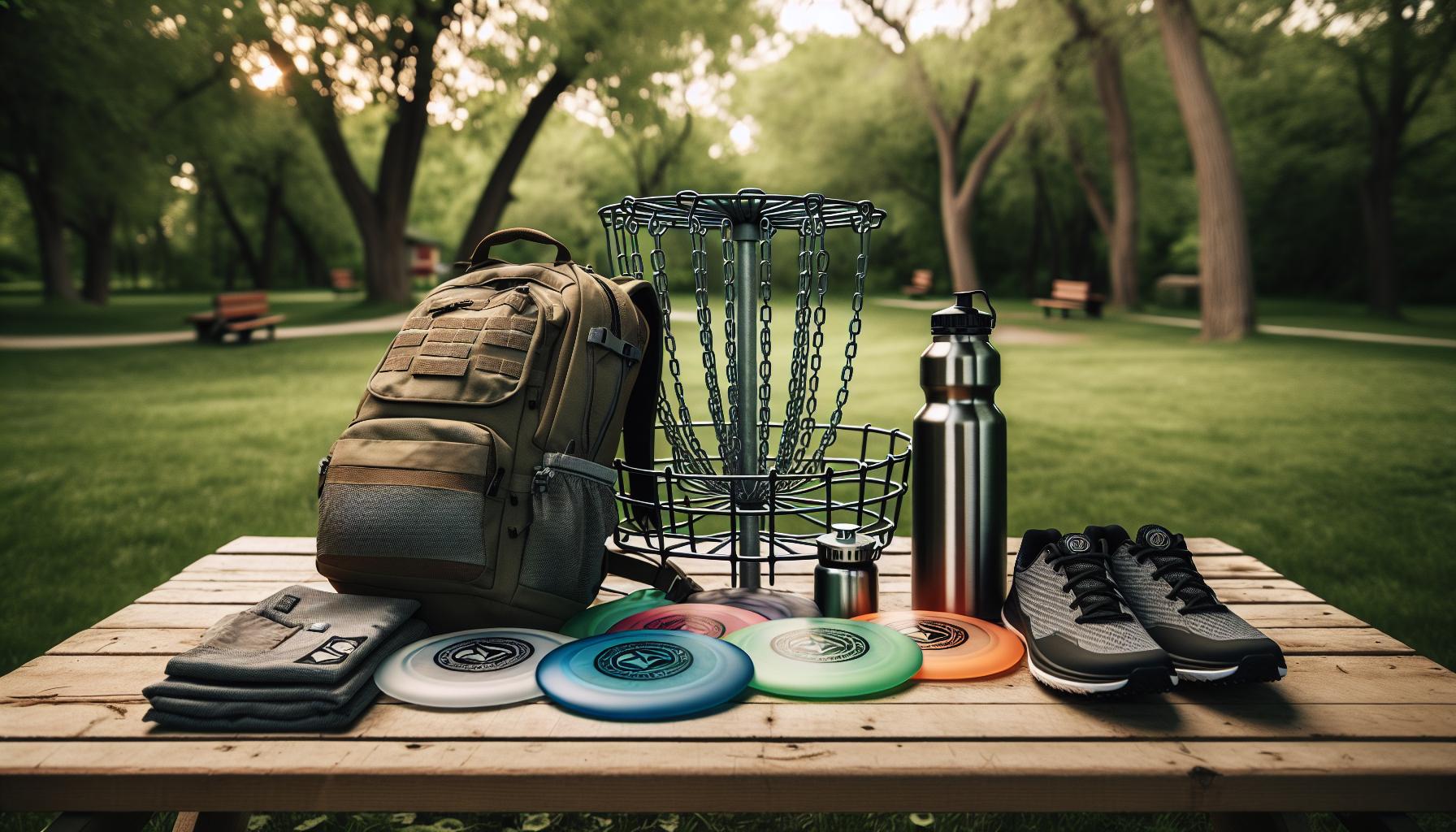
Essential Gear for Every Disc Golfer
Disc golf is rapidly gaining popularity as an accessible and engaging sport, attracting players of all ages and skill levels. Whether you’re an enthusiastic newcomer or a seasoned competitor, having the right gear can significantly enhance your experience on the course. includes a set of discs, a quality bag to carry them, and a few key accessories that can make your game more enjoyable and efficient.
Discs: The Heart of Your Game
At the core of your disc golf equipment are the discs themselves. Typically, players utilize three main types: drivers, midrange discs, and putters. Drivers are designed for long-distance throws, capable of cutting through the air with speed and precision. Midranges offer versatility, effectively serving players who need accuracy and control in shorter distances. Lastly, putters are specialized for shorter, precise shots, particularly during putting. Selecting a variety of discs that suits your throwing style and comfort will help you navigate varying course layouts with ease.
Disc Golf Bags
Next, you’ll need a reliable bag to carry your discs. A good disc golf bag should be lightweight yet durable, with enough space for your disc collection and personal items. Many players opt for specialized disc golf bags that come with compartments to organize different types of discs, beverage holders, and pockets for accessories. Look for bags with padded shoulder straps for comfort, especially if you’re planning a long day on the course. For instance, the MVP Voyager, available as a signature edition by pro player James Conrad, combines innovative materials with thoughtful design, offering a perfect blend of functionality and style [[2](https://discstore.com/products/mvp-voyager-james-conrad-signature-edition?%3Fvariant%3D=47530202267948)].
Accessories to Enhance Your Game
In addition to discs and a bag, several accessories can enhance your playing experience. Consider including a towel to keep your discs dry and clean, a portable stool for comfort during long games, and a water bottle to stay hydrated. Some players also appreciate a scorecard holder or a notepad for tracking their performance over time. Furthermore, customizing your disc bag with personal touches and unique designs adds flair, showing your personality while playing.
Investing in quality gear not only improves your performance but also enhances the enjoyment of this burgeoning sport. With the right equipment in tow, you’re set for success on the course, whether you’re casually playing with friends or gearing up for competitive events. The community, growing ever stronger, provides ample opportunities for sharing tips, strategies, and camaraderie among disc golf enthusiasts.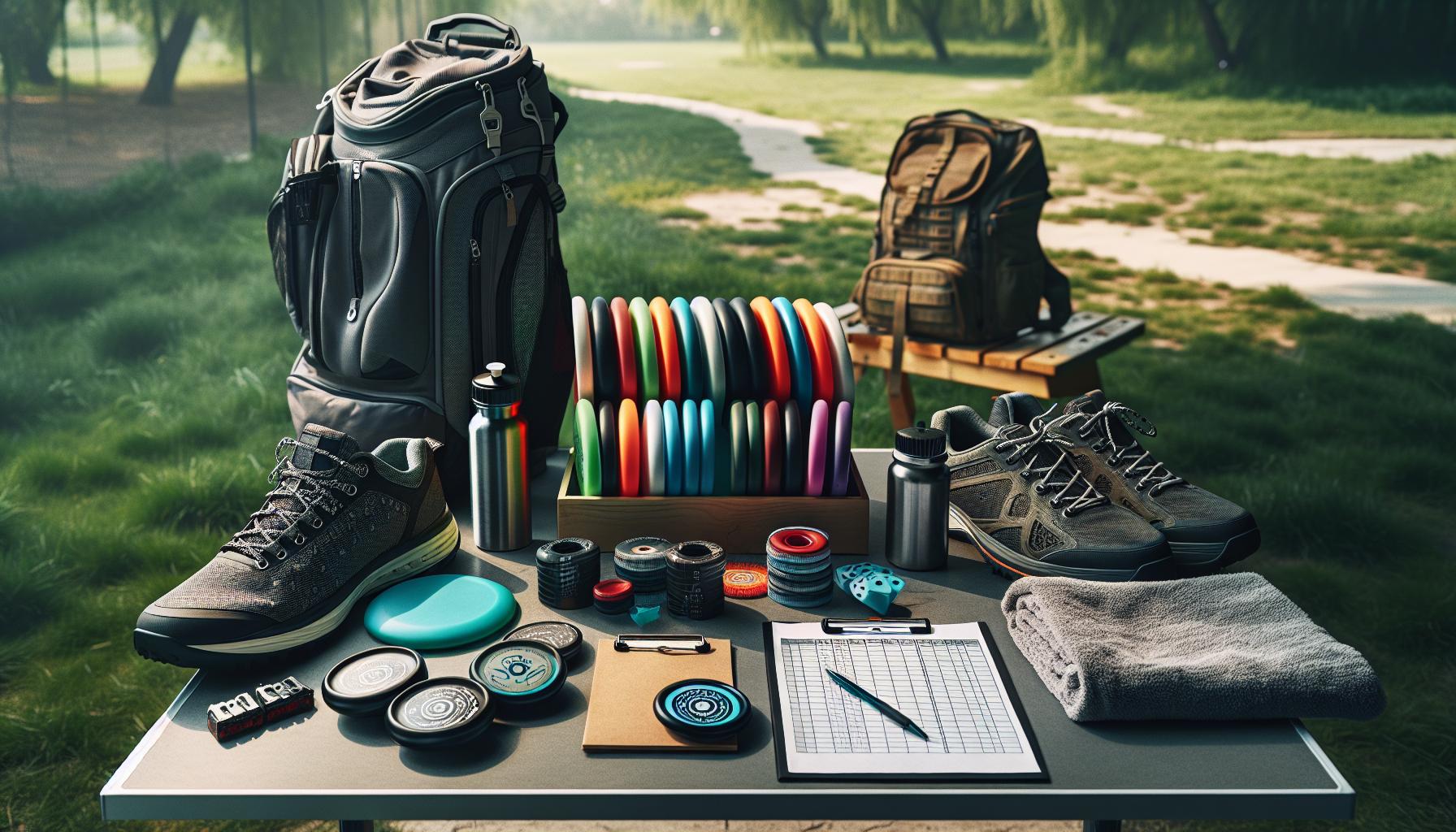
Understanding Disc Types and Their Uses
In the dynamic world of disc golf, understanding the types of discs you’ll use is crucial for enhancing your game and navigating varied course layouts. Each disc is specially engineered for specific flight characteristics, making knowledge about their differences indispensable for both beginners and seasoned players. Players typically rely on three primary types of discs: drivers, midranges, and putters, each serving distinct roles in your strategy.
Drivers are designed for maximum distance and speed. They feature a sharp, aerodynamic profile that allows them to cut through the air effectively, maximizing distance on long throws. Ideal for tee shots or long-distance approaches, drivers are categorized into two types: distance drivers and fairway drivers. Distance drivers are meant for serious distance, requiring more skill, while fairway drivers offer slightly more accuracy and control for strategic placement in narrow fairways.
Midrange discs offer versatility for a variety of shots. They bridge the gap between drivers and putters, providing greater control than drivers while still achieving solid distance. Midranges are typically used for approach shots where precision over long distances is crucial, making them valuable for navigating technical courses with tight trees or obstacles. When selecting a midrange disc, consider its stability; stable midranges will fly straight, while understable ones will turn right (for a right-handed backhand) before fading back left.
Putter discs are specifically designed for short, precise throws, especially during putting. Their heavier, more stable construction allows for greater accuracy and control when you need to make those crucial close-range shots into the basket. Many players choose to have a variety of putters with different stabilities to adapt according to wind conditions or personal throwing styles. Practicing with your putter can significantly impact your overall score by reducing your number of strokes on the green.
When selecting discs, consider not just the type but also the weight and plastic material, which can affect your throwing experience. Lighter discs are often easier to throw for beginners, while heavier discs provide better control in windy conditions. Familiarizing yourself with different models through trial and error can lead to finding the perfect combination that suits your personal throwing style and comfort level. Embrace the learning curve, as mastering the nuanced application of each disc type can elevate your performance and enjoyment on the course.
Choosing the Right Disc for Your Skill Level
When diving into the exciting realm of disc golf, selecting the right disc based on your skill level is pivotal to your success and enjoyment on the course. The journey often begins with understanding your own throwing style and the types of courses you intend to play on. A beginner might feel overwhelmed by the range of options available, but choosing wisely can lead to quicker improvement and greater satisfaction as you develop your skills.
For newcomers to the sport, starting with discs that are forgiving and easier to throw can dramatically improve your experience. Lightweight discs, typically those weighing between 150-170 grams, are ideal for beginners because they offer more lift and distance with less effort. Stable putters are particularly useful for putting practice as they tend to fly straighter, making it easier to make those important close-range shots. Young players or those with slower arm speed should consider discs marked as “understable,” as these can help achieve graceful turnovers without excessive force.
As you progress and gain more confidence in your throw, you can gradually shift to more advanced discs. Skilled players often gravitate towards medium to heavier weight options (170-175 grams) that provide better control and distance stability in windy conditions. At this stage, it’s beneficial to explore different molds and brands, as each may offer unique flight paths that cater to various throwing techniques. Consider experimenting with midrange discs at this level, which balance distance and control, perfect for approach shots and navigating tight corners on the course.
Piloting into competitive disc golf adds another layer of complexity to your disc selection process. Experienced players often carry a diverse collection of discs that cater to specific shots in their game. Here, understanding disc stability and flight paths becomes crucial. A knowledgeable player can select a hard-flying driver for maximum distance, a reliable fairway driver for accurate placement, and a versatile midrange disc for varied approach situations. Your knowledge of these characteristics can significantly enhance your strategy and performance during tournament play.
In summary, choosing the right disc is not just about what feels comfortable in your hand; it’s about matching the disc to your current skill level and growth as a player. By starting with user-friendly options and advancing to more specialized tools, you’ll not only improve your game but also discover the profound joy of progression in this dynamic sport. Embrace the process, engage with fellow players, and enjoy each round as a step on your journey in the vibrant community of disc golf.
Fundamental Accessories Every Player Should Have
In the thrilling world of disc golf, having the right accessories can elevate your game and enhance your overall experience on the course. Beyond the essential discs, there are several fundamental accessories that every player, regardless of skill level, should consider including in their gear. These items not only help improve your performance but also contribute to a more enjoyable and organized play session.
Essential Accessories for Every Disc Golfer
- Disc Bag: A sturdy and well-designed disc golf bag is a must-have. Whether you opt for a backpack style or a traditional shoulder bag, choose one that provides adequate storage for your discs and includes pockets for personal items, snacks, and hydration. Many players appreciate bags with padded straps for comfort during long rounds.
- Water Bottle: Staying hydrated on the course is crucial, especially on hot days or during lengthy sessions. A lightweight, reusable water bottle or hydration pack will keep you refreshed and ready to perform at your best.
- Towels: Having a few towels on hand is vital for maintaining grip and disc cleanliness. Use a microfiber towel to wipe off moisture or dirt after a rainy day or when playing in dew-covered grass. A dedicated towel will help you maximize your throwing performance by ensuring a clean grip on your discs.
- Disc Retrievers: If you find yourself in a tricky situation where a disc lands in a bush or water, a disc retriever can save you time and frustration. These handy tools extend your reach, allowing you to retrieve lost discs without risking injury or getting your feet wet.
- Scorecard and Pencil: While many may keep track of scores on their phone, a traditional scorecard and pencil can be more reliable in case of battery failure. This practical accessory also keeps the score visible and makes for easy note-taking during rounds.
- Umbrella: Weather can be unpredictable, and having a portable umbrella can provide shelter from rain or intense sun. Many players also use umbrella holders that attach to their bags, ensuring quick access when the weather changes.
- Mini Marker: These small, lightweight markers are useful for marking your spot on the course, especially during putting situations. While many players improvise with objects in their bags, a dedicated mini marker helps you follow the proper etiquette of the game.
Investing in these accessories not only enhances your gameplay but also makes the entire experience more efficient and enjoyable. Each item serves a specific purpose and contributes to better performance, whether you are a casual player enjoying a day on the course or a competitive player striving for improvement. As you stock up on your gear, consider how each piece aligns with your style of play and personal preferences to cultivate an enjoyable and successful disc golf journey.
Personalizing Your Disc Golf Bag
is not just about style; it’s about function, efficiency, and enhancing your gameplay during those crucial moments on the course. A well-organized bag that reflects your unique preferences can improve your focus, allowing you to concentrate on your throws rather than fumbling to find your essentials. Every player has different needs based on their experience level, style of play, and course conditions, which is why customizing your bag is essential for both casual outings and competitive events.
Start with assessing what you need based on your play style. For example, if you’re a player who likes to carry multiple discs for different shot types, consider adding a bag with a dedicated top compartment for easy access. Many bags now come with adjustable dividers, allowing you to keep your discs organized by type, such as drivers, mids, and putters. Some players prefer color-coded discs or strategically placing their most-used discs in easily reachable pockets. This way, you can quickly grab the right disc without losing focus on your game.
Enhance your bag with additional pockets and accessories tailored to your preferences. A small pouch for snacks and energy bars can keep your energy levels high without the need to rummage through your main compartment. If you often play in varying weather conditions, invest in a water-resistant bag cover and a compact travel umbrella to stay prepared when the skies turn dark. For tech-savvy players, consider a spot for your phone or GPS device, ensuring it remains safe while you navigate the course without disruption.
Moreover, is a chance to express your individuality. Whether it’s attaching custom patches, fun keychains, or even a unique name tag, these small features can make your bag feel like an extension of you. Some players also opt for unique color patterns or designs that resonate with their personality or even their favorite sports teams. Customizing your bag allows you to build a connection with your gear, making your time on the course not just a game, but a personal experience.
In conclusion, is about crafting an environment that boosts your performance while reflecting who you are as a player. By thoughtfully choosing your organizational strategies, enhancing functionality with additional pockets and weather gear, and adding personal touches, you can transform a standard bag into the perfect companion for your disc golf journey.
Key Strategies for New Players
The world of disc golf can be incredibly rewarding, but for those just stepping onto the course, it may seem overwhelming. With a mix of strategy, skill, and social interaction, understanding how to navigate this sport is essential for new players looking to enhance their experience. One of the best strategies for newcomers is to immerse themselves in the community. Connecting with local disc golf clubs or online forums can provide invaluable insights, from course recommendations to tips on improving your throw. Engaging with more experienced players can accelerate your learning curve, as many are enthusiastic about sharing their knowledge and experiences.
As you explore the essentials, start with the basics of disc selection. Choosing the right discs can significantly impact your game. Beginners might benefit from a versatile all-purpose disc, typically a midrange with a stable flight path. It’s important to avoid overly specialized discs until you are comfortable with the fundamentals of throwing and understanding disc dynamics. Gradually expanding your collection to include drivers, putters, and those suited for specific throwing techniques will help develop your skills over time. Understanding the flight characteristics-such as speed, glide, turn, and fade-will help inform your choices and improve your game.
Additionally, mastering throwing techniques early on is crucial. Focus on developing a consistent grip and stance, as these foundational aspects greatly influence your accuracy and distance. Practicing the proper mechanics of palm-up throws, backhand hucks, and forehands in your backyard or a local park will build confidence. Record your throws to review your form and consider getting feedback from experienced players or video tutorials.
When it comes to course navigation, take some time to study the layout and rules of your local courses. Familiarize yourself with common terminologies such as “par,” “OB” (out of bounds), and the significance of different tee pads. A reliable practice routine and awareness of the course itself will allow you to plan strategic approaches to each hole.
Finally, be patient with yourself. Progress in disc golf, like any sport, comes with practice and time. Celebrate small wins, whether it’s your first birdie, mastering a new throw, or simply enjoying a day out on the course with friends. By embracing the journey and being open to learning, you’ll become a valuable member of the disc golf community while continuously enhancing your skills and enjoyment of this fantastic sport.
Tips for Improving Your Throwing Mechanics
Improving your throwing mechanics is one of the most impactful ways to elevate your disc golf game. The foundation of successful throwing lies in understanding how body movement, grip, and release work together to deliver the disc with accuracy and distance. Every disc golfer, from novice to expert, should focus on refining these elements to enhance their performance on the course.
To start, develop a consistent grip tailored to your style. A common grip for backhand throws is the power grip, where your fingers are tucked snugly under the rim of the disc, providing maximum control. Experiment with gripping the disc tightly without overdoing it – a relaxed grip can help achieve a smoother release. Practice transitioning from this grip into your throwing motion, making sure your release point aligns well with your target. Remember, the angle at which you release the disc can profoundly affect its flight characteristics-adjusting the angle can help you manage how the disc glides and turns during its flight.
Another crucial aspect is your throwing stance and body positioning. Proper foot placement starts with a stable base; feet should be shoulder-width apart, giving you balance to leverage your throw. As you prepare to throw, shift your weight from your back foot to your front foot, akin to a pendulum action. This motion not only aids in generating power but also ensures a fluid follow-through that helps maintain control and accuracy. Video your throws or ask for feedback from experienced friends to identify areas of improvement.
Lastly, practice different throwing techniques such as forehands, backhands, and overhand throws in various environments. Each type of throw has its unique mechanics and can be beneficial depending on the situation on the course. For instance, a forehand throw often requires a different grip and body angle compared to a backhand. Spend time familiarizing yourself with these subtleties, and don’t shy away from practicing in varied weather conditions or terrains to adapt your skills.
As you work on these mechanics, celebrate small victories – whether it’s a successful long throw or nailing a tricky hyzer angle. The more intentional you are in practicing these fundamentals, the more they’ll integrate into your game, allowing you to play with confidence and style. Remember, improving your throwing mechanics is a journey, and every step you take brings you closer to becoming a well-rounded disc golfer.
Course Navigation: Understanding Disc Golf Layouts
As you step onto the disc golf course, understanding its layout is crucial for strategizing your game effectively. Each course is uniquely designed, featuring various obstacles like trees, water hazards, and elevation changes that challenge players of all skill levels. Learning to navigate these elements not only enhances your enjoyment of the game but also improves your performance. Familiarizing yourself with the course layout can transform how you approach each throw, ultimately lowering your score.
The first step in mastering course navigation is to study the scorecard or map provided at the beginning of the course. These documents typically outline the placement of each hole, the distance to the basket, and notable features like hazards or doglegs. Pay attention to the par for each hole, as this gives insight into how difficult the hole may be relative to your skill level. If a hole seems particularly taxing, consider using a conservative approach with more control-focused throws rather than risking a potential out-of-bounds scenario with a powerful shot.
When you arrive at a hole, take a moment to assess the terrain. Identify the tee box location and analyze the line you’ll need to take to reach the basket. Look for natural pathways through trees or gaps that offer a clear shot. Visualizing your throw before executing it can lead to more successful shots. If you’re playing a par 4 or par 5, determine if it’s appropriate to go for the green or play it safe to set up for an easier next shot.
Additionally, wind conditions can have a significant impact on your throws, so always check the forecast and adjust your strategy accordingly. For example, if the wind is blowing towards you, you might want to select a more stable disc that handles the conditions well. Understanding how each disc reacts to various wind conditions will not only assist in course navigation but also refine your overall throwing strategy.
Ultimately, embracing the course layout and its challenges equips you to play more strategically and enjoyably. Whether you’re a novice or an advanced player, developing a keen sense of how to navigate the course can elevate your disc golf experience. As you gain familiarity with different courses, you’ll notice improvement in your decision-making, resulting in more rounds played with confidence and a sense of adventure.
Advanced Techniques for Competitive Play
As you immerse yourself in the competitive realm of disc golf, understanding advanced techniques can distinguish you as a formidable player on the course. Every elite competitor has mastered not only their throwing mechanics but also the strategic application of various techniques to gain an edge. Key among these strategies are the adoption of specialized throws, refining footwork, and adapting to real-time course conditions.
To succeed in competitive play, mastering throw types is essential. Beyond a simple backhand throw, proficient players should incorporate a variety of throws into their repertoire. Practice the forehand (or sidearm) throw for sharper angles and quicker turns around obstacles. The overhand throw can be a game-changer in scenarios needing precision over distance, such as when throwing over trees or low-lying hazards. Additionally, learning to execute rollers can help you navigate uneven terrain, using the disc’s natural flight path to your advantage. Technique drills, such as integrating these throws into your routine, will improve consistency and confidence during play.
Another critical aspect of competitive performance is footwork, which greatly influences accuracy and power. Your throwing stance and follow-through can affect how your disc flies. Focus on your balance and weight transfer during your throw. Practice stepping into your throws with the proper stance; a common technique is the X-step, which enables better momentum and torque, leading to increased distance. Emphasize a smooth, balanced follow-through that concludes with the disc release at the optimal angle. Recording your throws and analyzing them can provide insights into areas for improvement.
Lastly, adapting your strategy based on course conditions can be the difference between a good game and a great game. Analyze the wind and terrain before every throw to determine the best approach. For example, when facing a headwind, opt for a more stable disc that cuts through the gusts rather than one that may turn over. Keep in mind the time of day as well; shadows in the late afternoon can obscure your view of the target, requiring adjustments to your aim and equipment. Over time, developing the ability to evaluate these factors swiftly will sharpen your decision-making during competitions.
Incorporating these advanced techniques will not only elevate your performance but also deepen your enjoyment of the game as you challenge yourself and push the boundaries of your skills. Embrace the complexities of competitive play, and watch your confidence and scores improve with each round you conquer.
Preparing for Tournaments: What to Know
Before stepping onto the tournament stage, it’s crucial to be thoroughly prepared. Tournament day brings its own unique set of pressures and challenges, and your performance can hinge on how well you’ve equipped yourself. Start by ensuring you have the right gear, including a selection of discs tailored to the course layout, weather conditions, and your own throwing style. A solid range typically includes at least a driver, mid-range disk, and putter, each designed for specific situations on the course. These discs should be comfortable in your hand and suited to your throwing mechanics to help you maximize performance.
Practice Makes Perfect
In the weeks leading up to the tournament, prioritize practice rounds on the course if possible. Familiarity with the layout helps you strategize each hole, allowing you to map out your throwing approach, understand potential hazards, and gauge the terrain. It’s highly beneficial to keep notes on tricky shots, elevation changes, and typical wind patterns you encounter. Take time to simulate tournament conditions during practice by setting strict time limits on your throws and incorporating pressure-filled scenarios, like playing with others who may have more experience or skill.
Mindset and Strategy
Equally important is your mental preparation. Visualize your game plan and play through each hole in your mind, noting not only how to approach each throw but also how you’ll handle any setbacks. Staying positive and composed under pressure can significantly impact your score. Engage in mindfulness or breathing exercises to help maintain focus and reduce anxiety. On the day of the event, arrive early to warm up properly and acclimize to the course. Consider running through your warm-up routine as you would during practice to establish confidence.
Community and Networking
Don’t underestimate the importance of camaraderie within the disc golf community. Engaging with other players can enhance your experience, provide valuable insights, and help relieve pre-tournament nerves. Consider organizing meet-ups or practice rounds with other competitors, whether they’re seasoned players or newcomers. Sharing tips, strategies, and simply having fun can elevate your enjoyment of the tournament, cementing your place within this welcoming community.
By meticulously preparing physically and mentally, you position yourself to tackle any tournament with confidence. Stay hydrated, enjoy the camaraderie, and focus on the experience-each tournament is an opportunity to learn and grow as a player.
Building a Disc Golf Community
Building a vibrant disc golf community is essential for players who want to enhance their experience and improve their game. Did you know that participating in a community can significantly accelerate your development as a player? When you engage with others who share your passion, you not only gain insights into techniques and strategies but also discover new courses and opportunities for friendly competition. Here’s how to cultivate connections and create lasting relationships within the disc golf scene.
Start by joining local disc golf clubs or online forums where enthusiasts gather. Many parks and recreation departments have leagues that welcome players of all skill levels. Going to your local course during peak times can also provide excellent networking opportunities. Don’t hesitate to introduce yourself to fellow players; a simple conversation about favorite discs or courses can lead to practice rounds and collaborative learning experiences. Organizing or participating in events such as charity tournaments or community clean-ups can further strengthen these bonds and promote the sport in your area.
Another effective way to foster community is through social media platforms. Groups dedicated to disc golf often share tips, organize meet-ups, and discuss the latest gear. Posting videos of your throws can invite feedback and foster discussions. Additionally, following professional disc golfers and online influencers can provide inspiration and new strategies while connecting you to a larger network of disc golf enthusiasts.
Lastly, when you’re at the course, make an effort to support and encourage players of all skill levels. Offer tips, celebrate their achievements, and share in the fun. This camaraderie not only cultivates a positive environment but also reinforces your presence as a valuable member of the community. As you build relationships with other players, you’ll feel more invested in the sport and motivated to improve your skills. Remember, disc golf is as much about the connections you make as it is about the game itself-so grab your discs, meet new people, and enjoy the adventure!
Staying Updated on Disc Golf Trends and Gear
Staying current with the latest trends and gear in disc golf is essential for enhancing your game and experience on the course. The sport has seen rapid advancements in disc technology, player gear, and community engagement strategies. For instance, the emergence of innovative disc materials can dramatically influence a player’s performance. New plastics offer improved grip and stability in various weather conditions, making it crucial to stay informed about the best options available.
To keep your knowledge fresh, consider engaging actively with online disc golf communities. Websites, forums, and social media platforms are treasure troves of information where enthusiasts discuss new releases, gear reviews, and personal experiences. Following industry influencers and professional players can provide insights into emerging trends and techniques that can elevate your game. Participating in these discussions also allows you to share your experiences and learn from others, creating a vibrant exchange of ideas and strategies.
Additionally, attending local tournaments or industry expos can give you firsthand exposure to the latest gear from manufacturers. Many brands showcase their newest discs and accessories, providing opportunities to test items before purchasing. These events also foster connections with both players and manufacturers, potentially leading to sponsorships or discounted gear.
Finally, staying updated on disc golf trends is not just about the equipment; it’s also about understanding the sport’s evolving competitive landscape. Join newsletters from disc golf organizations or follow dedicated media channels to learn about rule changes, upcoming tournaments, and community initiatives. This awareness can help you strategically prepare for competitions and deepen your understanding of the game. By continuously engaging with the disc golf community and keeping abreast of new developments, both your play and enjoyment of the sport will flourish.
Faq
Q: What are the basic items needed for my first disc golf set?
A: For your first disc golf set, you need at least three discs: a driver, a mid-range, and a putter. A disc golf bag and a water bottle are also essential. Consider bringing a towel for drying your discs and a scorecard for keeping track of your game. For detailed gear recommendations, see our section on Essential Gear for Every Disc Golfer.
Q: How many discs should I carry in my bag?
A: Ideally, beginners should start with 5-10 discs, focusing on a mix of drivers, mid-ranges, and putters. As you gain experience, you can expand your collection based on your playing style and preferences. Refer to Personalizing Your Disc Golf Bag for tips on selecting your discs.
Q: Do I need a special bag for disc golf?
A: While any backpack can hold discs, a disc golf bag is designed to be lightweight, portable, and organized, often featuring compartments for discs, accessories, and water. Investing in a proper bag enhances your gameplay experience. For options and recommendations, see our Fundamental Accessories Every Player Should Have section.
Q: What should I wear for disc golf?
A: Wear comfortable, weather-appropriate clothing that allows for a full range of motion. Athletic shoes with good grip are essential, especially for varied terrain. A hat or sunglasses can also help on sunny days. For more tips on gear, check out Essential Gear for Every Disc Golfer.
Q: Are there specific throwing techniques I should learn?
A: Yes, learning proper throwing techniques like the backhand, forehand, and overhand is essential. Focus on your stance, grip, and follow-through for successful throws. Our section on Tips for Improving Your Throwing Mechanics provides in-depth guidance.
Q: How can I find a local disc golf course?
A: Use online directories or disc golf app maps to locate courses in your area. Websites like UDisc or the PDGA site offer comprehensive listings. Joining a local disc golf community may also help you discover new courses and friends to play with. Check Building a Disc Golf Community for more tips.
Q: What do I need to know before entering my first disc golf tournament?
A: Familiarize yourself with tournament rules, practice your skills, and know the layout of the course. Equipment preparation is key; make sure your discs are in good condition. Look into our section on Preparing for Tournaments: What to Know for more detailed advice.
Q: Why is understanding disc flight important for beginners?
A: Knowing how different discs fly will help you choose the right disc for each shot, improving your gameplay. Factors like stability, speed, and glide affect how a disc behaves in the air. For a deeper understanding, see our section on Understanding Disc Types and Their Uses.
In Conclusion
Now that you have a comprehensive checklist for getting started in disc golf, it’s time to hit the course with confidence! Remember, the right equipment is just the beginning; mastering your throwing technique and understanding disc flight characteristics will elevate your game. Don’t hesitate-grab your gear and join the growing community of passionate players!
For more detailed guides, check out our resources on improving your throwing mechanics and the best discs for beginners. Also, consider subscribing to our newsletter for exclusive tips and updates straight to your inbox. If you have any questions or need advice on which disc is right for you, feel free to leave a comment below!
Keep exploring our site to discover more about course strategies, equipment comparisons, and tournament information. Every journey in disc golf is unique, and we’re here to support yours as you grow from a novice to a skilled competitor. Your adventure starts now-enjoy every throw!
Get our latest guides, news, and insights highlighted in your Google Search & AI Overviews.