
How tor hold a flex disc golf tournamen is an essential factor in modern disc golf course play, equipment setup, and tactical execution. Our comprehensive guide provides actionable course tips, disc flight mechanics, equipment recommendations, and tournament-tested strategies to help disc golfers optimize their scoring and course performance.
In the growing sport of disc golf, understanding the nuances of tournament rules is crucial for players at any skill level. A “Flex Start” in disc golf offers a unique tournament format that allows participants to begin their rounds within a flexible time frame, promoting a more relaxed atmosphere while fostering competition. This innovative approach not only accommodates varying schedules but also enhances the overall tournament experience by reducing crowding at the tee. Whether you’re a seasoned competitor or new to the game, mastering the Flex Start rules can significantly impact your strategy and gameplay. Dive into the details as we clarify this format, helping you navigate your next tournament with confidence and skill.
Understanding Flex Start: Definition and Key Features
Understanding Flex Start introduces a dynamic format that redefines how disc golf tournaments operate, making them more accessible and engaging for players of all levels. Unlike traditional formats that adhere strictly to predetermined starting times and groups, Flex Start events allow participants to arrive and play within a designated time frame. This flexibility not only accommodates varying schedules but also enhances the overall tournament experience, fostering a relaxed yet competitive atmosphere.
Key features of Flex Start include the ability for players to choose their own tee times within the established window, typically spanning several hours. Players can sign up in advance or register on-site, ensuring that even last-minute participants can join. This structure encourages social interaction, as players can team up with friends or meet new players, while still competing for a score within their respective divisions. Additionally, the absence of strict starting groups mitigates pressure, allowing players to focus on their performance rather than logistics.
Moreover, Flex Start tournaments often incorporate technology, such as live scoring apps, which enable real-time tracking of scores and provide updates to all participants. This integration of technology not only enhances the viewing experience for spectators but also promotes greater engagement among players, who can keep abreast of their competition without the constraints of traditional formats. By merging flexibility with competitive spirit, Flex Start is paving the way for a new era in disc golf tournaments-one that prioritizes both enjoyment and athleticism.
The Purpose of Flex Start in Tournaments
Flex Start events in disc golf serve a unique purpose that caters to the evolving needs of players and the growing community. At their core, these tournaments prioritize flexibility while maintaining a competitive edge, allowing participants to experience the thrill of competition without the pressures often associated with rigid scheduling. This format revolutionizes how players approach tournaments, making them more accessible to newcomers and seasoned pros alike.
One of the primary advantages of Flex Start is its emphasis on player convenience. Participants can choose when to play within a designated window, accommodating those with varied commitments. This flexibility not only reduces the stress of arriving on time but also allows players to group up with friends or teammates, fostering camaraderie on the course. Furthermore, the relaxed structure encourages social interaction, enabling players to bond over their shared passion for the sport while still competing for their individual scores.
Additionally, the Flex Start format aligns with the modern expectations of tournament play. Many events incorporate technological solutions like live scoring applications, which enhance player engagement by allowing instant updates on performance. This real-time feedback adds an exciting layer to the competition, enabling players to strategize effectively as they navigate their rounds.
For example, imagine a player who has just completed their round and sees they’ve set a competitive score. They can monitor how others are performing throughout the day, creating a dynamic and thrilling atmosphere, even if they aren’t playing simultaneously. Flex Start inherently celebrates the spirit of disc golf, honoring both the competitive pursuit and the community values that define the sport, making it a staple in the future of tournament play.
How Flex Start Affects Tournament Strategy
Understanding how Flex Start influences tournament strategy is crucial for players aiming to maximize their performance while enjoying the unique format. One of the most significant impacts of Flex Start is the strategic timing of rounds. Participants have the flexibility to select their start time within a designated window, allowing them to play during their peak performance hours. Some players may thrive in the early morning when the course is quieter, while others might find their rhythm later in the day when they are fully warmed up and focused. This choice empowers players to optimize their physical and mental conditions, leading to improved scores.
Moreover, the ability to monitor scores in real time adds a tactical element to gameplay. Players can strategize based on ongoing competition, adjusting their approach mid-round if necessary. For example, if a player sees that a competitor is achieving a high score on a specific hole, they might choose to adopt a more aggressive strategy to catch up or to play conservatively to maintain their position. This aspect transforms the once solitary nature of the game into a more dynamic, competitive experience, where decisions can be influenced by other players’ performances throughout the day.
Flex Start also promotes greater social interactions, which can indirectly affect strategy. Players are more likely to group up with friends or fellow competitors, fostering a supportive atmosphere. The camaraderie can lead to shared insights on course management, shot selection, and technique adjustments, as players discuss different strategies during and after their rounds. This collaborative spirit is a hallmark of the disc golf community and can enhance individual performances as players adapt new techniques or gain motivation from one another.
Lastly, Flex Start can influence a player’s equipment choices. Knowing when they will play allows players to select discs that work best under specific course conditions. For instance, if a player knows they will be playing during a windy afternoon, they might choose to carry more stable discs to counteract the weather. Ultimately, the Flex Start format enriches both the competitive and social experiences of tournament play, shaping strategies that can vary significantly from traditional tournament structures.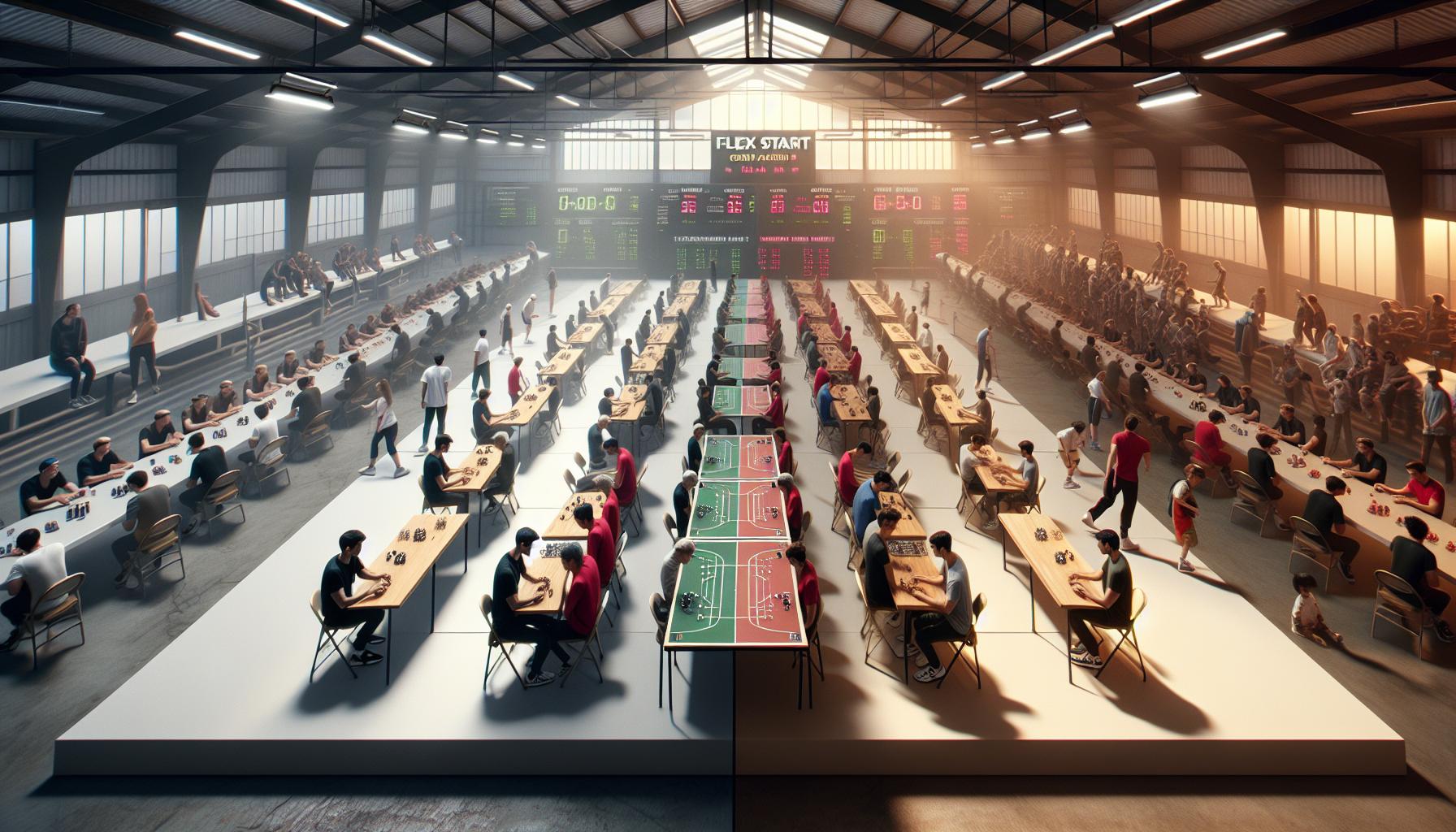
Comparing Flex Start to Traditional Tournament Formats
In the evolving landscape of disc golf tournaments, the Flex Start format provides a refreshing contrast to traditional tournament structures. One of its standout features is the unparalleled flexibility it offers players regarding their start times. While conventional tournaments often assign specific tee times, requiring players to adhere to a strict schedule, Flex Start allows participants to choose when they wish to begin their rounds within a designated time window. This flexibility can be especially advantageous for players who perform best at certain times of the day, enabling them to align their gameplay with their optimal physical and mental states.
Furthermore, the competitive dynamic in Flex Start tournaments is notably different. In traditional formats, players tend to play in a fixed order, which can create a more predictable flow to the event. In contrast, Flex Start introduces a layer of strategy regarding score management and game tactics. Players can track ongoing scores and modify their gameplay based on how they see competitors performing during their rounds, thereby fostering a more interactive and immediate competitive experience. For instance, if a player observes that their rival is struggling on a particular hole, they might decide to take a more aggressive approach to capitalize on that weakness, or conversely, play conservatively to maintain their lead.
The sociability aspect also sets Flex Start apart from traditional formats. In standard tournaments, players are often grouped solely based on their assigned times, which can limit interactions outside of their immediate group. With Flex Start, players have the flexibility to choose their playing partners, leading to more collaborative and social experiences. This can enhance both camaraderie and a sense of community, as disc golfers often share tips, strategies, and encouragement on the course. This social environment can also help alleviate the pressure some newcomers may feel, making it a great entry point for players new to tournament play.
Another significant difference lies in the overall pacing of the tournament. Traditional formats can sometimes lead to bottlenecks, particularly on busy courses where multiple groups tee off in close succession. In contrast, Flex Start generally leads to better spaced-out tee times, resulting in a more relaxed atmosphere. This helps reduce frustration and allows players to fully immerse themselves in the game without the stress of waiting for other groups to clear the course. Overall, this innovative format provides a compelling alternative that not only accommodates diverse player preferences but also enhances the overall tournament experience in the vibrant world of disc golf.
Advantages of Using Flex Start for Players
In the dynamic world of disc golf, the Flex Start format offers several compelling advantages that can enhance the experience for players of all levels. One of the most significant benefits is the flexibility in choosing start times. Unlike traditional tournaments that impose strict time slots, Flex Start allows participants to select their tee-off times within a specified window. This means players can schedule their rounds based on personal preferences, physical peak times, and even weather conditions, ultimately leading to more positive performance outcomes.
Another key advantage is the strategic element introduced by the Flex Start format. Since players can start at various times, they have the unique opportunity to observe competitors’ scores and strategies, allowing for real-time adjustments in gameplay. A player might choose to play aggressively if they notice rivals struggling on specific holes or decide to play conservatively to protect their lead. This introduces a new layer of tactical thinking, enhancing the competitive vibe of the tournament.
Moreover, the Flex Start format fosters a more social and communal environment among players. Participants have the freedom to choose their playing partners, which can lead to stronger camaraderie and networking opportunities. This flexibility can ease the intimidation factor for newcomers, as they can align themselves with more experienced players or friends, creating a more supportive atmosphere. Sharing tips and strategies during rounds becomes second nature in this setting, cultivating a sense of community that enriches the overall tournament experience.
Lastly, the pacing of tournaments using the Flex Start format often results in a more relaxed and enjoyable experience. Players typically face less congestion on the course, as their start times are spaced out effectively. This alleviates the frustration of waiting for groups ahead to finish and allows players to stay focused on their own game. A smoother flow and reduced anxiety contribute positively to performance and enjoyment alike, making Flex Start not just a flexible option, but a preferred choice for many disc golfers.
Overall, the Flex Start format caters to a wide array of player needs, whether they are seasoned competitors or newcomers just stepping onto the course. Its inherent flexibility, strategic depth, communal aspect, and improved pacing combine to create a more engaging and enjoyable tournament experience that resonates well within the growing disc golf community.
Common Misunderstandings About Flex Start Rules
While the Flex Start format in disc golf is increasingly popular, it often comes with misunderstandings that can impact player experience and tournament results. One common misconception is that Flex Start is a completely informal or unstructured approach to competition. In reality, while it offers flexibility in scheduling, participants must still adhere to specific rules that govern start times and course conduct. For instance, every player must check in and select their tee time within the designated window, maintaining the tournament’s integrity and flow.
Another frequent misunderstanding involves the pacing of play. Some players believe that Flex Start allows for lax timing, leading to excessively long rounds as participants start whenever they like. However, tournaments typically enforce strict time limits from check-in to completion to ensure that all rounds are completed efficiently. This means that while players enjoy the flexibility of choosing their start times, they still need to be mindful of maintaining a steady pace of play that respects the schedule of other competitors.
Additionally, new players might worry that they will miss important nuances of the game due to the independent nature of Flex Start. It’s essential to realize that Flex Start does not diminish the competitive aspect of the tournament. In fact, it often enhances it by allowing players to strategize based on the performance of others they may encounter on the course. Observing rival scores can lead to smarter tactical decisions that increase the excitement and competitiveness of the round.
Finally, there’s a myth that flexibility in choosing playing partners will lead to unfair advantages or disadvantages. However, most tournaments encourage playing within your skill level or mixing skill ranges to promote camaraderie and learning opportunities. This aspect is crucial for fostering a supportive community atmosphere, where players can uplift each other, share tips, and collectively improve their game. By clarifying these misconceptions, players can fully appreciate the intended spirit of Flex Start tournaments and engage more confidently in the sport.
Flex Start: Tips for First-Time Participants
Embracing the Flex Start format for the first time can be an exhilarating experience, especially for newcomers to the disc golf community. Unlike traditional tournaments, Flex Start allows players the freedom to choose their start time within a specified range. This flexibility is not only about convenience; it’s also about strategy and pacing. To help ease you into this dynamic format, here are some essential tips designed specifically for first-time participants.
First and foremost, arrive early to the event. This gives you time to check in, get familiar with the layout of the course, and perhaps warm up a bit before your round. Understanding the course layout can significantly affect your strategy. Visit the course ahead of time if possible, or study any available maps and guides to identify potential challenges. This preparation allows you to plan your shots, know where to aim, and adjust your tactics based on the course conditions.
Another key point is to choose your playing partners wisely. Flex Start tournaments often encourage players to select their own groups, so consider playing with friends or fellow competitors who match your skill level. This creates a supportive atmosphere, enhancing the overall experience. Importantly, communicate with your group about pacing. Agree on a rhythm that maintains momentum while allowing enough time for thoughtful play.
Stay focused on your game, but also take the time to observe others on the course. Seeing how others adjust their strategies in real-time can provide valuable insights. Use this to your advantage: if you notice a particular hole is playing harder than expected, you can adjust your approach accordingly. Additionally, make sure you’re aware of the scoring system being used and any relevant rules regarding pace and conduct-following these guidelines ensures fair play and a smooth tournament experience.
Lastly, approach the event with a positive attitude and an open mind. Each Flex Start tournament is an opportunity to learn and grow as a player. Embrace the experience, whether you perform as well as you hoped or face unexpected challenges. Remember, the disc golf community is welcoming and supportive; engage with others, ask questions, and share experiences. This sense of camaraderie is a vital part of what makes disc golf so enjoyable and fulfilling.
By following these tips, your first Flex Start experience can be a memorable and enriching part of your disc golf journey, blending competition with community spirit.
Real-Life Examples of Flex Start in Action
In recent years, the Flex Start format has transformed the way disc golf tournaments are conducted, embracing flexibility and player choice like never before. Notable events have highlighted the unique dynamics of this format, showcasing both the strategic depth and community spirit it fosters. For instance, the Annual Spring Fling held at Tall Pines Disc Golf Course featured a Flex Start format that allowed participants to choose from two-hour windows throughout the day. This design not only maximized player participation but also created an environment where players could compete at their most comfortable times, enhancing their overall experience.
Consider the case of Sarah, an amateur disc golfer who participated in a Flex Start tournament for the first time. Arriving with her friends, they opted for a morning start, which allowed them to finish their rounds before the day got too hot. The freedom to choose their tee time let them avoid peak heat, demonstrating how Flex Start can be a game-changer for player comfort and performance. During the round, they noticed how early start times resulted in less congestion on the course, leading to a more relaxed and enjoyable pace, thereby improving focus and scoring potential.
Conversely, another event highlighted the competitive edge of Flex Start through the story of Dave, a seasoned player who chose a late start to gauge the course conditions. By watching early competitors, he adjusted his strategy to avoid pitfalls others encountered on tricky holes. This adaptation showcased not just personal skill but the strategic advantage of Flex Start-being able to observe and respond to changing course dynamics, which can substantially impact overall performance and enjoyment.
These examples illustrate the multifaceted benefits of adopting a Flex Start format in disc golf tournaments. Players like Sarah and Dave reflect the diversity in experience levels participating in this format, each carving out their unique strategies while fostering a sense of camaraderie. That blend of competition and community transforms not just the event but enriches the sport as a whole, making it more inviting for newcomers while still challenging for seasoned players. Whether you’re there for fun or competition, the Flex Start format celebrates the essence of disc golf together-choice, strategy, and community.
Flex Start Scoring: What You Need to Know
Understanding the scoring system in a Flex Start tournament can help players strategize effectively and enhance their overall experience. In this format, players have the flexibility to select their tee times within designated windows, impacting not just competition dynamics but also how scores are evaluated and managed throughout the event.
Typically, scoring in a Flex Start tournament follows the standard disc golf format, where each player’s score on a given hole is recorded, and the total across all holes determines their final score. However, the beauty of Flex Start lies in how it allows players to choose when to compete, potentially altering the conditions they face during their rounds-such as wind, temperature, and turf conditions-which can all influence scores. For example, a player who tees off early in the morning may encounter dewy grass and cooler temperatures, which could aid in achieving better distances and accuracy compared to someone who plays in the afternoon heat.
Scoring Strategies
To make the most of Flex Start, participants should consider the course and weather conditions when selecting their tee times. Here are some key strategies:
- Observe Course Conditions: If possible, watch early groups play to gauge how environmental factors impact scoring. This allows players to adjust their strategies accordingly-potentially avoiding hazards or difficult conditions noted by earlier competitors.
- Personal Comfort: Choose a tee time that works best for personal performance, whether that’s early morning or late afternoon, maximizing mental sharpness and physical readiness.
- Course Knowledge: Familiarize yourself with the layout and challenges of the course. Some players may prefer lighter traffic times not just for pace but to execute their strategy in quieter conditions.
As the tournament progresses, players can also keep an eye on current leaderboards. This knowledge can inspire performance pressures or motivate strategic decisions-such as making more aggressive or conservative plays based on how close their scores are to the top contenders. In essence, Flex Start scoring not only accounts for individual performance but also offers an opportunity to interact strategically with the flow of the tournament throughout the day.
Ultimately, the scoring system emphasized in Flex Start formats enhances the competitive experience by blending personal choice with strategic gameplay, inviting both competitive and recreational players to engage actively with the game while fostering a rich community atmosphere.
Potential Challenges with Flex Start Formatting
Flex Start tournaments introduce a unique set of challenges that can impact participant experiences and overall competition dynamics. While the flexibility of tee times can be appealing, it also raises concerns regarding scheduling logistics, environmental variables, and player interactions during the event.
One significant challenge is scheduling. Coordinating tee times for multiple players while ensuring fairness and minimal delays can be daunting. For instance, if several players opt for the same time slot, it can lead to congestion on the course. This not only affects pace of play but can also heighten stress levels among competitors, particularly when players are trying to maintain focus on their performance. Organizers must diligently manage times and enforce guidelines to mitigate potential clashes and ensure a smooth flow of the tournament.
Another issue revolves around environmental conditions, which can vary significantly throughout the day. As players select different starting times, disparities in weather, wind, and course conditions can skew competition. A player teeing off early may enjoy cooler temperatures and less wind, potentially yielding lower scores compared to those who play in hotter, windier conditions later in the day. This variability can create debates over fairness, leading some players to question whether outcomes are genuinely reflective of skill.
Additionally, player dynamics may shift throughout the day, influencing morale and competitive spirit. As players observe the leaderboard, the knowledge of who is ahead might alter their tactics and pressure them to shift their gameplay approach. This can lead to anxiety or strategic miscalculations, especially among less experienced competitors. Understanding these potential pitfalls is crucial for players, as they will need to adapt their strategies based on current standings and the changing atmosphere on the course.
In navigating these complexities, players are encouraged to communicate with tournament organizers and fellow competitors, fostering a community atmosphere that values collaboration and sportsmanship. Adaptability and thoughtful strategy become essential in making the most out of a Flex Start format, ensuring that participants celebrate the shared passion for disc golf while overcoming challenges together.
Adapting to Flex Start: Strategies for Success
In a Flex Start tournament, the ability to choose your tee time can significantly influence not just the experience, but also your overall performance. Adapting to this format requires strategic planning and a mindset focused on flexibility and adaptability. One of the first steps for success is to observe the conditions of the course and take advantage of your chosen start time. If you notice that the morning conditions provide a calm atmosphere and less wind, aim to schedule your round during that favorable time. Alternatively, if you prefer a more vibrant energy as competitors swirl around the course, choosing a later tee time could align your preferences with your performance.
Effective communication plays a pivotal role in navigating Flex Start tournaments. Reach out to fellow competitors to discuss expected course conditions, share strategies, and even form informal practice groups leading up to the tournament. This approach not only helps in gaining insights into the course but also fosters a sense of community and camaraderie among participants. Moreover, being aware of the times of when other players are scheduled to tee off can help you gauge when you might face the most congestion, allowing you to plan your strategy accordingly.
Mental preparation is just as crucial as physical preparedness. Understanding that the Flex Start format might cause different game dynamics due to varying player experiences can help you stay focused. If you finish your round and notice there are still players out on the course, remember that their conditions may differ greatly from yours. Stay in your zone and resist the temptation to overthink or adjust your game based on others’ scores or play styles.
Lastly, consider keeping a log after each round to reflect on what strategies worked or didn’t work for you. This practice will help you adapt in real-time for future Flex Start events, allowing you to cultivate a consistent approach while improving your adaptability as the sport evolves. With these strategies in place, you can tackle the unique challenges of a Flex Start tournament with confidence and vigor, turning potential obstacles into stepping stones for success.
Future of Flex Start in Disc Golf Tournaments
The Flex Start format is not only a fresh take on tournament structure but also a reflection of the growing popularity and evolving nature of disc golf. As this sport continues to garner attention, integrating Flex Start tournaments could significantly reshape the competitive landscape. It offers flexibility that benefits both players and organizers, allowing for enhanced participation while accommodating varied schedules and preferences.
Looking ahead, one of the major advantages of the Flex Start approach is its potential to attract a wider audience. As more players, both novice and advanced, discover the accessibility of choosing their tee times, they are likely to feel more inclined to participate. The format lends itself well to communities that prioritize inclusivity, enabling players to engage in competition at their own pace without the stress of aligning with stringent schedules. This flexibility could lead to increased turnout at events, fostering a vibrant atmosphere rich with community spirit.
Flex Start also encourages innovative tournament designs. Organizers can experiment with unique formats, such as integrating multiple courses or varying the layout based on player feedback from previous events. This adaptability not only enhances the player experience but also opens doors for new sponsors and partnerships, making tournaments more appealing to external stakeholders. Additionally, as the community embraces more technology-driven solutions for scheduling and scoring, we can expect improved experiences that leverage apps and online platforms to make participation smooth and efficient.
Incorporating Flex Start could ultimately elevate the level of competition within tournaments, as players adapt their strategies based on real-time conditions. Players who excel under this new system may find opportunities for sponsorships or professional advancement, further legitimizing disc golf as a serious athletic pursuit. As the sport matures, it will be exciting to witness how Flex Start evolves and adapts to meet the needs of an ever-growing participant base while maintaining the core values of community, competition, and fun that make disc golf so special.
Q&A
Q: What is the difference between a Flex Start and a traditional tournament format in disc golf?
A: A Flex Start allows players to begin their rounds within a designated time frame, as opposed to a set start time in traditional formats. This flexibility can reduce congestion on the course and accommodate player schedules, enhancing the overall tournament experience.
Q: How does a Flex Start impact player strategy during competitions?
A: A Flex Start enables players to choose their starting time, which can influence strategy. Players can opt for times they believe will have less course traffic or more favorable weather, allowing for potential scoring advantages compared to a traditional fixed start time.
Q: What are common misconceptions about Flex Start rules in disc golf tournaments?
A: Many players mistakenly believe that a Flex Start means they can start at any time, regardless of the group or order. In reality, players must still check in and be assigned tee times within the flexible window, adhering to the tournament’s structured guidelines.
Q: Are there any penalties associated with missing a start time in a Flex Start tournament?
A: Yes, missing your assigned time, even in a Flex Start, can result in penalties or disqualification. Players should ensure they are ready to start their rounds within their designated timeframe to avoid such consequences.
Q: How can new players prepare for participating in a Flex Start tournament?
A: New players should familiarize themselves with the tournament rules and check the schedule ahead of time. Arriving early and understanding the layout of the course can help in making strategic decisions on when to start during the Flex Start window.
Q: When should players check in for a Flex Start tournament?
A: Players should check in at least 30 minutes before their intended start time during a Flex Start tournament. This allows enough time for any necessary preparations and ensures they are aligned with the tournament’s scheduling.
Q: What are the best practices for scoring in a Flex Start format?
A: The best practices for scoring during a Flex Start include keeping a close watch on the time, managing your pace of play, and being prepared for any potential delays due to traffic on the course. Familiarizing yourself with scoring rules prior to the tournament is also beneficial.
Q: How has the Flex Start format influenced the growth of disc golf tournaments?
A: The Flex Start format has contributed to the growth of disc golf tournaments by increasing participation levels. Its flexible nature accommodates more players, appeals to casual participants, and enhances overall enjoyment, which fosters a broader community engagement in the sport.
Wrapping Up
Understanding the flex start rule in disc golf is crucial for competitive play, ensuring you’re well-prepared for your tournament experience. Remember, this unique format allows for greater flexibility in scheduling and can enhance your overall game strategy. If you’re looking to dive deeper into other important rules or strategies, check out our articles on the latest disc golf techniques and equipment selection tips to elevate your game further.
Act now-join our community newsletter for insider tips and exclusive content, or explore our product pages for the best gear to optimize your performance on the course. Don’t hesitate to leave a comment below with your thoughts or questions. Your journey in disc golf is just beginning; embrace it! For more on improving your throwing mechanics and understanding disc flight characteristics, visit our related guides. Keep pushing your limits, engage with fellow enthusiasts, and make your mark on the disc golf world!
Key Course Considerations and Strategic Navigation for How tor hold a flex disc golf tournamen
When developing a strategic approach around how tor hold a flex disc golf tournamen, players should account for essential technical and environmental factors:
- Course Layout and Terrain: Elevation changes, tree canopy density, and natural water hazards dictate whether to prioritize distance off the tee or controlled fairway positioning.
- Disc Selection and Flight Ratings: Matching disc speed, glide, turn, and fade to wind conditions and arm speed prevents costly kicks into heavy rough.
- Footwork and Release Consistency: Smooth, balanced run-ups and clean follow-throughs produce repeatable release angles on hyzer, flat, and anhyzer lines.
- Mental Strategy and Risk Management: Assessing landing zones and high-percentage scramble routes preserves par and minimizes double-bogeys during tournament rounds.
Disc Golf Equipment Specifications and Flight Matrix
| Disc Golf Element / Category | Primary Specification | Recommended Flight Characteristic | Strategic Application |
|---|---|---|---|
| Distance Driver | Speed 11–14, Wide Rim | High speed, sharp rim, controlled fade | Maximum distance off tee on open fairways |
| Fairway Driver | Speed 6–9, Moderate Rim | Neutral turn, predictable finish | Tight wood lines, tunnel shots, placement drives |
| Midrange Disc | Speed 4–5, Deep Rim | High glide, straight flight path | Accurate approach shots, control in tight gaps |
| Putt & Approach | Speed 1–3, Blunt Edge | Low glide, minimal skip, bead/beadless | Circle 1/2 putting, layups, short upshots |
Frequently Asked Questions About How tor hold a flex disc golf tournamen (FAQ)
What is the best way to improve accuracy for How tor hold a flex disc golf tournamen?
Focus on consistent footwork, maintaining a level reachback, and matching disc stability to your natural throwing speed rather than overpowering the disc.
How do wind conditions affect disc selection?
Headwinds make discs fly more understable (turn more), requiring more overstable discs, while tailwinds make discs fly more overstable (fade earlier), requiring lighter or more understable discs.
What equipment is essential for playing disc golf courses?
A balanced starter set with a putter, midrange, and fairway driver, along with a comfortable disc golf bag, chalk bag, and course-ready athletic footwear.
Get our latest guides, news, and insights highlighted in your Google Search & AI Overviews.