
In disc golf, understanding glide is crucial for mastering your throws and improving your game. Glide refers to how long a disc stays in the air after being thrown, influencing its overall flight path and distance. It’s not just a technical detail; it’s the difference between a successful drive and a missed opportunity. Whether you’re a beginner hoping to add consistency to your throws or a seasoned player looking to refine your skills, mastering the concept of glide can elevate your game. This guide will explore the intricacies of glide, its impact on disc performance, and practical tips to harness it effectively. By diving into these insights, you’ll enhance your throwing mechanics and develop a better understanding of your equipment. So let’s embark on this journey to unlock the secrets of glide, ensuring that every throw counts and every round is an opportunity to improve.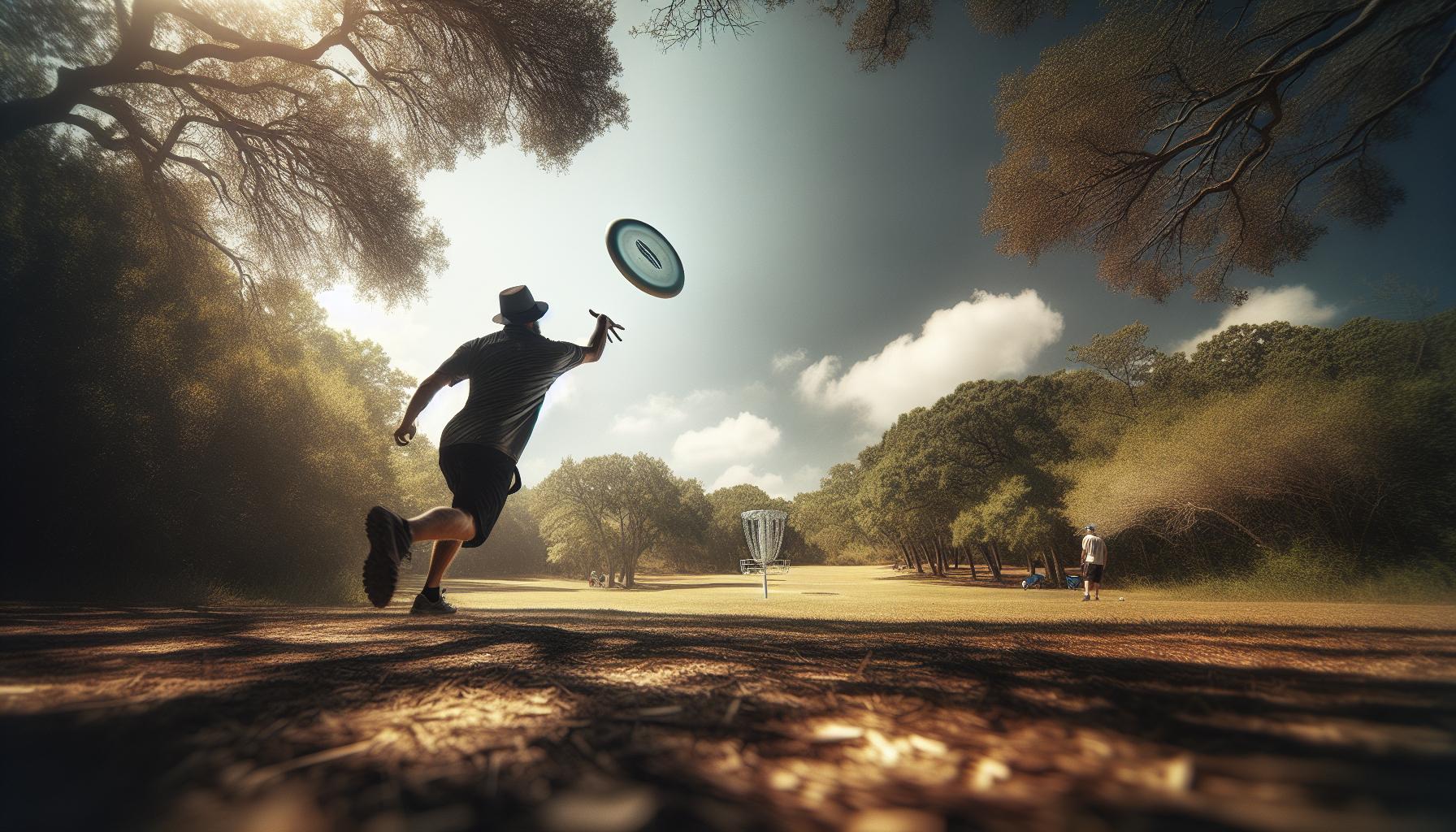
What Is Glide in Disc Golf and Why It Matters
Understanding glide in disc golf is essential for players seeking to enhance their game. Glide refers to a disc’s ability to maintain lift and travel through the air after being released, significantly affecting its overall flight path and distance. This characteristic is quantified on a scale from 1 to 7, where higher numbers represent greater glide potential. For instance, a disc with a glide rating of 5 will typically sustain air time longer than one with a glide rating of 2, allowing players to cover more ground with less effort.
Why does glide matter? It plays a pivotal role in how far and accurately a disc travels. Discs with higher glide ratings can help players achieve longer throws, making them a favorable choice for distance shots, while also aiding in navigating tricky course layouts. For new players, understanding and utilizing glide can lead to improved performance and a more enjoyable experience on the course, as they learn to manage the nuances of disc selection and throwing techniques.
Moreover, glide isn’t just about distance; it influences finesse and control. A disc that maintains its glide for a longer time can be crucial for executing precise shots, especially in conditions with variable wind or while navigating through obstacles. Enlightening players on glide helps demystify the art of disc golf, making it an approachable and strategic sport. By considering glide in their equipment choices and techniques, players can foster better outcomes in both casual rounds and competitive play, embracing the thrill of mastery in the air.
Understanding Disc Flight Dynamics: Lift, Drag, and Glide
Mastering the dynamics of disc flight is crucial for any disc golfer aiming to optimize their performance. Understanding the interplay of lift, drag, and glide can elevate your game and enhance your enjoyment on the course. Lift is the force that allows a disc to rise in the air. When a disc is thrown with the right angle and velocity, the airflow over its surface creates lift, counteracting the pull of gravity. The shape and design of the disc significantly influence how much lift it can generate.
On the other hand, drag is the resistance a disc faces as it moves through the air. It is an important factor because excessive drag can cause a disc to lose distance and speed quickly. Streamlined designs reduce drag, allowing discs to maintain velocity longer. Both lift and drag are inextricably linked to glide-the ability of a disc to sustain lift and travel efficiently through the air. Glide is quantified on a scale from 1 to 7, and this rating can dramatically influence your choice of disc based on your throwing style and the course layout.
When selecting a disc, consider how lift and drag work together to affect glide. A high-glide disc can maintain its altitude longer, which is ideal for achieving long-distance throws. For example, a disc with a glide rating of 6 or 7 can help you navigate tricky layouts where strategic elevation is required, while a disc with lower glide might better suit power throwers who can overcome increased drag with sheer velocity. Understanding these dynamics allows players to tailor their disc selection to their strengths and the challenges posed by individual courses.
Finally, incorporating these principles into your throwing technique is essential. This includes adjusting your release angle and speed to optimize both lift and glide while minimizing drag. Practicing with various discs will give you firsthand insight into how lift, drag, and glide affect your throws. You’ll soon be on your way to mastering your air time and enhancing your overall performance in the sport.
The Role of Glide in Disc Selection
Selecting the right disc in disc golf is not merely about aesthetics or brand loyalty; it’s about understanding how different characteristics, particularly glide, can enhance your gameplay. Glide refers to a disc’s ability to maintain lift and stay airborne longer during flight, significantly impacting distance and accuracy. Discs rated with higher glide values-typically between 5 and 7 on a scale of 1 to 7-are designed to stay aloft longer, giving players a better chance to achieve maximum distance without excessive force.
When choosing a disc, consider how glide interacts with your throwing style and the course layout. For instance, if you’re a beginner or have slower arm speed, opting for a disc with higher glide can help you cover more ground with less effort. High-glide discs are particularly useful in situations where soft landings or floating are beneficial, such as navigating around obstacles or when making approach shots. Conversely, more advanced players with powerful throws might select lower-glide discs that allow for greater control and maneuverability, particularly in windy conditions where stability becomes critical.
- Soft-touch throws: Higher glide discs can assist with gentle approaches or putting, effectively reducing the risk of overshooting.
- Power throws: Players who generate significant speed may find that low-glide discs suit their aggressive style, letting them leverage raw power.
- Course conditions: Different courses present unique challenges; high-glide discs can excel on open layouts, whereas lower-glide options shine in tightly wooded areas where precise control is paramount.
Understanding glide also empowers players to tailor their disc choices based on environmental factors, such as wind conditions or changes in elevation. With practice, you’ll gain insights into how glide impacts your disc’s flight path, helping you refine your selection for various situations on the course. Experimenting with different discs will not only improve your understanding of glide but can also lead to more successful and enjoyable rounds of disc golf.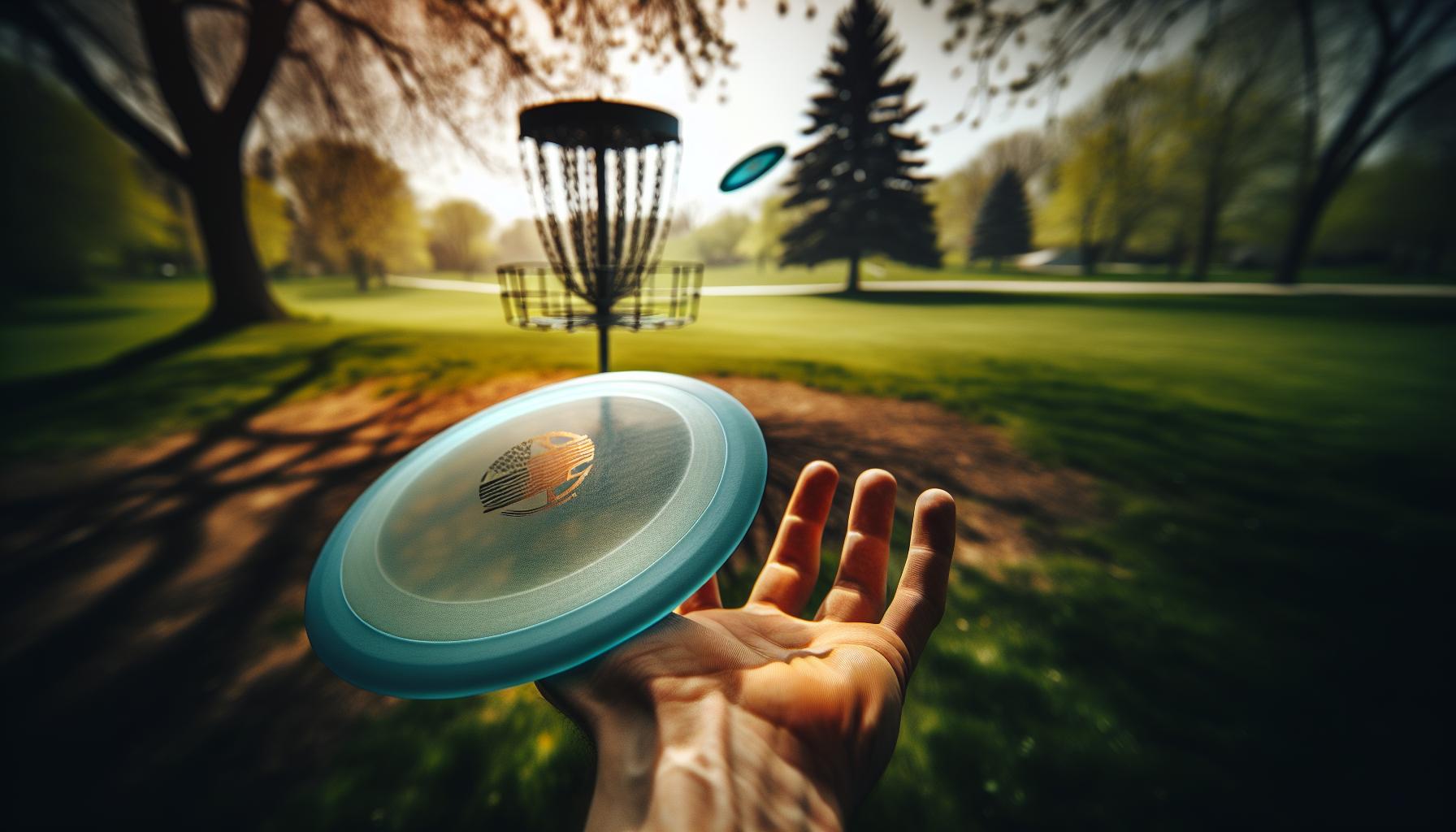
Mastering Glide: Techniques for Optimal Air Time
Mastering the art of glide in disc golf is crucial for achieving optimal air time and extending the distance of your throws. Glide not only influences how long a disc remains airborne but also affects its overall trajectory and landing characteristics. To maximize your disc’s glide, focus on refining your throwing mechanics, selecting the right disc for the conditions, and employing specific techniques during your throws.
One of the primary techniques to enhance glide is ensuring a smooth, controlled release. This involves gripping the disc firmly without squeezing too tightly, as excessive grip pressure can hinder the natural release and spin. Aim to release the disc at a slight nose-down angle, which will help it gain lift and maintain altitude. Additionally, a clean follow-through is essential; practice extending your arm fully after the release, which not only adds stability to your throw but helps with the overall flow of the motion.
Practicing Different Throws
Experimenting with various throwing techniques can further improve your ability to harness glide. Consider practicing:
- Hyzer Releases: Throwing on a hyzer angle helps in gaining lift as the disc slices through the air. This technique can be particularly effective in windier conditions or when navigating around obstacles.
- Flat Releases: A flat throw can maximize distance, especially with discs that have higher glide ratings. Focus on maintaining a stable wrist position to prevent unwanted nose angle changes.
- Anhyzer Throws: Throwing on an anhyzer angle can also help players achieve extended air time, provided the disc is released with enough spin. This is especially useful for creating unique flight paths required on certain courses.
Adjusting your stance and approach is equally important. A lower center of gravity can promote better balance and stability during your throw. Position your body to engage more muscle groups, allowing for a more powerful throw while minimizing strain. As you practice, pay close attention to your disc’s flight path, and make mental notes on how different techniques influence its glide. By fine-tuning these elements, you can not only master the glide of your discs but also enhance your overall performance on the course. Enjoy the journey of experimenting with glide-each throw is an opportunity to refine your skill set and improve as a player.
Common Misconceptions About Glide in Disc Golf
Misunderstanding the concept of glide in disc golf can lead to frustration on the course, especially for beginners eager to improve their game. One common misconception is that glide is solely about how far a disc travels; in reality, glide plays a crucial role in how stable and controlled a disc’s flight path is. Players often believe that a disc with a high glide rating will automatically yield longer throws. This isn’t always the case; the thrower’s technique, disc selection, and environmental conditions are equally, if not more, important.
Another prevalent myth is that glide works independently of other flight characteristics like speed and turn. Many players think that selecting a disc with a high glide will compensate for poor technique or lack of strength. While high-glide discs can carry farther when thrown correctly, they may not perform well for those who struggle with form or throwing power. Understanding how glide interacts with speed (the disc’s ability to maintain momentum) and turn (the amount it will “flex” left or right during flight) is essential for optimizing performance.
Additionally, new players might assume that all discs labeled with high glide ratings are suitable for every throwing style. This is misleading because different discs are designed for specific behaviors in the air, influenced by their shape, weight, and materials. It’s crucial for players to experiment with various discs to find those that complement their unique throwing style and strength.
Lastly, many golfers overlook how glide affects the finishing stability of a disc after its initial flight. A disc with high glide will remain airborne longer, but if it lacks stability, it may not fade predictably at the end of its flight. This can lead to unpredictable landings and potential troubles navigating certain course layouts. Understanding glide in the context of a disc’s entire flight profile not only helps players select appropriate discs but also facilitates better understanding of how to utilize them effectively in varying conditions.
Embracing these realities about glide can enhance both enjoyment and performance in disc golf, leading players of all levels to appreciate the intricate dance between disc design and throwing technique.
How to Measure Glide: Tools and Tips
Measuring glide in disc golf can elevate your understanding of disc dynamics and enhance your overall performance on the course. Glide is one of the key flight characteristics and understanding how to assess it can help players select the right discs for their throwing style and conditions. Fortunately, measuring glide doesn’t require fancy equipment-just a few tools and techniques that can provide insights into how a disc is likely to perform when thrown.
One effective way to gauge a disc’s glide is through field testing. Conduct a simple experiment by taking several discs with varying glide ratings to an open area. Set a distance marker and perform standard throws, noting the distance each disc travels. Pay attention to how long each disc stays in the air versus how far it lands from your throw point. Recording these distances will give you a tangible sense of how glide impacts your throws. Using a distance measuring tool or smartphone app can help keep your measurements accurate and consistent.
Another tool at your disposal for measuring glide is the disc’s flight rating system, typically found on the manufacturer’s website or packaging. Most discs are rated on a scale from 1 to 7 for glide, with higher numbers indicating more glide. However, it’s essential to remember that these ratings are generalized. Factors like the player’s throwing technique, environmental conditions, and disc form can all affect how glide manifests in real-world scenarios. For example, a player with a powerful throw may experience a different glide effect compared to a beginner.
Practical Tips for Measuring Glide
- Use different throwing techniques: Vary your throws-such as backhand and forehand-to see how disc glide varies by technique.
- Try different weights: Discs come in various weights; using lighter discs can sometimes result in more glide due to reduced air resistance.
- Evaluate different environments: Windy conditions can significantly impact glide. Testing your discs on calm days versus breezy conditions can yield different results.
- Record your throws: Keep a journal of your throw distances and flight characteristics to identify patterns over time.
By systematically measuring and observing glide over a variety of conditions, players can make informed decisions when choosing discs. This approach not only aids in finding discs that suit your style but also enhances your ability to adapt techniques for maximizing glide, ensuring greater control and accuracy on the course. With dedication and experimentation, you’ll unlock the potential of glide and find yourself soaring through your disc golf journey.
Impact of Glide on Distance and Accuracy
The amount of glide a disc has significantly influences both distance and accuracy, making it a crucial factor for players seeking to optimize their performance on the course. Glide refers to the ability of a disc to maintain altitude during its flight, allowing it to stay airborne longer and cover more ground. This characteristic is particularly essential for achieving maximum distance, as discs with higher glide ratings can travel further when thrown with the same amount of force compared to discs with lower glide ratings.
When it comes to distance, understanding glide can help you choose the appropriate disc for specific conditions or throwing styles. For instance, a player with a powerful arm may benefit from using a disc with medium to high glide for longer, more controlled throws. In contrast, players with slower arm speeds or more technique-oriented throws, like finesse players, may prefer discs with higher glide to help achieve greater distance without having to exert excessive force. Additionally, environmental factors such as wind can also affect glide; a tailwind can enhance the glide of a disc, enabling longer flights, while a headwind may require a more stable disc to maintain accuracy.
In terms of accuracy, glide plays a pivotal role in how a disc behaves during its flight. Discs that exhibit high glide tend to penetrate the air better, allowing for smoother release and more predictable flight paths. This means that for approaches or tricky shots requiring precision, a disc with optimal glide can help set up better positioning for the next throw. However, players must recognize that the amount of glide can vary based on their own throwing mechanics and the specific conditions of the day.
To harness the benefits of glide, players should experiment with different discs and throwing techniques. Keep track of which discs work best for specific scenarios to refine your choices based on performance. By cultivating an understanding of how glide affects both distance and accuracy, you can make more informed decisions during your rounds, ultimately elevating your game and enhancing your enjoyment of this dynamic sport.
Adjusting Your Throw: How to Maximize Glide
Adjusting your throw to maximize glide can drastically improve your performance on the disc golf course. Glide, an often-underestimated characteristic of disc flight, reflects a disc’s ability to stay airborne longer and maintain distance. To capitalize on this, you’ll want to make subtle yet impactful adjustments in both your throwing technique and choice of equipment.
Start by focusing on your grip and release angle. A clean, controlled grip can significantly influence how a disc interacts with the air upon release. Ensure your grip is firm but relaxed, as tension can warp the disc’s flight path. Additionally, the angle at which you release your disc-commonly referred to as the anhyzer, hyzer, or flat release-can affect how glide comes into play. For instance, releasing a disc slightly on an anhyzer angle can enhance its glide, allowing it to stay aloft before beginning its fade.
Another key factor is your throwing mechanics. Aim to utilize your body’s whole kinetic chain-starting from your feet, moving through your legs, torso, and finally your arm. This full-body engagement not only generates more power but also optimizes the throw for extended glide. When making the release, try to snap your wrist at the end of the throw to add spin. Spin increases the disc’s stability and height, promoting longer glide. Practicing this wrist snap with different discs can help you identify which ones yield the best glide based on your unique throwing style.
Lastly, don’t overlook the importance of choosing the right disc for your skill level and throwing style. Discs with higher glide ratings-typically in the 5-7 range-are excellent choices for those looking to maximize hang time and distance. Incorporate different discs into your practice sessions and pay attention to the differences in glide performance. Keep a journal documenting your throws with various discs under different conditions. This will refine your understanding of which setups work best for you, enhancing both distance and accuracy during your rounds. Remember, embracing the art of glide not only elevates your game but also deepens your connection to the growing sport of disc golf.
The Best Discs for Enhanced Glide Performance
Choosing the right disc can significantly enhance your performance on the course, particularly when it comes to maximizing glide. Discs are rated on various characteristics, including glide, which not only affects how long a disc stays in the air but also its overall distance potential. Discs with higher glide ratings-typically from 5 to 7-are favored by players seeking to extend their throws and improve accuracy.
When considering discs specifically designed for enhanced glide, look for models that are known for their aerodynamic designs and material compositions. Brands such as Innova, Discraft, and Dynamic Discs offer excellent options. Popular models include:
- Innova Leopard – This fairway driver is celebrated for its outstanding glide, making it accessible for beginners while still offering seasoned players excellent distance capabilities.
- Discraft Buzzz – A favorite midrange disc that combines a high glide rating with superb stability, allowing for versatile throw techniques and demands.
- Dynamic Discs Trespass – Known for its power and glide, this distance driver excels in achieving maximum air time and achieving long-distance throws.
Incorporating various disc types into your practice regime will allow you to experience their flight dynamics firsthand. Pay attention to how different discs perform under various conditions-altering wind resistance and throwing techniques can provide important insights into selecting the right disc for a specific situation. Document these observations in a practice journal, noting how each disc’s glide contributes to your overall distance and accuracy.
Lastly, consider that your individual throwing style and strength play critical roles in how any disc performs for you. Engage with your local disc golf community or clubs that can offer recommendations tailored to your unique throwing mechanism, helping you identify disc options that align with your game and goals. Embracing the characteristics of glide and selecting the best discs can set the foundation for improved performance and enjoyment in your disc golf journey.
Glide and Throwing Mechanics: A Comprehensive Breakdown
Understanding how glide functions within the mechanics of throwing a disc is crucial for maximizing your performance on the course. Glide refers to the ability of a disc to maintain lift and prolong its flight, keeping it airborne for a longer period and often resulting in greater distances. This characteristic is heavily influenced by the thrower’s technique, making it essential for disc golfers to refine their mechanics to optimize glide.
At the heart of effective throwing mechanics lies the proper grip, stance, and release. Start with a firm yet relaxed grip on the disc-too tight can restrict your wrist and elbow movement. As you prepare for your throw, your stance should be balanced. A solid foundation allows you to transfer energy effectively from your lower body through to your upper body, aiding the disc in achieving maximum glide. When releasing, aim to snap your wrist at the peak of your throw, which generates additional spin and lift. This technique ensures that the disc retains its aerodynamic profile, allowing it to glide rather than drop prematurely.
Moreover, the angle of your release plays a pivotal role in how glide manifests during flight. For instance, a flat release will typically produce a straighter flight path with prolonged glide, while an anhyzer release can help discs achieve an extended left-to-right glide depending on their design. Practicing different release angles under varying conditions will help you understand how to maximize glide based on your throwing style. Many players find it beneficial to experiment with different types of discs, as variations in weight and design can dramatically affect glide dynamics.
Ultimately, mastering the synergy of throwing mechanics and disc selection is key to optimizing glide. Observational learning is invaluable; consider recording your practice sessions to analyze your technique and see where you can improve. Joining local disc golf clubs or participating in forums can also provide insights from other players who may offer tips on enhancing your glide. By focusing on your throwing mechanics and employing the right discs, you can elevate your game, enjoying not just the satisfaction of longer throws, but also a deeper connection with this vibrant sport.
Real-World Application: Glide Insights from Top Players
Top professional disc golfers often emphasize the crucial role that glide plays in their game strategy. One vivid example comes from world champion Paul McBeth, who has attributed much of his powerful performance to understanding and harnessing glide. McBeth emphasizes that mastering glide allows him to cover more distance with controlled throws, making it essential for navigating challenging courses. In his own words, he describes glide as “the secret sauce that extends my throws beyond what sheer power can achieve.”
Another insight comes from professional disc golfer Eagle McMahon, who advocates for the equation of grip, release, and feel when considering glide. He has noted how specific disc models featuring higher glide ratings have enabled him to execute longer, more accurate shots. McMahon often selects discs that complement the natural arc of his throws, maximizing glide while maintaining stability. His practice routines include repetitive throws with various discs, allowing him to feel the variations in glide and adjust his mechanics accordingly.
Similarly, Kat Mertsch, a rising star in the sport, shares her perspectives on glide by discussing how strategic placements make a difference in play. Mertsch highlights the importance of airflow around the disc and how her choice of glide-rich discs allows for smoother throws under windy conditions. Through practice and experimentation, she has developed her own techniques to maximize glide, even in difficult weather. By consistently working on her throws while focusing on glide performance, she has refined her shot shapes to enhance her competitive edge.
As you navigate your own disc golf journey, consider taking these insights from the pros to heart. Experimenting with a variety of discs and paying close attention to glide under different conditions will provide valuable insights into your own mechanics. Recording your practice sessions can help you analyze glide performance and adjust your techniques accordingly. Engaging with local disc golf communities and absorbing the experiences of seasoned players can only further enrich your understanding of glide and boost your performance on the course.
The Future of Glide: Innovations in Disc Technology
As the sport of disc golf continues to evolve, innovations in disc technology play a pivotal role in enhancing glide and overall performance. Manufacturers are constantly experimenting with new materials, designs, and aerodynamics to provide players with discs that not only glide smoothly but also improve distance, accuracy, and maneuverability. One notable trend is the advent of hybrid plastic blends that combine durability with optimal flight characteristics. These materials can affect the disc’s weight distribution, allowing for exceptional glide without sacrificing stability.
In addition to advancements in materials, there have been significant design innovations aimed at optimizing aerodynamics. For instance, manufacturers have started to use computer-aided design (CAD) technologies to fine-tune the shape of discs. This allows for a more focused optimization of lift and drag, enhancing glide performance. The introduction of larger diameter discs with unique rim configurations has also gained traction. These discs are engineered to create more lift which, in turn, prolongs hang-time and allows for smoother air traffic during flight.
Moreover, data analytics and feedback from the disc golf community have sparked the development of specialized models tailored to different player needs. Whether you’re a beginner or a seasoned pro, the market is expanding to include discs that cater specifically to various throwing styles and power levels. Many of these models feature higher glide ratings, encouraging players to explore how their throwing techniques can be complemented by the right disc choice. With disc selection becoming more personalized, more players find themselves achieving greater results by aligning their equipment with their unique throwing mechanics.
Lastly, looking to the future, we can expect to see even greater integration of technology in disc golf. Innovations such as smart discs equipped with sensors for real-time feedback on flight dynamics may soon emerge. This could revolutionize training methods, offering players insights into their throws and helping them understand how to maximize glide. Such technological advancements not only make the sport more accessible but also elevate its status as a competitive athletic endeavor, encouraging a deeper appreciation and engagement with disc golf.
By staying informed about these innovations, players can make more educated decisions when selecting their equipment, tailoring their choices to enhance their glide and overall performance on the course. Expect new releases that challenge the norm and push the limits of what discs can achieve-both on the fairway and in competitive play.
Q&A
Q: What is the significance of glide in disc golf?
A: Glide is crucial in disc golf as it affects how long a disc stays aloft during its flight. Higher glide allows players to achieve longer distances with less effort, making it essential for optimizing throws. Understanding glide helps players choose the right discs for their skill level and throwing style.
Q: How does glide impact disc selection?
A: Glide impacts disc selection by influencing how a disc performs in flight. Discs with higher glide ratings are beneficial for players looking for distance with less power. Choosing discs with the right glide can optimize each throw, enhancing overall performance on the course.
Q: What are the best techniques to master glide?
A: To master glide, focus on proper throwing techniques such as a smooth release and follow-through. Incorporate practice drills that emphasize stability and consistency in your throws. Adjusting grip and stance can also help maximize glide, allowing for better air time.
Q: Can I compare discs based on their glide ratings?
A: Yes, comparing discs based on glide ratings is an effective way to choose the right one for your playstyle. Higher glide-rated discs are typically used for long-distance throws, while lower glide discs can provide better control on shorter throws. This comparison will enhance your game strategy.
Q: How can I measure glide in my disc golf discs?
A: Glide can be measured by reviewing the manufacturer’s specifications, which usually provide a glide rating from 1 to 7. Alternatively, personal testing on the course can help you understand how different discs perform under similar conditions. Additionally, utilizing tools like flight charts can assist in measuring glide.
Q: What misconceptions exist about glide in disc golf?
A: A common misconception is that higher glide always yields better performance. While higher glide can help distance, players must also consider other traits like stability and speed. Balancing these factors is key to effective disc selection and overall throwing technique.
Q: When should I adjust my throwing technique for better glide?
A: Adjust your throwing technique when you’re not achieving the desired distance or consistency. Focus on aspects like arm angle, release speed, and follow-through. Practicing different angles and grips can help optimize your glide, allowing your disc to perform better.
Q: Why do professional players emphasize glide in their throws?
A: Professional players emphasize glide because it is a critical component of maximizing distance and accuracy. Understanding and mastering glide allows them to control their shots more effectively, adapt to different course layouts, and maintain performance under varying conditions.
Encourage further exploration of disc dynamics and throwing techniques by visiting the main article for in-depth strategies and insights into glide management!
Key Takeaways
In mastering Glide in disc golf, you’ve unlocked the potential to elevate your game-understanding how glide affects distance and accuracy is key to improving your performance on the course. Don’t miss out on our comprehensive guides on throwing mechanics and disc selection, which can further enhance your skills, as well as strategies for tackling challenging courses. Dive deeper into the world of disc golf by checking out our articles on advanced techniques and competitor insights.
Ready to take your skills to the next level? Sign up for our newsletter for exclusive tips, or explore our product pages to find the perfect gear for your journey. Share your thoughts and experiences in the comments, and connect with other players passionate about mastering their craft. With continued practice and the right resources, you’re on your way to becoming a formidable presence on the course. Remember, every great player started where you are now-embrace the journey!
Get our latest guides, news, and insights highlighted in your Google Search & AI Overviews.