
As the popularity of disc golf continues to soar, more enthusiasts are looking for the best ways to sell their discs, whether to upgrade their gear or simply declutter. Understanding where to sell disc golf discs is crucial for maximizing your returns and connecting with the right audience. In this guide, we’ll explore various marketplace options, from established online platforms to local community exchanges. By discovering the best places to list your discs, you’ll not only streamline the selling process but also engage with fellow players who share your passion. Ready to unlock the potential of your disc inventory? Let’s dive into the vibrant world of disc golf marketplaces!
Where to Sell Disc Golf Discs: Marketplace Overview
Selling disc golf discs can be an exciting and profitable endeavor, especially with the sport’s increasing popularity. To make the most of your sales, it’s essential to understand various marketplaces available for disc golf enthusiasts. From vibrant online platforms to local events, options abound for those looking to connect with buyers.
Online marketplaces provide an excellent opportunity to reach a broader audience. Websites like eBay and Facebook Marketplace allow sellers to showcase their inventory, with eBay offering auction-style sales and fixed listings, while Facebook Marketplace fosters community engagement through local sales. Additionally, specialized platforms such as Disc Golf Scene and Reverb focus uniquely on the disc golf community, catering specifically to those looking for discs, equipment, and accessories.
Local events, such as tournaments and club gatherings, are another excellent way to engage with buyers directly. Setting up a booth at these events not only allows you to sell your discs but also lets you interact with the community, building relationships and gaining insights into customer preferences. Participating in local disc golf leagues can further enhance your visibility and networking opportunities.
As a seller, understanding where to list your discs can significantly affect your sales strategy. Experimenting with both online and local options can help you identify where your target audience is most active, ultimately leading to better sales outcomes. Remember, the disc golf community thrives on camaraderie and shared passion, so fostering these relationships can cultivate loyal customers and successful sales.
Top Online Marketplaces for Disc Golf Discs
The rise of disc golf has spurred a vibrant marketplace for selling discs, making it easier than ever for enthusiasts to buy and sell their gear. Among the best strategies for maximizing your sales involves leveraging online marketplaces that cater specifically to this growing community. Each platform offers unique advantages, enabling sellers to connect with potential buyers effectively.
One of the most widely used platforms is eBay, renowned for its auction-style listings and fixed-price options. Sellers can reach a global audience, which is particularly beneficial for unique or rare discs. Facebook Marketplace is another excellent avenue, enabling local interactions that can facilitate quicker sales without shipping hassles. The platform fosters community engagement; sellers can interact directly with buyers and build relationships, which is crucial in a community-focused sport like disc golf.
For those looking to specialize, platforms like Disc Golf Scene and Reverb cater directly to the disc golf community. Disc Golf Scene allows players to buy, sell, and trade gear while also catering to tournament registrations. Reverb serves the music community but hosts listings for disc golf equipment, providing sellers a niche audience that appreciates unique disc offerings. These specialized platforms can help sellers tap into buyer segments that are specifically seeking products related to disc golf.
Utilizing a combination of these platforms can significantly enhance visibility and sales. Experiment with different marketplaces to find where your target audience is most active, and don’t hesitate to adjust your listing strategies based on the interactions you receive. Whether you are a seasoned seller or new to the game, understanding the nuances of each platform will equip you to navigate the thriving online marketplace successfully.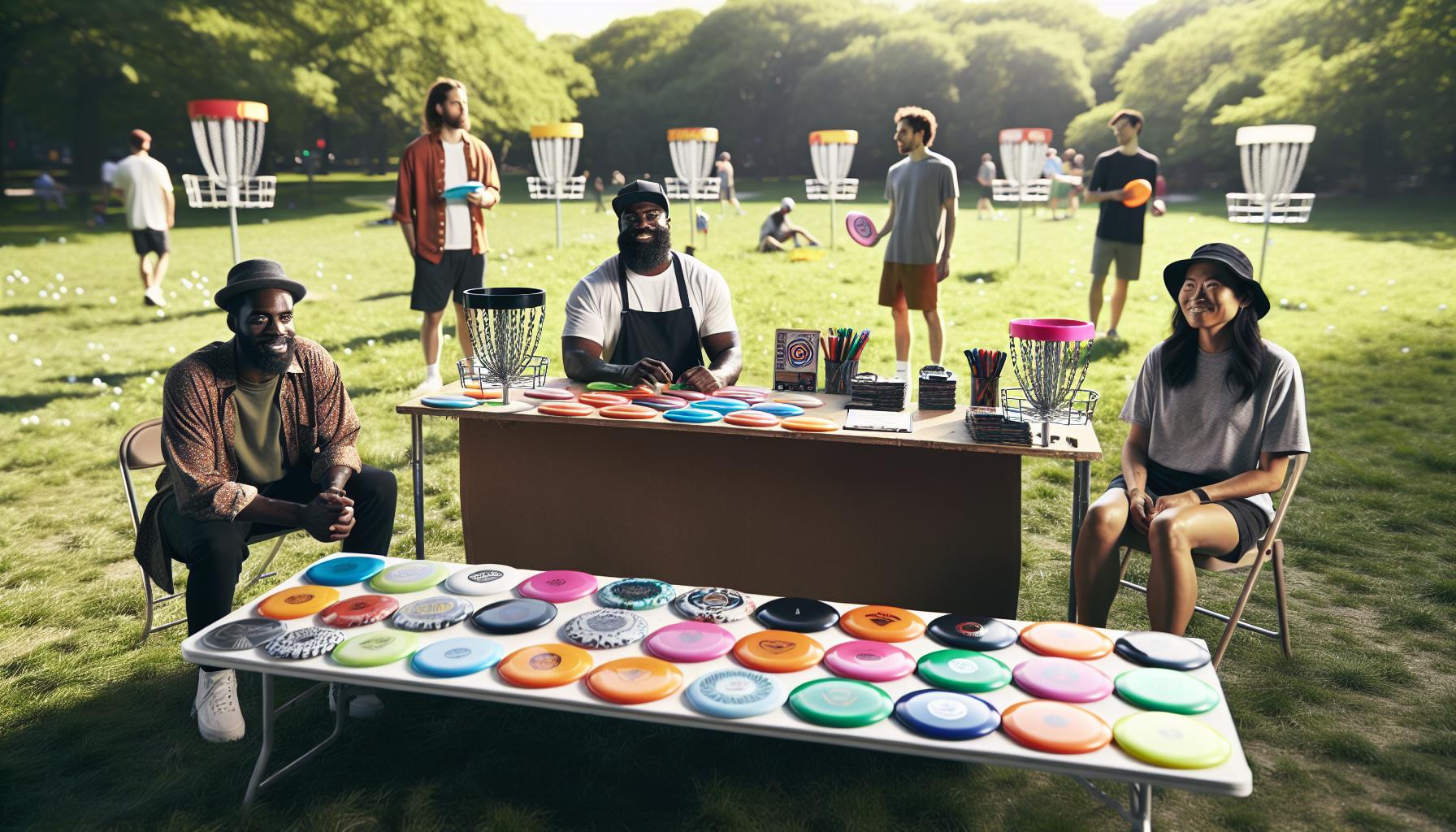
Local Options: Selling Disc Golf Discs at Events
Selling disc golf discs at events presents a unique opportunity to connect with fellow enthusiasts and capitalize on the vibrant community surrounding this sport. Events such as tournaments, local meetups, or even casual gatherings can serve as prime venues to showcase your discs. Not only can you directly interact with potential buyers, but you also have the advantage of demonstrating your discs’ flight characteristics, which can significantly enhance their appeal.
When setting up at events, consider creating an engaging display that draws attention. You might want to use a portable table with an eye-catching banner or signage that highlights your brand or personal flair. Displaying a variety of discs-ranging from beginner-friendly options to advanced models-can cater to a broader audience. If possible, offer some basic educational insights into each disc’s unique characteristics, such as stability and throw mechanics, which will help buyers make informed decisions.
Tips for Successful Event Sales
- Prepare for Traffic:arrive early to secure a good spot and set up your display. Be ready for high foot traffic, especially during tournament breaks.
- Engage Actively: Don’t just wait for buyers to come to you; engage with attendees, share your passion, and encourage them to try out the discs you have on display.
- Offer Promotions: Consider running event-specific promotions, such as discounts on bundles or giveaways for purchases. This can incentivize buyers to consider making a purchase on the spot.
- Network: Use these events to build relationships with other sellers and players. Networking can open doors to future sales opportunities and collaborations.
Don’t underestimate the power of social media in conjunction with event sales. You can promote your participation in upcoming events on platforms like Instagram or Facebook, inviting local players to come by and check out your stock. After the event, share highlights online to keep the community engaged and attract future sales. Building rapport with your audience will not only help with immediate sales but can also lead to repeat business as you become a trusted name in their disc golf journey.
In conclusion, selling discs at events is not just about making sales; it’s about fostering community engagement and celebrating the sport of disc golf. Make the most of your opportunities by being prepared, enthusiastic, and connected, ensuring that your presence at these events is both enjoyable and profitable.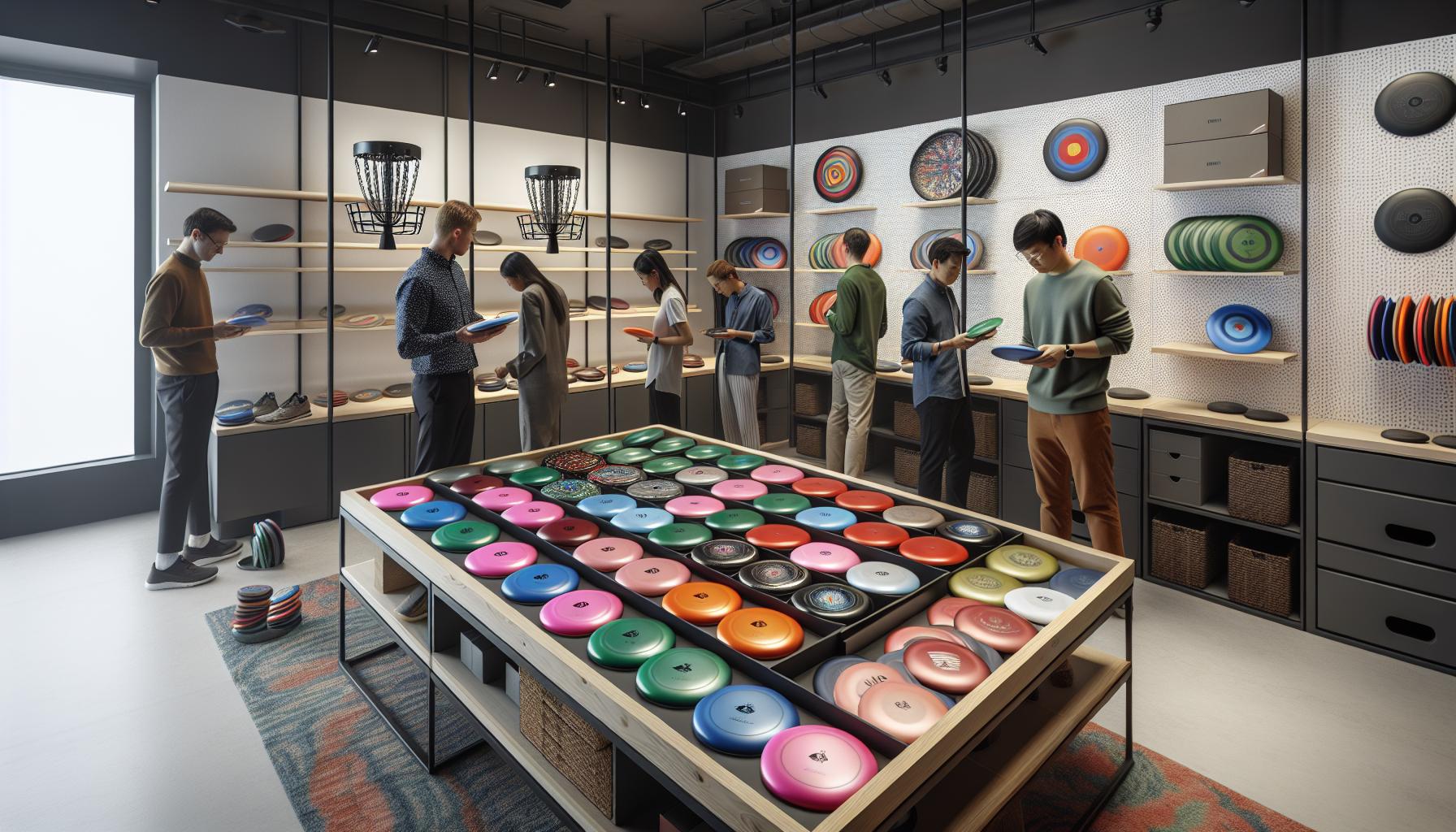
Creating a Disc Golf Disc Selling Business
Launching a business focused on selling disc golf discs is an exciting venture that combines your passion with the potential for profitability. The disc golf community is vibrant and growing, offering ample opportunities to connect with fellow enthusiasts who are eager to discover new products. To successfully establish your disc-selling business, you need a blend of strategy, community engagement, and product knowledge.
One of the first steps is to curate a well-rounded inventory that caters to both beginners and seasoned players. Consider offering a variety of discs including putters, midranges, and drivers from different manufacturers, as well as unique specialty discs. Each disc comes with its own flight characteristics, so it’s beneficial to familiarize yourself with terms like stability, glide, and fade to help customers choose the right discs for their skill level. Creating informational materials or engaging displays that explain these characteristics can enhance the shopping experience.
Establishing an online presence is crucial for your business. Utilize platforms like Facebook Marketplace, eBay, and specialized disc golf forums to reach a broader audience. Having a dedicated website can also bolster your credibility while providing a space where you can showcase your inventory, share tips, and offer promotions. Additionally, take advantage of social media to leverage visually appealing content; posting videos that demonstrate disc flight paths or product reviews can generate interest and drive traffic to your selling platforms.
Networking within the disc golf community is another essential aspect of building your business. Attend local tournaments, join clubs, and engage with online groups to promote your offerings and learn from others in the industry. Building relationships with local courses can create mutually beneficial opportunities, such as hosting events or providing merchandise for tournaments. By actively participating in the community and positioning yourself as a knowledgeable and trustworthy source for disc golf equipment, you’re more likely to foster loyalty and repeat customers.
Ultimately, the key to establishing a successful disc golf disc selling business lies in understanding your market, engaging with the community, and continuously adapting your strategy based on feedback and trends. Celebrate the sport of disc golf, share your enthusiasm, and your business will flourish as you connect with fellow players engaged in this dynamic, fast-growing community.
Maximizing Your Profits: Pricing Strategies
Setting the right price for your disc golf discs can significantly impact your profitability and customer satisfaction. It’s important to strike a balance between what you believe the product is worth and what customers are willing to pay. To maximize your profits, consider a mix of competitive pricing, perceived value, and tiered options.
One effective strategy is to conduct market research to analyze the prices of similar discs on various platforms like eBay and Facebook Marketplace. This will give you a baseline price to work from. However, remember that unique characteristics can justify higher prices. For instance, limited edition discs or those from popular professional players tend to fetch a premium. Ensure that your pricing reflects not just the disc’s market value but also its condition. New, unopened discs can be priced higher than used options, while still offering fair prices to your customers.
Creating a tiered pricing structure can also cater to different buyer segments, enhancing your sales potential. You might choose to categorize your inventory into three tiers: budget-friendly options for newcomers, mid-range discs that offer a balance between quality and price, and premium discs for avid players seeking top-tier performance. This approach can not only boost sales across diverse customer demographics but also increase overall customer satisfaction as buyers find options that suit their needs and budgets.
Additionally, consider implementing dynamic pricing strategies, where prices fluctuate based on demand, event schedules, or inventory levels. For example, during the peak of the disc golf season, prices may rise slightly while inventory is limited. Alternatively, during slower months, promotional discounts or bundle deals can encourage sales and help you move older stock. Engaging with your customer base to gather feedback can also inform your pricing strategy; knowing what they value can guide you on where to set prices for new arrivals or special editions.
Ultimately, a keen awareness of your marketplace and thoughtful pricing techniques will not only help you maximize profits but also establish a loyal customer base that appreciates the value you provide. By continually assessing your strategies and engaging with the disc golf community, you’ll be well-equipped to adapt to changing trends and preferences, ensuring your business thrives in this exciting sport.
Packaging and Shipping Tips for Disc Golf Discs
When it comes to selling disc golf discs, effective packaging and shipping can make all the difference in ensuring your products arrive safely and in great condition. Poor packaging can lead to damaged discs, resulting in unhappy customers and increased costs for refunds or replacements. By taking the time to properly package your discs, you can enhance the buying experience, encourage repeat customers, and even boost your reputation in the disc golf community.
To start, select appropriate packaging materials that provide adequate protection. Use strong boxes or padded envelopes that fit your discs snugly to minimize movement during transit. It’s essential to insulate the discs with materials such as bubble wrap or foam inserts, especially if you’re shipping multiple discs together. This extra layer will absorb shocks and protect against impacts. Consider also including “Fragile” labels on the packages, as this may prompt careful handling by postal workers.
Shipping Options and Considerations
When choosing a shipping method, compare options based on cost and delivery speed. Major carriers like USPS, UPS, and FedEx offer various services that cater to your needs. For more economical options, consider shipping with USPS First-Class Mail for packages under a certain weight, as this can save you money while still delivering discs promptly. Additionally, tracking your shipments can keep customers informed about their orders and provide peace of mind.
Tips for Managing Returns and Damages
Despite your best efforts, returns and damages can happen. To prepare for this, establish a clear return policy that outlines your approach to damaged goods. When customers know what to expect if an issue arises, they will feel more secure making a purchase. Encourage buyers to inspect packages upon arrival and to report any problems immediately. Taking proactive steps, such as including a return shipping label in the original package, can simplify the process and build trust with your clientele.
By focusing on packaging and shipping as critical components of your selling strategy, you can not only protect your investment but also foster a positive relationship with your customers. Remember that in the world of disc golf, word of mouth spreads quickly, and satisfied customers become lifelong supporters of your brand.
Building a Community: Engaging with Buyers
Building a community around disc golf isn’t just beneficial for selling discs; it’s essential for legitimizing the sport and creating lasting relationships with your customers. Engaging with buyers can transform a one-time purchase into a loyal customer base. Whether they are seasoned players or newcomers, understanding their needs and preferences will significantly enhance your business.
Start by creating an inviting online presence. Utilize platforms like Facebook Groups, Instagram, and Reddit to share content that resonates with the disc golf community. Post tips on disc selection, offer insights on local courses, and share user-generated content featuring buyers showcasing their new discs. Make it a habit to respond to comments and questions promptly; this not only builds rapport but also demonstrates your commitment to customer satisfaction. For instance, consider hosting Q&A sessions on social media or virtual meetups where players can share experiences or ask for advice on techniques and equipment.
Incorporating community events, both online and offline, can further solidify your presence. Organizing local disc golf tournaments or participating in community fairs allows you to meet customers in-person, where you can showcase your products while enjoying the sport you all love. Offer not only discs but also branded merchandise, which can become popular among your local disc golf enthusiasts. Additionally, provide discounts for bulk purchases for team events or tournaments as an incentive to engage more players.
Don’t underestimate the power of storytelling. Sharing personal experiences or successes from players who purchased discs from you can create a community feeling. Highlighting these stories through blog posts or social media features can encourage buyers to share their own experiences, fostering a sense of belonging and loyalty. By nurturing an environment where the disc golf community feels valued and engaged, you not only boost your sales but also contribute to the growing culture of this emerging sport.
Leveraging Social Media to Boost Sales
To thrive in the disc golf marketplace, engaging with buyers through social media is not just beneficial; it is essential. With millions of active users, platforms like Instagram, Facebook, and TikTok are perfect for showcasing products, but they also serve as channels for community building and brand loyalty. Did you know that brands leveraging social media can see an increase in sales by up to 20%? This underscores the potential that a solid social media strategy holds for your disc golf disc selling efforts.
Begin by creating dedicated profiles for your business across these platforms. Share high-quality images and videos of the discs you offer, illustrating not just their features, but also how they perform on the course. Consider posting video tutorials on throw techniques or showcasing different discs in action to help potential buyers see the value in your products. Stories and reels can be used to share behind-the-scenes content, such as how you select your inventory, or customer testimonials that highlight their experiences with your discs.
Utilize hashtags strategically to reach a broader audience. Popular tags in the disc golf community include #DiscGolf, #DiscGolfCommunity, and #DiscGolfLife, which can connect you to enthusiasts looking for new discs or brands to support. Engage with your audience by responding to comments, running polls, or asking for feedback on new disc designs or features. This type of interaction fosters a community feel and encourages more substantial engagement, transforming casual followers into loyal customers.
Don’t forget to collaborate with local disc golf influencers or community groups. Hosting giveaways or special promotions that involve influencers can expose your brand to their followers, tapping into a ready-made audience. You might also consider running online contests that encourage users to share their best disc golf moments, tagging your business to spread the word. By actively participating in the conversation and celebrating disc golf culture, you not only enhance your visibility but also contribute to the sport’s sense of community, positioning yourself as a trusted source and passionate advocate for the game.
Understanding Disc Golf Disc Demand Trends
The disc golf market is continuously evolving, with demand trends driven by various factors ranging from player interest to advancements in disc technology. Disc golfers are increasingly discerning about the discs they choose, influenced by factors like flight characteristics, brand reputation, and user reviews. Understanding these trends can significantly enhance your selling strategy and help you cater to the needs of various customer segments.
One critical trend in the disc golf community is the growing interest in eco-friendly and sustainable products. Many players are becoming more conscious of environmental impacts and are seeking discs made from recyclable materials or produced by companies that prioritize sustainability. Additionally, the rise of personalized disc designs allows players to express their individual style, which can lead to higher demand for custom prints and unique color patterns. Offering a selection of eco-conscious or custom discs could set your inventory apart from competitors.
The demographic of disc golfers is also shifting. While traditionally appealing to younger audiences, the sport is now drawing in a more diverse range of players, including families and older adults. This shift presents an opportunity to tailor marketing strategies and disc selections specific to these groups. Highlighting beginner-friendly options for newcomers alongside high-performance discs for competitive players can broaden your potential customer base.
To anticipate market demands, consider leveraging data analytics tools to track sales trends and gather insights on popular disc types and brands. Participating in community forums or following industry influencers can provide valuable feedback on emerging preferences. Moreover, understanding seasonal trends is crucial; disc golf sales often spike during warmer months when players are more active. Aligning your inventory with these seasons, such as running promotions during major disc golf tournaments, can maximize your sales.
Engaging with your audience through regular content updates, targeted promotions, and feedback collection will help you stay aligned with consumer preferences. As the sport continues to grow, adapting your offerings and marketing strategies to meet these trends will not only satisfy your customers but also position you as a leader in the disc golf marketplace.
Buyer Preferences: What Customers Look For
When it comes to selling disc golf discs, understanding the preferences of potential buyers is crucial for success in this growing market. Customers are becoming increasingly selective, and identifying what they prioritize can significantly impact your sales strategy. While performance is essential, factors like design, environmental responsibility, and community engagement are equally influential in a buyer’s decision-making process.
Firstly, many disc golfers look for performance characteristics such as stability, speed, and glide. Players tend to have preferences based on their skill level and throwing style. For instance, newcomers might seek beginner-friendly discs that offer straight flight paths and greater forgiveness, whereas seasoned players often seek high-speed, low-glide discs for precision. Offering a variety of discs that cater to different throwing mechanics is key. Including detailed descriptions and flight ratings in your listings can help buyers make informed choices.
Moreover, the trend towards sustainability cannot be overlooked. As more players become environmentally conscious, they actively seek out discs made from recyclable materials or produced by companies committed to eco-friendly practices. Stocking sustainable options and communicating your environmental initiatives can create a new selling point and resonate with a broader audience. Customizable discs also attract buyers, allowing them to express individuality through unique designs or personalized prints.
Community connection plays an increasingly significant role in buyer preferences. Customers appreciate brands that foster a sense of community and actively participate in local events, tournaments, and online forums. Engaging with your audience through social media, sharing user-generated content, and hosting giveaways can strengthen brand loyalty and encourage repeat purchases. Lastly, transparency in customer service and product sourcing builds trust and can influence purchasing decisions significantly.
In summary, tailoring your offerings to match buyer preferences-notably focusing on performance, sustainability, and community engagement-ensures you’re not only meeting their needs but also enhancing your visibility and reputation in the disc golf marketplace.
Comparing Selling Platforms: Pros and Cons
Choosing the right platform to sell disc golf discs can significantly impact your success and profitability in this exciting and growing market. Each platform comes with its own unique set of advantages and disadvantages, making it crucial for sellers to evaluate their options carefully. Understanding these pros and cons allows you to select the best venue that aligns with your goals, whether you’re looking for wide visibility, community engagement, or cost efficiency.
Online Marketplaces
- eBay: Renowned for its vast reach and significant buyer traffic, eBay allows you to auction your discs or sell them at a set price. However, fees associated with listing and final sale can cut into profits, especially with lower-priced items.
- Etsy: If your discs feature unique designs or art, Etsy can be an excellent platform for reaching customers interested in handcrafted and personalized items. The main drawback here is that selling can be competitive, and niche items may take time to gain traction.
- Facebook Marketplace: This platform offers a local selling option, eliminating shipping costs and allowing for face-to-face transactions. However, the audience may be less targeted compared to specialized disc golf forums or marketplaces, making it harder to reach dedicated players.
Specialized Disc Golf Retailers
Pros of Specialized Platforms
Discerning sellers might consider niche online stores or forums dedicated to disc golf. These platforms often foster a passionate community where buyers are specifically interested in disc golf equipment. On such sites, sellers benefit from lower fee structures and have the chance to engage in discussions that help build trust and loyalty.
Cons of Specialized Platforms
However, these niche platforms can also have limitations, such as lower traffic compared to larger marketplaces, which can lead to slower sales. The seller might also need to participate more actively through community engagement to encourage sales.
Local Options and Events
Selling at local events or disc golf tournaments can be a fantastic way to connect directly with potential buyers, allowing for immediate feedback and relationship-building. However, the main downside is the need for physical presence and the upfront cost of attending events, including travel, booth fees, or product setup.
In summary, when choosing where to sell your disc golf discs, consider factors such as target audience, fees, ease of use, and your ability to engage with buyers. By weighing these pros and cons, you can create a tailored strategy that maximizes your visibility and profits in the dynamic world of disc golf.
Navigating Legalities: Taxes and Regulations
Understanding the legal landscape surrounding the sale of disc golf discs is crucial for anyone looking to enter this booming market. As more enthusiasts join the sport, some do so with the intent to profit through buying and selling discs. It’s important to recognize that selling goods, even something as niche as disc golf discs, involves navigating various legal obligations, including tax responsibilities and sales regulations.
First and foremost, you need to be aware of your local and federal tax laws. For many sellers, the income generated from selling disc golf discs can be classified as hobby income or self-employment income. If your sales exceed a certain threshold, typically $600 per year, you may be required to report this income to the IRS. Keeping detailed records of your sales, expenses, and any related transactions can help simplify this process. You should maintain receipts for any costs associated with acquiring inventory, shipping materials, and any taxes collected from buyers. Utilizing accounting software can also greatly assist in tracking your earnings and deductions.
Additionally, familiarize yourself with any sales tax requirements in your state. Many states require sellers to collect sales tax on transactions, meaning if you’re selling discs online or at events, you could be responsible for adding sales tax to your prices. Obtaining a sales tax permit may be necessary, allowing you to collect tax from buyers and remit it to the state. Regulations can vary significantly by state, so it’s advisable to consult with a tax professional who understands the nuances of your local laws.
Lastly, consider the potential impact of e-commerce regulations when selling online. If you choose platforms like eBay or Etsy, be sure to read their terms of service and comply with their rules, as they often have guidelines on the types of products allowed, fees, and reporting income. Protecting your intellectual property, especially if you design your discs or branding, is another legal aspect to keep in mind. By being informed and proactive, you can ensure your business operates smoothly and in compliance with all necessary regulations, allowing you to focus on what you love-sharing the joy of disc golf with others.
Frequently asked questions
Q: Where can I sell used disc golf discs online?
A: You can sell used disc golf discs on platforms like eBay, Facebook Marketplace, and specialized websites such as DiscGolfScene and Infinite Discs. These platforms allow you to reach a larger audience looking specifically for disc golf equipment.
Q: What are the best local places to sell disc golf discs?
A: Local options include community events, disc golf tournaments, or local sports shops that may buy or host consignment sales. Setting up a booth at a local disc golf event can attract buyers directly interested in your discs.
Q: How do I determine the price for my disc golf discs?
A: To price your discs, consider their condition, rarity, and popularity. Research similar listings on platforms like eBay or Facebook Marketplace to gauge current market rates. Ensure your prices are competitive yet profitable.
Q: What is a consignment option for selling disc golf discs?
A: Consignment involves placing your discs in a store or with a seller who will sell them for you. You receive payment once the discs sell, usually after sharing the profits with the seller. This method reduces upfront effort and can expand your reach.
Q: How can social media help me sell my disc golf discs?
A: Social media platforms like Instagram and Facebook allow you to showcase your discs through engaging visuals. Join disc golf groups, post regularly, and interact with potential buyers to boost your visibility and sales.
Q: Are there any specific platforms for selling rare disc golf discs?
A: Yes! For rare discs, consider niche marketplaces like DiscGolfDodger or collector forums. These platforms cater specifically to enthusiasts looking for unique and hard-to-find discs.
Q: How can I successfully ship sold disc golf discs?
A: Use padded envelopes or boxes to protect your discs during shipping. Consider calculating shipping costs upfront using services like USPS or UPS, and ensure tracking is included for safe delivery, which enhances buyer confidence.
Q: What legal considerations should I be aware of when selling disc golf discs?
A: When selling disc golf discs, consider sales tax implications and any regulations regarding online sales in your area. Keeping detailed records of your sales can help you manage taxes and compliance efficiently.
Final Thoughts
Now that you know the best marketplace options to sell your disc golf discs, it’s time to take action! Don’t let your unused discs collect dust-use one of these platforms to connect with fellow players and enthusiasts today. Whether you choose specialized online shops or broader marketplaces, every disc sold is a step toward enhancing your game and enjoying the vibrant disc golf community.
If you’re interested in optimizing your selling strategy, check out our guides on disc flight characteristics and throwing mechanics, or join our newsletter for the latest tips and tricks. Got a success story or tip of your own? We’d love to hear from you in the comments below! Keep exploring and maximize your disc golf experience, because every throw counts, and so does every sale.
Get our latest guides, news, and insights highlighted in your Google Search & AI Overviews.