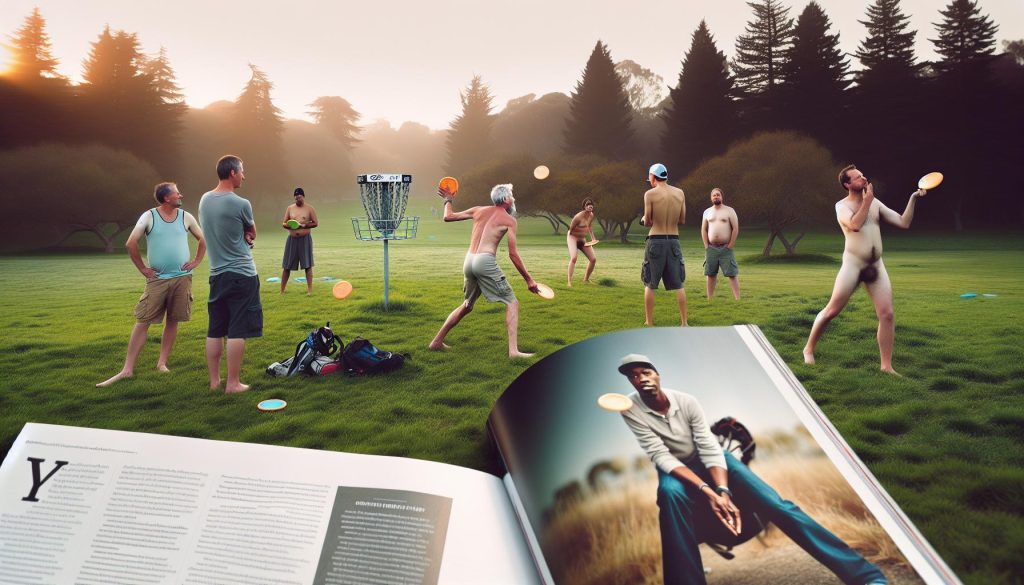
Disc golf is an exciting sport that combines the skills of traditional golf with the fun of throwing discs, but have you ever wondered if you can play without shoes? Interestingly, many players enjoy the freedom and connection to nature that comes from going barefoot on the course. However, playing without shoes raises important questions about safety, comfort, and performance. Whether you’re a seasoned pro or a curious beginner, understanding the rules and potential benefits of playing shoe-free can enhance your experience on the fairway. From exploring the terrain’s feel to considering foot health, this guide will navigate you through the essentials of playing disc golf without shoes, helping you make an informed decision while ensuring you have fun along the way. So, grab your discs, and let’s dive into the world of barefoot disc golf!
Can You Play Disc Golf Without Shoes? The Benefits and Drawbacks
Playing disc golf without shoes can be both a liberating experience and a challenge, invoking unexpected reactions among players. The sensation of grass, dirt, or even gravel beneath your feet can enhance your connection to the course while also presenting unique obstacles. While many players swear by the freedom of going barefoot, there are vital benefits and drawbacks to consider which could influence your play and comfort.
One of the most significant advantages of playing barefoot is the increased proprioception-that is, the awareness of your body’s position and movement. This heightened awareness can improve balance and stability during your throws. Feeling the ground can also aid in making quick adjustments in your stance or form. Additionally, the natural feel of playing without the constraints of shoes can lead to a more enjoyable and less inhibited experience, allowing for a better connection with nature and the course itself.
However, the drawbacks of barefoot disc golf should not be overlooked. Safety is a primary concern; the risk of injury from sharp objects, rocks, or uneven terrain is notably higher when not wearing shoes. Foot health can also be at stake, as playing on tough or abrasive surfaces can lead to discomfort and potential cuts or infections. Moreover, terrain type will greatly influence your experience; while soft grass may feel pleasant, rocky or thorny areas can be hazardous. It’s crucial to assess your playing environment before deciding to forgo shoes.
Ultimately, playing disc golf barefoot can enhance your enjoyment and connection to the sport, but it’s essential to weigh these factors carefully. Your choice should reflect not only your personal comfort but also the specific conditions of the course you are playing.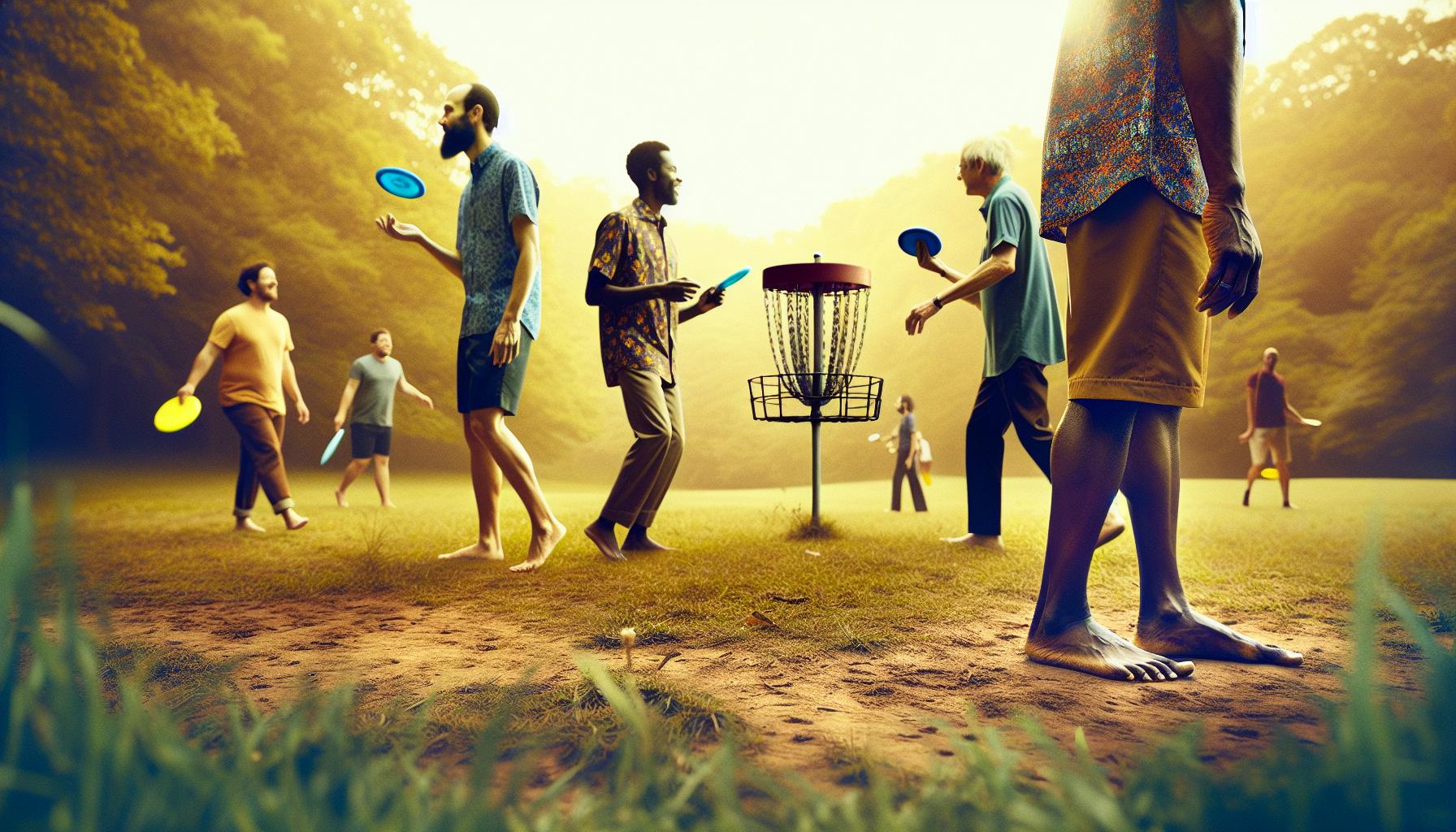
Understanding Disc Golf Rules Around Footwear
Playing disc golf often invites various interpretations of the rules, especially regarding footwear. While casual play might seem relaxed about shoe requirements, the official rules of disc golf maintain specific guidelines, particularly when it comes to player conduct and safety. Understanding these regulations can enhance your game and provide clarity, whether you’re a beginner or a seasoned competitor.
The Professional Disc Golf Association (PDGA) currently has no specific rule mandating footwear for players. This means that, technically, you can play barefoot during casual rounds or even PDGA-sanctioned events. However, it is advisable to consider the playing conditions and local venue rules. Many courses may have unwritten norms about attire that encourage using appropriate footwear for safety and comfort, especially in rugged areas. It’s also important to recognize that going barefoot can drastically affect your playing experience and potentially your performance.
Take into account that while going without shoes may enhance your natural feel of the ground, players should always be aware of the course’s physical state. Sandals or minimalist shoes might be the best compromise for players seeking comfort without standard athletic footwear, as they provide some protection against rough terrain while allowing for a natural foot position. Communicating with your group before the game about footwear preferences can foster an inclusive atmosphere, ensuring all players feel comfortable and safe during their round.
Ultimately, whether you choose to play with or without shoes, the most critical aspect is your enjoyment of the game and your safety. Make informed footwear choices that align with both the specific course conditions and your playing style. Understanding these guidelines not only helps you to play responsibly but also celebrates the diverse experiences that disc golf offers.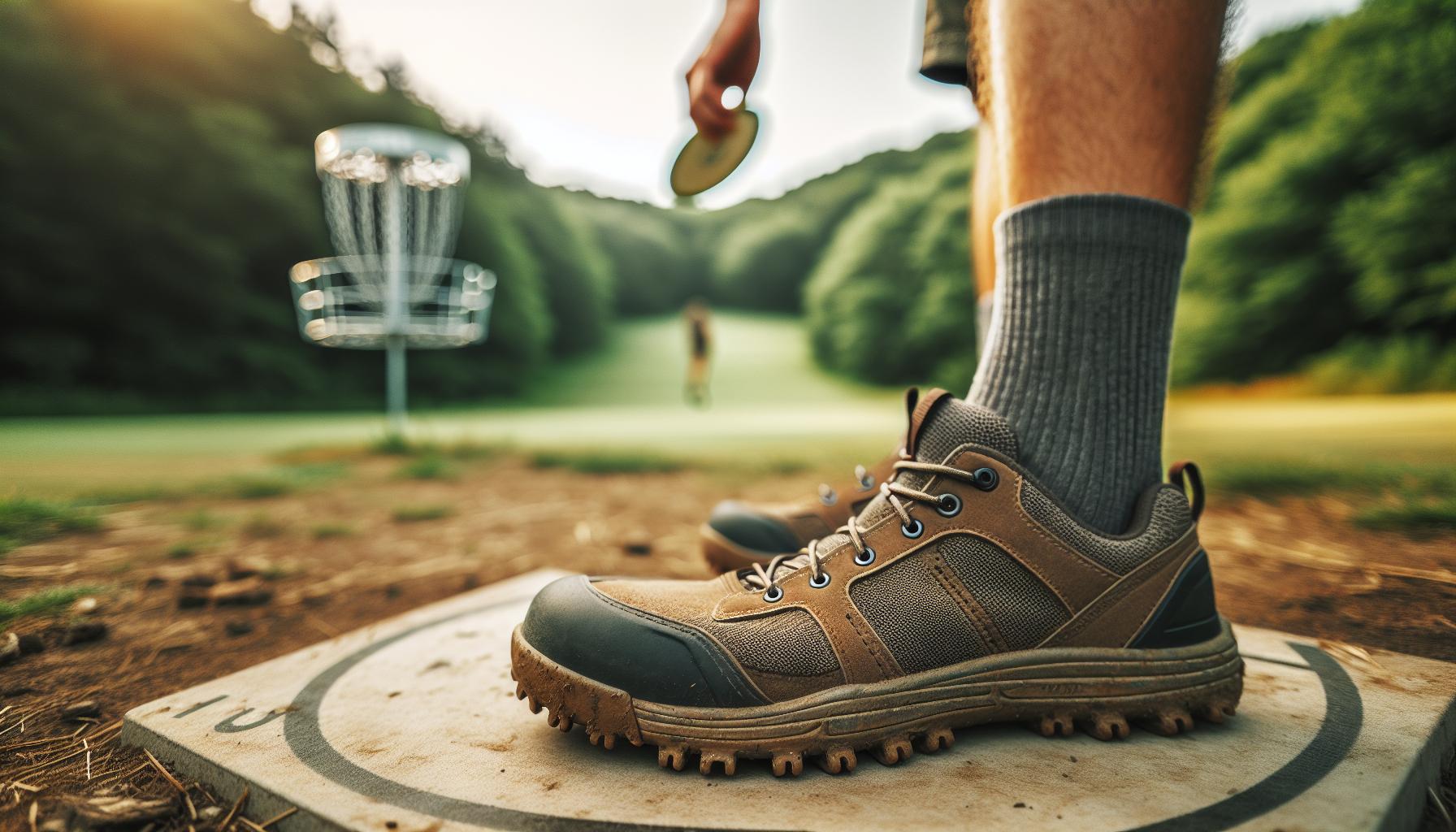
How to Choose the Right Footwear for Disc Golf
Choosing the right footwear for disc golf is crucial, as it not only affects your comfort but also your performance on the course. While some players opt for barefoot play to feel more connected to the ground, having the right shoes can significantly enhance your grip, stability, and overall confidence during your throws. The market offers a variety of options designed specifically for the sport, and considering the diverse terrain of disc golf courses is key to making the best choice.
When selecting footwear, look for shoes that provide good traction. Many disc golf courses feature a mix of grass, dirt, and sometimes even rocky or uneven surfaces. Shoes with rubber soles and a tread pattern that enhances grip can greatly improve your stability as you make dynamic movements during throws. It’s important to consider the fit as well; shoes should be snug but not too tight, as this helps maintain control without compromising comfort. Additionally, consider the weather conditions you’ll be playing in-water-resistant shoes can be beneficial in wet environments, while breathable options might be better for hot days.
For those who prefer a minimalist approach, lightweight trail runners or specialized disc golf shoes can be excellent alternatives. These provide sufficient protection while allowing for a more natural range of motion, which can be advantageous for your technique. If you’re experimenting with barefoot play, it’s wise to transition gradually to strengthen your feet and adapt to different surfaces, ensuring you don’t overdo it and risk injury.
Lastly, personal preference plays a significant role in your footwear choice. Some players swear by certain brands or styles that fit their playing style, so it can be helpful to try on different types before committing. Engaging with your local disc golf community can also provide valuable insights and recommendations based on their experiences. By prioritizing your footwear selections, you enhance not only your game but also your enjoyment on the course, fostering a deeper connection to this unique sport.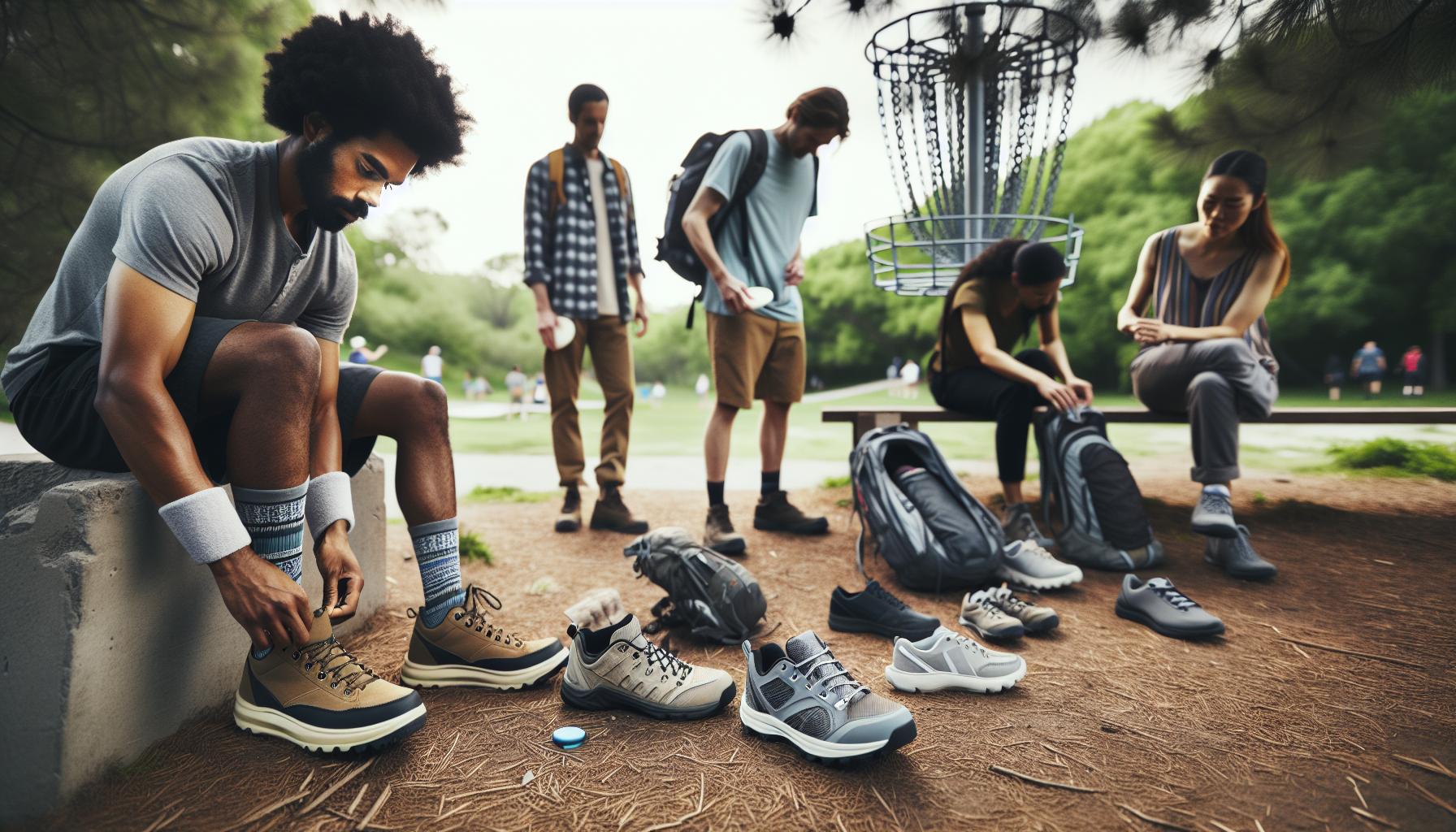
Tips for Playing Disc Golf Barefoot
Playing disc golf barefoot can be a liberating experience, allowing you to feel a deeper connection with the earth beneath your feet. However, to make the most of this unique approach, it’s essential to keep a few key tips in mind to ensure both safety and enjoyment on the course.
First, start by increasing your foot’s strength and tolerance gradually. If you’re new to barefoot disc golf, consider practicing on your own property or at a familiar, flat course before hitting more challenging terrains. This transition period will help your feet adapt to various surfaces, reducing the risk of injury. Try walking or performing basic drills barefoot to build confidence and assess your comfort level.
In addition, be mindful of the course conditions. Some terrains, such as rough trails or rocky areas, may pose hazards to bare feet. Choose to play on well-maintained courses with soft grass or dirt paths, as these surfaces are more forgiving and less likely to cause cuts or abrasions. Always be on the lookout for sharp objects like glass or thorny plants that could lead to unwelcome injuries.
Another important aspect to remember is foot hygiene. Playing barefoot exposes your feet to dirt and potential irritants, so it’s wise to clean your feet thoroughly after your round. This practice not only helps maintain good hygiene but also enhances your comfort for future games. Consider bringing a small towel or wet wipes to freshen up after the game, especially if you plan to socialize with your fellow players afterward.
Lastly, share your barefoot experiences with the disc golf community! Many players are curious about the barefoot approach, so discussing your journey and tips with others can foster camaraderie and inspire more players to try this unique way of enjoying the game. By embracing barefoot disc golf as a viable option, you contribute to the sport’s evolution while enjoying a personal and grounded connection with your surroundings.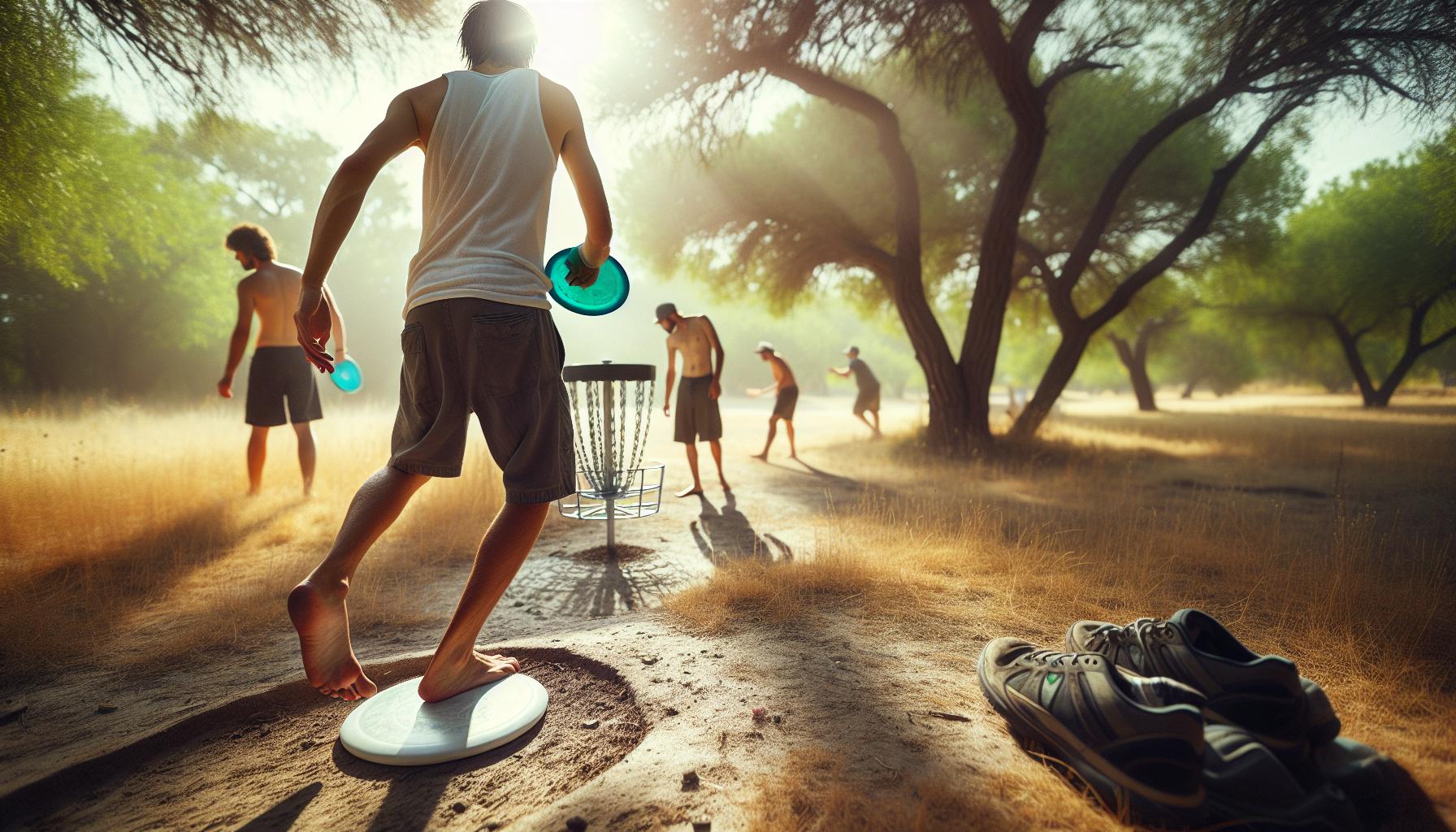
Hygiene and Safety Considerations in Barefoot Disc Golf
Playing disc golf barefoot can be a thrilling way to connect with nature, but it requires mindful attention to hygiene and safety to ensure an enjoyable experience. First and foremost, the condition of the playing surface can greatly impact your safety. Keep an eye out for hazards such as sharp rocks, glass, or thorns that could cause injury. Choose well-maintained courses-soft grassy areas are ideal for protecting your feet while allowing you to enjoy the sensation of being grounded.
Hygiene is another critical aspect of barefoot disc golfing. After completing a round, your feet may collect dirt, grass, and other debris, which can lead to irritation or even infections if left unaddressed. To maintain foot health, make it a habit to clean your feet thoroughly after your game. Bring along a small towel, wet wipes, or a portable foot bath to refresh yourself. Not only does this enhance your comfort for future rounds, but it also promotes overall foot health, making barefoot disc golfing a sustainable practice.
In addition to cleaning your feet, be vigilant for signs of cuts, blisters, or any other injuries. If you do experience any discomfort or minor injuries, treat them quickly to avoid further complications-this might include cleaning the area with antiseptic wipes and covering minor cuts with bandages. By taking proactive safety measures and being attentive to hygiene, you can relish the experience of barefoot disc golf while minimizing risks associated with playing without shoes. Being part of a community that embraces this unique experience can also lead to sharing insights on safety practices and personal stories, enriching your disc golf journey.
Common Misconceptions About Playing Without Shoes
Playing disc golf barefoot is an exciting experience, but it comes with several myths that can deter potential players. One common misconception is that playing without shoes significantly increases the risk of foot injuries. While there are hazards to be wary of, like sharp rocks or thorns, many players find that with proper awareness and choosing well-maintained courses, the risk of injury can be managed effectively. For instance, soft grass or dirt paths are often found on disc golf courses, providing a cushioning effect that can be gentler on the feet than hard surfaces.
Another prevalent belief is that barefoot play compromises balance and stability, especially when throwing. However, many players report that going barefoot allows them to feel the ground better, which can improve their footing and throwing mechanics. The sensation of the ground helps players adjust their stance and grip more intuitively, potentially enhancing their overall performance.
There’s also the notion that playing barefoot is only suitable for casual players and not for serious competitors. This assumption overlooks the growing community of athletes who embrace barefoot playing as a legitimate practice. Competitive players cite benefits like increased foot strength and improved proprioception, which are crucial for maintaining consistent performance.
Lastly, some might think that hygiene is significantly compromised when playing barefoot. While it’s true that feet can get dirty, maintaining cleanliness is straightforward. Rinsing your feet after a game and being attentive to cuts and blisters can mitigate health concerns. In fact, many barefoot enthusiasts carry wipes or small towels to ensure they can clean up easily after their rounds. Embracing this natural approach can even foster a stronger connection to the environment and the sport itself.
Recommended Terrain for Barefoot Disc Golf
Playing disc golf barefoot can be a liberating experience, connecting you to the ground and enhancing your feel for the terrain. However, the success of this approach greatly relies on choosing the right kind of terrain. The ideal surfaces make a significant difference not only in comfort but also in safety and overall enjoyment.
Soft, well-maintained grass is perhaps the best terrain for barefoot disc golf. It provides a natural cushion that absorbs impact, reducing the risk of bruises or scrapes. Look for courses with lush fairways and greens. Additionally, areas with well-groomed dirt paths can be great, as they too offer a soft landing and can minimize exposure to sharp objects. Avoid areas with rocks, dense brush, or thorns, as these can pose risks for cuts and discomfort.
As you search for courses to play barefoot, consider factors like the weather and maintenance of the area. After rain, some terrains may become muddy or slippery, which could increase the chance of falls. Seek out courses that are known for their upkeep. Player communities often share insights into which locations are more conducive to barefoot play.
When selecting a course, also consider elevation changes and natural features. Steep hills or rocky terrain can complicate barefoot play, as they not only present potential injuries but can also impact your throwing mechanics. Flat, open courses with a mix of gentle slopes are ideal, allowing for both comfort in movement and ease in focusing on your technique. Embracing the right terrain for barefoot disc golf not only enhances your experience but may also inspire others in the community to explore this freeing choice.
Impact of Footwear on Throwing Mechanics
The way you grip and release a disc in disc golf is significantly influenced by your footwear-or lack thereof. When you throw a disc, your body relies on a solid foundation and secure footing to achieve optimal power and precision. The mechanics of your throw are deeply rooted in your stance, balance, and follow-through, all of which can be affected by the type of shoes you’re wearing or if you’re going barefoot.
When wearing shoes, you often have a layer of cushioning and support that can slightly alter how you transfer weight and generate force during throws. For instance, the flexibility of the shoe’s sole or its grip on the ground can influence the stability of your stance. A good shoe can enhance grip on various terrains, which is crucial for maintaining balance during powerful throws. In contrast, less flexible or overly bulky footwear can restrict your foot’s natural movement, potentially compromising your throwing technique and resulting in less power and accuracy.
Going barefoot can create a more tactile connection to the ground, allowing for greater feel and responsiveness in your footing. This connection can enhance your balance and improve your awareness of your base of support. Players who throw barefoot often report a more natural throwing motion as they can feel every nuance of the terrain beneath their feet-ideal for those who like to adapt their style and technique in real-time. However, this approach comes with its challenges; without the cushion and protection of shoes, players might experience discomfort or even injury on rough or uneven surfaces.
Ultimately, the goes beyond just comfort; it’s a balance of stability, flexibility, and terrain awareness. As players experiment with different types of footwear-or no footwear at all-they should pay attention to how their throwing mechanics and performance change. Observing these nuances and adjusting techniques accordingly can lead to significant improvements in both power and accuracy during play, reinforcing the idea that your choice in footwear can directly affect your performance on the disc golf course.
Player Experiences: Playing Disc Golf Without Shoes
Playing disc golf without shoes can be a liberating experience, often leading to a deeper connection with the course and a more natural throwing motion. Many players who choose to go barefoot report that the tactile feedback from the ground enhances their balance and stability, which are critical for powerful and accurate throws. For instance, the sensation of varying terrains-be it soft grass, rough dirt, or rocky paths-can inform their adjustments in stance and grip, allowing for real-time adaptation that improves overall performance.
However, the transition to barefoot play is not without its challenges. Many who start playing without shoes experience initial discomfort as their feet adjust to the lack of cushioning and protection. It’s common for players to feel the strain in the arches of their feet or even to develop blisters early on. Newcomers should consider easing into barefoot play, perhaps starting with short rounds to allow their feet to acclimate. Experienced barefoot players often recommend utilizing specific techniques such as maintaining a light grip with the toes and ensuring proper foot placement to mitigate potential injuries from sharp objects or uneven surfaces on the course.
As players share their experiences, anecdotes of both triumphs and mishaps abound. For example, one avid disc golfer recounts a memorable round where he felt particularly connected to nature, enjoying the freedom of feeling the grass beneath his feet. However, he also emphasizes the importance of being aware of one’s surroundings to avoid thorns or rough patches. Other players have turned to minimalist footwear as a compromise, offering protection while still allowing for a good degree of ground feel.
Ultimately, playing disc golf barefoot can enrich the experience, promoting a heightened sense of awareness and agility. It challenges players to fine-tune their techniques and adapt to their surroundings more acutely. Those interested in trying this approach should engage in open discussions within the disc golf community, where advice and shared experiences can provide invaluable insight into the barefoot disc golf journey, making it a celebrated and integrative aspect of the sport.
Alternatives to Traditional Footwear in Disc Golf
Playing disc golf without traditional shoes opens up a world of options for those looking to connect more intimately with the game and the environment. Players seeking alternatives often gravitate toward minimalist footwear, which maintains a close relationship with the ground while providing some protection. Brands like Vibram and Merrell offer shoes designed specifically for outdoor activities, featuring durable soles that allow for better grip and feel without the bulk of conventional footwear. These shoes can enhance traction on slippery surfaces and prevent injuries from sharp objects while delivering a grounded experience akin to going barefoot.
Another innovative choice is using water shoes or sandals designed for active pursuits. These options are typically lightweight, quick-drying, and feature a rubber sole that provides decent grip. Water shoes, for instance, are advantageous for players who frequent courses near lakes or rivers, where wet conditions may be prevalent. Not only do they offer breathability, but they also guard against rocks and thorns, letting players focus more on their game rather than their footing.
Moreover, there’s a growing trend of utilizing specialized disc golf socks, which, when paired with certain types of sandals, can offer a unique balance of comfort and connection to the ground while still offering some coverage to the feet. This combination can provide a compromise between foot protection and the freedom of a barefoot approach, allowing for enhanced feel while navigating tricky terrains.
When considering alternatives, it’s essential to evaluate personal preferences, local course conditions, and the balance between comfort and protection. Engaging in conversations with fellow disc golfers about their preferred footwear or experimenting with various options can lead to discovering the best fit for your disc golf experience. Ultimately, whether you choose to go barefoot or opt for one of these alternatives, the key is to remain adaptable and open to what each round has to offer.
Building Your Disc Golf Community: Attire and Etiquette
Building a vibrant disc golf community relies heavily on the shared values of respect, inclusivity, and a love for the game itself. The attire players choose not only reflects their individuality but also signifies their commitment to the sport and fellow players. Embracing a casual and welcoming atmosphere, players should aim for comfort without sacrificing respect for the setting and the tradition of disc golf. Whether you’re stepping onto the course in traditional shoes, minimalist sandals, or going barefoot, being mindful of your attire can enhance both your experience and that of others.
When playing without shoes, it’s crucial to approach the game with an eye on safety and hygiene. Many courses are set in natural environments where sharp objects, insects, or uneven terrain can pose risks to bare feet. Suggesting alternatives like lightweight footwear or specialized disc golf socks can help newcomers feel included while making informed choices. Furthermore, acknowledging the diversity in player experience-some might prefer the feeling of being grounded, while others appreciate the protection shoes provide-creates a respectful atmosphere that celebrates personal preference.
Etiquette extends beyond attire; it encompasses the way players interact with each other. For instance, maintaining a positive and supportive attitude is essential, especially towards new players. Encouraging discussions about footwear choices, sharing experiences, and extending tips can foster camaraderie. Remember, the goal is to enjoy the game together, irrespective of whether one is barefoot or in specialized footwear. As you play, take the time to engage with fellow disc golfers, share stories about favorite courses, or exchange advice on improving techniques-this shared dialogue strengthens community ties.
In conclusion, the culture of disc golf thrives on an embrace of individual expression within a collective spirit. By fostering a sense of community through shared attire choices and open discussions about footwear, players can contribute to a welcoming environment that honors the spirit of the sport. To navigate the disc golf scene-whether barefoot or shod-stay engaged, respect the game’s traditions, and remember that every player adds their unique touch to the growing tapestry of the disc golf community.
FAQ
Q: Can you really play disc golf barefoot?
A: Yes, you can play disc golf barefoot. Many players enjoy the sensation of grass, dirt, or sand underfoot, which can enhance their connection to the environment. However, it’s essential to consider safety, hygiene, and the terrain of the course to avoid injuries.
Q: What are the pros and cons of playing disc golf without shoes?
A: The pros include greater ground feel and comfort, as well as improved foot strength. The cons can be increased risk of injury, such as cuts or scrapes, and discomfort on rocky or uneven terrain. Always weigh these factors before deciding to go barefoot.
Q: Are there any rules in disc golf about footwear?
A: Officially, there are no strict rules regarding footwear in disc golf; players can choose to wear shoes or go barefoot. However, local course rules may vary, so it’s best to check any specific guidelines your course may have before starting your game.
Q: How can I protect my feet if I play barefoot?
A: To protect your feet, choose a well-maintained course with soft, grass-covered fairways. Additionally, be mindful of your surroundings, avoiding areas with sharp objects or potentially hazardous surfaces. Consider using foot protection like toe socks or minimalist shoes for added safety.
Q: What should I do if I step on something sharp while playing barefoot?
A: If you step on something sharp, clean the wound immediately with water and apply an antiseptic. Bandage the area if necessary and monitor for infection. It’s wise to bring a basic first-aid kit on your game days for such instances.
Q: Can playing barefoot improve my throwing technique?
A: Playing barefoot may enhance your throwing technique as it encourages a more natural stance and ground connection. You’ll gain a better sense of balance and weight transfer, which can positively affect your throw. Just remember to practice safety and cautious foot placement.
Q: What types of terrain are best for playing disc golf barefoot?
A: The best terrains for barefoot disc golf are soft, grassy courses free of rocks and debris. Avoid rocky or uneven surfaces, as they increase the risk of injury. Courses with well-maintained fairways and a natural landscape are ideal for barefoot play.
Q: How do I transition from shoes to playing disc golf barefoot?
A: To transition, start by practicing without shoes on shorter courses or during practice rounds. Build up your foot strength and tolerance gradually, paying attention to how your feet feel. Avoid long games at first to prevent discomfort or injury as your feet adapt.
Wrapping Up
In conclusion, while playing disc golf without shoes can be a fun and liberating experience, it’s essential to weigh the pros and cons carefully. From improved grip on natural ground to potential discomfort from rough terrain, understanding the dynamics of barefoot play can enhance your game. If you’re considering trying it out, perhaps start with a casual round at a local park before making it a habit.
For more insights on perfecting your game, check out our articles on disc flight characteristics and throwing mechanics to elevate your skills. Don’t forget to explore our comprehensive guide on disc golf equipment, which can help you choose gear that suits your style!
Join the community by sharing your experiences or tips in the comments below. If you found this guide helpful, consider signing up for our newsletter for more tips, tricks, and exclusive content that will keep you engaged on your disc golf journey. Keep throwing, keep exploring, and happy disc golfing!
Get our latest guides, news, and insights highlighted in your Google Search & AI Overviews.