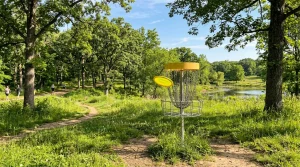
Imagine stepping onto a sunlit course, surrounded by nature, with just a disc in hand and a community of passionate players sharing your enthusiasm. This is the essence of disc golf, a sport that has transformed from a simple backyard pastime into a competitive athletic pursuit enjoyed by millions worldwide. In “How Old Is Disc Golf: Sport Age Timeline,” we’ll unravel the fascinating history of this beloved game, exploring its origins, evolution, and the milestones that shaped its journey over the decades. Whether you’re a newcomer eager to learn the rules or a seasoned competitor seeking to deepen your understanding, this timeline not only honors the roots of disc golf but also enriches your appreciation for its vibrant culture. Delve in to discover how far disc golf has come and where it might be heading next!
The Origins of Disc Golf: A Historical Overview
The world of disc golf has roots that stretch back to the early 1900s, with its origins often traced to casual games involving flying discs. One of the first documented instances of disc golf-like play occurred when children in the 1920s used pie tins as target discs, throwing them at trees or posts in backyards and parks. However, it wasn’t until the late 1960s that the sport began to take a more formal shape. The pivotal moment came in 1968 when a group of University of California, Berkeley students established an event called “Frisbee Golf,” featuring a course throughout the campus that utilized existing landmarks as targets, marking a significant step toward organized play.
By the 1970s, the idea of discipleship in the sport began to flourish. George Sappenfield is credited as one of the first to establish a legitimate set of rules for disc golf, which helped standardize gameplay. In 1975, the first official disc golf tournament took place at Oak Grove Park in Pasadena, California, considered a historic milestone marking the transition of disc golf from informal play to a recognized sport with competitions.
As the sport evolved through the 1980s and 1990s, the establishment of the Professional Disc Golf Association (PDGA) in 1976 further solidified its legitimacy. The PDGA provided a framework for tournament play, rankings, and official rules, and initiated a series of national championships that attracted serious competitors. This growth coincided with the rise of disc technology, with specialized discs becoming available, offering players more control, distance, and accuracy than ever before.
Today, disc golf is enjoyed by millions around the globe. The sport’s inclusive nature, requiring minimal equipment and allowing play in a variety of settings, has led to an explosion in popularity across multiple demographics. Whether played competitively or recreationally, its unique blend of strategy and physical activity continues to capture the hearts of both new enthusiasts and seasoned players alike.
Key Milestones in Disc Golf Development
The journey of disc golf is marked by significant milestones that represent the evolution of this unique sport from informal play to a recognized competitive discipline. One of the earliest pivotal events occurred in 1968 on the campus of the University of California, Berkeley, where a group of students pioneered what they called “Frisbee Golf.” Utilizing existing landmarks as targets, this informal event laid the groundwork for standardized course design and established the concept of dedicated playing fields. This innovation set the stage for greater organizational efforts within the sport.
In the 1970s, the formalization of disc golf gained further momentum with the establishment of the Professional Disc Golf Association (PDGA) in 1976. This organization not only provided a structured framework for tournament play and official rules but also played a crucial role in promoting the sport to a broader audience. The first official tournament, held in 1975 at Oak Grove Park in Pasadena, California, marked a historic moment, transcending casual play and ushering in an era of competitive disc golf. This period saw the introduction of the first national championships, which cultivated a serious competitive environment and drew participants from various regions.
The technological advancements in disc design during the 1980s and 1990s were critical for the sport’s development as well. Manufacturers began producing discs with improved aerodynamics and grip, enabling players to maximize distance and accuracy in their throws. Specialized discs designed for different throwing techniques emerged, further enhancing the strategic aspect of the game. As these innovations continued, disc golf began to attract attention beyond its niche roots, as courses sprouted up in parks and recreational areas, making it accessible to a wider audience.
Today, the sport enjoys mainstream popularity, with millions of players worldwide. The PDGA has grown to include thousands of members and hundreds of sanctioned events annually, reflecting the thriving disc golf community. Moreover, the culture surrounding disc golf emphasizes inclusivity, allowing people of all ages and skill levels to participate. As the sport continues to evolve, staying true to its roots while embracing new challenges and innovations will be essential for its future growth and relevance in the outdoor activity landscape.
Evolution of Disc Golf Equipment and Technology
The journey of disc golf equipment has been as dynamic and transformative as the sport itself. From its humble beginnings with basic flying discs, the technology and design behind the gear have evolved to create a specialized toolkit that enhances both performance and enjoyment for players at every skill level. Today, advanced disc technology enables players to achieve exceptional distance, accuracy, and control, making the game more accessible and competitive than ever before.
Initially, players used simple Frisbees that lacked specific design features. However, as the demand for optimized performance grew, manufacturers began developing discs tailored for various throwing techniques and game scenarios. The introduction of different disc types, such as drivers, midranges, and putters, represents a significant advancement. Each disc is designed with specific weight distributions, rim shapes, and stability ratings that significantly influence how they fly through the air. For instance, drivers are typically made for speed and distance, while putters are designed for precision and control during close-range throws.
Advancements in Materials and Aerodynamics
The 1980s and 1990s saw a revolution in materials used to make discs. Early models were primarily made of plastic that varied in quality, leading to inconsistency in performance. Today’s discs are crafted from high-quality polymers that enhance durability, grip, and aerodynamics. Innovations such as the development of “overmolded” technology, which combines two types of plastic, allow for better control and a more stable flight path. These advancements not only improve the gameplay but also contribute to the longevity of the equipment.
Furthermore, understanding disc flight characteristics has become crucial for players. Modern discs feature finely tuned stability ratings, giving players feedback on how a disc will behave in the air-whether it will hyzer, anhyzer, or maintain a straight line. This knowledge helps players make more informed choices when selecting discs based on their throwing style or the course layout. Many players keep track of their disc statistics to refine their technique and equipment choices, mirroring practices often seen in traditional sports like golf.
Getting Started: Choosing the Right Disc
For newcomers eager to dive into the sport, selecting the right discs is the first step. Here’s a practical guide to help beginners:
- Start with a Midrange Disc: These discs are easier to control and provide a good balance of distance and accuracy.
- Try the Stable Discs: Stable discs are less likely to flip over during throws, making them more forgiving for new players.
- Consider Grip and Comfort: Always hold and test a few discs to see what feels best in your hand before purchasing.
As players grow more experienced, they can expand their collections with different types of discs to suit their playing style and preferences, enhancing their overall game experience. The evolution of disc golf equipment not only reflects the sport’s growth but also continues to foster a community centered around innovation, inclusivity, and shared enthusiasm for this exciting outdoor activity.
Understanding Disc Golf Course Design
Disc golf course design is a crucial element that contributes to the overall experience and challenge of the game. Unlike traditional golf courses, which tend to be more standardized, disc golf courses can vary widely in layout and complexity, reflecting the terrain and natural features of the landscape. A well-designed course takes advantage of these characteristics while integrating various obstacles, such as trees, elevation changes, and water hazards, to create a stimulating and engaging environment for players at all skill levels.
A foundational aspect of course design is the balance between challenge and accessibility. Novice players typically benefit from shorter fairways and larger landing areas, which help build confidence without overwhelming them. More experienced players seek out technical throws and strategic placements, pushing their skills to navigate tight shots and risky putts. A thoughtfully crafted course will offer multiple tee pads and baskets that cater to different skill levels, ensuring that everyone can enjoy the game.
Several design principles can enhance the overall player experience. For instance, clear and concise signage helps direct players to each hole while providing crucial information regarding the course layout and par for each hole. Additionally, maintaining the natural landscape minimizes erosion and environmental impact, preserving the beauty and integrity of the setting. Incorporating tape markings or painted lines to guide players can also be beneficial, especially in complex courses where navigation might otherwise be confusing.
Furthermore, the course’s flow is vital for maintaining an enjoyable pace of play. The layout should allow for easy access between holes, avoiding unnecessary backtracking, and ensuring that players can seamlessly move from one hole to the next while minimizing congestion. Incorporating strategic rest areas can also enhance the experience, offering players a chance to regroup and hydrate, especially on longer and more challenging courses.
Designers interested in creating or enhancing a disc golf course should engage with the local disc golf community to gather input and feedback. Local players often have valuable insights regarding desired features and trouble spots, and this collaboration can lead to a course that better meets the needs of its users. By focusing on accessibility, challenge, environmental stewardship, and community involvement, a disc golf course can become a cherished destination that welcomes players and fosters a love for the sport.
The Growth of Disc Golf Tournaments
The rise of disc golf tournaments has played a pivotal role in transforming this once-niche sport into a global phenomenon. In the early days, informal gatherings in parks and backyards set the foundation, but as interest grew, so did the organization of events. The first official tournament, held in 1979 in California, attracted just a handful of enthusiastic participants. Fast forward to today, and you’ll find thousands of tournaments occurring annually around the world, from local league play to international championships.
This expansion is not just a testament to the sport’s growing popularity but also highlights the increasing professionalism within the disc golf community. Tournaments now cater to all skill levels, with divisions for amateurs and professionals, ensuring that everyone has a chance to compete. Players can select from a variety of formats, including singles, doubles, and team competitions, which keeps the competitive scene fresh and engaging. Furthermore, the introduction of series like the Disc Golf Pro Tour has streamlined competition at the highest level, offering players a structured path to showcase their skills and compete for substantial prizes.
Key Features of Disc Golf Tournaments
- Diverse Competition Formats: Tournaments often feature various formats, such as stroke play and match play, appealing to different player preferences.
- Inclusivity: Modern tournaments promote inclusivity, with divisions for women, juniors, and mixed-gender teams, encouraging a diverse participant pool.
- Community Engagement: Local organizations frequently host tournaments, fostering community spirit and promoting the sport at grassroots levels.
The evolution of tournament play has also seen significant advancements in technology and media coverage. The growth of live streaming and professional commentary has brought disc golf into the living rooms of fans worldwide, increasing visibility and attracting sponsorships from major brands. These elements have helped legitimize disc golf as an athletic pursuit, and many professional players now enjoy lucrative careers in the sport, further inspiring the next generation of competitors.
As tournaments continue to proliferate, they serve not only as a platform for competition but also as a celebration of community and camaraderie. Players often describe the atmosphere at these events as uniquely supportive, where seasoned pros can share tips with newcomers, and friendships blossom over a shared love for the game. This blend of competition and community spirit is what sets disc golf tournaments apart and will undoubtedly contribute to the sport’s enduring growth and appeal.
Notable Disc Golf Players Who Shaped the Sport
Many notable players have left an indelible mark on the landscape of disc golf, elevating the sport through their extraordinary skills and passionate contributions. Among them, Ken Climo, often referred to as “The Champ,” is considered one of the greatest players in disc golf history. With a record of 12 PDGA World Championship titles, Climo’s dominance in the 90s and early 2000s set a high standard for excellence and professionalism in the sport. His approach to the game, both in technique and mental strategy, continues to inspire new and seasoned players alike.
Another influential figure is Paul McBeth, who has redefined the modern era of disc golf with his rigorous training regimen, competitive spirit, and significant sponsorship deals. Since turning professional, McBeth has accumulated numerous championships, including five PDGA World Championships. His recent multi-million dollar contract highlights the increasing commercial appeal of the sport, showcasing how top players can achieve financial success through their talents. McBeth’s influence extends beyond the course; he actively engages with fans and promotes the sport through social media, helping to grow the disc golf community worldwide.
Valarie Jenkins, a trailblazer in women’s disc golf, has also played a vital role in the sport’s development. As a four-time World Champion, Jenkins has advocated for gender equality in disc golf and organized initiatives to increase participation among women and young girls. Her commitment to providing opportunities for female athletes has inspired a generation, promoting inclusivity and diversity within the sport. Jenkins’ efforts underscore the importance of community and support in encouraging all players to thrive, irrespective of their background.
The legacies of these players are not only measured in titles and records but also in their roles as ambassadors for disc golf. They have fostered a culture of camaraderie and respect, emphasizing the sport’s core values. As new players enter the scene, the inspirational journeys of these disc golf legends continue to motivate them, shaping the future of the sport and ensuring its growth and outreach.
Through competitions and shared experiences, the influence of these remarkable athletes echoes as they pave the way for the next generation of disc golfers. Their contributions showcase how the sport has matured over the years and highlight the communal spirit that defines disc golf today.
Cultural Impact of Disc Golf Worldwide
Disc golf has transcended its origins as a backyard pastime to become a global phenomenon, weaving itself into the fabric of cultures around the world. As a sport that promotes inclusivity, sustainability, and community engagement, it has fostered connections in parks, schools, and public spaces, where players of all ages gather to enjoy the great outdoors. The accessibility of disc golf-needing just a disc and a course-makes it an appealing option for many. This simplicity not only attracts first-timers but also strengthens bonds within existing communities, making it a significant vehicle for social interaction and physical health.
In various countries, disc golf has become a tool for encouraging outdoor activity and environmental awareness. For instance, in Scandinavian countries, local governments often support disc golf initiatives as a way to enhance public spaces, leading to increased foot traffic in parks and natural areas. Moreover, disc golf tournaments, ranging from local competitions to world championships, create a vibrant atmosphere that brings together diverse participants, fostering a sense of camaraderie and shared excitement. Events like the PDGA World Championships serve not only as competitive showcases but also as festivals that celebrate disc golf culture, complete with vendor booths and community activities.
Furthermore, the sport’s representation in popular culture is steadily rising. Documentaries, social media influencers, and online content highlight the dynamic elements of disc golf, from throwing techniques to mental strategies needed for the game. This exposure demystifies the sport for newcomers while bringing excitement to seasoned players. The formation of clubs and organizations, particularly those focused on youth development and women’s participation, showcases disc golf’s commitment to inclusivity and community growth.
Ultimately, the is profound. It champions not only an active lifestyle but also a spirit of unity, pushing the narrative that sports can be both competitive and inclusive. As more people discover the joys of disc golf, its influence on community building and environmental respect continues to grow, solidifying its place in the global sporting landscape.
The Role of Disc Golf in Promoting Outdoor Activity
Engaging with nature is one of the greatest joys of disc golf, and its rise as a beloved outdoor activity is a testament to that connection. Originating in the 1970s, disc golf has evolved into a sport that not only showcases athletic skills but also emphasizes the importance of outdoor spaces and community connectivity. The simplicity of the sport-a disc, a course, and the great outdoors-encourages players of all ages to step outside, breathe fresh air, and enjoy physical activity in natural settings.
Expanding on this, the influence of disc golf on outdoor activity is profound. Courses are often laid out in scenic parks or nature reserves, promoting environmental appreciation and stewardship among players. For instance, local governments in countries like Sweden and Finland actively support disc golf, recognizing it as a way to enhance public engagement with green spaces. Such initiatives boost foot traffic in these areas, allowing communities to appreciate and maintain their natural environments. By engaging with the land where they play, players cultivate a deeper awareness of ecological issues and encourage sustainable practices.
Community Integration
Moreover, disc golf serves as a community-building tool, drawing individuals from various backgrounds together. Local tournaments, leagues, and casual play create a vibrant social scene where newcomers are always welcomed. These gatherings not only promote physical health through active participation but also foster friendships and relationships that extend beyond the game itself. The community-oriented nature of disc golf events often includes family-friendly activities and educational workshops that highlight both sporting skills and environmental sustainability.
Additionally, learning to play can be straightforward and accessible, making it an excellent entry point for those looking to integrate outdoor activities into their lifestyles. Those interested can start with basic purchasing decisions, such as selecting the right discs and familiarizing themselves with simple techniques. As they grow in their understanding of disc flight characteristics and mechanics, players can find joy not just in competition but in the sheer pleasure of navigating unique courses amidst beautiful landscapes.
The embrace of disc golf worldwide exemplifies its role in not only promoting physical activity but also fostering a culture of inclusivity and respect for nature. As the sport continues to grow in popularity, it remains a catalyst for inspiring individuals and communities to engage more deeply with their outdoor surroundings-making every round a celebration of both athleticism and the environment.
Future Trends: What’s Next for Disc Golf?
The future of disc golf looks bright as it continues to gain worldwide popularity, driven by innovation, community engagement, and increased visibility in mainstream sports. As more people seek outdoor activities that combine exercise with social interaction, disc golf is uniquely positioned to appeal to a diverse audience. Whether you’re a newcomer or a seasoned competitor, the coming years are set to bring remarkable advancements that will transform the way the sport is played, marketed, and enjoyed.
One major trend is the integration of technology into gameplay and tournament organization. The rise of apps for tracking scores, finding local courses, and connecting with fellow enthusiasts is just the beginning. Hardware advancements, such as GPS tracking for disc flights, are enhancing training methods and providing players with data analytics that improve their skills over time. Furthermore, virtual reality (VR) and augmented reality (AR) are emerging as new tools for practice and engagement, making the sport more accessible for those unable to play in traditional formats.
The expansion of disc golf courses is another critical area of growth. Communities are increasingly recognizing the benefits of adding disc golf to parks and recreational areas. This not only appeals to local residents but also attracts tourism, boosting local economies. Collaboration between professional associations and municipalities can lead to the development of championship-quality courses that will host regional or national tournaments, further elevating the profile of the sport.
Moreover, youth initiatives are playing a pivotal role in shaping the future of disc golf. Schools and community programs are incorporating disc golf into physical education curricula, fostering a new generation of players who appreciate both the sport and the environmental stewardship it promotes. Tournaments specifically designed for youth are emerging, giving younger players the chance to compete and learn. This early engagement helps to build a solid foundation for the future of disc golf as a recognized and respected sport.
As disc golf continues to evolve, sustainability will remain a core focus. Courses are being designed with ecological mindfulness, employing techniques that minimize environmental impact while enhancing scenic beauty. This commitment to sustainability will not only attract environmentally-conscious players but also encourage newcomers to appreciate the natural aspects of the sport.
The vibrant community surrounding disc golf, characterized by inclusiveness and shared experiences, is likely to deepen as more people discover the joys of the game. The sport’s ability to bring together individuals from all walks of life fosters a unique culture that celebrates athleticism and camaraderie. Disc golf’s trajectory suggests that it will not only grow as a competitive sport but will also serve as a platform for community connection and environmental awareness, ultimately solidifying its place in the recreational landscape.
Disc Golf Communities and Their Contributions
In the world of disc golf, the community plays an instrumental role in the sport’s growth and development, acting as a linchpin that connects players, advocates, and new enthusiasts from all backgrounds. Local clubs and organizations are often the first point of contact for individuals looking to get involved. These groups typically host weekly leagues, tournaments, and social events that not only foster connections among players but also contribute to the sport’s local and national recognition. By organizing charity events or community outreach programs, these clubs also emphasize the importance of giving back, showcasing the communal spirit that defines disc golf.
Moreover, the passion for the sport is palpable in online forums, social media groups, and websites dedicated to sharing tips, techniques, and personal stories. These platforms create a welcoming environment where players can discuss everything from throwing techniques and disc selections to course design and maintenance. As a result, newcomers can easily find a wealth of knowledge, ensuring they feel integrated and supported as they embark on their disc golf journey. Experienced players often share insights based on their own competitive experiences, thus contributing to a culture of mentorship and learning.
Impact on Accessibility
One significant contribution from disc golf communities is their focus on accessibility. Many clubs prioritize the development of courses that cater to various skill levels and physical abilities. Collaborations with local governments and environmental organizations have led to the establishment of ADA-compliant courses, ensuring that everyone can enjoy the sport regardless of their physical limitations. This attention to inclusivity not only broadens the player base but also aligns with the sport’s ethos of being accessible and welcoming.
Nurturing Young Talent
The commitment to nurturing talent also extends to youth involvement. Many clubs have implemented junior disc golf programs that introduce children to the sport through fun, engaging activities. These initiatives often include clinics led by skilled players who teach fundamental skills and highlight the benefits of outdoor activity. By fostering a love for disc golf at a young age, these programs ensure that the sport continues to thrive for future generations.
The dedication and enthusiasm of disc golf communities have a ripple effect that enhances the overall growth of the sport. As these communities expand their influence and accessibility, they not only enrich the lives of individual players but also contribute to a robust, vibrant culture that celebrates competition, camaraderie, and the great outdoors. Through their efforts, disc golf is more than just a game; it’s a movement that emphasizes inclusivity, community, and the joy of being active.
How to Get Started with Disc Golf Today
Starting your journey in disc golf can be an exciting and fulfilling endeavor, especially given its rapid growth and welcoming community. Did you know that disc golf is played in over 50 countries, and its appeal spans from casual players to elite athletes? This dynamic sport requires minimal investment to get started, making it accessible for everyone. If you’re looking to dive into the world of disc golf, here’s how to begin.
First, familiarize yourself with the basic equipment. At its core, all you need is a disc, and it is typically advisable to start with three types: a driver for long-distance throws, a mid-range disc for versatility, and a putter for those crucial final throws into the basket. Disc manufacturers often have beginner packs that provide a thoughtful selection of these discs, tailored for new players. Look for brands that offer discs made from durable plastic but are lighter and easier to handle, perfect for your initial throws.
- Driver: Best for long throws.
- Mid-range: Great for accuracy and versatility.
- Putter: Ideal for shorter, more controlled shots.
Next, seek out a local disc golf course. Many parks have established courses that are open to the public, and you can often find a course map online. Playing on a variety of courses allows you to develop your skills across different challenges, from wooded areas to open fields. Don’t hesitate to join a local club or attend “Meet-ups” organized by seasoned players. These events not only foster a community but also provide invaluable hands-on learning and mentorship from more experienced players.
When it comes to technique, mastering the fundamentals can enhance your experience greatly. Focus on the grip, stance, and throw mechanics of the disc. A simple three-step technique involves gripping the disc firmly, positioning yourself with your feet shoulder-width apart, and releasing the disc at a smooth, controlled angle. As you progress, you can dive deeper into advanced techniques like hyzer, anhyzer, and flat throws. Watching tutorials online can also provide you with visual guidance to help refine your skills.
Participating in local tournaments, even as a spectator, can be an inspiring way to understand competition and sportsmanship within disc golf. You’ll witness firsthand the strategies top players use and can glean tips from watching their performances. Engaging with fellow enthusiasts during tournaments can further enrich your appreciation for the sport.
Embarking on your disc golf journey does not merely introduce you to a new hobby; it connects you to a vibrant community and a range of outdoor activities, all while embracing the chance to compete and grow your skills. With commitment and practice, you can enjoy a fulfilling experience that echoes the sport’s rich history and its exciting future.
Comparative Analysis: Disc Golf vs. Traditional Golf
When comparing disc golf with traditional golf, one of the most captivating aspects is how both sports offer unique experiences while sharing fundamental similarities. Although disc golf has a shorter history-having gained popularity in the late 1970s compared to traditional golf’s origins in the 15th century-their respective cultures and communities reflect a dynamic engagement with sporting traditions. For newcomers, understanding these differences can illuminate not only the games themselves but also the camaraderie found in each.
In disc golf, players navigate a series of holes similar to traditional golf, yet the equipment used significantly alters the play style and strategy. Instead of clubs and balls, players throw a specially designed disc towards a target basket. The variety of discs-drivers, mid-range, and putters-can impact gameplay, as each type of disc is engineered for different distances and flight characteristics. This reliance on skillful throwing techniques allows players to have immediate control over their shots, with techniques ranging from the basic forehand and backhand throws to more advanced methods like hyzer and anhyzer angles.
The course layouts further differentiate the two sports. While traditional golf courses often consist of manicured fairways and greens, disc golf courses can vary widely, blending into natural outdoor spaces that may include wooded areas, elevation changes, and rugged terrain. This diversity not only challenges players with different shot selection but also enhances the outdoor experience, attracting nature enthusiasts alongside competitive players. For instance, a course like Wondervu DGC in Colorado presents a densely wooded layout that’s challenging yet rewarding, emphasizing how environmental factors play a crucial role in gameplay while fostering a strong community spirit amongst players.
Moreover, the economic accessibility of disc golf stands out in comparison to traditional golf. Playing disc golf generally incurs minimal costs-often just a small fee for course access-making it an inviting sport for people of all backgrounds. Thus, women and men, young and old, can easily participate without extensive financial investment in memberships or equipment. Coupled with public courses often found in parks, this encourages a welcoming atmosphere where casual play meets competitiveness. Local clubs and tournaments foster community-building opportunities, showcasing athletes at all levels, and further legitimizing disc golf’s status as a respected athletic pursuit.
Overall, while both disc golf and traditional golf share fundamental elements, their diverging paths create distinct experiences that resonate with diverse audiences. Whether it’s the community-driven nature of disc golf or the heritage steeped in traditional golf, both sports offer paths for connection, competition, and personal growth in the great outdoors.
Frequently asked questions
Q: How did disc golf originate?
A: Disc golf originated in the 1960s when players began using flying discs to play a course of targets, inspired by traditional golf. The modern sport’s foundation was laid by George Sappenfield and the creation of the first disc golf course in California, marking the early days of what would become a popular outdoor activity.
Q: When was the first disc golf tournament held?
A: The first organized disc golf tournament was held in 1975, known as the “West Coast Disc Golf Championships.” This event helped formalize the competitive nature of the sport and attracted more players, fostering community engagement and interest, which continues to grow today.
Q: Who are the pioneers of disc golf?
A: Pioneers of disc golf include George Sappenfield, who helped develop the first courses, and players like Ed Headrick, dubbed the “Father of Disc Golf,” who created many aspects of the game, including standardized disc designs and rules, significantly influencing its evolution.
Q: What major milestones has disc golf achieved over the years?
A: Major milestones in disc golf include the establishment of the Professional Disc Golf Association (PDGA) in 1976, the introduction of professional tours, and the significant rise in participation and professional sponsorships throughout the 2000s, showcasing its development as a respected sport.
Q: How has disc golf equipment evolved?
A: Disc golf equipment has evolved from simple plastic discs to specialized discs designed with specific flight patterns and weights. Innovations include various materials for durability and performance, leading to an expanding range of discs used for drives, approaches, and putting.
Q: Where can I find disc golf courses?
A: Disc golf courses can be found in parks, recreational areas, and dedicated facilities around the globe. Use resources like UDisc or the PDGA’s course directory to find local courses, including their layouts and reviews, catering to all skill levels.
Q: Why is disc golf popular?
A: Disc golf’s popularity stems from its accessibility, affordability, and the sense of community it fosters. With minimal equipment needed-just a few discs-and the ability to play in natural outdoor settings, it appeals to a wide audience, from families to competitive athletes.
Q: What future trends are shaping disc golf?
A: Future trends in disc golf include increased sponsorship and media coverage, the growth of youth programs, and technological advancements in equipment. These trends are likely to enhance player experiences and expand the sport’s reach, ensuring a continuous evolution.
In Conclusion
As we explore the rich history of disc golf, it’s clear that this sport has evolved tremendously over the years, fostering a passionate community that celebrates its roots while looking to the future. If you’re inspired by what you’ve learned and eager to dive deeper, consider exploring our detailed guides on disc flight characteristics and throwing mechanics or check out our comparative reviews of the latest disc golf equipment.
Now is the perfect time to join the vibrant disc golf community-whether you’re a beginner looking to play your first round or an experienced player aiming to refine your technique. Don’t miss out on our newsletter where you can receive updates on tournaments, tips, and equipment drops right in your inbox! Share your experiences in the comments below and let us know about your favorite disc golf moments. Together, let’s keep the momentum going in a sport that continues to grow, innovate, and inspire!
Get our latest guides, news, and insights highlighted in your Google Search & AI Overviews.