Understanding the acreage requirements for land courses is essential for any aspiring developer or land investor. Did you know that choosing the right size and layout can significantly influence not only the project’s success but also its potential return on investment? Whether you’re looking to build a recreational space, residential area, or commercial property, knowing how to determine the right acreage is crucial. This guide will walk you through the various factors affecting acreage needs, such as zoning regulations, environmental considerations, and market trends. By acknowledging these key aspects, you’ll not only alleviate common concerns but also set the stage for successful land development. So, let’s dive in and equip you with the knowledge necessary to make informed decisions on your land projects!
Understanding Acreage Requirements for Disc Golf Courses
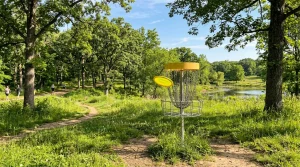
Understanding the precise acreage needed for a disc golf course is fundamental for anyone involved in course design and development. With courses ranging from simple six-hole layouts to comprehensive 18-hole fields, the land requirements can vary significantly based on several factors. Typically, a pro-level layout necessitates between 1 to 5 acres per hole, influenced heavily by the terrain’s topography, density of trees, and the desired difficulty level. For instance, an average wooded course might require around 25 acres to accommodate 18 holes effectively, as described in various resources from the disc golf community [[3]].
The accessibility of the land and its integration within an existing park or community space can also shape the course’s design strategy. Recognizing that existing parks can have as few as six holes while still providing an engaging experience underscores the possibility of maximizing utility from limited space [[2]]. This flexibility in design not only caters to different levels of competition and recreational play but also fosters community participation and engagement with the sport.
As you navigate the complexities of course design, it’s important to assess environmental considerations such as wildlife and natural terrain. The interplay between the course layout and its natural surroundings can enhance the player experience while minimizing ecological impact. Understanding these factors will ensure that your disc golf course not only meets the gameplay needs but also respects and incorporates the local environment, paving the way for both enjoyment and sustainability in this growing sport.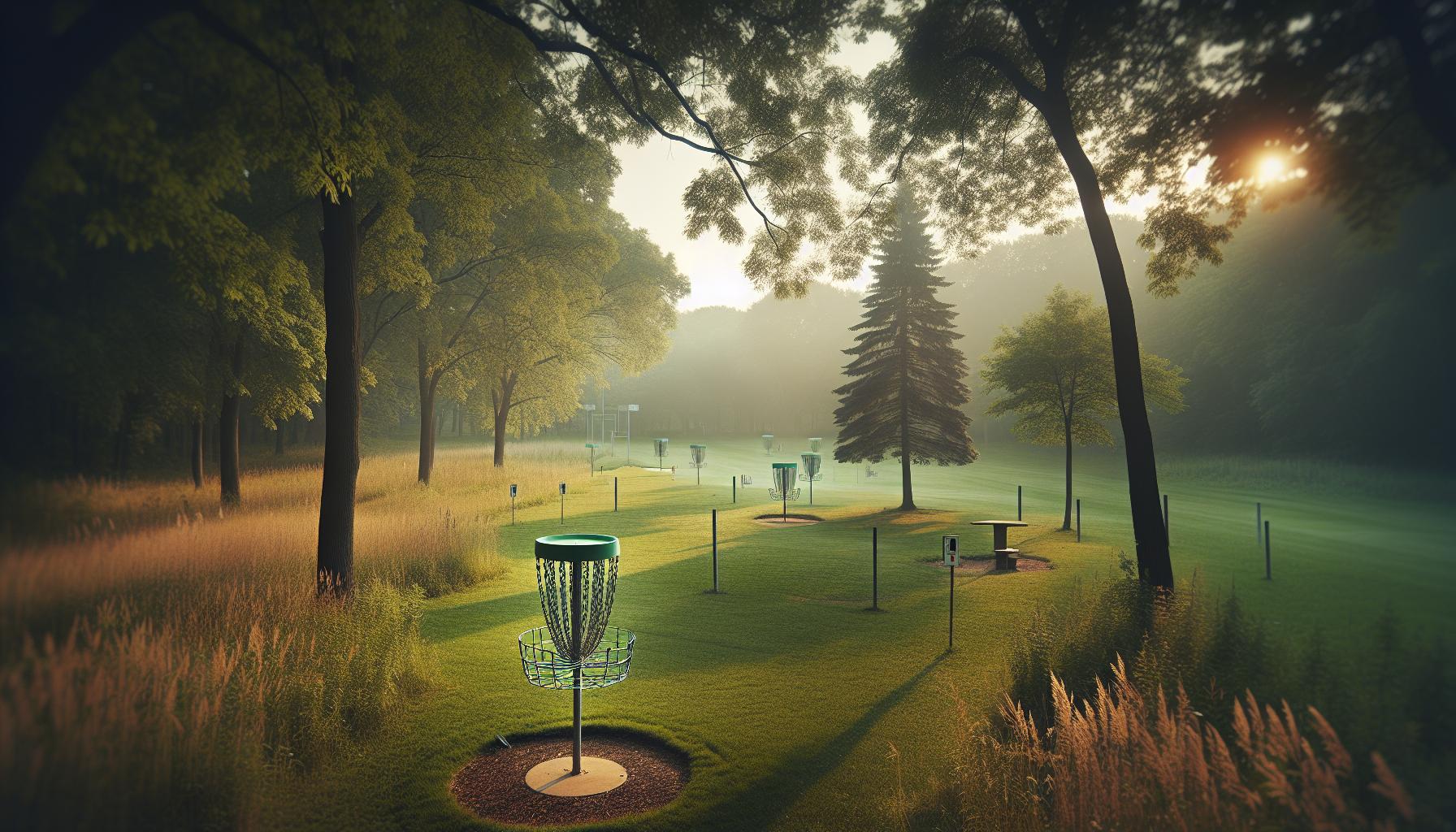
Essential Factors Influencing Course Design
Designing a disc golf course is as much an art as it is a science, and several key factors come into play that can shape the overall experience for players. One of the most influential elements is the layout’s adaptability to the natural terrain. For example, incorporating existing features like trees, elevation changes, and natural water hazards not only adds difficulty but also enhances the beauty of the course. Courses that leverage these natural assets are often more appealing and enjoyable to navigate, significantly boosting player satisfaction.
Additionally, target demographics and intended use dramatically influence course design. A recreational course aimed at families might prioritize shorter holes and easy navigation, encouraging newer players to engage with the sport. In contrast, a championship-level course demands a more nuanced approach, requiring longer holes and strategically placed obstacles to challenge even the most skilled players. Understanding the players’ skill levels and needs informs decisions about hole placement, obstacle creation, and overall course layout to ensure an engaging experience for all.
Design Considerations
When evaluating potential disc golf sites, several practical components should also be considered:
- Safety: The course should be designed with player safety in mind, ensuring that fairways do not overlap and that busy areas are avoided.
- Accessibility: Easy access to the course can promote greater community engagement. Consideration should be given to parking, walkability, and proximity to public transport.
- Environmental Impact: Maintaining ecological balance while constructing the course is crucial. This includes minimizing disruption to local wildlife and preserving native vegetation.
Ultimately, successful courses instill a sense of place and belonging, encouraging a vibrant community of players who share a passion for the sport. Engaging with local disc golf organizations during the design process can yield valuable insights, ensuring that the course not only meets technical standards but also fosters local enthusiasm and participation. By embracing these fundamental factors, course designers can create spaces where players, both new and seasoned, can thrive and enjoy the sport.
Calculating the Ideal Acreage for Various Course Types
Calculating the appropriate acreage for a disc golf course can be a nuanced process, influenced by factors such as the course’s intended skill level, the natural landscape, and the overall design goals. Key to this determination is understanding that not all courses require the same amount of land. A basic 9-hole recreational course might only need about two acres, while a championship-level 18-hole course typically requires around 25 acres or more, depending on the layout and features incorporated into the design. With careful planning, designers can effectively utilize available land while enhancing the play experience.
One major consideration is the type of course being envisioned. For instance, beginner-friendly courses designed to introduce newcomers to the sport can be shorter and require less space. These courses often emphasize straightforward paths and minimal obstacles, making them more approachable for families and casual players. Conversely, advanced courses aimed at seasoned players may involve more complex layouts with strategically placed obstacles, elevation changes, and unique terrain features. This complexity necessitates a more substantial acreage to maintain adequate spacing and safety between fairways and other course elements.
Environmental considerations also play a significant role in determining the ideal acreage. Designers should assess the natural terrain for its capacity to accommodate the course without significant disruption to local ecosystems. For example, wooded areas can provide natural obstacles and scenic views, yet careful mapping is essential to ensure that the course layout respects wildlife habitats and minimizes ecological impact. Incorporating natural features not only enriches the playing experience but also helps reduce the need for extensive land modifications.
Ultimately, the successful design of a disc golf course hinges on understanding these variables and matching them with the community’s needs and the sport’s growth. Engaging with local players and organizations during the planning phase can provide valuable insights on what participants expect from a course, helping to strike the right balance between challenge, accessibility, and enjoyment. By thoughtfully calculating and planning for acreage, course designers can create a compelling and sustainable environment that fosters a love for disc golf for years to come.
Key Zoning and Land Use Regulations to Consider
Navigating the complexities of zoning and land use regulations can be a formidable challenge for those venturing into the world of disc golf course development. Understanding these regulations is crucial not only for compliance but also for optimizing the potential of your chosen land. Each municipality sets its own guidelines concerning land use, often dictating the types of activities that can occur on specific parcels of land. Before even considering course design, developers must engage with local planning departments to clarify any restrictions or permissions needed.
One essential step is to identify the zoning classification of your property. Zoning laws vary extensively; some areas might be designated for recreational use, making them ideal for disc golf courses, while others may strictly limit recreational activities. When reviewing zoning classifications, consider the following factors:
- Permitted Uses: Ensure that disc golf falls within acceptable land uses. Some areas may allow parks but restrict specific recreational activities.
- Setback Requirements: Local regulations often stipulate distances that must be maintained from property lines, roads, and other structures. Understanding these setbacks is vital for planning your course layout effectively.
- Land Use Permits: Investigate the need for special land use permits or variances, especially if your proposed course includes amenities like restrooms or parking facilities.
Moreover, it’s important to consider any environmental impacts highlighted in local land use regulations. Many jurisdictions require an environmental assessment when developing recreational spaces, particularly if you plan to alter natural terrain or habitats. Engaging with environmental specialists can help mitigate issues related to wildlife preservation and natural resource management, ensuring that the course supports both play and ecological balance.
As an example, some successful disc golf courses have been developed in urban parks where zoning regulations supported multi-use recreational space. These courses not only enhanced community engagement but also complied with environmental guidelines, often incorporating native flora and respecting local wildlife habitats. Engaging community stakeholders during the planning process can foster support and ensure that the course aligns with both zoning laws and community interests. This collaborative approach helps legitimize disc golf as a respected recreational activity, balancing enjoyment for players with adherence to regulatory requirements.
Environmental Considerations: Terrain and Wildlife Impact
The establishment of a disc golf course goes beyond just layout and design; it requires a meticulous consideration of the surrounding terrain and the impact on local wildlife. Selecting the right location not only enhances the playability of the course but also ensures that environmental integrity is respected. The diversity of natural landscapes-from wooded areas to open fields-can be harnessed to create unique challenges for players while providing habitats for local fauna.
Understanding the terrain is crucial in determining how to shape fairways and placing teepads and baskets. Flat, open areas might allow for longer holes, while hilly or uneven terrain can introduce complexity, requiring players to adapt their strategies. Additionally, incorporating natural features like streams, large trees, or elevation changes can not only beautify the course but also create natural obstacles that keep the game engaging. Thorough site analysis, including soil type and drainage patterns, is essential to avoid future maintenance challenges and to facilitate wildlife-friendly practices.
Wildlife impact considerations are paramount when planning a course. It is important to conduct an environmental assessment to identify any endangered species or significant habitats present on the land. Building courses in ways that minimize disruption to local ecosystems can foster a harmonious relationship between disc golf enthusiasts and nature. For instance, strategically placing baskets away from nesting sites or migrating paths mitigates disturbances while promoting biodiversity. Engaging with environmental specialists during the planning phase can lead to valuable insights that align course design with ecological preservation efforts.
By respecting the natural environment and its inhabitants, disc golf course developers not only contribute to the sustainability of the sport but also enhance the experience for all players. Courses that celebrate their natural surroundings can attract more players and foster community support, further legitimizing disc golf as a recreational and competitive sport. Additionally, incorporating educational signage about local flora and fauna throughout the course can enrich visitor experience and promote awareness about environmental stewardship.
Maximizing Space: Innovative Course Layout Techniques
Creating an engaging disc golf course on limited acreage can be a thrilling challenge, full of creative possibilities. Innovative layout techniques not only maximize the use of available space but also enhance the playing experience by introducing diverse and stimulating challenges for players. By carefully planning the course design, developers can turn even small plots of land into exciting disc golf destinations.
One effective approach is to integrate dual-use features into your design. Incorporating shorter holes that can be played in both directions allows for more playability without requiring extensive land. For instance, a thoughtfully designed 9-hole layout can be placed on as little as 5 acres by using shared fairways or baskets that players can approach from different angles. This not only optimizes the space but also keeps gameplay dynamic and engaging.
Utilizing vertical space is another technique to consider. Elevation changes can be captivating elements in a course. For example, placing baskets on hillsides while keeping teepads at varying elevations can create interesting shot selections that challenge players’ skills and enhance the visual appeal of the course. This method is especially beneficial in wooded areas where terrain variations provide natural obstacles, allowing for creative hole designs that don’t require extensive horizontal space.
Moreover, clever placement of obstacles such as trees, water hazards, or strategically placed benches can guide the flow of play while designating areas for rest and spectators. Thoughtful incorporation of these features ensures that every part of the land is used effectively, fostering an inclusive atmosphere for casual players and serious competitors alike. By respecting the natural landscape and leveraging its characteristics, course designers can create a space that feels expansive despite its smaller footprint.
Implementing these innovative layout techniques not only enhances the enjoyment and challenge of disc golf but also contributes to the sport’s growth within communities. Courses that prioritize creative use of space can attract diverse players, encouraging participation and building a loyal following. Ultimately, maximizing acreage through strategic design reflects the thriving spirit of disc golf as an accessible and engaging athletic pursuit.
Cost Analysis: Budgeting for Land Acquisition and Development
Budgets can make or break a disc golf course project, especially when it comes to land acquisition and development. Knowing the costs involved helps to create a sustainable plan that aligns with fundraising capabilities and community interest. Typically, prices vary widely depending on location, with rural areas showing potential for lower land costs compared to urban settings, where real estate can be a significant barrier.
When budgeting for a disc golf course, a few key areas should be considered:
- Land Cost: This is often the largest single expense. In some areas, land prices can range from $1,000 to over $50,000 per acre, so thorough research into local real estate is essential.
- Course Design: Hiring professional designers can enhance the course’s effectiveness and appeal, ranging from $1,500 to $15,000 based on the complexity of the layout.
- Equipment and Installation: The cost of baskets, tees, and signage should be included too. A single basket can cost around $300 to $600, and a standard 18-hole course may need about 18 baskets alongside installation fees, which can add several thousand dollars to the budget.
- Maintenance and Upkeep: Ongoing costs need to be factored in too. Regular maintenance can require a budget of approximately $1,000 to $5,000 annually, depending on course size and local climate conditions.
It’s crucial to balance these elements to construct a course that meets both community needs and initial budgeting constraints. To maximize funding opportunities, consider local partnerships, grants, and fundraising events that can offset costs significantly. Communities that actively engage potential players and local businesses can help build a support network, easing financial strains and promoting ongoing investment in the course.
Lastly, always remember contingency planning. Unforeseen expenses may arise during development, such as land clearing or water drainage solutions, which can require additional funds. Setting aside around 10-15% of the total budget as a buffer will help to navigate these surprises effectively while ensuring the project maintains momentum toward completion.
Assessing Accessibility and Safety in Course Locations
When developing a disc golf course, ensuring that it is accessible and safe for all participants is critical to its success. An ideal course must cater to players of varying skill levels and accommodate differing physical abilities. This means considering factors such as location, terrain, and nearby amenities to enhance the overall experience.
Accessibility starts with appropriate site selection. Choose locations that are easy to reach by foot, bicycle, or public transportation, particularly in urban areas where access can be more challenging. Look for existing pathways or parking facilities that can be utilized. The course layout should include clear signage and pathways that guide players safely to each hole while minimizing obstacles. Incorporating features such as benches at strategic points can also provide resting spots for players, making the course more inviting.
Safety is paramount; the design should account for potential hazards both on and around the course. This includes avoiding areas where players might throw into nearby roads or other populated areas and ensuring that high-risk areas-like steep hills or water features-are clearly marked and managed. Regular maintenance is essential not only for aesthetics but also for safety-overgrown foliage can obscure hazards and encourage pest issues, while well-maintained paths reduce trip risks. Furthermore, having a responsible drainage system helps to prevent muddy conditions that could cause injuries.
By merging thoughtful accessibility with rigorous safety measures, disc golf courses can provide a welcoming atmosphere that encourages participation while sustaining the sport’s competitive spirit. This commitment to inclusivity not only promotes healthy community engagement but also builds a positive reputation for disc golf as a legitimate athletic pursuit.
Comparative Analysis: Urban vs. Rural Course Locations
In the world of disc golf, the choice between urban and rural course locations can significantly influence the overall experience for players and the course’s success. Each environment presents distinct advantages and challenges that impact everything from course design to accessibility.
Urban courses typically capitalize on the proximity of players to the course. This accessibility can lead to higher traffic and a vibrant community atmosphere, especially if the course is integrated into parks or recreational areas frequented by residents. However, finding suitable acreage can be a challenge in densely populated areas, often requiring innovative design solutions to fit a course into limited space. Courses in urban settings often need to be compact, making use of vertical elements and tight layouts to maximize the playability while ensuring safety from surrounding hazards, such as roads or buildings. Courses might require careful navigation around existing infrastructure, necessitating unique hole designs that can enhance both the player’s skill and the neighborhood’s charm.
Conversely, rural locations often boast larger expanses of land, allowing for longer and more complex hole designs. With the potential for expansive fairways, natural obstacles, and diverse topography, rural courses can offer a more immersive experience in nature. The challenges in rural areas often revolve around land use and community engagement; rural courses might face opposition due to concerns about ecological impact or land preservation. Additionally, accessibility can be a drawback, as potential players may need to travel greater distances, which can impact participation rates. To overcome this, proponents of rural disc golf courses can emphasize the unique appeal of natural aesthetics and the recreational benefits of outdoor activities in quieter, less commercialized settings.
In summary, the decision to place a disc golf course in an urban versus a rural location hinges on balancing accessibility, land availability, and community support. Each environment demands a tailored approach to course design and marketing strategies, showcasing the unique attributes that make disc golf a beloved sport in different settings. Ultimately, whether in the bustling heart of a city or in the serene vastness of the countryside, a well-designed course can foster a sense of community, inviting both newcomers and experienced players to engage in the sport’s rich, competitive spirit.
Community Engagement: Gaining Support for Course Development
Engaging the community is crucial for the successful development of disc golf courses, as public support can significantly impact funding, usage, and long-term sustainability. The charm of disc golf lies not just in the game itself but in its ability to bring people together. To foster this sense of community, initiators must adopt strategies that emphasize transparency, collaboration, and shared benefits.
One effective approach is to hold informational meetings and workshops that welcome local residents. These gatherings can provide insights into the benefits of disc golf, such as promoting outdoor activity, enhancing local parks, and encouraging family-friendly recreation. During these sessions, it’s vital to address any concerns about course design or environmental impact, as these can be significant factors for community members. Sharing successful case studies from other regions can help alleviate fears, illustrating how disc golf courses have positively transformed spaces and fostered community pride [2].
Creating partnerships with local organizations, schools, and recreational clubs can enhance community engagement. By coordinating with schools, programs can be developed that introduce youth to disc golf, instilling skills and fostering a lifelong love for the sport. Such collaborations not only increase exposure but can also lead to volunteer support for course maintenance and events, ultimately enriching the community connection to the course. Leveraging these partnerships can create a sense of ownership among community members, making them more likely to advocate for the project.
Moreover, it’s essential to highlight the inclusive nature of disc golf. This sport can be enjoyed by people of all ages and skill levels, making it an inviting activity. Emphasizing inclusivity in outreach helps attract a diverse range of participants, from competitive players to families looking for recreational activities. Workshops and clinics can be organized to provide guidance on playing techniques and equipment use, ensuring everyone feels welcome and knowledgeable before hitting the course.
By implementing these community engagement strategies, disc golf course developers can build a solid foundation of support that not only enhances the course’s success but also creates lasting connections among players and their communities. Ultimately, a well-supported disc golf course serves as more than just a recreational area; it becomes a hub for social interaction and community pride, reflecting the sport’s unique ability to unite individuals across various backgrounds and interests.
Case Studies: Successful Disc Golf Courses and Their Acreage
With the rapidly growing popularity of disc golf, successful courses across various regions serve as exemplary models when considering acreage requirements and design. For instance, take the acclaimed Maple Hill Disc Golf Course in Leicester, Massachusetts. This championship-level course spans approximately 30 acres and is known for its challenging layout and beautiful scenery. It effectively utilizes the available land by integrating natural terrain features, which enhances both the challenge for seasoned players and the enjoyment for beginners.
Similarly, the Northwood Park Disc Golf Course in Illinois, celebrated for hosting national tournaments, occupies around 40 acres. This course focuses on sustainability and environmental preservation, highlighting the importance of maintaining natural habitats while providing a thrilling experience for players. The thoughtful design ensures that each of the 18 holes blends seamlessly with the landscape, which not only attracts competitive players but also fosters community engagement through various local events.
Another notable example is the Kitsap County Disc Golf Course in Washington. Aimed at accessibility, this 9-hole course can be established on as little as 5 acres, demonstrating that high-quality disc golf experiences can be created even in smaller spaces. This course prioritizes inclusivity, encouraging families and newcomers to try the sport without the intimidation of larger, more complex layouts.
These case studies illustrate that while championship courses often require 30 to 40 acres to accommodate an 18-hole layout, smaller courses can be beautifully designed within a 5-acre footprint. Each site’s design must balance space with environmental considerations and community needs, showcasing the versatility and accessibility of disc golf as a sport. As communities look to establish their own courses, these examples provide vital insights into successful development strategies aligning acreage requirements with the aim of enhancing local engagement and promoting physical activity.
Future Trends in Course Land Requirements and Design
As disc golf continues to gain traction worldwide, the future of course land requirements and design is evolving to meet the needs of both competitive players and casual enthusiasts. One significant trend is the increasing interest in compact course designs that can maximize the use of smaller plots of land. These innovative layouts not only enable the establishment of courses in urban areas where space is at a premium but also promote accessibility and community engagement. With thoughtful planning, developers can create 9-hole or 18-hole courses on land as small as 5 acres without compromising on the quality of the playing experience.
The integration of technology in course design is another exciting trend that will shape the future of disc golf. Utilizing advanced mapping and design software, course designers can simulate disc flight patterns and optimize layouts for various skill levels. This data-driven approach allows for the creation of courses that challenge advanced players while remaining welcoming for beginners. Furthermore, augmented reality features could enhance the player experience, offering interactive maps and real-time updates on course conditions. This technological integration not only enriches player interaction but also helps clubs manage maintenance and environmental impacts more efficiently.
Sustainability is becoming a crucial consideration in course development. As environmental awareness grows, so does the emphasis on preserving local ecosystems while designing disc golf courses. Future projects are likely to incorporate native plant landscaping techniques and sustainable materials for course infrastructure. By minimizing invasiveness to existing wildlife habitats and implementing eco-friendly practices, developers can create courses that coexist harmoniously with their surroundings. Collaborations with local environmental groups can further enhance commitment to sustainability, providing opportunities for community involvement in course maintenance and education efforts.
Ultimately, the future of disc golf course land requirements and design will reflect a balance between innovation, environmental stewardship, and community engagement. By embracing these trends, developers can create dynamic, inclusive spaces that invite both seasoned players and newcomers to enjoy the sport, thus reinforcing disc golf’s position as a thriving athletic pursuit.
Frequently asked questions
Q: What factors should I consider when determining acreage for a disc golf course?
A: Key factors include course layout complexity, the number of holes, environmental features, and safety regulations. It’s essential to evaluate these aspects to optimize space and enhance player experience. For detailed insights, refer to the Essential Factors Influencing Course Design section of our guide.
Q: How much land do I need for different types of disc golf courses?
A: The acreage needed varies greatly: Standard 18-hole courses typically require 20-40 acres, while shorter courses might need only 10-15 acres. Considering course difficulty and player capacity is crucial. Check our Calculating the Ideal Acreage for Various Course Types section for more specifics.
Q: Are there zoning regulations I should be aware of for disc golf courses?
A: Yes, zoning regulations can affect land use and development. Always check local laws regarding recreational spaces, which can dictate the size and design of your course. For further details, see the Key Zoning and Land Use Regulations to Consider section.
Q: What environmental impacts should I consider when developing a course?
A: When planning a course, you must assess the local wildlife, vegetation, and topography. Developing with environmental stewardship in mind ensures sustainability and community support. Our section on Environmental Considerations: Terrain and Wildlife Impact covers this extensively.
Q: How can I effectively maximize the space on my disc golf course?
A: Utilize innovative layout techniques such as multi-use areas or creatively placing baskets to enhance flow and minimize land use. Exploring our Maximizing Space: Innovative Course Layout Techniques section will provide you with practical strategies.
Q: What is the average cost of land for a disc golf course?
A: The cost can vary widely based on location, size, and land availability, often ranging from $2,000 to $10,000 per acre. Conduct a thorough cost analysis based on your target area to budget effectively. For more on this topic, see our Cost Analysis: Budgeting for Land Acquisition and Development section.
Q: How do I gain community support for a new disc golf course?
A: Engaging the community through public meetings and educational events about the benefits of disc golf can foster support. For strategies on building community engagement, refer to the Community Engagement: Gaining Support for Course Development section.
Q: What future trends should I be aware of in disc golf course design?
A: Emerging trends include sustainability practices, integration of technology for enhanced player experience, and adaptable course designs that cater to diverse skill levels. For a comprehensive look at these developments, check out our Future Trends in Course Land Requirements and Design section.
Final Thoughts
Thank you for exploring the “Course Land: Acreage Requirements Guide.” We hope you’ve gained valuable insights into how to select the right acreage for your needs. Remember, understanding zoning regulations and land use potential are key to making informed decisions. If you’re eager to dive deeper, check out our articles on “Zoning Basics for Property Development” and “Maximizing Land Value Through Proper Use” to further enhance your knowledge.
Don’t miss out on future updates-subscribe to our newsletter for expert tips and exclusive resources that will help you stay ahead in your land acquisition journey. Share your thoughts in the comments below, and join our community of engaged learners who are as passionate about land development as you are! Your inquiry could be the catalyst for someone else’s learning experience. Embrace this opportunity to act now and transform your vision into reality-your ideal property awaits!
Get our latest guides, news, and insights highlighted in your Google Search & AI Overviews.