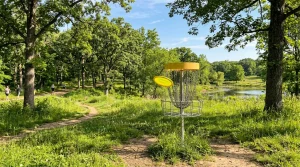
Did you know that par-3 courses are often considered the perfect starting point for golf beginners? These shorter courses offer a relaxed environment, allowing newcomers to hone their skills without the intimidation of a full-length course. Designed to encourage learning and enjoyment, par-3 holes focus on precision, making them ideal for embracing the fundamentals of the game. Whether you’re looking to improve your swing or simply enjoy a casual day out on the greens, understanding the unique design and benefits of par-3 courses is essential. In this article, we’ll explore what makes these courses so appealing, share valuable insights on hole design, and provide tips on how to make the most of your experience on the course. Join us as we celebrate the accessible joy of golf and the community it fosters!
Understanding Par-3 Golf Course Design Principles
Designing a par-3 golf course is both an art and a science, focusing on creating engaging environments that challenge players while remaining accessible, especially for beginners. A well-crafted par-3 hole invites golfers to test their precision and shot control, emphasizing the importance of skill over strength. Each hole needs to be thoughtfully laid out to consider various elements, including distance, terrain, and hazards, ensuring that every player-even those new to the game-can navigate it successfully.
The essence of par-3 design lies in its compactness. These holes typically range from 80 to 220 yards, demanding accuracy rather than distance. Strategic features, such as undulating greens, surrounding bunkers, and water hazards, can be integrated to enhance the challenge while still being approachable. Designers often incorporate multiple tee boxes to accommodate all skill levels, allowing beginners to play from a shorter distance and gradually progress as their confidence grows. The layout should encourage risk-taking in shot selection, offering chances for lower scores while still providing safety nets for less experienced players.
Moreover, effective par-3 course design can significantly influence the learning curve for new golfers. By fostering an atmosphere that allows for experimentation and minimal penalties, these courses can enhance skill development. Players have the opportunity to practice essential shots-such as pitching and putting-in varying conditions without the intimidation of a long course. This focus on skill-building, coupled with engaging layouts, not only helps beginners improve but also keeps the game enjoyable, paving the way for a lifelong love of golf.
Ultimately, successful par-3 course design serves the dual purpose of providing engaging play for seasoned golfers while offering an encouraging environment for newcomers. By prioritizing accessibility, strategic diversity, and skill enhancement, designers can create memorable experiences that resonate with all players who tee off on a par-3 course.
The Benefits of Par-3 Courses for Beginners
Par-3 golf courses are uniquely designed to create welcoming, accessible experiences for newcomers to the sport. These short holes, typically measuring between 70 to 200 yards, allow beginners to focus more on developing their skills without the pressure of longer, more challenging courses. This environment is paramount for fostering a sense of achievement; as players experience success with shorter shots, their confidence grows, encouraging them to explore the wider world of golf.
One significant benefit of par-3 courses is their inherent affordability and time efficiency. Most par-3 courses typically have lower greens fees and can be played in a shorter amount of time than traditional 18-hole courses. This makes them appealing not only to beginners but also to families or those with busy schedules. The relaxed pace allows beginners to enjoy the game without feeling rushed, creating an inviting atmosphere for practice and play.
Beginners also benefit from the design features commonly found in par-3 courses. Holes are frequently structured with a variety of layouts that present different types of challenges, such as elevated greens, bunkers, and water hazards. This variety encourages players to think critically about their shots, improving their decision-making on the course. Additionally, the shorter distances mean that players can experiment with different clubs and techniques without the fear of exhausting their energy or patience, enhancing their learning experience.
Furthermore, a par-3 course emphasizes the importance of short game skills, which are vital for overall improvement in golf. Areas like chipping and putting are given more attention, allowing beginners to refine these techniques in a less intimidating environment. This concentrated focus on essential skills promotes a deeper understanding of the game and encourages lifelong engagement with golf, as players are better equipped to handle the challenges they’ll face on longer courses in the future. As they evolve in skill and confidence, many players find that starting on par-3 courses creates a solid foundation for their golfing journey.
Essential Features of Beginner-Friendly Holes
Par-3 holes are genuinely designed to enhance the golfing experience for beginners, paving the way for skill development and confidence building. These holes, often measuring between 70 and 200 yards, present unique features that make them accessible and engaging. For instance, the absence of long-distance requirements allows newcomers to focus on their technique and shot accuracy, promoting a deeper understanding of their swings and the game itself.
One of the defining characteristics of beginner-friendly par-3 holes is their varied design elements, which incorporate natural obstacles like bunkers, slopes, and water hazards. This diversity creates a richer playing environment, encouraging newcomers to think strategically about every shot. Elevated greens, for example, challenge players to gauge distance and club selection accurately, while providing opportunities to enhance their approach game. Additionally, such features stimulate learning through experience, allowing players to face and overcome challenges in a manageable environment.
Moreover, the layout of beginner-friendly holes tends to prioritize a straightforward approach, with ample room for error. Generous fairways and forgiving green designs ensure that players can enjoy their time on the course without the fear of losing balls or incurring high scores. This supportive structure reduces frustration and enhances enjoyment, especially important for novices who may feel intimidated by the sport. Incorporating practice areas, like putting greens and chipping zones adjacent to the par-3 holes, also allows newcomers to refine their short game skills before tackling the actual course.
Lastly, the social aspect of par-3 courses cannot be overlooked. These environments often cultivate a sense of community, with smaller groups playing at a more relaxed pace. This welcoming atmosphere can significantly enhance the overall experience for beginners, turning each round into an opportunity not just for practice, but for camaraderie among players. As players engage in friendly competition and share advice, they’re more likely to develop a lasting passion for golf and return for more rounds, further enriching their journey in the sport.
How Par-3 Courses Enhance Skill Development
Playing on a par-3 golf course allows beginners to immerse themselves in the sport without the overwhelming pressure often associated with longer, more complex courses. Par-3 holes focus on the core fundamentals of the game: precision and short-game skills. These shorter distances challenge players to develop a progressive understanding of golf, as they are required to select the right club and strategize their approach to each hole carefully.
The design of par-3 courses inherently fosters skill enhancement. Players often find themselves facing a variety of shot types, from delicate pitches to longer, more challenging iron shots, all within a shorter distance. This emphasis on precision offers several developmental advantages:
- Improved Focus on Technique: Since distance isn’t a primary factor, beginners can dedicate their efforts to refining their swing mechanics, grip, and stance. The less intimidating lengths of par-3 holes create a controlled environment for practicing the nuances of each swing.
- Touch and Feel Development: Many par-3 courses incorporate different green designs, ranging from flat surfaces to those with slopes and undulations. This variety encourages players to develop their touch and feel, essential for making successful chips and putts.
- Short Game Mastery: With the emphasis on approaching the green, players get to practice chipping and putting repeatedly. These elements are critical in developing a more robust overall proficiency in golf, as many rounds are decided by how well a player handles the short game.
Additionally, par-3 courses often allow for a more relaxed pace of play, reducing the psychological pressure that can accompany a full-length round. This environment fosters confidence building; beginners can gradually achieve small victories with each successful hole, instilling a sense of accomplishment that is vital for continued interest and growth in golf.
In summary, par-3 courses serve as a vital platform for skill development. They enable new players to embrace the fundamentals of golf, practice essential techniques, and engage in an enjoyable, supportive playing environment. These elements not only cultivate better golfers but also promote a lifelong love for the game, ensuring players are equipped with the confidence to transition to more challenging courses in the future.
Common Challenges on Par-3 Courses and Solutions
Par-3 courses, while designed to be more accessible for beginners, still present unique challenges that can test a new golfer’s skills and patience. One common issue faced by beginners is the difficulty of accurately judging distances, especially as par-3 holes can vary greatly in length and contour. This can lead to frequent misclubbing, where players either overshoot or undershoot their targets. To combat this, beginners should make a habit of practicing distance awareness-using tools like range finders or GPS apps can help lay the groundwork for better club selection and shot execution. Moreover, practicing on a variety of par-3 holes before tackling more challenging courses will build confidence in distance judgment.
Another challenge is dealing with the variability of green surfaces. Par-3 courses often feature greens that can be undulating or surrounded by hazards that add to the complexity of the approach shot. Many new players may struggle with the subtleties of green reading, leading to uncertain putting performance. To mitigate this, golfers can benefit from spending dedicated time practicing putting on different types of greens. Paying attention to the contours and slopes during practice will enable players to develop a better feel for how their ball will roll, ultimately refining their short game.
Psychological pressures can also surface when playing par-3 courses, as players might feel they should be able to score well because the holes are shorter. This can lead to overthinking every shot or rushing through play, which typically results in mistakes. Developing a pre-shot routine can help establish a sense of consistency and calmness, providing a framework for focus even under pressure. Practicing mindfulness techniques, such as breathing exercises before each shot, can also foster a more relaxed approach, allowing players to enjoy the game and learn from their experiences rather than stress about their performance.
Lastly, navigating sand traps or other hazards found around par-3 holes can be intimidating, particularly for those who are still mastering the basics of their swing. A beneficial strategy is to practice bunker shots in advance, working on technique to escape these challenges more effectively. Players should also consider their options-sometimes playing safe away from hazards may be a better strategy than risking a challenging shot. By approaching each hole with the mindset of enjoying the game and learning from each challenge, new golfers can not only improve their skills but also cultivate a lasting passion for the game.
Design Strategies for Creating Engaging Par-3 Holes
Creating engaging par-3 holes involves a thoughtful blend of design elements that cater to both beginners and more experienced players, making the game accessible while still providing opportunities for skill development. One effective strategy is to incorporate varied hole lengths and challenges that require different club selections without being overly intimidating. For example, a range of hole distances from 100 to 200 yards can challenge players to evaluate their skills and choose appropriate clubs, promoting self-assessment and confidence-building.
Another key consideration is the placement of hazards, such as bunkers and water features. Rather than overwhelming beginners, strategically placed hazards should encourage strategic thinking. By allowing players to navigate their way around these challenges, designers help foster decision-making skills. For instance, placing a bunker just short of the green serves not only as a hazard but also encourages golfers to accurately gauge their distance and shot execution. In this way, even a shorter par-3 can present a rewarding challenge that enhances learning experiences.
Moreover, thoughtful green design is crucial for engaging gameplay. Greens shouldn’t be just flat expanses; instead, they can be designed with varying slopes and tiers. This invites players to practice different types of approach shots and read the greens carefully, implementing skills that are essential even on longer courses. A well-structured green design can utilize contours that challenge players’ putting abilities while still accommodating a range of skill levels.
Finally, creating a welcoming atmosphere around the course plays a vital role in enhancing the experience of new golfers. Integrating thoughtful signage that provides yardage, tips for each hole, and educational elements on how to navigate the course can significantly reduce anxiety for beginners. Additionally, offering a practice area specifically for chipping and putting near the first tee can encourage players to warm up and engage with the game before they start, reinforcing both technique and confidence a mere few steps from the course. By aligning these design strategies with player needs, par-3 holes can become a vibrant and inviting entry point into the world of golf.
Top Par-3 Courses for New Golfers to Explore
For new golfers eager to take their first swings, par-3 courses offer an invaluable platform that balances accessibility with the excitement of the game. These courses are designed with shorter holes, often ranging from 70 to 200 yards, allowing newcomers to focus on their technique without the daunting distances of traditional 18-hole courses. Exploring a selection of beginner-friendly par-3 courses can provide the perfect environment to build confidence, hone skills, and discover the joy of golf.
One standout option is the Par 3 Golf Center in Des Plaines, IL. This course features meticulously maintained greens and a friendly atmosphere that welcomes players of all skill levels. With its varied hole lengths and forgiving layout, it encourages beginners to experiment with different clubs and strategies without the pressure of a more challenging course. Another excellent choice is the Lake Park Golf Course, which offers scenic views and a relaxed pace of play, ideal for those just starting their golfing journey.
For those in search of a fun community vibe, Legends Golf Course in the Chicago area stands out with its lovely landscape and inviting facilities. Golfers can learn in a low-stress environment while navigating holes designed to challenge yet inspire. Lastly, the Nickol Knoll Golf Course is well-regarded for its friendly staff and well-marked signage, providing clear guidance for newcomers who may feel overwhelmed.
Visiting these par-3 courses not only enhances skill development but also fosters a sense of community among golfers new and seasoned alike. As you explore these venues, remember to embrace the learning process, focus on enjoying the game, and connect with fellow players who share your enthusiasm for golf. Whether it’s a casual round with friends or a solo practice session, each swing brings you one step closer to mastering the art of golf.
Tips for Navigating Par-3 Courses with Confidence
Navigating a par-3 course can feel like a refreshing breath of fresh air for new golfers, as these shorter holes invite exploration and experimentation in a less intimidating setting. To build your confidence and enhance your experience, consider a few strategic tips that can help you embrace the unique design of these courses while enjoying the game.
Firstly, approach each hole with a clear plan. Since par-3 courses typically require only one club for your tee shot, it’s essential to choose wisely based on your comfort level and the hole’s layout. Familiarize yourself with the hole’s distance and any obstacles that may affect your shot. A simple rangefinder or smartphone app can provide distance estimates, allowing you to visualize your target. As you tee off, remember that these shorter holes are a perfect opportunity to practice your precision, as you won’t need to contend with the longer distances of a traditional course.
Additionally, embracing a friendly pace can greatly enhance your enjoyment. Par-3 courses often have a more relaxed atmosphere-take advantage of this by engaging with fellow players, asking for tips, or merely enjoying the camaraderie. If you’re playing solo, use the time between holes to reflect on your shots and practice your putting. The slower pace not only allows for reflection but also lets you take in the surroundings, contributing to a more enjoyable round.
Lastly, adaptability is key in golf, especially on par-3 courses where conditions can vary significantly. Be prepared to adjust your strategy based on weather, wind, and even course conditions like recent rain. Practice hitting a few extra shots before your round to get a feel for how different clubs react on the greens and understand how your previous shots have been influenced by these factors. This adaptability will not only boost your skillset but also encourage a mindset that sees challenges as opportunities for growth.
By embracing these tips, you’ll find it easier to navigate par-3 courses with confidence, enjoying the process as you refine your skills and build relationships within the golfing community. Remember, each round is a chance to learn, laugh, and love the game!
Equipment Considerations for Par-3 Play
When stepping onto a par-3 course, the right equipment can significantly enhance both your enjoyment and performance. Since these courses are typically shorter, they offer a unique opportunity to refine your skills without the intimidation of longer holes. Choosing the right clubs and accessories is crucial for success on these shorter layouts, maximizing your chance to score well while honing your approach and short game.
Essential Clubs for Par-3 Play
For par-3 courses, the majority of your shots will come from your tee, emphasizing the importance of selecting the right clubs. Generally, a minimum of two clubs-the driver (if you prefer to tee off with that on certain holes) and at least one iron (like a 7-iron or 9-iron)-will be sufficient for most beginners. As you evaluate each hole’s distance, having a versatile set that includes multiple wedges can greatly assist in tackling various pin placements and terrain styles.
- Irons and Wedges: A mid-iron (like a 7-iron) is ideal for moderate distances, while a pitching wedge or sand wedge will help you navigate the greens and fringe effectively.
- Putter: Don’t overlook the importance of a good putter! Many par-3 courses require precision on the putting greens, allowing you to practice your short game.
Other Considerations
Aside from your clubs, consider the following accessories that can improve your experience on the course:
- Rangefinder or GPS Device: Precise distance measurement is vital on par-3 holes. Investing in a decent rangefinder or GPS watch can help you determine the exact yardage to the pin, making club selection simpler.
- Golf Balls: Choose balls suited to your skill level. Softer balls can provide more control around the greens, which is particularly useful for beginners focusing on short game finesse.
- Tees: Even though par-3 holes are shorter, having the right length of tee can help you achieve optimal placement for your shots. Standard wooden tees or even shorter plastic tees can work well.
Making informed choices about your equipment can enhance your confidence and enjoyment on the course. By carefully selecting clubs and tools that cater to the specifics of par-3 play, you’ll not only improve your game but also cultivate a passion for a sport that welcomes players of all skill levels. Whether you’re out for a casual round or looking to improve your skills, the right gear can make all the difference.
Real Player Experiences on Par-3 Courses
Stepping onto a par-3 course often brings a mix of excitement and nerves, especially for newcomers. Many players share that their first experiences on these shorter layouts helped ignite their love for golf. One enthusiastic beginner recounted how the approachability of a local par-3 course allowed him to enjoy his first round without the intimidating atmosphere found on longer courses. He appreciated the variety of hole designs that offered different challenges while still being manageable, helping him to build confidence and develop core skills.
Players often find that par-3 courses serve not only as a place to practice but also as a vibrant social hub. Groups of friends and families converge here, each player bringing their own story and experiences to the greens. Community spirit flourishes, with players frequently sharing tips, offering encouragement, and sometimes even exchanging equipment. One unforgettable moment shared by a frequent visitor to a local par-3 was when they witnessed a first-time golfer sink a hole-in-one. The applause from strangers transformed the day into a shared celebration, highlighting the course’s ability to foster connection among golf enthusiasts.
In addition to the camaraderie, many players emphasize the courses’ role in skill development. A seasoned golfer noted how these shorter courses allowed him to focus on precision and short-game techniques, which ultimately contributed to lowering his scores on traditional layouts. He suggested that beginners actively take mental notes after each shot, as the quick pace of play on a par-3 enhances learning opportunities. As players reflect on their experiences, they frequently find their performance improving, driven both by the manageable design of these courses and the supportive environment they create.
Ultimately, the illustrate the vital role these facilities play in nurturing new golfers, allowing for skill development, fostering community ties, and creating memorable moments that define the joy of the game. Whether it’s an exhilarating hole-in-one or sharing a laugh with friends after a missed green, par-3 courses serve as the perfect entry point into the world of golf, bridging the gap between novice enthusiasm and seasoned performance.
Comparing Par-3 Courses to Traditional Golf Courses
While traditional golf courses offer a diverse array of hole lengths and designs that challenge even the most seasoned players, par-3 courses carve their own niche, particularly appealing to beginners and casual golfers. The distinct nature of par-3 holes-ranging from about 70 to 200 yards-presents a fundamental difference in playability and strategy, creating an accessible environment where new players can hone their skills without the intimidation often associated with larger layouts.
One of the primary benefits of par-3 courses is their adaptability to different skill levels. Unlike traditional courses that can stretch over 6,000 yards and require formidable skills with a variety of clubs, par-3s demand proficiency with just a few. This allows novices to focus on crucial aspects of the game such as precision, short game, and approach shots, which are vital for success on traditional courses as well. The shorter distances and simpler hole designs encourage players to experiment and learn, fostering confidence that translates effectively when they eventually transition to longer, more complex courses.
In terms of course design, par-3 layouts often incorporate varied elevations, unique obstacles, and creative green placements that might be less intimidating but still offer strategic challenges. For instance, a dip in the land leading to a water hazard might require the same level of skill and thoughtfulness as a long par-4, but the shorter distance makes the shot less daunting. Moreover, the close-knit design creates an intimate golfing experience where players can enjoy the scenery and socialize, enhancing the social aspect of the game.
Ultimately, both par-3 and traditional courses serve unique purposes in the golfing community. Par-3s invite newcomers to engage with the sport and develop essential skills in a friendly, less pressured environment, while traditional courses continue to challenge experienced golfers, providing the thrill of competition and the joy of mastering a more intricate game. This diverse array of course types ensures that golf remains accessible and enjoyable for players at all stages of their journey, highlighting the importance of community and growth within the sport.
The Future of Par-3 Courses in Golf Culture
As the landscape of golf continues to evolve, par-3 courses are poised to play a pivotal role in shaping the future of the sport. These shorter courses, often overlooked in favor of more extensive traditional layouts, are emerging as vital spaces for community engagement and skill development. With the increasing emphasis on accessibility and enjoyment in golf, par-3 courses can serve as welcoming entry points for newcomers, casual players, and families.
One of the most appealing aspects of par-3 courses is their capacity for innovation in design and use. Golf course architects are increasingly experimenting with creative layouts that challenge players while maintaining the essential playability that makes them attractive to beginners. Incorporating features like varied elevations, water hazards, and strategically placed bunkers, new par-3 designs can keep the experience exciting and engaging, encouraging players to return. Additionally, these courses are often set in beautiful natural environments, enhancing the overall experience and promoting wellness through outdoor activity.
Moreover, the rise of urban golf initiatives highlights the importance of par-3 courses in densely populated areas. They offer a compact and efficient solution for bringing golfing opportunities to communities that may lack access to traditional 18-hole courses. With the potential for shorter playing times, par-3 courses align perfectly with the busy lifestyles of modern players who want to enjoy a round of golf without the time commitment usually required for larger courses. Club operators could capitalize on this trend by offering flexible play options, like pay-per-hole or twilight rates, to attract a wider audience.
In addition to boosting participation, par-3 courses have the power to foster a sense of community among players. Events like family nights, leagues, and clinics can take place in a less formal atmosphere, encouraging social interactions and camaraderie among golfers of all ages and skill levels. The relaxed environment typically found at par-3 courses champions an inclusive golf culture, inviting everyone to share in the joy of the game without the pressure often associated with traditional courses.
In summary, the future of par-3 courses is bright and full of potential. By embracing innovation in design, promoting accessibility, and nurturing community connections, these courses can establish themselves as essential components of golf culture, inspiring a new generation of players and helping to sustain the sport’s growth for years to come.
Frequently asked questions
Q: What are the advantages of playing on a par-3 course for beginners?
A: Par-3 courses are ideal for beginners as they typically feature shorter holes, allowing players to practice their skills without the intimidation of long drives. This environment promotes skill development, enabling new golfers to focus on accuracy and short game techniques.
Q: How do par-3 hole designs accommodate novice golfers?
A: Par-3 hole designs prioritize accessibility with wider fairways and strategic placements of hazards away from the line of play. This creates a beginner-friendly atmosphere where novices can enjoy the game and gain confidence while learning essential skills.
Q: What equipment should beginners use on par-3 courses?
A: Beginners should consider using lighter clubs, like shorter irons or wedges, that are easier to handle on shorter holes. Additionally, a putter is essential for practicing putting skills, which are crucial on these courses.
Q: Are par-3 courses good for practicing specific golf skills?
A: Yes, par-3 courses are perfect for practicing skills such as precision and putting. With shorter distances, players can work on targeting specific areas and refining their overall technique, which enhances their performance on longer courses.
Q: How can beginners overcome challenges on par-3 courses?
A: Common challenges include uneven greens and tricky pin placements. Beginners can overcome these by using course management skills, like choosing the right club and focusing on approach shots to avoid unnecessary hazards.
Q: Why are par-3 courses becoming more popular among new golfers?
A: The rise in popularity is due to their affordable rates and shorter playtime compared to traditional courses, making them more accessible for beginners. They facilitate learning in a less pressured environment, encouraging more people to pick up the game.
Q: What should players look for in a beginner-friendly par-3 course?
A: Players should seek out courses with clear signage, well-maintained greens, and manageable hole layouts. A friendly atmosphere with accessible staff can significantly enhance the overall experience for novice golfers.
Q: How can playing on par-3 courses help with future golfing endeavors?
A: Playing regularly on par-3 courses builds fundamental skills that prepare beginners for traditional courses. As they gain confidence and ability in their short game, they can transition to longer courses, improving overall performance in the sport.
In Summary
Thanks for joining us on this journey through par-3 courses and beginner-friendly hole design! Remember, well-structured holes can enhance both enjoyment and skill development, making your disc golf experience more rewarding. Ready to take your game to the next level? Check out our guides on disc flight characteristics and throwing mechanics to boost your skills further.
Don’t forget to explore our equipment comparison tables to find the perfect discs for your play style. If you have any questions or tips to share, drop a comment below! Your input enriches our community, and we love hearing from you. For the latest updates, consider signing up for our newsletter, ensuring you stay informed on all things disc golf. Keep practicing, and we look forward to seeing you on the course!
Get our latest guides, news, and insights highlighted in your Google Search & AI Overviews.