
In the thrilling world of disc golf, the dimensions of the playing area can make a significant impact on your game. One crucial element is “Circle One,” an area marking the boundary for putting. Officially, Circle One is set at 10 meters (about 33 feet) from the basket. Understanding this rule is essential for all players, from beginners wanting to refine their skills to seasoned competitors honing their strategies. Knowing where Circle One begins can enhance your performance and confidence during rounds, enabling you to execute putts with clarity and precision. As you delve into the official rules, you’ll discover how mastering this aspect of the game can take your disc golf experience to the next level, fostering not only improved technique but also a deeper understanding of the sport. Let’s explore the significance of Circle One and how it shapes the way we approach every putt on the course.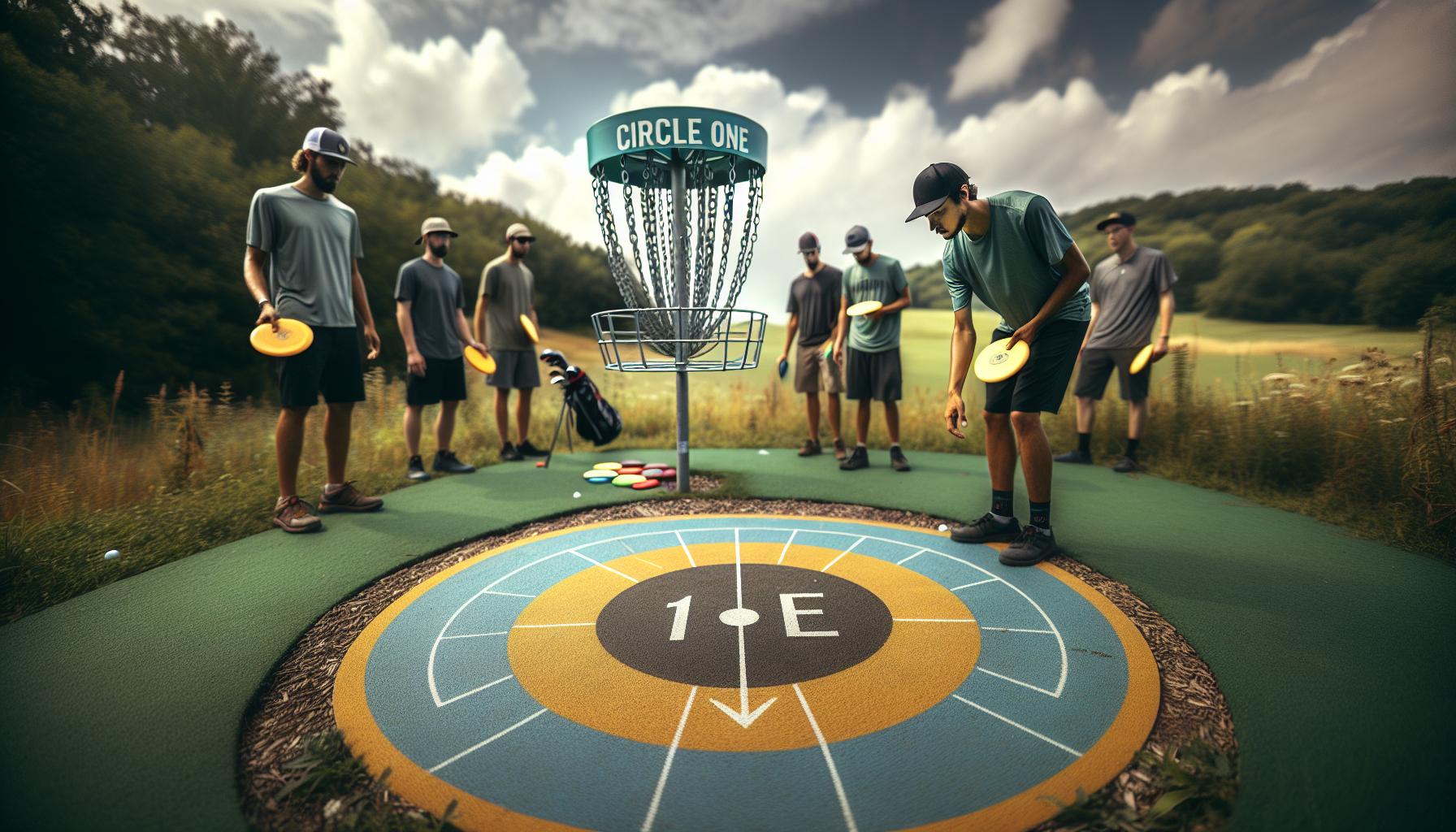
How Circle One Influences Disc Golf Strategy
Understanding is essential for players looking to enhance their performance on the course. Circle One refers to the 10-meter (approximately 33 feet) radius around the basket, where players are expected to take their putts. Successfully navigating this area can dictate the course of a game, making it crucial for players to formulate effective strategies.
In competitive play, the importance of Circle One cannot be overstated. Players who consistently convert their putts from this range not only improve their scoring potential but also gain a psychological advantage over opponents. One strategy revolves around mastering the art of putting; a strong putting game within Circle One minimizes the need for long recovery strokes after missed throws, allowing players to maintain momentum throughout a round.
Additionally, it’s vital for players to consider their approach to the basket from various angles when strategizing for Circle One. Players often have to make tactical decisions based on their distance from the basket, terrain, and wind conditions. Developing a consistent pre-putt routine can help in these scenarios, as mental preparation and focus become fundamental elements of execution.
Furthermore, equipment choices play a pivotal role in executing Circle One strategies. Selecting putters that suit individual throwing styles-whether that’s a firm feel for precise control or a softer grip for better touch-can make all the difference when attempting those crucial shots close to the basket. By analyzing these aspects, players can adapt their game plans and continuously improve their success rates within Circle One.
Understanding the Measurement of Circle One
Circle One is a crucial concept in the realm of disc golf, defining the area around the basket where putts are executed with heightened stakes and scoring potential. Picture this: a designated 10-meter radius, equivalent to approximately 33 feet, encircles the target, creating a zone where a player’s ability to sink a putt can significantly impact the overall outcome of a game. Understanding this measurement is more than merely knowing the distance; it represents a strategic challenge that shapes the way players approach their throws and final strokes.
To accurately visualize Circle One, consider that every putt made from within this range acts like a mini-game of its own. The precision required in this space equates to aligning not just physical skills, but also mental acuity. Players must be attuned to various factors, including wind conditions and terrain, making adjustments that reflect their unique style and capabilities. For example, a straightforward putt may be complicated by a slight uphill slope or a sudden gust of wind, pushing players to hone their judgment and adaptability, which are essential for maintaining confidence under pressure.
Moreover, the significance of Circle One extends beyond just the measurement-it symbolizes the threshold between standard play and superior performance. As players consistently land putts from this zone, they build a psychological edge over opponents. This boost doesn’t just improve scoring averages; it builds a sense of rhythm and flow across the entire round. Experienced players often recommend incorporating drills that focus specifically on this crucial distance. Simple yet effective exercises can enhance accuracy and comfort, ensuring that as players step up to the Circle One line, they do so with poise and purpose.
Ultimately, mastering Circle One invites players to deepen their practice routines and conceptualize their strategies. By fostering awareness of this vital area on the course, not only do players enhance their skills but they also embrace the competitive spirit that defines disc golf-the thrill of hitting that delicate shot when it matters most.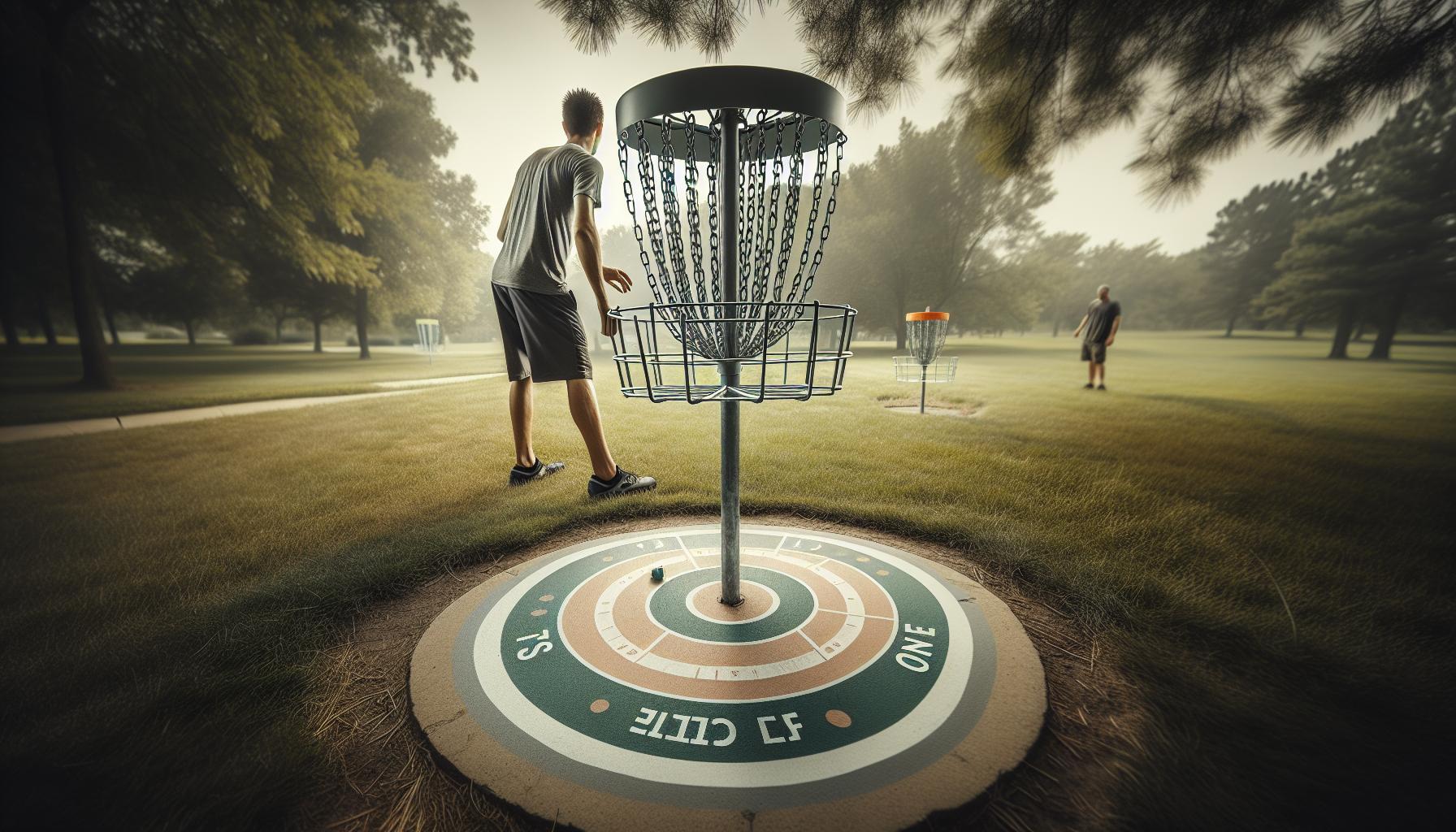
The Rules Governing Circle One in Disc Golf
In the fast-paced game of disc golf, Circle One represents a critical area that fundamentally shapes the rules governing play. Defined as a 10-meter radius, or about 33 feet, from the basket, this zone is where the stakes are highest for players attempting to sink their putts. The official rules stipulate that any putt taken from within this circle is categorized differently than shots taken from further away, introducing strategic implications and influencing player behavior during competitive play.
One of the essential rules surrounding Circle One is the concept of a “mark.” To maintain fairness, players must use a marker to indicate their lie when putting from outside the circle. If a player steps into Circle One during their putt without adhering to the proper mark, they could incur a penalty, leading to crucial shifts in scoring. Additionally, if a player misses their putt and the disc lands inside Circle One, they are granted a putt for their next shot without additional penalties, provided they maintain their original lie. This rule emphasizes the importance of precision within this zone, pressuring players to hone their putting skills.
Understanding the impact of Circle One is also crucial for managing course strategy. Players often visualize and plan their approaches knowing that a successful shot into this area significantly improves the likelihood of making the next putt. The ability to maintain balance and control within Circle One can alter a player’s entire game plan, as dropping even a few strokes can position one for a better finish in competitive scenarios. Consequently, practicing within this zone can help players build comfort and confidence, which are vital for high-pressure situations during tournaments.
As you prepare to step up to the Circle One line, remember the psychological factors at play. Each putt presents an opportunity not just for scoring but to assert dominance over the stakes of the game. Therefore, embracing the rules governing Circle One is not only about knowing distances and penalties but also about crafting a mental game that thrives under pressure, preparing you to dominate in this crucial zone of the course.
Importance of Circle One for Scoring
The area known as Circle One, defined as a 10-meter radius around the basket, is a game-changer in disc golf scoring. This zone not only establishes the stakes for every putt made from within it but also significantly influences a player’s overall strategy and performance. Successfully landing a disc within Circle One dramatically increases the likelihood of sinking the putt on the first attempt, turning a potential par into a birdie or even an eagle in some circumstances. This fact underscores why players meticulously calculate their approach shots, aspiring to land as close to the basket as possible.
One of the most compelling aspects of Circle One is the potential impact on a player’s confidence and game psychology. Successfully converting putts from this distance can be a great confidence booster, fueling a chain reaction of positive play. Conversely, repeated misses can lead to frustration and second-guessing, highlighting the psychological dimension involved in scoring. Players who thrive under pressure often excel in Circle One, demonstrating that mastering this area is as much a mental game as it is a physical one.
Moreover, the scoring implications extend beyond the immediate putt. Standing within Circle One after a missed putt allows players a chance to recover without incurring further penalties, reinforcing the need for precision and focus. This aspect of the rules encourages players to be strategic about their shots leading into this critical zone, knowing that landing inside Circle One provides a safety net and a clear second opportunity to convert their efforts into points.
To maximize success within Circle One, players can focus on practicing specific techniques that improve their accuracy and control. Developing a consistent routine and mental focus when preparing to putt can significantly affect the outcome. Training with an emphasis on footwork, grip, and aim can enhance performance and elevate a player’s game to new heights, especially during tournaments where every stroke counts. Ultimately, a deep understanding of Circle One and its importance for scoring not only enhances a player’s performance but also enriches the strategic complexities of the game itself.
Circle One’s Impact on Putting Techniques
The 10-meter distance known as Circle One dramatically influences a player’s putting technique in disc golf, serving as a pivotal range for scoring and strategy. Players within this area enjoy a significantly higher percentage of successful putts, which in turn affects their approach to practice and gameplay. Understanding the nuances of putting from Circle One can enhance both confidence and performance, making it a critical focus for all skill levels.
To effectively master Circle One putting, players often develop a consistent routine that incorporates key elements such as grip, stance, and follow-through. A powerful yet controlled stroke is essential; thus, focusing on these fundamentals helps players adapt to the pressure of high-stakes situations. For example, utilizing an open stance can improve balance and stability, while a strong grip can enhance control during the delivery of the putt. Beginners should practice with a variety of discs to see which ones best suit their style and throwing preference, adapting their technique as they progress.
Practicing from varying distances within Circle One is also beneficial; players can start closer to the basket to build confidence and touch, gradually increasing to the full 10 meters. Incorporating drills that emphasize accuracy, such as target practice with specific scoring baskets, can simulate tournament scenarios and improve precision under pressure. Additionally, mental preparation plays a crucial role-visualization techniques can help players maintain focus and composure, essential for executing successful putts when it matters most.
In a competitive environment, the ability to putt effectively from Circle One can be the difference between victory and defeat. Players often analyze their putting stats and watch peers or competitors to gain insights into their own techniques. Emphasizing practice routines that focus on repetitive motion, combined with strategic mental training, ensures that players not only achieve success within Circle One but also elevate their entire game – paving the way for improved performance and enjoyment of the sport.
Analyzing Circle One in Competitive Play
In competitive disc golf, players face a unique set of challenges and opportunities when it comes to putting within Circle One, which spans a 10-meter radius from the basket. Understanding this critical distance not only influences strategy but can also turn the tide in highly contested matches. The stakes are high within Circle One; players who consistently make putts from this range have a substantial advantage, not just in terms of score, but also in mental momentum and confidence.
One of the key aspects to analyze in competitive play is the variance in putting technique and frequency of attempts from Circle One. Successful players often cultivate a specific routine that allows them to remain composed under pressure. Observing the rhythm and style of top competitors can provide valuable insights. For instance, professionals may adopt nuanced stances or grip adjustments based on their comfort and the conditions of the day, which can dramatically alter their performance. Players aiming for consistency will benefit from developing a practice plan that simulates the high-pressure environment of a tournament. Whether it’s practicing their putts while being timed, or throwing in front of peers, incorporating elements that mimic competition is crucial for building mental toughness.
Furthermore, understanding how to approach Circle One puts a significant emphasis on course strategy. Experienced players will often analyze not just where they land their drives but how it sets them up for approaches and potential putts. Strategic placement of drives allows players to capitalize on their Circle One putting skills – a near-miss on the long drive can turn an easy putt into a challenging one. Mapping out which angles provide the best opportunities at various courses can be the difference between success and failure during competitive rounds.
The competitive landscape also reveals common pitfalls. Many players underestimate the mental aspect of putting from Circle One. In pressure-filled moments, especially during the final rounds of a tournament, the fear of missing can lead to hesitancy or rushed motions. Analyzing past performances, whether through statistics or personal reflection, can illuminate patterns of anxiety and help players develop coping strategies. By focusing on entry points and adjusting their approach in response to competitive dynamics, players can turn Circle One into a strength rather than a hindrance, ultimately showcasing the level of artistry and precision that defines the sport.
Common Mistakes Within Circle One
Putting from Circle One can make or break a player’s performance in disc golf, but many players unknowingly fall into common traps that hinder their success. Understanding and avoiding these pitfalls is essential for improving your putting game within the crucial 10-meter radius from the basket.
One prominent mistake is a lack of focus on consistent routine and mental preparation. Many players approach Circle One putts with a casual mindset, underestimating the mental strain involved. It’s vital to establish a pre-putt routine that you follow each time. This can include visualizing the putt, taking deep breaths, and finding your center before stepping up to the disc. A structured routine helps mitigate anxiety and builds confidence, turning pressure into performance.
Another frequent error is neglecting the importance of stance and grip. Players often become fixated on the mechanics of the throw rather than their positioning. A common oversight is standing too far back from the basket, which can throw off the alignment and rhythm of the putt. Pay attention to your grip as well; an insecure hold can lead to inconsistent releases. Regular practice focused on finding your ideal stance and grip will lead to better predictability in your throws.
Additionally, failing to account for environmental factors can be detrimental. Wind conditions, temperature, and even the slope of the ground can affect your putt. Players sometimes ignore these variables, leading to missed shots that could have been easily avoided. Before each putt, take a moment to assess your surroundings and make necessary adjustments to your technique.
Lastly, many players neglect to learn from their experiences, particularly after stressful rounds. It’s easy to move on without reflecting on what went wrong, but analyzing missed putts-perhaps by reviewing video footage or discussing with peers-can reveal patterns in your performance. Identifying these issues can guide you in correcting mistakes and improving your game moving forward.
By recognizing and addressing these common mistakes, players can significantly enhance their Circle One putting skills, turning potential weaknesses into scoring strengths. Embrace the challenge, commit to improvement, and make your Circle One experience a hallmark of your competitive disc golf journey.
Equipment Choices for Mastering Circle One
Mastering Circle One in disc golf requires not only skill and technique but also the right equipment to enhance performance within that crucial 10-meter putting zone. Selecting the proper discs and accessories can significantly impact your putting accuracy and consistency, which are vital for success in competitive play.
One of the key pieces of equipment is the putter, which is designed specifically for short-range accuracy. When choosing a putter, consider the following characteristics:
- Stability: A stable putter will help prevent unwanted hyzer or anhyzer angles during your putt. Look for putters rated as neutral or slightly overstable.
- Grip: The feel of the disc in your hand is crucial. Opt for a putter that offers a comfortable grip, especially in varying weather conditions.
- Weight: Lighter putters can provide additional distance but may be harder to control in wind. Many players find a weight around 170-175 grams strikes the right balance for precision without sacrificing control.
In addition to selecting the right putter, consider a few essential accessories that can enhance your Circle One game. A reliable chalk or grip enhancer can improve your hold on the disc, especially during humid or rainy conditions. A portable practice basket can provide valuable opportunities to refine your putt consistency outside of regular play. By setting up drills from various angles and distances, you can simulate the pressure of a competitive scenario without the need for a full course.
Finally, maintaining your equipment is critical. Regularly check your discs for scuff marks or damage which can affect their flight path. Keeping your discs clean ensures that they perform consistently, particularly in wet conditions. By investing time and attention into your gear, you lay a strong foundation for mastering your Circle One putts, thus enhancing your overall game on the course.
With the right choices in discs and accessories, along with ongoing practice and care for your equipment, you’ll cultivate the confidence and skill necessary to thrive within Circle One, turning potential scoring downs into opportunities for success.
Circle One: A Historical Perspective
Understanding how Circle One was defined and developed in the realm of disc golf provides crucial context for players today. Circle One refers to the 10-meter (approximately 32.8 feet) radius circle surrounding the basket, where players must putt in order to score successfully. Recognizing its historical significance offers a deeper appreciation of how specific rules have evolved to enhance the game’s competitive integrity and enjoyment.
Initially, the regulations surrounding putting distances varied widely as the sport was introducing standard rules. Disc golf’s growth in the late 1970s and early 1980s led to the need for more structured guidelines, including the definition of putting zones. Early courses did not consistently apply distances or putting guidelines, which sometimes led to gameplay inconsistencies. The implementation of a standardized 10-meter radius was aimed at balancing challenge and skill, solidifying it as a core aspect of competitive play.
Over the years, the importance of Circle One has shifted as disc technology improved and player skills advanced. As players became more proficient at putting, the 10-meter distance was seen as a fair compromise between encouraging skill development and maintaining the challenge necessary for top-tier competitions. In professional tournaments today, players must demonstrate exceptional putting techniques within this established boundary, making Circle One a critical factor in scoring and overall game strategy.
The evolution of Circle One reflects broader trends in the sport, as it adapts and grows while preserving the foundational principles of fair play. Understanding this historical perspective not only enriches player knowledge but also fosters respect within the community for the rules that shape competitive disc golf. Embracing this knowledge can inspire newcomers and veterans alike, celebrating the sport’s rich history while looking forward to its future developments.
Best Practices for Circle One Throws
Mastering throws within the 10-meter radius of Circle One is crucial for every disc golfer, whether they are novices aiming to improve or seasoned players shaping their competitive edge. The consistency and accuracy of your putts can often mean the difference between a solid performance and a frustrating round, making the understanding of Circle One not just a matter of rules but a cornerstone of effective strategy.
To enhance your performance in Circle One, start by honing your putting mechanics. Focus on maintaining a stable stance, with your feet shoulder-width apart, and distribute your weight evenly. As you prepare to throw, engage your core and keep your body relaxed. Use a smooth, rhythmic motion as you extend your arm and release the disc, ensuring that your follow-through completes the motion. A common yet effective technique is the straddle putt, which can help you align better with the basket, especially when faced with obstacles.
One of the is to develop a pre-shot routine. This routine helps establish a mental framework and reduces anxiety. Spend a moment visualizing the trajectory of your throw and the disc’s flight path toward the basket. Practicing this visualization repeatedly can enhance your focus and improve your putting percentage. Additionally, keeping a close watch on environmental factors, such as wind and light conditions, will aid in making necessary adjustments during your throw.
Regular practice is essential, but equally important is the type of equipment you choose. Consider using a putter that feels comfortable in your hand and complements your throwing style. Different putters have unique flight characteristics; lightweight putters can provide longer glides while heavier options may give more stability in windy conditions. To evaluate which putter suits you best, spend time practicing in Circle One with various models, noting how they behave under similar conditions.
Finally, observe and learn from others. Watching professional players during tournaments or local leagues can provide insights into effective Circle One strategies. Take note of their techniques, routines, and how they approach Circle One situations. By analyzing the diverse methods of successful players, you can incorporate valuable elements into your own game.
In summary, focusing on your mechanics, establishing a routine, selecting the right equipment, and learning from experienced players are all fundamental steps for excelling with Circle One throws. Engaging these practices will not only improve your overall putting skills but also enhance your enjoyment of the sport, bringing you closer to mastering the art of disc golf.
Case Studies: Circle One in Professional Tournaments
Competing at a high level in disc golf requires not just skill but a thorough understanding of the nuanced rules and strategies around Circle One, which is defined as the 10-meter radius surrounding the basket. The implications of Circle One can be pivotal during professional tournaments, where even the slightest adjustments can determine the outcome of a game.
Take, for instance, the case of the 2021 Disc Golf Championship. In the final round, the pressure was palpable as players approached critical shots within Circle One. Notably, player X, known for his exceptional putting accuracy, managed a remarkable streak of successful putts from Circle One, contributing to his eventual victory. His pre-shot routine included a meticulous visualization practice, focusing deeply on the target and his mechanics-a technique he later credited for his mental clarity during a pressure-packed final.
Similarly, during the 2022 PDGA World Championships, player Y encountered a challenging situation. Positioned just outside Circle One, he needed to execute a precise approach shot to secure a competitive score. Analyzing the dynamics of wind and placing trust in his putter choice, he successfully landed his disc within Circle One, showcasing not only his physical skill but also his strategic approach to managing environmental factors. This instance highlights how integrating knowledge of Circle One with tactical foresight can further empower a disc golfer’s performance.
Ultimately, the experiences of these players reveal the significance of Circle One in professional play. Those who fully embrace the rules and develop their skills around it set themselves apart from their competitors. Mastery of Circle One not only enhances individual scoring potential but also shapes the broader competitive landscape in any tournament, reinforcing the importance of practice and strategic planning. By observing and learning from these professional encounters, both newcomers and seasoned players can refine their approach, further elevating their game in the exciting world of disc golf.
Tips for Beginners to Improve Circle One Skills
Improving your skills within Circle One can be both thrilling and rewarding, especially for beginners eager to enhance their game. Circle One, which spans a 10-meter radius (approximately 32.8 feet) around the basket, is pivotal for putting and scoring effectively in disc golf. Developing confidence and technique in this area will not only increase your accuracy but also elevate your overall performance during rounds.
A fantastic way to start honing your Circle One skills is through focused practice sessions. Consider these strategies:
- Consistent Repetition: Dedicate time to practice your putts from various angles within Circle One. Set up markers to simulate different scenarios, helping you to adapt to changing conditions during tournaments.
- Visualization Techniques: Before making a putt, visualize the flight path of your disc. Close your eyes briefly to picture its journey from your hand to the basket, enhancing your mental focus.
- Pre-Putt Routine: Establish a consistent pre-putt routine that calms your nerves and helps you concentrate. This may include taking a deep breath, aligning your stance, or feeling the disc in your hand.
- Sensitivity to Wind: Spend time putting in different wind conditions. Understanding how wind affects disc flight will prepare you for unpredictable tournament environments.
Incorporating these techniques not only will enhance your physical skill but will also improve your mental game, crucial for handling the pressure in competitive situations. Real-world experiences from seasoned players highlight the importance of practice; for instance, a top player once mentioned that their ability to visualize their shots significantly improved their confidence within Circle One, leading to more successful putts in crucial moments.
As you work on these practices, also be mindful of your equipment choices. Invest in a reliable putter that feels comfortable in your hand-consider trying different disc weights and shapes to find what suits your throwing style best. Moreover, practice makes perfect; regularly checking your progress and adapting your routines based on performance feedback will help you evolve as a disc golfer.
Ultimately, by focusing on these actionable tips, you’ll not only improve your skills within Circle One but also set a strong foundation for lifelong growth in your disc golf journey. Embrace the learning process, celebrate small victories, and remain open to adjustments along the way-this approach will set you on the path to success in the disc golf community.
FAQ
Q: How far is Circle One in disc golf?
A: Circle One measures 10 meters (approximately 32.8 feet) from the basket in disc golf. This distance is crucial for determining putting rules and player strategy during competitive play.
Q: What are the official rules for Circle One in disc golf?
A: The official rules state that players must complete their putts from within Circle One to avoid penalty. Additionally, if a player steps outside this boundary while putting, their throw does not count, resulting in a redo from the previous position.
Q: Why is Circle One important in disc golf?
A: Circle One is vital because it distinctly defines the putting area, impacting scoring and player strategy. Understanding this zone influences how players approach their shots and decide on putting techniques.
Q: When did Circle One rules become standardized in disc golf?
A: Circle One’s standardized measurement and rules have been used since the PDGA’s early regulations in the late 1980s. This consistency helps maintain fairness in competitions and enhances player understanding of the game.
Q: Where can players find Circle One during a disc golf round?
A: Players can identify Circle One on the course by looking for a 10-meter (32.8 feet) radius marked around the basket. Many courses feature visible lines or markers to help players understand this boundary.
Q: What common mistakes do players make within Circle One?
A: Common mistakes include failing to properly gauge distance, not practicing foot placement, and stepping outside the Circle One area unintentionally. These errors can lead to scoring penalties during competitive rounds.
Q: How does Circle One impact putting techniques?
A: Circle One significantly affects putting techniques as it encourages players to refine their accuracy and practice various putting styles. Players often focus on consistency and confidence when putting from this critical distance.
Q: Can beginners benefit from knowing Circle One rules?
A: Yes, beginners greatly benefit by understanding Circle One rules as it lays the foundation for consistent play. Mastering this aspect early can improve overall game performance and help newer players score better.
The Conclusion
Now that you understand the rules for “Circle One” and learned how crucial this space is for your game, it’s time to take your skills to the next level! Remember, mastering your distance and accuracy is key to improving your disc golf performance. Be sure to check out our detailed guides on strategic throwing techniques and the best disc equipment for every skill level to further enhance your gameplay.
Don’t hesitate to dive deeper into resources such as our upcoming tournament schedule and expert insights that can elevate your competitive edge. Join our community by subscribing to our newsletter for tips, tricks, and exclusive content delivered straight to your inbox. Share your thoughts in the comments below and connect with fellow players to discuss your experiences on Circle One. Let’s keep growing and celebrating the sport we love together!