
Welcome to “Disc Misprints: Collector’s Guide to Variations,” where the fascinating world of disc golf collectibles awaits you. Did you know that some disc misprints can be worth hundreds of dollars simply because of a small error? This guide will help you navigate the quirky universe of misprints, showcasing their significance to both collectors and players alike. As the sport of disc golf flourishes, understanding the value behind these unique discs can enhance your appreciation and strategy on the course. Whether you’re a seasoned collector or just starting, discovering these variations adds an exciting layer to your disc golf journey. Join us as we explore which misprints are most sought after and how you can build a collection that tells your story.
Disc Misprints: Understanding Their Impact on Collectibility

Understanding disc misprints is crucial for both novice and seasoned collectors, as these unique variations can significantly enhance the collectibility and value of a disc. Misprints can arise from various factors during the manufacturing process, such as incorrect stamps, unusual colors, or misaligned graphics. These discrepancies not only create one-of-a-kind items but also invite intrigue and storytelling into the collecting experience. Collectors often seek out these misprints not just for their distinctiveness, but because they embody a piece of the history of disc production.
When evaluating the impact of misprints on collectibility, consider that rarity and the nature of the error play pivotal roles. Limited runs of discs that include a misprint can escalate their desirability, as collectors often chase after items that stand out from the typical offerings. A disc misprint could be the difference between having a common item or a sought-after treasure. For instance, if a widely produced disc features a unique misprint that alters branding or artwork, it may increase its market value substantially. Collectors often share their experiences and tips on identifying and assessing these misprints, which fosters a strong community devoted to discovering hidden gems in the disc golf world.
To capitalize on these opportunities, it’s vital to stay informed about current market trends, engage with collector communities, and keep an eye out for discs that have experienced manufacturing errors. Misprints can fluctuate in desirability based on popular culture, player endorsements, and collector interest, making it essential to remain engaged with the evolving landscape of disc golf collecting. By understanding the significance of misprints and their broader implications in the collecting community, collectors can not only enhance their collections but also enjoy the journey of discovery that comes with chasing unique disc variations.
The Most Common Disc Misprints You Should Know
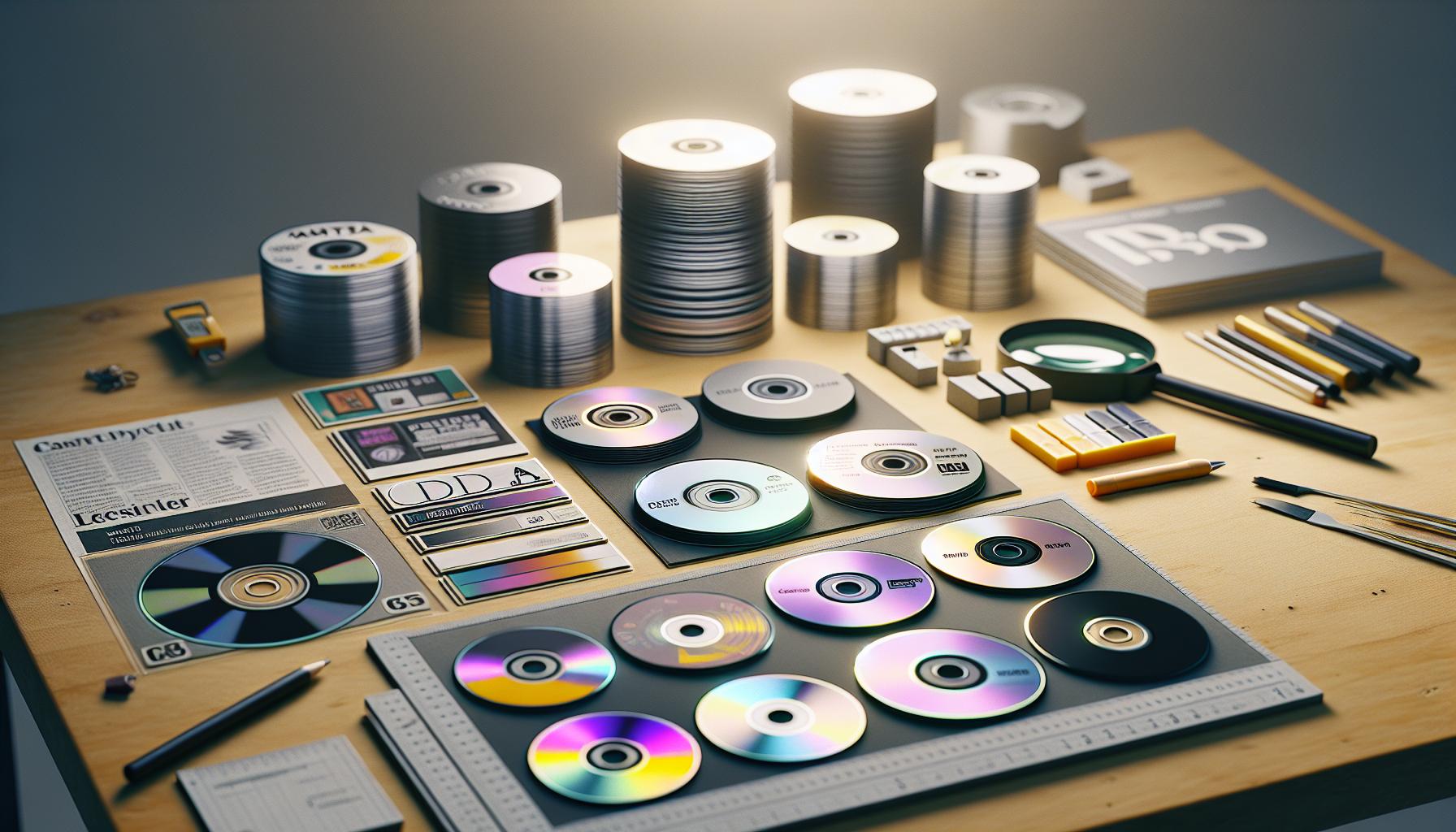
The world of disc collecting is filled with rare finds and hidden treasures, and among them, disc misprints stand out as coveted pieces that can transform an ordinary collection into something extraordinary. Misprints can occur due to a variety of manufacturing errors, resulting in unique items that often pique collectors’ interest far more than standard releases. From incorrect logos to error stamps or color mismatches, these quirks not only add character but also significantly affect the disc’s collectibility.
Among the misprints collectors should keep an eye out for are:
- Stamp Errors: These can include discs with the wrong name or year printed on them. For example, a popular model incorrectly stamped with a different series’ name can become a sought-after item.
- Color Variations: Sometimes, a disc may be accidentally produced in an unexpected color, deviating from its intended palette. These unique colors can draw collectors looking for something different.
- Alignment Issues: Misaligned graphics or logos can make a disc visually striking. Collectors often seek these out for their uniqueness; one slight misplacement can create a desirable variant.
- Prototype Designs: Occasionally, misprints may arise from prototypes or test runs that were never intended for general release. These variants serve as a glimpse into the design process, making them particularly fascinating.
While some misprints can initially seem like mere mistakes, their rarity and the story behind them can significantly raise their desirability. As a collector, understanding which misprints have become popular within collector communities allows you to hone in on valuable finds, ensuring that your collection not only stands out but also holds intrinsic value. Whether you’re a novice collector just starting or a seasoned pro looking to fill specific gaps, keeping an eye on these common misprints can lead to exciting discoveries that enhance your investment and enjoyment in the world of disc golf collecting.
How to Identify and Verify Disc Misprints
To spot and confirm disc misprints effectively, collectors must cultivate a keen eye for detail and a solid understanding of what to look for. Misprints can come in various forms, each presenting unique markers. Start by examining your discs carefully, focusing on the labels, color schemes, and overall design. Sometimes, discrepancies can be subtle, such as typos in the stamp or unexpected colors that deviate from the expected design. Familiarizing yourself with standard editions of your favorite discs will help you quickly notice how a misprint strays from the norm.
To verify a potential misprint, utilize reliable resources like online disc collecting forums and databases, which often provide images and descriptions of known misprints. Additionally, collaborating with fellow collectors can enhance your research. They might have encountered similar discs and can offer insights or confirm your findings. It’s also useful to cross-reference with official manufacturer sites, where you might find limited production runs or prototype announcements that can substantiate your misprint’s authenticity.
Verification Techniques
When you believe you’ve found a misprint, apply a systematic approach to verification:
- Check for Provenance: Knowing the history of how the disc came into your possession can provide context; perhaps it was bought from a reputable source that specializes in rare discs.
- Consult Collector Communities: Engage in disc golf forums and social media groups dedicated to collectors. Share your findings, and you may receive feedback from seasoned collectors who recognize obscure errors.
- Document Your Research: Keeping notes on your findings, including photos, specs, and any correspondence from other collectors, can help solidify your case for a misprint.
Recognizing the nuances of disc misprints is a skill that can greatly enhance your collection. By employing these techniques, you will not only develop expertise in discerning misprints but also foster relationships within the disc golf community, enriching your overall collecting experience. Whether you’re hunting for that elusive stamp error or a unique color variation, each successful identification will deepen your appreciation for the art and sport of disc golf.
Rarity, Value, and Demand: Assessing Misprint Worth

Understanding the rarity, value, and demand for disc misprints is crucial for any serious collector. The appeal of misprints often lies in their uniqueness; since they are produced in limited quantities, they can become highly sought after by collectors, commanding impressive prices at auctions and in private sales. A misprint can transform an ordinary disc into a treasure, captivating the attention of both enthusiasts and investors alike. For example, discs with rare color variations or printing errors can sometimes sell for several times their original retail value, reflecting their desirability within the collector community.
The value of a misprinted disc often hinges on specific features that enhance its rarity. Key attributes include the extent of the misprint, the disc’s brand, and how well-known the error is among collectors. Misprints that involve widely recognized discs or those featuring errors in popular editions tend to have a higher demand. Furthermore, as a general rule, the more obscure the misprint, the greater its potential worth. For instance, if a disc features a misprinted stamp that is already part of a limited run, its collectors’ appeal skyrockets, creating a niche market where prices can reach premium levels.
To assess the worth of a misprint, conduct thorough research. Engaging with collector forums and marketplaces can provide current pricing trends, and direct comparisons with similar misprints can give context to your findings. Remember, the condition of the disc plays a significant role in its value; collectors often prefer discs that are in excellent shape, regardless of their misprint status. Utilize platforms like online auctions to gauge what others are willing to pay, allowing you to make informed decisions whether you’re buying or selling.
Ultimately, understanding the interplay of rarity, value, and demand in disc misprints not only enhances your collecting experience but also positions you well within the ever-evolving marketplace of disc golf. As you delve into this fascinating world, you’ll find that each misprint carries its own story, contributing to the rich tapestry of disc golf collecting.
Collector’s Checklist: Essential Disc Misprint Features
In the vibrant world of disc golf collecting, misprinted discs offer a thrilling chance to uncover hidden gems that can become prized possessions. The excitement of discovering a disc that deviates from the norm speaks to the very nature of collecting, where rarity meets the thrill of the chase. If you’re diving into the intriguing realm of disc misprints, having a solid checklist can enhance your collecting prowess and help you identify features that contribute to a disc’s value.
Key Features to Look For
When evaluating a disc for potential misprints, consider the following essential attributes:
- Extent of the Misprint: Determine how significant the error is-tiny printing mistakes may be less valuable than major anomalies, such as a completely mismatched stamp or color.
- Brand Recognition: Popular brands often command higher prices, especially if the misprint is tied to a widely recognized disc model. Misprints on limited editions or sought-after molds can be particularly valuable.
- Community Awareness: Engage with collector forums to find out which misprints are well-known within the community. Some errors might be obscure, while others could be the subject of much discussion and have established market values.
- Condition of the Disc: Just as with any collectibles, the better the condition, the higher the value. Look for scuff marks, scratches, or any signs of wear that could detract from the disc’s overall appeal.
Documentation and Provenance
As you build your collection, maintaining accurate records can significantly enhance your understanding of each disc’s history. Documenting where you acquired your discs, any relevant player stories, and other details can create a narrative around your collection. Provenance can elevate a disc’s perceived value, especially if it can be tied to a notable event, tournament, or a famous player in the disc golf community.
Unique Identifying Features
Keep an eye out for unique attributes that can set a misprint apart, such as:
- Color Variations: Deviations in the typical color scheme of a disc can significantly increase its collectibility.
- Artwork Changes: An error in the artwork or design, such as incorrect logos or altered images, can create a one-of-a-kind item.
- Stamp Issues: Look for discs with misaligned stamps, overprints, or stamps with incorrect text, as these are often the most sought after.
By being conscientious of these features, you can refine your collecting strategy and potentially unearth value-laden misprints that resonate with fellow enthusiasts. Remember, every misprint tells a story, and in the world of disc golf, those stories add depth and character to your growing collection.
Top Disc Misprints That Are Worth Collecting
The world of disc golf misprints is filled with exciting potential for collectors seeking unique treasures that can stand out in their collections. One of the most sought-after misprints is the misaligned stamp; a common yet visually striking flaw where the logo or design is not properly centered on the disc. Misaligned stamps can vary in degree from slightly off-center to completely skewed, making them particularly valuable among thrill-seeking collectors. Many seasoned collectors will share stories of how they stumbled upon these gems, often at local shops or during tournaments, highlighting the joy of fortuity in the collecting journey.
Another noteworthy category includes discs with color variances-those that stray from the standard production colors or have unexpected combinations. These misprints often arise due to manufacturing errors and can result in a vibrant, one-of-a-kind disc that piques the interest of collectors. For instance, a disc that is supposed to be red but comes out in shades of green can hold substantial value, especially if it is tied to a popular brand or model. Collectors often scour social media and forums to discuss these color variations and share images, further building excitement within the community.
The inclusion of unique artwork errors also captures the attention of avid collectors. An incorrect logo or an unintended design modification can create a captivating story behind a disc, offering a historical context that elevates its appeal. Discs featuring these artistic misprints become conversation starters, as collectors enjoy sharing the peculiarities that differentiate them from standard releases.
Ultimately, the thrill of the hunt for these top disc misprints lies not just in their potential value, but in the rich stories and connections they create within the growing disc golf community. Whether through unexpected finds or cherished personal anecdotes, misprints celebrate the spirit of collecting-a delightful journey filled with passion, discovery, and a hint of nostalgia.
Strategies for Buying and Selling Misprinted Discs
Finding misprinted discs for your collection can feel like a treasure hunt filled with excitement and surprises. To successfully navigate the buying and selling landscape of these unique items, it’s essential to adopt effective strategies that not only enhance your collection but also ensure you get the best value out of your transactions.
One of the first steps in your strategy should be building a network within the disc golf community. Engaging with online forums and social media groups dedicated to disc golf can often lead to discovering rare misprints available for sale. Participating in discussions, sharing your own misprint finds, and developing relationships with fellow collectors can provide valuable insights and leads. Additionally, attending local tournaments and disc golf meetups can put you in direct contact with other enthusiasts who may be looking to sell or trade their unique discs.
When it comes to purchasing misprinted discs, do thorough research on the market trends and values. Understanding the rarity of specific misprints and their selling prices can give you a significant edge. Websites, online auctions, and collector guides can serve as valuable resources to gauge what similar items are selling for. Keep note of trends, as the popularity of certain misprints can fluctuate based on brand announcements, tournaments, and community interest.
For selling your own misprints, it’s essential to provide clear and detailed descriptions. High-quality images capturing the front, back, and any relevant details of wear or flaws will attract serious buyers. Be transparent about the condition of the disc and any stories associated with it, as collectors often value the narrative behind a piece just as much as the item itself. Setting a fair price is also crucial; consider factors like the disc’s market demand, condition, and misprint type to ensure your asking price reflects its true value.
Lastly, use varied platforms to reach different audiences. Websites such as eBay, Facebook Marketplace, and specialized disc golf marketplaces offer unique spaces for sellers to connect with potential buyers. Experimenting with different platforms can help you understand where your items get the most interest, allowing you to fine-tune your approach over time.
Incorporating these strategies will not only enhance your expertise in buying and selling misprinted discs but also enrich your overall collecting experience by fostering connections and generating enthusiasm within the disc golf community. Happy hunting!
Preserving and Displaying Your Misprint Collection
Creating an impressive display for your misprint collection not only showcases your unique finds but also protects them from potential damage. Misprints can vary significantly in style and presence, making each one a story worth telling. One captivating way to display your collection is by using floating frames or shadow boxes that offer depth and protect your discs from dust and scratches. By positioning the discs at an angle within the frame, you can highlight the misprinted areas while presenting them as works of art.
Additionally, consider utilizing custom shelving or glass display cases that allow for easy access and visibility. This not only keeps your discs safe but also turns your collection into a visual centerpiece. You might choose to categorize your discs by type of misprint, manufacturer, or even by their historical significance within the sport. Label each one with small tags that provide details about its rarity, what makes it special, and any interesting stories behind it. This not only educates viewers but enhances the collector’s narrative around your collection.
For those individuals who may wish to take their preservation efforts a step further, employing UV protection measures is vital. While many display cases provide some level of shielding, using UV-filtering glass can significantly reduce fading caused by sunlight exposure. Moreover, avoid common pitfalls such as stacking discs directly on top of each other, which can cause warping over time. Instead, use soft cloth or felt separators when storing discs in boxes to minimize friction and allow for airflow.
Finally, engage with the broader disc golf community, perhaps by showcasing your collection at local events or within online forums. Sharing your collection with others not only celebrates the artistry and uniqueness of misprints but also fosters connections with fellow enthusiasts who can share their own experiences, tips, and tricks for preserving and displaying these exceptional finds. By actively participating in this vibrant community, you contribute to the growing appreciation of disc golf as an esteemed athletic pursuit and culture.
Real Stories: Collectors Share Their Misprint Finds
Collectors of misprinted discs often have fascinating stories that illuminate the unpredictable and exciting world of disc golf. One owner recounts the joy of stumbling upon a brightly colored disc that featured a notable print error. Initially intended for professional use, the manufacturer mistakenly included an outdated logo. This misprint not only captures the spirit of the sport’s history but is also a cherished piece because only a handful were ever produced. For collectors, finding such rare errors in unexpected places-like local swap meets or online forums-adds an extra layer of thrill to the hunt.
Another collector, passionate about this niche, shares how they became involved after purchasing a box of used discs. Among the discs, an off-center stamp caught their eye-a common type of misprint that many overlook. Despite its imperfection, they found beauty in its uniqueness and decided to build their collection around such variations. As their understanding of the subtleties in misprints deepened, they began attending disc golf events, eagerly sharing insights with fellow enthusiasts, and even forming bonds with other collectors through their shared passion.
The community aspect of misprint collecting enriches the experience. Online platforms allow collectors to showcase their prized finds and discuss their value, rarity, and personal significance. One notable story involves a group that organized a “misprint showcase” at a local disc golf tournament. Participants exhibited their most valuable misprints and shared their backstories, transforming the event into a celebration of not just the sport but also the community that thrives around these unique variations. The camaraderie built through these gatherings underscores how misprints are more than just collectibles; they’re also channels for connection and storytelling in the vibrant culture of disc golf.
In conclusion, the world of disc misprints offers rich narratives that go beyond mere collectibles on a shelf. Each disc can represent a story of chance, community, and passion that resonates with newcomers and seasoned collectors alike. The excitement of discovering a misprint is not just in adding to one’s collection but in the relationships and stories that come with it, illustrating the profound impact of this growing sport.
Misprints vs. Limited Editions: What’s the Difference?
In the world of disc collecting, the terms “misprints” and “limited editions” often come up, but they refer to distinct concepts that can greatly affect a disc’s value and appeal. Understanding the differences between them can help collectors navigate the landscape more effectively. Misprints are typically manufacturing errors that result in inconsistencies, such as misaligned logos or incorrect colors, making these discs unique; they are often one-offs that collectors might find due to their error status. For example, a disc featuring an upside-down stamp or an incorrect weight label can draw attention due to its rarity and the story behind its production mishap.
On the other hand, limited editions are deliberately produced by manufacturers with the intention of creating exclusivity. These discs are often made with specific designs or features and released in a limited quantity. They can celebrate anniversaries, partnerships, or unique events in the disc golf community. Limited editions are marketed as collectibles from the outset, usually with specific release dates and promotional campaigns. For instance, a disc released to honor a particular tournament or player may have a limited run, making it sought after when availability is finished.
The key takeaway for collectors is that while both misprints and limited editions can hold significant value, their origins differ. Misprints appeal to those who appreciate quirks in design and the serendipitous nature of collecting, while limited editions cater to those who seek exclusivity and manufactured rarity. Thus, in building a collection, one might find joy in both the thrilling unpredictability of misprints and the structured allure of limited edition discs. Understanding your personal collecting motivations can enhance the journey and deepen your connection to the sport and its community.
Understanding Market Trends for Misprinted Discs
In the dynamic world of disc collecting, can significantly enhance your collecting strategy. In recent years, the popularity of misprints has surged, as collectors increasingly seek unique pieces that carry a story. Statistical reports indicate that misprinted discs can appreciate in value, making them not just collectable items but potential investments. A notable example comes from the limited supply of certain misprints, which often leads to bidding wars among enthusiasts, driving their market price upwards.
As a collector, recognizing current trends can provide insights into future potential. For instance, social media platforms have become vibrant hubs for discussing unusual finds, allowing collectors to share insights on the rarity and desirability of specific misprints. Engaging with online communities can reveal which misprints are garnering attention, helping you identify pieces that may soon rise in value. Additionally, pay close attention to auctions and sales data; many misprints listed for auction may be sold below market value simply due to lack of awareness among buyers.
Competition among collectors is viscerally felt during notable annual events like disc golf tournaments. Here, limited edition releases may intersect with misprints, creating a unique niche that can attract heightened interest. Discerning collector behavior has shown that discs misprinted during these events often see a spike in demand, particularly if the misprint has a connection to an acclaimed player, manufacturing year, or unique disc model.
Ultimately, the market for misprinted discs is thriving and constantly evolving. As a collector, staying informed about community engagement and auction dynamics can put you in a favorable position to curate a collection that not only reflects your passion but also holds substantial value. Regularly checking collector forums, auction sites, and trading groups will keep you updated on the latest trends, and may even lead you to the next great find in the world of disc misprints.
Expert Tips for Aspiring Disc Misprint Collectors
In the pursuit of collecting disc misprints, it’s essential to approach your hobby with both enthusiasm and strategy. Misprints can vary significantly in value, desirability, and uniqueness, making knowledgeable collecting crucial. To enhance your collecting experience and build a valuable misprint collection, consider the following expert tips that cater to both novices and seasoned enthusiasts.
Start by immersing yourself in the community-join forums, social media groups, and local disc golf clubs. Engaging with fellow collectors can provide invaluable insights on current market trends, specific misprints to watch for, and potential red flags when purchasing. Many collectors are willing to share experiences, and their stories can guide you in identifying what makes a misprint particularly desirable.
Utilize online resources and databases to catalog your collection. Having a detailed inventory helps you track which disc misprints you own, their estimated values, and their provenance. Consider documenting the condition, manufacturing details, and market fluctuations for each item. A well-maintained record can not only enhance your understanding of your collection but also help you negotiate better deals when trading or selling.
When assessing a potential purchase, always verify the authenticity of the misprint. Look for solid documentation, such as certificate of authenticity, sales history, or community recognition. Additionally, familiarize yourself with the distinct characteristics that define specific misprints. This knowledge allows you to discern genuine worth and avoid counterfeit items that might dampen your collecting journey.
Finally, think strategically about buying and selling. Attend local events, auctions, and trade shows where misprints may be featured at reduced prices. Networking with vendors and other collectors at these events could lead to unique finds. When selling, knowledge of current trends ensures you can command a fair price while maintaining clear, honest descriptions of your items. Balancing collecting with smart financial practices can transform your collection from a mere hobby into a potential investment.
Remember, the world of disc misprints is not just about the items themselves; it’s about the stories, challenges, and connections you build along the way. Embrace the journey, and enjoy every unique disc that comes your way!
FAQ
“`markdown
Q: What are the most common types of disc misprints?
A: The most common types of disc misprints include missing stamps, color swirls, and incorrect artwork. These misprints can occur during production and often create unique collectibles that may increase in value. Understanding their origins can enhance your collecting experience and *appreciation for variety* in your collection.
Q: How do I determine the value of a misprinted disc?
A: The value of a misprinted disc depends on rarity, demand, and condition. Research recent sales of similar misprints and consult collector forums for insights. Make sure to consider factors like *condition and relevance* within the collector’s market when assessing worth.
Q: Can disc misprints increase in value over time?
A: Yes, disc misprints can appreciate in value, especially if they are rare and in excellent condition. Collectors often seek out unique items, making certain misprints desirable. Keeping abreast of market trends can help you identify *potential growth* in your collection’s value.
Q: Where can I buy misprinted discs?
A: You can purchase misprinted discs from specialty disc golf retailers, collector shows, and online marketplaces like eBay or Discogs. Engaging with online communities can also lead to opportunities to buy or trade rare misprints that enrich your collection.
Q: How can I properly preserve my misprint collection?
A: To preserve your misprint collection, store discs in a cool, dry place away from direct sunlight. Use protective sleeves and display cases to minimize wear. Regularly inspect your discs for damage, as proper care can *sustain their condition* and value over time.
Q: What is the difference between misprints and limited editions?
A: Misprints occur due to manufacturing errors, while limited editions are intentionally produced in small quantities with unique features. Misprints can hold unique appeal and value based on their rarity, whereas limited editions are often marketed directly to collectors for their exclusivity.
Q: How do I spot a valuable disc misprint?
A: Look for unique features such as unusual color patterns, incomplete stamps, or errors in text. Valuable misprints often stand out due to *their distinctiveness and rarity*. Cross-reference with collector guides and forums to learn which misprints are currently sought after.
Q: Should I insure my disc misprint collection?
A: Yes, insuring your disc misprint collection is a wise decision, especially if it holds significant monetary or sentimental value. Document your collection with photographs and descriptions to provide accurate information for your insurance policy, ensuring you’re covered in case of loss or damage.
“`
Future Outlook
As we wrap up “Disc Misprints: Collector’s Guide to Variations,” remember that understanding these unique discrepancies not only enhances your collection but also elevates your overall appreciation for the sport. If you’re eager to dive deeper into this fascinating niche, explore our articles on maximizing your disc golf performance or check out our exclusive tips on equipment specifications and tournament strategies.
Don’t miss out-subscribe to our newsletter for the latest insights and offers, ensuring you’re always at the forefront of disc golf trends. We invite you to share your thoughts and experiences in the comments below; your voice strengthens our community. Lastly, as you continue your journey in disc golf, be sure to keep an eye on our upcoming guides, which will further enrich your collecting experience and deepen your understanding of disc dynamics. Join us-your next find could be just around the corner!
Get our latest guides, news, and insights highlighted in your Google Search & AI Overviews.