Selecting the right disc golf driver can make all the difference between a good throw and a great one. Did you know that the choice of driver can significantly affect your game? Whether you’re a newcomer seeking to improve your distance or a seasoned player looking to fine-tune your gear, understanding the nuances of driver selection is essential. In this guide, we’ll delve into disc flight characteristics, throwing mechanics, and how to align them with your playing style. From evaluating your skill level to comparing specifications of top drivers, our blueprint will empower you to make informed decisions. Join us on this journey to elevate your game and discover the perfect driver that meets your unique needs. Your ideal disc driver awaits!
Choosing Your First Disc Golf Driver: A Beginner’s Guide
Choosing your first disc golf driver is an exciting step into a sport that blends technique, strategy, and sheer enjoyment. Whether you’re looking to nail that perfect drive down the fairway or just want to enjoy some time outdoors, selecting the right driver can significantly enhance your experience. With a multitude of options available, it’s essential to understand what features suit your style, skill level, and the courses you play.
One of the first things to consider when choosing a driver is the flight ratings, which describe how a disc behaves in the air. These ratings include speed, glide, turn, and fade, and understanding them will help you match a disc to your throwing style. For beginners, a driver with a lower speed (around 7-9) and a good amount of glide will allow for easier throws and longer distances without requiring advanced technique. Seek out models famous for their stability, aiding in straight flight paths with minimal drift.
Remember, grip and feel are just as crucial as specifications. When picking a driver, hold different discs to see which feels the most comfortable in your hand. Understable discs can help beginners achieve longer distances because they’re more forgiving with form mistakes, while stable to slightly overstable models offer a reliable flight path. It’s also beneficial to consider purchasing a mid-range or fairway driver first, as they can help you learn the fundamentals of throwing mechanics before transitioning to faster drivers with more power.
To get the most out of your disc, practice is key. Spend time in an open field to experiment with your new driver, practicing your release angle and throwing speed. Engaging with local disc golf communities or clubs can also provide valuable insights and recommendations based on firsthand experiences. Remember, the right driver is ultimately the one that helps you play your best game and enjoy your time on the course. Embrace the learning process, and soon you’ll be ready to tackle any course that comes your way!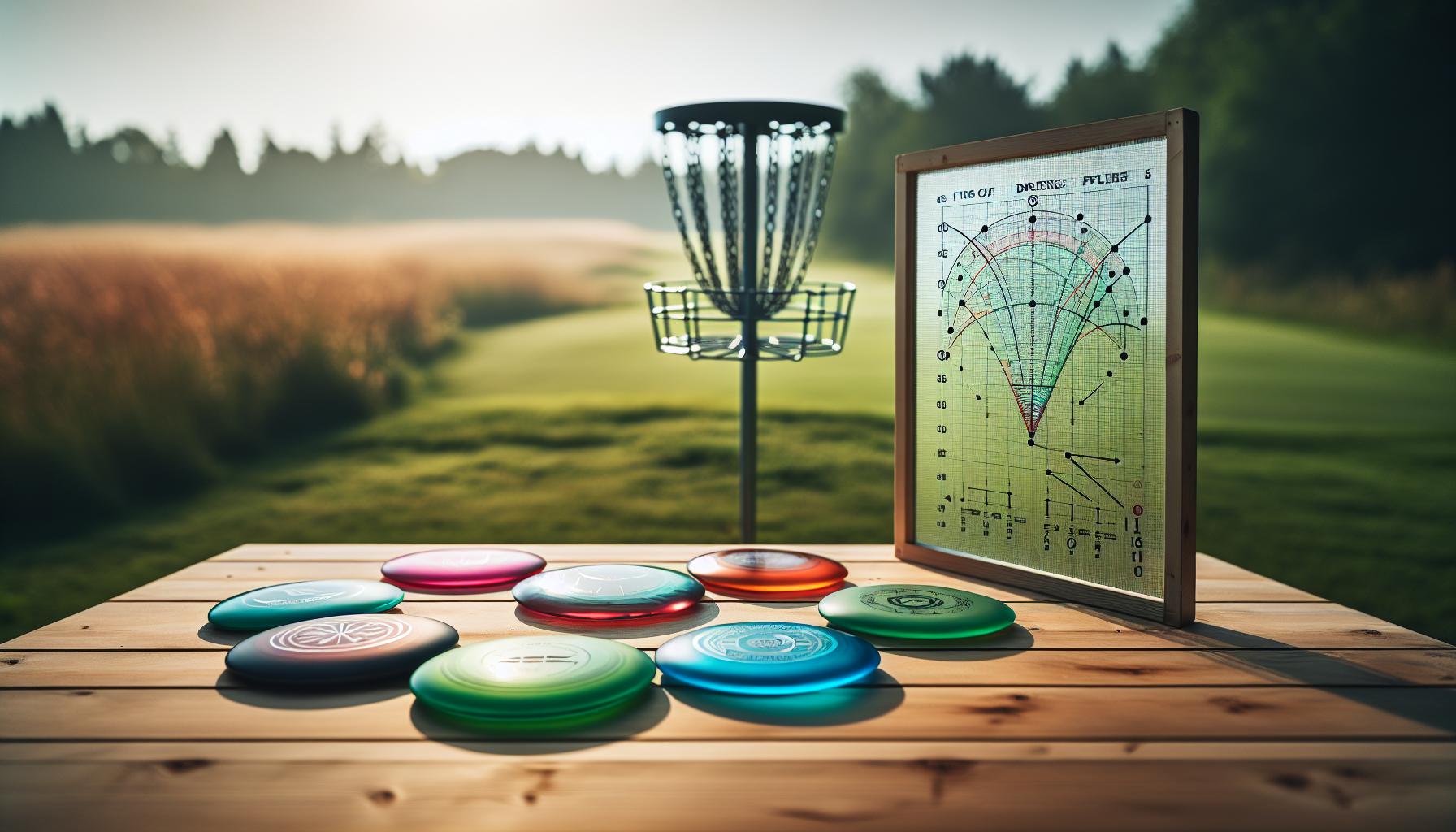
Understanding Disc Flight Characteristics for Driver Selection
Understanding how disc flight characteristics influence your driver selection can be the key to enhancing your performance on the course and enjoying the game even more. Disc golf drivers are uniquely designed to behave differently in the air based on their flight ratings, particularly speed, glide, turn, and fade. Each of these characteristics contributes to how a disc will perform and how suitable it is for different skill levels and throwing styles.
Flight Ratings Explained
The flight ratings are typically represented by a four-number sequence, such as 13/5/-1/2. Here’s what each number represents:
- Speed: The first number indicates how fast the disc needs to be thrown to achieve optimal performance. Higher speeds (10+) are usually better suited for advanced players who can generate more power, while lower speeds (7-9) are ideal for beginners.
- Glide: This second number shows how well the disc stays in the air. A higher glide number allows the disc to float longer, which can be beneficial for achieving greater distances with less effort.
- Turn: The third number indicates how much the disc will turn to the right during the initial flight for right-hand backhand throws. A negative number (e.g., -1) signifies a higher turn, making the disc more forgiving for beginners, whereas a 0 or positive number indicates less turn, suitable for more controlled throws.
- Fade: The final number represents how much the disc will fade left towards the end of its flight. A higher fade number means a sharper finish, which can help in navigating tight fairways or controlling landing spots.
Choosing the Right Driver Based on Flight Characteristics
For newcomers to the sport, selecting a driver with a lower speed rating and a good amount of glide, such as those around 7-9 speed, can make it easier to achieve distance and accuracy early on. Such discs often have a combination of stability and forgiveness, allowing players to correct minor form mistakes. Understable drivers are particularly helpful for beginners as they promote a natural hyzer-flip, providing a straighter flight path that can yield satisfying results without advanced skills.
On the other hand, experienced players might seek out drivers with higher speed and varied flight ratings to enhance their toolkit for different scenarios on the course. As players learn to manipulate their throws with varying release angles, having a driver that suits their established techniques can vastly improve their game. Exploring different driver combinations and their behaviors in various conditions-like wind or uneven terrain-will further develop throwing skills and enhance overall disc golf strategy.
In essence, understanding disc flight characteristics equips players with the knowledge to tailor their driver selection, allowing for more personalized gameplay. Whether you’re just starting or looking to refine your skills, recognizing how these elements interact will help you make informed decisions, ensuring that every throw counts on your journey through the world of disc golf.
Types of Disc Golf Drivers: Which Is Right for You?
While navigating the world of disc golf, understanding the various types of drivers available is essential for maximizing performance and enjoyment on the course. Each driver is designed with a specific purpose in mind, catering to different throwing styles and skill levels. Whether you’re just starting out or you’ve honed your skills, selecting the right driver can significantly impact your game.
There are primarily three categories of drivers: distance drivers, control drivers, and fairway drivers. Each type plays a unique role in a disc golfer’s bag and can dramatically affect your strategy.
Distance Drivers
Distance drivers are usually designed for advanced players who can generate significant throwing power. They typically have higher speed ratings, such as 12 and above, and are made to achieve maximum distance when thrown correctly. These discs often have a low glide rating, meaning they won’t stay in the air too long if thrown improperly, making them less forgiving for beginners. For individuals looking to add yards to their throws, distance drivers can be a game-changer, but they require excellent form and technique to be effective.
Control Drivers
Control drivers bridge the gap between distance drivers and fairway drivers. With speed ratings usually between 8-11, control drivers offer a balance of distance and manageability. They’re designed for players who want to achieve respectable distances while maintaining accuracy during their throws. These drivers can handle a variety of shot shapes, making them versatile tools for strategic play on the course. They are often a favorite among intermediate players looking to refine their skills while providing some wiggle room for errors.
Fairway Drivers
Fairway drivers boast speed ratings typically under 9, focusing more on accuracy than sheer distance. They are ideal for tight fairways and more controlled throwing scenarios, providing players with the ability to navigate obstacles with ease. Beginners often latch onto fairway drivers as they allow for greater control over their throws, reducing the chance of unwanted turn and fade. These discs are excellent for low-power throws, strategic approaches, and short-distance drives where precision is paramount.
Choosing the right driver ultimately depends on your playing style, skill level, and the specific courses you typically encounter. Each type of driver serves its purpose and finding the one that aligns with your throwing mechanics will enhance your performance and enjoyment of the game.
Evaluating Weight, Speed, and Glide: Find Your Perfect Fit
When it comes to choosing your first disc golf driver, understanding the nuances of weight, speed, and glide can enhance your performance and align your disc selection with your personal throwing style. These three characteristics play a crucial role in how a disc behaves in the air and how it responds to your unique throwing mechanics. A well-informed choice not only boosts your confidence but can also elevate your overall gameplay.
Weight is one of the most tangible attributes to consider. Disc weights typically range from around 150 grams to 180 grams. For beginners, a lighter disc (150-170 grams) can be easier to handle, enabling a smoother throw and better control due to less strain. As your skills develop, you might gravitate towards heavier discs (170-180 grams), which can offer greater stability in wind and enhanced distance potential, particularly for power throws. It’s essential to find a weight that complements your strength and mechanics, as throwing a disc that’s too heavy can lead to inconsistent releases.
Speed ratings, usually ranging from 1 to 14, describe how fast the disc can travel while still maintaining desired motion. For newcomers, slower discs (1-7) often provide more predictable flight patterns, making them ideal for mastering the fundamentals. Intermediate and advanced players may consider faster discs (8 and above) that can cover distance more effectively but require precise technique and control. It’s crucial to align your speed choice with your skill level; as you improve, you may find that a faster driver allows more versatility and distance.
Glide, on the other hand, affects how long a disc stays in the air during flight. Discs with higher glide ratings (5-7) will float and carry through the air longer, making them beneficial for getting additional distance on your throws. Conversely, discs with lower glide (1-4) can be easier to control for specific shots, particularly in windy conditions. Understanding your playing environment and how each disc’s glide influences performance will help in honing your shot accuracy and overall strategy.
In conclusion, selecting the right combination of weight, speed, and glide is vital for optimizing your disc golf experience. Start by experimenting with various discs during practice rounds to assess how each combination feels in your hand and in the air. Don’t hesitate to seek advice from seasoned players in your community or at local shops, as real-world insights can guide you towards finding the perfect fit for your throwing style. As you evolve in your disc golf journey, remember that both the science of disc design and the art of personal preference will shape your ultimate selection of drivers.
Throwing Mechanics: How to Maximize Your Driver’s Performance
To truly harness the full potential of your disc golf driver, mastering your throwing mechanics is essential. The way you grip, stance, and release the disc significantly influences its flight path and distance. A solid technique not only enhances your accuracy but also helps prevent injury and fatigue over long rounds. This is especially important as you transition from a beginner to more advanced levels of play.
Start with your grip, as it establishes the foundation for a successful throw. You should aim for a firm yet relaxed grip. Hold the disc with your thumb on top and your index and middle fingers underneath, with your ring and pinky fingers pushing against the rim for stability. The amount of pressure you apply can affect the release; too tight can lead to tension, while too loose might cause the disc to slip. A good drill is to practice your grip without throwing, focusing on maintaining the right tension and comfort until it feels natural.
Next, let’s discuss your stance and footwork. A balanced stance is key in maximizing power and control. Stand with your feet shoulder-width apart, knees slightly bent, and weight evenly distributed. When preparing to throw, shift your weight onto your back foot, creating a coil with your torso as you pull the disc back. As you begin your throw, uncoil your body, transferring your weight from your back foot to your front foot. This motion not only builds momentum but also ensures that your hips and shoulders are engaged, allowing for a powerful release.
The final element is the release itself, which can make or break your throw. As you reach the point of release, focus on snapping your wrist to add spin, which stabilizes the disc’s flight. Ideally, you want to aim for a flat release, where the disc exits your hand level with the ground. Variations in release angle can dramatically affect the flight path, so practice throwing at different angles to see how your disc reacts. Engaging in drills that focus solely on the release can greatly improve your flight consistency and distance.
Understanding these mechanics is crucial for both newcomers and seasoned players. Professional players often emphasize that the nuances in their throwing techniques translate into real results on the course. Spend time honing each aspect-grip, stance, and release-and notice how your disc’s flight improves. Consider recording your throws and reviewing your form, or ask for feedback from fellow players to identify areas for improvement. Remember, even the most advanced players started with the basics; a solid understanding of your throwing mechanics will not only enhance your performance but also deepen your enjoyment of this dynamic sport.
Wind and Weather Effects: Adapting Your Driver Choice
Playing disc golf is a thrilling experience, but conditions like wind and weather can significantly impact how your discs perform on the course. Understanding these elements is crucial for selecting the right driver, helping you maintain control and distance regardless of environmental factors. Wind, in particular, can alter the flight path of your disc, making certain designs and weights more suitable for tackling these challenges.
When considering wind effects, it’s important to note that heavier discs (180 grams or more) typically perform better in strong winds. Their added weight helps them resist gusts and maintain stability, resulting in more reliable throws. Conversely, lighter discs may be ideal in calm conditions but can easily be affected by crosswinds, causing erratic flight paths. For those breezy days, opt for overstable drivers-these discs are intentionally designed to resist turning over under speed and wind conditions, making them great allies for achieving accuracy amidst turbulence.
Weather impacts beyond just wind should also inform your driver choice. In rainy or humid conditions, the grip on your disc can be affected, leading to the potential for slips during release. This is where a good grip comes into play. Look for discs with textured surfaces or consider adjusting your grip style to ensure you maintain control. Also, if the ground is wet, you’ll want to avoid overly lightweight discs that can dig into soft ground on landing-sticking with a sturdier design can reduce the risk of damage.
Ultimately, adapting to wind and weather conditions requires practice and foresight. Spend time experimenting with different driver types and weights in varying conditions. This will not only help you find the driver that suits your style but also sharpen your overall play strategy. Remember, understanding how external factors influence your equipment choices can elevate your game, helping you to meet the challenges of any course with confidence.
Top Brands and Models: What the Pros Recommend
Selecting the right disc golf driver is pivotal for any player looking to elevate their game. With a myriad of brands and models available, finding the ideal match can feel overwhelming. Fortunately, many professional players and enthusiasts alike have narrowed down the choices to a few standout options that cater to varying styles and preferences.
When considering which drivers to invest in, brands like Innova, Discraft, and MVP Disc Sports consistently come up as favorites among pros. For instance, Innova’s Destroyer is celebrated for its high speed and versatility, making it a go-to for those who favor long-distance throws. On the other hand, the Buzzz from Discraft is revered for its stability and is perfect for players looking to maintain accuracy on longer throws. MVP’s Tesla offers unique gyro technology that enhances stability and glide, providing an edge in both accuracy and distance.
Another key aspect to consider is the plastic type, which influences feel and durability. Innova’s Star Plastic offers a balance of grip and longevity, while Discraft’s ESP Plastic provides a premium feel with added durability that stands up to wear and tear. Moreover, many players prefer specific weights and flexibilities within these models depending on their throwing style, often experimenting with different configurations to find their sweet spot.
Ultimately, the best way to determine which driver resonates with your game is to spend time in the field. Engage with your local disc golf community for recommendations and opportunities to test various models before purchasing. Seeking out feedback and firsthand experiences can illuminate options you may not have considered, helping you to make an informed decision that enhances your performance on the course. Embracing the journey of experimentation will not only improve your skills but solidify your passion for this exhilarating sport.
Comparing Price Points: Budgeting for Your Ideal Driver
Selecting the right disc golf driver doesn’t have to break the bank, but understanding the price range and what you get at each tier is crucial for newcomers and seasoned players alike. Prices for disc golf drivers can vary significantly based on brand, technology, and materials. While it’s tempting to gravitate towards the most expensive options, it’s essential to determine how much you’re willing to invest based on your skill level and commitment to the sport.
Most entry-level drivers can be found between $10 to $20, making them accessible for beginners eager to delve into disc golf without a hefty initial investment. These discs, while basic, provide a good foundation for learning the fundamentals of throwing and flight characteristics. Brands such as Innova and Discraft often have introductory models that perform well without extensive features, making them perfect for new players honing their skills.
As you progress and start to refine your throwing technique, you might look for advanced drivers that range from $20 to $30. Discs in this category often incorporate superior plastics and design features geared toward enhanced performance. For instance, Discraft’s more stable models or Innova’s distance-oriented options can help elevate your game as you work towards more ambitious throws and strategic play.
For those ready to take their game to a competitive level, be prepared to invest $30 or more in premium discs. These high-end models often feature specialized technology aimed at maximizing speed, glide, and accuracy. Disc golf enthusiasts frequently cite brands like MVP and Latitude 64 as producers of high-performance drivers that stand out in tournaments. Their uniqueness and enhanced stability can significantly impact a player’s performance, and many competitive players regard them as essential investments.
Ultimately, it’s important to remember that while price can correlate with quality, it’s not the only factor to consider. Engaging with community discussions, attending local events, and trying out different models can yield insights that transcend mere cost assessments. Always weigh the potential benefits of a driver against its price, and don’t hesitate to invest in a disc that truly complements your personal throwing style and enhances your disc golf experience. Embrace the learning curve and enjoy the journey, knowing that every dollar spent contributes to your development as a player in this exciting sport.
Customizing Your Gear: Should You Personalize Your Driver?
Personalizing your disc golf driver can enhance your connection to the sport and improve your performance on the course. Many players find that a touch of customization-not only makes their disc stand out-but can also positively impact their throwing experience. Custom designs can reflect your personality, and choices of weight, plastic type, and even stamp designs can tailor a disc to suit both your style and your gameplay needs.
When considering customization, think about how the specific attributes of the disc can help you achieve your goals. For example, choosing a lighter weight disc may aid beginners in acquiring distance as they develop their throwing mechanics. More experienced players might opt for premium plastics that provide additional grip for enhanced control in diverse weather conditions. The aesthetics of a disc are also significant; a unique, personalized design can boost your morale and make each throw feel more special. You might personalize by adding your own artwork, opting for custom stamps from manufacturers, or even collaborating with local artists to create a truly unique piece.
Looking at it from a practical standpoint, checking with local disc golf shops or online retailers about customization options is key. Many brands offer custom printing options, allowing you to select colors and designs that resonate with you. It’s also worth exploring social media and disc golf communities where players share experiences about their personalized drivers. Not only can this provide inspiration, but it will also help you understand the impact of these choices on performance. What you personalize ultimately comes down to your gameplay style, comfort, and how you want to represent yourself on the course.
Finally, engaging with other players about their customized gear can shed light on broader trends and preferences. Attend local tournaments or informal meet-ups to talk about equipment and hear varied perspectives. You might discover new insights into customizing techniques that could sharpen your skills. Remember, while it’s vital that your disc complements your personal style and preferences, the most effective customization is informed by your gameplay and growth as an athlete in the burgeoning sport of disc golf. Embrace the journey of experimentation with your gear, as every element plays a role in developing not only your technique but also your enjoyment of the game.
Tips for Testing Discs: How to Make the Right Choice
Testing disc golf drivers is an essential step for any player looking to enhance their game. Whether you’re a newcomer or a seasoned pro, finding the perfect driver can dramatically influence your performance on the course. Many players make the mistake of sticking to the same discs without exploring their options, which can limit their potential. The key to making an informed choice lies in understanding how to effectively test and assess discs under real playing conditions.
Start with a structured approach to testing. Find a quiet, open space where you can throw without distractions. Bring a variety of drivers to evaluate different weights, plastics, and stability ratings. Before throwing, familiarize yourself with the flight characteristics of each disc. Pay attention to factors like their speed, glide, turn, and fade, often represented by a four-number flight rating. This will help you predict how each disc will behave in the air. As you throw, take notes on how each disc feels during release, its flight path, and how it reacts to your throwing mechanics.
Consider Variation in Throwing Styles
Understanding that every thrower has a unique style is crucial for selecting a driver. Be sure to test your drivers with various throwing techniques, including backhand, forehand, and overhead throws. Each style may yield different results with the same disc. Consider the wind conditions during your test, as this can significantly affect flight patterns. If possible, test your discs on different courses or terrains to mimic real-game scenarios. A disc that performs well on flat ground may behave differently on an uphill or downhill slope.
Engage with Your Community
Don’t hesitate to reach out to fellow players. Many disc golf enthusiasts love sharing their experiences and recommendations. Online forums and local disc golf groups can provide invaluable insights on which discs work best for specific playing styles or course conditions. Additionally, consider attending local disc golf events or signing up for community leagues to see what other players are using. This real-world feedback can guide you to drivers that might fit your game better than those you’ve already tried.
Finally, remember that testing disc golf drivers is not a one-time event; it should become a part of your routine as your skills and preferences evolve. Relying solely on branded hype or recommendations from friends might lead you astray. By actively testing, assessing, and engaging with the community, you’ll find the driver that not only enhances your performance but also boosts your confidence on the course. Enjoy the process, and embrace the discovery of your optimal disc golf driver!
Community Insights: What Other Players Are Saying
The disc golf community is vibrant and deeply passionate about sharing insights, which can be invaluable when selecting the right driver. Engaging with fellow players not only enhances your knowledge but also connects you to diverse experiences that can shape your decisions. From local courses to online forums, players often offer candid opinions on the latest drivers they’ve tested, and their real-world experiences can provide clarity on what suits different styles of play.
One recurring theme among seasoned players is the importance of personal fit. Many emphasize that the best driver is the one that feels comfortable in your hand and complements your throwing style. For instance, players who favor a more aggressive throwing technique might recommend stable, high-speed discs that can handle a powerful release, while those who prefer finesse may gravitate towards lighter, more controllable options. Engaging in discussions about what felt right for them during various conditions can provide insights into how you might approach your own testing.
Community events, leagues, and social media also serve as platforms for players to share tips on techniques and disc selections. For example, some players advocate for testing a variety of discs during casual rounds rather than serious play, allowing for a relaxed analysis of their performance. Others might suggest using a driving range to isolate the disc’s flight characteristics without distractions. This practical advice helps demystify the driver selection process, making it more approachable for newcomers who may feel overwhelmed by the vast array of choices.
It’s also worth noting the trend of customization among experienced players, who often personalize their gear for enhanced performance and style. Many community members take pride in discussing the aesthetics of their drivers-colors, stamps, and personalization-while simultaneously emphasizing that functionality should never be overlooked. Their insights could inspire you to consider how customizing a driver with your unique flair can also improve your connection to the sport, making your selection process not just about performance but about enhancing your identity as a player.
Ultimately, the treasure trove of insights from fellow players can illuminate your journey in finding the ideal disc golf driver. By listening, sharing experiences, and interacting within the community, you can build a well-informed selection strategy that elevates your game and enriches your disc golf experience.
Navigating Disc Golf Retail: Where to Buy Your Driver
Finding the right place to purchase your disc golf driver can significantly influence your experience as a newcomer or player seeking to elevate their game. With an increasing number of retailers catering to disc golf enthusiasts, you’ve got a wealth of options, from local pro shops to expansive online stores. Knowing where to look not only saves time and effort but also ensures you get the best performance for your investment.
When considering your retail options, start with local shops. Independent retailers often have knowledgeable staff who are avid disc golfers themselves. They can provide personalized recommendations based on your skill level, throwing style, and budget. Engaging directly with staff allows you to hold and feel the discs, which is crucial for finding a driver that feels comfortable in your hand. Additionally, many local stores offer demo days or community events where you can try out different discs before making a purchase.
For broader selection and potential savings, online retailers such as Disc Golf United or Infinite Discs provide comprehensive inventories. Shopping online gives you access to various brands and models, often accompanied by customer reviews and flight ratings that can be incredibly helpful. Be sure to take note of websites that offer return policies or trial periods; they allow you to test a driver in real-world conditions and return it if it doesn’t meet your expectations.
Finally, consider checking out disc golf marketplaces where players sell new and gently used discs. Platforms like Facebook Marketplace or dedicated disc golf groups enable you to purchase from fellow players at potentially lower prices. However, always exercise caution and verify the condition of the disc before completing your purchase.
In summary, whether you’re visiting a local shop, clicking through your favorite online retailer, or exploring community markets, each option provides distinct advantages. By exploring various channels, you can find a disc golf driver that aligns with your goals while fostering deeper connections within the vibrant disc golf community.
FAQ
Q: What should I consider when buying my first disc golf driver?
A: When buying your first disc golf driver, consider your skill level, throwing style, and comfort with different weights and grip types. Start with a mid-range driver to help develop your technique before investing in specialized drivers. Refer to the section on Choosing Your First Disc Golf Driver for more insights.
Q: How do I choose the right weight for a disc golf driver?
A: The right weight for a disc golf driver depends on your strength and throwing style. Lighter discs (150-170 grams) are ideal for beginners, while heavier discs (170-175 grams) provide more control for experienced players. Explore the Evaluating Weight, Speed, and Glide section to understand how weight affects throw dynamics.
Q: What are the benefits of different disc golf driver types?
A: Different types of disc golf drivers offer various benefits. Distance drivers are designed for maximum distance, while control drivers focus on accuracy and stability. Learn more about specific driver types in the Types of Disc Golf Drivers section to find the best fit for your playing style.
Q: When should I upgrade my disc golf driver?
A: Upgrade your disc golf driver when you consistently outgrow your current disc, feel limited in distance or control, or when your throwing style evolves. Monitoring your game progress can help you decide when it’s time for a new driver. Check the Customizing Your Gear section for tips on upgrading.
Q: How can I test disc golf drivers before purchasing?
A: To test disc golf drivers, visit a local disc golf shop that offers demo days or rentals. Alternatively, look for community events where players share or trade discs. Utilize insights from the Tips for Testing Discs section for effective testing strategies.
Q: Why does disc flight characteristics matter for driver selection?
A: Understanding disc flight characteristics-such as stability, glide, and fade-is crucial for selecting the right driver, as it affects how the disc performs in various conditions. Dive into the section on Understanding Disc Flight Characteristics to make an informed choice.
Q: How do wind conditions affect my choice of disc golf driver?
A: Wind conditions significantly impact driver performance. In strong winds, opt for more overstable discs that can cut through gusts. Explore strategies in the Wind and Weather Effects section to adapt your driver choice based on weather conditions.
Q: Where can I find the best disc golf drivers for my budget?
A: To find the best disc golf drivers within your budget, browse both local sporting goods stores and online retailers that specialize in disc golf equipment. The Comparing Price Points section offers advice on balancing quality and affordability.
In Conclusion
Now that you have the Driver Selection Blueprint in hand, you’re equipped to make informed choices about your disc golf journey. Remember, selecting the right driver isn’t just about the brand or disc specifications-it’s about your unique throwing style and the courses you play. Don’t wait too long; dive into your disc golf adventure today! Explore our guides on disc flight characteristics and throwing mechanics to elevate your game further.
Feel free to share your thoughts or questions in the comments below; we’d love to hear from you! If you’re ready to take your skills up a notch, check out our step-by-step technique guides and equipment comparison tables for more insights. And don’t forget to sign up for our newsletter for the latest tips and exclusive resources! Your next great throw is just a disc away!