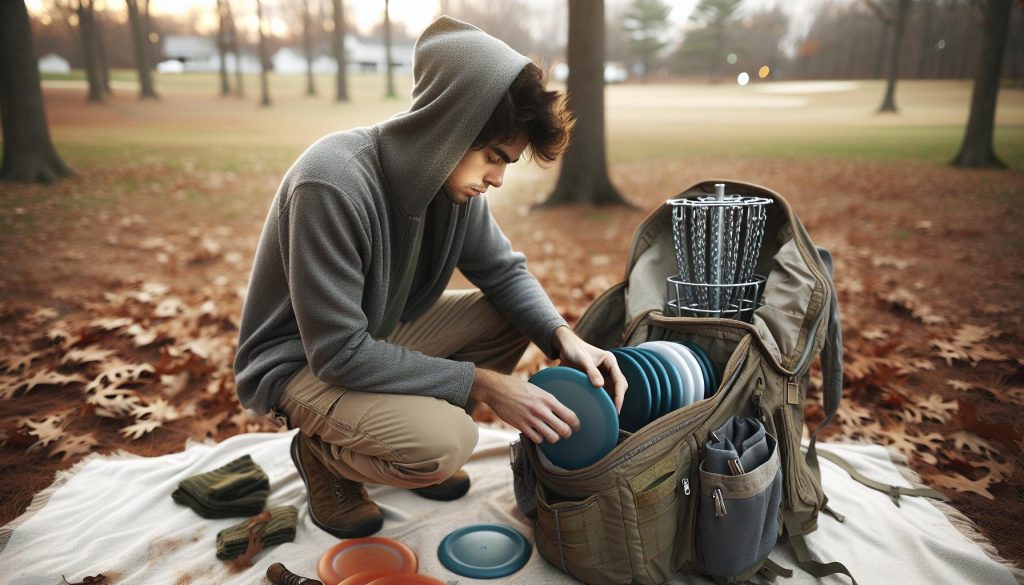
Did you know that customizing your own disc golf bag can enhance your game and express your personal style? As the popularity of disc golf continues to soar, having a reliable and functional bag is essential for every player, whether you’re a casual weekend warrior or a committed competitor. In this DIY project guide, we’ll not only show you how to build a disc golf bag tailored to your needs but also highlight the importance of choosing the right equipment to boost your performance on the course. Join us as we explore practical tips, design ideas, and expert insights that will ensure your new bag is both stylish and effective, helping you carry your discs with ease and confidence. Let’s dive in and discover how you can create a bag that reflects your unique playing style while ensuring you have everything you need for a successful round!
How to Choose the Right Materials for Your Disc Golf Bag
Choosing the right materials for your DIY disc golf bag is crucial not only for functionality but also for comfort and aesthetics. The right materials can enhance the overall performance of the bag and improve your experience on the course. When selecting materials, consider factors like weight, durability, weather resistance, and ease of cleaning. This ensures that your bag can withstand the rigors of outdoor use while keeping your gear secure and accessible.
Fabrics are a primary consideration. Look for lightweight yet durable options such as nylon or polyester, which offer water resistance and are easy to clean. A common choice among DIY enthusiasts is ripstop nylon; its tough weave prevents tearing and increases longevity. For the lining, a softer material like fleece can add protection for your discs while being gentle enough to prevent scratches.
Reinforcements in high-stress areas are also essential. Consider using heavier-duty fabrics or additional layers on the bottom of the bag and straps. This ensures that these areas can withstand wear and tear during frequent use. Durable buckles, zippers, and stitching with UV-resistant thread will maintain the bag’s integrity against the elements.
In addition to the materials themselves, think about extra features that can be integrated into your design. For instance, waterproof coatings or treated fabrics can help shield your discs from rain. Incorporating breathable mesh panels can aid ventilation, preventing moisture build-up from sweat when carrying a full load.
Ultimately, the right selection of materials combines practicality with personal style, allowing you to create a unique disc golf bag that reflects your passion for the game and meets your specific needs.
Essential Tools You Need for Your DIY Project
Building your own disc golf bag is an exciting project that not only allows for personal expression but also ensures that your gear is tailored to your specific needs on the course. To start your DIY journey, you’ll need the right tools to make the process efficient and enjoyable. Here’s a guide to the essential tools that will help you create a durable and functional disc golf bag.
First and foremost, sewing tools are at the heart of your project. You’ll need:
- Sewing Machine: A reliable sewing machine can make stitching together your materials a quick and smooth process. Look for one that can handle multiple thicknesses, as your bag will have varying fabric weights.
- Fabric Scissors: Invest in a sharp pair of fabric scissors for clean cuts. This helps to prevent fraying and ensures your pieces fit together perfectly.
- Pins or Clips: Use pins or fabric clips to hold your materials in place before sewing. This step is crucial for accuracy and alignment.
- Measuring Tape or Ruler: Precision is key in your design. A measuring tape or a clear ruler will help you take accurate measurements for your bag’s dimensions.
- Marking Tools: Tailor’s chalk or fabric markers can highlight cutting lines and sewing guides without leaving permanent marks.
Next, besides basic sewing hardware, consider these additional tools that enhance the quality and usability of your bag:
- Iron: Pressing your seams flat can improve the final appearance and functionality of your bag, especially around pockets and straps.
- Heavy-Duty Needles: Use needles designed for thick fabrics to ensure your stitching can handle the stress from the weight of the discs.
- Cutting Mat and Rotary Cutter: For more precise cuts, especially if you’re working with multiple layers, a cutting mat paired with a rotary cutter can provide clean edges.
- Webbing and Strap Adjusters: If you plan to add adjustable straps, having the right fastening hardware is vital for comfort.
- Grommet Kit: For adding ventilation or decorative features, a grommet kit will help reinforce holes without compromising the integrity of your fabric.
Prepare your workspace by laying out all your tools and materials, creating an organized flow for your workflow. A well-structured environment sets the stage for a successful build. Embrace your creativity as you delve into this DIY endeavor, transforming your vision into a personalized disc golf bag that not only serves its purpose but also reflects your passion for the sport!
Step-by-Step Guide to Crafting Your Disc Golf Bag
Crafting your own disc golf bag can be an incredibly rewarding project, allowing you to meld functionality with personal style. Each step of the process not only brings you closer to a final product that enhances your game but also fosters a deeper connection with the sport itself. Here’s a clear, actionable guide to help you through the steps of making your own disc golf bag.
Start by preparing your materials and workspace. Select durable fabric, such as canvas or nylon, that can withstand outdoor conditions and the weight of your gear. First, cut your main bag pieces according to your design template, ensuring you have enough extra material for seams. Lay out the fabric, measuring precisely to avoid any errors, then mark your cutting lines with tailor’s chalk.
Next, assemble any internal support structures if required. Depending on your design, consider adding a frame or padding for extra stability. This could involve sewing in additional layers of fabric or inserting a stiffener made from lightweight plastic or wood. Once your bag structure is ready, focus on the sewing. Use a sewing machine suited for heavy-duty fabrics and employ strong stitching techniques, such as double seams, at stress points to prevent tearing under the weight of your discs.
After assembling the main body, it’s time to work on pockets, straps, and any unique features you envision. Create separate compartments for your discs, ensuring they are easily accessible. We recommend leaving room for at least a dozen discs, with additional pockets for valuables. When attaching straps, make sure they are padded for comfort and adjustable to fit different body types. As a finishing touch, add any aesthetic elements, like color patterns or personalized patches, to showcase your individuality.
Lastly, don’t forget about weather resistance. Applying a waterproof treatment to your fabric can significantly extend the life of your bag and keep your gear dry during unexpected weather. Ensure all seams are covered or sealed to prevent water ingress.
As you embark on this creative journey, remember that building a disc golf bag is more than just the end product; it’s about enjoying the process and expressing your love for the game. Share your designs and seek inspiration from fellow disc golf enthusiasts, celebrating the vibrant community that surrounds the sport. Whether you’re a casual player or a serious competitor, your DIY disc golf bag will not only serve your needs but also tell a story of your passion for the game.
Customizing Your Bag: Pockets, Straps, and Style
Creating a disc golf bag that suits your personal style and enhances your performance on the course can be an exciting part of the DIY process. Customizing your bag involves not just the aesthetic elements, but also the functional features that make your experience on the course smoother and more enjoyable. By carefully designing pockets, selecting the right straps, and adding unique touches, you can create a bag that is truly your own.
Pockets for Every Need
One of the first customization opportunities lies in the pockets you include. It’s crucial to create pockets that are not only plentiful but also strategically placed to ensure quick access to your discs and gear. Consider adding:
- Disc Compartments: Design specific sections for your discs to keep them secure and organized. A dedicated area for 8-12 discs will suffice for casual rounds, while more competitive players might want extra slots.
- Accessory Pockets: Include smaller pockets for items like scorecards, pencils, or even snacks. Side pockets can be perfect for holding your water bottle or towel.
- Valuables Compartment: A zipper-secured pocket can safeguard your phone, keys, and wallet. Choose a weather-resistant material to keep these items safe from the elements.
Strapping It Together
Straps are not merely for carrying your bag; they play a vital role in comfort and usability. When designing or customizing your straps, consider the following:
- Padded Straps: Adding padding will help distribute weight evenly across your shoulders, especially important if you plan to carry all your gear for extended periods.
- Adjustable Length: Ensure that the straps can be easily adjusted to accommodate different body types, which can make a significant difference in comfort during long rounds.
- Sternum and Waist Straps: For more support, adding these can help stabilize the bag, reducing strain on your back and shoulders as you move about the course.
Adding Your Personal Touch
Personalization is what transforms a functional bag into a unique expression of your creativity. Here are a few ideas to consider:
- Color Choices: Select vibrant colors or patterns that reflect your personality. Whether you go for a classic look or something more eye-catching, this can set your bag apart.
- Emblems and Patches: Sew on patches from your favorite courses, tournaments, or brands. This not only adds style but can also serve as conversation starters on the course.
- Custom Labels: Create labels for your pockets or compartments, ensuring you remember where everything goes, while adding a touch of flair.
Customizing your disc golf bag not only enhances its functionality but also personalizes your experience within the sport. As you embark on this creative journey, remember that the ultimate aim is to build a bag that resonates with your playing style while showcasing your flair. Embrace the process, share your designs, and connect with the vibrant disc golf community that supports and inspires fellow enthusiasts.
Choosing the Perfect Size and Capacity for Your Needs
When it comes to designing the perfect disc golf bag, size and capacity are crucial considerations that can significantly impact your game. Selecting the right dimensions ensures that you have enough space for essential gear without feeling burdened by excess weight. Ultimately, the bag should be tailored to your personal playing style, how many discs you prefer to carry, and the kind of courses you frequent.
To begin with, assess your playing habits. If you’re a casual player who enjoys a quick round with friends, a smaller bag that holds around 8-12 discs might suffice. This size is convenient and lightweight, allowing for easy transportation. However, competitive players or those who enjoy experimenting with various disc types may want to opt for a larger bag that accommodates 15-20 discs or more. It’s important to consider the specific compartments for different disc types-distance drivers, midranges, and putters-making sure they fit snugly to avoid shifting during play.
Another factor to consider is the type of courses you play. If you regularly tackle wooded or hilly terrains, a compact design with easily accessible pockets for quick retrieval of your most-used discs can be beneficial. Conversely, if you play in open fields where a broader selection of discs is advantageous, a larger capacity bag can offer the flexibility you need. Remember, weight distribution is just as vital; you don’t want a bag that feels imbalanced or cumbersome. Think about how the bag sits when it’s fully loaded-make sure the straps are positioned to distribute the weight evenly across your back.
In conclusion, choosing the right size and capacity for your disc golf bag is about aligning it with your unique needs and preferences. Reflect on how many discs you typically carry, the style of play you prefer, and the types of courses you frequent. Opting for a design that strikes a balance between ample space and manageable weight will ensure you can enjoy your game to its fullest without the distraction of an unwieldy bag.
Tips for Ensuring Durability and Weather Resistance
When embarking on your DIY disc golf bag project, considering durability and weather resistance is paramount. After all, you’ll want your bag to withstand the rigors of outdoor play while keeping your discs and gear safe from the elements. The right materials combined with thoughtful design choices can significantly enhance your bag’s longevity.
First, select materials that are commonly known for their strength and weather resistance. Nylon and polyester are top choices; they offer excellent tear resistance and repel water effectively. Look for fabric with a higher denier count, as this typically indicates a stronger material. Additionally, consider using a waterproof coating or treatment on your fabric. Products like silicone or polyurethane coatings can add an extra layer of protection against rain and moisture. Reinforcing the areas that experience the most wear, such as the bottom and straps, with durable materials or added layers will help prevent damage over time.
Incorporating features that enhance weather resistance will also benefit your DIY project. Using sealed zippers or waterproof closures can help keep moisture at bay. Alternatively, zippered pockets lined with waterproof fabric offer an excellent way to protect essentials like phone and keys. You might also consider adding a rainfly or cover that can be deployed in inclement weather, providing additional protection for your disc collection.
Lastly, to ensure maximum durability, pay attention to your stitching techniques. Using double stitching or reinforced seams in high-stress areas will add significant strength to your bag. Regularly inspect your bag for any signs of wear or damage, and perform maintenance as needed. With these strategies in place, you craft a disc golf bag that not only reflects your personal style but also stands up to the demands of the game, allowing you to focus on your throws rather than your gear’s integrity.
Incorporating Unique Features for Enhanced Functionality
Creating a disc golf bag with unique features can significantly enhance your gameplay experience, allowing you to carry your essentials efficiently and stylishly. One progressive approach is to incorporate modular pockets that cater specifically to the varied needs of disc golfers. These pockets can be custom-sized to accommodate discs, accessories, and personal items like phones and wallets. Utilizing Velcro or snap fasteners enables you to rearrange or remove these pockets based on the course conditions or your personal preferences.
Another innovative idea is to integrate an adjustable strap system with extra padding to ensure comfort during long rounds. Consider adding a chest strap or a hip belt that helps distribute weight evenly, reducing the strain on your shoulders and back. You might also explore the incorporation of hydration features, such as a pocket designed to fit a water bottle or a hydration bladder, allowing you to stay hydrated without having to stop your game.
Lighting can also be a fun and functional feature, especially for evening rounds. Installing small LED lights in your bag can help you keep track of your gear, making it easier to find discs in low-light conditions. Furthermore, reflective elements on your bag’s exterior can improve visibility if you’re playing during dusk or dawn, enhancing your safety.
Lastly, consider adding a built-in scorecard holder or a small clipboard area. This not only keeps your scoring organized but also provides a handy spot for mini notebooks or pens, ensuring you never miss an important note during your game. Incorporating these unique features not only enhances functionality but also personalizes your DIY disc golf bag, reflecting your style and adding to the enjoyment of the sport.
Common Mistakes to Avoid When Building Your Bag
Building your own disc golf bag can be an exciting project that not only showcases your personal style but also enhances your gameplay. However, there are several common missteps that DIY enthusiasts often encounter. Recognizing these pitfalls can save you time, effort, and frustration, allowing you to craft a bag that meets your needs perfectly.
One of the biggest mistakes is failing to plan the design and layout of your bag before starting. It’s essential to sketch your ideas and outline the specific compartments you’ll need for your discs, accessories, and personal items. If you rush into construction without a clear vision, you might end up with awkwardly sized pockets or an inefficient layout that doesn’t suit your playing style. Consider your typical round and what items you find yourself reaching for most often. This will guide you in creating a functional and user-friendly design.
Another common error is underestimating the importance of choosing quality materials. Using lightweight fabrics can save on weight, but if they lack durability, your bag might not last through rugged courses or varying weather conditions. Opt for materials known for their strength and water resistance, such as high-denier nylon or polyester, and invest in robust zippers and closures. It’s also wise to reinforce areas that will experience the most stress, like the bottom and seams, to enhance longevity.
Additionally, many builders overlook ergonomic considerations. A bag that looks great might not be comfortable during long rounds. Ensure that straps are padded and adjustable to evenly distribute weight across your shoulders. A poorly designed strap system can lead to fatigue or back pain, which diminishes your enjoyment of the game. Don’t hesitate to test the bag during the building process; take it out for a trial run before finalizing every detail.
Finally, neglecting maintenance aspects can lead to a quick deterioration of your DIY bag. Plan for how you’ll clean and care for your materials. Some fabrics might require special cleaning methods or coatings to maintain their weather resistance. Establishing these practices early will allow your custom bag to remain in top shape, ready to hit the course whenever you are.
By being mindful of these common mistakes-planning your design, selecting quality materials, considering ergonomics, and establishing maintenance routines-you can successfully create a disc golf bag that not only meets your functional needs but also reflects your personal flair. Embrace the journey of building your bag, and enjoy the satisfaction of using something uniquely your own on the course.
Maintenance Tips for Your DIY Disc Golf Bag
Caring for your DIY disc golf bag is essential to ensure its longevity and maintain its functionality throughout your rounds. Just like your discs, your bag should not only serve you well on the course but also endure the wear and tear that comes with enthusiastic play. By integrating a simple maintenance routine into your disc golf practice, you can keep your custom bag in pristine condition, ready for the next adventure.
To start, regularly inspect your bag for any signs of damage, such as frayed seams or worn areas, especially at stress points like straps and pockets. Addressing minor repairs promptly can extend the life of your bag significantly. Use a needle and heavy-duty thread for sewing any loose threads, and consider applying adhesive patches or fabric glue for larger tears. Regular cleaning is also crucial; a simple wipe-down with a damp cloth after each use can prevent dirt and grime from building up. For more thorough cleaning, especially if your bag has collected mud or stains, a gentle soap solution and a soft brush can work wonders. Just be sure to rinse thoroughly and let it dry completely, ideally in a shaded area to avoid sun damage.
Additionally, consider storing your bag properly when not in use. Keeping it in a dry, cool place will prevent mold and mildew. If your bag features any water-resistant coatings, be aware that these can wear off over time. Occasionally reapply a durable water repellent (DWR) spray suited for fabrics to keep your bag weatherproof, especially if you find yourself playing in wet conditions.
Lastly, don’t forget the importance of ergonomic care. Check the cushioning and adjustability of your straps regularly. If they begin to compress or become less supportive, consider replacing them or adding extra padding. This not only enhances your comfort on the course but helps distribute the load better, reducing fatigue during long play sessions. By proactively maintaining your disc golf bag, you’ll ensure it remains a reliable companion on every throw.
Showcase: Inspiring Designs from the Disc Golf Community
The art of crafting a disc golf bag is not just about functionality; it’s also a canvas for creativity and individual expression. Across the vibrant disc golf community, players showcase innovative designs that blend personal flair with practical features. From colorful custom prints to functional layouts tailored for specific needs, these DIY creations inspire others to step outside the traditional norms of disc golf equipment.
One standout approach comes from players who incorporate modular designs into their bags, allowing for customization based on the types of rounds they are playing. For example, a disc golfer might build a bag with detachable side pockets that can store essential tools or snacks for a tournament, while allowing for a streamlined profile during casual outings. This flexibility highlights the unique needs of various players, accommodating those who prefer a minimalist setup versus those who carry multiple discs and accessories.
Materials also play a crucial role in these inspiring designs. Many DIY enthusiasts experiment with recycled textiles or durable outdoor fabrics to enhance the sustainability of their gear. This not only showcases their commitment to the environment but also leads to one-of-a-kind designs that are both eye-catching and resilient. Players often share these designs on social media platforms, showcasing the hybrid styles, patterns, and colors that resonate with their personal brand, thus building a sense of community among alike individuals.
Moreover, integrating unique features such as cooling pockets for beverages, tech slots for phones, or even built-in rain covers are becoming popular. These enhancements serve to elevate the overall playing experience and exemplify a commitment to thoughtful design. As these DIY bags gain attention, they cultivate a spirit of creativity and innovation, encouraging others to rethink their own setups and engage more deeply with the sport. In embracing these diverse approaches, the disc golf community not only fosters individual style but also strengthens the bonds shared among players, turning the course into a vibrant tapestry of creativity and athletic pursuit.
User Testimonials: Real Experiences with DIY Bags
The journey of building a custom disc golf bag is not only a chance to create a practical piece of gear but also an opportunity to express one’s personality and experiences as a player. Testimonials from the disc golf community illuminate the unique aspects and benefits of crafting a DIY bag that resonates with individual needs and preferences. Many players have reported an undeniable sense of satisfaction from using bags that they designed themselves, which not only fit their specific requirements but also tell their own story on the course.
One enthusiastic DIY maker shared, “Creating my bag was a game-changer. I designed it with compartments specifically for the discs I use most often, plus a separate pocket for my water bottle. This setup has made my rounds more enjoyable, as I can easily access what I need without fumbling around. It feels personal and uniquely mine.” This sentiment is echoed by many who find that customizing their bags leads to improved focus and performance during play.
Another player highlighted the importance of using durable materials: “I chose to incorporate weather-resistant fabric because I play in various conditions. The result? My bag has not only survived numerous downpours but has also remained stylish and functional. It feels great knowing I made it with my own hands, and the compliments I get at the course are a bonus!” Such experiences reflect the balance between practicality and creativity, where functionality meets individual expression.
Additionally, the stories of collaboration within the community are inspiring. One group of friends organized a DIY bag-building weekend, sharing techniques and ideas while crafting their unique bags. “It was awesome to learn from each other and bounce ideas around. We ended up with some pretty wild designs, and now whenever we play together, it’s like a walking gallery of DIY creativity!” This highlights how building a customized disc golf bag can not only enhance personal play but also strengthen bonds within the disc golf community through shared experiences and collective creativity.
The testimonials are more than just personal stories; they underscore the value of customization in enhancing the overall disc golf experience. As players share their journeys, tips, and triumphs, they inspire others to take up the challenge of creating a bag that fits their aesthetic and functional desires perfectly.
How to Market and Sell Your Custom Disc Golf Bags
Marketing and selling your custom disc golf bags can be an exciting journey that blends creativity with entrepreneurship. To effectively reach fellow enthusiasts and potential customers, focus on building your brand’s unique identity. Start by showcasing the features that make your bags stand out-whether it’s the materials used, ergonomics, or custom designs. Highlighting these attributes helps communicate value and differentiate your product in a growing market.
Utilize social media platforms to build a community around your brand. Share engaging content such as photos of your bags in action, behind-the-scenes looks at the crafting process, and testimonials from happy users. Consider creating tutorial videos that not only demonstrate the functionality of your bags but also educate viewers on the art of disc golfing. Building an online presence through platforms like Instagram, Facebook, and TikTok can significantly increase your visibility.
Participating in local disc golf events and tournaments can also be a crucial strategy for marketing. Set up a booth or sponsor a hole to showcase your bags directly to your target audience. This not only provides a hands-on experience for potential customers but also allows you to network with other players and enthusiasts. Offering promotional items or engaging in giveaways can further entice customers to connect with your brand.
Another vital aspect of selling your bags is leveraging online marketplaces. Platforms like Etsy or even dedicated disc golf forums can be excellent venues for selling your creations. Ensure your listings are appealing, complete with high-quality images and engaging descriptions that capture the essence of your bags. Consider seasonal promotions or themed collections to attract repeat customers and keep your offerings fresh.
Remember, customer feedback is invaluable. Encourage reviews and actively engage with customers to foster loyalty and trust. By focusing on community engagement, quality craftsmanship, and effective marketing strategies, you can successfully share your passion and creativity with the disc golf world while turning your hobby into a thriving business.
Frequently asked questions
Q: What materials are best for building a DIY disc golf bag?
A: The best materials for a DIY disc golf bag include durable fabrics like nylon or polyester, sturdy zippers for pockets, and a water-resistant coating. You can also use foam or padding for comfort and support. Consider recycling materials from old bags or outdoor gear to save costs and reduce waste.
Q: How do I determine the right size for my DIY disc golf bag?
A: To determine the right size for your DIY disc golf bag, consider how many discs you typically carry and any additional gear like beverages or snacks. A bag that holds 10-15 discs is usually ideal for casual play; however, larger bags may be needed for competitive play. Shape and capacity should also be thought out based on personal comfort and style preferences.
Q: What tools do I need for making a disc golf bag?
A: Essential tools for making your disc golf bag include a sewing machine, fabric scissors, a measuring tape, pins or clips, and a sewing kit. Depending on your design, you may also need an iron for fabric preparation and rivets for added strength on attachments. Consult the “Essential Tools You Need for Your DIY Project” section for further insights.
Q: How can I add unique features to my DIY disc golf bag?
A: Unique features like side pockets for your scorecard and pencils, insulated compartments for drinks, or attachment points for towels can elevate your bag’s functionality. Consider magnetic closures for easy access and straps for carrying extras like jackets. Visit the “Incorporating Unique Features for Enhanced Functionality” section for inspiration.
Q: What are common mistakes to avoid when building a disc golf bag?
A: Common mistakes when building a disc golf bag include underestimating material strength, not accounting for weight distribution, and neglecting waterproofing. It’s crucial to plan your design carefully, ensuring that your bag is comfortable and practical. Refer to the “Common Mistakes to Avoid When Building Your Bag” section for more guidance.
Q: How can I ensure my DIY disc golf bag is durable?
A: To ensure your DIY disc golf bag is durable, use high-quality materials, double-stitch seams, and reinforce areas prone to wear and tear. Adding a water-resistant coating can also protect against the elements. For specific durability tips, check the “Tips for Ensuring Durability and Weather Resistance” section of your article.
Q: Can I customize my DIY disc golf bag with my design?
A: Absolutely! Customizing your DIY disc golf bag can include adding your favorite colors, patterns, or logos. Use fabric paints or patches to express your style. Look into the “Customizing Your Bag: Pockets, Straps, and Style” section for design ideas and tips.
Q: What maintenance is required for a DIY disc golf bag?
A: Regular maintenance for your DIY disc golf bag includes cleaning it often, especially after muddy rounds, and checking for wear on seams and zippers. Store it in a cool, dry place when not in use. For comprehensive maintenance tips, see the “Maintenance Tips for Your DIY Disc Golf Bag” section.
Feel free to dive deeper into the linked sections for detailed guidance and inspiration on your exciting DIY project!
In Conclusion
Congratulations on embarking on your journey to build the perfect disc golf bag! Remember, having the right gear tailored to your playing style can elevate your game and enhance your enjoyment on the course. If you have questions or need more tips, don’t hesitate to check out our guide on choosing the best discs for your game or dive into our pro player interviews for insights that could inspire your next throw.
Feeling inspired? Don’t wait-create your ideal setup today and be ready to impress your friends on the next outing. Join our community by signing up for our newsletter to receive the latest updates, tips, and exclusive discounts straight to your inbox. Share your completed bag and experiences in the comments below; we love hearing from fellow disc golf enthusiasts!
For more resources, explore our step-by-step disc selection guide, or visit our blog for strategies on improving your throwing mechanics. Together, let’s continue to grow and celebrate the disc golf community!