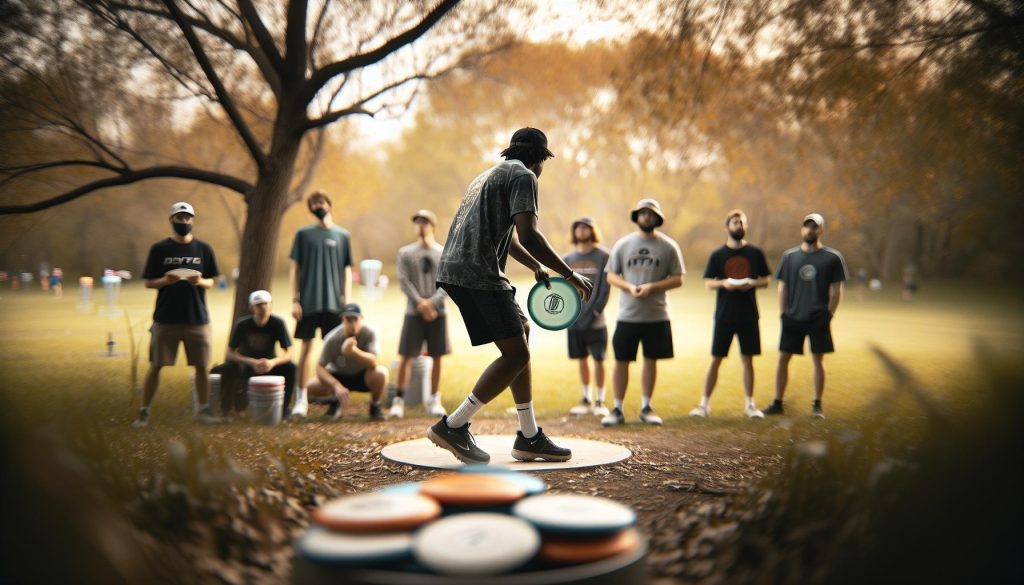
Did you know that disc golf is one of the fastest-growing sports in the world, attracting players of all ages and skill levels? Whether you’re a curious newcomer or a seasoned competitor, understanding the official PDGA starting procedures is crucial for ensuring a smooth and fair game. This guide not only demystifies the rules that govern tournament play but also highlights best practices for preparing for your next disc golf event. By mastering these procedures, you’ll enhance your experience on the course, connect with fellow players, and improve your performance. So, let’s dive into the essential steps that will set you up for success and elevate your game to the next level.
Game Start Procedures: A Step-by-Step Guide
To kick off a successful disc golf game, especially in a competitive setting, players and officials must follow a systematic approach that aligns with PDGA guidelines. Understanding these procedures not only fosters a considerate atmosphere among participants but also enhances the overall experience for everyone involved. The first step to a smooth game start involves the check-in process. Players should arrive early to confirm their registration and receive their starting tee-time and card assignments. This initial step is crucial, as it sets the tone for organization and punctuality.
Once players have checked in, it’s essential to engage with fellow competitors. This camaraderie lays a foundation of sportsmanship and respect. Next, the event director typically holds a pre-game meeting to outline the day’s rules, address potential course hazards, and reiterate any special instructions related to the event. Such communication is vital to ensure all players understand the expectations during the tournament. Furthermore, distributing scorecards and ensuring that each group has the proper equipment aligns with the PDGA’s procedures for a seamless game start.
During the actual game start, the protocol is straightforward but effective: the first player on each card throws from the designated tee pad after a brief “ready” signal from the event director. This enhances flow and maintains structure as competitors begin their rounds. Should any delays occur-be it for weather conditions or course issues-players must remain informed through ongoing communication from the event director to minimize confusion and uphold a positive atmosphere. Incorporating these starting procedures can significantly increase the enjoyment and professionalism of disc golf events, reinforcing the sport’s growing legitimacy and community spirit.
Understanding PDGA Guidelines for Game Start
To ensure every disc golf event kicks off without a hitch, players and officials must adhere to specific guidelines established by the Professional Disc Golf Association (PDGA). These rules are not just bureaucratic formalities; they are designed to promote fair play, smooth operations, and an enjoyable experience for all participants. Every aspect of the game start is structured to create an environment where players can focus on their skills and the competition ahead.
The first critical step involves the player check-in process. Players should arrive well ahead of their scheduled tee time, ready to confirm their registration. This early arrival allows participants to receive their course assignments, starting holes, and scorecards while fostering an atmosphere of camaraderie among competitors. Engaging with fellow participants not only builds community spirit but also promotes sportsmanship, which is essential in friendly competitions.
An essential feature of effective game starts is the role of the event director. Before the first throw, the director conducts a comprehensive players’ meeting. During this gathering, critical information is shared, including the tournament rules, potential hazards on the course, and any specific directives unique to that event. This meeting is crucial as it ensures everyone is on the same page, reducing confusion and misunderstandings later on, which can negatively impact play.
Once the formalities are complete, the actual start of the game is straightforward. Following a clear “ready” signal from the event director, the first player on each card throws from the designated tee pad, initiating the round. Keeping this process organized helps maintain momentum, setting a positive tone for the entire event. In the event of delays-whether from weather changes or course-related issues-it’s vital that the event director communicates clearly and consistently with players. This ensures that everyone stays informed and prepared, further enhancing the professionalism and enjoyment of the event. By following these established PDGA guidelines, both new and experienced players contribute to a respectful and competitive environment that celebrates the growth and legitimacy of disc golf as a sport.
Essential Equipment for Starting Disc Golf Games
To embark on a disc golf round successfully, it’s critical to equip yourself with the right gear that ensures efficiency and enhances your playing experience. Not only does the proper equipment streamline the registration and check-in process, but it also sets the stage for a smooth and enjoyable game. Here’s a breakdown of the essential items you should have on hand when starting disc golf games.
One of the most vital pieces of equipment is a scorecard and pencil. These tools are essential for keeping track of player scores throughout the tournament. While tablets and smartphones offer digital alternatives, a traditional scorecard is preferred in many PDGA events to avoid battery issues and ensure quick access. Always bring a few extra scorecards, as they can be needed for additional players or as backups.
Next, having a sturdy disc golf bag is crucial. It should provide ample space for your discs while keeping them organized and easily accessible. A good bag will also have compartments for personal items like water bottles, snacks, and a first aid kit, which are essential for longer tournament days. Optimal organization can significantly reduce stress before teeing off, allowing players to focus on their game.
Competitors should also pack a variety of discs, including drivers, midranges, and putters. Each disc’s unique flight characteristics can be particularly advantageous depending on the course layout and conditions. For instance, a sturdy driver is crucial for long distances, while a stable putter aids in precision around the basket. Consider carrying a minimum of three discs in each category to adapt to various throwing situations during the game.
Don’t forget about personal items that enhance comfort and performance. Water bottles are essential to stay hydrated, especially on hot days. Proper hydration can maintain your energy levels and concentration. Additionally, a towel is helpful for keeping your discs clean and dry, ensuring optimal grip and throw accuracy. Lastly, certain weather-related gear, like sunscreen, hats, or rain jackets, might not only keep you comfortable but also protect you from the elements.
Bringing the right equipment to starting a disc golf game is more than just checking off a list; it’s about creating an environment that allows players to focus on their performance and enjoy the camaraderie of the sport. With the right tools in hand, each player can confidently step onto the tee pad, ready to showcase their skills in a friendly yet competitive atmosphere.
Flow of Play: Key Starting Procedures Explained
To set the stage for a successful disc golf game, understanding the flow of play is essential. This begins long before players step onto the tee pad; it starts with clear communication and adherence to the established procedures set forth by the PDGA. The atmosphere at the beginning of a tournament can be a blend of excitement and nerves, making it essential for players to understand each step in the game-start process.
Timing is crucial when commencing play. After registration, players should gather at a designated meeting area where the event director will outline the day’s format, special rules, and any relevant announcements. This is a vital moment for players to ask questions and clarify any uncertainties. An efficient check-in process reduces waiting times and helps maintain the schedule, so it’s crucial to be punctual.
The PDGA’s starting procedures emphasize the importance of having a clear order of play, usually determined by the scorecard numbers. Players should verify their assigned holes and starting order prior to beginning their rounds. Once on the course, the designated player should establish a rhythm by calling out upcoming throws and ensuring everyone feels prepared. Strong communication, such as announcing when one’s disc is on the tee and ready to throw, fosters a respectful and engaging environment.
Moreover, the flow of play is enhanced when players are mindful of pace. It’s vital to maintain a good speed throughout the round to ensure that no group is left behind, which can happen when players frequently take excessive time for shots. Newer players should be encouraged to take their time when learning, but as they progress, understanding the balance between focus and urgency will be essential to competitive play. Understanding the mechanics of disc flight and practicing shot selection can not only enhance personal performance but also keep the entire group on track.
Ultimately, approaching the starting procedures of a disc golf event with enthusiasm and preparedness lays a solid foundation for the rest of the day. Celebrating community through friendly interactions, while respecting the competitive nature of the sport, will help create a memorable and positive experience for all participants. This foundation sets the tone for a day filled with challenges, camaraderie, and the shared joy of playing disc golf.
Communication Protocols Before the Game Begins
As the excitement builds before a disc golf tournament, the importance of effective communication cannot be overstated. Clear protocols before the start of the game set the tone for the entire event, ensuring that all players are informed, engaged, and ready to participate in a respectful manner. The Pre-Game Players’ Meeting is a cornerstone of this communication, where essential information is relayed, such as course layout changes, rules specific to that day, and other pertinent announcements.
In this meeting, players are encouraged to ask questions and seek clarifications on anything they don’t understand. This dialogue fosters a sense of community and helps to alleviate nerves, particularly for newcomers. For example, during the meeting, the Event Director might highlight the importance of pace of play and encourage players to be mindful of the time taken for each throw. This can be supplemented by reminders about the expected starting order based on scorecards, ensuring everyone knows when and where to tee off, minimizing confusion on the course.
Emphasizing respect and sportsmanship in communication can significantly impact the game’s atmosphere. Players should announce their intent to throw clearly, perhaps by saying, “I’m on the tee,” to avoid unexpected distractions. Such practices not only build camaraderie but also uphold the serious nature of the sport, demonstrating that while competition is key, mutual respect is paramount. Additionally, using a visible signal, like a raised hand, can further indicate readiness and alertness among group members, solidifying the flow of play.
Lastly, ensuring that all players-regardless of skill level-feel valued and included in discussions reflects the true spirit of disc golf. Newer players should be welcomed into the fold, perhaps partnered with more experienced competitors who can guide them through the nuances of tournament play. By integrating seasoned players into the communication process, everyone can benefit from shared knowledge, enriching the experience for both competitors and spectators alike. This proactive approach to communication before the game truly sets the stage for a successful and enjoyable tournament.
Role of the Event Director in Game Start
As the orchestral conductor of the tournament, the Event Director plays a pivotal role in ensuring the smooth and successful start of a disc golf competition. Their responsibilities extend beyond merely managing logistics; they are the linchpin that connects players, officials, and spectators, orchestrating an environment that fosters fair play and enthusiasm. With the stakes high and participants eager to begin, the Event Director’s presence and preparation can significantly impact the event’s overall tone and efficiency.
From the moment players arrive, the Event Director should create a welcoming atmosphere. This involves not only checking in participants and distributing scorecards but also facilitating the pre-game players’ meeting-a crucial event where clear communication of rules, course layouts, and any last-minute updates occurs. Here, the Event Director must adeptly balance authority with approachability, inviting questions while providing decisive answers to ensure everyone departs with the knowledge they need to compete confidently. For instance, by reiterating the importance of pace of play and the expected starting order, the director minimizes confusion and aligns expectations for the day ahead.
In addition to facilitating discussion, the Event Director is responsible for maintaining the integrity of the competition. This means being vigilant about rule enforcement and managing conflicts that may arise during play. They must be prepared to act swiftly and fairly should any disputes occur, ensuring that the spirit of the sport is upheld. For example, in situations where misunderstandings about rule interpretations arise, the Event Director should strive to resolve them amicably and transparently, reinforcing the camaraderie among players.
Furthermore, by embodying the values of respect, sportsmanship, and inclusivity, the Event Director sets a precedent for all participants. Their engagement with players, whether seasoned competitors or newcomers, should reflect a commitment to fostering a supportive community. By explicitly acknowledging new players during meetings and encouraging mentorship between seasoned players and novices, the Event Director builds a bridge that enhances the tournament experience for all. This proactive approach not only cultivates a positive environment but also elevates the profile of disc golf as not just a competition, but a shared passion and sport.
How to Handle Delays and Other Issues
Delays in a disc golf tournament can happen for a variety of reasons, but how they are managed can significantly impact the mood and performance of participants. A well-prepared Event Director will have a strategy in place to handle unexpected disruptions, ensuring that players remain focused and engaged. One effective approach is readying a buffer period in the schedule. This not only provides a cushion for minor setbacks-like late arrivals or small maintenance issues on the course-but also allows for more complex matters, such as weather changes or technical difficulties.
Communication is the cornerstone when addressing delays. While it’s easy to overlook, keeping players informed during any disruption can alleviate frustration and mitigate potential misunderstandings. Using a public address system or simply making announcements in a central location can ensure that all participants know what’s happening. Clear messaging about the cause of the delay and how long it is expected to last can help maintain a positive atmosphere. For instance, if a rain delay is anticipated, sharing details about expected weather patterns and any adjustments to the tournament schedule demonstrates attentiveness to player concerns.
In instances where a delay stretches on longer than anticipated, it’s crucial to evaluate the playing conditions. The Event Director should remain vigilant about course readiness and safety, particularly after inclement weather. If conditions are deemed unsafe, postponing the event rather than rushing to continue play respects the health of the players and preserves the integrity of the competition. Employing a systematic approach-like conducting a quick player check-in after a significant delay-can also provide an opportunity to reassess readiness and energize players for the continued competition.
Addressing delays effectively also involves preparation for other potential issues, including conflicts among players or concerns about course logistics. Event Directors should anticipate common scenarios, such as disputes over rule interpretations or player behavior, and have protocols in place to address these challenges. Training and communication strategies can empower Directors to act confidently, maintaining a fair and enjoyable environment for all participants.
Ultimately, the goal is not just to resolve an issue, but to do so with a sense of community and mutual respect. By embracing these challenges with transparency and a solutions-oriented mindset, Event Directors not only enhance the tournament experience but also set the tone for camaraderie among players and officials alike.
Incorporating Players’ Meetings in the Start Process
In a disc golf tournament, the importance of incorporating players’ meetings into the start process cannot be overstated. These gatherings serve as a vital communication channel between event organizers and participants, fostering a sense of community while ensuring that everyone is on the same page. Players’ meetings offer a unique opportunity to outline essential rules, discuss course specifics, and address any concerns that competitors may have, ultimately setting a positive tone for the competition.
During these meetings, the Event Director should clearly present critical information such as tournament format, schedules, and any specific local rules pertaining to the course. This is particularly crucial for newcomers who may be unfamiliar with the particularities of the event or the layout. Outlining the safety protocols is also indispensable, ensuring that all players are aware of the proper conduct on the course to avoid accidents or misunderstandings. Players can be encouraged to ask questions, reinforcing a culture of openness and collaboration. This engagement not only informs but also empowers players, allowing them to feel more connected and confident as they prepare for competition.
A well-structured meeting might cover the following key topics:
- Introduction of Officials and Staff: Briefly introduce key personnel who will be involved in the event, offering players a contact point for any issues.
- Course Overview: Provide valuable insights into the course layout, including potentially tricky holes or local quirks that could affect play.
- Rules and Regulations: Clarify any specific rules that apply to the tournament, including any changes from the standard PDGA guidelines.
- Safety Measures: Discuss safety procedures, including rules on throwing in proximity to others, especially on crowded tees.
- Q&A Session: Allow time for players to voice concerns or ask questions-this transparency can further enhance trust and camaraderie.
To enrich the experience, consider utilizing visual aids like maps of the course or handouts summarizing key points from the meeting. This can aid retention and serve as a reference for participants as they prepare for their rounds. Ultimately, these meetings not only streamline the competition process but also reinforce the spirit of camaraderie that is at the heart of disc golf. By investing time in effective communication at the onset of an event, Tournament Directors help to create an atmosphere where players can focus on their performance while feeling supported and informed.
Best Practices for Starting Competitive Events
Starting competitive events in disc golf requires meticulous planning and execution to ensure a smooth experience for all participants. An effective game start sets the tone for the entire tournament, fostering an atmosphere of both competition and community. To facilitate this, it’s essential to implement best practices that address the needs of both new and experienced players, fortifying the integrity of the sport while enhancing player engagement.
A key best practice is to establish a clear schedule communicated well in advance. Providing players with an itinerary that includes registration times, player meetings, warm-up periods, and starting holes can significantly reduce confusion on the day of the event. Additionally, it is helpful to have signs and volunteers available to guide players and answer questions, ensuring everyone feels informed and supported.
Equipping players with information through pre-tournament packets or digital communications is also invaluable. These materials should include detailed descriptions of the course, specific rules modifications pertinent to the event, and guidelines on player conduct. Ensure to highlight any unique hazards or local quirks that could impact gameplay. This proactive approach not only prepares players but also builds excitement for the course ahead.
Moreover, establishing an efficient check-in and warm-up routine is vital. Players should have set times to arrive at the course, check in, and warm up before their rounds. This can minimize delays and create a familiar environment, allowing players to focus on their performance rather than logistical issues. Utilizing a staggered start can also help manage the flow of play, reducing congestion at the first tee.
Overall, the goal of these practices is to create a welcoming and organized environment that respects the competitive spirit while celebrating the communal aspects of disc golf. By prioritizing clarity, organization, and player engagement, directors can facilitate a successful tournament that resonates with participants long after the final putt.
Beginner Tips for Smooth Game Start
Getting ready for your first competitive disc golf event can feel as exhilarating as it is nerve-wracking. The right preparation can be the difference between feeling flustered and being fully focused. Here are essential tips to help beginners achieve a smooth game start and set a positive tone for the tournament ahead.
Know the Schedule
Understanding the day’s agenda is key to enjoying the event. Make sure to familiarize yourself with the entire schedule, including registration times, player meetings, and your assigned starting hole. Arriving early can relieve some pre-game pressure and give you time to observe the course and get comfortable. Keep an eye out for event volunteers who can help answer questions and guide newcomers like yourself.
Check Your Gear
Before the day of the tournament, prepare your disc golf bag. Ensure you have a selection of discs that are appropriate for various distances and throws, including your go-to putter, mid-range, and driver. Don’t forget essentials like a scorecard, pen, and water. A pre-tournament checklist can help ensure you don’t leave anything behind. Not only does this minimize stress, but it also helps you feel more confident as you head to your starting hole.
Warm-Up Wisely
A proper warm-up routine can make all the difference, aiding not just in physical readiness but also in mental focus. Take advantage of designated warm-up areas to practice your throws and putts. Stretch out those muscles to prevent injuries and help ease any pre-game jitters. If possible, try to visualize your game plan for the course as you warm up; this can bolster your confidence and set a positive trajectory for your performance.
Stay Engaged with Fellow Players
Building rapport with fellow competitors can enhance your tournament experience. Engage in friendly chats and get to know your group. This camaraderie can ease nerves and foster a supportive environment. Don’t hesitate to ask questions or share insights; the community aspect of disc golf is a rewarding part of the sport, making your entrance into competitive play all the more memorable.
By focusing on these fundamental aspects, newcomers can approach their first tournament with enthusiasm and readiness. Remember, every experienced player started where you are now; embrace the journey and enjoy the game!
Advanced Strategies for Official Tournaments
In the competitive world of disc golf, mastering the game start procedures can significantly enhance a player’s performance and experience on the course. Effective management of the game’s beginnings not only sets the tone but can also mitigate stress, especially in high-pressure environments. One advanced strategy involves a thorough understanding of the PDGA (Professional Disc Golf Association) guidelines, ensuring that players are not only compliant but also strategically aware of the nuances of these protocols.
Successful players also leverage pre-game strategy sessions. These gatherings serve as a platform for discussing course conditions, potential weather impacts, and strategy sharing among competitors. For example, if certain holes tend to be more challenging during early morning rounds due to dew or wind patterns, discussing these observations can prompt adjustments in each player’s strategy. Additionally, it’s vital to recognize the mental aspect of the game; focusing on visualizing successful shots can help players feel more prepared and confident once the competition begins.
Adapting to the specific attributes of the course can also enhance player performance. Engaging with fellow competitors before the tournament can provide insights into course quirks-like tricky angles or optimal throwing paths-that might not be immediately obvious. The collective knowledge of group members can inform decision-making and shot selection, especially for newer players who might not have substantial experience with particular venues.
Finally, establishing a clear communication protocol is essential. Players should agree on certain guidelines for communication during play to minimize distractions and maintain pace. For instance, a simple system for signaling when it’s a player’s turn or addressing unexpected situations can decrease confusion on the course.
By incorporating these advanced strategies into the game start process, players not only optimize their performance but also contribute to a more enjoyable and competitive tournament atmosphere. Embracing these practices can elevate one’s game to a new level, aligning personal skills with the collective knowledge and experience of the disc golf community.
Community Insights: Player Experiences with Starting Procedures
In the vibrant community of disc golf, insights from fellow players often reveal the nuances and challenges encountered during game start procedures. Many players emphasize the significance of camaraderie and communication as paramount elements that can greatly enhance or hinder the early moments of a tournament. For instance, sharing personal experiences about quickly setting up is often a hot topic; players recount how a well-organized pre-game meeting can alleviate last-minute confusion. This practice fosters not only strategic discussions but also builds friendships among competitors, creating a supportive atmosphere that can ease pre-game jitters.
Another shared experience centers around handling the pressure right before the first throw. Many seasoned players describe a psychological strategy: they visualize each of their shots during these early moments, imagining the trajectories and feeling the motions. As shared by one veteran competitor, “Taking a moment to breathe and mentally run through my plan not only calms my nerves but also sets me up for success.” This mental preparation aligns closely with PDGA guidelines about maintaining focus and composure during competitions, highlighting an essential step in the game start process.
Players also often reflect on unexpected delays and how they navigate these situations. Whether it’s waiting for the last group to finish or dealing with weather conditions, players express the value of flexibility and adaptability. Those who approach these moments with a positive attitude often find they can turn potential frustrations into opportunities for connection and strategy refinement. By exchanging anecdotes about coping techniques-such as utilizing extra time for brief warm-up throws or discussing threats posed by upcoming holes-players not only enhance their readiness but also strengthen their bonds within the disc golf community.
Ultimately, embracing the collective wisdom of experience is a hallmark of the sport. As newcomers and seasoned competitors alike gather insights from each other, they build a richer understanding of game start procedures. Engaging in conversations about past events not only brings laughter and lessons but also reverberates the essence of disc golf: it’s a game best enjoyed together, where shared experiences lay the groundwork for future success on the course.
Frequently asked questions
Q: What are the key documents needed for official PDGA game starts?
A: For an official PDGA game start, ensure you have the event sanctioning letter, player registration lists, and any relevant scorecards ready. These documents help finalize participant eligibility and ensure compliance with PDGA standards.
Q: How do the PDGA guidelines affect game start times?
A: According to PDGA guidelines, game start times are influenced by preset schedules, player readiness, and weather conditions. Delaying the game start should be communicated clearly to participants to maintain transparency and organization during the event.
Q: What should players bring to ensure a smooth game start?
A: Players should bring their own discs, scorecards, and appropriate gear such as water and snacks. Ensuring all equipment is in order before arriving can help make the start procedures more efficient and enjoyable for everyone involved.
Q: How can communication before the game start impact player experience?
A: Effective communication before the game start can significantly enhance player experience by reducing confusion. This includes pre-game announcements regarding rules, schedule changes, and any safety protocols, fostering a more organized atmosphere for all participants.
Q: What responsibilities does the Event Director have before the game starts?
A: The Event Director is responsible for managing logistics, ensuring that all documentation is in order, and facilitating player meetings. Their role is crucial in addressing any issues that may arise and ensuring a smooth operation from start to finish.
Q: What steps should be taken to handle delays in the game start?
A: To effectively handle delays, communicate promptly with players, update them regularly on the estimated start time, and document the delay reasons. Having a contingency plan can help minimize frustration and keep the event on track.
Q: How can incorporating player meetings improve the game start process?
A: Incorporating player meetings allows for discussing rules, addressing questions, and clarifying expectations. This enhances player understanding and confidence, leading to a smoother start and improved overall event organization.
Q: What are best practices for starting disc golf tournaments?
A: Best practices include confirming all players are present, reviewing rules and schedules, ensuring scoring methods are understood, and testing any necessary equipment beforehand. Following these practices can lead to a more efficient and enjoyable tournament experience.
In Conclusion
Congratulations on taking the first step in mastering the “Game Start: Official PDGA Starting Procedures”! Now that you’re equipped with essential knowledge from disc flight characteristics to throwing mechanics, it’s time to put your skills into action. If you have questions or want to discuss strategies, feel free to join our community forum or read our posts on advanced throwing techniques and equipment comparisons for deeper insights.
Ready to enhance your game even further? Check out our detailed guides on course strategies and competitive tournament preparation, which will give you the tools needed to excel on any course. Don’t forget to subscribe to our newsletter for the latest tips and updates in the disc golf world. Engage with us in the comments below-share your journey or any challenges you face. Together, let’s celebrate disc golf as both a community and a competitive sport. Your adventure starts now; take the next step toward becoming a better player today!
Get our latest guides, news, and insights highlighted in your Google Search & AI Overviews.