Did you know that disc golf has grown into one of the fastest-growing sports in the world, attracting millions of players of all ages? Whether you’re seeking a fun way to enjoy the outdoors, enhance your fitness, or challenge yourself competitively, this complete beginner’s guide to disc golf will cover everything you need to get started. Here, you’ll learn about the rules of play, the various disc types, essential throwing techniques, and tips to navigate courses effectively. Each section is designed to resonate with your interests, ensuring you feel supported and excited to embark on this journey. As you delve into the world of disc golf, prepare to discover not only a sport but a vibrant community that welcomes newcomers with open arms. Let’s explore the basics and elevate your game!
What is Disc Golf? An Overview for Newbies
Step onto any disc golf course, and you’ll be greeted by the exhilarating sight of players sending colorful discs soaring through the air, all aiming for a metal basket nestled among trees and hills. At its core, disc golf brings together the spirit of traditional golf with the joy of throwing frisbees, creating a unique sport that is rapidly gaining popularity across the globe. Players navigate a designated course, seeking to complete each hole in the fewest number of throws, much like golf but with a twist-there’s no need for clubs or balls, just your trusty discs and some strategy.
The beauty of disc golf lies in its accessibility; anyone can pick up a disc and start playing. Courses can be found in parks, wooded areas, and even some urban settings, making it easy for newcomers to jump in without a steep barrier to entry. As a beginner, you won’t need to invest heavily in equipment. With just a few discs and some enthusiasm, you can immerse yourself in the game. Many players enjoy both the competitive aspects, aiming to improve their scores, while also relishing the social side of the sport. It’s common to see groups of friends enjoying a casual round, sharing tips, and celebrating good throws together.
The disc itself is the primary piece of equipment, and understanding its design can enhance your game tremendously. Discs come in various shapes, weights, and stability ratings, each affecting how far and accurately they fly. Learning about the different types of discs-such as putters, midranges, and drivers-and how they behave under different throwing conditions is foundational to developing your skills. As you progress, you’ll discover how to manipulate these variables to suit your style, enabling you to navigate varied course layouts effectively.
Moreover, the growing community surrounding disc golf emphasizes inclusivity and support. Many local clubs and organizations host events and tournaments, catering to players of all skill levels from casual enthusiasts to seasoned competitors. Engaging with the community can enhance your experience, providing opportunities to learn, compete, and make lasting friendships. Whether you’re looking to enjoy a relaxing day outdoors or aiming to refine your skills and challenge yourself, disc golf offers it all-melding fun, fitness, and friendship in one delightful package.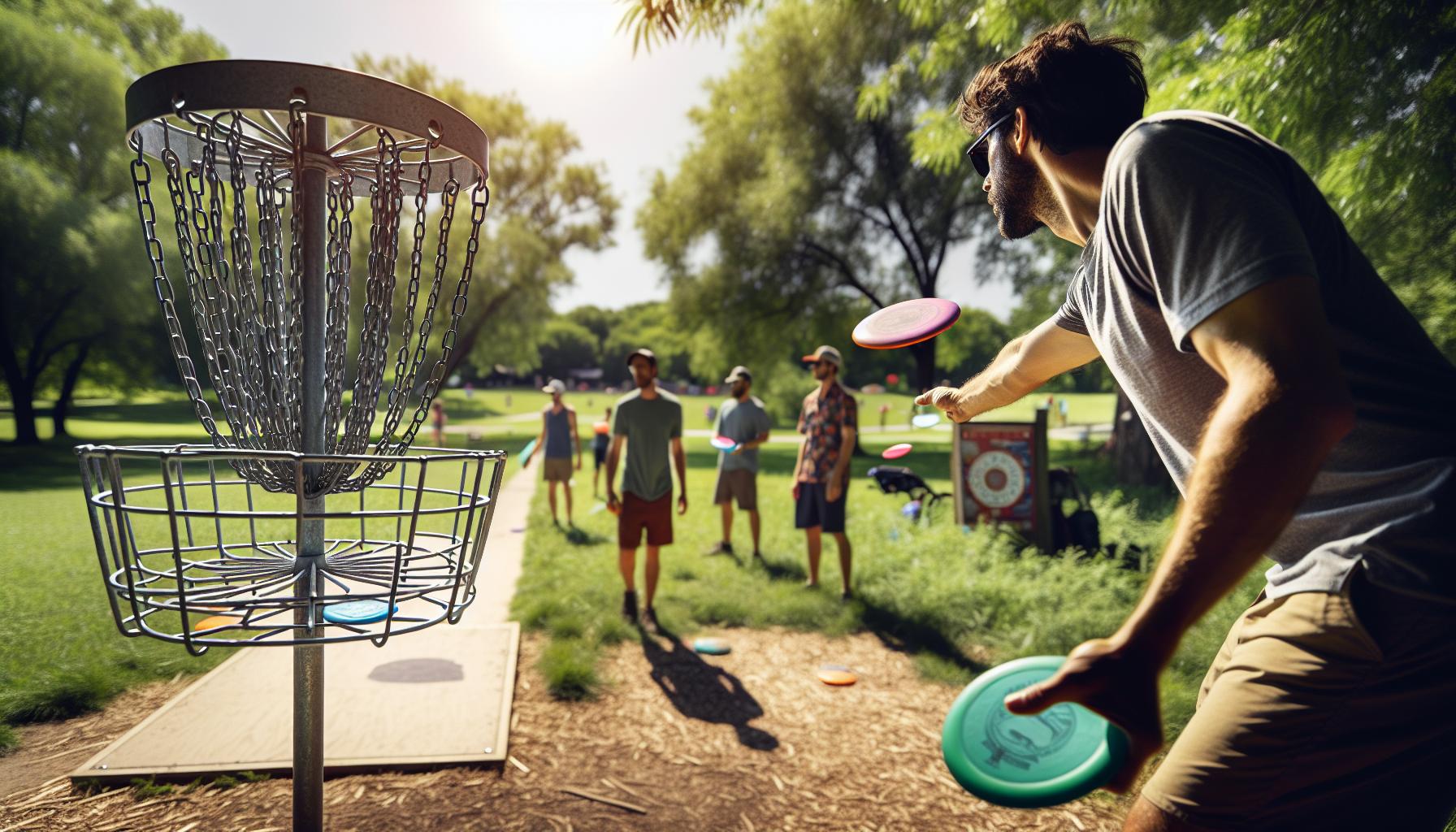
The Essential Equipment for Disc Golf Beginners
To dive into the world of disc golf, having the right equipment is essential for both enjoyment and success on the course. Thankfully, getting started doesn’t require a hefty investment; you can launch your disc golf journey with just a few key items. At the heart of your gear is the disc itself, which comes in a variety of types, each specifically designed to excel in different aspects of play. Understanding the differences among these discs will help you choose the ones that align with your skill level and playing style.
Discs are generally categorized into three main types: putters, midranges, and drivers. Putters are designed for short-range accuracy and typically have a wider rim, making them ideal for close-up shots and putting into the basket. Midranges serve as the workhorse of your disc set, useful for a variety of shots where distance and control are both needed. Drivers, on the other hand, are engineered for maximum distance; they have a more aerodynamic shape which allows them to cut through the air effectively during long throws. As a beginner, a starter set often includes one of each type of disc, facilitating a well-rounded introduction to the game.
When selecting your discs, consider their weight and stability. Heavier discs tend to fly straighter in windy conditions, while lighter discs are generally easier to throw but may lack the same stability. Stability ratings (understable, stable, and overstable) indicate how the disc will behave in flight: understable discs will turn to the right for right-handed backhand throws, while overstable discs will turn left, allowing you to shape your shots according to your needs. Many beginners find success with lighter and more understable discs to help them develop their throwing technique without frustration.
In addition to discs, other essential gear includes a sturdy disc golf bag to carry your discs comfortably, ensuring easy access and protection while you’re on the course. As you progress, you might want to invest in apparel designed for active play, including moisture-wicking shirts and durable shoes suitable for various terrains. Also, a water bottle and some snacks will keep you energized during your rounds.
Ultimately, the equipment you choose makes a significant difference in your initial experience, helping you to enjoy the learning curve of disc golf. Take your time exploring different discs and find what feels right for you; the journey is just as exciting as the game itself. Happy discing!
Understanding Disc Flight: How Discs Behave in the Air
Understanding how disc flight dynamics work is fundamental to improving your game and enjoying your time on the course. Each disc is designed with specific characteristics that influence how it behaves in the air, which can greatly affect your throwing technique and strategies. Whether you’re a casual player or aiming for competitive play, grasping these principles will elevate your disc golf experience.
Discs are typically described by four flight ratings: Speed, Glide, Turn, and Fade. The speed rating (1 to 14) indicates how fast a disc must be thrown to achieve its designed flight path. For example, a higher speed number signifies that the disc is meant for powerful throws, commonly found in drivers. The glide rating (1 to 7) represents the disc’s ability to stay in the air; discs with high glide ratings help maintain distance, especially important for beginners still developing their throw strength. Turn (ranging from -5 to 1) measures a disc’s tendency to turn right (for right-handed backhand throws) right after release, while fade (0 to 5) indicates how much the disc will hook left at the end of its flight. Understanding these ratings helps players choose the right disc for various throwing situations.
To visualize your throw’s impact on disc flight, consider the role of stability. Stable discs fly straightforwardly and are versatile for various throws, whereas understable discs turn to the right and are suited for beginners seeking more manageable distance throws. Overstable discs, conversely, are resistant to turning and are particularly useful in windy conditions. As you gain experience, experimenting with the different stability types will allow you to master shot shaping-an essential skill in navigating complex courses.
Moreover, proper throwing mechanics add another layer to mastering disc flight. Begin with a relaxed grip on the disc, aiming to maintain a smooth release. The angle at which you throw also significantly affects flight behavior. An anhyzer angle (tilting the disc away) can enhance an understable disc’s right turn, while a hyzer angle (tilting it towards you) will encourage an overstable disc to skip left more aggressively. Practicing these angles and understanding their impact on your disc’s path will sharpen your ability to execute different shots, making you a more versatile player.
Ultimately, comprehending disc flight dynamics and mechanics is invaluable for developing your skills in disc golf. By taking the time to learn about flight ratings, stability, and throwing techniques, you’ll not only enhance your performance on the course but also discover a deeper appreciation for the game itself. Happy throwing!
Mastering Basic Throwing Techniques for Success
To throw successfully in disc golf, mastering basic throwing techniques is crucial for both beginners and seasoned players looking to refine their skills. A strong foundation in throwing mechanics not only enhances your accuracy but also increases the distance and reliability of your throws. One essential technique is the backhand throw, the most common throwing style used in the game. It starts with a proper grip, typically holding the disc with your thumb on top and your index and middle fingers underneath, maximizing control and power.
Setup Your Stance
The most effective stance should have your feet shoulder-width apart, with your knees slightly bent. As you prepare to throw, ensure you’re facing your target, with your weight centered. Begin by shifting your weight onto your back foot as you reach back with the disc, using your shoulders instead of bending forward at the waist. This motion is crucial as it allows you to harness your body’s natural strength. When you’re ready to release, pivot on your back foot, transferring your weight forward onto your front foot while rotating your hips and shoulders toward the target.
Launch with Precision
As you begin your throw, focus on two critical elements: snap and follow-through. The snap refers to the quick wrist flick you impart to the disc, which gives it spin and stability during flight. This motion should be fluid and occur just before you release the disc. A common mistake is to tense up; instead, aim for a relaxed grip and fluid motion for optimal snap. The follow-through is equally important, as it helps maintain balance and directs your body towards the target after the disc leaves your hand. Your throwing arm should extend fully, ensuring your motion naturally decelerates without abrupt stops.
Practicing various angles is beneficial for mastering different shot types. Experiment with hyzer (tilting the disc downward towards the ground) and anhyzer (tilting upward) angles to manipulate your disc’s flight path effectively. Understanding these techniques not only increases your distance but also develops your ability to navigate obstacles on various courses.
By focusing on these core techniques and incorporating them into your practice routine, you’ll establish a solid foundation in your throwing abilities, paving the way for greater enjoyment and success on the course. Happy throwing!
Strategies for Choosing the Right Disc for Your Playstyle
Choosing the right disc is a pivotal step in enhancing your disc golf game, allowing you to tailor your equipment to fit your unique style and skill level. Whether you are a novice stepping onto the course for the first time or a seasoned player looking to fine-tune your setup, understanding the diverse range of disk types and their flight characteristics will help you make informed decisions and improve your overall performance on the course.
The three primary categories of discs are putters, midrange discs, and drivers. Each of these serves distinct purposes. Putters, which are designed for short-range accuracy and stability, are ideal for close-up shots and putting. Midrange discs offer versatility, providing a balanced approach to distance and control, making them suitable for various situations on the course. Drivers, on the other hand, are designed for maximum distance and speed, suited for long fairway throws or off the tee. As a beginner, you might want to start with a stable putter or a midrange disc that feels comfortable in your hand, helping you build confidence and control before moving on to faster drivers.
Another key aspect to consider is the flight ratings of the discs, which indicate their speed, glide, turn, and fade. A disc’s speed describes how far it can potentially travel when thrown; glide indicates how long it stays in the air; turn shows how the disc will turn to the right (for right-handed backhand throws) during the initial part of its flight; and fade indicates how much the disc will hook back to the left (for right-handed backhand throws) at the end of its flight. Familiarizing yourself with these ratings can help you select discs that align with your throwing style. For example, beginners might benefit from discs that have higher stability ratings, which tend to fly straighter and require less precision.
It is also worthwhile to experiment with different weights. Disc weights generally range from 150 to 180 grams. Lighter discs (around 150-165 grams) can be easier to throw for beginners, allowing for increased distance with less effort. Heavier discs (165-180 grams) typically provide more stability and are less affected by wind conditions, which can be advantageous as you gain skills and develop strength.
Ultimately, choosing the right disc involves a bit of trial and error, as finding what works best for your throwing style will take time. Consider visiting a local disc golf retailer or a player-friendly pro shop where you can physically handle the discs before purchasing. Many shops also offer the option to throw demo discs, enabling you to experience the difference firsthand before making a decision. Engaging with the disc golf community-through local leagues or online forums-can provide valuable insights and recommendations tailored to your skill level and play style, making your disc selection journey much less daunting. Happy discing!
Navigating the Course: Understanding Disc Golf Layouts
Understanding the layout of a disc golf course is vital for any player looking to improve their game. Often designed to mimic traditional golf courses, disc golf layouts vary widely but share some common elements that define the experience and challenge players face. Knowing how to navigate these layouts not only enhances your gameplay but also cultivates a deeper appreciation for the sport.
Typically, a disc golf course consists of a series of holes, each beginning at a tee pad and ending at a basket. These holes can range from short, straight shots to long, technical plays that require strategic shot placement. To successfully navigate a course, players need to pay attention to several key features:
- Hole Length and Par: Similar to ball golf, each hole has a designated length and par rating, indicating the number of throws an experienced player is expected to take to complete the hole.
- Terrain and Obstacles: Courses may include natural obstacles like trees, bushes, and water hazards. Understanding how these affect your throws is crucial. For instance, a wooded area might favor more controlled, straight shots with midrange discs, while an open field could allow for longer, faster drivers.
- Elevation Changes: Some courses feature significant elevation changes that can alter your disc’s flight path. Throwing uphill often requires more power and aim, while downhill shots can result in longer distances if not carefully controlled.
- Wind Conditions: Wind is a vital factor to consider. Open areas may experience more gusts, influencing the way your disc flies. It’s helpful to anticipate how wind direction will affect each hole and adjust your techniques accordingly.
Additionally, many courses are designed with varying strategies in mind. Some holes may provide multiple routes to the basket, each requiring different types of throws and disc selections. When you step onto a course, take a moment to visualize your throws before launching your disc. Is a hyzer (throwing it on an arc that slopes left for right-handed backhand players) the best choice, or should you consider a forehand approach to navigate around an obstacle?
Adapting to the layout and using a variety of throws will not only help you avoid common pitfalls but also contribute to lowering your score. Practice makes perfect-consider spending time on familiar courses to learn how different wind patterns and terrain affect your shots. By integrating these strategies and staying mindful of your surroundings, you’ll enhance your skills and your enjoyment of this ever-growing sport.
Tips to Improve Your Game: Drills and Practice Routines
Improving your disc golf game requires a combination of practice routines and drills designed to enhance your skills and understanding of the sport. An essential aspect of becoming a better player is developing consistency in your throws. One highly effective drill is the “Standstill Throw”. This exercise focuses on your throwing mechanics without the added complexity of a run-up. Stand at a designated distance from your target, grip the disc properly, and throw while keeping your feet stationary. Concentrate on your form-ensure your elbow is at a 90-degree angle during the throw, and follow through smoothly. Repeat this drill with different discs to develop a feel for their flight characteristics.
Another important aspect to work on is distance and accuracy. For this, you can implement the “Five Distance Zones” drill. Set up five markers at increasing distances from your starting point, mimicking a range of typical shot lengths on the course. As you progress through the markers, throw with a mix of drivers, midranges, and putters. Each time you reach a marker, assess your throw and make notes on what felt right and what didn’t. This will not only help you refine your distances but also boost your confidence in handling various discs during actual gameplay.
Incorporating competitive elements into your practice can also heighten your focus and commitment. Try the “Target Practice Challenge” involving a specified number of throws to designated targets. For instance, set up a basket or a designated area on the field and attempt to hit it from different angles and distances. This drill sharpens your accuracy and helps simulate the pressure of navigating courses with real obstacles. You can add a fun twist by involving friends and keeping score to foster a sense of competition, making your practice sessions more engaging.
Additionally, never overlook the power of mental practice and course visualization. Take time outside of physical practice to visualize your routine during the game. Picture yourself on your favorite course, imagining the layout, the throws you would use, and how you would handle varying conditions. This mental preparation can enhance your focus and decision-making during actual rounds. Celebrate the incremental progress and stay connected with your local disc golf community, where exchanging tips and experiences can lead to surprising advancements in your game. With dedication, practice, and a spirited approach to learning, you’ll find yourself continually improving in this dynamic and thrilling sport.
Disc Golf Etiquette: Understanding Community Standards
Engaging in disc golf not only offers an exciting way to enjoy the outdoors but also fosters a unique community spirit that sets it apart from other sports. New players stepping onto the course for the first time should know that respecting etiquette is as crucial as mastering throwing techniques. Practicing good manners on the course enhances everyone’s experience and helps build a more positive and inviting environment.
Consider these key aspects of disc golf etiquette:
- Be Aware of Your Pace: Keep the game flowing by being ready for your turn. If your group is playing slower than others behind you, be courteous and let faster players pass. It’s a common practice that keeps the course enjoyable for everyone.
- Respect the Course and Other Players: Avoid disrupting others by maintaining silence when someone is preparing to throw. Also, be mindful of the surroundings-don’t throw if there are people or animals in your line of fire.
- Return Lost Discs: If you find a disc that is marked with a name or number, attempt to contact the owner. If the disc is unmarked, many players believe it’s acceptable to keep it, but a good rule of thumb is to check if a lost and found box might exist at the course or to ask around.
- Leave No Trace: Respect the natural environment by not littering. Carry a trash bag to dispose of waste properly, ensuring that the beauty of the course is preserved for future players.
- Control Your Pets: If you bring a dog, keep it on a leash and under control. Not everyone may feel comfortable around pets, and it’s best to avoid potential distractions or disruptions.
These guidelines not only promote a friendly atmosphere but also emphasize the sport’s camaraderie. By adhering to these community standards, players of all levels can contribute to a more harmonious disc golf culture, where everyone can focus on improving their game and enjoying their time outdoors. Approaching the sport with respect and consideration builds lasting friendships and keeps the focus where it belongs-on the joy of playing.
Participating in Tournaments: What to Know as a Beginner
Stepping into the world of disc golf tournaments can be an exhilarating experience for newcomers. Picture this: You’ve practiced your throws, learned the fundamentals, and now you’re ready to put your skills to the test while meeting fellow enthusiasts. Tournaments not only offer the thrill of competition but also provide a fantastic platform to connect with the disc golf community, thus deepening your passion for the sport.
Before you register, familiarize yourself with the different types of tournaments available. Most events are organized by tiers, indicative of their competitiveness. For beginners, C-tier tournaments are often the best starting point. These events tend to be less intimidating and more inclusive, providing a supportive atmosphere suitable for newcomers. As your confidence grows, you can gradually challenge yourself with higher-tier events, where the competition sharpens.
Preparation is key when preparing for your first tournament. Ensure you have the essential equipment – a selection of three to five discs that you’re comfortable with, protective gear like a towel and a water bottle, and perhaps even a few snacks for energy. Familiarize yourself with the tournament schedule, which usually includes registration details, tee times, and formats (like stroke play or match play). Arriving at the tournament early gives you time to acclimate to the environment, warm up your throws, and review the course layout. Many players find it helpful to walk the course beforehand to strategize their throws on challenging holes.
Additionally, embrace the culture of sportsmanship that permeates disc golf tournaments. Introduce yourself to fellow players, engage in light conversations, and celebrate everyone’s efforts. Remember, every seasoned player was once a beginner, and they likely appreciate the challenges you face. Adhering to etiquette – such as maintaining pace, respecting others’ throws, and picking up after yourself – will enhance the overall experience for everyone. Above all, focus on enjoying the game and learning from it. Tournaments are as much about camaraderie as they are about competition, and every throw helps you grow as a player.
In short, participating in disc golf tournaments as a beginner is about having fun, challenging yourself, and forging connections within the community. Prepare well, play respectfully, and savor the journey of becoming a more skilled disc golf player.
Exploring the Growing Disc Golf Community
The disc golf community is one of the sport’s most vibrant and welcoming aspects, making it an exciting time to engage as a beginner. With over 7 million players worldwide, disc golf has rapidly evolved from a niche pastime into a mainstream sport, attracting individuals of all ages and skill levels. This growing movement is marked not only by increasing participation but also by the formation of local clubs, leagues, and online forums-a thriving ecosystem ripe for newcomers.
Joining a local club is one of the best ways to immerse yourself in disc golf. Clubs often host regular meetups, casual play, and organized leagues, providing an excellent opportunity to meet other players, learn new skills, and engage in friendly competition. Many clubs also host events designed specifically for beginners. These gatherings create an inclusive atmosphere where newbies can ask questions, seek advice, and gain confidence on the course. Plus, engaging in club activities is a fantastic way to stay motivated and informed about local tournaments, courses, and disc golf news.
In addition, the rise of online communities has transformed how players connect. Platforms such as Reddit’s r/discgolf and various Facebook groups serve as hubs for discussions, advice, and sharing experiences. These forums are invaluable resources for beginners looking to learn about equipment, throwing techniques, and strategies for specific courses. They often feature seasoned players sharing tips and tricks that can help newcomers avoid common pitfalls. Engaging online allows you to connect with players from across the globe, learn from a diverse range of experiences, and stay updated on trends in the sport.
With an ever-growing number of courses and clubs popping up-including organizations like the New York Disc Golf Association, which seeks to promote the sport in urban settings-you’ll find no shortage of opportunities to get involved. Participating in local events not only improves your skills but also fosters friendships with fellow disc golfers, creating memories that go beyond the game itself. No matter your level, the sense of community in disc golf is undeniable, and it’s this camaraderie that makes the sport so rewarding. So grab your discs, find a local group, and experience the joy of becoming part of a passionate community!
Recommended Resources: Books, Videos, and Online Groups
As you venture into the world of disc golf, having the right resources at your fingertips can significantly enhance both your skills and understanding of the game. Whether you’re a complete novice or someone looking to refine your techniques, the wealth of literature, online materials, and community resources available is both abundant and incredibly invaluable.
Books to Consider
- “Disc Golf 101” by Brian McGowan: This book is perfect for beginners, offering a complete guide from the rules to the basics of throwing.
- “The Disc Golf Experience: A 1st Person Perspective” by Anonymous: A unique insight from various players that covers both strategy and personal journeys through the sport.
- “The Complete Idiot’s Guide to Disc Golf” by Rick B. Parker: Provides an entertaining yet informative overview that is especially helpful for those just stepping onto the course.
Online Video Resources
YouTube hosts a treasure trove of instructional videos that cover everything from the fundamental mechanics of throwing to advanced course strategy. Channels like “Disc Golf Course Review” and “Simon Lizotte” offer engaging content where they analyze techniques from professionals, review discs, and provide tips on improving your game.
Communities to Join
Connecting with fellow disc golf enthusiasts can greatly enrich your experience. Here are some online groups that provide support and camaraderie:
- Reddit’s r/discgolf: A bustling hub for tips, equipment reviews, and discussions.
- Facebook Groups: There are numerous groups such as “Disc Golf Club” where locals share meet-ups, tournaments, and advice.
- Meetup.com: Use this platform to find local disc golf clubs or casual play meet-ups for more hands-on experience.
By engaging with these resources, you’ll not only sharpen your skills but also dive deep into the community-oriented culture that makes disc golf such a unique sport. So, pick up that disc, explore these materials, and embrace the journey of becoming a better player!
Future Trends in Disc Golf: What’s Next for the Sport
As the sport of disc golf continues to soar in popularity, it’s becoming increasingly evident that the future is bright and full of exciting possibilities. Notably, disc golf courses have been popping up at an incredible rate, with over 70% of them being established in the last decade, signaling a robust community growth on a global scale [[1]](https://www.innovadiscs.com/innova-news/the-disc-golf-boom-lets-look-at-the-numbers/). This community-driven expansion doesn’t just enhance local accessibility; it also fosters an environment ripe for collaboration, competition, and camaraderie among enthusiasts.
Technological advancements are poised to revolutionize the way players experience disc golf. Equipment innovations, such as more precise rangefinders and advanced disc materials, are set to improve performance and enhance the gameplay experience. Additionally, mobile applications like UDisc are providing players with dynamic tools for tracking their scores and rounds, while also connecting them to a larger community of disc golfers. As indicated in a recent report, a significant portion of players are actively introducing new participants to the sport, illustrating a commitment to nurturing growth within the community [[2]](https://udisc.com/disc-golf-growth-report).
Furthermore, the rise of disc golf tournaments and professional events key into the growing legitimacy of the sport. As more players compete at higher levels, there will likely be an increase in sponsorships and prize payouts, which can attract even more talent to the game. New formats and styles of play are being experimented with, promising to keep the game fresh and engaging for both new and seasoned players alike. The embrace of a more inclusive atmosphere also means that players from diverse backgrounds are joining in, enriching the culture and making the sport more accessible.
All in all, the future of disc golf is not just about more courses or better equipment; it’s about the community it fosters and the shared passion for the game. Whether you’re a budding beginner or a seasoned competitor, engaging with the evolving landscape of disc golf will undoubtedly enrich your experience and propel the sport forward. Embrace the journey, participate in your local scene, and prepare to witness how this dynamic sport continues to evolve.
FAQ
Q: What are the basic rules of disc golf?
A: The basic rules of disc golf involve aiming to throw a disc from a tee area to a target, typically a basket, in the fewest throws possible. Players take turns throwing from the last thrown location until they reach the target. Remember to keep the play safe and adhere to course etiquette. For a detailed overview, check out the “Disc Golf Etiquette” section in the article.
Q: How do I choose the right disc for a beginner?
A: Beginners should choose a lighter disc, usually between 160-170 grams, as it’s easier to throw and control. Opt for a disc labeled as “understable” for straighter flights. The section on “Strategies for Choosing the Right Disc for Your Playstyle” provides more insight into selecting discs tailored to your needs.
Q: What makes disc golf different from traditional golf?
A: Disc golf differs from traditional golf primarily in its use of flying discs instead of balls and clubs. The objective remains the same-reach the target efficiently-but disc golf courses typically have fewer obstacles. For further distinctions, refer to the “Navigating the Course” section of the article.
Q: How do I score in disc golf?
A: Scoring in disc golf is similar to traditional golf, with a lower score being better. Each throw counts as one point, and players record their total throws once they complete the hole. For details on scoring strategies, you might want to check the section on “Tips to Improve Your Game.”
Q: What should I know about disc golf tournaments as a beginner?
A: As a beginner in disc golf tournaments, familiarize yourself with the tournament format, rules, and player ratings. Most tournaments offer divisions based on skill levels, so find one that suits you. The “Participating in Tournaments” section covers important aspects to prepare effectively.
Q: Can I play disc golf alone, or do I need a group?
A: You can absolutely play disc golf alone! It’s a great way to practice throwing techniques and improve your game. However, playing with others can enhance the social experience. See “Exploring the Growing Disc Golf Community” for insights into finding local players.
Q: Are there specific types of discs for different throwing techniques?
A: Yes, there are different types of discs for specific throwing techniques. For example, putters are ideal for short, controlled throws, while drivers are designed for long-distance throws. The “Understanding Disc Flight” section can help clarify how various discs behave in the air based on their design.
Q: What resources are available for learning more about disc golf?
A: Numerous resources exist, including online tutorials, disc golf books, and community groups. Joining local disc golf clubs can provide hands-on experience and advice. Check the “Recommended Resources” section for an extensive list of materials to enhance your skills.
In Conclusion
Thank you for joining us on this journey through the exciting world of disc golf! Now that you have a solid understanding of the fundamentals, remember that practice makes perfect. Whether you’re curious about disc flight characteristics or the best throwing techniques, our detailed guides will help you elevate your game even further. Don’t miss out on our comprehensive resources on course strategy and equipment comparisons – they’re just a click away!
Feeling inspired? Share your thoughts in the comments below or let us know your disc golf stories. And if you’re ready to take the next step, consider subscribing to our newsletter for the latest tips and exclusive content tailored just for beginners! Keep exploring and stay connected as you immerse yourself in this fantastic community. Happy disc golfing, and remember, the course awaits!
Get our latest guides, news, and insights highlighted in your Google Search & AI Overviews.