
Have you ever lost a beloved disc to a water hazard during a round of disc golf? It’s a common frustration for players at all levels. The good news is that there are discs specifically designed to float, allowing for easier recovery and fewer interruptions to your game. In this article, we’ll explore whether disc golf discs float and highlight some of the best options available. Understanding the water recovery capabilities of your discs can not only save you money but also enhance your overall enjoyment on the course. So, whether you’re a seasoned pro or just starting, get ready to discover how you can keep your favorite discs safe and sound, even in the splash zone.
Do Disc Golf Discs Float: Water Recovery
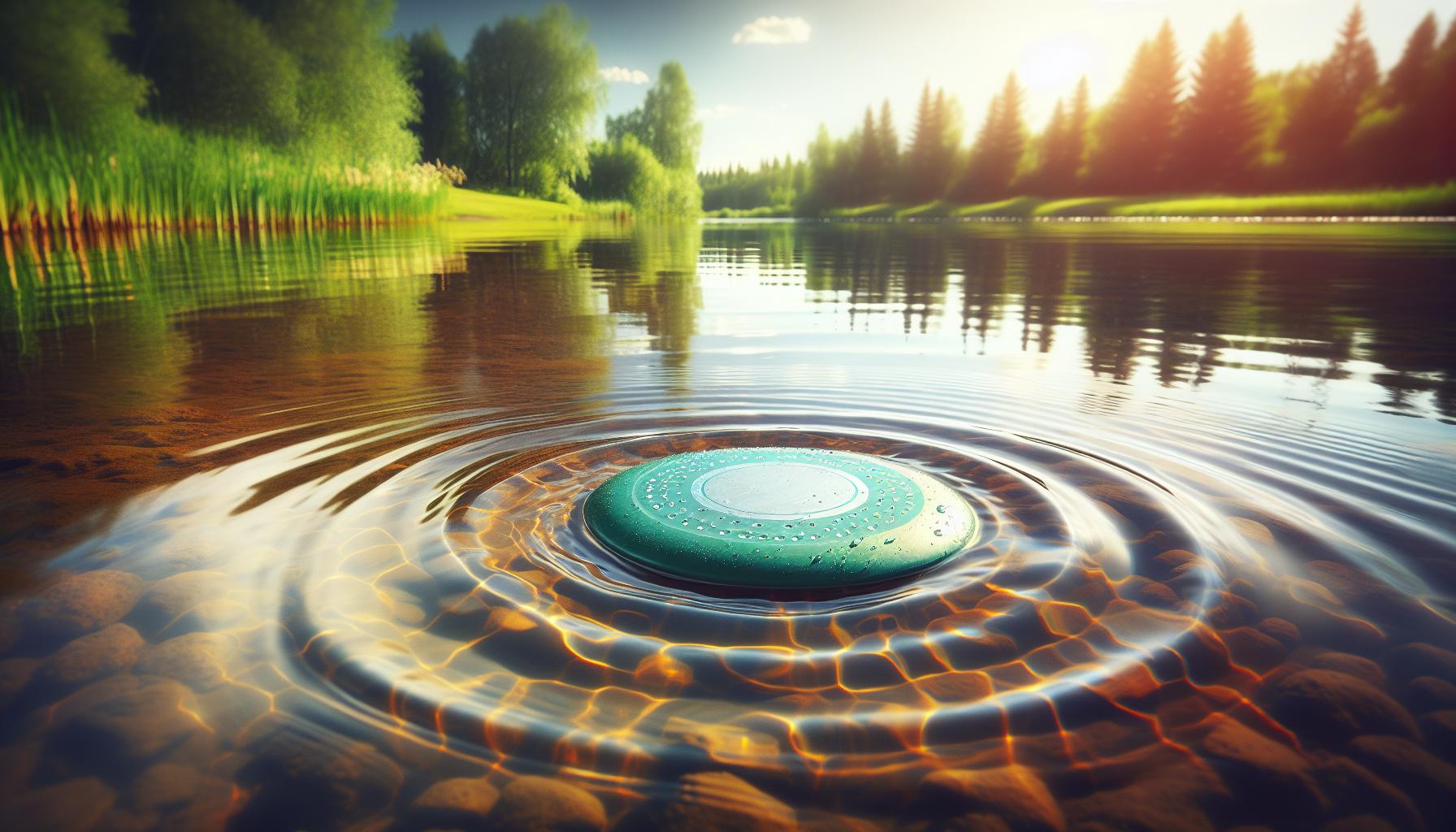
When it comes to disc golf, the risk of losing a disc in water is a common concern for players. This brings us to the intriguing question of whether disc golf discs float or sink. The answer largely depends on the material and design of the disc. Most traditional plastic discs, especially those made from denser materials, tend to sink. However, there are lighter, buoyant options available that can help mitigate the loss of your favorite disc during a spirited game.
Understanding the dynamics of disc recovery in water is essential for any player. Aside from simply tossing a floater into the water, you can enhance your recovery success with some strategic techniques. For instance, using a long-reaching tool like a rake or pool skimmer can facilitate recovery without the need to wade into the water. Alternatively, some players opt for canoes or kayaks, which allow for a broader search area while keeping the user dry. These methods highlight the importance of community sharing ideas and strategies, as different players often have unique solutions based on their experiences.
Furthermore, selecting discs designed for water recovery can also be a game changer. Certain brands produce discs that are intentionally designed to float, appealing to newcomers and seasoned players alike who frequent courses with water hazards. Investing in these specialized discs not only enhances gameplay but also reduces the frustration of losing a disc to the depths. Ultimately, being prepared and knowledgeable about your gear and the conditions of the course can make a significant difference in your disc golf experience, turning potential losses into successful recoveries.
Understanding Disc Golf Discs and Water Dynamics
The interplay between disc golf discs and water presents fascinating challenges and opportunities for players. When thrown into water, the fate of a disc largely hinges on its design and material composition. Discs made from denser plastics typically sink, creating a frustrating scenario for players who miscalculate their throw. Conversely, certain brands have developed lighter, buoyant discs specifically for water hazards, designed to float and increase recovery chances. Understanding these dynamics not only enhances your gameplay but is crucial for strategizing around water obstacles on the course.
The Composition of Discs
Many standard disc golf discs utilize a variety of plastic blends that affect weight and buoyancy. Here’s a breakdown of some common materials and their properties:
- Standard Plastic: Often heavier and tends to sink. Most traditional discs fall into this category.
- Lightweight Blends: Designed for easier throws, but many still sink due to density.
- Floating Discs: These feature unique designs and materials that enhance buoyancy, making them suitable for water-heavy courses.
Choosing the right disc can significantly impact whether a wayward throw becomes a lost investment or a successful recovery.
Recovery Techniques and Community Methods
When addressing the issue of disc recovery, players often share inventive solutions based on their personal experiences. Common recovery techniques include:
- Using Long-Handled Tools: Employing a rake or net on a stick can help retrieve discs without venturing into the water.
- Canoes or Kayaks: These vessels allow players to search a larger area while remaining dry, providing a significant advantage for retrieving submerged discs.
- Team Efforts: A coordinated group approach can increase recovery success and make the task more enjoyable.
Engaging with fellow players can lead to shared techniques and equipment, ensuring that everyone has a strategy when it comes to water hazards.
In summary, recognizing the types of discs available and understanding the nuances of recovery can empower players in their disc golf journey. Whether you are a newcomer aiming to understand the dynamics of discs or a seasoned player seeking efficient recovery methods, being equipped with the right knowledge and tools is paramount to minimizing losses and maximizing enjoyment on the course.
The Science Behind Floating vs. Sinking Discs

Understanding the behavior of disc golf discs in water is crucial for any player looking to minimize losses and enhance their gameplay, especially when navigating water hazards on the course. The principle of buoyancy plays a central role in determining whether a disc sinks or floats. This phenomenon is largely dictated by the disc’s weight relative to the volume of water it displaces. Discs composed of denser materials tend to have a lower buoyancy, causing them to sink, while lighter, well-designed discs can float, offering players a much better chance of recovery after an errant throw.
The floating capability of a disc also depends on its shape and design. Many manufacturers have started incorporating innovative techniques to create buoyant discs specifically aimed at water-heavy courses. For example, discs with an aerodynamic shape and strategically placed weight distribution can enhance their ability to stay atop the water’s surface. In contrast, traditional discs, which are typically heavier and designed for distance, may not have the same floating capability. Players should pay attention to manufacturing details such as the material composition and the overall profile to assess whether their disc is a good candidate for water recovery.
Moreover, the specific conditions of the water itself-such as its depth, clarity, and potential obstacles-must be considered when faced with a lost disc. For instance, in clear water, lighter discs that float may be quickly retrieved with specialized tools like disc retrievers, which feature long handles designed to reach far into the water. When confronting murkier conditions, players may need to utilize different recovery techniques, such as pond rakes, to avoid losing the disc altogether.
Ultimately, a clear understanding of how disc design impacts buoyancy empowers players to make more informed decisions regarding their choice of equipment, particularly when courses feature water hazards. Emphasizing the importance of selecting the right discs for different environments not only enhances a player’s strategic approach but also builds community knowledge as players share their experiences and best practices in disc recovery.
Best Practices for Recovering Discs from Water
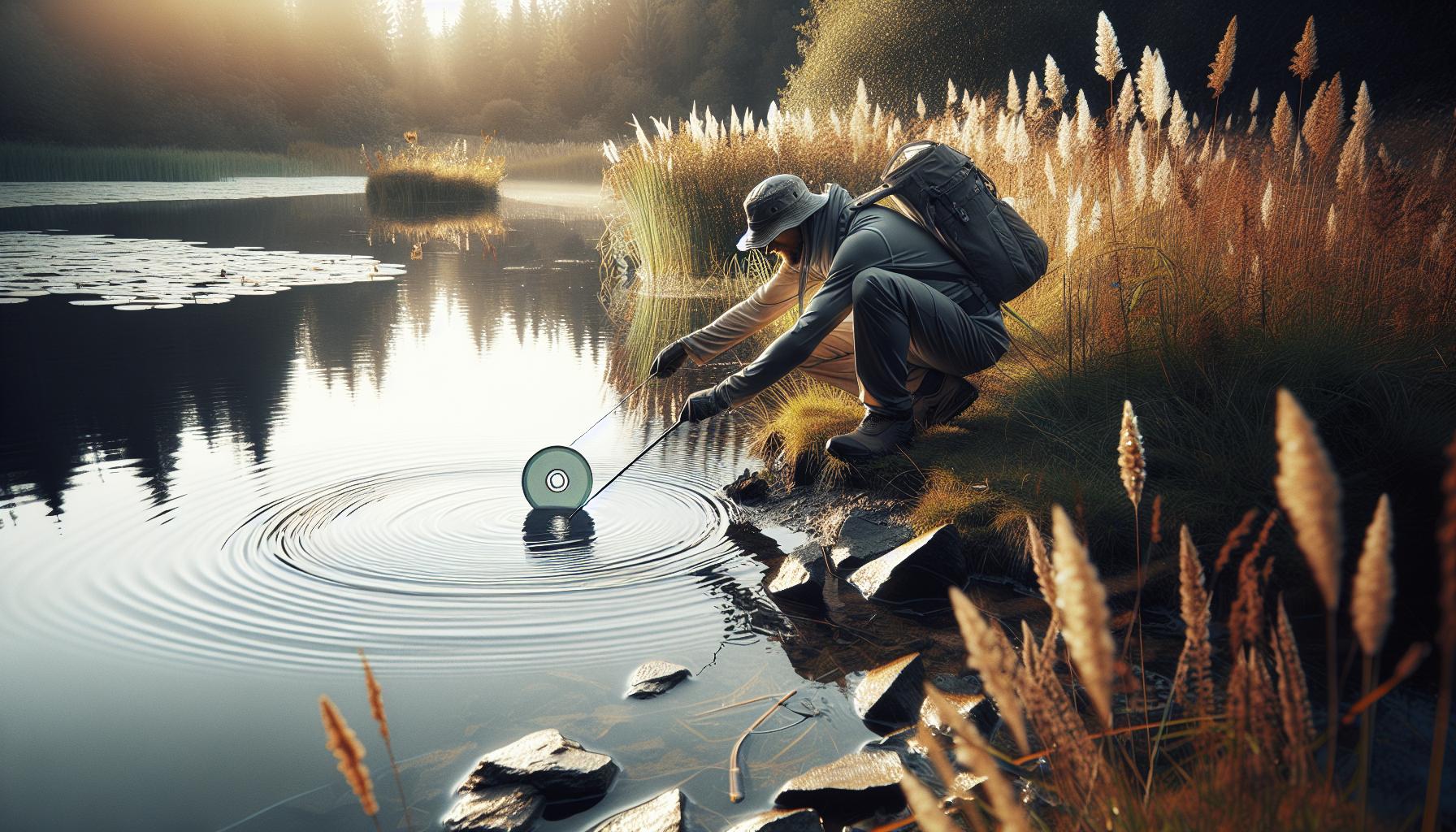
When a disc golf disc ends up in the water, the initial reaction might be frustration, but with the right strategies, recovering your beloved disc can be a manageable challenge. Different techniques can be employed depending on the depth of the water, the clarity of visibility, and the type of gear available. Familiarizing yourself with best practices for disc recovery not only increases the chances of retrieving lost discs but also enhances your overall enjoyment of the game.
To start, assessing the situation is crucial. Before venturing into the water, take a moment to gauge the depth and visibility. In clear water, simply wading out might be effective, allowing players to feel for floatsome gently with their feet and hands. Gentleness is key-a sudden step may stir up mud or silt, reducing visibility and complicating recovery. For ponds that are too deep or murky for safe wading, consider using a canoe or kayak. These vessels allow for a wider range of motion and make it easier to reach distant discs without the risks associated with deeper water.
A handy tool for recovery is a disc golf retriever. Brands like the Kwik-Stik XXL feature a long reach and can be instrumental in snagging discs without the need for a deep water entry. Simply tie a rope to the retriever, toss it into the water, and pull it back gently to capture your disc. For larger groups, team efforts can significantly speed up recovery tasks-while one player manages the boat, another can direct from the shore to guide the recovery process.
In challenging conditions, utilizing tools like pond rakes can be effective. This simple yet highly effective technique involves dragging a rake through the water to locate submerged discs, a practice frequently discussed among disc golf communities[2]. Remember that every attempt at recovering a disc is also a learning experience-be mindful of natural water flora and fauna to minimize environmental impact and respect your local ecosystems, as caring for these areas reflects the values of the disc golf community.
Top Disc Brands for Water Recovery Performance
Selecting the right disc brand can significantly enhance your experience when it comes to water recovery during a round of disc golf. Discs specifically designed to float can be invaluable assets, keeping your favorite discs accessible even if they land in a pond or river. The market offers several standout brands that focus on creating reliable, water-friendly discs. Here are some of the top options available for players seeking safe recovery gear.
- Innova: As one of the pioneering brands in disc golf, Innova offers a selection of floating discs, including the Innova Aviar, known for its versatile performance. The Aviar Floating model retains the classic feel of a putter while providing the added advantage of buoyancy, allowing for easy retrieval from water.
- Discraft: Another industry leader, Discraft has designed floating options such as the Discraft Buzzz. Renowned for its stability and accuracy, the Buzzz Floating model ensures that you don’t lose your edge, even from watery misfires.
- MVP: This innovative brand has created the MVP Atom and the MVP Eclipse line, which features a special blend of materials that allow them to float. Known for their unique design and superb glide, these discs help players maintain their confidence when navigating courses with water hazards.
- Dynamic Discs: With a strong emphasis on user-friendly designs, Dynamic Discs offers the Dynamic Discs Judge as a floating option. This disc not only floats but also provides a stable, reliable performance on various throws, making it a favorite among both casual players and competitive disc golfers.
When it comes to water recovery, the right choice of disc can make the difference between a frustrating experience and successful retrieval. Since these brands cater to a wide range of skill levels, from beginners to advanced players, selecting a disc that fits your throwing style can greatly enhance your ability to avoid losing gear in water hazards. Always consider the weight and design of the disc, as lighter discs tend to stay afloat longer, providing you with more time to implement your recovery strategies effectively.
How to Prevent Losing Your Disc in Water
Understanding the dynamics of disc flight can drastically reduce the chances of losing your favorite discs in water hazards. The key to preventing disc losses often lies in strategic throwing techniques and mindful course navigation. First and foremost, paying attention to your surroundings and the wind can make a significant difference. When preparing to throw over water, assess the wind direction and adjust your throw accordingly. For example, throwing into a headwind can increase the disc’s stability, potentially preventing it from drifting toward the water.
Choosing the right type of disc is equally important. Lighter discs, while prone to being pushed off course by gusts, will float longer if they do land in water. However, it’s balancing weight and stability that will keep them airborne in challenging conditions. Practicing throws that emphasize distance control over sheer power will reduce the likelihood of overshooting visually deceptive water hazards. When playing courses known for tricky water placements, consider using discs renowned for their buoyancy, such as the Innova Aviar or Discraft Buzzz-both of which are engineered to float and provide hope for retrieval in unfortunate situations.
Moreover, developing a keen awareness of your throwing mechanics can further mitigate risky throws. Focused practice on hyzer and anhyzer throws can be beneficial; these techniques allow you to control the angle of your disc’s flight path. Aim to throw at angles that keep the disc away from water-while still making the shot-to lessen the chance of it landing in a pond or stream.
Lastly, considering your lineup can further protect your investment in discs. Bringing a few designated floating discs to a round can make a huge difference in your peace of mind. You can also assess potential recovery methods, such as using a disc retriever or keeping an eye out for helpful objects (like overhanging branches or rocks) that might provide aid in fetching submerged discs. Embracing a proactive mindset will not only improve your chances of keeping discs out of the drink but also enhance your overall disc golf experience.
Essential Gear for Water Recovery Missions
When it comes to retrieving lost discs from water hazards, having the right gear can mean the difference between frustration and success. Equip yourself with specialized tools designed for water recovery to enhance your chances of retrieving those elusive throws. A high-quality disc retriever is a must-have; these devices often come with long extendable poles and a scoop design that enables you to reach and retrieve discs from a safe distance. Some models even incorporate nets to increase your chances of catching discs that are partially submerged or lying just beneath the surface.
In addition to a disc retriever, consider utilizing a kayak or canoe for broader access to remote or deeper water areas. This approach not only allows you to navigate effectively but also provides a stable platform for reaching tricky spots where a simple throw may not suffice. If you’re fishing out discs from a pond, a partner can be invaluable-coordinate your efforts, with one person operating the retrieval device while the other helps steer the vessel or holds the line.
It’s also wise to wear appropriate footwear. Sturdy water shoes with good grip can protect your feet from sharp rocks or debris while wading through shallow water. Additionally, a dry bag or waterproof pouch to store your valuables can keep your phone and personal items safe from splashes when you’re out retrieving discs.
Finally, always be prepared for the environmental factors at play during your recovery missions. Equip yourself with a pair of polarized sunglasses to reduce glare off the water, making it easier to spot submerged discs. A quick-dry towel can be handy for drying off after an unexpected swim. Remember, recovery is not just about pulling your disc from the water-it’s about making the experience enjoyable and minimizing the impact on the environment. Always respect the local ecosystem and follow leave-no-trace principles while engaging in your disc golf adventures.
Improving Your Throw: Techniques to Avoid Water Hazards
Every disc golfer has experienced that moment of dread when a disc sails too far and heads straight for the water. While some discs are designed to float, the vast majority will sink, turning what was supposed to be an enjoyable game into a frustrating search mission. Understanding the dynamics of disc flight and developing throwing techniques can significantly reduce the risk of losing your discs in water hazards.
To navigate your throws effectively and avoid watery pitfalls, start by perfecting your throwing mechanics. For instance, ensure your grip allows for controlled release. A good disc flight begins with the right grip-your thumb on top and fingers wrapped securely around the bottom. As you throw, focus on a compact, fluid motion rather than an overly powerful flick. This helps you maintain accuracy and distance without overextending toward hazards. Practicing controlled distance throws can help you gauge how far to throw without endangering your disc in water.
Another key strategy to avoid water hazards involves understanding your disc’s flight characteristics. Different discs have varying stability and glide, affecting how they behave in the air. For example, a stable disc will tend to hold its line even in a crosswind, whereas a more overstable disc may turn left (for right-handed backhand throwers) and roll away from the water. Choose discs based on their intended flight path, particularly for risky throws near water. A disc that is more stable might be your best bet for risky shots, as it reduces the chance of it slipping off course.
Lastly, always take a moment to assess the course layout before you throw. Familiarizing yourself with the local terrain can inform your strategy significantly. Look for potential hazards like overhanging branches, sloped banks, and wind patterns that could push your disc toward the water. If a hole runs perilously close to a pond or lake, consider employing layup strategies-throwing a shorter, safer toss that sets you up for an easier next shot rather than risking a long-distance throw that could end in disaster.
By honing your throwing techniques, understanding your disc’s behavior, and strategically assessing the course, you can keep your round enjoyable and minimize the risk of losing discs to water hazards.
Real Stories: Disc Golfers’ Water Recovery Experiences
There’s an undeniable thrill in disc golf, but when a disc splashes into the water, the excitement can quickly turn into dismay. Fortunately, the disc golf community is full of inventive stories about recovery efforts and the creative ways players retrieve their favorite discs from unexpected aquatic depths. These tales not only serve as entertainment but also provide valuable insight into strategies that can help players safely recover their beloved discs.
For instance, a player named Jamie recalls a day at a local course with a troublesome pond that has claimed many discs over the years. After losing her favorite putter to the depths, she teamed up with a couple of friends, and they devised a plan using a simple but effective retrieval system. Jamie tied a sturdy rake to a long rope, allowing her friends to gently maneuver the rake through the water. After several attempts and a bit of patience, they managed to catch the disc on the rake’s teeth, bringing it back to solid ground. Stories like Jamie’s highlight the importance of teamwork and creativity in overcoming water-related challenges.
Similarly, during a tournament, a competitor named Mike noticed an extra disc floating on the surface of the pond. Rather than ignore it, he paddled over in a kayak, hoping to add to his collection. To his surprise, the disc belonged to a fellow player who had resigned to the loss. After a brief negotiation, they struck a deal-Mike would return the disc in exchange for a few homemade cookies from the player’s wife. This not only resulted in a joyful reunion with a lost disc but also fostered camaraderie within the disc golf community, showing how shared experiences can lead to mutual support, even in times of disappointment.
Ultimately, these stories reflect a fundamental truth: the thrill of recovery is as important as the game itself. By sharing their experiences and inventive solutions, players not only learn valuable recovery techniques but also connect through their shared struggles and successes. Whether through makeshift tools like rakes and ropes or more coordinated recovery operations involving boats and buddies, the spirit of disc golf shines brightly whenever a lost disc is returned to its rightful owner.
Tips for Choosing Discs Based on Water Conditions
Selecting the right disc for water hazards is vital for any disc golfer looking to maintain a solid game while minimizing costly losses. Did you know that some discs are designed to float, which can greatly enhance your chances of recovery after an unfortunate splash? Understanding how different materials and designs interact with water can give players a strategic advantage in navigating courses with aquatic obstacles.
When choosing discs specifically for water-prone areas, consider these factors:
- Material: Discs made of lighter plastics often float better. Look for brands that explicitly state their discs are buoyant, as this can help you quickly spot and retrieve lost discs.
- Disc Shape and Design: Discs with larger diameters and flatter profiles may also have improved buoyancy. Their surface area can help them stay afloat longer, making them easier to locate.
- Color: Brightly colored discs stand out against aquatic backgrounds, increasing visibility on the water’s surface. Opt for neon or vibrant hues when throwing near lakes or ponds.
While performance is essential, it’s also smart to think strategically about where you’re throwing. For example, if you’re facing a risky throw over a pond, consider using a cheaper disc that you wouldn’t mind losing, rather than your prized collection. This method not only alleviates stress during play but also encourages you to make bold shots without the fear of losing your favorite disc.
Moreover, consider experimenting with different discs across varying conditions. For instance, certain brands like Dynamic Discs have created models specifically designed for water recovery, such as the Golden Retriever, which shines when used in or around water, thanks to its unique design that helps retrieve submerged discs effectively [[2](https://www.ebay.com/itm/325132288148)]. Practicing with these types of discs can also enhance your confidence in making challenging throws over water.
Ultimately, being mindful of disc selection based on water conditions can save you from the disappointment of watching your favorite discs sink. As you refine your approach, you’ll find that enjoying the game comes from both skillful throws and smart decisions about your equipment.
Environmental Impact: Preserving Water Recovery Areas
The health of water recovery areas is vital not just for the enjoyment of disc golf but also for the overall ecosystem. Maintaining clean and welcoming aquatic environments ensures that disc golfers can continue to enjoy their sport while preserving natural habitats. These areas are often home to diverse flora and fauna, and the presence of discarded plastic and lost discs can lead to pollution and detrimental effects on wildlife. Therefore, it’s essential for disc golfers to adopt environmentally friendly practices during their play.
One effective way to facilitate the preservation of water recovery areas is through the organization of cleanup days. Local disc golf clubs and communities can come together to remove trash and debris from ponds and lakes during designated events. Participants not only have fun while serving their community but also foster stewardship of the local environment, setting an example for responsible play. Additionally, these efforts can help ensure that the area remains accessible and enjoyable for all users, including non-golfers.
Another important practice is to educate fellow players about the significance of responsible disc disposal. Often, discs that end up in the water are simply lost due to inattention or poor throwing technique. By sharing tips on how to improve throwing accuracy and avoid water hazards, seasoned players can help newcomers enjoy the sport while being stewards of the environment. Suggestions can include practicing throws in open, dry areas before attempting risky shots over water and using floating discs where appropriate.
Lastly, investing in high-quality, eco-friendly equipment can make a significant difference. Many disc manufacturers now offer products made from recycled materials or biodegradable plastics. Supporting these brands not only enhances your gameplay but reinforces a commitment to sustainability. Being proactive about choosing gear that reduces your environmental footprint can inspire others in the disc golf community to follow suit, leading to a collective positive impact on our cherished recovery areas.
By valuing and protecting these environments, disc golfers can ensure that the sport remains both a thrilling recreational activity and a chance to appreciate the natural beauty of water bodies. A commitment to stewardship, combined with practical eco-friendly practices, helps keep these areas pristine for future generations of disc golfers to enjoy.
Competitive Strategies: Navigating Water Hazards in Tournaments
Navigating water hazards can be one of the most exhilarating yet anxiety-inducing aspects of competitive disc golf. Players often find themselves on courses with strategically placed water bodies that can drastically alter the outcomes of their rounds. Understanding how to approach these challenges not only requires skill and precision but also a thoughtful strategy. One key consideration is the buoyancy of your discs; while some discs float, others may sink, impacting recovery efforts should your throw go awry. Here’s how to effectively manage your game around water hazards.
First and foremost, consider your disc selection when facing water. Many players benefit from using floating discs, designed specifically to stay at the surface, allowing for easier recovery. Brands like Innova and Discraft offer a variety of floating options that not only enhance your chances of retaining your disc if lost but also give you confidence when attempting to make challenging throws over water. Incorporating floating discs into your bag can be a valuable addition, particularly in tournaments where water hazards are prominent.
When approaching a water hazard, a strategic mindset is crucial. Assess your throw and determine whether the risk outweighs the prize of a potential birdie. You can enhance your throwing accuracy by practicing specific techniques aimed at minimizing your chance of over-throwing. Focus on:
- Controlled Power: Commit to a smooth release of your disc without overexerting yourself.
- Foot Placement: Ensure you’re planted firmly to avoid slips that may lead to throws landing short or erratically.
- Wind Considerations: Always factor in wind direction, which can impact the flight path, especially over water.
Moreover, while traversing tournament layouts with multiple water hazards, it can be beneficial to analyze your opponents’ strategies. Watch how seasoned players handle similar situations; their decision-making processes can provide insight into effective risk management. Some may choose to play conservatively, opting for safe layups instead of going for the pin, while others embrace the risk for potential high rewards. Balancing between caution and ambition can be key to maintaining your competitive edge.
Lastly, have a plan for disc recovery if your throw takes an unexpected plunge. Equip yourself with specialized recovery tools like disc retrievers, which can aid in extracting your lost disc from the water. Customizing your approach to water hazards not only improves your performance but also enhances your enjoyment of the game, allowing you to focus on the thrill and camaraderie that disc golf brings.
By employing sound strategies and thoughtful disc selection, players can effectively master their navigation of water hazards, preserving not just their discs but also their scores and competitive spirit in tournaments.
Future Innovations in Water-Friendly Disc Golf Equipment
Innovative advancements in disc golf equipment are on the horizon, focusing particularly on enhancing the experience around water hazards. As more players recognize the importance of buoyancy and retrieval capability, manufacturers are exploring materials and designs that can redefine how discs perform in aquatic environments. One exciting concept is the development of ultra-lightweight, buoyant polymers that can not only float but also resist water absorption. This would ensure that even if a disc lands in water, it remains lightweight and easy to retrieve, regardless of how long it stays submerged.
Moreover, the introduction of integrated tracking systems within discs represents a significant leap forward. Imagine a disc equipped with a small GPS transmitter, enabling players to locate their lost throws with ease. This technology, already used in other sports, could revolutionize how players approach water hazards. No longer would a disc lost in the depths spark frustration; instead, players could rely on their smartphones to guide them back to their disc, making recovery swift and less stressful.
With the rise of eco-friendly awareness, another avenue of innovation involves creating floating discs from sustainable materials. These discs would not only float but also break down over time, lessening environmental impact while providing the necessary buoyancy. Some brands are already experimenting with recycled plastics and biodegradable composites, aligning with a broader push towards environmentally responsible manufacturing practices. As players become more conscious of their ecological footprint, equipment that addresses these concerns will likely see increased demand.
Finally, the development of specialized recovery tools is set to advance as well. New designs could include telescoping retrieval poles with improved gripping mechanisms, making it easier for players to reach their discs without risking personal safety. Additionally, accessories like lightweight mesh bags could streamline the retrieval process, allowing players to fish multiple discs out of water in one go. Together, these innovations promise not only to enhance the enjoyment of the game but also to solidify the community’s commitment to evolving disc golf into a more accessible and ecologically mindful sport.
Q&A
Q: Do all disc golf discs float?
A: Not all disc golf discs float. The buoyancy of a disc depends on its material and design. Discs made from lighter plastics may float, while heavier discs usually sink. It’s essential to check the manufacturer’s specifications for details on buoyancy.
Q: How can you recover a sinking disc from water?
A: To recover a sinking disc, use various techniques like wading slowly in shallow areas, utilizing a pond rake, or even employing a diving technique if needed. Always feel around gently to locate the disc without causing further disturbance to the environment [[2](https://www.dgcoursereview.com/threads/recovery-of-discs-from-water.124283/)].
Q: What should I do if my disc golf disc gets lost in a pond?
A: If your disc golf disc gets lost in a pond, assess the situation first. Wait for calmer conditions, then try wading or using a device such as a pond rake to locate it. If necessary, consider contacting local disc golf groups who may assist with recovery [[2](https://www.dgcoursereview.com/threads/recovery-of-discs-from-water.124283/)].
Q: Can you use pets to recover lost discs?
A: Yes, using trained dogs, like golden retrievers, can be an effective method to recover lost discs from water. These dogs can help locate and retrieve discs that are submerged, making the recovery process quicker and more efficient [[2](https://www.dgcoursereview.com/threads/recovery-of-discs-from-water.124283/)].
Q: What are the best practices for disc golf disc water recovery?
A: Best practices include using tools like a pond rake for shallower areas, diving for deeper discs, and wading slowly to avoid stirring up sediment. Always ensure you have proper light and equipment before attempting recovery [[1](https://www.tiktok.com/@edthediver/video/7560841983539809591?lang=en)].
Q: How can I prevent losing my disc in water during a game?
A: To prevent losing your disc in water, practice throwing techniques that minimize the chance of overshooting. Choosing the right type of disc for your skill level and being mindful of your surroundings can also help avoid water hazards [[2](https://www.dgcoursereview.com/threads/recovery-of-discs-from-water.124283/)].
Q: Are there specific disc golf discs designed to float better?
A: Yes, some manufacturers create discs with enhanced buoyancy features, specifically designed to float better in water. Look for product specifications and reviews focusing on buoyancy when selecting your discs for courses near water hazards.
Q: What environmental considerations should I keep in mind during disc recovery?
A: When recovering discs from water, avoid disturbing natural habitats and take care not to harm local wildlife. Additionally, ensure you’re disposing of any litter or debris found during the recovery process to minimize your environmental impact [[2](https://www.dgcoursereview.com/threads/recovery-of-discs-from-water.124283/)].
The Conclusion
Now that you know whether disc golf discs float and how to recover them from water, it’s time to take action! Don’t let a lost disc dampen your next round-equip yourself with the right tools and techniques for effective water recovery. Dive into our detailed guide on “Disc Golf Gear Essentials” and discover the best equipment to keep you prepared. Interested in learning about disc flight mechanics? Check out our article on “Understanding Disc Flight Patterns” to enhance your game strategy.
We’d love to hear your thoughts! Share your water recovery stories or ask any questions in the comments below. Remember to sign up for our newsletter for more tips and exclusive resources that will elevate your disc golf experience. Keep the passion for disc golf alive-your next adventure awaits!
Get our latest guides, news, and insights highlighted in your Google Search & AI Overviews.