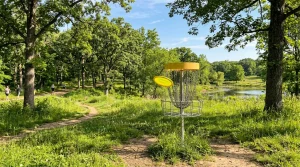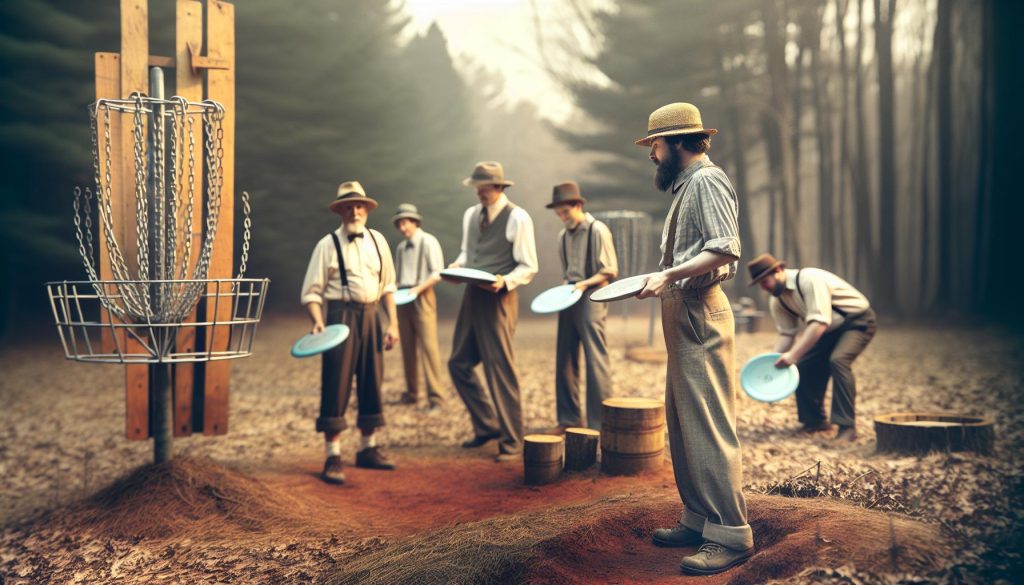
Did you know that disc golf has its roots in the 1960s, born from the playful spirit of throwing flying discs? As a blend of sport, leisure, and community, disc golf is not just about tossing a disc into a basket; it’s about the thrill of competition and the joy of nature. Understanding where disc golf began not only deepens our appreciation for this rapidly growing sport but also connects us with a vibrant community of players who share a passion for the game. From its humble beginnings to the modern courses that now dot landscapes worldwide, join us as we explore the fascinating origins of disc golf, uncovering the milestones that have shaped it into the athletic pursuit and beloved pastime it is today. Whether you’re a seasoned competitor or just curious about this engaging sport, discover how its history can enrich your own playing experience.
Where Disc Golf Began: A Historical Overview
The origin of disc golf is a captivating tale that intertwines creativity, leisure, and competition. In the late 1960s, a group of Californians, inspired by the already popular pastime of “Frisbee” throwing, began to envision a new way to play with flying discs. It was at the hands of a group of enthusiasts, notably including Ed Headrick, often referred to as the “Father of Disc Golf,” who laid down the foundation for what we now recognize as the sport. Headrick introduced the concept of target play, which led to the invention of the first official disc golf basket, the Discatcher, in 1975. This innovation offered a definitive goal for players, transforming their casual throwing into a structured competition.
The first formal disc golf tournament took place in 1975, where the seeds of a growing community began to sprout. Players from different backgrounds converged, bonding over their shared enthusiasm for tossing discs and navigating courses laid out in parks and open spaces. With the formation of organizations like the Professional Disc Golf Association (PDGA) in 1976, the sport began to gain traction, establishing guidelines, rules, and an official rating system for players. This transition from informal gatherings to organized competitions signified a monumental shift in how participants viewed disc golf-not merely as a pastime, but as a legitimate sport.
As disc golf gained popularity, its cultural relevance blossomed. The 1980s and 1990s witnessed a surge of interest with more courses opening up across the United States, influenced heavily by community efforts and a desire to engage with the outdoors. The sport epitomized accessibility; with minimal requirements for equipment-just a disc and a course-newcomers were readily welcomed into the fold. Over time, this grassroots phenomenon helped disc golf flourish internationally, evolving into an organized, competitive sport enjoyed by millions today. The spiraling growth and evolution of disc golf is a testament to its alluring combination of skill, strategy, and community connection, making it a substantial addition to global sporting culture.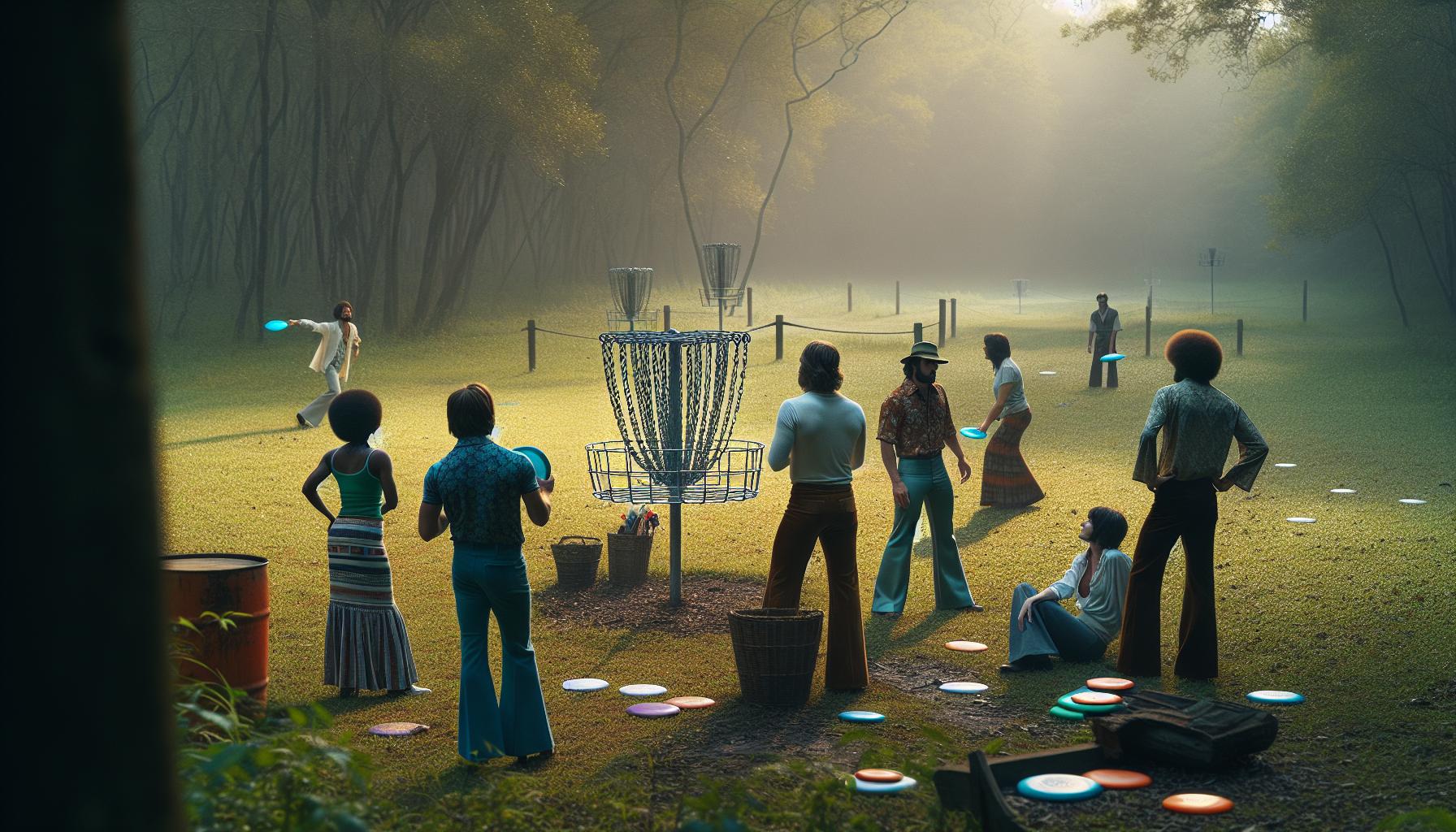
Key Milestones in Disc Golf Development
The evolution of disc golf has been marked by several crucial milestones that have transformed it from a casual activity into a recognized competitive sport. In 1975, the introduction of the first official disc golf basket, the Discatcher, designed by Ed Headrick, revolutionized how players engaged with the game. This innovation provided a specific target for throws, effectively transitioning the sport from informal play to structured competition. The same year witnessed the first formal disc golf tournament, further instigating a sense of community and competition among players.
By 1976, the formation of the Professional Disc Golf Association (PDGA) solidified a framework for the sport, creating standardized rules and a rating system that legitimized disc golf as a competitive activity. This period set the groundwork for subsequent growth, as tournaments became more prominent and player engagement deepened. The 1980s saw a surge in the popularity of disc golf, partly due to the grassroots efforts to establish more courses across the United States. The accessibility of the sport, requiring only a disc and a course, drew in individuals from diverse backgrounds, making it a communal experience.
As the sport continued to expand, the 1990s marked a significant innovation within equipment and gameplay. Advancements in disc design allowed for greater range and control, fostering an increase in competitive play. The introduction of specialized discs, including drivers and putters, catered to various throwing styles and conditions, enhancing player performance. Moreover, emerging professional tournaments attracted a wider audience, embedding disc golf more deeply into the sporting landscape and paving the way for international tournaments that we see today.
Overall, these key milestones reflect the dynamic development of disc golf, illustrating its transformation into a well-organized, globally recognized sport with a unique culture and community. As it embraces new technologies and continues to flourish worldwide, disc golf stands as a testament to the spirit of innovation and the joy of throwing discs.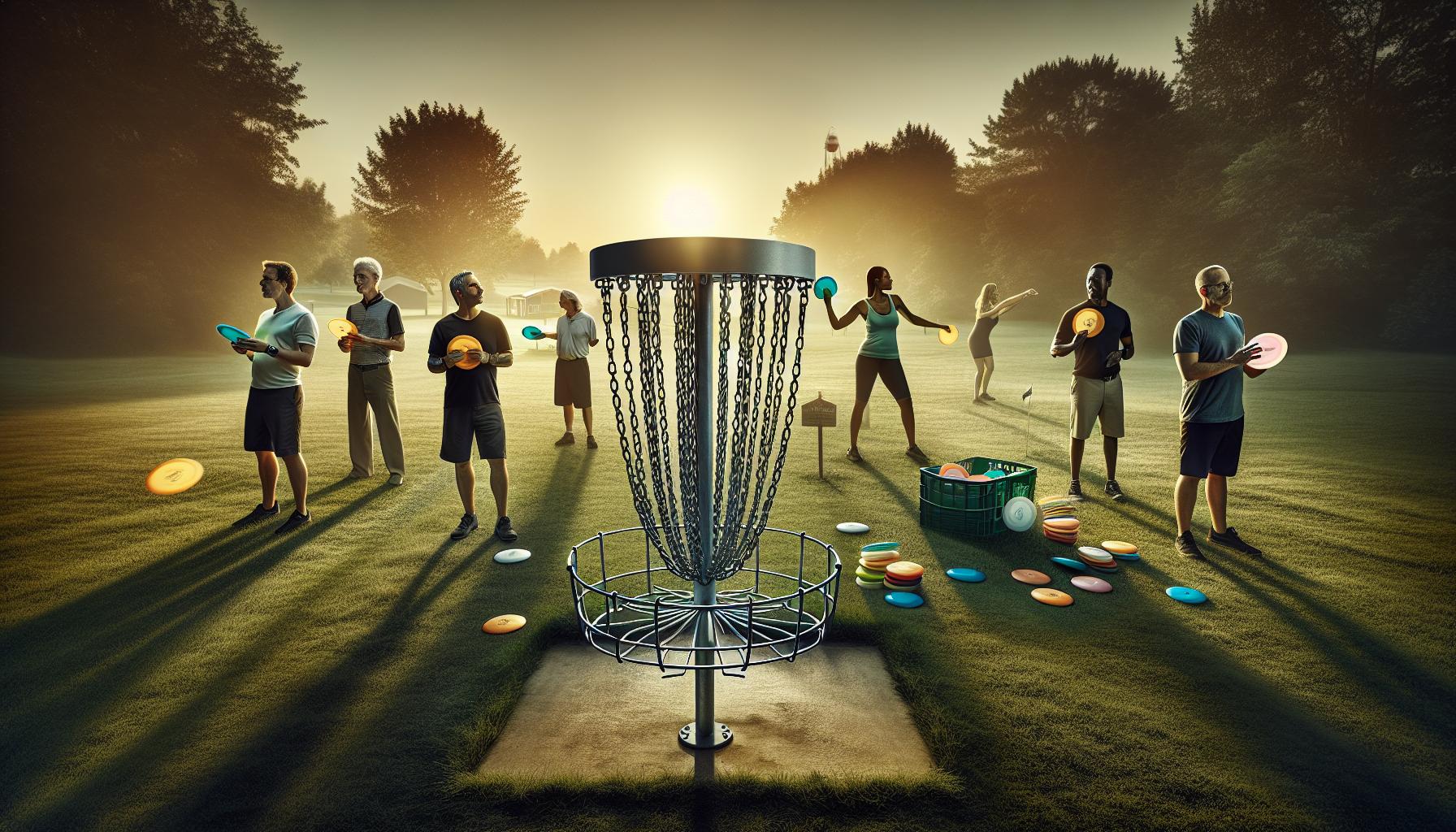
The Evolution of Disc Golf Equipment
The journey of disc golf equipment is as fascinating as the sport itself, evolving from simple beginnings to a highly specialized selection of gear tailored for all skill levels. In the early days of disc golf, players often used recreational flying discs with little thought to technical specifications. However, the introduction of purpose-built discs transformed the landscape of the game in the 1970s. The pioneering work of companies like Innova and Discraft led to the creation of the first stable golf discs made specifically for the sport, allowing players to achieve greater control and distance.
As the sport grew, so did the variety of discs available, which is crucial in understanding how to best navigate a course. Today, discs are categorized into three primary types: drivers, mid-range, and putters. Each serves a unique purpose during gameplay:
- Drivers: These discs are designed for maximum distance and are typically used for long throws off the tee.
- Mid-range Discs: Offering a balance between distance and accuracy, mid-range discs are versatile and used for various situations on the course.
- Putter Discs: Designed for accuracy on short throws, putters are used when players are within putting range of the basket.
The development of disc technology has not only enhanced performance but has also influenced throwing techniques. Modern discs are engineered with specific flight characteristics, such as speed, glide, turn, and fade, which allow players to select the right disc for their throwing style and course conditions. As a beginner, understanding these flight dynamics can significantly improve your game. For instance, beginner players might prefer a disc with a high glide and stability, making it easier to achieve long throws with less power.
Moreover, equipment choices extend beyond just the discs. The innovation in bag design, apparel, and accessories has shaped the culture surrounding disc golf. Lightweight, durable bags with specialized compartments for various discs have become standard, accommodating the needs of both casual players and serious competitors. When participating in a larger tournament, players often rely on specific gear that complements their playing style, illustrating how integral the right equipment is to both performance and enjoyment of the game.
In summary, encapsulates the sport’s growth from a leisure activity into a disciplined competitive pursuit. With ongoing advances in technology and an increasing variety of offerings, players of all levels can find the gear that best suits their unique playing styles, while fostering a deeper connection to the vibrant community that supports this exciting sport.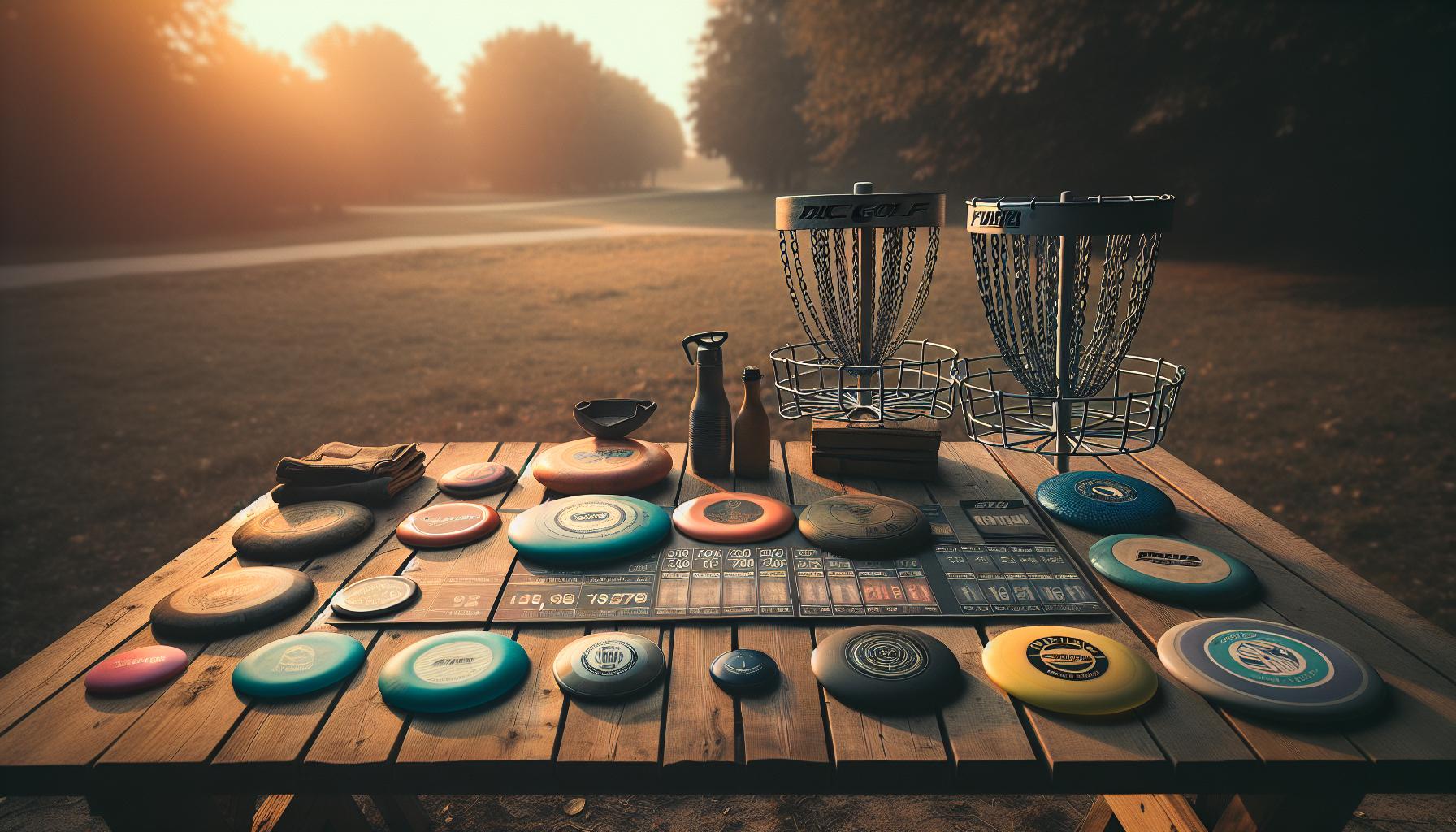
Notable Figures Who Shaped the Sport
The growth of disc golf is intertwined with the contributions of key individuals who have dedicated their lives to shaping the sport into what it is today. Pioneers like Ed Headrick, often regarded as the “Father of Disc Golf,” played a crucial role in popularizing the game. In the late 1960s, Headrick invented the first official disc golf target, the Disc Pole Hole, which revolutionized course design and set the foundation for standardizing play across the globe. His vision for the sport encompassed not only creating a system that made scoring easier but also fostering a community where players could enjoy a unique blend of skill, strategy, and fun.
Another significant figure is Dan “Stu” Stuar, who contributed immensely to the sport’s early organizational structures. Stuar was involved in the formation of the Professional Disc Golf Association (PDGA) in the 1970s, an organization that has been instrumental in promoting disc golf, establishing rules, and sanctioning tournaments. His efforts in tournament organization helped elevate the competitive aspect of the sport, leading to broader recognition and participation.
Moreover, players like Ken Climo, known as the “Champ,” have inspired generations through their exceptional skills and competitive spirit. With fifteen PDGA World Championships under his belt, Climo set a benchmark for excellence in disc golf and became a role model for aspiring players. His dedication to the sport has not only brought attention to disc golf but has also highlighted the athleticism required to master the various throwing techniques and course strategies.
The influence of these notable figures extends beyond just their competitive achievements; they have fostered a culture that values inclusivity and community engagement. As disc golf continues to grow internationally, the legacy of these pioneers is seen in the thriving leagues, diverse tournaments, and the sense of camaraderie that defines the sport. From local parks to professional tour events, the impact of these individuals is felt in every throw, and their contributions have undeniably validated disc golf as a respected athletic pursuit.
Regional Variances in Early Disc Golf Play
The origins of disc golf reveal a tapestry of regional influences that shaped its early play styles and community engagement. From California’s sunny parks to the wooded landscapes of the East Coast, these variances not only impacted how the game was played but also contributed to the distinct culture surrounding the sport. In these diverse regions, disc golfers adapted their techniques and course layouts to suit the available terrain, leading to unique expressions of gameplay.
In California, where the sport first began to gain traction, players often emphasized open field play and long-distance throws. This preference was influenced by the state’s vast, sprawling parks, which provided ample room for players to experiment with their throwing techniques. The emphasis was on distance and accuracy, paving the way for innovations in disc technology that catered to these needs. As players explored driving styles, the disc manufacturers began to tailor their products, introducing lightweight materials designed to enhance aerodynamics.
Conversely, the East Coast, characterized by more densely wooded environments, fostered a different approach to disc golf. Courses in states like New York and Massachusetts required players to master precision and strategic shot placement to navigate tight gaps and elevation changes. This regional playstyle highlighted the importance of accuracy, leading players to develop a variety of throwing techniques, including hyzer releases and anhyzer angles, to tailor their shots to specific course challenges.
The Midwest also played a pivotal role in the sport’s regional diversity. Midwestern courses often combine both open and wooded elements, compelling players to adapt between long drives and touch shots. This adaptability became a hallmark of the style developed in this area, reinforcing a community atmosphere that valued both competitive spirit and recreational enjoyment. Tournaments in these regions typically drew a wide array of participants, from casual players to seasoned pros, creating a melting pot of disc golf culture that emphasized inclusivity.
Understanding these early regional variances is crucial for new players looking to grasp the technical aspects of the game. By appreciating how local environments shaped playstyles, you can develop your own techniques that align with your local courses. Whether you’re throwing in a vast open area or weaving through trees, embracing the unique attributes of your region can enhance your skill set and deepen your connection to this growing sport.
The Impact of Disc Golf on Modern Sports
The rise of disc golf has not only transformed recreational activities but has also made a noticeable mark on modern sports culture. With its blend of precision, strategy, and the great outdoors, disc golf has attracted a diverse following and has influenced how sports are perceived and enjoyed in today’s society. As this sport continues to grow, it embodies a unique combination of athleticism and accessibility that distinguishes it from traditional sports.
One of the remarkable impacts of disc golf is its role in promoting physical activity among various age groups. Unlike many competitive sports that may intimidate newcomers, disc golf is welcoming and encourages participation regardless of skill level. Courses can be found in local parks and community spaces, making them accessible to families, friends, and individuals. This intrinsic nature of the game fosters a community atmosphere where players often celebrate inclusivity and camaraderie. This inclusion has been pivotal in engaging people who might not typically participate in athletics, ultimately leading to healthier lifestyles across diverse demographics.
Additionally, disc golf has pushed boundaries in terms of athleticism and competition. Professional tournaments have seen an exponential increase in participation and viewership, showcasing the talents of top players and setting higher standards in the sport. The structure of these competitions emphasizes not just skill with the disc but also strategic planning, making them compelling for both participants and spectators. Events like the PDGA World Championships have become hallmark gatherings that spotlight elite-level play while nurturing the sport’s grassroots origins, thereby preserving its cultural integrity.
Moreover, the impact of disc golf reaches into environmental consciousness, as many courses are designed to blend with natural landscapes. This trend promotes an appreciation for outdoor spaces and encourages sustainable practices among players and course designers alike. As more communities embrace disc golf, they often incorporate eco-friendly initiatives, further solidifying the sport’s relevance in contemporary discussions about environmental stewardship.
Ultimately, the influence of disc golf on modern sports stretches beyond mere competition; it champions community, wellness, and environmental harmony. By doing so, it elevates the notion of sports participation to encompass both personal achievement and collective enjoyment, making it a vital part of the sporting landscape today.
Community and Culture in Disc Golf’s History
The evolution of disc golf is inextricably linked to the communities that embraced the sport, fostering connections that transcend mere competition. From its humble beginnings in the 1970s, when a few innovative enthusiasts began tossing simple flying discs in various settings, disc golf has blossomed into a global phenomenon that thrives on a spirit of inclusivity and camaraderie. Embracing players from all walks of life, disc golf has managed to cultivate a welcoming culture where participants share not only their passion for the game but also their lives and experiences on and off the course.
Local disc golf communities play a pivotal role in shaping the sport. Clubs often coordinate events that promote social interaction and competitive play, making it easier for newcomers to engage and learn. As many clubs organize casual meetups, players can hone their skills and build friendships, establishing a sense of belonging that is vital to the sport’s growth. These gatherings not only provide practice opportunities but also serve as platforms for sharing tips and tricks, discussing equipment preferences, and planning tournaments. In fact, many successful professional players credit their early experiences in local clubs as foundational moments that fueled their journeys towards becoming competitive athletes.
Celebrating Diversity and Inclusivity
Disc golf’s community is characterized by its strong emphasis on inclusivity. Regardless of age, skill level, or background, everyone is encouraged to participate. The sport embraces equality, with accessible courses often located in public parks that welcome families and casual players alike. Many clubs actively promote events like women’s leagues, junior tournaments, and adaptive sports initiatives designed for individuals with disabilities. This commitment to diversity reinforces the idea that disc golf is not only a competitive sport but also a platform for community engagement and personal growth.
Environmental consciousness is another cornerstone of disc golf culture. Players often advocate for sustainable practices in course design and maintenance, further intertwining the sport with nature conservation. Many clubs engage in local cleanup efforts and work with communities to develop eco-friendly courses that minimize environmental impact while providing beautiful playing landscapes. This dedication not only enhances the playing experience but also fosters a community of environmentally aware individuals who appreciate the natural beauty surrounding them.
In summary, the history of community and culture within disc golf showcases a vibrant tapestry of shared experiences and collective growth. By fostering an environment where everyone is encouraged to play, learn, and grow, disc golf transcends traditional sports boundaries to become a powerful force for building connections and nurturing the environment-an authentic reflection of the passions that spark individual and community spirit alike.
How Disc Golf Has Grown Worldwide
Disc golf has undergone an incredible transformation over the past few decades, evolving from a niche pastime into a globally recognized sport. Today, there are over 10,000 disc golf courses spread across more than 40 countries, a testament to its expanding popularity. The grassroots nature of disc golf has facilitated its growth, as local players embrace the sport’s accessibility, affordability, and environmental connection.
The rise of disc golf can be attributed to several factors, notably the grassroots movements that foster community involvement and the proliferation of social media. Clubs and enthusiasts often host local tournaments, leagues, and casual meetups, creating environments where players of all skill levels can come together. This community-focused approach diminishes the barriers to entry, inviting newcomers to experience the sport without needing extensive prior knowledge or expensive equipment. The availability of affordable disc golf gear means that newcomers can quickly become part of the action, promoting wider participation.
Regional variations have also played a significant role in disc golf’s international appeal. For instance, while the United States remains the sport’s heart, Europe, especially Scandinavia, has fostered a strong disc golf culture. Countries like Finland have embraced disc golf, often ranking among the top players in the world. The versatility of the sport allows it to thrive in different environments, from urban parks to rugged outdoor settings, making it adaptable to various landscapes and cultures.
Moreover, the establishment of professional tours and tournaments has provided a more structured and competitive environment for serious players. Events like the Disc Golf Pro Tour and the PDGA World Championship not only showcase elite talent but also serve as a platform for promoting the sport to a broader audience. Such competitions highlight the athleticism required in disc golf, blending leisure with a competitive edge that appeals to both players and spectators.
As disc golf continues to expand internationally, its emphasis on community, inclusivity, and competition is set to make it a mainstay in the sports landscape, ensuring that its fascinating origins evolve into a rich and diverse future.
The Role of Tournaments in Disc Golf’s Popularity
The atmosphere at disc golf tournaments is electric-a blend of competition, camaraderie, and community spirit. These events have played a crucial role in shaping the popularity of the sport, transforming it from a casual pastime into a recognized athletic pursuit. Major tournaments, such as the Disc Golf Pro Tour and the PDGA World Championships, not only attract the best players but also serve as focal points for fans and newcomers alike, fostering a vibrant community.
Participating in tournaments allows players to test their skills against others while also connecting with fellow enthusiasts. The level of competition can vary widely, from local leagues to international championships, making it accessible for players of all skill levels. For beginners, local events might feel more inviting, often structured to encourage participation rather than merely victory. As players progress, they have the opportunity to compete in higher stakes environments, showcasing the sport’s depth and the skill required to excel.
The broadcasting of these tournaments has also significantly contributed to the sport’s visibility. With increased coverage on platforms like YouTube and ESPN, disc golf is reaching a broader audience, attracting new players drawn in by the excitement of live competitions. Social media plays a pivotal role here as well, with players sharing highlights, tips, and personal stories, which helps demystify the sport and makes it more approachable for newcomers.
Additionally, tournaments are often paired with community events such as clinics or exhibition games featuring professional players. These activities not only provide an educational component for less experienced participants but also create an atmosphere where everyone, from children to veterans, can share their passion for the game. The successful blending of competition and community engagement through tournaments is a key driver in the ongoing growth and evolution of disc golf around the world.
Understanding Disc Golf Course Design
The design of disc golf courses is a fundamental component that shapes the player experience, turning a simple game of throwing discs into a complex interplay of strategy, skill, and nature. A well-designed course not only challenges players but also celebrates the beauty of the environment in which it is situated. Understanding how these courses are laid out can enhance both the enjoyment and performance of players at every skill level.
Courses are typically made up of a series of holes, each varying in length and difficulty. The layout should thoughtfully integrate natural terrain features, such as trees, hills, and water hazards, presenting players with diverse challenges. For instance, many designers utilize elevation changes to create intriguing dynamics; uphill throws require more power and control, while downhill throws can be tricky due to potential overshooting. Moreover, utilizing the natural beauty of the landscape can make the experience enjoyable and eye-catching.
A standard disc golf hole includes a tee pad from which the drive begins, a fairway consisting of the area to navigate, and a target, often a metal basket, where the disc must land. The spacing between tees and baskets should consider the average player’s throwing distance and skill. A good rule of thumb is to provide a mix of short, medium, and long holes to cater to different skill levels and encourage growth.
Key Elements of Course Design
To design an effective disc golf course, various elements need consideration:
- Flow and Navigation: Each hole should lead seamlessly to the next, minimizing confusion for players. Clear signage is crucial.
- Variety: Incorporate a mix of open holes, wooded lines, and technical shots that require different throwing techniques.
- Safety: Ensure that holes are designed with player safety in mind, avoiding overlaps where disc flights may endanger others.
- Accessibility: Aim to make courses accessible to all skill levels, offering shorter tee pads for beginners while providing long, challenging options for advanced players.
By considering these factors, course designers can create a space that is enjoyable for both casual players and serious competitors, fostering a love for the game as well as community engagement. This thoughtful approach to course design not only enhances the player experience but also encourages more people to participate in the sport, celebrating its origins and ensuring its future growth.
Tips for Getting Started in Disc Golf
The beauty of disc golf lies not only in its exhilarating gameplay but also in its accessibility, making it easy for anyone to jump right in. Whether you’re a seasoned athlete or a casual player, getting started with disc golf is an adventure that welcomes all. First, you’ll want to invest in a few basic discs to help you learn the nuances of throwing and technique. A good beginner set usually includes a distance driver, a mid-range disc, and a putter. Each disc serves a unique purpose, with the distance driver designed for long throws, the mid-range for versatile throws, and the putter for accuracy near the target.
Understanding the mechanics of throwing is vital as well. The most common throwing styles are backhand and forehand. For beginners, mastering the backhand throw is often recommended since it allows for easier release and control. Start with your feet shoulder-width apart, grip the disc with your thumb on top and fingers underneath. As you wind up, pivot your weight back on your rear foot, and then transfer your weight forward while swinging your arm through in a smooth motion. Practicing this technique repetitively in an open space helps develop your throwing skills, control, and distance.
Finding a local course to practice is crucial. There are thousands of disc golf courses worldwide, ranging from casual to pro-level layouts. Many parks have free-to-play courses and are perfect for beginners to acquaint themselves with gameplay and course etiquette. Bring along friends or join local groups – the community aspect of disc golf is one of its most rewarding features. Engaging with local players can provide insights, tips, and camaraderie as you all share in the joy of the sport.
To enhance your skills further, consider checking out disc golf forums, watching instructional videos, or even attending workshops and clinics. Lots of regions host leagues and friendly tournaments which are great for honing your competitive edge and meeting other enthusiasts. With practice and patience, you’ll find yourself not only improving but also deepening your love for this captivating game.
Future Trends and Innovations in Disc Golf
As disc golf continues to gain momentum worldwide, exciting innovations and trends are transforming how the game is played and perceived. One of the most significant developments is the emergence of technology in training and gameplay. Smart discs equipped with sensors are starting to hit the market, allowing players to track their throws-measuring distance, speed, and even spin. This data-driven approach is not only enhancing player performance but also making the game more engaging and analytically stimulating. Enthusiasts can utilize apps and wearables that provide insights into their game, enabling them to tailor their training regimens effectively.
Another trend shaping the future of disc golf is the increasing inclusion of diverse and non-traditional venues. Disc golf is breaking free from traditional park settings, finding its way into urban landscapes, beaches, and even mountainous terrains. This diversification not only attracts a broader audience but also challenges experienced players to adapt to new courses and conditions. Temporary courses set up for events and festivals have also become popular, making it easier for newcomers to experience the sport in a fun and festive environment.
Moreover, the cultural shift towards environmental sustainability is making waves within the disc golf community. Manufacturers are beginning to explore eco-friendly materials for disc production. This trend aligns with the sport’s inherent ties to outdoor recreation and nature appreciation. Courses are also implementing sustainable practices, such as using natural resources responsibly and minimizing their ecological footprint, which appeals to a growing demographic that prioritizes environmental stewardship.
Finally, the community-centric aspect of disc golf remains robust, with online platforms connecting players from around the globe. Social media groups, forums, and local clubs are integral to fostering a sense of belonging and shared passion. As leagues and tournaments ramp up in popularity, including youth and inclusive divisions, the competitive landscape is evolving. This growth not only legitimizes disc golf as a serious sport but also nurtures its roots in community and collaboration, ensuring that players of all skill levels can find their place in the game.
In conclusion, the future of disc golf promises innovation guided by technology, environmental awareness, and a deepening sense of community. These trends enrich the sport’s fabric and ensure that while it evolves, it remains grounded in the same principles of fun, inclusivity, and athleticism that have defined its journey from humble origins to a global phenomenon.
Frequently Asked Questions
Q: When was disc golf invented?
A: Disc golf was invented in the 1970s, with its formal roots tracing back to 1975 when the first organized disc golf course was established in Oakland, California. The sport has evolved since then, gaining popularity and structure over the decades.
Q: Who is considered the father of disc golf?
A: Ed Headrick, often referred to as the father of disc golf, played a pivotal role in developing the sport. He created the first standardized disc golf course and designed the first frisbee golf basket, which enhanced the game’s playability and accessibility.
Q: How did disc golf gain popularity?
A: Disc golf gained popularity through grassroots movements and tournaments during the late 20th century, particularly in the 1980s and 1990s. The establishment of national organizations and events helped to promote the sport and engage new players.
Q: What are the differences between disc golf and traditional golf?
A: The primary differences lie in the equipment and course design: disc golf uses flying discs instead of clubs and balls, and courses are typically laid out in park-like settings rather than manicured greens. This makes disc golf more accessible and often less expensive to participate in.
Q: When did disc golf become a formal sport?
A: Disc golf became a formal sport in the late 1970s with the establishment of organized tournaments and the formation of governing bodies, notably the Professional Disc Golf Association (PDGA) in 1976, which standardized rules and supported competition.
Q: What role do tournaments play in disc golf?
A: Tournaments are crucial for disc golf as they provide structure, encourage competition, and promote community engagement. They help to publicize the sport, attract sponsorships, and often lead to increased participation at the local level.
Q: Where are the most popular disc golf courses located?
A: The most popular disc golf courses are primarily located in the United States, with California, Minnesota, and Michigan hosting many top-rated courses. Internationally, Sweden and Finland are recognized hotbeds for the sport, showcasing beautiful, challenging layouts.
Q: How has disc golf evolved over the years?
A: Disc golf has evolved significantly from its informal beginnings to a globally recognized sport. Innovations in equipment design, the establishment of professional leagues, and increased media coverage have all contributed to its growth, making it more competitive and accessible to players at all skill levels.
To Conclude
As we wrap up our exploration of where disc golf began, it’s clear that this sport is not just a pastime but a celebration of community and competition. Understanding its origins enriches your appreciation for the game today. If you’re eager to dive deeper into the mechanics of throwing techniques or want to learn about the best equipment choices for your skill level, check out our guides on disc flight characteristics and advanced throwing mechanics.
Don’t miss out on becoming part of a growing community that thrives on passion and performance-sign up for our newsletter for the latest tips and tournament updates! We’d love to hear your thoughts on this journey-share your experiences with disc golf in the comments below or connect with us on social media. Remember, every skilled player started just where you are now. Keep exploring, practicing, and embracing the sport!
Get our latest guides, news, and insights highlighted in your Google Search & AI Overviews.