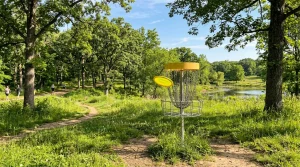
Are you looking to step outside and enjoy a sport that combines skill, strategy, and community? Disc golf is rapidly gaining popularity, serving as a perfect blend of physical activity and social interaction. Whether you’re a seasoned player or just starting out, finding local disc golf courses enhances your experience, offering a chance to connect with fellow enthusiasts and sharpen your skills. With an array of beautiful parks and thoughtfully designed courses available, it’s easy to discover a location that suits your playing style. Join us as we explore the best places to throw a disc near you, catering to both newbies eager to learn and seasoned competitors seeking their next challenge. Get ready to embrace the excitement of disc golf and elevate your game!
Where to Find the Best Disc Golf Courses Nearby
Finding the best disc golf courses nearby can elevate your playing experience from ordinary to extraordinary. With thousands of courses across the country, players of all skill levels have a variety of options to explore. Utilizing online tools and local resources can help you pinpoint the perfect spot for your next outing. Websites like the Professional Disc Golf Association (PDGA) maintain comprehensive directories that allow you to search for courses based on your location. This is ideal for quickly identifying options nearby, complete with course ratings and user reviews that can guide your decision-making process.
Another effective method to discover courses is by tapping into local disc golf communities and clubs. Joining a local group, whether through social media platforms or dedicated disc golf forums, can provide insider information about hidden gems in your area. These communities not only share course recommendations but also organize events and friendly competitions, helping you connect with fellow enthusiasts. Many players are eager to share their experiences and recommendations, leading you to courses that might not be widely advertised but have fantastic layouts and friendly atmospheres.
Lastly, consider utilizing mobile apps specifically designed for disc golf enthusiasts. These apps offer interactive course maps, GPS navigation, and even score tracking features which can enhance your visit. They often include user-generated content that highlights special features of each course, such as unique challenges or scenic views. Whether you are a newcomer eager to learn or a seasoned player looking for a new challenge, leveraging these resources can help you find local courses that meet your preferences and playing style. With just a little research, your next round of disc golf could lead you to an entirely new favorite course!
Top Features of Local Disc Golf Courses
The vibrant world of disc golf has much to offer, and understanding the standout features of local courses is key to enhancing your playing experience. The best disc golf courses are not just about the throw; they encompass a balanced blend of natural landscapes, strategic layouts, and community involvement that can elevate your game-and your enjoyment.
Harmonizing with nature, many top courses make use of their unique terrain, incorporating hills, woods, and water features to create a diverse playing field. Natural obstacles are not only challenging but also add to the beauty of a course. For instance, a hole that weaves through a densely wooded area requires precise control and strategy, while one that requires a throw over a pond tests both your skill and courage. These elements can make each round feel unique, as no two courses are exactly alike.
Meanwhile, amenities can play a significant role in the overall experience. Many well-maintained courses offer practice areas, benches, and good signage to enhance your visit. Some even provide bathrooms, parking facilities, and picnic spots, making them perfect for a day out with friends or family. It’s beneficial to check whether the course has a welcoming atmosphere, as community support often translates into well-kept grounds and engaged local players.
Another important aspect is the course design itself, which can vary widely in difficulty and length. For beginners, shorter, less technical courses with straightforward layouts can help build confidence and improve skills without overwhelming frustration. Conversely, advanced players often seek out courses with longer distances and complex layouts that demand a variety of throwing techniques, strategic play, and stamina. Courses that host events and develop a culture of friendly competition can also offer a clearer insight into the local level of play, creating opportunities to challenge yourself and improve.
Ultimately, the best local disc golf courses reflect a balance of challenge, beauty, and community spirit, making them not just places to play, but destinations to enjoy and grow within the sport.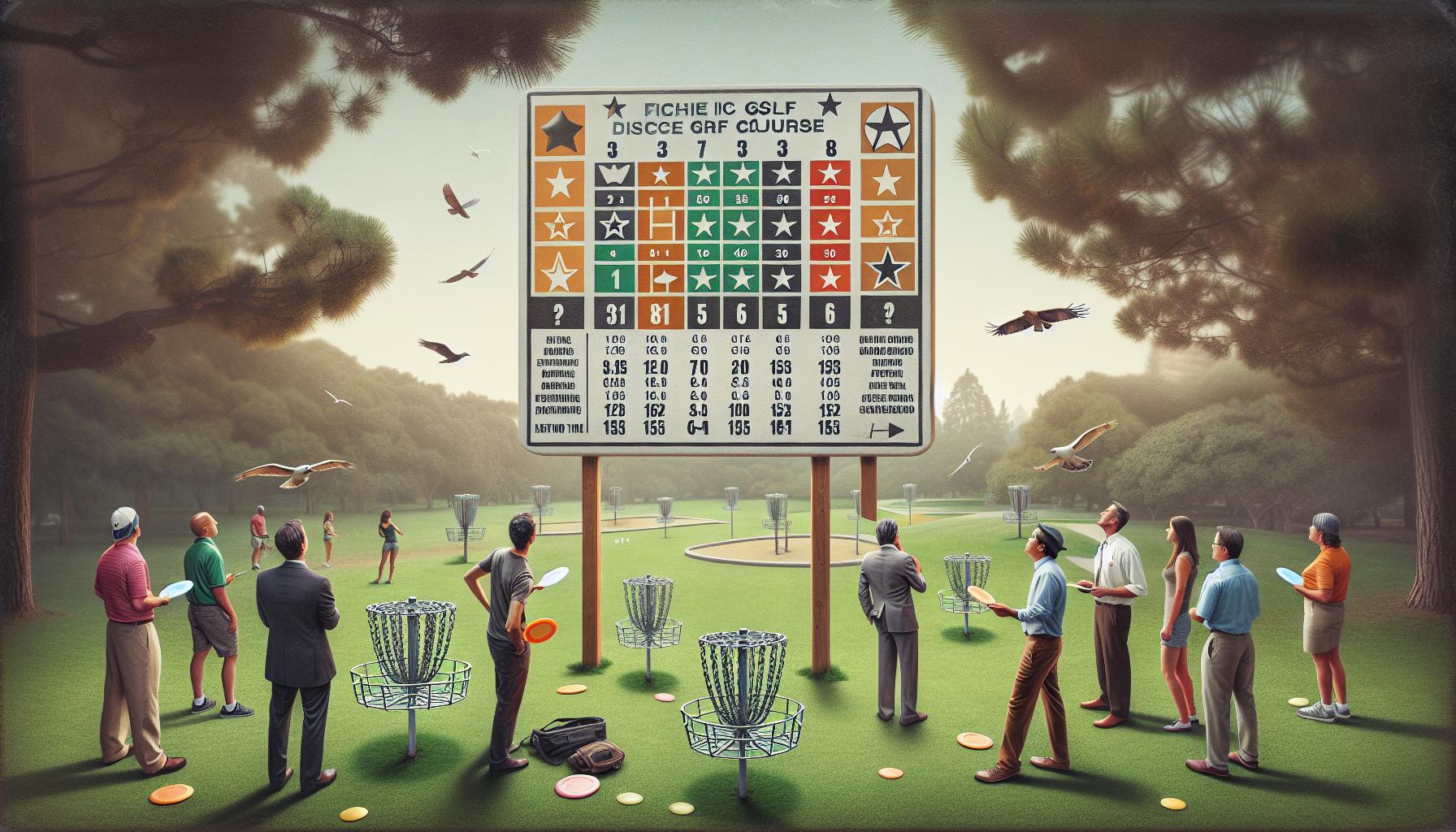
Disc Golf Course Ratings: How to Choose the Right One
Choosing the right disc golf course can significantly enhance your experience on the greens, especially as each course offers its unique blend of challenges, scenery, and community spirit. Understanding the course ratings system is essential, as it serves as a guide to assess the difficulty and overall experience you can expect. Courses are typically rated on two main criteria: challenge level and equipment quality.
### Understanding Course Ratings
Disc golf courses are categorized by challenge ratings from AAA (the most difficult) to D (the easiest) along with equipment classifications ranging from 1 to 3. A rating of level 1 indicates a well-maintained course with official targets, tee pads, and signage, which are crucial for a pleasant playing experience. [1] If you’re a beginner, look for courses rated BB-B, which provide a more relaxed setting while still offering enjoyable play. For seasoned players, AAA-A rated courses will push your skills further with intricate layouts and demanding obstacles.
### Evaluating Course Information
When making your course choice, consider the following factors:
- Course Layout: Examine reviews and maps to understand the course’s strategic layout, including the placement of hazards, elevation changes, and the length of each hole.
- Community Feedback: Utilize platforms like UDisc or local disc golf forums to gain insights from other players’ experiences. Many players share valuable tips about course conditions and their level of enjoyment.
- Course Condition: Check for recent reviews on maintenance. Factors such as overgrown roughs or unclear signage can impact your enjoyment and performance significantly.
### Personalizing Your Choice
Every player is unique, and your experience should reflect your personal preferences and skill level. For example, newer players might thrive on courses that offer a variety of shorter, less technical holes, allowing them to improve their game without excessive frustration. Conversely, advanced players might seek out courses that provide a blend of technical challenges and longer distances, demanding greater throwing precision and strategic play.
By taking the time to explore and understand course ratings and player feedback, you’re setting yourself up for an enjoyable disc golfing adventure that matches your skill level and preferences. Embrace the journey, and you may discover not just a great course, but also a vibrant community ready to welcome you!
Exploring Disc Golf Course Amenities and Accessibility
Successful disc golf outings are often dictated by the quality of amenities and accessibility offered by local courses. When searching for a nearby course, considering the available facilities can enhance not just your playing experience, but also the overall enjoyment of the game. Many courses provide essential amenities that cater to both casual players and serious competitors alike, making it crucial to evaluate what each location offers.
Basic amenities to look for include well-maintained restrooms, trash disposal, and water fountains to stay hydrated during your rounds. Some courses also feature picnic areas, benches, or pavilions, perfect for resting between rounds or enjoying a meal with fellow players. Additionally, well-marked tee pads and directional signage significantly contribute to the ease of navigation, allowing players to focus on their game rather than searching for the next hole. The presence of practice areas for warming up or refining your throws can immensely benefit newcomers looking to improve their skills or seasoned players preparing for a competitive round.
Accessibility is another key factor. Ensure the course is easy to access, with clear pathways and parking facilities that are accommodating to all players, including those with mobility challenges. Many modern courses are designed to be inclusive, featuring wheelchair-accessible tee pads and paths. Checking the course’s adherence to local regulations regarding accessibility can help ensure a more enjoyable experience for everyone.
In your quest for local courses, platforms like UDisc and the PDGA course directory can provide detailed insights into course amenities and accessibility features. These resources often include player reviews highlighting specific strengths and weaknesses, ensuring you make an informed choice. Looking beyond the basic amenities to the overall environment-such as whether the course hosts events or community leagues-can also enhance your experience and connect you with like-minded players eager to share their passion for the sport.
The Ultimate Guide to Disc Golf Course Maps
Navigating a disc golf course can drastically influence your overall experience and performance on the course. Understanding where to find maps, what to look for on them, and how to use them to your advantage can help both new and experienced players enhance their game. Many of today’s disc golf courses utilize detailed maps that provide insights into each hole’s layout, including distance to the basket, terrain types, and unique obstacles.
Most course maps will illustrate the flow of the course, often marked with a key or legend that indicates specific features such as tee pads, baskets, pathways, and water hazards. In addition to basic visual representations, some higher-quality maps may also include information about the difficulty level of each hole and recommended throwing strategies. For example, a map might highlight a shorter, heavily wooded hole that requires technical throws versus a longer, open hole ideal for distance. Recognizing these details will not only help you choose the right disc for each shot but will also aid in planning your throw strategy to score better.
Many players find that accessing course maps is made easier through various apps and websites dedicated to disc golf, such as UDisc and the PDGA course directory. These platforms often include user-uploaded maps, reviews, and additional tips, making them invaluable resources for preparation before hitting the course. If you’re scouting a new area or considering a disc golf trip, these tools can help you familiarize yourself with the courses in advance, ensuring that you can make informed decisions and adapt your play style accordingly.
When preparing for your outing, ensure you have a map in hand, either digitally on your phone or printed out. This allows for easy reference during play, helping you stay oriented and focused on your strategy. Utilizing maps effectively can transform your course navigation from a frustrating task into a streamlined process that keeps your mind on the game, thus enhancing your overall disc golf experience.
Local Disc Golf Communities and Clubs
Joining a local disc golf community can transform your experience on the course, whether you are a novice or an experienced player. These communities are not just about competition; they foster friendships, support, and shared enthusiasm for the sport. Many cities support active disc golf clubs that host regular meetups, tournaments, and social events, allowing players to connect, learn, and grow together. Engaging with these groups can help newcomers find their footing in the sport and give seasoned players opportunities to improve their skills through friendly competition and advice.
One of the key benefits of participating in local disc golf clubs is the access to organized leagues and tournaments. Clubs often structure these events around varying skill levels, providing a welcoming environment for all. For instance, many clubs host weekly rounds, allowing players to compete for fun and recognize individual improvement over time. Additionally, these gatherings frequently include instructional sessions, where players can learn about advanced throwing mechanics, course strategy, and equipment selection while enjoying a supportive atmosphere.
Besides competition, community involvement in disc golf often extends to course maintenance and improvement. Many clubs work closely with local park departments to ensure that courses are well-kept and accessible. This involvement can lead to better amenities and new features, enhancing the overall playing experience for everyone. Participants also partake in volunteer days, which not only fosters a sense of ownership over the local courses but also deepens connections within the community.
In the digital age, online platforms also play a significant role in connecting players. Many disc golf communities use social media pages and forums to share tips, arrange playdates, and promote upcoming events. Engaging with these online spaces can be an excellent way for players to stay informed about local happenings and identify opportunities to participate or volunteer. Whether you’re seeking to refine your technique, share a passion for disc golf, or simply make new friends, local disc golf communities provide a welcoming and enriching environment.
Tips for Finding Hidden Gem Disc Golf Courses
Unearthing hidden gems in the world of disc golf can elevate your playing experience and introduce you to unique courses that may not be on everyone’s radar. Whether you’re a seasoned player seeking variety or a newcomer eager to explore, the thrill of discovering lesser-known venues is immense. Start by tapping into local disc golf communities as they often hold the keys to these secret spots. Engaging with clubs and online forums can reveal recommendations that aren’t widely advertised, turning you onto picturesque courses tucked away in scenic parks or underutilized recreational areas.
Additionally, don’t shy away from exploring public parks with potential disc golf setups. Many parks may have informal or “homegrown” courses that aren’t registered on popular disc golf websites. Download apps like UDisc, which feature user-generated courses, providing insights into player reviews and highlights that can guide you to those underrated locations. Furthermore, networking with fellow players during regular rounds can yield valuable firsthand information. When you play at established courses, take the time to connect with locals who might share their favorite hidden gems over a friendly chat post-game.
Lastly, keep an eye out for local disc golf events, such as leagues or casual meetups. Participating in these gatherings often leads to learning about courses played in the past that aren’t officially listed or recognized. Consider organizing informal outings with your disc golf friends to adventurous locations on a whim; sometimes the best experiences come from spontaneity. By utilizing these strategies, you’ll not only enhance your disc golf repertoire but also deepen your appreciation for the rich and expanding community surrounding the sport.
Planning a Disc Golf Trip: What to Know
Planning a trip centered around disc golf can be an exhilarating experience that opens up new playing opportunities and enriches your understanding of the game. The key to a successful disc golf trip is in the details, beginning with careful selection of your destinations. To ensure an unforgettable experience, start by researching courses that not only suit your skill level but also offer unique challenges and landscapes. Websites like the PDGA course directory can help you find quality courses in your desired area (PDGA).
When choosing where to play, consider factors such as course ratings, player reviews, and amenities. Some courses stand out for their challenging layouts or beautiful surroundings, which can enhance your enjoyment beyond just the game itself. For instance, finding local hotspots like BC3 Disc Golf in Nashville, which boasts a high rating of 92.95, could be a perfect destination for both casual and competitive play (IndyStar).
Another important aspect is to connect with local disc golf communities or clubs. Engaging with these groups via social media or local meetups can provide insider knowledge on the best courses, local tournaments, and even loaner equipment options. Clubs like the Indianapolis Disc Golf Club not only facilitate local tournaments but can also help newcomers integrate into the sport (Indy Disc Golf Club).
Before you head out, ensure that your gear is ready and tailored for the various courses you might encounter. Familiarize yourself with the disc flight characteristics suitable for the course terrain, whether it be wooded, open, or hilly. Don’t forget to pack essentials like extra discs, comfortable footwear, and snacks for those long days of exploring multiple courses. With these preparations, you’ll maximize your enjoyment and immerse yourself in the vibrant disc golf community wherever you go.
Upcoming Disc Golf Tournaments Near You
Upcoming disc golf tournaments offer an exciting opportunity for players of all skill levels to engage in competition, enjoy community spirit, and enhance their game. Participating in these tournaments can not only improve your skills but also provide valuable networking opportunities within the disc golf community.
In November, there are a variety of events catering to different demographics and skill levels. For instance, the Armory Disc Golf’s 4th Annual Turkey Flex is scheduled for November 28 in Woodlands, Texas, featuring Pro-Am C-Tier competition. This event is a fantastic gathering for players looking to test their skills in a festive atmosphere while enjoying the holiday spirit. Similarly, the Leftovers Flex Start, hosted in Austin, Texas, on November 29, is another Pro-Am C-Tier event that promises a great day of competitive play along with a chance to earn HOTT points.
Don’t forget about local events like Leftovers 2025, taking place in Champaign, Illinois, also on November 29, which is perfect for those who thrive in a competitive setting. Each tournament generally consists of multiple rounds, and players can enjoy camaraderie with fellow enthusiasts while vying for prizes, accolades, and even personal bests.
For more detailed information about local tournaments, you can visit sites like the PDGA tournament directory or active disc golf scene platforms. These resources will provide you with essential details regarding registration, course information, and player reviews to help you choose the best tournaments that fit your schedule and skill level. Whether you’re a seasoned competitor or just starting in your disc golf journey, there’s a tournament waiting for you!
Equipment Essentials for Playing Local Courses
When heading out to play at local disc golf courses, having the right equipment can significantly enhance your experience on the course. Understanding the essential gear not only boosts your performance but also adds comfort during your rounds. Here’s what you truly need to make your time on the course enjoyable and successful.
Firstly, a good disc golf bag is crucial for organizing your discs and accessories. Opt for a lightweight yet spacious bag that can hold your discs securely while providing pockets for other essentials. Many bags today come equipped with insulated sections for water bottles, ensuring you stay hydrated throughout your game. Look for adjustable straps for comfort, especially if you plan on playing a full day on the course.
Next, the discs themselves are the heart of your game. Investing in a variety of discs, including putters, midranges, and drivers, can help you adapt to different course layouts and conditions. Beginners should start with a stability range of discs to understand flight characteristics – generally, a more stable disc is easier to control. Advanced players may want to experiment with overstable and understable discs to achieve desired distances and accuracy for various throws.
A mini marker disc and a reliable towel are also essential accessories that you should not overlook. The mini marker allows you to accurately indicate your lie during play, while a towel helps you keep your discs clean and dry, enhancing grip and performance, especially in humid or rainy conditions.
Lastly, don’t forget to pack a water bottle to stay hydrated and a scorecard to track your progress. If you’re keen on improving your game or strategizing more efficiently, consider a disc golf rangefinder to gauge distances from the tee to the basket.
Overall, equipping yourself with these essentials not only prepares you for the physical demands of disc golf but also enhances your overall enjoyment of the sport, making each outing to local courses a memorable experience.
Disc Golf Etiquette: Playing Respectfully at Local Clubs
The vibrant community surrounding disc golf is built on respect and shared enjoyment of the game. Playing at local clubs isn’t just about improving your skills; it’s about fostering an atmosphere where everyone feels welcome and valued, whether they are a seasoned pro or just stepping onto the course for the first time. Practicing good etiquette can enhance your experience and the overall enjoyment of every player around you.
Firstly, one of the cardinal rules of disc golf etiquette is to let faster groups play through. If you notice that a group behind you is playing more quickly, it’s courteous to allow them to pass. This keeps the game moving smoothly and ensures that everyone can enjoy their time on the course without unnecessary delays. Additionally, be mindful of the space around you: avoid throwing when someone is in your line of sight, as safety is paramount. Respecting personal space not only prevents accidents but also cultivates a respectful atmosphere conducive to friendly competition.
Another vital aspect of etiquette is maintaining a clean course. The principle of “pack it in, pack it out” is crucial. Always dispose of your trash properly, and if you see litter, consider picking it up to enhance the beauty of the space for everyone. This respect for the environment reflects well on the disc golf community and shows the dedication players have toward preserving the courses they enjoy. Moreover, if you’re playing a round with friends or at a club event, remember to keep the noise level down when others are putting or concentrating, as distractions can affect their performance.
Finally, embrace the spirit of camaraderie by engaging with fellow players. Whether it’s offering a friendly tip to a newcomer or high-fiving a competitor after a great throw, positive interactions can elevate the experience for everyone. Try to be encouraging, and remember that disc golf is as much about personal achievement as it is about community spirit. By fostering a welcoming atmosphere, you not only enhance your own enjoyment but also contribute to making disc golf a more inclusive sport for all enthusiasts.
Making the Most of Your Disc Golf Experience
With the growing popularity of disc golf, you’ll find an abundance of courses waiting to be explored. To truly elevate your disc golf experience, it’s essential to blend skill development, community interaction, and strategic gameplay into your outings. The following tips will help you maximize your enjoyment and effectiveness on the course.
Start by familiarizing yourself with the basics of disc flight and throwing mechanics. Understanding how different discs perform can significantly impact your game. Consider these elements before heading out:
- Disc Types: Know the difference between drivers, mid-range, and putters. Each has unique flight characteristics that can help you navigate various course layouts.
- Grip and Release: Experiment with different grips to find what feels comfortable. Watch tutorials or seek advice from seasoned players to refine your throwing technique.
- Environmental Awareness: Each course presents unique challenges, such as wind conditions or elevation changes. Be prepared to adapt your strategy accordingly.
Engaging with the local disc golf community can enhance your experience. Join clubs or online forums to stay updated on local events and tournaments. This not only builds friendships but also helps you learn from more experienced players. Additionally, consider participating in different groups’ meetups, as they often welcome newcomers and challenge players of all skill levels.
Lastly, always approach your disc golf rounds with a blend of competition and camaraderie. While improving your game is important, never underestimate the value of having fun and connecting with others who share your passion. Bring friends, cheer each other on, and celebrate small victories together. This blend of competitive spirit and community will enrich your disc golf journey, making each round memorable and enjoyable.
Frequently Asked Questions
Q: How can I find local disc golf courses near me?
A: To locate local disc golf courses, use websites like UDisc or the Professional Disc Golf Association’s course directory. You can also search Google Maps with terms like “disc golf near me” for quick access to nearby facilities.
Q: What features should I look for in a local disc golf course?
A: When considering a local disc golf course, look for features such as course length, difficulty levels, available amenities like restrooms and parking, and the presence of a community or club that organizes events. This enhances your overall experience.
Q: Are there hidden gem disc golf courses I should know about?
A: Yes! Search for hidden gem disc golf courses on forums like Reddit or on social media groups. Many players share their favorite lesser-known courses that may offer unique challenges and beautiful landscapes.
Q: How do I get involved with local disc golf communities?
A: Join local disc golf communities by participating in events and tournaments listed on platforms like Facebook or Meetup. Many courses have club boards with announcements, or you can connect through apps like UDisc to find local players and events.
Q: What are the benefits of joining a disc golf club?
A: Joining a disc golf club offers numerous benefits, including access to organized tournaments, practice sessions, and networking opportunities with fellow disc golfers. Clubs often provide exclusive discounts on equipment and course fees as well.
Q: How do I plan a disc golf trip to play multiple courses?
A: To plan a disc golf trip, start by researching areas with a high concentration of courses. Use tools like UDisc’s course map feature to plot your route and schedule tee times. Consider reaching out to clubs in those areas for tips on the best local spots.
Q: When is the best time to play disc golf at local courses?
A: The best time to play disc golf is typically during the spring and fall when the weather is mild. Early mornings or late afternoons on weekdays are ideal for avoiding crowds and enjoying a more relaxed atmosphere on the course.
Q: What should I consider before visiting a new disc golf course?
A: Before visiting a new disc golf course, check reviews for insights on its difficulty and accessibility. Familiarize yourself with local rules and etiquette. Also, verify the availability of amenities like water stations and restrooms to ensure a pleasant experience.
The Way Forward
Ready to explore the exciting world of disc golf? We’ve provided all the resources you need to discover local courses that fit your skill level and preferences. Don’t miss out-grab your discs and head to the nearest course today! If you’re looking to enhance your game, check out our guides on throwing techniques and course strategies, or visit our gear shop to find the perfect discs designed for your throwing style.
Still have questions? Drop a comment below or sign up for our newsletter to receive the latest tips and course updates directly in your inbox. Remember, the best way to improve is by hitting the course regularly! Explore our related articles on advanced techniques and community events to stay connected with fellow disc enthusiasts. Your next round starts now-let’s play!
Get our latest guides, news, and insights highlighted in your Google Search & AI Overviews.