Who created disc golf founder biography history is an essential factor in modern disc golf course play, equipment setup, and tactical execution. Our comprehensive guide provides actionable course tips, disc flight mechanics, equipment recommendations, and tournament-tested strategies to help disc golfers optimize their scoring and course performance.
Did you know that disc golf has grown into a beloved sport for millions worldwide? Understanding the origins of disc golf is essential for appreciating its impact on outdoor recreation and competitive athletics. In this exploration of the founder’s biography and history, we’ll uncover how a simple idea transformed into a global phenomenon. Whether you’re a beginner eager to learn the fundamentals or a seasoned player wanting to dive deeper into the sport’s roots, this article will enlighten you on key milestones, the visionary behind the game, and the evolution of disc golf from casual play to a recognized competitive pursuit. Join us in celebrating this dynamic sport and discover what motivates its passionate community. Your journey into the heart of disc golf starts here!
Who is the Founder of Disc Golf?
In the early 1970s, a visionary named George Sappenfield began experimenting with a game that would lay the foundation for what we now know as disc golf. This innovative recreation involved throwing frisbees at stationary targets, inspired by traditional golf but reimagined for a new audience. Sappenfield’s enthusiasm for the game was contagious, and it ignited a movement that would appeal to both casual players and serious competitors alike. His idea took flight in 1975 when he organized the first official tournament, paving the way for the structured sport that disc golf has become today.
Sappenfield’s approach to disc golf was unique, as he fused elements of outdoor recreation with elements of competition. The first permanent disc golf course was established at Oak Grove Park in Pasadena, California, which further solidified the sport’s legitimacy and community appeal. With a growing number of players and courses popping up across the country, disc golf began to gain traction, leading to the formation of the Professional Disc Golf Association (PDGA) in 1976. This pivotal organization helped standardize rules and promote tournaments, guiding the sport through its formative years and ensuring its sustainability.
Today, Sappenfield is celebrated not only for his foundational role but also for his ability to inspire a passionate community. As disc golf continues to grow in popularity, it remains a testament to his vision-a sport that values skill, strategy, and a sense of fun. From casual weekend throwers to elite competitors, the legacy of the founder lives on, inviting everyone to experience the joy of disc golf.
The Evolution of Disc Golf: A Historical Overview
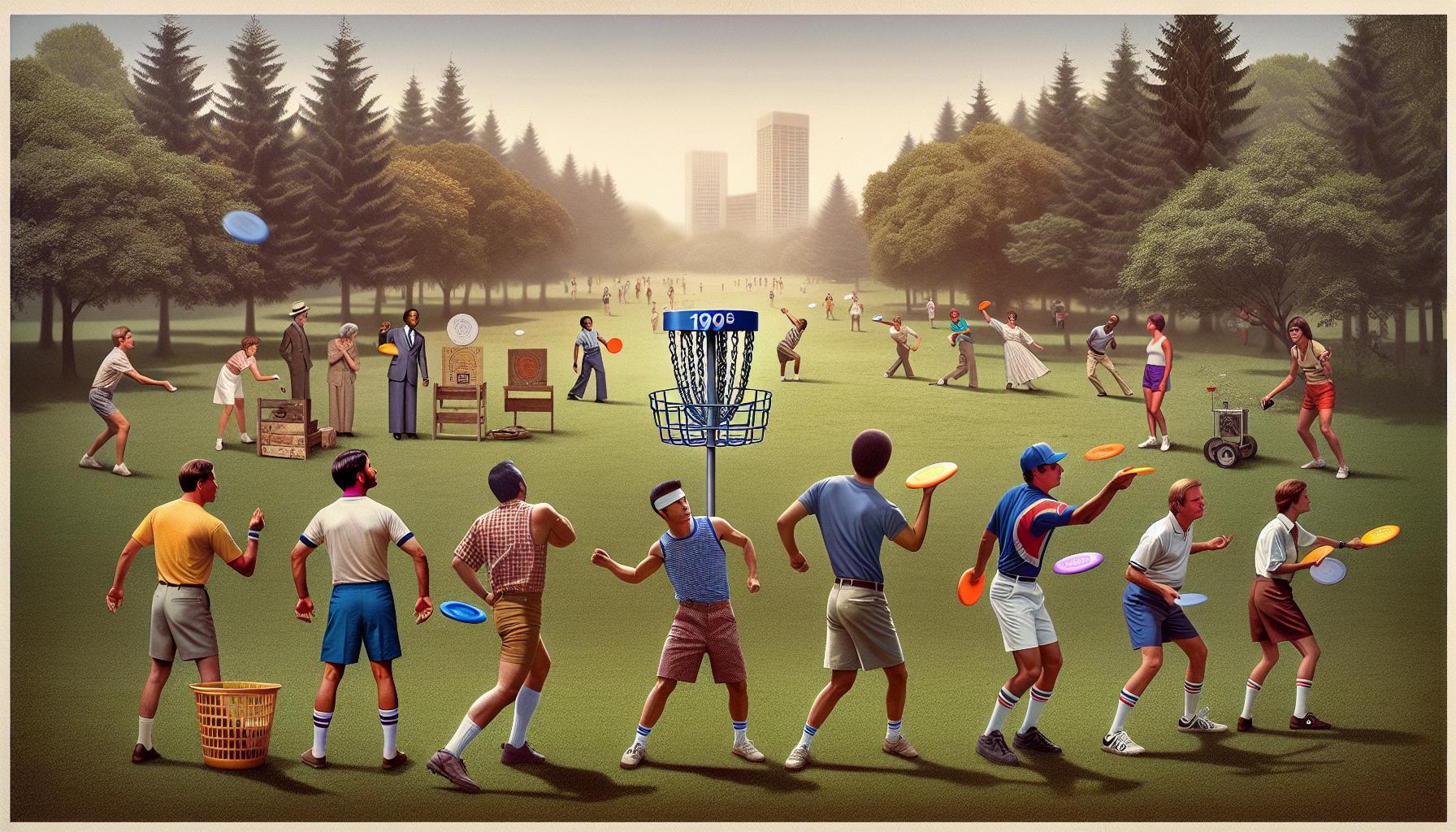
The journey of disc golf is a captivating saga that intertwines innovation, competition, and community spirit. This sport, now embraced worldwide, traces its roots back to the early 1970s when George Sappenfield first conceptualized the idea of throwing a frisbee at stationary targets. His vision transformed casual outdoor play into a structured way of competition, marking a significant evolution in recreational activities. As the game took shape, Sappenfield’s contributions set a foundation that would not only entice novice players but also engage seasoned athletes seeking a new challenge in the outdoors.
In 1975, the first official disc golf tournament was held, sparking a wildfire of interest that led to the establishment of the first permanent course at Oak Grove Park in Pasadena, California. This was a turning point; as courses began to emerge across the country, disc golf gained a foothold as a legitimate sport. By 1976, the formation of the Professional Disc Golf Association (PDGA) was another critical milestone, introducing standard rules and facilitating tournaments that helped the community coalesce around shared goals. The PDGA’s efforts not only legitimized disc golf but also nurtured its growth, ensuring players had a platform for competition and camaraderie.
As the years progressed, the sport continued to evolve, influenced by the experiences and insights of players and promoters alike. Innovative disc technology and increasingly sophisticated course designs enhanced gameplay, transforming the experience for every participant. From casual throwers to elite competitors, the landscape of disc golf became vibrant and diverse, embracing players of all ages and skill levels. The sport expanded globally, with communities forming around local courses, allowing people to connect and thrive in a shared passion for the game.
Today, the evolution of disc golf reflects a broader cultural trend towards outdoor sports, holistic health, and community engagement. The growth of local leagues, diverse tournaments, and the proliferation of disc golf merchandise signify vibrant, grassroots enthusiasm for the sport. This phenomenon echoes Sappenfield’s original vision-creating a meaningful and fun way for people to connect through skill, strategy, and a shared love of the outdoors. As we look to the future, the ongoing popularity of disc golf illustrates how community, innovation, and the spirit of play can come together to shape a sport for everyone.
Key Milestones in Disc Golf Development
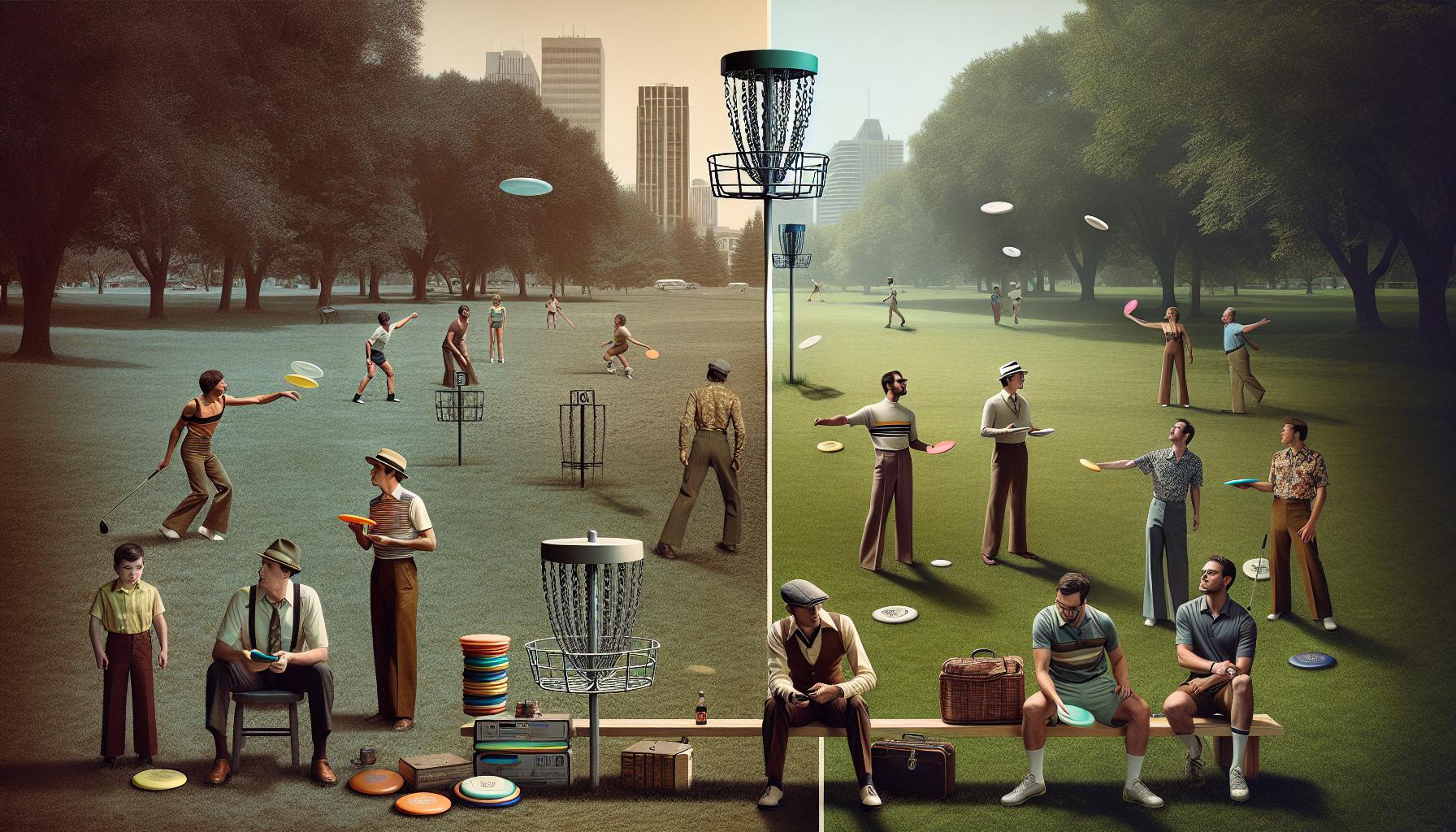
The trajectory of disc golf showcases a series of remarkable milestones that have shaped the sport into what it is today. Starting with the initial suggestion by George Sappenfield in the early 1970s, the foundational concept of throwing frisbees at stationary objects laid the groundwork for a completely new recreational discipline. In 1974, Sappenfield organized the first known disc golf event, called “Frisbee Golf,” at the Santa Monica Mountains, catalyzing interest and engagement among outdoor enthusiasts.
The inception of the first formal tournament in 1975 at Oak Grove Park in Pasadena, California, was a pivotal event, marking the transition of disc golf from casual play to an organized competitive sport. This tournament attracted a diverse array of participants, significantly boosting disc golf’s visibility. Just a year later, the creation of the Professional Disc Golf Association (PDGA) in 1976 introduced standardized rules and oversight for competitions, which was essential in legitimizing the sport and fostering a unified community around it.
As the sport gained traction, the introduction of innovative disc technology throughout the late 1970s and early 1980s enhanced gameplay. Discs became more aerodynamic, allowing for a broader range of throwing techniques and styles. The expansion of permanent disc golf courses further facilitated growth; by the mid-1980s, there were over 100 official disc golf courses in the United States, providing players with more opportunities to participate and compete.
Community engagement burgeoned alongside these milestones. The rise of local leagues and tournaments not only promoted camaraderie but also attracted sponsorships and media attention, paving the way for professional players who showcased their skills on a national stage. With the incorporation of new technologies such as digital scoring and online course finders, disc golf continues to evolve, drawing in newcomers while fostering an experience that respects its rich history.
As we reflect on these key milestones, it’s evident that the past innovations and community-building efforts have carved a vibrant path for disc golf, making it a beloved sport for enthusiasts around the globe. The ongoing commitment to enhancing player experience and expanding the community underscores a bright future for disc golf, embodying both tradition and innovation in every throw.
The Impact of the Founder’s Vision on the Sport

The vision of George Sappenfield, the pioneer of disc golf, has profoundly influenced the development and ongoing evolution of this dynamic sport. His initial idea of throwing frisbees toward stationary targets transformed an informal pastime into a structured competitive activity, resonating with players across all walks of life. This foundational concept not only sparked interest but also laid the groundwork for a sport that combines physical skill, strategy, and camaraderie, attracting diverse players from casual enthusiasts to seasoned competitors.
Sappenfield’s innovative spirit was evident when he organized the first formal disc golf tournament in 1975 at Oak Grove Park. This event not only galvanized the local community but also set a precedent for future competitions, fostering a sense of organization and legitimacy within the sport. The subsequent establishment of the Professional Disc Golf Association (PDGA) in 1976 further exemplified the impact of his vision, as it introduced standardized rules and formalized competition practices that promoted fairness and encouraged player growth.
The growth of disc technology, influenced by Sappenfield’s early encouragement of experimentation, shaped gameplay significantly. Discs became more aerodynamic and varied in design, which allowed players to hone their throwing techniques and develop personal styles. Innovations in disc manufacturing have led to increasingly specialized discs, catering to various skill levels and throwing preferences. This focus on equipment not only enhances performance but also deepens the connection players feel to the game.
Community has always been central to the spirit of disc golf, a legacy that can be traced back to Sappenfield’s vision. The rise of local leagues and tournaments fostered friendships and encouraged participation, creating a culture that celebrates both competition and collaboration. As the sport continues to expand – with over 12,000 courses worldwide and a growing number of players – the foundation that Sappenfield built remains vital. His engaging approach and commitment to inclusivity transformed disc golf into a beloved athletic pursuit characterized by passion, respect, and ongoing evolution, ensuring that it thrives for generations to come.
How Disc Golf Grew: Community and Culture
The journey of disc golf transcends mere sporting activity; it embodies a vibrant community built on shared passion, respect, camaraderie, and the ever-present allure of the great outdoors. As players of all skill levels engage in this captivating pursuit, they are welcomed into a culture that thrives on inclusivity, adventure, and friendly competition. The foundation laid by George Sappenfield is vital here, as he not only introduced disc golf but also fostered an environment where community and culture could flourish.
Early on, local leagues and informal tournaments began to solidify the framework for what would become a tightly-knit community of players. This grassroots movement was essential in promoting engagement, with participants ranging from families enjoying casual play to dedicated competitors honing their skills for more serious challenges. Emphasizing friendship and collaboration, these gatherings often evolve into social events, where players celebrate their common love for the game, thereby creating bonds that extend far beyond the disc itself.
As the sport has gained traction-now boasting over 12,000 courses worldwide-the sense of community continues to define the experience of disc golf. Players often share tips and techniques, engage in spirited discussions about the best equipment, and exchange stories about their playing experiences. Enthusiasts eagerly participate in local clubs and online forums, where ideas flow freely, and advice is readily shared. For newcomers to the sport, these platforms provide invaluable resources for learning the basics of disc flight characteristics, throwing techniques, and essential equipment selection.
Community Engagement and Growth
Disc golf’s growth has also been propelled by organized events and competitive tournaments, welcoming players to step into the realm of athletic pursuit. As the Professional Disc Golf Association (PDGA) established rules and sanctioned events, the structure of competitive play strengthened, inviting a diverse pool of talent into the sport. Players may find themselves participating in local, national, or even international competitions, each fostering a sense of achievement and belonging as they strive for excellence alongside their peers.
In summary, the culture of disc golf is a testament to the vision of its founder, whose early efforts paved the way for a globally recognized sport. As participants embrace the spirit of competition and community, disc golf has become more than just a game; it’s a celebration of shared experiences, personal growth, and lasting friendships, ensuring that it remains a beloved pastime for generations to come.
Essential Equipment: What You Need to Play
To dive into the world of disc golf, it’s essential to equip yourself with the right gear that not only enhances your gameplay but also enriches your overall experience on the course. While the beauty of disc golf lies in its simplicity, having the appropriate equipment can significantly impact your performance and enjoyment. Here’s what you need to get started and thrive in the sport.
The most critical piece of equipment is, of course, the disc itself. Discs come in various shapes, weights, and plastics, tailored for different styles of play. Beginners typically start with three essential discs:
- Driver: Designed for long-distance throws, drivers have a sharp edge and are optimized for maximum speed and distance. A good starting driver for new players is often a fairway driver for better control.
- Midrange Discs: Midranges are versatile discs that give you both distance and accuracy. They are great for approach shots and can handle a variety of throwing techniques, making them ideal for beginners picking up the sport.
- Putter: These discs are used for short throws and are designed to provide excellent stability and control as you aim for the basket. A putter is usually heavier and has a wider edge, allowing for a better grip on those crucial close-range shots.
In addition to discs, consider investing in a durable disc golf backpack or bag to carry your gear. These bags are not only convenient but also help organize your discs and accessories for easy access on the course. Look for options with padded straps to enhance comfort during long rounds.
You might also want to include some accessories for a complete setup. Important items include:
- Disc Golf Towel: A quick-drying towel is essential to keep your discs clean and dry, especially in wet conditions.
- Rangefinder or Disc Golf App: These tools can help you gauge distances to the basket and understand the layout of each hole better.
- Water Bottle: Stay hydrated as you play; having a refillable bottle is eco-friendly and practical.
As you progress, you can explore more specialized discs and advanced gear tailored to specific playing styles, such as overstable or understable discs that affect the flight characteristics. Engaging with local disc golf communities-whether through social media, clubs, or tournaments-can also provide valuable insights into equipment and techniques that may suit your evolving style.
Ultimately, the right equipment empowers players to use their skills fully, whether you’re casually enjoying the sport or competing at a higher level. Disc golf invites all levels of players to savor the challenge and joy of the game, building connections that represent the community spirit that the founder, George Sappenfield, envisioned from the start. So gather your gear and head to a course; a rewarding journey awaits!
Understanding Disc Flight Characteristics
Understanding how discs behave in the air is fundamental to mastering your game in disc golf. The flight characteristics of a disc depend on several factors, including its design, materials, and the way it is thrown. Each disc has a unique profile that affects its stability, glide, and distance, which can be broken down into four key flight characteristics: speed, glide, turn, and fade.
The speed of a disc reflects how fast it can cut through the air. This is typically measured on a scale from 1 to 14, with higher numbers indicating faster discs designed for long-distance throws. A faster disc will require more skill to throw accurately, as they tend to be less forgiving for beginners.
Glide refers to the disc’s ability to stay in the air and can drastically affect how far a throw travels. The glide rating ranges from 1 to 7, where a higher glide means the disc will maintain lift and distance longer during its flight. Beginners often benefit from discs with higher glide, as they help achieve longer throws with less effort.
Turn indicates how much the disc will veer to the right (for a right-handed backhand throw) early in its flight path and is rated from -5 (very stable and little to no turn) to +1 (significant turn). Understanding turn is crucial as it allows players to select discs that match their throwing style and the course layout. A disc that turns too much can lead to a loss of control, while a disc that doesn’t turn at all may not fit the needs of specific shots.
Finally, the fade rating indicates how much the disc will hook left at the end of its flight for a right-handed backhand throw. This rating typically ranges from 0 to 5, with higher ratings meaning a sharper left turn. Knowing the fade characteristic helps players plan their throws and ensures they choose the right disc for approaching the basket or avoiding obstacles.
To illustrate how these characteristics interact, consider the following comparisons of popular disc types:
| Disc Type | Speed | Glide | Turn | Fade |
|---|---|---|---|---|
| Distance Driver | 12 | 5 | -1 | 3 |
| Fairway Driver | 8 | 4 | 0 | 2 |
| Midrange | 5 | 4 | 0 | 1 |
| Putter | 3 | 3 | 0 | 3 |
As you begin to experiment with various types of discs and your throwing mechanics, don’t hesitate to document your throws and the resulting flight paths. This practice can significantly enhance your understanding of how different discs respond under various conditions. With time and experience, you’ll learn to select the right discs and techniques for each throw, unlocking new levels of performance and enjoyment in the ever-evolving sport of disc golf.
Throwing Techniques for Beginners and Pros
Developing effective throwing techniques is essential for both newcomers and seasoned players looking to elevate their disc golf game. Understanding the dynamics of your throw can lead to significant improvements in accuracy and distance, allowing players to navigate courses with greater finesse. The key is to combine proper mechanics, a correct grip, and an awareness of the disc’s flight characteristics to achieve the desired results.
A solid foundation begins with your stance and grip. Plant your feet shoulder-width apart for stability, aligning your body with the target. The grip should be firm yet relaxed; a common method for beginners is the power grip, where the disc is held tightly with all four fingers underneath and the thumb on top. As you practice, your wrist action should be fluid, snapping as you release the disc to generate maximum spin and speed. It’s crucial to engage your whole body during the throw. Initiate the motion from your legs, transferring weight through your torso, and finishing with your arm to effectively drive the disc forward.
Once you’ve mastered the basics, you can experiment with different types of throws to suit various situations on the course. For instance, the backhand throw is the most common for its consistency and control. However, as you advance, incorporating forehand (or flick) throws and aerial shots can help you handle more challenging holes. Each throw type has its nuances, but focusing on your form during practice, including foot placement and body rotation, will greatly enhance your performance.
In addition to these foundational techniques, it’s essential to understand how the choice of disc impacts your throwing strategy. Different discs have unique characteristics that affect their flight pattern, influencing how you should approach each throw. For example, a stability rating can tell you whether a disc will turn left or right during its flight, and adjusting your throw accordingly can make a significant difference in your game. As you grow in confidence, begin to integrate this knowledge into your practice, developing a diverse skill set that factors in the ever-evolving nature of disc golf courses and conditions.
As you refine your skills, consider tracking your progress and experimenting with different throwing techniques over time. Analyzing your performance can provide valuable feedback, helping to pinpoint areas that require further development. Cultivating a supportive community by sharing tips and experiences with other players can also enhance your learning journey, reflecting the collaborative spirit that drives the growth of disc golf today.
Popular Disc Golf Courses to Explore
Exploring the vibrant world of disc golf contributes to a deeper appreciation of this dynamic sport, which grew from simple beginnings into a beloved global activity. Key to this evolution are the disc golf courses that serve as the arenas for both casual play and competitive events. Each course is a unique expression of the game, blending natural landscapes with challenging layouts designed to test players’ skills and strategies.
When seeking out popular disc golf courses, there are several iconic locations worthy of exploration:
Top Disc Golf Courses to Visit
- Maple Hill Disc Golf Course (Massachusetts, USA) – Renowned for its championship layout and beautiful setting, Maple Hill hosts multiple PDGA events throughout the year. Its diverse terrain demands a range of throwing techniques, making it a favorite among advanced players.
- DeLaVeaga Disc Golf Course (California, USA) – This legendary course is nestled in a redwood forest and offers a mix of technical and open holes, providing a picturesque backdrop along with a challenging design.
- Lake Stevens DGC (Washington, USA) – Characterized by its technical layout through wooded areas, it features varying distances and unique target formats at each hole, ensuring an engaging experience regardless of skill level [[3](https://www.dgcoursereview.com/courses/lake-stevens-dgc.642)].
- Golden Gate Park Disc Golf Course (California, USA) – Known for its scenic views and free admission, this urban course attracts both locals and tourists. It’s an excellent choice for those looking to combine a leisurely walk with disc golf.
- Swope Park Disc Golf Course (Missouri, USA) – Often hailed as one of the best in the region, Swope Park combines wooded areas with open fields, making it accessible for beginners while still challenging for seasoned players.
Each of these courses offers a unique environment that not only tests players’ abilities but also fosters community among disc golfers. Whether you’re a newcomer excited to learn or a seasoned competitor honing your skills, visiting these courses enhances your understanding of the sport’s fundamentals, and strengthens the sense of camaraderie within the disc golf community. As you explore these venues, immerse yourself in the local disc golf culture, connect with fellow players, and experience how each course contributes to the broader narrative of the sport’s evolution and continuous growth.
Competitive Disc Golf: Tournaments and Events
Competitive disc golf is an exhilarating arena where skill, strategy, and community converge, providing a platform for players to showcase their talent and passion. The sport has evolved significantly since its inception, and with this evolution came a structured framework for tournaments and events that celebrate and challenge players from all skill levels. These competitions not only highlight athletic prowess but also foster camaraderie among participants, making them integral to the disc golf experience.
Throughout the year, disc golf tournaments, ranging from local club events to prestigious professional championships like the PDGA (Professional Disc Golf Association) events, draw players eager to test their skills. Key tournaments often highlight unique aspects of the sport, such as the annual “Freeze in the Trees” held in January and the “Aquafest Open” in July, providing players with varied conditions and challenges throughout the seasons [2[2]. These events serve as a vital part of a player’s journey, offering opportunities to improve techniques, learn from experienced competitors, and gain recognition within the disc golf community.
The structure of competitive events typically follows PDGA regulations, ensuring fairness and uniformity within the sport. From standard divisions based on skill levels, age categories, and gender, to chase card formats and match play, each tournament is designed to create engaging competition for all participants. Players are encouraged to embrace the spirit of competition while fostering an environment of support and encouragement, essential elements that define the disc golf culture.
As disc golf continues to grow, so too does the enthusiasm for tournaments that challenge players on new fronts. Many players strive for personal achievements, aiming for a podium finish while others focus on the community aspect, celebrating participation and sportsmanship. Each event plays a crucial role in building a vibrant culture that not only respects the game’s history but also embraces its ongoing development-transforming disc golf into a legitimate and respected sport across the globe.
The Future of Disc Golf: Growth and Trends
The exponential growth of disc golf in recent years is nothing short of remarkable, with the sport experiencing increased visibility, participation, and support from the community. Originally pioneered by players seeking an affordable and engaging outdoor activity, disc golf has evolved into a professional sport complete with sponsorship deals, televised tournaments, and a dedicated fanbase. As more people discover the joy of throwing discs through picturesque courses, the future of disc golf looks promising, adorned with opportunities for growth and development on multiple fronts.
One of the most notable trends is the influx of newcomers to the sport. Disc golf courses are popping up in public parks and recreational facilities at an unprecedented rate, making it more accessible than ever. This accessibility helps cultivate a diverse community of players, spanning various ages and backgrounds. Increased interest from media outlets and influencers is also contributing to disc golf’s visibility. As major events are streamed online and shared across social media platforms, the excitement surrounding professional tournaments is contagious, drawing in audiences who may have never engaged with the sport before.
Moreover, as participation surges, so does the demand for quality equipment and courses. Innovations in disc design, catering to players of all skill levels, are emerging in the marketplace. Brands are focusing more on performance, with a keen interest in tailoring products that enhance the player experience. Equipment retailers that specialize in disc golf are also on the rise, offering comprehensive ranges of discs, bags, and accessories that cater to both beginners and seasoned competitors. This booming market not only fuels the growth of the sport but also supports local economies by creating jobs and fostering community events.
Another trend shaping the future of disc golf is the professionalization of the sport through organizations like the PDGA, which continues to implement structured rules and maintain a fair competitive environment. As more players aspire to compete at higher levels, the emphasis on transparent regulations and competitive integrity becomes paramount. This growth will encourage the establishment of more competitive leagues and tournaments, from local clubs to international championships, elevating the perception of disc golf as a legitimate sport.
The community aspect of disc golf further solidifies its future. Players share not just the courses but also the stories, techniques, and experiences that make the game special. From casual meet-ups to intense competitions, the connections formed through disc golf are impactful. As the culture of inclusivity and support continues to thrive, it’s evident that the sport will not only grow but will do so with a strong community foundation that respects its roots and embraces innovation. The trajectory of disc golf suggests a bright future where it retains its adventurous spirit while evolving into a respected athletic pursuit on par with traditional sports.
Player Profiles: Influential Figures in the Disc Golf Community
In the vibrant and growing world of disc golf, several key figures have made significant contributions to the sport, shaping its development and popularizing it around the globe. Among them, the iconic name of Eagle McMahon stands out; his dynamic playing style and competitive spirit have made him a household name. Born in 1995, Eagle emerged as a prodigy in the sport, known for his exceptional distance throwing ability and strategic understanding of course navigation. His performances at major tournaments, such as the PDGA World Championships, have inspired countless players to pursue the game and improve their skills.
Another influential figure is Paul McBeth, who has transformed the sport both as a player and a brand ambassador. McBeth’s remarkable journey began at a young age, and he quickly rose through the ranks to become a four-time PDGA World Champion. His dedication to the sport is evident not only in his achievements on the course but also in his commitment to growing the game through his very own line of signature discs. In 2019, he signed one of the most lucrative sponsorship deals in disc golf history, further raising the profile of professional play and showcasing the potential for profitability in the sport.
Community Engagement and Growth
The disc golf community thrives on connections among players, and figures like Amanda Farnsworth are key in promoting inclusivity within the sport. As a passionate advocate for women’s participation, Farnsworth organizes tournaments and clinics for women, encouraging them to take up the sport and compete. Her efforts have significantly contributed to increasing female representation in disc golf, which was previously a male-dominated space.
Additionally, Johnny Sias, also known as “The Disc Golf Guy,” has captured the spirit of the community through his engaging content and educational videos. His enthusiasm for teaching new players the fundamentals of the game-such as understanding disc flight characteristics and developing throwing techniques-plays an essential role in making disc golf accessible to all.
Each of these influential figures not only excels in their respective roles but also exemplifies the spirit of camaraderie and sportsmanship that defines disc golf. Their stories highlight how passion and dedication can further a community, proving that disc golf is not just a sport but a thriving culture.
Q&A
Q: Who is recognized as the founder of disc golf?
A: George Sappenfield is widely regarded as the founder of disc golf, having popularized the game in the 1970s. He introduced the concept of using flying discs in a controlled, competitive format, paving the way for the sport’s development and the establishment of organized tournaments.
Q: What year was disc golf officially created?
A: Disc golf was officially created in 1975, when Sappenfield and a group of enthusiasts set up the first formal disc golf course at Oak Grove Park in Pasadena, California. This marked a significant milestone in the history of the sport.
Q: How has disc golf evolved since its inception?
A: Since its inception, disc golf has evolved significantly, transitioning from a novelty pastime to a recognized sport with organized leagues and international competitions. Key developments include the creation of standardized rules, professional tournaments, and the establishment of governing bodies like the Professional Disc Golf Association (PDGA).
Q: What are some key milestones in the history of disc golf?
A: Key milestones in disc golf’s history include the formation of the PDGA in 1976, the first sanctioned tournaments in the late 1970s, and the introduction of disc manufacturing companies that improved disc technology, making them more accessible to players worldwide.
Q: What impact did the founder have on disc golf culture?
A: The vision of George Sappenfield and early adopters established a culture of community and inclusivity in disc golf, encouraging player engagement and the formation of local clubs. This laid the groundwork for the sport’s rapid growth and the establishment of a vibrant player community.
Q: Where can I find the best disc golf courses today?
A: The best disc golf courses can be found all over the world. Popular choices include courses in California, Michigan, and Minnesota, which are known for their challenging layouts and beautiful scenery. Researching local disc golf club listings can also lead you to hidden gems in your area.
Q: Why is disc golf gaining popularity?
A: Disc golf is gaining popularity due to its accessibility, low cost, and the social nature of the game. With courses often set in scenic parks, it provides a fun and engaging way to stay active, appealing to both casual players and competitive athletes alike.
Q: How can I get started playing disc golf?
A: To get started with disc golf, you need at least one disc (typically a driver, midrange, and putter) and access to a disc golf course. Many communities have clubs that offer lessons and group play, providing a great way to learn the basics and meet other enthusiasts.
For further exploration of disc golf’s history and equipment insights, check out our sections on Key Milestones in Disc Golf Development and Essential Equipment: What You Need to Play.
The Conclusion
And there you have it! The fascinating story of how disc golf came to be, led by its remarkable founders. Understanding the roots of this dynamic sport not only deepens your appreciation but also inspires your own game. If you’re eager to learn more about disc flight characteristics, throwing mechanics, or even gear comparisons, check out our detailed guides on disc selection and throwing techniques.
Don’t miss out-sign up for our newsletter to stay updated on the latest disc golf tips, tournament insights, and community events. We’d love to hear your thoughts and experiences too! Join the conversation in the comments below. Whether you’re a seasoned player or just starting, there’s always more to explore. Dive into our resources and elevate your disc golf journey today!
Key Course Considerations and Strategic Navigation for Who created disc golf founder biography history
When developing a strategic approach around , players should account for essential technical and environmental factors:
- Course Layout and Terrain: Elevation changes, tree canopy density, and natural water hazards dictate whether to prioritize distance off the tee or controlled fairway positioning.
- Disc Selection and Flight Ratings: Matching disc speed, glide, turn, and fade to wind conditions and arm speed prevents costly kicks into heavy rough.
- Footwork and Release Consistency: Smooth, balanced run-ups and clean follow-throughs produce repeatable release angles on hyzer, flat, and anhyzer lines.
- Mental Strategy and Risk Management: Assessing landing zones and high-percentage scramble routes preserves par and minimizes double-bogeys during tournament rounds.
Disc Golf Equipment Specifications and Flight Matrix
| Disc Golf Element / Category | Primary Specification | Recommended Flight Characteristic | Strategic Application |
|---|---|---|---|
| Distance Driver | Speed 11–14, Wide Rim | High speed, sharp rim, controlled fade | Maximum distance off tee on open fairways |
| Fairway Driver | Speed 6–9, Moderate Rim | Neutral turn, predictable finish | Tight wood lines, tunnel shots, placement drives |
| Midrange Disc | Speed 4–5, Deep Rim | High glide, straight flight path | Accurate approach shots, control in tight gaps |
| Putt & Approach | Speed 1–3, Blunt Edge | Low glide, minimal skip, bead/beadless | Circle 1/2 putting, layups, short upshots |
Frequently Asked Questions About Who created disc golf founder biography history (FAQ)
What is the best way to improve accuracy for Who created disc golf founder biography history?
Focus on consistent footwork, maintaining a level reachback, and matching disc stability to your natural throwing speed rather than overpowering the disc.
How do wind conditions affect disc selection?
Headwinds make discs fly more understable (turn more), requiring more overstable discs, while tailwinds make discs fly more overstable (fade earlier), requiring lighter or more understable discs.
What equipment is essential for playing disc golf courses?
A balanced starter set with a putter, midrange, and fairway driver, along with a comfortable disc golf bag, chalk bag, and course-ready athletic footwear.
Get our latest guides, news, and insights highlighted in your Google Search & AI Overviews.