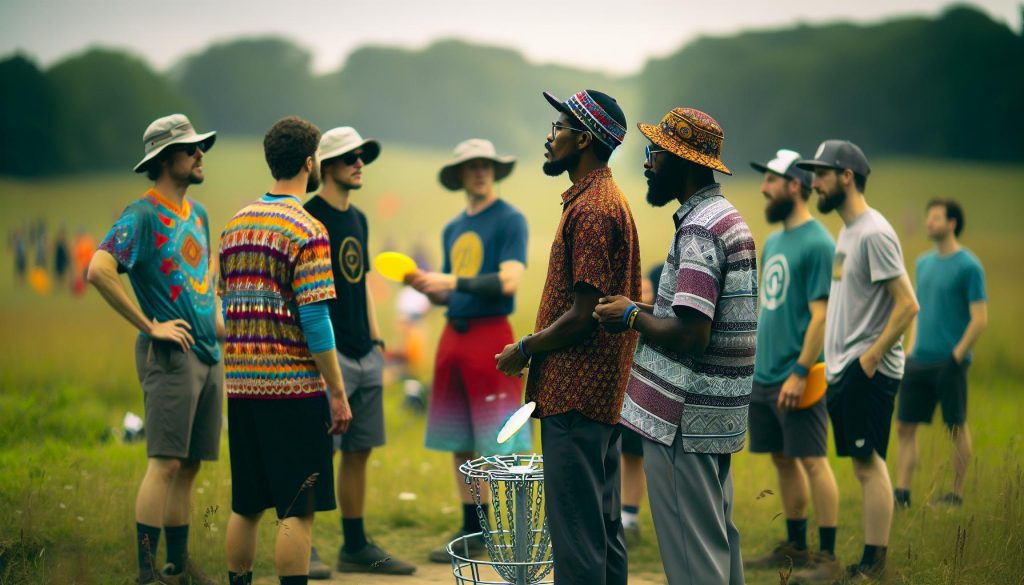
Did you know that disc golf has been experiencing unprecedented growth, with over 200,000 members in the Professional Disc Golf Association (PDGA)? This dynamic sport not only appeals to seasoned athletes but also welcomes newcomers of all ages and skill levels into its vibrant community. Understanding who plays disc golf and the demographics behind this explosive growth is crucial for both players and enthusiasts alike. As we explore the diverse backgrounds of players, from casual throwers to serious competitors, we highlight the unique stories and motivations that bring people together on the course. Whether you’re looking to find a welcoming local scene or are curious about how the sport is evolving, this deep dive into player demographics and community will spark your interest and inspire you to become part of the disc golf phenomenon. Read on to discover the connections that make disc golf not just a sport, but a thriving community.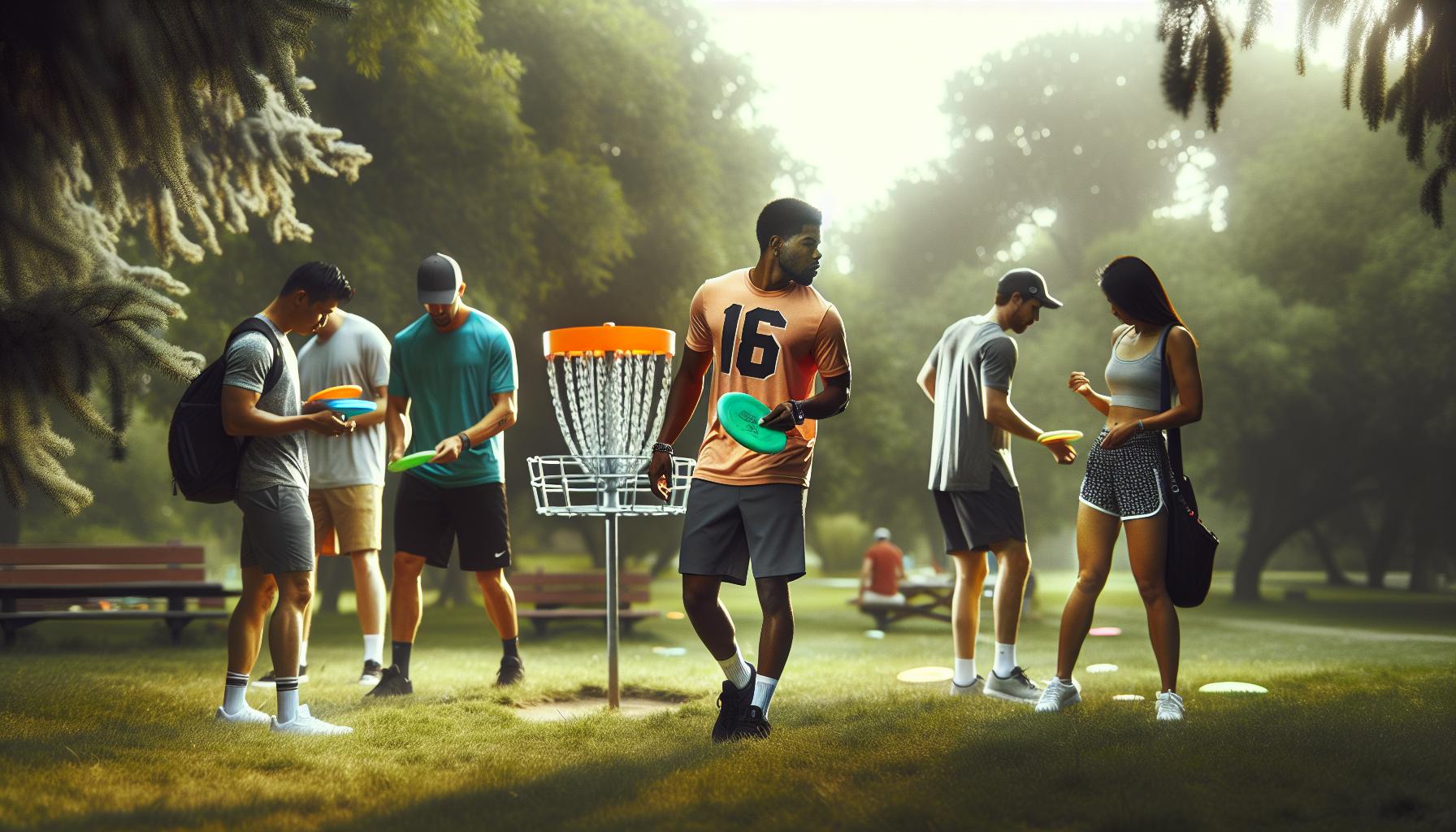
Who Plays Disc Golf? Understanding Player Profiles
Disc golf is more than just a sport; it embodies a vibrant community that appeals to a diverse array of players. Since its inception, disc golf has seen a surge in popularity across various demographics, making it a welcoming game for anyone from kids to seniors, casual players to serious competitors. According to recent surveys, the average disc golfer tends to be between the ages of 18 and 34, with a significant representation of both males and females, though male players still dominate in numbers. This growth highlights the sport’s appeal to younger audiences who are drawn to the casual yet competitive nature of the game.
Key Demographics: Age, Gender, and Location
Understanding the demographics of disc golfers is crucial for community building and promotional strategies. Surveys indicate that approximately 70% of players are male, but the female representation is steadily increasing, with targeted initiatives aimed at encouraging more women to participate in the sport. Furthermore, geographic distribution reveals that disc golf is not confined to rural areas; urban locations are increasingly hosting courses, leading to a more diverse player base that encompasses different socio-economic backgrounds.
- Age Range: Majority are aged 18-34
- Gender: Approximately 30% female participation
- Location: Growing urban and suburban presence
The Rise of Disc Golf Communities Worldwide
As disc golf expands globally, local communities are emerging as the backbone of the sport. Players often form clubs that engage in organizing events and maintaining courses, fostering a sense of belonging. Social media platforms play a significant role in connecting these communities, allowing for the sharing of tips, tournament results, and personal achievements. Whether it’s through local meetups or online forums, the sense of camaraderie among players enriches the experience of disc golf, making it accessible and enjoyable for newcomers and veterans alike.
Engaging with the community is essential for newcomers looking to elevate their game and find support. Players are encouraged to attend local tournaments and casual play sessions, where they can learn from more experienced competitors and share stories of their own journeys within the sport. This not only enhances skill levels but also deepens relationships, affirming that disc golf is not just a game but a lifestyle embraced by countless enthusiasts around the world.
Key Demographics: Age, Gender, and Location
The demographic landscape of disc golf is as rich and varied as the sport itself, drawing a wide spectrum of players from all walks of life. While the average age of participants tends to fall between 18 and 34, the sport boasts players ranging from young children to older adults, showcasing its appeal across generations. Enthusiasts are not only drawn to the casual enjoyment of the game but also to the competitive thrill it can provide. This broad age appeal enhances community engagement, creating a welcoming atmosphere for newcomers and seasoned players alike.
Gender representation in disc golf is evolving. Currently, about 70% of players are male; however, initiatives aimed at promoting female participation are gaining traction. Events designed specifically for women, along with resources encouraging female players, are helping to balance the scales and foster a more inclusive environment. Examples include women-led tournaments and instructional clinics that provide supportive spaces for female players to excel and connect with others who share their passion.
Geographic distribution plays a significant role in the demographics of disc golf. Historically originating in rural areas, the sport is now flourishing in urban and suburban settings as cities increasingly recognize the value of disc golf courses. This transition not only enhances local green spaces but also connects diverse socio-economic backgrounds, allowing players from various neighborhoods to participate and benefit from this growing community-centric sport. Courses in urban areas are often more accessible, attracting players who may not have considered disc golf otherwise.
As the sport continues to expand its reach globally, understanding the demographics involved is crucial for the development of inclusive and supportive disc golf communities. Embracing this diversity will not only contribute to robust player engagement but will also ensure that disc golf remains a vital and evolving part of the sporting landscape.
The Rise of Disc Golf Communities Worldwide
The rapid growth of disc golf has fostered vibrant communities around the globe, turning a simple pastime into a social phenomenon. In recent years, the sport has exploded in popularity, with millions taking to courses ranging from public parks to dedicated facilities. As more players discover disc golf, local clubs and groups have emerged, creating networks that enhance the player experience through camaraderie, support, and shared passion. This community dynamic not only promotes inclusivity but also solidifies disc golf’s status as a legitimate athletic pursuit.
One of the most compelling aspects of these communities is their diverse makeup. Players of all skill levels-ranging from weekend enthusiasts to competitive professionals-come together to share advice, organize tournaments, and host events. For instance, many local clubs hold regular meet-ups, where players can exchange tips on throwing techniques or discuss the nuances of specific courses. These gatherings foster lasting friendships and help newcomers feel welcomed and supported. With an increasing number of women joining the sport due to targeted initiatives and inclusive events, the community is steadily evolving to become even more diverse, reflecting a broader range of backgrounds and experiences.
As social media continues to play a significant role in connecting players worldwide, platforms like Instagram and Facebook are increasingly utilized for organizing events and sharing achievements. Disc golfers worldwide are posting their rounds, highlighting unique courses, and providing tutorials, which not only showcase the sport but also engage and inspire players. The visibility offered by social media contributes to the spread of disc golf, encouraging onlookers to pick up a disc and join local groups, thereby expanding the community even further.
To capitalize on this momentous growth and community spirit, many clubs are developing programs to introduce youth to disc golf, ensuring that the next generation of players continues the tradition. Schools and community organizations are embracing disc golf as a low-cost, accessible sport, incorporating it into physical education programs. As a result, those who participate in these initiatives often go on to become lifelong players and active community members. The thriving global network of disc golf communities exemplifies how a sport can cultivate strong relationships and enhance the overall player experience, making disc golf not just a game, but a way of life.
Motivations Behind Disc Golf Participation
Participating in disc golf is driven by a variety of motivations that transform the game into an inviting blend of sport and community. For many players, the allure lies in the sport’s accessibility. Unlike traditional sports with hefty fees for equipment and membership, disc golf typically requires just a few discs to get started-making it a low-cost alternative that draws in newcomers. The ease of finding courses, often located in public parks or local greenspaces, allows players to enjoy the game without the need for extensive travel or preparation.
Another driving force behind participation is the community aspect. Players of varying ages and backgrounds come together, sharing a common goal of improving their skills and enjoying the outdoors. Many are drawn to the sense of belonging that local clubs and leagues provide. These organizations not only offer camaraderie but also organize events that encourage friendly competition and skill development. The welcoming atmosphere is particularly impactful for beginners, who often find mentorship and encouragement from seasoned players eager to share their knowledge.
The health benefits associated with disc golf also play a significant role in participation. The combination of walking, throwing, and strategizing on the course provides a great workout that appeals to a wide demographic, from fitness enthusiasts to families looking for a fun way to stay active together. This aspect of the game has resulted in increased interest among non-traditional athletes, highlighting disc golf’s nature as an inclusive, family-friendly sport.
Moreover, many players find motivation in the thrill of improving their game. For competitive players, the sport offers structured opportunities to test their skills through tournaments, which not only elevate their game but also provide a platform for showcasing their talents. For these more serious competitors, the discipline and technique involved in mastering disc flight characteristics and throwing mechanics becomes a passionate pursuit. Ultimately, whether for fitness, social engagement, or competition, the are as diverse as the players themselves, shaping a vibrant, thriving community.
The Role of Social Media in Player Engagement
Social media has emerged as a powerful force in the growth and engagement of disc golf communities worldwide. With platforms like Instagram, Facebook, and YouTube, players can share their experiences, showcase their skills, and connect with fellow enthusiasts beyond geographical boundaries. According to recent surveys, over 60% of disc golfers actively engage with content related to the sport on social media, creating a vibrant online community that supports players of all backgrounds.
By leveraging these platforms, players can gain insights into disc flight characteristics and throwing mechanics from professional disc golfers and experienced amateurs alike. YouTube channels dedicated to disc golf often feature tutorials that break down essential techniques-from the basic backhand throw to advanced forehand strategies-making complex concepts accessible to beginners and seasoned players trying to refine their skills. For instance, channels might offer step-by-step guides on how to improve accuracy or distance, supplemented with visual demonstrations that are invaluable for learners.
Another notable aspect of social media’s role is its ability to foster community engagement. Many local clubs create dedicated pages where members can share tournament results, organize meetups, or discuss equipment choices. This online presence is crucial for attracting new players who may be hesitant to join in-person events without prior connections. Groups and forums allow for discussion about equipment specifications, providing players with comparisons of discs and accessories tailored to various skill levels and playing styles.
Moreover, social media campaigns highlighting local tournaments and player stories have significantly boosted participation rates. By tagging players and using event hashtags, organizers can create buzz and encourage sign-ups, while players can share their achievements, inspiring others to participate. This connection between online presence and real-world engagement exemplifies how social media not only enhances player involvement but also solidifies disc golf as a growing and legitimate sport.
In conclusion, whether you are a newcomer wanting to learn or a serious competitor seeking to elevate your game, social media serves as a vital resource for community building, knowledge sharing, and personal growth in the disc golf world. By embracing these platforms, players can stay informed, motivated, and connected, enriching their overall experience in this dynamic sport.
Player Skill Levels: From Beginner to Pro
The beauty of disc golf lies in its accessibility and the wide range of skill levels among players, creating a vibrant community that welcomes everyone from eager newcomers to seasoned professionals. With disc golf’s growing popularity, more people are discovering the sport, and each player brings a unique perspective and playing style influenced by their individual experiences and skill level.
Beginners typically approach the sport with a sense of excitement and curiosity, often starting with minimal equipment-usually just a few discs and a willingness to learn. To ease the initial learning curve, beginners can benefit from local disc golf clubs that offer clinics and casual play opportunities. These events serve as an excellent way to understand the fundamentals, such as grip, stance, and the basic throwing techniques. For instance, mastering the backhand throw is crucial for beginners, and numerous online resources, such as YouTube tutorials, provide visual aids to help them refine their technique.
As players gain experience, they quickly progress from recreational to intermediate skill levels. At this stage, understanding disc flight characteristics becomes essential. Players often start experimenting with various disc types-distance drivers, fairway drivers, midranges, and putters-each serving a specific purpose in their game. Engaging in local leagues or tournaments can provide invaluable experience, allowing players to test their skills while fostering camaraderie within the community.
For competitive players, ongoing improvement and strategic play take center stage. Experienced players delve into the nuances of disc selection, course management, and mental game strategies. Key tactics include understanding how environmental factors like wind and elevation can affect throw dynamics. Advanced players often analyze their performance statistics and seek ways to continuously enhance their skills. Participation in regional and national tournaments becomes a focal point, where professionals showcase their talents and pave the way for future talent through mentorship and increased visibility of the sport.
Ultimately, the trajectory from beginner to pro in disc golf is marked by passion, practice, and community support. With every throw, players not only refine their skills but also contribute to a growing sport that champions inclusivity and athleticism alike. Whether enjoying a casual round or competing for top honors, every player enriches the disc golf experience, making it a cherished pursuit for all.
Examining the Disc Golf Equipment Mix
The art of disc golf lies not only in the throw but also in the tools players choose to wield. Discs come in an array of shapes, weights, and plastic types, each tailored to specific throwing styles, conditions, and flight paths. For beginners, starting with just a few basic discs can make for an enjoyable and manageable introduction. Most will begin with a putter, a midrange, and a driver, which together cover the essential aspects of play, from short putts to long drives. As players become more engaged in the sport, they often explore a wider mix of equipment to refine their skills further and improve their game.
Understanding Disc Types and Flight Characteristics
The variety within disc types is a key component to a player’s success on the course. Discs are generally categorized into three types: distance drivers, midrange discs, and putters.
- Distance Drivers: These discs are designed for maximum distance and are best for long throws. A beginner may find these challenging, as they require more advanced throwing techniques to achieve optimal distance.
- Midrange Discs: Offering a balance of distance and accuracy, these are ideal for approach shots and can help players navigate tricky course elements with more control.
- Putters: While they may not travel as far, putters excel in precision and control during close-range throws. They’re essential for sinking shots into the basket.
The Importance of Plastic Quality
In addition to disc types, the plastic used in manufacturing these discs affects their performance. Different grades can influence grip, weight, durability, and even flexibility. Advanced players often experiment with various plastics to find those that suit their style and preferences, while beginners can typically start with more affordable options without sacrificing too much performance quality.
Finding the Right Equipment Mix
As newcomers progress to intermediate and advanced levels, building a personalized disc collection becomes necessary. Players might track their disc preferences with tools like disc bags and disc logs to reflect on how well each disc performs over time. Here’s a simplified table of recommended discs for different skill levels:
| Skill Level | Recommended Discs | Purpose |
|---|---|---|
| Beginner | Innova Leopard (Driver), Innova Shark (Midrange), Innova Aviar (Putter) | Basic flight understanding |
| Intermediate | Discraft Buzzz (Midrange), Dynamic Discs Judge (Putter) | Enhanced accuracy and control |
| Advanced | Discmania Halo (Distance Driver), MVP Plasma Servo (Midrange) | Higher distance and precision |
Choosing the right mix of discs allows players to adapt to the unique challenges presented by different courses and weather conditions, ultimately enriching their experience on the course. Whether someone is reveling in the casual aspect of social play or gearing up for a competitive tournament, understanding and mastering the nuances of disc quality and types plays an essential role in excelling at this dynamic sport.
Popular Disc Golf Courses and Their Appeal
The burgeoning popularity of disc golf can be largely attributed to the allure of its courses, which serve as both playgrounds for casual players and competitive arenas for seasoned athletes. One of the exceptional aspects of disc golf courses is the diversity of landscapes they encompass, from serene parks nestled in urban settings to rugged terrains in natural reserves. This variety not only appeals to a wide audience but also allows players to experience the sport in different contexts, enriching their overall journey within the disc golf community.
Many of the most celebrated disc golf courses are known for their unique challenges that cater to different skill levels. For instance, courses like Maple Hill in Leicester, Massachusetts, are renowned for their picturesque views and intricate hole designs, combining wooded areas with open fairways that test both accuracy and distance. Similarly, the Idlewild course in Kentucky offers a beautiful balance of challenge and beauty, featuring technical routes that demand precision while providing breathtaking natural scenery. These elements not only draw players looking for a rewarding challenge but also foster community gatherings and social play.
Community Engagement Through Course Design
Apart from their physical attributes, popular disc golf courses often become community hubs where players of all levels come together. Events hosted at these locations-ranging from casual weekend rounds to organized tournaments-create opportunities for interaction and camaraderie among players. This welcoming environment is what attracts newcomers while keeping veteran players engaged. The course layouts are often designed to encourage social interaction, with thoughtful placements of tee pads, benches, and gathering spaces where enthusiasts can share tips, experiences, and stories about their gameplay.
Furthermore, technology plays a growing role in connecting players to disc golf courses. Many enthusiasts utilize apps that provide course maps, player ratings, and even GPS tracking of throws, enhancing the experience both on and off the course. These tools enable players to plan visits to different locations, fostering a sense of exploration and adventure in their disc golf journey.
Building Skills and Competitive Spirit
Whether players are traversing a local course or embarking on a road trip to tackle legendary ones, the thrill of discovering new challenges plays a vital role in their skill development. Players can gauge their progress, compare scores, and even find inspiration from observing higher-level competitions at renowned courses. Understanding the various attributes of these locations, like elevation changes and environmental conditions, allows players to strategize their approaches and refine their techniques.
This interactive relationship between players and courses not only enhances the appreciation of disc golf as a competitive sport but also solidifies the community aspect, bridging gaps between diverse player demographics. The passion for the game grows as players share their experiences and lessons learned during rounds, collectively elevating the sport’s status and fostering a culture of inclusivity and support. As disc golf continues to grow, the evolution of its course designs and the communities surrounding them will undoubtedly pave the way for future enthusiasts and champions alike.
Trends in Disc Golf Participation Rates
In recent years, disc golf has experienced a meteoric rise in popularity, making it one of the fastest-growing sports in the United States and beyond. According to the Professional Disc Golf Association (PDGA), membership has surged, with participation rates more than doubling over the last decade. This trend is reflected not just in the increase in casual players but also in the growing number of organized tournaments and events, highlighting disc golf’s transition from a niche pastime to a mainstream activity embraced by diverse communities.
One of the key factors driving this surge is the accessibility of the sport. Disc golf requires minimal financial investment compared to traditional sports; all that’s needed is a disc and access to a course, which are often free or low-cost. Many courses are popping up in both urban and rural areas, making it easier for enthusiasts to find places to play. This broad accessibility has welcomed new players from various age groups, skill levels, and backgrounds, contributing to a rich demographic tapestry. For example, schools have started including disc golf in physical education, encouraging young people to participate, while adult leagues attract a wide age range from teens to retirees.
As disc golf communities continue to flourish, social media plays an increasingly integral role in connecting players. Platforms like Instagram, Facebook, and TikTok enable players to share their experiences, tips, and achievements, fostering a sense of belonging and excitement around the sport. Online forums and local group pages organize meet-ups, helping players to form friendships and participate in community events. This engagement not only maintains enthusiasm among existing players but also draws in newcomers, ensuring a steady influx of participants eager to learn and compete.
The future of disc golf looks promising as participation rates show no signs of slowing. With advancements in technology, including high-tech discs and apps for tracking performance, players are finding new ways to enjoy the game. This continuous innovation, paired with a strong community focus and diverse player profiles, positions disc golf to expand its reach even further in the coming years. As more individuals pick up the sport, disc golf will likely continue to solidify its status as a legitimate athletic pursuit that celebrates both competition and camaraderie.
Competitive Play: Tournaments and Events
Disc golf tournaments are not just competitive showcases; they are vibrant celebrations of community, skill, and passion for the sport. Each year, thousands of players from various backgrounds-ranging from casual enthusiasts to seasoned pros-gather to test their mettle on the course, make lasting friendships, and foster a deeper connection to the game. Notably, events like the PDGA National Tour and the Disc Golf Pro Tour attract top-tier talent and offer an exciting atmosphere for spectators and participants alike, highlighting the sport’s rapid expansion and popularity.
For newcomers, participating in local tournaments can initially feel daunting, but they provide invaluable opportunities for learning and growth. Most events cater to players of all skill levels by organizing divisions such as PRO, AM (Amateur), and even junior categories. This structure encourages healthy competition and ensures that everyone from seasoned players to beginners can find their place. To prepare for these events, aspiring competitors should focus on honing their skills through practice rounds, studying course layouts, and understanding disc flight characteristics. Familiarizing themselves with the specific challenges of a course-whether it be tricky wind conditions or strategically placed obstacles-can give players an edge come tournament day.
In addition to skill development, players should also be mindful of equipment choices, as the right discs can greatly influence performance. Beginners are often advised to start with a “starter set” that includes a putter, mid-range, and driver. As skills advance, players can explore various types of discs designed for specific throws. Understanding the differences in weight, stability, and plastic types can significantly impact a player’s game. Here’s a quick comparison of common disc types:
| Disc Type | Best For | Characteristics |
|---|---|---|
| Putter | Short range, accuracy | Stable flight, high glide |
| Mid-range | Versatile throws | Good distance and control |
| Driver | Long distance drives | Varies from stable to overstable |
As disc golf continues to grow, so does the variety and quantity of tournaments. Many players are now leveraging social media platforms to share their experiences at these events, creating a rich tapestry of content that showcases not only the competition but also the camaraderie among players. Stories of personal triumphs and community milestones flood Instagram and Facebook, energizing others to join in. Such shared experiences serve to demystify competitive play and inspire newcomers to participate in their own local events.
The future of competitive disc golf looks bright, with increasing organizational support and a myriad of ways for players to engage. Whether it’s through participation in friendly leagues or entering high-stakes tournaments, each throw brings players closer to realizing their potential. As enthusiasm for the sport grows, so too will the opportunities for competition and community, reinforcing disc golf as a vibrant and legitimate athletic pursuit.
Real Player Stories: Experiences in Disc Golf
Disc golf is more than just a sport; it’s a nexus of personal stories, community, and transformation. Players from all walks of life converge on the course, sharing their journeys and forging connections that transcend mere competition. One compelling story comes from Mia, a former basketball player who discovered disc golf during her recovery from a sports injury. Initially hesitant, Mia found that the sport offered her not just a way to regain strength, but also a new community of supportive friends who encouraged her to pick up her first disc and take to the greens. Through local leagues and tournaments, she transitioned from a newcomer fumbling her throws to a confident competitor, illustrating how disc golf can be a gateway to personal growth and healing.
Community Bonds and Lifelong Friendships
Many players, like Mia, recount experiences where they developed lifelong friendships through the sport. For instance, Tom and Sarah, who met at a local tournament, now attend events together all over the country. Their story highlights the communal aspect of disc golf; what starts as a shared interest in throwing discs evolves into a deep bond that enriches both their lives. These connections often extend to social media, where players share tips and their latest breakthroughs, creating a sense of global camaraderie. Regular check-ins, advice on improving technique, and celebratory posts of personal bests make the online community just as vital as the local scene.
Challenges and Triumphs on the Course
Every player has faced challenges, but it’s the stories of perseverance that truly resonate. Take Sam, for instance, who once found himself frustrated with his lack of progress. After months of practice, he made a breakthrough by focusing on his form and understanding the nuances of disc flight characteristics. With consultant tips from peers and relentless dedication, he moved from amateur leagues to regional tournaments, achieving both personal and competitive milestones. His journey emphasizes that in disc golf, setbacks often pave the way for greater achievements.
As newcomers step into the world of disc golf, they should remember these narratives of resilience and connection. The course is not merely a place for competition but is a vibrant backdrop for personal stories where each throw can lead to unexpected friendships and memorable experiences. Whether you are a beginner dreaming of your first birdie or a seasoned pro aiming for a title, the community welcomes all players, encouraging everyone to celebrate their unique journeys and the joy of the game.
The Future of Disc Golf: Growth and Innovation
The rapid rise of disc golf as a popular recreational activity and competitive sport is nothing short of remarkable, with growth driven by community engagement, innovative equipment advancements, and a commitment to inclusivity. As more people discover the joys of throwing discs on beautifully designed courses, the potential for the sport to flourish continues to expand. This enthusiasm is reflected in increased participation rates at all levels, from casual players picking up their first disc to seasoned competitors striving for excellence in tournaments.
Community Engagement and Growth
The communal spirit of disc golf is a powerful driving force behind its expansion. Local clubs and organizations are pivotal in making the sport accessible to newcomers and seasoned players alike. They host events, workshops, and leagues that demystify the game and create a welcoming atmosphere. As social media platforms bloom with community-driven content, players share stories, tips, and videos that foster connections beyond geographical boundaries. This online engagement not only strengthens local communities but also generates a global dialogue among disc golf enthusiasts, leading to increased visibility and interest in the sport.
Equipment Innovation
Another vital aspect of the sport’s future lies in the evolving technology of disc golf equipment. Manufacturers are continually improving disc design, materials, and aerodynamics, allowing players to achieve greater distances and precision.
- Lightweight Discs: The introduction of lighter materials enables easier throws for beginners, promoting a positive introduction to the sport.
- Specialized Patterns: Advanced techniques in flight modeling help athletes select the right disc tailored to their individual throwing styles and skill levels.
- Smart Discs: Emerging technology, such as embedded sensors, is set to enhance training, enabling players to analyze their throws and improve their technique.
These advancements are making the game more enjoyable and competitive across various player demographics, appealing to a broader audience.
Continuing the Momentum
As disc golf moves into the future, it must keep pace with trends like sustainability and inclusivity. The sport’s stakeholders are increasingly aware of their environmental impact, with many courses implementing eco-friendly practices and promoting the use of biodegradable discs. Additionally, initiatives supporting women’s leagues and youth programs are essential to building a diverse player base that reflects society at large. The combination of community resilience, equipment innovation, and a focus on inclusivity sets the stage for a vibrant future in disc golf where everyone can find their place on the course, share their stories, and contribute to the sport’s exciting evolution.
Frequently Asked Questions
Q: What is the age range of typical disc golf players?
A: The typical age range of disc golf players spans from children around 8 years old to adults over 60. Most players tend to be between 20 and 40 years old, indicating that disc golf appeals to a wide demographic, fostering family participation and events that cater to all ages.
Q: How does gender diversity look in disc golf communities?
A: While disc golf attracts a predominantly male audience, gender diversity is gradually increasing, with around 20% of players identifying as female. Initiatives to promote women’s leagues and events are helping to enhance participation and visibility within the community.
Q: Where are disc golf players most commonly located?
A: Disc golf is especially popular in the United States, which boasts approximately 75% of the world’s courses. The sport is also gaining traction globally, with increasing numbers of courses in Europe, Canada, and Australia, fostering local communities around the game.
Q: What motivates people to start playing disc golf?
A: Many individuals are drawn to disc golf for its accessibility, low cost, and social aspects. The combination of enjoying nature, engaging in physical activity, and connecting with friends and family makes it an appealing choice for diverse players seeking leisure or competition.
Q: How can social media influence participation in disc golf?
A: Social media plays a significant role in growing the disc golf community by allowing players to share experiences, find local leagues, and promote events. Engaging content like tutorials, highlights, and community spotlights helps attract new players and sustain interest among enthusiasts.
Q: What is the skill level distribution among disc golf players?
A: Disc golf players vary widely in skill levels, from beginners learning the basics to seasoned pros competing at national and international tournaments. This spectrum fosters a supportive environment where players can improve their skills at their own pace.
Q: Are there any notable events specifically for disc golf players?
A: Yes, numerous tournaments cater to different skill levels, including local leagues, amateur championships, and professional series like the Disc Golf Pro Tour. These events not only enhance competition but also strengthen the communal atmosphere within disc golfing communities.
Q: How does the equipment used by disc golfers vary?
A: Equipment in disc golf is diverse, with players using various discs tailored for distance, accuracy, and control. Players often have personalized gear preferences, which can vastly differ by skill level and play style, making proper knowledge of disc characteristics essential for optimal performance.
Future Outlook
As we wrap up our exploration of “Who Plays Disc Golf: Player Demographics & Community,” it’s clear that this vibrant sport brings together a diverse group of players, united by their passion for the game. Whether you’re new to disc golf or a seasoned competitor, understanding the community can enhance your experience on and off the course. If you’re eager to dive deeper, check out our guides on improving your throwing mechanics and mastering disc flight characteristics to elevate your play.
Now is the perfect time to connect with others in the community! Join forums, attend local events, or share your own experiences in the comments below. Don’t forget to subscribe to our newsletter for the latest tips, tutorials, and insights, keeping you engaged with everything from equipment comparisons to strategies for competitive play.
Continue your journey with us by exploring additional articles on disc golf techniques and community stories that celebrate this unique sport. Your adventure in disc golf is just beginning-let’s make every throw count!
Get our latest guides, news, and insights highlighted in your Google Search & AI Overviews.