
Did you know that disc golf is one of the fastest-growing sports in the world? As communities embrace this exciting blend of skill and strategy, understanding team dynamics becomes essential. In the world of disc golf, team composition can significantly influence performance and enjoyment. Whether you’re a newcomer eager to join the fun or a seasoned player looking to refine your competitive edge, knowing how many players should be on a disc golf team can shape your experience. This article will explore optimal team sizes, the benefits of collaboration on the course, and insights that can enhance both casual and competitive play. Dive in to find out how to maximize your disc golf journey and foster lasting connections within this vibrant community!
Understanding Disc Golf Team Formats
The world of disc golf is not just about individual prowess; it thrives upon the dynamics of team play, where formats and team sizes can significantly impact the game’s flow and enjoyment. Understanding various disc golf team formats is essential for both newcomers and seasoned players alike, as it opens up pathways to competition and camaraderie. From casual weekend outings to intense tournament play, different formats cater to various skills, strategies, and social interactions.
When it comes to team sizes, the flexibility is a standout feature of disc golf. Teams can range from small groups of two or three to larger assemblies of four or more players. The smaller the team, the greater the individual influence on the overall score, which often fosters a competitive edge and highlights personal skill levels. Conversely, larger teams can increase the fun factor, with more opportunities for social interaction and shared strategies, though the pressure to perform can also be distributed across a broader base. This variety allows teams to pick formats that best suit their playing styles and group dynamics.
In competitive settings, formats like “Best Shot” or “Alternate Shot” encourage different strategies. In Best Shot, all team members throw from the same spot after each throw, allowing players to select the best option from the team’s throws. This not only emphasizes individual strengths but also promotes teamwork as players strategize together. The Alternate Shot format, on the other hand, requires each team member to take turns throwing, thus demanding a cooperative approach and fostering a deeper understanding of each player’s skills and tendencies. Understanding these distinctions is vital for team success and enhances the overall experience of playing disc golf.
Ultimately, the key to a successful disc golf team lies in understanding and utilizing these formats effectively. This ensures that all participants, whether seeking to improve their skills or simply enjoy the day’s camaraderie, find value in their competitive experience. Embracing different team formats can elevate your disc golf journey, making it more inclusive and exciting for everyone involved.
Different Disc Golf Team Formats Explained
In the colorful and strategic world of disc golf, the choice of team format can significantly influence not only the game’s dynamics but also the overall enjoyment of the players. Various formats cater to different play styles and levels of competition, making it essential for teams to understand their options when participating in events. Formats like “Best Shot,” “Alternate Shot,” and “Captain’s Choice” offer distinct approaches, each bringing a unique flavor to team play.
One of the most popular formats is the Best Shot format. In this setup, all team members take their throws from the same spot after each throw, and the team then selects the best shot to play from on the next throw. This format encourages collaboration, as players can discuss strategy and play to each other’s strengths. It creates opportunities for enjoying the game while still allowing individual skills to shine, making it ideal for both casual and competitive groups.
Another engaging format is the Alternate Shot, where team members take turns throwing. This structure not only requires a high level of communication and trust among team members but also leads to a deeper appreciation of each player’s skills and throwing patterns. This format can be especially challenging, as it emphasizes the importance of consistency and teamwork, pushing players to work closely together to achieve their best results.
Teams may also find formats like Captain’s Choice appealing, where one player acts as the captain and makes strategic decisions for the team, such as determining the order of throws and selecting discs. This format allows for a blend of leadership and teamwork, ensuring that all voices are heard while capitalizing on the strengths of the captain’s decision-making.
Understanding these various formats not only enhances the competitive spirit of disc golf but also fosters a sense of community. Players are encouraged to engage with one another, share techniques, and develop their gameplay in a supportive environment. This makes team events not just a test of skills, but also a celebration of camaraderie and sportsmanship essential to the growth of disc golf as a beloved sport.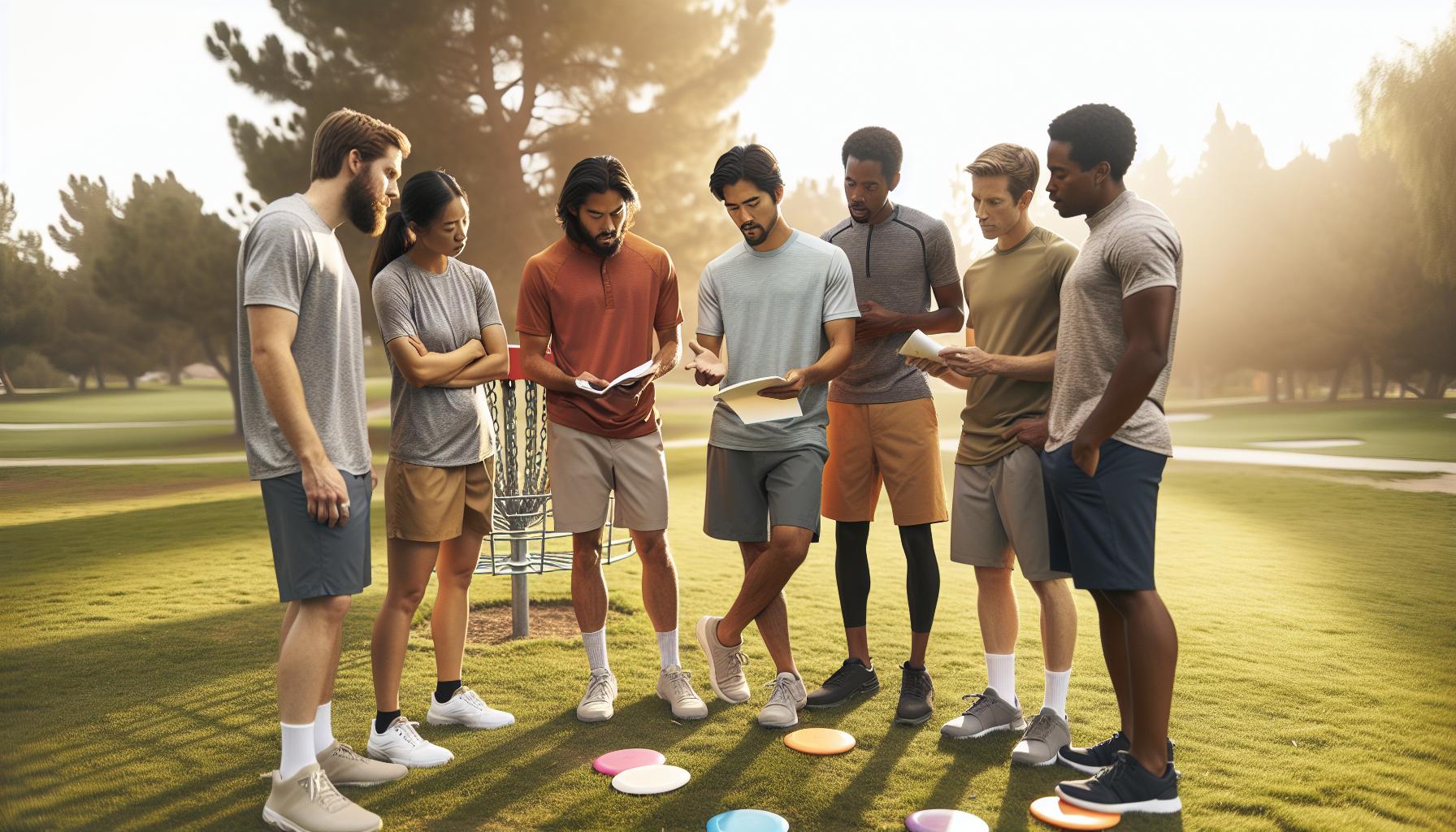
The Role of Team Dynamics in Disc Golf
In disc golf, the chemistry between teammates can significantly impact performance on the course. Establishing strong team dynamics is essential for success, whether you’re competing at a local tournament or having fun in a casual league. When players understand and leverage each other’s strengths and weaknesses, they create a more cohesive unit that can handle the stresses of competition while enjoying the game together.
Successful teams often exhibit a variety of characteristics that enhance their collaboration. For instance, clear communication is vital not just for strategic discussions but also for congratulating each other after successful shots or providing constructive feedback after missed opportunities. Players should consider holding pre-game strategy sessions to discuss their individual strengths, preferred throwing styles, and the most effective ways to support each other during play. Trust develops when team members are aware of each other’s skills, which can help reduce anxiety during high-pressure moments.
It’s also important to recognize the diversity of skills within a team. Not all players excel in the same areas-some might have incredible distance drives, while others may ace putts with consistent accuracy. By understanding each player’s role and openly discussing their contributions, the team can better support one another. For example, a player who struggles with long-range drives might focus on making strategic throws and positioning well, allowing teammates with stronger drives to set up advantageous plays.
Additionally, creating an environment of encouragement and positivity fosters a sense of camaraderie. Players should celebrate successes together, regardless of how small, which reinforces morale and creates a more enjoyable experience. Events often become more than just a display of athletic skill; they transform into memorable experiences that build lasting friendships both on and off the course.
Building Stronger Team Dynamics
To cultivate an effective team atmosphere, consider these practical steps:
- Pre-Match Briefings: Discuss strategies, strengths, and individual roles.
- Frequent Communication: Keep an open dialogue during the game; share insights on course conditions.
- Encouragement: Celebrate each other’s successes and offer support after mistakes.
- Post-Game Reflection: Review what worked and what could improve for next time, fostering a culture of growth.
Ultimately, extends beyond mere performance. It’s about building a community where players uplift each other, enjoy their time on the course, and forge friendships that can last a lifetime. In this light, team events offer a unique combination of competition and companionship that makes the sport truly special.
Essential Skills for Team Members
Excelling in disc golf isn’t solely about personal skill; it’s also about the capabilities each team member brings to the table. Every player contributes to the team’s success, and certain essential skills can enhance overall performance. For those involved in team-oriented formats, the skills listed below become critical for transitioning from individual players to a cohesive unit striving for victory.
Effective communication is paramount. Team members must openly share strategies and insights not just before the game, but also during play. This includes calling out distance estimates, discussing wind conditions, and supporting each other after shots, fostering a sense of unity. Constructive feedback is invaluable; teammates should feel comfortable offering suggestions without dampening spirit.
Strategic thinking is another necessary skill. Players should be able to assess their individual strengths and match them with what the course demands at any given moment. Understanding course layouts, calculating risk versus reward on specific holes, and knowing when to play conservatively can give a team a substantial edge. For example, a player adept at navigating tricky courses with complex layouts can help the team adapt its strategy dynamically.
Skill diversification is also crucial; having a range of talents within a team allows for more effective problem-solving on the course. Teams benefit from members excelling in different areas, such as powerful drives, accurate putting, or strategic placement. This diversity can maximize team potential; for instance, those strong in long-range throws can set up their teammates who are better at short game finesse to secure critical points.
Lastly, creating a supportive and encouraging environment can elevate team morale. Celebrating successes-whether big or small-builds camaraderie. After each game, reflecting as a team on what worked well and what could be improved sets a foundation for continuous growth and development. Such an attitude not only sharpens skills but also enhances the enjoyment of the game.
In summary, nurturing communication skills, embracing strategic planning, fostering diverse abilities, and promoting a supportive atmosphere are all vital for a successful disc golf team. Effective collaboration transforms the game from individual performances into a shared goal, driving the team toward success while strengthening the bonds that make this sport so enjoyable.
Choosing the Right Disc Golf Discs for Your Team
Choosing the right discs for your disc golf team isn’t just about individual preference; it’s a collective decision that can significantly impact your team’s performance. Understanding the unique characteristics of different discs and how they align with each team member’s skills will help create a more cohesive and effective unit on the course.
When building your team’s disc selection, consider the primary types of discs: drivers, midranges, and putters. Each disc category serves a specific purpose. Drivers are for distance and speed but require precise technique; midranges offer control and are versatile for various situations on the course; and putters are essential for short-range accuracy and stability. Therefore, assembling a well-rounded set of discs that covers these categories is crucial for team dynamics.
Key Disc Characteristics
Familiarize your team with the flight characteristics of each disc, which include speed, glide, turn, and fade. For instance:
- Speed: Indicates how quickly a disc travels through the air. A balance of speed across team members can achieve maximum distance and placement.
- Glide: Refers to how long a disc stays in the air. Higher glide ratings can help during tricky throws, adding extra distance to setups.
- Turn: Describes the disc’s tendency to move right (for backhand throws) during its flight. Selecting discs with varying turn ratings can help strategize the course approach.
- Fade: The leftward movement (for right-handed backhand throws) as the disc slows down. Putter selections with a pronounced fade can be beneficial for short-range shots.
Each team member should ideally have a few choices across these characteristics, allowing them to adapt to different course layouts and conditions. This strategic approach can cover both individual styles and team needs.
Team Cohesion and Equipment Choices
Additionally, it’s vital to respect the unique throwing styles and preferences of each team member. For instance, a strong forehand thrower might prefer a driver with a specific turn to suit their technique, while players leaning towards backhands may select a different set of discs entirely. Encouraging team members to personalize their selections not only enhances comfort and confidence but also fosters a supportive team atmosphere, vital for collective success. Regular practice sessions can further allow players to test various discs together, reinforcing teamwork and strategy as they learn which combinations work best for them collectively.
Ultimately, the key to is a thoughtful combination of understanding the different types of discs available, recognizing each player’s strengths, and fostering a culture of communication and collaboration. This will not only enhance individual performance but also contribute to the team’s overall synergy and effectiveness on the course.
How to Create a Balanced Team for Success
Creating a balanced team in disc golf is essential for achieving success on the course, as it maximizes each player’s strengths and ensures comprehensive coverage for various challenges that may arise during an event. A well-rounded team not only enhances performance but also fosters camaraderie and a deeper understanding of the game, which can be invaluable during high-pressure tournaments.
To start, evaluate the strengths and weaknesses of your team members by categorizing them into different roles based on their skills and play styles. For instance, identify players who excel in distance drives, those with impressive accuracy, and others who shine in strategizing or making crucial putts. Having a mix of power throwers and precision players allows you to tackle diverse holes effectively, as each throw type may be necessary depending on the layout.
A successful strategy involves aligning players with specific roles that complement one another. For example, a player who specializes in long-distance throws can set the stage with aggressive tee shots, while precision-focused players can handle the approach to the basket, ensuring that the team minimizes strokes. Encourage open communication regarding each player’s comfort zone and preferred techniques; this builds trust and allows for collaborative strategies based on everyone’s strengths.
Incorporating Variety in Skill Sets
Within your team, consider introducing players with varied skill sets and backgrounds. Novices can bring a fresh perspective and enthusiasm, while seasoned players can share their experience and strategies. This blend not only enriches the team’s dynamics but also presents learning opportunities. Pairing newer players with experienced teammates during practice can offer invaluable insights into techniques, course management, and decision-making processes, ultimately enhancing the overall performance of the team.
Furthermore, regular team practices solidify the concept of teamwork. Establishing routine sessions where players can test various disc types and throwing styles together helps them understand how their individual skills can mesh effectively. It also creates a learning environment where members can discuss and refine strategies for specific courses or formats, which is particularly beneficial as different tournaments can pose unique challenges.
Ultimately, the foundation of creating a balanced team lies in nurturing an atmosphere of support and collaboration. By valuing each player’s contributions and developing strategies that leverage their strengths, you cultivate not just a team but a cohesive unit ready to face the competitive landscape of disc golf. A balanced team is more than just a collection of players; it’s a community that celebrates each member’s unique abilities and fosters a spirit of competition and friendship.
Scoring Systems Used in Team Disc Golf
When participating in team disc golf, understanding the scoring systems is crucial for not only tracking performance but also for strategizing throughout the tournament. Different formats can significantly impact how scores are calculated and how teams approach the game. In team events, scoring typically involves either traditional stroke play where the total sum of individual scores is considered, or alternative methods that can add a layer of strategy and excitement.
In a standard stroke play format, each player’s individual score is tallied, and the team with the lowest combined score wins. This method encourages all team members to perform at their best, as each throw contributes to the team’s final score. However, a variation of this is the best-shot format, where teammates select the best throw from their group for the next shot. This format not only promotes collaboration but also allows teams to capitalize on each member’s strengths, as they can choose the most advantageous position for further throws.
Another engaging format is the alternate shot, where two teammates take turns throwing the same disc for a single hole. This requires a high level of communication and mutual understanding of each other’s playing style, creating a tight-knit team dynamic. The strategic decisions in this format can influence the overall score significantly, as timing and placement become critical factors, pushing teams to work closely together.
Furthermore, some tournaments employ a modified scoring system that integrates elements like points for skins and bonuses for birdies, adding complexity and exciting game dynamics. For instance, in a skins game format, each hole is worth a set number of points, and winning the hole allows a team to accumulate those points, incentivizing aggressive play. Understanding these scoring nuances not only enhances the competitive spirit but also can be the difference between victory and defeat.
Ultimately, being well-versed in the scoring systems available in team disc golf fosters not just individual skill development but also creates an opportunity for strategic innovation and collaboration that can lead your team to success on the course.
Tips for Effective Communication in Teams
Effective communication is the backbone of any successful disc golf team. Whether competing in a friendly tournament or a fiercely contested match, the ability to share thoughts, strategies, and feedback is essential for fostering team cohesion and achieving peak performance. Did you know that studies show teams with high levels of communication skills tend to outperform those that lack clarity? Mastering the art of communication can set your disc golf team apart from the competition.
To promote effective interaction, it is vital to establish a clear communication framework. Begin by designating roles within your team, such as a “team captain” responsible for coordinating strategies and facilitating discussions. This role can rotate among team members for inclusivity and to enhance everyone’s leadership skills. When everyone understands their part, it minimizes confusion and allows for smoother on-course interactions. During practice sessions, encourage open dialogue where members can express their thoughts on techniques, favorite discs, and gameplay tactics without fear of judgment.
Strategies for on-course communication also matter greatly. Utilize concise, specific language to convey important information, such as distance to the basket, obstacles present, or wind conditions. Implement a system of hand signals or visual cues when verbal communication is hampered by the noise of a tournament setting. For instance, a raised hand can indicate that a player needs silence before making a crucial throw. Establishing these habits early will build trust and efficiency, allowing your team to respond swiftly to changing circumstances on the course.
Moreover, regular feedback plays a significant role in improving team performance. After each round, dedicate time to reflect on what worked and what didn’t. Encourage constructive criticism: highlight a player’s good shots while gently pointing out areas for improvement. This approach should be framed positively to keep spirits high. Documenting these discussions can help track progress and set specific goals for future tournaments, ensuring that every member continues to develop their skills and contribute to the team’s success.
Ultimately, enhancing communication within your disc golf team isn’t just about reducing errors on the course-it’s about building friendships and a supportive community. As players feel more connected through effective dialogue and shared experiences, they become not only better competitors but also ambassadors for the sport, showcasing the camaraderie and enjoyment that disc golf fosters.
Building Strategies for Competitive Disc Golf
Building a successful competitive disc golf team requires more than just assembling a group of skilled players; it involves creating a cohesive unit that understands both the individual and collective aspects of the game. One of the pivotal strategies is to harness the unique strengths of each team member. Disc golf, while an individual sport at its core, thrives on collaboration during team events. Each player’s skill set-from putt accuracy to distance throws-should be acknowledged and strategically utilized in various formats, such as doubles or team-based tournaments.
To develop effective strategies, teams should start by assessing their players’ strengths and weaknesses. Regularly practicing together allows team members to get to know each other’s playing styles, which can inform tactics for different courses and conditions. For instance, if a player excels in driving long distances but struggles with putting, the team can focus on developing plays where this player takes advantage of their drive, while other members step up for crucial putts. This dynamic not only boosts confidence but also enhances overall team performance.
Another essential aspect is understanding the nuances of team formats and how to maximize scoring potential. Familiarizing the team with various tournament formats-like Best Shot, Alternate Shot, or Match Play-enables strategic planning tailored to specific challenges posed by each format. Teams need to practice under scenarios mimicking actual tournament conditions, which can include managing pressure, strategizing based on the current leaderboard, or even adapting to opponents’ strategies during live play.
Additionally, nurturing a positive team culture is crucial for developing resilience and adaptability on the course. Effective team strategies also involve planning for unforeseen circumstances, such as weather changes or unexpected course layouts. Hosting regular team meetings to discuss goals, past performances, and strategies encourages open dialogue, ensuring that every member feels valued and integral to the team’s success.
In summary, building a strategy for competitive disc golf revolves around leveraging individual strengths, enhancing teamwork through regular practice and communication, understanding tournament formats, and fostering a supportive team culture. These elements will not only elevate play in competitive settings but also strengthen the bonds between teammates, making the journey enjoyable and rewarding.
Disc Golf Team Registration and Tournament Participation
Participation in disc golf tournaments brings the excitement of competition and the joy of community engagement, and understanding how to register your team is key to a successful experience. While many players enjoy the game at their local courses for leisure, competitive events allow you to showcase your skills, develop your game, and connect with fellow enthusiasts.
To begin the journey of registering your disc golf team, start by identifying the right tournaments for your group’s skill level and dynamics. This choice can often vary between local leagues, regional competitions, or larger national tournaments. It’s crucial to check the registration dates and requirements well in advance, as some popular events fill up quickly. Most tournaments utilize online registration platforms, which provide a straightforward way to secure a spot for your team.
When you register, ensure that you complete all the necessary details accurately, including player information and team format selections. Teams may range from pairs in doubles events to larger squads in team-based tournaments. Each format has its own rules regarding how many players can participate, often between 2 to 5 players per team, depending on the specific event’s guidelines. Thus, understanding the nuances of various team formats, such as Best Shot or Alternate Shot, can significantly influence your team’s performance and strategy.
Preparing for tournament participation doesn’t just stop at registration. Communication is crucial; set up pre-tournament meetings to align your team’s goals and discuss strategies tailored to the competition. This helps foster camaraderie and ensures that all players are on the same page regarding tactics and roles during gameplay. Engaging with the disc golf community through social media groups or forums is also beneficial. Here, you can gather tips from seasoned competitors and stay informed about upcoming events that might suit your interests.
Involving yourself in disc golf tournaments can seem daunting, especially for newcomers, but remember that these events are designed to be welcoming and promote friendly competition. Celebrate each victory, learn from the defeats, and build lasting friendships along the way. With diligent preparation and a positive mindset, your team can navigate the registration process and dive into the rich experience that tournament play offers.
Real-Life Success Stories from Disc Golf Teams
The vibrant community of disc golf is filled with inspiring stories of teams that have achieved remarkable success through collaboration, strategy, and communication. One notable example is the Flying V Team, composed of five passionate players from different backgrounds who united to compete in their first national tournament. With a balanced mix of experience and youth, they utilized each member’s strengths – one player excelled in long drives, while another was exceptional at putting. Their approach focused on mutual support and constructive feedback, leading them to place in the top three, which motivated them to continue refining their skills and teamwork.
Similar stories can be found in local leagues, where teams of varying sizes come together to showcase their dedication and love for the game. For instance, the Disc Dynasty, a foursome known for their strong camaraderie, employed a unique strategy during the local championships. They communicated effectively during play, using hand signals to convey strategies without disrupting their flow. This non-verbal communication proved crucial in tightly contested rounds, helping them clinch the championship title. Their success underlined the importance of teamwork and the ability to adapt in real-time, showcasing how team dynamics and strategies can lead to victory.
Moreover, teams often share their lessons learned, promoting a culture of learning within the disc golf community. The Team Momentum shares its journey, emphasizing the importance of pre-tournament practice and team bonding sessions. They realized that spending time together off the course, discussing techniques, and building friendships significantly improved their on-course performance. Their efforts paid off as they saw noticeable improvements in their average scores and overall tournament placements.
These real-life examples not only highlight the diversity of team formats in disc golf but also emphasize that success is often a blend of skill, strategy, and team spirit. By understanding how to effectively communicate and play to each member’s strengths, disc golf teams can create synergies that enhance their competitive edge while fostering a positive community spirit. Embracing these principles can lead newcomers and seasoned players alike to build successful teams that enjoy the sport and push their capabilities further.
FAQ
Q: What is the ideal number of players on a disc golf team?
A: The ideal number of players on a disc golf team typically ranges from 4 to 6 members. This size fosters effective communication and coordination during gameplay while allowing players to utilize their strengths. For detailed strategies on team dynamics, refer to the section on The Role of Team Dynamics in Disc Golf.
Q: How does team size affect disc golf tournament performance?
A: Team size can significantly impact tournament performance; smaller teams may find it easier to communicate and strategize, while larger teams can offer versatility. It’s essential to strike a balance for optimal team dynamics and effective skill application during competitions.
Q: Can a disc golf team compete with fewer than 4 players?
A: While a disc golf team can compete with as few as 2 players, it may struggle with dynamics and versatility. Teams of 4 or more are better equipped to handle diverse scenarios and offer varied play styles, enhancing chances of success in tournaments.
Q: What team formats are popular in disc golf?
A: Popular team formats in disc golf include doubles, scramble, and best shot formats. Each format encourages different strategies and teamwork. Exploring these formats can help teams find the right fit for their strengths and preferences.
Q: How is scoring managed in team disc golf formats?
A: In team disc golf, scoring can vary by format; common methods include using the average score or cumulative score of all team members. For a deeper understanding of scoring systems, see the section on Scoring Systems Used in Team Disc Golf.
Q: What skills are essential for successful disc golf teams?
A: Essential skills include throwing accuracy, team communication, and strategic thinking. Each member should cultivate these skills to enhance team performance. More insights can be found in the Essential Skills for Team Members section.
Q: How should teams choose the right disc golf discs?
A: Teams should consider player preferences, throwing styles, and course characteristics when selecting discs. Choosing a diverse set can optimize performance. For more information on this, refer to the section Choosing the Right Disc Golf Discs for Your Team.
Q: What strategies can teams employ to build effective communication?
A: Effective communication strategies include setting clear roles, conducting regular discussions, and practicing together. Teams that communicate well tend to perform better under tournament pressure. Explore tips in the Tips for Effective Communication in Teams section.
The Conclusion
Now that you understand how many players typically make up a disc golf team, you’re equipped to create a balanced roster that maximizes both strategy and fun. Whether you’re gearing up for a friendly game or entering a competitive tournament, remember that the synergy of your team will greatly enhance the experience. Don’t miss out on exploring our guide on disc golf strategies and teamwork dynamics, which can give you that extra edge on the course.
Consider signing up for our newsletter for the latest tips and resources tailored to your disc golf journey. If you’re interested in specific disc recommendations or throwing techniques, we have comprehensive articles waiting for you! Let us know in the comments about your own team experiences, and stay connected for more insights. Your next great disc golf adventure is just a click away-join our community today!
Get our latest guides, news, and insights highlighted in your Google Search & AI Overviews.