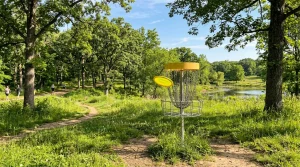
Disc golf is more than just a game; it’s a community-driven sport that merges athleticism with camaraderie. As the popularity of disc golf continues to surge, hosting a tournament can be an incredibly rewarding experience, fostering connections among players and promoting the sport. “A Chain Of Events Disc Golf: Tournament Hosting Guide” serves as your comprehensive resource, providing step-by-step techniques for organizing a successful tournament, from selecting the right course to understanding tournament rules and logistics. Whether you’re a newcomer eager to make your mark or a seasoned competitor looking to elevate your event, this guide equips you with the knowledge and insights needed to create an unforgettable tournament experience. Dive in to discover how you can turn your vision into reality and celebrate the spirit of disc golf in your community!
Essential Disc Golf Terminology for New Tournament Hosts
Understanding the language of disc golf is critical for any new tournament host aiming to create a fun and competitive environment. Familiarizing yourself with essential terminology not only boosts your credibility but also enhances communication among players, volunteers, and sponsors. Here’s a selection of key terms you’ll want to know:
- Disc: The projectile used in disc golf, which comes in various types, each serving a specific purpose (drivers for distance, midranges for control, and putters for accuracy).
- Par: The number of throws a skilled player is expected to need to complete a hole or course. Understanding par helps in scoring and enables participants to gauge their performance.
- Birdie: When a player completes a hole in one stroke under par. It’s a term that players aspire to achieve and often leads to excitement on the course.
- Fore: A warning shouted by players when a thrown disc is headed toward another group or bystanders, emphasizing safety on the course.
- OB (Out of Bounds): Areas where play is not allowed, often marked by specific markers. Knowing where OB is located is crucial for strategy during play.
- Tournament Format: This refers to the specific rules and structure of your event (single elimination, round robin, etc.), impacting how players compete and are scored.
- Strokes: Refers to the number of throws taken by a player. Learning to keep score accurately for each player is vital for running a smooth tournament.
By mastering these terms, you will not only feel more confident during planning and execution but also foster a more inclusive atmosphere for both new and experienced players alike. Create a positive experience by using this terminology to ensure clarity in discussions about rules, strategies, and gameplay mechanics. Connecting with players through a shared language helps solidify the community aspect of disc golf, thereby elevating the spirit of competition.
Planning Your First Disc Golf Tournament
can be both exciting and daunting. With its growing popularity, organizing an event not only fosters community but also promotes the sport. Start by considering your primary goals for the tournament-whether you’re aiming to create a fun day for local players or a competitive environment that attracts seasoned competitors. This will shape your approach, from the scale of the event to the resources you allocate.
Begin with choosing the right date and location. A popular choice for many tournaments is on weekends, as it allows maximum participation. Look for a disc golf course that can accommodate the number of players you anticipate, ideally one that offers enough variety in infrastructure (such as tees and baskets) to engage players of different skill levels. Exploring venues that have hosted tournaments in the past can provide valuable insights into what works well and what to avoid.
Next, familiarize yourself with the logistics involved in running a tournament. It’s vital to understand the necessary permits and insurance policies required by local authorities and the disc golf community. Contacting local disc golf organizations or clubs can significantly aid in navigating these requirements, as they often have templates or guides developed from their own experiences.
Once the essentials are covered, consider the tournament format. Options include single elimination, stroke play, or even match play. Each format offers a different player experience and can influence the length of the event. Ensure you communicate the format clearly to players upon registration, as this sets expectations and helps them strategize accordingly.
Rounding out your planning involves creating an engaging tournament schedule. Outline the day-to-day activities, incorporating checkpoints for player check-in, rounds of play, breaks, and awards ceremonies. Keeping players informed of the schedule not only enhances their experience but also ensures smooth event operations. By planning carefully and remaining attentive to the needs and feedback of participants, you can create an unforgettable tournament that celebrates the spirit of disc golf.
Finding the Perfect Location for Your Event
Selecting the right venue for your disc golf tournament is crucial to ensuring a memorable experience for all participants. The ideal location isn’t just about having a course; it’s about finding a place that embodies the spirit of the sport, supports player engagement, and can handle the logistics of a larger event. Every venue presents unique opportunities and challenges, so it’s essential to choose wisely.
Start by assessing the course layout. Look for a facility that offers a variety of holes that challenge players of different skill levels, from novices to seasoned pros. A mix of distances and obstacles-such as wooded areas, open fields, and elevation changes-can elevate the competitive spirit and keep things interesting. Additionally, consider the number of available tees and baskets; having multiple sets can accommodate different skill levels, allowing for a more inclusive environment.
It’s also important to evaluate the accessibility and amenities of your chosen location. Is the course situated near accommodations and restaurants? This can be a significant factor for out-of-town participants and can enhance their overall experience. Parking is another crucial consideration; ensure there is ample space for both players and spectators. Furthermore, inquire about existing infrastructures, like restrooms and shelters, which are vital for hosting larger events and can impact player comfort throughout the day.
Lastly, don’t underestimate the value of the local disc golf community. Engage with nearby clubs or organizations to gain insights on potential venues. They can provide guidance based on past experiences and may even point you toward hidden gems that have hosted successful tournaments before. By leveraging local knowledge, you will not only save time but also create a more vibrant, connected atmosphere that celebrates the spirit of disc golf.
In summary, finding the perfect location is about more than just picking a course; it’s about ensuring the venue aligns with the goals of your tournament and provides a supportive environment for all players. Consider the course layout, accessibility, amenities, and local connections to create an unforgettable event that fosters competition and community spirit.
Permits, Insurance, and Legal Considerations
Planning a disc golf tournament involves much more than just setting up the course and inviting players; it requires careful navigation through to ensure your event runs smoothly and safely. Seeking the appropriate permits is often the first step. Most public parks and recreational facilities will require you to submit an application for use of their space, especially for larger events. Make sure to check local regulations and reach out to park officials early in the planning process since some permits may involve fees or advance notice periods.
When it comes to insurance, having coverage for your tournament is not just advisable-it may be mandatory. General liability insurance protects you from claims involving injury to participants or spectators and can cover damages to property as well. If you’re hosting the event in a public venue, inquire whether they have insurance policies that already cover events held on their property. If not, you might consider purchasing a tournament insurance policy that meets the needs of your event.
Additionally, understanding the legal landscape around your tournament cannot be overlooked. This includes familiarizing yourself with local noise ordinances, rules regarding alcohol consumption, and health and safety regulations. If your event is catered, for example, ensure that vendors have the necessary licenses and permits to operate. Consulting with an attorney familiar with event planning can provide clarity on these aspects and help you avoid potential pitfalls.
As you prepare for your tournament, remember that being proactive about not only safeguards your event but also contributes to a professional atmosphere that instills confidence in participants and spectators alike. By addressing these legalities thoughtfully, you can focus on what truly matters: creating an engaging and enjoyable experience for all involved in your disc golf tournament.
Creating an Engaging Tournament Schedule
Creating an effective tournament schedule is crucial for fostering an enjoyable and seamless experience for all participants. A well-structured schedule not only helps players understand when they need to be ready but also ensures that volunteers and staff are coordinated effectively. To kick off, consider setting clear time blocks for each part of the event, from registration to the final award ceremony. For instance, a standard timeline might include:
- Registration and Check-In: 8:00 AM – 9:00 AM
- Players’ Meeting: 9:00 AM – 9:30 AM
- First Round Tee-Off: 10:00 AM
- Lunch Break: After Round 1, approximate time 1 PM – 2 PM
- Second Round Tee-Off: 2:15 PM
- Award Ceremony: 5:30 PM
Including a players’ meeting before the first round is essential for reviewing rules, course layouts, and any local specifics that competitors need to know. This meeting not only serves as a platform to address player questions but also reinforces a sense of community among competitors.
Incorporating Breaks and Downtime
While it may be tempting to pack the schedule tightly to maximize playtime, including breaks for players and volunteers is equally important. Downtime allows everyone to recharge, grab refreshments, and socialize, enhancing the overall ambiance of the event. Consider hosting informal activities or contests during these breaks, such as putting challenges or “closest to the pin” competitions, which can further engage participants.
Utilizing technology can also streamline your scheduling. Online tournament software or mobile apps can be invaluable for real-time updates and notifications, ensuring that everyone stays informed of any last-minute changes or delays. These tools can also facilitate easy tracking of player scores, which is a critical component for larger tournaments.
By thoughtfully crafting an engaging tournament schedule, you balance structure with flexibility, ultimately creating an environment where players feel prepared and excited to compete. With a clear timeline, ample breaks, and avenues for social interaction, your tournament will stand out as a well-organized and enjoyable experience for all, laying the groundwork for a growing tradition in your disc golf community.
Selecting Discs and Equipment for Competitors
Selecting the right discs and equipment for competitors is paramount in ensuring a successful tournament experience. Each disc plays a crucial role in how players approach the course, and understanding the various types of discs suited for different skills and situations can make all the difference. Whether it’s a beginner looking to find their footing or a seasoned pro aiming for a championship title, equipping players with the right tools enhances performance and enjoyment.
Having a variety of discs is essential. Competitors typically use three primary types: drivers, midranges, and putters. Drivers are designed for maximum distance and come in various stability ratings, which affects how the disc performs in flight. Midranges offer better control and versatility, making them ideal for approach shots. Putters, while less aerodynamic, are crucial for accuracy during the putting phase. A well-rounded selection allows competitors to choose the right disc for every situation.
Understanding Disc Flight Characteristics
Each disc’s flight path is influenced by its stability-rated as overstable, stable, or understable. Overstable discs resist turning and are perfect for strong wind conditions, while understable discs are excellent for those with slower arm speeds or for achieving longer turnovers. Stable discs provide a balance and are versatile for all skill levels. Providing a simple chart or table to help players understand these characteristics can streamline their selections:
| Disc Stability | Flight Path Description | Ideal Usage |
|---|---|---|
| Overstable | Fades hard to the left (RHBH) | Windy conditions, advanced players |
| Stable | Straight flight with minimal fade | General use, all skill levels |
| Understable | Turns to the right (RHBH) | New players, hyzer flip shots |
Equipment for All Skill Levels
As a tournament host, consider providing starter sets for newcomers, which typically include a driver, midrange, and putter. This encourages participation and helps new players find their preferred style without overwhelming them. For experienced players, allowing them to bring their own gear or providing an extensive selection can cater to different strategies and preferences.
Additionally, it’s beneficial to collaborate with local disc retailers to sponsor the event, possibly providing branded discs or prizes. This not only enhances the tournament’s profile but also gives participants access to high-quality gear that can improve their game. The blend of community support and quality equipment creates a memorable and productive tournament environment, fostering growth and camaraderie in the spirit of disc golf.
Promoting Your Disc Golf Tournament Effectively
Attracting participants to your disc golf tournament is essential for its success and reputation. Engaging your community through effective promotion can create excitement around the event and encourage competitors of all skill levels to join. Start by leveraging social media platforms such as Facebook, Instagram, and Twitter to reach a wider audience. Create event pages where you can share all pertinent details-like date, location, registration fee, and prizes. Using eye-catching visuals, such as photos from previous tournaments or graphics highlighting your event, can help capture attention. Be sure to engage with your followers by responding to queries and sharing updates regularly.
Local flyers and posters are a classic yet effective promotional method; place them in popular spots like community centers, libraries, and sporting goods stores. Partnering with local disc golf clubs and organizations can also expand your reach. Attend their meetings or events to promote your tournament directly to enthusiasts, ensuring your message resonates with the right audience. Consider offering incentives, such as early bird discounts or referral bonuses, to encourage early registration and word-of-mouth promotion.
Attend and showcase your tournament at local disc golf events to build relationships and raise visibility. Speaking personally with potential participants about what makes your tournament unique can foster a sense of community and connection. If feasible, conduct a promotional event, such as a friendly round of disc golf where people can learn about the tournament and meet other players. This hands-on approach not only provides information but also creates excitement and camaraderie.
Moreover, maintaining an active blog or a dedicated website serves as a great platform for detailed information and updates regarding your tournament. Share player interviews, course previews, and strategies to engage potential participants further. By providing useful content, you position your event as a must-attend fixture on the disc golf calendar, celebrating both the sport and its community. Promoting your tournament effectively requires creativity, engagement, and a clear understanding of your target audience, all of which will contribute to a successful and memorable event.
Establishing Fair Tournament Rules and Format
Establishing fair and clear tournament rules and format is essential for creating an enjoyable and competitive atmosphere in disc golf. A well-structured foundation not only guides players on expected conduct and game play but also enhances the overall integrity of the event. To achieve this, begin by outlining the specific rules that govern disc golf, such as standard scoring practices, out-of-bounds regulations, and player conduct protocols. This clarity ensures that both new and experienced players understand what is expected of them, reducing conflicts and misunderstandings during the tournament.
With various tournament formats available, it’s crucial to choose one that fits your event’s objectives and participant skill levels. Common formats include Stroke Play, where players aim for the lowest score over a set number of rounds, and Match Play, which pits players directly against one another. For newer players, a more relaxed format like Best Shot, where teams take the best throw from among their members, may encourage participation and enjoyment. Creating divisions based on skill levels can also promote fairness, allowing competitors to face opponents of similar abilities, fostering a more engaging experience for everyone involved.
When developing your tournament rules, consider incorporating local and PDGA (Professional Disc Golf Association) regulations to legitimize your event. Clearly communicate these rules in team meetings, promotional materials, and pre-tournament briefings to ensure transparency. Use accessible language, avoiding jargon that may confuse newcomers, and provide a printed copy of the rules available to all participants on the day of the event. This not only enhances understanding but also shows your commitment to professionalism and fairness in tournament organization.
Finally, creating an atmosphere of respect and sportsmanship is vital. Encourage feedback from players regarding the rules and format both before and after the event; this will help you refine future tournaments and build a community that values improvement and collaboration. Establish a clear process for addressing disputes, whether through a designated tournament official or a committee, and ensure that players feel comfortable voicing their concerns. By fostering a supportive environment and adhering to fair practices, you set the stage for exciting competition and lasting friendships within the disc golf community.
Building a Supportive Volunteer Team
Creating a successful disc golf tournament is not just about the players; it heavily relies on a dedicated and enthusiastic volunteer team that can bring the event to life. These volunteers are the backbone of any tournament, ensuring that everything runs smoothly from setup to the final round. Inviting individuals who share a passion for disc golf creates an engaging atmosphere, benefitting both players and spectators alike. When building your volunteer team, consider the different roles that need filling and the unique talents your volunteers might bring to the table.
Recruiting the Right Volunteers
Start by reaching out to local disc golf clubs and online forums where enthusiasts might be eager to lend a hand. You might be surprised at the number of players who are willing to help, especially if they see the benefits of contributing to their community. Be clear about what volunteers will be doing-whether it’s setup, registration, scoring, or navigating course logistics-so they know what to expect. Additionally, consider offering incentives, such as free tournament merchandise, meals during the event, or discounts on future events, to make volunteer opportunities more appealing.
Training and Empowering Your Team
Once your team is assembled, it’s crucial to provide adequate training. Hold a pre-tournament meeting to go over roles, responsibilities, and schedules. This not only informs your team but also fosters camaraderie and teamwork. Encourage questions and provide open line communication leading up to and during the tournament. By empowering volunteers to take ownership of their tasks, you enhance their engagement and ensure that they feel valued.
Incorporate a system for feedback post-tournament to learn what worked and what could improve in future events. This cultivates a culture of continuous improvement and can help in retaining volunteers for future tournaments, allowing you to build a lasting and committed team.
Creating a Welcoming Environment
Lastly, emphasize the importance of creating an inclusive and welcoming environment for both volunteers and participants. Remind your team that they play a vital role in setting the tone of the event. A friendly greeting, helpful advice, and professional behavior can significantly enhance the overall player experience. Celebrate each volunteer’s contribution in the closing announcements of the tournament to acknowledge their hard work and enthusiasm. This not only boosts morale but also strengthens community ties, making your volunteers more likely to return for the next event.
By investing time in , you lay a strong foundation for your tournament’s success. With the right people in place, your event can become a memorable experience that attendees look forward to year after year.
Enhancing Player Experience and Engagement
Creating a memorable and engaging experience for players at your disc golf tournament is essential to fostering a sense of community and excitement around the sport. Did you know that the atmosphere you cultivate can directly impact players’ performance and their desire to return for future events? By prioritizing player experience, you not only enhance satisfaction but also build a loyal player base that looks forward to your tournaments year after year.
One effective way to enhance player engagement is through thoughtful course design and layout. Ensure that your course is not only challenging but also fair, catering to a variety of skill levels. Include a mix of short and long holes, with strategically placed obstacles that encourage strategic play. Clearly marked tee pads and signs guiding players from hole to hole can significantly reduce confusion and improve the flow of the game. Additionally, consider incorporating amenities like rest areas, food options, and shade to create a comfortable environment for all attendees.
Another key aspect is communication. Keep players informed and engaged before, during, and after the tournament. Utilize social media, emails, or a dedicated tournament app to share updates, rules, and player highlights. This transparency fosters a sense of community and connection among participants. On the day of the event, ensure that announcements are made regularly, including reminders for the next groups to tee off and any changes to the schedule. This keeps excitement levels high and helps maintain organization throughout the tournament.
Additionally, consider implementing fun, interactive elements to keep players engaged. For example, you could host a mini-challenge or a skills contest during downtime, like distance throwing or putting competitions, with small prizes or recognition for winners. This not only entertains but also encourages camaraderie among players. Ultimately, by creating a welcoming and dynamic tournament environment, you establish a culture of inclusivity that appeals to both newcomers and seasoned competitors alike.
Incorporating these strategies will not only improve the overall player experience but will also solidify your reputation as an event host committed to making disc golf an enjoyable and legitimate athletic pursuit.
Post-Tournament Evaluation and Feedback Strategies
Evaluating your tournament after the final score has been tallied is a vital step in the tournament-hosting journey. Gathering feedback can provide invaluable insights that inform future events and enhance the overall experience for players, volunteers, and attendees alike. A compelling statistic to consider: tournaments that actively seek participant feedback are 30% more likely to see repeat entry from players in subsequent events. Implementing a thoughtful evaluation and feedback strategy can make all the difference in your hosting prowess.
To facilitate this process, consider the following strategies: Start by distributing post-tournament surveys that capture a range of feedback, from course layout and difficulty to player amenities and organization. Utilize platforms like Google Forms or SurveyMonkey for easy distribution and analysis. When crafting your survey, aim for a mix of quantitative questions (e.g., on a scale of 1 to 5, how would you rate the tournament?) and qualitative questions (e.g., what suggestions do you have for improvement?). This balanced approach allows you to gauge overall satisfaction while also understanding specific areas for enhancement.
Engaging Your Community
Encourage participants to contribute their thoughts without reservation. Consider creating an open forum, either online or at a post-event gathering, where players can express their opinions on various aspects of the tournament. Engaging in a dialogue can foster a sense of community and trust, making players feel valued. Highlight notable comments or suggestions in future promotional materials to show that you’re actively listening and willing to adapt to meet player expectations.
Continuous Improvement
As you process the collected feedback, look for common themes or recurring issues that players mention. It might be challenges with course navigation, the need for better amenities, or scheduling conflicts. Use this data to craft a detailed report outlining strengths, weaknesses, and actionable next steps for future events. This proactive approach doesn’t just enhance player experience; it also solidifies your reputation as a serious tournament host committed to elevating the sport.
Ultimately, feedback is not just about identifying what went wrong; it’s a treasure trove of opportunities for evolution and improvement. Embrace this cycle of continuous evaluation and implementation for your disc golf tournaments, and watch your events flourish within the vibrant community you’re nurturing.
Growing Your Tournament Into an Annual Event
Transforming your disc golf tournament into an annual event not only fosters community but also elevates the level of competition and organization within the sport. A pivotal aspect of this journey involves creating a brand and reputation that players and fans can rally around. Think about the best tournaments you’ve attended-the camaraderie, the excitement, and the sense of belonging. Capturing that essence will encourage participants to return year after year and attract new players eager to be a part of something special.
Start by establishing a solid foundation. Choose a consistent time of year for your event, as this makes scheduling easier for participants and builds anticipation within the community. Whether it’s a spring fling or a fall classic, clarity on your annual date allows players to pencil it into their calendars. Promote your event through social media, local clubs, and online forums to keep interest alive throughout the year. Engaging content, such as highlight videos from previous years and interviews with top competitors, can keep the buzz alive and draw in new players.
Another essential factor is providing a memorable experience. Focus on enhancing the overall tournament atmosphere, from the moment players arrive until they’re packing up after the last putt of the day. This can include everything from well-organized check-ins and fun side events-like skill challenges or raffles-to ensuring the course is well-marked and maintained. Consider featuring local vendors or food trucks to add an element of community support, making the day enjoyable for players, friends, and families alike.
Finally, harness the power of feedback and continuous improvement. After each tournament, gather insights not only through surveys but also by engaging participants in discussions. What do they cherish about the event? What could be improved? Players appreciate knowing their voices matter, and adapting your tournament based on their feedback can significantly enhance retention and growth. Over time, these conscientious efforts will solidify your tournament’s place within the disc golf community, paving the way for it to flourish as an annual highlight on the disc golf calendar.
Faq
Q: What are the essential permits required for hosting a disc golf tournament?
A: Hosting a disc golf tournament typically requires local permits related to public gatherings. Additionally, you may need to secure permits from park authorities or local government if the event is held in a public space. Always check local regulations to ensure compliance.
Q: How do I create an engaging tournament schedule?
A: To create an engaging tournament schedule, include a mix of competitive rounds and social activities. Ensure adequate breaks between rounds and consider fun contests like longest drive or closest to the pin. A well-planned schedule enhances player experience significantly.
Q: What types of insurance do I need for tournament hosting?
A: As a tournament host, consider obtaining general liability insurance to protect against accidents and claims. Additionally, if using public land, check if the property requires specific insurance coverage or waivers. Consulting with an insurance professional can provide clarity.
Q: What are some tips for effectively promoting a disc golf tournament?
A: To promote your disc golf tournament, utilize social media platforms, create an engaging event page, and connect with local disc golf clubs. Consider running targeted ads and employing email marketing to reach potential participants. Engaging visuals can boost interest.
Q: How can I ensure fair play during the tournament?
A: Establishing clear rules and formats in advance is key to ensuring fair play. Distribute these guidelines during registration. Having trained volunteers as course marshals can help manage any disputes and ensure that all players adhere to the rules.
Q: What is the best way to gather feedback after the tournament?
A: After the tournament, send out a surveys via email to participants asking for feedback on various aspects such as organization, course layout, and overall satisfaction. Encourage honest opinions to improve future events. Incorporate feedback into your planning strategies.
Q: How can I build a supportive volunteer team for my tournament?
A: To build a supportive volunteer team, start by reaching out to your local disc golf community. Broadcast volunteer opportunities through social media and disc golf forums. Engage volunteers by clearly outlining roles and ensuring they have a rewarding experience during the tournament.
Q: What strategies can I use to grow my tournament into an annual event?
A: To grow your tournament into an annual event, focus on building a strong community around your event through regular communication and engagement. Offer loyalty incentives for returning players and expand your marketing efforts based on feedback to continually improve the experience.
In Retrospect
As you wrap up your journey through “A Chain Of Events Disc Golf: Tournament Hosting Guide,” remember that organizing a successful disc golf tournament is about more than just logistics-it’s an opportunity to foster community, elevate play, and celebrate this dynamic sport. Utilize the insights and strategies you’ve learned to enhance your hosting skills and create memorable experiences for players of all levels. Don’t forget to check out our detailed equipment comparisons and technique breakdowns that will help you maximize both your and your participants’ tournament experience.
Ready to take your tournament hosting to the next level? Sign up for our newsletter for regular tips and resources, or explore our comprehensive guides on course strategy and player development. Your next step could be a remarkable event, and we’re here to support you every throw of the way! Join the conversation in the comments below or share your thoughts on social media; we love hearing how you implement these strategies. Together, let’s elevate the world of disc golf!
Get our latest guides, news, and insights highlighted in your Google Search & AI Overviews.