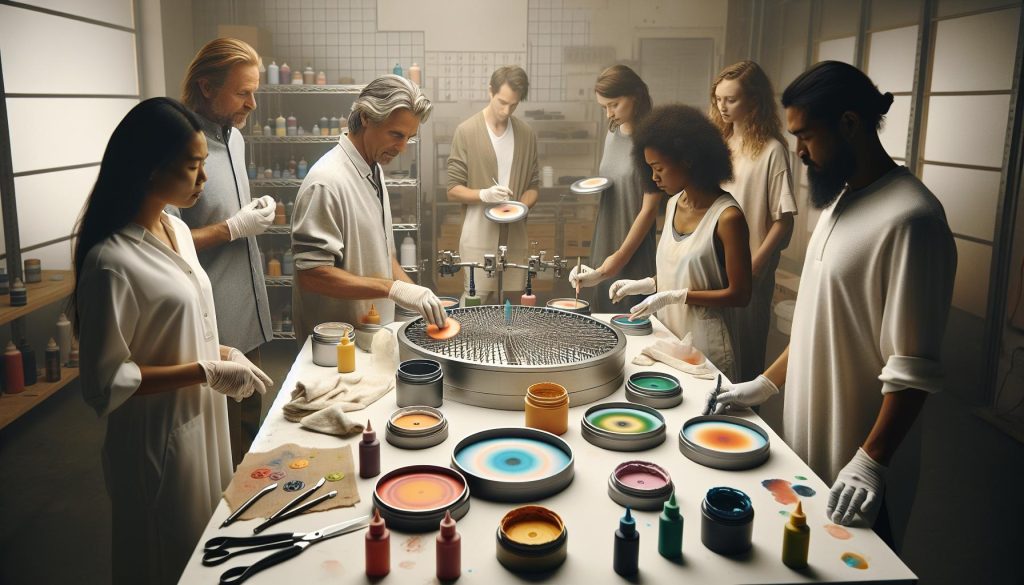
How to dye your own disc golf discs complete dyeing process is an essential factor in modern disc golf course play, equipment setup, and tactical execution. Our comprehensive guide provides actionable course tips, disc flight mechanics, equipment recommendations, and tournament-tested strategies to help disc golfers optimize their scoring and course performance.
Did you know that customizing your disc golf discs can elevate both your game and your personal style? Dyeing your own discs not only adds a unique flair but can also reflect your personality and creativity on the course. Whether you’re a beginner looking to enhance your equipment or a seasoned player aiming for a one-of-a-kind design, learning how to dye your own discs is an invaluable skill. In this guide, we’ll walk you through the complete dyeing process, from selecting the right materials to achieving stunning results. You’ll discover tips, techniques, and safe practices to help you create beautiful, personalized discs that not only perform well but also stand out. So, grab your discs, unleash your inner artist, and let’s dive into the colorful world of disc dyeing!
How to Choose the Right Dyes for Disc Golf Discs
Choosing the right dyes for your disc golf discs can transform a standard disc into a one-of-a-kind piece of art that reflects your personal style and enhances your enjoyment of the game. With a variety of dye types available, including liquid, gel, and powders, the options can seem overwhelming. However, understanding the properties of these dyes will help you make informed decisions and achieve stunning results.
When selecting dyes, consider the type of material your disc is made from. Most discs are constructed from plastics that react differently to dyes. For example, RIT Dye is popular for its ease of use and vibrant colors but is best suited for softer plastics. On the other hand, Pro Chemical offers specialized dyes formulated specifically for disc golf discs that provide excellent color saturation and durability. It’s worthwhile to look into both liquid dyes and powdered dyes mixed with a solvent, like acetone, as they can yield differing effects depending on your technique and desired outcome.
Another important factor to consider is the dyeing method you plan to use. Techniques such as tie-dyeing or using stencils can require specific types of dyes that adhere well to the disc’s surface. For instance, using a clear glue method allows for unique designs where only specific areas of the disc are colored while leaving the rest untouched. Combining various dye types can also yield creative results, so don’t shy away from experimentation. Ultimately, choosing the right dye is about matching the dye’s properties with your desired aesthetic and the technique you wish to employ.
To set yourself up for success, it’s essential to familiarize yourself with the dyeing process and materials available. Many suppliers offer kits tailored for dyeing discs, including dyes, applicators, and instructions, which can simplify your initial foray into this creative endeavor. By investing time into selecting the right dyes and methods, you will not only personalize your discs but also celebrate your passion for disc golf through unique artistic expression.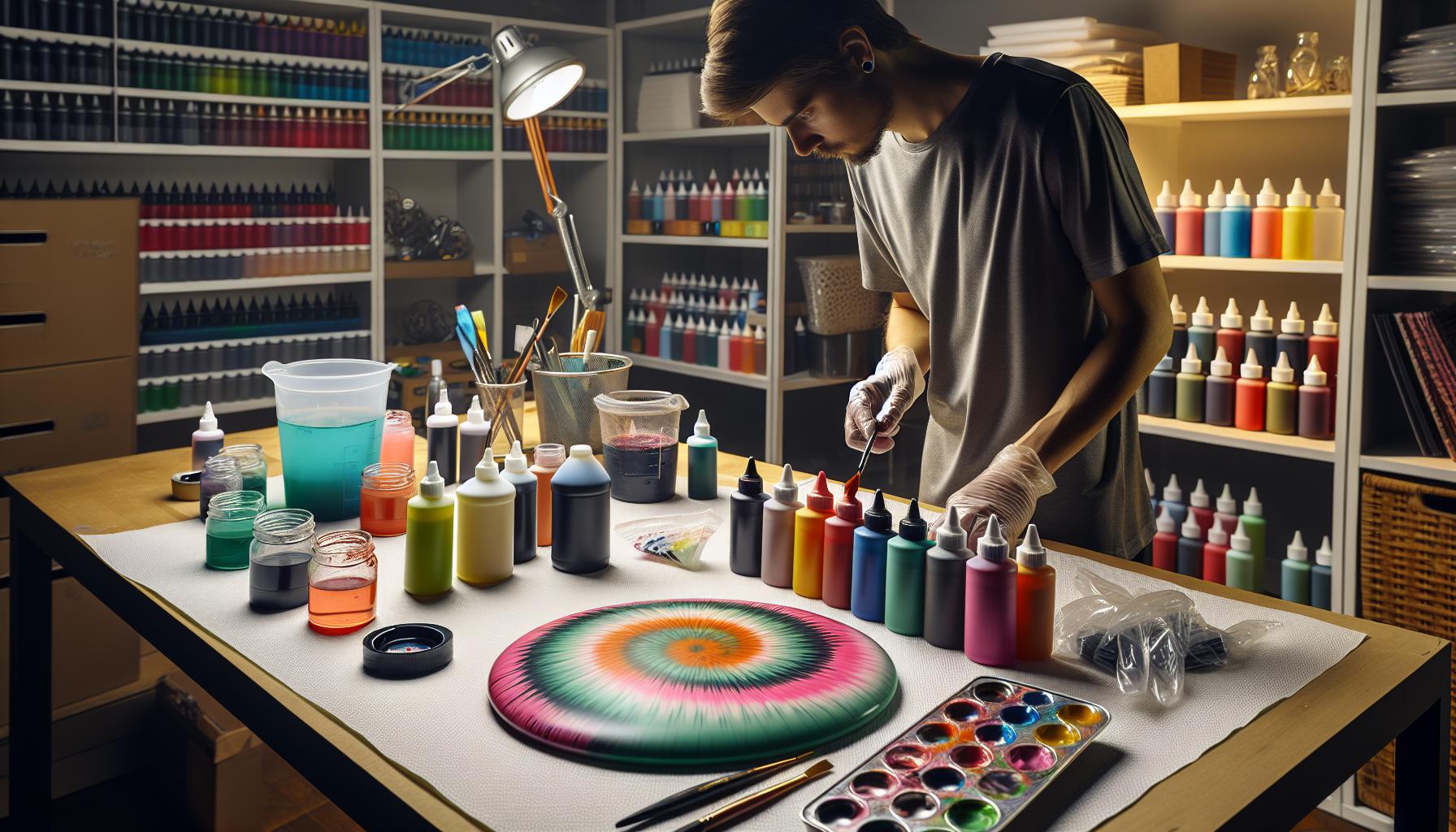
Essential Materials for DIY Dyeing Success
Creating unique and colorful designs on your disc golf discs is not just a fun pastime; it can also enhance your enjoyment of the game and reflect your personal style. Essential materials play a crucial role in ensuring that your DIY dyeing experience is successful and enjoyable. To achieve beautiful, long-lasting results, it’s important to gather a few key supplies before diving into your dyeing project.
First and foremost, you will need dyes specifically designed for plastics used in disc golf discs. Brands like Pro Chemical and RIT Dye offer a variety of color options, allowing for a broad palette of possibilities. When choosing dyes, consider whether you want liquid or powdered options, as each can yield different effects on the disc surface. A dye kit that includes a range of colors may simplify the process and inspire creative combinations.
Next, gather applicators such as spray bottles, squeeze bottles, or brushes that will allow you to control the application of dye more precisely. If you’re interested in creating intricate designs or patterns, tools like stencils or tape can help you achieve professional-looking results. For texture effects, shaving cream is a popular medium that allows for swirling colors, providing a unique aesthetic.
Don’t forget about protective gear! Gloves and an apron will keep your hands and clothes safe from unwanted stains, ensuring a more enjoyable experience. Plastic wrap or parchment paper can also be handy for managing potential messes and protecting your workspace. Moreover, ensure you have proper ventilation, especially when using solvents or dyes that emit strong odors.
Lastly, consider the cleaning supplies you’ll need to prepare your discs. A gentle soap solution can help remove any residues or oils from the disc surface, allowing for better dye adhesion. Having all these materials at hand will streamline the process, allowing you to focus on creativity and the joy of customizing your gear.
By investing in these essential materials and setting up a dedicated dyeing space, you’ll be well on your way to crafting personalized discs that stand out on the course while expressing your unique style.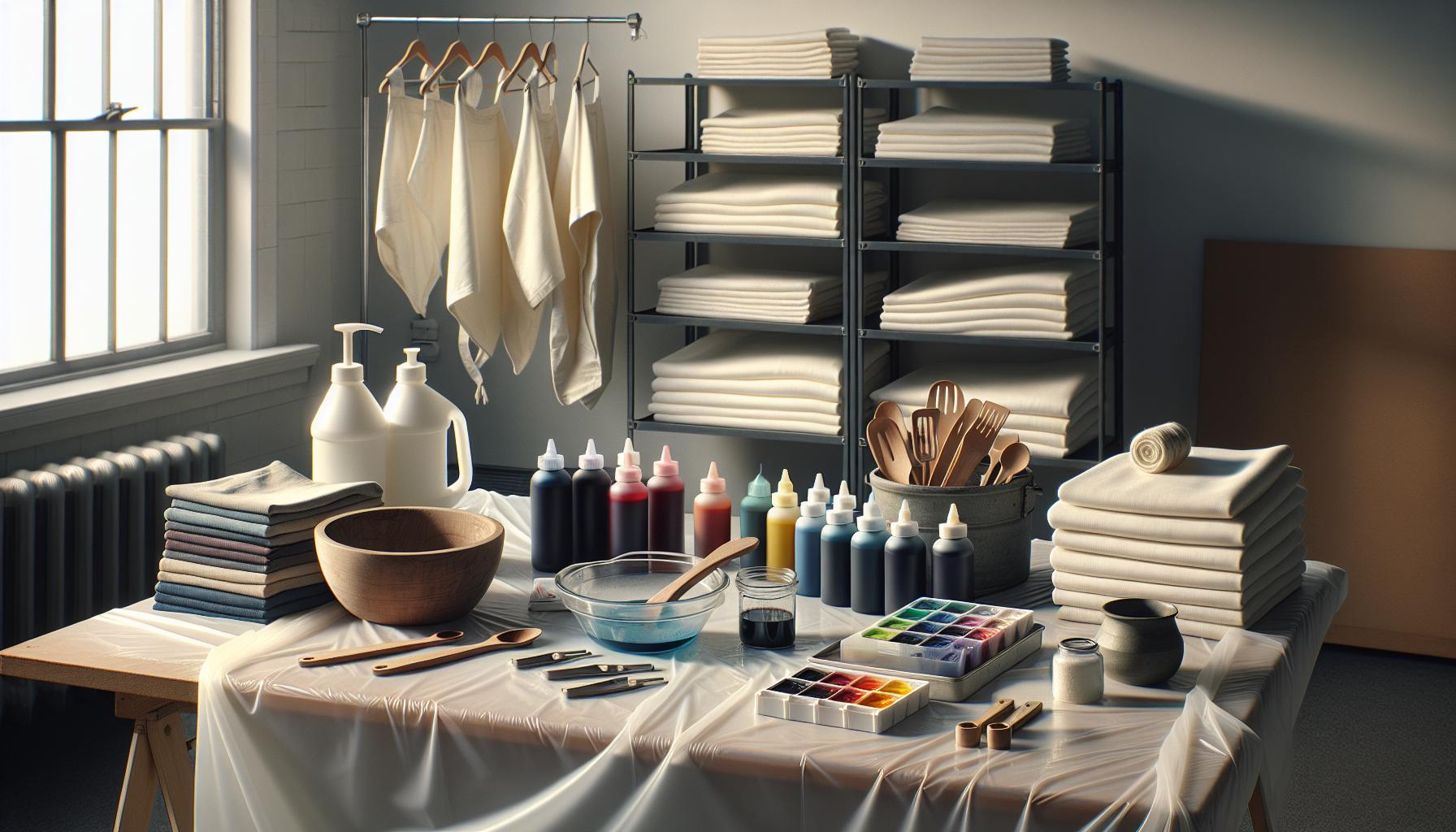
Step-by-Step Guide to Preparing Your Discs
Creating your own dyed disc golf discs not only adds a personal touch to your gear but can also enhance your enjoyment of the game. Preparing your discs correctly is a crucial first step to ensure that the dye adheres well and results in vibrant, lasting designs. Here’s a comprehensive guide to prepping your discs for the dyeing process.
Start by choosing a disc that has a smooth surface and is made from high-quality plastic. The type of plastic can affect how the dye interacts with the disc, so opt for discs known for their compatibility with dyeing. Once you have selected your disc, clean it thoroughly. Use a gentle soap solution and a soft sponge to remove any dirt, oils, or residues that may hinder the dye from adhering properly. Rinse the disc thoroughly with water and dry it completely. This step ensures that you start with a clean slate for your artistic endeavors and maximizes dye penetration.
Next, consider the areas you want to protect from dye. If you prefer to keep parts of the disc its original color, it’s important to apply a barrier. You can use materials like tape or a dye-resistant medium such as Floetrol. Applying tape can allow intricate designs to emerge, while a Floetrol mixture can serve as a resist during the dyeing process. Make sure that all edges are firmly sealed to prevent bleeding during dye application.
Once your disc is clean and prepped, you can start to lay out your dyeing station. Ensure your workspace is well-ventilated and covered to avoid dye spills on surfaces. Having your dyes, applicators, and protective gear easily accessible will help streamline the upcoming dye application process. With the discs prepared and your workspace organized, you’ll be ready to unleash your creativity and create stunning, personalized designs that reflect your style on the course.
Techniques for Effective Disc Dyeing
Using the right techniques can turn a simple disc into a vibrant piece of art, enhancing your game and personal expression on the course. One of the essential techniques is layering, which involves applying multiple colors in stages. Start with your base color, applying it evenly and allowing it to dry before adding another hue. This method creates depth in your design and prevents colors from muddying together. To achieve smooth transitions, consider using a spray bottle or airbrush for fine misting between shades.
Another effective technique is the resist method, where you use tape, vinyl stencils, or dye-resistant mediums to protect sections of the disc from dye. Start by creating a design with your tape or stencil-this could be a geometric pattern or an intricate image. Once your design is set, apply dye over the whole disc. When you peel away the tape or stencil, you’ll reveal the original disc color underneath, creating a striking contrast.
Experimenting with different dye applications can also yield unique results. For instance, a sponge or brush can produce textured effects, while dripping or splattering dye can add a dynamic flair. Some experienced dyers even use techniques like tie-dye, where the disc is bound in certain spots to create circular patterns, giving your disc a funky and eye-catching look.
Don’t forget to play with dye mixtures; combining colors can create custom shades and effects that can’t be achieved with single colors alone. Keep in mind that the surface of the disc affects how dyes interact, so testing on scrap plastic can inform your main project. These techniques not only allow for creativity but also give you the chance to learn about color theory and design, making your disc golf experience both artistic and athletic.
Exploring Popular Dyeing Methods: From Gel to Liquid
Dyeing your disc golf discs opens up a world of creative expression, and choosing the right dye method can significantly enhance your results. Among the most popular dyeing techniques are gel and liquid dyes, each offering unique benefits and challenges. Gel dyes are often viscous and easy to manipulate, ideal for detailed designs and layered applications. They allow for precision, making it easier to control where the dye goes, which is particularly useful for intricate stencils or patterns. On the other hand, liquid dyes are typically mixed with water and can be applied in larger quantities, giving a more saturated and uniform color to your discs.
When selecting between these two methods, consider the type of effect you want to achieve. Gel dyes can be great for achieving detailed work, as they can be painted on with brushes or applied with squeeze bottles. This method is effective for creating sharp lines and allows artists to layer colors skillfully without allowing them to blend unintentionally. Furthermore, gel dyes generally adhere better to certain types of plastics used in disc golf discs, enhancing color longevity.
Conversely, liquid dyes, which often involve immersing the disc in a dye bath, can produce beautiful gradient effects or solid, bold colors. This method allows for batch dyeing if you’re looking to create multiple discs at once. For liquid dyes, it’s important to monitor the immersion time closely; too long can lead to unwanted color saturation or changes in the disc’s characteristics. A popular approach with liquid dyes is to use a warm water bath to dissolve powdered dye, which can yield vibrant results when discs are submerged.
Ultimately, the choice between gel and liquid dyes might also come down to personal preference and the specific look you’re aiming for. Experimentation is key; consider trying both methods on different discs to see which results you prefer. Remember, successful dyeing not only boosts the personality of your discs but can also spark conversations and connections within the disc golf community. Happy dyeing!
Customizing Your Disc Designs: Tips and Tricks
Customizing your disc golf discs not only lets you express your unique style but can also enhance your connection to the sport. The art of dyeing discs involves not just color application, but also an element of design thinking. Whether you’re aiming for a simple, elegant look or a bold, intricate pattern, there are several key strategies you can employ to effectively customize your discs.
To start, consider using stencils for precise designs. Craft your own stencils using materials such as cardboard or plastic sheets. This allows you to create sharp lines and repeatable patterns. Secure the stencil on your disc with tape to prevent any dye leakage underneath. When applying dye, use a gentle approach; a sponge or brush can help control the saturation and ensure even color distribution. Experiment with layering different colors to achieve depth and contrast, allowing for a vibrant and personalized end product.
In addition to stencils, think about utilizing natural textures like leaves or fabric to imprint designs onto your disc. By placing these items onto your disc before applying the dye, you’ll create unique, organic patterns. This method is particularly appealing if you’re aiming for a more abstract design. Another popular technique is using the shaving cream technique, where you swirl dyed shaving cream to create mesmerizing marbled effects. Simply apply a layer of shaving cream to your dye surface, add drops of dye, and swirl with a stick to create patterns before pressing your disc into it.
Furthermore, don’t shy away from browsing online communities and disc golf forums for inspiration. Many players share their dyeing adventures and the tricks they’ve learned through trial and error. These platforms can be invaluable for discovering new techniques or color combinations that resonate with you, allowing your designs to stand out on the course. Ultimately, customizing your discs adds a personal touch and can even serve as a conversation starter, allowing you to share stories and techniques with fellow enthusiasts.
Embrace the creative process, try different methods, and let your personality shine through your disc designs, making not just your discs but your entire disc golf experience uniquely yours!
Safety Precautions When Dyeing Discs
When embarking on the exciting journey of dyeing your own disc golf discs, it’s crucial to prioritize safety. While the process is rewarding and allows for personalized designs, the materials used can sometimes be hazardous if proper precautions aren’t taken. For both beginners and seasoned dye artists, maintaining a safe workspace ensures that your creativity flows without unnecessary risks.
First and foremost, always work in a well-ventilated area. Many dyes and solvents emit fumes that can be harmful when inhaled. Open windows and use fans to ensure airflow, or, if possible, set up your dyeing station outdoors. Additionally, wearing personal protective equipment (PPE) is key; gloves will protect your hands from staining, while goggles will shield your eyes from splashes and irritants. It’s also advisable to wear a mask if you’re working with powdered dyes or solvents, as these can release particles into the air that might be harmful when inhaled.
Consider the storage and disposal of your dye materials as well. Keep all dyes, solvents, and tools in clearly labeled containers away from children and pets. Always follow the manufacturer’s instructions for use and disposal of dyes and chemicals. Some dyes require specific disposal methods to avoid environmental harm, so be sure to research and adhere to local regulations. For those particularly invested in sustainability, look for biodegradable or non-toxic options to lessen your impact on the planet.
Finally, familiarize yourself with the specific dyes you are using. Different dyes have different properties and safety concerns; for instance, reactive dyes may require specific handling precautions compared to all-purpose dyes. Take the time to read the labels and understand the properties of the materials in use. This knowledge not only keeps you safe but also contributes to a more effective dyeing process, enhancing the quality and longevity of your vibrant designs. Remember, safety is not just about protecting yourself; it allows you to enjoy the dyeing experience fully, focusing on the creative possibilities that lie ahead.
How to Properly Wash and Maintain Dyed Discs
To keep your beautifully dyed disc golf discs looking vibrant and fresh, proper washing and maintenance are essential. After all, these discs are not just tools for your game; they are expressions of your unique style and creativity. By following a few straightforward guidelines, you can ensure that your dyed discs maintain their appearance and performance for many rounds to come.
When it’s time to clean your dyed discs, always use cool or lukewarm water. Hot water can cause the dye to fade or run, diminishing the stunning artwork you’ve painstakingly created. Use a gentle dish soap for a thorough yet soft cleaning approach. Avoid harsh chemicals and scrubbing pads, as these can scratch the surface and ruin the dye. Instead, a soft cloth or sponge will do the trick-lightly wipe the disc to remove dirt and debris. Make sure to rinse thoroughly with clean water to ensure no soap residue remains, as this can also affect the disc’s performance.
After cleaning, it’s crucial to dry your discs properly to avoid any water spots or blemishes. Place them upside down on a towel or rack to air dry for a while, ensuring that any water drains out from the inner grooves. Avoid leaving them in direct sunlight for extended periods, as UV rays can also fade the colors over time. Storing your discs in a cool, dry place away from direct light will help preserve their vibrancy.
Finally, consider investing in a dedicated disc bag or container to protect your dyed discs from scratches and general wear while not in use. A well-maintained disc can not only perform better but also look great for long-term enjoyment.
By following these simple cleaning and maintenance practices, you can enjoy the thrill of the game while showcasing your distinctive dyed disc designs. Remember, a little care goes a long way in preserving your creativity and enhancing your overall disc golf experience!
Troubleshooting Common Dyeing Issues
Dyeing disc golf discs can be an incredibly rewarding process, allowing players to express their individuality on the course. However, it’s not uncommon to encounter a few hiccups along the way. Understanding how to troubleshoot common dyeing issues ensures that your creative efforts yield the vibrant and long-lasting results you desire.
One of the most frequent problems is uneven dyeing, which can occur if the dye isn’t applied consistently. To mitigate this, make sure your disc is completely clean and free of oils or residues before dyeing. A thorough wash with soap and water, followed by a rinse, will prepare the surface for optimal dye uptake. Additionally, when applying the dye, ensure you cover the disc evenly. If you’re using a freehand method, a steady hand or a steadying device can help maintain uniform pressure for an even application.
Another challenge is dye bleeding, which can muddy designs and ruin a clean look. This often arises from insufficient drying time or exposing the dyed disc to moisture too soon. To combat bleeding, allow your dyes enough time to set-ideally, follow the instructions on the dye for specific setting times. After dyeing, rinse the disc in cool water and allow it to dry completely before exposing it to any conditions that could introduce moisture.
Finally, some may face difficulties with fading colors over time. UV exposure can significantly affect the vibrancy of your dyed discs. To minimize this effect, store your discs in a cool, dark place when not in use. Additionally, consider using a UV-protectant spray on your finished designs. This extra layer can help maintain the brightness and prevent the colors from washing out during gameplay, ensuring your artistic expressions remain bright and eye-catching.
Through patience and attention to detail, most dyeing issues can be resolved, leading to beautiful and functional discs that reflect your unique style as you navigate the course. Remember, each challenge is an opportunity to improve your dyeing skills, adding yet another gratifying layer to your disc golf journey.
Showcase of Unique and Creative Disc Dye Designs
Creating unique and creative designs for your disc golf discs not only showcases your personality but also helps you stand out on the course. The beauty of dyeing your discs lies in the endless possibilities of artistic expression, making your discs as intricate or simplistic as you desire. From geometric patterns to nature-inspired themes, the design options are as diverse as the players themselves.
One approach to creating standout designs is the ombre effect, which transitions smoothly from one color to another. This technique is achieved by applying a gradient of dyes, either by hand or through a dye bath process. For example, you might start with a vibrant pink at the center of the disc and blend it gracefully into a calming blue at the edges, creating a visually striking piece. To achieve this, prepare your dye in varying concentrations and apply them with a sponge or brush, working quickly to ensure the colors merge harmoniously.
Another popular method is stencil dyeing, allowing for crisp, defined shapes and images on your discs. You can create stencils using materials like vinyl or craft paper, which can be cut into your desired shape, such as logos, animals, or intricate designs. By adhering the stencil firmly to the disc, you can paint or dip-dye over it. Once the dyeing is complete, carefully remove the stencil to reveal a clean image that pops against the backdrop color of the disc. This method not only looks professional but also gives you the ability to reproduce your designs consistently.
To push your creativity even further, consider experimenting with layering techniques. This involves applying multiple layers of different dyes to achieve complex color interactions and textures. For instance, start with a solid color base layer, and once it’s dry, add a second layer using a different application method like splatter or brush strokes. The results can be mesmerizing, revealing unexpected overlaps and patterns that showcase your artistic flair.
When showcasing your dyed discs, photography can enhance your designs even more. Natural light can accentuate the vibrant colors and intricate details, so take your time to find the perfect setting to display your creations. Sharing these images on social media or disc golf community forums not only inspires others but also fosters a sense of camaraderie among players who appreciate the art of disc dyeing.
By embracing your creativity and personal style, you can transform plain discs into masterpieces, making each throw a reflection of who you are as a disc golfer. The process of designing, dyeing, and showcasing your work creates a deeper connection between your discs and your game, turning what could be an ordinary piece of athletic equipment into a unique statement on the course.
Understanding the Impact of Dyes on Disc Flight Performance
The choice of dye for your disc golf discs can significantly influence performance characteristics. While many players focus solely on aesthetics, it’s essential to consider how certain dyes and application techniques can affect disc flight. Dyes can indeed add weight, change the disc’s surface texture, and in some cases, even alter its structural integrity, leading to variations in speed, glide, turn, and fade during play.
When dyeing a disc, the type of dye and how it’s applied will directly affect its weight. For instance, gel dyes typically add less weight compared to liquid dyes mixed with solvents. Using an excessively heavy dye could alter how the disc flies, particularly under long throws. Additionally, the method of application, such as submersion versus spraying, can influence how evenly the dye penetrates the plastic. Uneven dye distribution can lead to imbalances that might affect the consistency of throws.
Moreover, the surface texture modified during the dyeing process can affect grip. If a disc ends up too smooth or sticky due to the dye application, it could influence the release during throwing. Most players prefer a standard feel that complements the disc’s designed flight characteristics. Thus, testing various dyes on cheaper discs before committing to more expensive ones can help you gauge how dyeing techniques meet your performance expectations.
Finally, it’s worth noting that not all types of plastic used in disc manufacturing respond the same way to dyes. For example, some plastics can become more flexible after dyeing, while others might stiffen. Understanding these nuances will help you make informed choices to enhance not just the visual appeal of your discs, but also their performance on the course. By finding this balance between aesthetics and functionality, you can truly customize your game and showcase your personality without sacrificing performance.
Frequently Asked Questions
Q: What type of dye is best for disc golf discs?
A: The best type of dye for disc golf discs depends on the material. Rit Dye and fabric dyes are popular choices. For vibrant colors, use liquid dyes as they penetrate well. Always test on a small area before dyeing the whole disc to ensure color fastness.
Q: How long should I let dyed discs sit?
A: Let dyed discs sit for at least 30 minutes to 1 hour, depending on the desired color intensity. Longer soak times lead to bolder colors, but check periodically to avoid unwanted darkening or uneven results.
Q: Can you use regular fabric dye on discs?
A: Yes, regular fabric dye can be used on discs, but ensure it’s suitable for plastic materials. Rit Dye and other brands work well, but test on a hidden area first to gauge the effect on the disc’s surface.
Q: What’s the best way to secure designs when dyeing discs?
A: Using stencils or stickers is the best way to secure designs. Apply them firmly to prevent dye seepage. For intricate designs, consider using masking tape or vinyl cutouts to get crisp edges.
Q: How do I remove dye from my discs if I make a mistake?
A: If you need to remove dye, soaking the disc in a mixture of bleach and water can help. Use a ratio of 1 part bleach to 10 parts water. Be sure to rinse thoroughly afterwards, and test this method on less visible areas first.
Q: Why are some dyes more effective than others for disc golf discs?
A: Some dyes penetrate better than others due to their chemical composition and the plastic of the disc. Acid dyes are often more effective for specific plastics like polyethylene. Always choose dyes designed for synthetic materials for optimal results.
Q: How can I prevent my dyed discs from fading?
A: To prevent fading, store your dyed discs away from direct sunlight and extreme temperatures. Consider applying a clear sealant after dyeing to help seal in the color and provide additional UV protection.
Q: Are there specific safety precautions to take while dyeing discs?
A: Yes, safety precautions are crucial. Always work in a well-ventilated area and wear gloves to protect your hands from the dye. If using sharp tools for cutting stencils, employ caution to avoid injury. Make sure to have protective eyewear if working with chemicals.
Concluding Remarks
Congratulations on discovering the colorful world of disc dyeing! By following our complete dyeing process, you’re now equipped to transform your discs into stunning, personalized designs that reflect your unique style on the course. Remember, practice makes perfect, so don’t hesitate to experiment with different techniques and colors to enhance your skills and creativity. If you’re interested in more advanced dyeing methods or tips on maintaining your equipment for optimal performance, check out our articles on disc maintenance and creative design inspiration.
Before you head out to unleash your newly dyed discs, consider subscribing to our newsletter for more expert tips and updates on the latest in disc golf gear! This vibrant community thrives on sharing tips, stories, and experiences, so join in-your insights could inspire others! Keep the conversation going by leaving your thoughts in the comments and sharing your dyed discs on social media. Happy throwing!
Key Course Considerations and Strategic Navigation for How to dye your own disc golf discs complete dyeing process
When developing a strategic approach around , players should account for essential technical and environmental factors:
- Course Layout and Terrain: Elevation changes, tree canopy density, and natural water hazards dictate whether to prioritize distance off the tee or controlled fairway positioning.
- Disc Selection and Flight Ratings: Matching disc speed, glide, turn, and fade to wind conditions and arm speed prevents costly kicks into heavy rough.
- Footwork and Release Consistency: Smooth, balanced run-ups and clean follow-throughs produce repeatable release angles on hyzer, flat, and anhyzer lines.
- Mental Strategy and Risk Management: Assessing landing zones and high-percentage scramble routes preserves par and minimizes double-bogeys during tournament rounds.
Disc Golf Equipment Specifications and Flight Matrix
| Disc Golf Element / Category | Primary Specification | Recommended Flight Characteristic | Strategic Application |
|---|---|---|---|
| Distance Driver | Speed 11–14, Wide Rim | High speed, sharp rim, controlled fade | Maximum distance off tee on open fairways |
| Fairway Driver | Speed 6–9, Moderate Rim | Neutral turn, predictable finish | Tight wood lines, tunnel shots, placement drives |
| Midrange Disc | Speed 4–5, Deep Rim | High glide, straight flight path | Accurate approach shots, control in tight gaps |
| Putt & Approach | Speed 1–3, Blunt Edge | Low glide, minimal skip, bead/beadless | Circle 1/2 putting, layups, short upshots |
Frequently Asked Questions About How to dye your own disc golf discs complete dyeing process (FAQ)
What is the best way to improve accuracy for How to dye your own disc golf discs complete dyeing process?
Focus on consistent footwork, maintaining a level reachback, and matching disc stability to your natural throwing speed rather than overpowering the disc.
How do wind conditions affect disc selection?
Headwinds make discs fly more understable (turn more), requiring more overstable discs, while tailwinds make discs fly more overstable (fade earlier), requiring lighter or more understable discs.
What equipment is essential for playing disc golf courses?
A balanced starter set with a putter, midrange, and fairway driver, along with a comfortable disc golf bag, chalk bag, and course-ready athletic footwear.
Get our latest guides, news, and insights highlighted in your Google Search & AI Overviews.