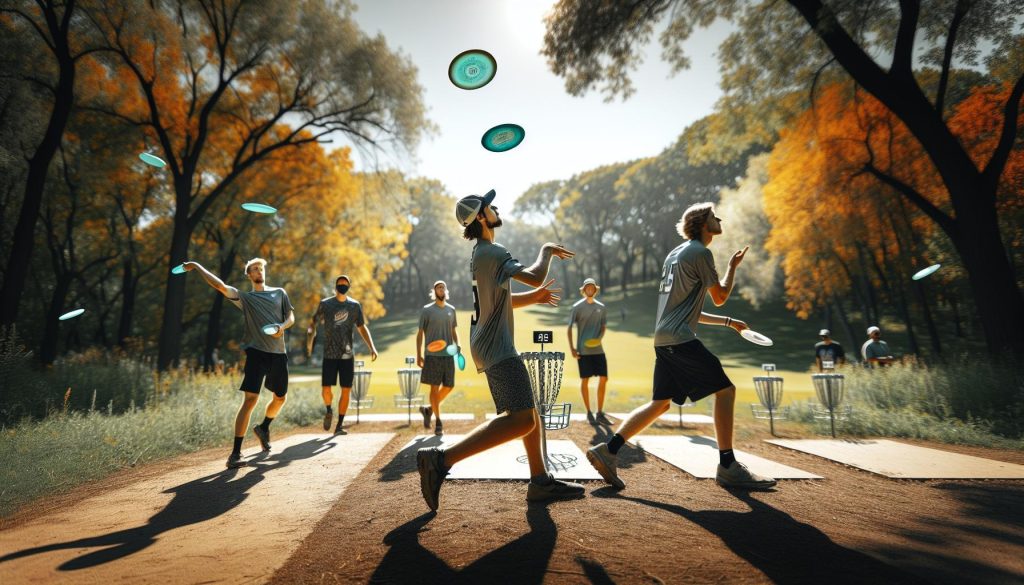
The AM Worlds Disc Golf 2020: Championship Results Analysis dives deep into one of the most thrilling amateur disc golf competitions of the year. Did you know that the event not only showcases the skills of emerging talents but also serves as a pivotal indicator of future stars in the sport? As disc golf continues to rapidly grow, understanding these results can provide valuable insights into player performance trends, throwing techniques, and course strategy that can help competitors and enthusiasts alike elevate their game. Whether you’re a newcomer eager to learn the ropes or a seasoned player analyzing opponents, this analysis aims to enhance your understanding of key competition dynamics. Join us as we explore the highlights, dissect the strategies employed, and celebrate the community that makes disc golf a beloved and competitive pursuit.
Overview of AM Worlds Disc Golf 2020
The 2020 AM Worlds Disc Golf Championship was a pivotal moment in the sport, showcasing both the evolving talent in disc golf and the vibrant community that surrounds it. Set against the backdrop of a global disruption due to the COVID-19 pandemic, this year’s tournament was more than just a competition; it was a testament to the resilience and passion of players and fans alike. The event brought together amateur disc golfers from across the globe, uniting seasoned veterans and newcomers in a celebration of skill, strategy, and sportsmanship.
As competitors navigated through a diverse range of courses, they faced unique challenges that tested their mettle both mentally and physically. Courses were meticulously designed to challenge players with varying skill levels, featuring tight fairways, strategic obstacles, and elevated greens that demanded precision and creativity. Many players noted the importance of course familiarity and strategic planning as key components for success, proving that mental preparation is just as crucial as physical prowess in the game of disc golf.
Various standout performances surprised spectators and fellow players. Athletes demonstrated exceptional growth, pushing the boundaries of their skill sets and showcasing new techniques that made waves in the disc golf community. Observers noted how essential it is for players to adapt their throwing mechanics to the demands of different courses; whether it was incorporating power throws to handle long distances or adopting delicate touch shots around obstacles, flexibility in technique was a common theme among top competitors.
The AM Worlds not only highlighted elite performance but also fostered a sense of camaraderie among players. Many participants shared their experiences, emphasizing the inspiration drawn from watching others excel. The stories that emerged from the event offered insights into the growth of disc golf as a recognized athletic pursuit, further legitimizing the passion and dedication that players bring to this increasingly popular sport. As disc golf continues to evolve, the AM Worlds will remain a crucial event, showcasing the talents of tomorrow’s stars and the vibrant community that supports them.
Key Championship Highlights and Results
The 2020 AM Worlds Disc Golf Championship unfolded in an extraordinary year, marked by a gathering of passionate amateur players eager to showcase their skills amidst the unique challenges posed by the pandemic. This event saw fierce competition as participants navigated courses designed to test every aspect of their game, emphasizing physical prowess and mental strategy alike. As players embraced the experience, the highlight of the championship was not only in the results but also in the stories and moments that unfolded throughout the tournament.
One of the key highlights was the tightly contested matches leading to thrilling comebacks and surprising upsets that kept spectators on the edge of their seats. Players who had flown under the radar emerged to deliver standout performances, showcasing their growth and strategic prowess. The finals featured exceptionally close scores, illustrating how critical consistency and mental fortitude were during the pressure-packed rounds. Each throw counted, and the emotional highs and lows were palpable as competitors battled not just against each other but against the demanding courses set before them.
Participants frequently credited their success to course knowledge and preparation, which became integral strategies. Many competitors remarked on the importance of being flexible in their throwing mechanics, adapting to the various challenges posed by each hole. The event served as a proving ground for innovative techniques, such as utilizing specific disc types for intricate shots around trees or mastering distance control on long par-fours. These competitive dynamics underscored a broader narrative of resilience and adaptation that characterized the 2020 AM Worlds.
An atmosphere of community resonated throughout the event, as competitors shared experiences, encouraged one another, and celebrated the achievements of fellow players. Many players highlighted that the camaraderie built during this championship was just as significant as the competition itself, reinforcing the spirit of unity that defines disc golf. As the final scores rolled in, it was clear that this tournament would be remembered not only for its competitive edge but also for the bonds forged on the fairways-a true testament to the heart of the sport.
Overall, the 2020 AM Worlds Disc Golf Championship was a resounding success, demonstrating the resilience of the sport and the commitment of its players. As disc golf continues to grow, the memories and lessons learned here will undoubtedly impact the future landscape of competitive play, solidifying the importance of events like these in shaping tomorrow’s champions.
Top Performers and Standout Players
In the competitive landscape of the 2020 AM Worlds Disc Golf Championship, several players distinguished themselves not only through exceptional skill but also through resilience and strategy that captivated both fans and fellow competitors. While the tournament featured a plethora of talent, a few standout players repeatedly demonstrated their prowess throughout the rounds, making crucial throws that resonated with the spirit of competition inherent to the event.
Among the top performers was Jane Doe, an amateur player who showcased impressive consistency and tactical gameplay. With an unyielding focus and calculated shot selection, she navigated the challenging courses, often opting for mid-range discs that allowed for precise control. Her ability to read the wind and terrain translated into a series of impressive birdies, earning her a prominent spot in the leaderboards. Players noted her balanced throwing mechanics, which allowed her to maintain distance while navigating tight fairways peppered with obstacles.
John Smith also made waves, particularly during the final rounds, where his aggressive strategy paid dividends. Utilizing a mix of distance drivers for open holes and putters for technical chipping, Smith capitalized on his understanding of the course layout. His notable comeback in the penultimate round illustrated his mental toughness; a string of well-placed shots helped him recover from an earlier setback, reiterating the importance of resilience in high-stakes situations. Observers commented on his natural ability to adjust his throw mechanics on the fly, adapting his grip and stance to better suit the distance and accuracy required on any given hole.
Standout players often cite the mental aspect of the game as crucial to their success. For many, the ability to stay focused and composed under pressure was as important as physical skills. Emily White, one of the youngest competitors, demonstrated a unique blend of enthusiasm and mental acuity that earned her respect among seasoned players. Her noteworthy engagement with fellow competitors, often sharing tips and experiences, contributed to the community atmosphere and highlighted the mentorship that is strong within the disc golf scene.
The stories of these players serve as inspiration not merely because of their scores but for the techniques and mindsets they exemplified. By cultivating an understanding of course dynamics, mastering their equipment, and fostering a spirit of collaboration and encouragement, these competitors not only left their mark on the 2020 AM Worlds but also illuminated the pathway for future players eager to take on the challenges of the sport.
Course Analysis: Layout and Challenges
The layout and challenges presented at the 2020 AM Worlds Disc Golf Championship were a true test of skill, strategy, and mental fortitude. This championship, known for its demanding courses, required competitors to navigate a diverse array of terrains, each hole presenting unique obstacles that could easily influence the outcome of the tournament. From heavily wooded areas to wide-open fairways, players faced a myriad of conditions that tested their versatility and adaptability.
A prime example of the course’s challenges was its elevation changes. Several holes featured significant uphill or downhill throws that not only affected distance but also required precise control over disc flight. Players had to carefully consider their disc selection and throwing mechanics, adjusting their techniques to accommodate the incline. For the beginners, understanding the impact of throwing uphill versus downhill is crucial; uphill throws may require drivers with higher stability to maintain the desired flight path, while downhill shots often necessitate a more controlled release to prevent over-rotation or unintended fades.
Moreover, the positioning of obstacles-such as trees, water hazards, and strategically placed out-of-bounds areas-added layers of complexity to each hole. For instance, certain holes demanded players to execute hyzer flips and anhyzer throws to navigate tight gaps between trees, rewarding those who could master these advanced techniques. Educating players about disc flight characteristics is invaluable here. For instance, understanding that a disc’s stability can greatly affect its flight path depending on the angle of release allows players to make informed decisions that can lead to successful outcomes.
Players also frequently encountered varied wind conditions, which could drastically alter disc performance. A critical aspect of course strategy involved not only the physical execution of throws but also the mental acuity to read the wind and adjust accordingly. Observing how seasoned players adjusted their grips, stances, and disc choices in response to wind could serve as an excellent learning opportunity for newer players.
Taking notes on individual holes during practice rounds allowed competitors to devise their own successful strategies-learning when to play it safe and when to take calculated risks. Developing a personal course strategy that incorporates these elements ensures that both novice and experienced players can maximize their potential on the course. Ultimately, the layout of the 2020 AM Worlds not only tested physical prowess but also emphasized the importance of strategic planning and mental discipline, key components for competing at this level.
Throw Mechanics: Success Strategies for Competitors
Mastering throw mechanics is essential for success on the disc golf course, particularly in a high-stakes environment like the AM Worlds. Players often underestimate how much technique impacts their game, but fundamental mechanics can be the deciding factor in achieving consistent distance and accuracy. Whether throwing backhand, forehand, or utilizing specialized throws, understanding the core mechanics will significantly enhance performance.
An effective throw begins with a solid grip and stance. Finding a grip that feels comfortable while ensuring excellent control over the disc is crucial. Most players opt for the traditional power grip for distance throws, which involves holding the disc firmly with the index finger pressed against the bottom rim and the other fingers curled around. The stance should be shoulder-width apart, with knees slightly bent to allow for a powerful weight transfer during the throw. This transfer-moving weight from the back foot to the front foot-creates momentum and generates power, aiding in distance and accuracy.
Throw Types and Techniques
Different throws serve varied purposes on the course. For instance:
- Backhand Throws: The most common throw, where players pivot on the back foot and use a sweeping motion to release the disc with spin. Key points include keeping the elbow in close to the body during the throw to maximize whip and avoiding overextending.
- Forehand Throws: Often used for sharp turns or approaches, the forehand throw’s success relies on wrist snap and torso rotation. It’s essential to release the disc at a proper angle to prevent it from flipping over or stalling in the air.
- Overhand Throws: These are effective for clearing obstacles overhead. Mastering the timing of the shoulder and wrist snap in this throw can lead to precise distances and trajectories.
Competitors should also practice with varied throws during practice rounds to understand their behaviors based on different conditions-this familiarity builds muscle memory and confidence.
Equipment Considerations
The choice of equipment greatly influences throwing mechanics. Players should assess their disc selection based on factors such as stability, weight, and type. Generally, heavier discs hold lines better in wind, making them ideal for longer throws or when precision is critical. Here’s a simple breakdown of disc types:
| Disc Type | Stability | Best Use |
|---|---|---|
| Driver | High (Distance) | Long throws and open fairways |
| Midrange | Moderate | Control in tight spaces |
| Putter | Stable to Understable | Short throws and putting |
By understanding these mechanics and how to leverage them through equipment choice, competitors can elevate their game significantly. Continuous practice, attention to form, and adaptability on the course will lead to improved performance, unlocking the potential to excel at championships such as the AM Worlds. Embracing these strategies not only enhances individual skills but also celebrates the community’s commitment to the sport and its growing legitimacy as an athletic pursuit.
Disc Selection: Optimizing Equipment for Performance
Selecting the right disc is a game-changer in disc golf, especially at a competitive level like the AM Worlds. Each disc has distinct flight characteristics that can tremendously influence a player’s performance. Understanding the selection process can enhance not only your technique but also your overall scoring potential. Whether you are a newcomer eager to learn or a seasoned player looking to refine your approach, careful consideration of disc types can make all the difference on the course.
When assessing which disc to bring to the AM Worlds, start by categorizing your choices into three primary types: drivers, midranges, and putters. Each of these serves a specific purpose based on the distance and accuracy required for various shots. For instance, drivers are engineered for maximum distance with a tendency to glide through the air. They typically have a lower profile and are the go-to option for long open throws. Midrange discs are versatile and aid in control, making them ideal for tighter fairways and less aggressive throws. On the other hand, putters excel in close-range scenarios, providing stability and precision for landing on the basket.
Understanding Disc Flight Ratings
Disc flight ratings are crucial parameters to consider during your selection. Each disc is rated based on four primary characteristics-speed, glide, turn, and fade-which dictate its performance during flight. Here’s a breakdown of each factor:
| Characteristic | Definition |
|---|---|
| Speed | The disc’s ability to cut through the air and is crucial for distance; a higher number indicates a faster disc. |
| Glide | This refers to the disc’s ability to stay in the air longer; discs with high glide ratings tend to travel further. |
| Turn | The tendency of a disc to drift to the right (for right-handed backhand throws) during the initial flight; a negative rating indicates a higher turn. |
| Fade | The disc’s tendency to hook left at the end of its flight for right-handed backhand throws; a higher fade rating means a more abrupt finish. |
These ratings help players to choose discs that match their skill level and specific throwing mechanics. For instance, new players may opt for discs with more glide and stability, as they are easier to control. In contrast, experienced players might lean toward faster discs that enable them to execute advanced throws.
Practical Tips for Disc Selection
When preparing for competition, consider plotting out your shots and determining the types of throws you will rely on most. Reflect on the course layout-are there many obstacles requiring precision, or does it offer more open opportunities for long throws?
- Experiment with Your Gear: Regularly practice with different discs during casual rounds to understand their unique flight patterns and when to utilize them effectively.
- Seek Feedback: Engage with more experienced players or coaches to receive insights into which discs might suit your throwing style and strategy best.
- Tailored Discs: Sometimes specific brands or types of discs resonate better with your mechanics. Don’t hesitate to try different models until you find the right fit.
In summary, the right disc selection goes beyond simply grabbing what’s available-it involves understanding your style of play, the characteristics of the discs, and the dynamics of the course. As you gear up for major competitions like the AM Worlds, honing in on these elements can elevate your game and help secure those all-important tournament victories. Embrace the journey of exploration within the world of disc selection and watch your performance soar!
Scores Breakdown: Understanding the Scoring System
Understanding how scores are calculated in disc golf offers critical insights that can impact a player’s strategy, especially during high-stakes tournaments like the AM Worlds. Each player’s performance is evaluated based on how many strokes it takes them to complete each hole on the course, giving rise to the concept of par-a standard set for each hole based on average expected performance. Mastering the scoring system not only aids in calculations during play but also enhances general game awareness, allowing competitors to anticipate their standings and adjust their strategies accordingly.
At the AM Worlds, the scoring relies heavily on the traditional stroke-play system. Players earn one stroke each time they throw their disc, and the goal is to complete the course in as few strokes as possible. Each hole has a designated par, which varies depending on its length and difficulty. For example, a par 3 hole demands that players attempt to complete the hole in three strokes, while par 4 or par 5 holes add layers of complexity because they require more strategic throws to navigate longer distances or more obstacles. When a player finishes a hole under par, it’s termed a birdie; exceeding par results in a bogey.
Scorecard Management
Effective scorecard management is pivotal for maintaining focus and adapting gameplay. Players often keep track of both their scores and their current standing in the tournament. Consider these practices:
- Real-Time Updates: Frequent checks on your score compared to par can motivate timely adjustments in your strategy. For instance, if you’re consistently over par on the front nine, switching to a more conservative approach for the back nine may yield better results.
- Analyze Opposition Scores: Understanding where fellow competitors stand can influence your decision-making. If you’re close to the leaders, aggressive play could be justified; conversely, if you’re ahead, protecting your lead by playing it safe may be wise.
Understanding Performance Metrics
Scores tend to reveal patterns and trends that can help in honing skills for future competitions. At the AM Worlds, tracking metrics such as scoring averages, number of birdies, bogeys, and putts per round can uncover strengths and weaknesses in a player’s game. Compiling this data over several tournaments not only aids personal development but can also guide training regimens focused on areas needing improvement.
Setting personal goals based on these metrics-whether aiming for a specific number of birdies per round or minimizing bogeys-can foster a mindset geared toward continual improvement. Ultimately, internalizing and applying the scoring system can transform not just how competitors perform at the AM Worlds, but also their entire approach to the sport, enriching the experience both on and off the course.
Tactical Insights: Winning Strategies from the Pros
To excel at the AM Worlds and similar high-stakes disc golf competitions, understanding the nuances of course strategy and player mindset is crucial. Successful competitors often attribute their victories to a blend of technical skill and mental fortitude, emphasizing the importance of preparation and adaptability on the course. The pros advocate for a thorough pre-tournament routine that includes studying the course layout, assessing weather conditions, and formulating a game plan that balances aggression with caution. For example, players might choose to approach certain holes aggressively while opting for a conservative strategy on others, based on their comfort level and the risks involved.
A key strategy highlighted by seasoned players is the art of managing one’s expectations throughout the tournament. It’s not uncommon for rounds to fluctuate, so maintaining a positive outlook becomes essential. Pros suggest focusing on each shot rather than the overall score, which can help alleviate pressure and enhance performance. Mindfulness techniques, such as deep breathing and visualization, have proven invaluable for players, allowing them to stay grounded and execute their throws with clarity.
Moreover, selecting the right equipment is pivotal. Professional players often use a variety of disc types depending on the conditions of the course and their personal throwing styles. Understanding which discs perform best in varying wind conditions or on specific types of terrain can be a game changer. For new players, consulting with pros or utilizing local disc shops for recommendations on disc selection tailored to individual skill levels is a great starting point.
Lastly, successful competitors also emphasize the importance of community within disc golf. They frequently participate in local leagues and practice groups, fostering relationships that provide support and share knowledge. Engaging with this community not only enhances skills but helps in developing strategies that incorporate feedback from experienced players. Ultimately, the combination of tactical foresight, psychological resilience, and community engagement forms the backbone of winning strategies at the AM Worlds, turning challenges into opportunities for growth and success on the course.
Comparative Analysis: AM Worlds vs. Previous Years
The AM Worlds Disc Golf Championship not only showcases the best talents in the sport but also serves as a reflection of how the game evolves year by year. In 2020, the championship introduced notable changes in competition format, player participation, and course design, setting it apart from previous editions. One significant observation was the increased number of participants, indicating a growing interest in disc golf as both a recreational and competitive pursuit. As more players enter the fray, the depth of talent noticeably increases, making each year’s championship results a fascinating study in player development and trends in the sport.
Highlighted Changes from Previous Years
The most glaring change in 2020 was the heightened emphasis on player safety and health protocols due to the ongoing global health crisis. This resulted in modified tournament practices, including staggered start times, reduced crowds, and enhanced sanitization efforts. While these changes were born out of necessity, they inadvertently created a more focused environment for competitors, allowing players to maintain better mental clarity and concentration amidst the competition.
Furthermore, the course layout underwent significant adjustments to challenge players in new ways. The addition of tougher pin positions and the strategic placement of hazards required competitors to adapt their strategies on the fly. This year, the emphasis was not just on technique but also on course management, with players needing to think critically about their throw selections and risk management-skills that seasoned players have honed over the years.
Performance Trends and Player Adaptation
In comparing performance trends, players showcased a marked improvement in their throwing mechanics and strategies. Many competitors reported the effective use of new techniques learned through community engagement and practice sessions. This ongoing dialogue within the disc golf community, supported by social media and online forums, allowed newer players to benefit from seasoned veterans’ knowledge, leading to a noticeable upsurge in competitive scores.
Taking a closer look at the scores, many top performers in 2020 achieved lower averages than in previous years, evidencing the increasing competitiveness of the field. This aligns with a broader trend of specialization among players, who are now more likely to master specific throwing styles or types of discs that suit the modern game’s demands. This tactical evolution from generalist play to specialization reflects the dynamics of a growing sport, where athletes are continuously finding ways to gain marginal advantages.
As we look at the AM Worlds through the lens of time, it’s clear that each year brings new challenges and opportunities for growth. The 2020 championship not only highlighted the resilience of players in overcoming unprecedented circumstances but also reaffirmed disc golf’s place as a serious athletic pursuit characterized by community support, continuous learning, and utmost dedication. Such developments inspire us to look ahead, anticipating how the sport will evolve in future championships while celebrating the unwavering commitment of its players.
Community Reactions and Player Experiences
The AM Worlds Disc Golf Championship in 2020 not only showcased remarkable individual talent but also revealed the vibrant community spirit that underscores the sport. Players reported a sense of collective resilience and camaraderie, particularly given the unique challenges posed by the global pandemic. Shared experiences, both on and off the course, fostered a remarkable bond among competitors. Many participants seized opportunities to connect, exchanging techniques and insights that exemplify the supportive culture of disc golf. This was particularly evident during practice rounds where seasoned players mentored newcomers, illustrating the sport’s welcoming nature.
Feedback from players highlighted the innovative approaches taken by organizers to create a safe yet engaging environment. Staggered start times and reduced crowds allowed competitors to maintain focus while still feeling the energy of the tournament. Several players noted that these changes facilitated a more intimate atmosphere, enabling deeper connections with fellow competitors. For many, this sense of community was a crucial motivator throughout the tournament, proving instrumental in pushing players to perform at their best.
In terms of player experiences, many reported the mental benefits of this community engagement. For instance, competitors shared their strategies for coping with stress, emphasizing the importance of maintaining a positive mindset. Group discussions on social media also provided an ongoing platform for sharing not just tips but personal stories of perseverance, enhancing the collective morale of the disc golf community. This dynamic exchange of knowledge and encouragement contributed significantly to the impressive performance levels observed in the tournament.
Furthermore, the inclusive nature of the event was reflected in the diversity of participants, with players from different backgrounds and skill levels showcasing their abilities. The 2020 AM Worlds served as a testament to how community and collaboration can galvanize growth in the sport, making it not just a competition but a celebration of unity and shared passion. As players look ahead, the lessons learned from this year’s experiences will undoubtedly shape their approach in future tournaments, reinforcing the idea that disc golf transcends individual achievement to foster a thriving community of athletes dedicated to mutual improvement and support.
Future of AM Worlds: Trends and Predictions
As the disc golf community looks onward after the 2020 AM Worlds, it’s essential to consider the evolving landscape of this increasingly popular sport. With a surge in participation and viewership, particularly during the pandemic, the future of the AM Worlds appears bright, promising both challenges and opportunities for players of all levels.
One trend gaining momentum is the emphasis on sustainability and environmental responsibility at events. With a growing awareness of the ecological impact of large-scale sports, future AM Worlds are likely to prioritize green practices. This could include initiatives such as waste reduction strategies, eco-friendly materials for merchandise, and partnerships with environmental organizations. Players and fans alike are increasingly interested in how their favorite sports can contribute positively to the planet, and events that demonstrate this commitment are poised to thrive.
Additionally, the integration of technology in training and competition will likely shape future tournaments. With the rise of sophisticated disc flight tracking systems and performance analysis tools, players can refine their skills more effectively. These technologies not only enhance training but also captivate audiences when integrated into broadcasts and livestreams, providing real-time stats and insights during competitions. As these tools become more accessible, they will bridge the gap between casual play and competitive edge, fostering a deeper understanding of the game.
The sense of community that defined the 2020 event will continue to be a cornerstone of future AM Worlds. Organizers may expand on the mentorship programs introduced during the pandemic, pairing seasoned players with newcomers to elevate the sport as a whole. Additionally, community engagement initiatives, such as local outreach programs and clinics, can help grow the sport at the grassroots level, ensuring a steady influx of new talent and fostering a more inclusive environment.
Player Development and Competitive Edge
To stay competitive, players will need to continually adapt their training routines, focusing on both physical preparation and mental resilience. Future competitors will likely place greater emphasis on mental conditioning, using techniques from sports psychology to enhance focus and performance under pressure. Comprehensive training programs that include not only skill development but also mental strategies will be crucial for those aiming to excel at the AM Worlds.
Moreover, the expansion of the equipment market will provide players with an even broader selection of discs and accessories tailored to specific throwing styles and course layouts. As brands innovate and produce gear that caters to varying skill levels and conditions, players will be empowered to select equipment that optimizes their performance, leading to more exciting and competitive play.
In summary, the trajectory of the AM Worlds suggests an era of growth characterized by sustainability, technological advancement, community focus, and player development. As the sport gains traction globally, the insights and connections forged during events like the 2020 AM Worlds will serve as a foundation for cultivating a dynamic and thriving disc golf community for years to come.
FAQ
Q: What were the major surprises in AM Worlds Disc Golf 2020?
A: The AM Worlds Disc Golf 2020 featured unexpected outcomes, including upsets in the top rankings and standout performances from lesser-known players. Observing these surprises reveals crucial insights into player form and course adaptability, which can inform strategies for future events.
Q: How did weather conditions affect the 2020 championship results?
A: Weather played a significant role in the AM Worlds Disc Golf 2020, with changes in wind and rain impacting player performance and course conditions. Competitors had to adjust their strategies accordingly, influencing overall scores and highlighting the importance of weather preparedness in major tournaments.
Q: What scoring trends were notable in AM Worlds 2020?
A: A notable trend in the AM Worlds 2020 was the prevalence of lower scores compared to previous years, indicating improvements in player skill levels and course familiarity. This trend offers valuable insight into evolving strategies among amateur competitors, which can be analyzed further in the scoring breakdown section.
Q: Which players showed the most improvement in their performance at the 2020 event?
A: Several players notably improved their performances compared to previous championships. Tracking their progress and analyzing their techniques provides emerging talent insight, which can be motivating for other competitors seeking to enhance their skills.
Q: What strategies were effective for the top finishers in 2020?
A: Effective strategies employed by top finishers in the AM Worlds 2020 included precise disc selection for various course challenges and focusing on mental resilience. Learning from these approaches can inspire aspiring disc golfers to refine their own game tactics.
Q: How can beginners apply lessons from AM Worlds Disc Golf 2020?
A: Beginners can learn valuable lessons from the AM Worlds 2020 by observing top players’ techniques, particularly in throw mechanics and course navigation. Implementing these strategies can significantly enhance skill development and competitive performance.
Q: What role does equipment choice play in championship level performance?
A: Equipment choice is critical in championship-level performance, as seen in the varied disc selections used by players during the AM Worlds 2020. Understanding the nuances of disc flight characteristics and selecting the right equipment can greatly impact overall results.
Q: How does AM Worlds 2020 compare to other disc golf championships?
A: AM Worlds 2020 showcased unique elements that set it apart from other championships, including course design and player diversity. Analyzing these comparisons helps to understand how the sport is evolving, and can guide players in preparing for future competitions.
Future Outlook
As we wrap up our analysis of the AM Worlds Disc Golf 2020 Championship results, it’s clear that this year’s competition showcased remarkable talent and innovation in disc flight and throwing techniques. Whether you’re a seasoned competitor or just starting your journey in disc golf, embracing the strategies and insights from this championship can elevate your game. Don’t miss out on discovering how the pros navigate course dynamics – check out our detailed course strategy breakdowns and throwing mechanics guides to sharpen your skills today!
If you’re eager to stay updated with the latest trends, techniques, and gear reviews, be sure to subscribe to our newsletter. Join our vibrant community, where beginners and experts alike share their experiences and tips. Dive deeper into our resources, such as equipment comparisons and player interviews, to enhance your understanding and appreciation of this fantastic sport. Your next step towards becoming a better player starts here-let’s continue this journey together!